

P0305 on 2006-2012 Mitsubishi Eclipse 3.8L V6: Cylinder 5 Misfire Causes and Fixes
P0305 on a 4th-gen Eclipse GT most often means oil has leaked into the #5 spark plug tube from a bad valve cover gasket, fouling the plug and coil. The fix is to replace the valve cover gaskets, spark plug tube seals, and the oil-soaked plug and coil. Expect a higher labor cost due to the rear cylinder bank's location against the firewall, which requires removing the upper intake plenum for access.
- P0305 on the Eclipse 3.8L V6 is most often not just a bad spark plug, but a symptom of a leaking valve cover gasket.
- Always check the cylinder 5 spark plug well for oil before replacing any parts. This is the key diagnostic step.
- Repairing this code is more difficult and costly than on many other vehicles because cylinder 5 is on the rear bank, requiring removal of the intake manifold for access.
- To permanently fix the issue, you must replace the gaskets and seals, not just the oil-soaked ignition components.
What's Unique About the 2006-2012 Mitsubishi Eclipse
On the 6G75 V6 engine, a P0305 code is very frequently caused by a failed valve cover gasket and spark plug tube seal. These seals degrade over time, allowing engine oil to fill the spark plug well for cylinder 5. This oil soaks the ignition coil and spark plug, leading to a misfire. Because cylinder 5 is on the rear bank against the firewall, accessing it requires removing the upper intake plenum, making the repair more labor-intensive than a typical spark plug or coil replacement.
Symptoms You May Notice
- Rough or shaking idle
- Hesitation or stumbling during acceleration
- Noticeable loss of engine power
- Flashing Check Engine Light (especially under load)
- Poor fuel economy
- Smell of unburnt fuel from the exhaust
- Replacing only the spark plug or coil without addressing the oil leak from the valve cover gasket. The new parts will quickly become fouled with oil and the misfire will return.
- Replacing only the rear valve cover gasket when the front one is also likely near the end of its service life. It is best practice to do both at the same time.
Most Likely Causes
- Leaking Valve Cover Gasket / Spark Plug Tube Seals 🔴 High Probability → Shop Engine Valve Cover The rubber seals become hard and brittle from engine heat cycles, losing their ability to contain oil. This is a widely documented, common wear-and-tear item on the 6G75 V6 engine found in the Eclipse and its platform mates.
How to confirm: Remove the ignition coil from cylinder 5. If the bottom of the coil boot is wet with engine oil and there is oil pooled in the spark plug well, the seals have failed.
Typical fix: Replace both valve cover gaskets 🎬 See a full walkthrough of the valve cover and plug replacement. and all six spark plug tube seals. The oil-fouled spark plug and ignition coil for cylinder 5 should also be replaced. It is critical to address the leak, not just the fouled components.
Est. part cost: $40-$100 for a full gasket and seal kit. - Worn or Fouled Spark Plug 🔴 High Probability → Shop Spark Plug Spark plugs are a regular maintenance item. If fouled by oil from the cause above, or simply at the end of their service life (typically 60,000-100,000 miles for iridium plugs), they will fail to produce a strong spark.
How to confirm: After removing the ignition coil, remove the spark plug. Inspect it for a coating of oil, black carbon buildup, or a worn-out electrode. Check the gap with a feeler gauge; for the OEM plug it should be within spec, though specific gaps can vary.
Typical fix: Replace the spark plug. It is best practice to replace all six spark plugs at the same time to ensure even performance.
Est. part cost: $10-$20 per spark plug. - Failed Ignition Coil 🟡 Medium Probability → Shop Ignition Coil
How to confirm: Swap the ignition coil from cylinder 5 with another cylinder (e.g., cylinder 1, which is also on the rear bank). Clear the codes and drive the vehicle. If the code changes to P0301, the ignition coil is faulty. If the coil was soaked in oil, it should be replaced regardless, as the oil degrades the boot and can cause intermittent connection issues.
Typical fix: Replace the failed ignition coil.
Est. part cost: $50-$110 for one coil. - Clogged or Faulty Fuel Injector ⚪ Low Probability → Shop Fuel Injector
How to confirm: This is more complex. A professional can perform a fuel injector balance test. A DIY method is to listen to the injector with a mechanic's stethoscope; it should make a consistent clicking sound. Swapping injectors between cylinders is also possible but requires removing the fuel rail and is a more involved job.
Typical fix: Replace the faulty fuel injector. It's often recommended to replace them as a set on higher mileage vehicles.
Est. part cost: $70-$150 for one injector.
Rare But Worth Checking
- Low Engine Compression: This indicates a more serious mechanical problem like a worn piston ring, a bad valve, or a head gasket leak. A compression test is needed to diagnose this. This is the last thing to check if all ignition and fuel-related causes have been ruled out. A forum user on GMTNation with a P0305 on a different vehicle noted their compression was only slightly low (175 psi vs 180 on other cylinders), indicating even small variations can be significant.
- Faulty ECM/PCM: Extremely rare, but the Engine Control Module itself can fail. Mitsubishi diagnostic charts list this as a final possibility after all other causes are eliminated.
Diagnosis Steps
- Read the code with an OBD-II scanner to confirm P0305 and any other stored codes. 🎬 Watch this helpful video on diagnosing and repairing a P0305 code.
- Identify cylinder 5. On the 3.8L 6G75 V6, the cylinders are numbered 1-3-5 on the right bank (firewall side) and 2-4-6 on the left bank (radiator side), from the front of the engine (timing belt side). Cylinder 5 is the rearmost cylinder on the firewall side.
- To access the rear bank, the upper intake plenum must be removed. 🎬 Watch this step-by-step guide on removing the intake plenum. This is the most labor-intensive part of the job.
- Once the plenum is off, remove the ignition coil for cylinder 5.
- Inspect for Oil: Check the spark plug well for pooled engine oil. If oil is present, the primary cause is a leaking valve cover gasket and tube seal. Proceed to replace the gaskets, seals, the cylinder 5 spark plug, and the oil-soaked coil.
- If No Oil is Present: Swap the ignition coil from cylinder 5 with the coil from cylinder 1. Reinstall the plenum temporarily, clear the codes, and run the engine to see if the misfire code moves to P0301. If it does, the coil is bad.
- If the code remains P0305, the spark plug is the next most likely culprit. Replace the spark plug in cylinder 5 (it is highly recommended to replace all 6).
- If the issue persists, the problem may be with the fuel injector or, in rare cases, a mechanical issue like low compression. These steps typically require professional diagnosis.
Parts You'll Likely Need
- Valve Cover Gasket Kit
(OEM #MN137773)— This is the most common point of failure leading to a P0305 code on this engine, by allowing oil to leak into the spark plug tube. The V6 requires two gaskets. A kit should include spark plug tube seals.
Trusted brands: Fel-Pro (VS50734R is a common kit), Beck/Arnley, Victor Reinz
OEM price range: $45-$60 per gasket
Aftermarket price range: $30-$80 for a full kit - Ignition Coil
(OEM #MR994643)— The ignition coil provides the high voltage spark. It can fail from heat and age, or be damaged by the oil leak from a bad valve cover gasket.
Trusted brands: Denso, NGK, Delphi
OEM price range: $100-$150
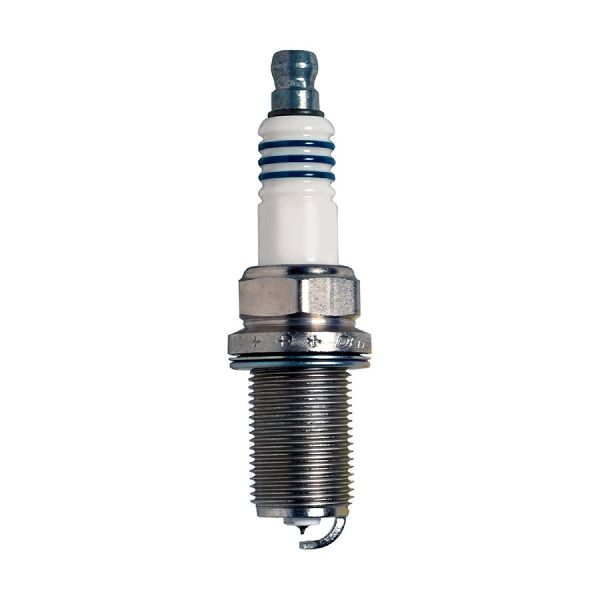
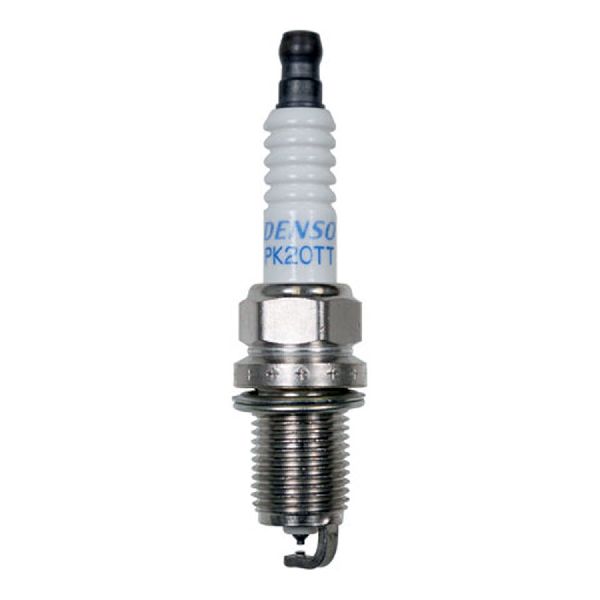
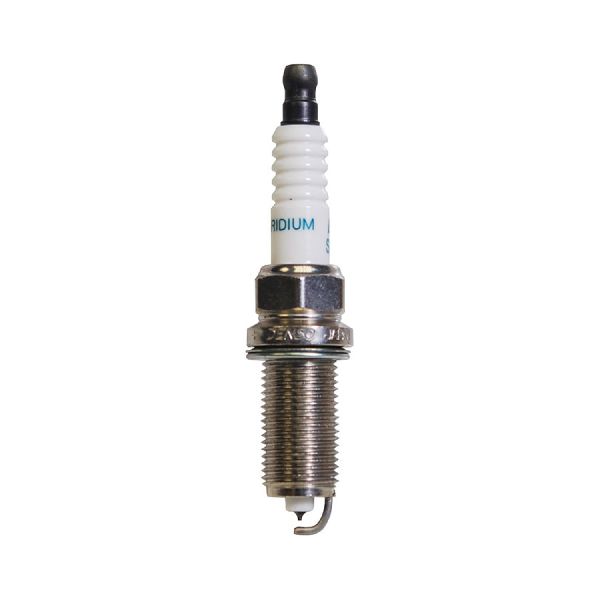
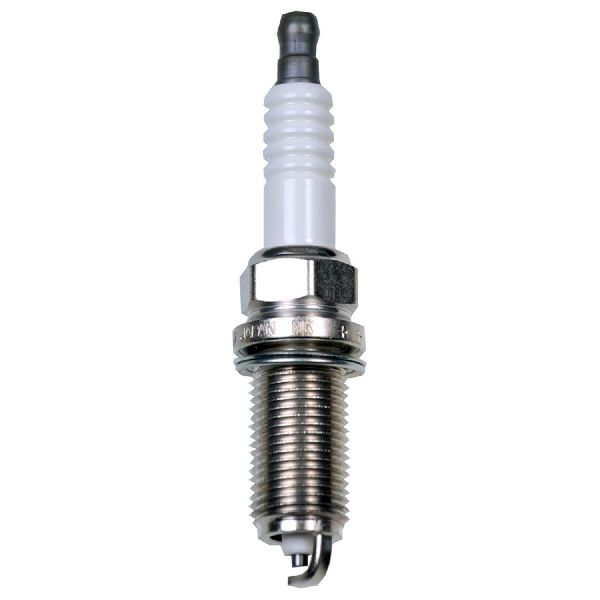
Aftermarket price range: $45-$90 - Iridium Spark Plug
(OEM #1822A002)— This is the component that creates the spark inside the cylinder. It's a standard wear item and will be rendered ineffective if fouled by oil.
Trusted brands: NGK (ILKR7E6 is a common cross-reference), Denso
OEM price range: $12-$20
Aftermarket price range: $8-$15
Related Codes That Often Appear With This One
- P0300 — If the underlying cause, such as a large vacuum leak or low fuel pressure, begins to affect multiple cylinders, a P0300 (Random/Multiple Cylinder Misfire) may be stored alongside P0305.
- P0301, P0303 — If the valve cover gasket for the entire rear bank is leaking, it's common for the other cylinders on that bank (1 and 3) to also develop misfires as their spark plug tubes fill with oil. A user on a Lexus forum experienced a similar issue where a P0305 was soon joined by a P0301.
Technical Service Bulletins (TSBs) & Recalls
- TSB-06-13-005: While not a direct fix for the misfire's root cause, this TSB from April 2006 addresses an issue on some affected vehicles where freeze frame data might be unavailable for misfire codes (P0300-P0306). It involves reprogramming the PCM to ensure diagnostic data is properly stored, which can be crucial for diagnosing a persistent misfire.
Platform-Specific Known Issues
- The design of the 6G75 engine makes the rear valve cover (cylinders 1, 3, 5) difficult to access, as the intake plenum must be removed. This significantly increases the labor time and cost for what would otherwise be a simple job on other engines.
- A real-world repair story from a Polish Mitsubishi forum (mitsubishi-eclipse.pl) confirms this exact scenario: a user with a 4G Eclipse V6 experienced a misfire and, upon inspection, found oil in the spark plug wells, leading to the replacement of the valve cover gaskets and tube seals to resolve the issue.
Mechanic-Grade Diagnostic Values
- Fuel Injector Resistance — expected: 11 to 15 Ohms at 68°F (20°C). Failure: A reading of infinity (Open Line) or near zero Ohms (short circuit) indicates a failed injector. All injectors should have similar resistance values.
- Ignition Coil Primary Winding Resistance — expected: 0.49 - 0.57 Ohms at 68°F (20°C). Failure: A reading outside this range indicates a faulty coil.
- Ignition Coil Secondary Winding Resistance — expected: 9.5 - 11.1 kOhms. Failure: A reading outside this range indicates a faulty coil.
Scan Tool Commands That Help
- Mitsubishi MUT-III: Live Data Misfire Counter — To monitor misfire events on each cylinder in real-time while driving or idling. This helps confirm if the misfire is constant or intermittent and under what conditions it occurs, which is more detailed than a stored code alone.
- Mitsubishi MUT-III: ECU Reprogramming / Reset — As a last resort if a software glitch is suspected of causing the misfire, or after replacing the ECM. This can clear corrupted memory and restore proper cylinder firing parameters.
- Mitsubishi MUT-III: Drive Recorder — To capture vehicle data over a period of time for later analysis, which can be useful for diagnosing intermittent misfires that are difficult to reproduce in the shop.
Wiring & Ground Locations
- Engine Ground Strap (Firewall) — Heavy wire bolted to the side of the front valve cover (radiator side), with the other end bolted to the chassis.. A poor engine ground can cause a host of electrical issues, including weak spark or erratic sensor readings, leading to misfire codes. Ensuring this connection is clean and tight is a crucial, often overlooked, basic step.
- Engine Ground Strap (Motor Mount) — A grounding strap located down by the main engine motor mount.. Provides a primary ground path for the engine block. Corrosion or looseness here can affect the entire ignition system's performance.
- G10 Ground Point — Located at the rear of the engine.. This is a shared ground point for multiple engine components. A fault here could potentially affect sensors or actuators related to cylinder 5.
- ECU Area Grounds — Multiple ground points located on the firewall behind the ECU assembly and on the passenger side strut tower.. A clean ground for the Engine Control Unit is critical for its proper operation. A faulty ground here could cause the ECU to misinterpret data or send incorrect signals to the ignition coils or injectors.
OEM Part Supersession History
MR994642→MR994643— Likely a minor revision or change in manufacturer for the ignition coil.
Heads up: The part numbers are generally listed as interchangeable, meaning either should work. However, it is always best practice to use the latest revision (MR994643) when possible.
Model Year Variations Within This Range
- 2009-2012: The GT models received a facelift which included a new dual exhaust system. This resulted in a minor power increase from 263 hp to 265 hp and from 260 lb-ft to 262 lb-ft of torque. Electronic stability control also became standard on the GT. These changes do not directly impact the diagnosis of a P0305 code.
Diagnostic Flowchart
Other Known Issues on This Vehicle
Issues unrelated to this code that are worth knowing about as an owner of this generation:
- Cracked / Peeling Dashboard 🟠 Medium — Very common, especially in warmer climates. The material lifts and cracks near the windshield and vents due to sun/heat exposure.
- Timing Belt Service 🔴 High — This is a critical maintenance item, not a failure. The 6G75 is an interference engine. The timing belt, water pump, and hydraulic tensioner must be replaced every 60,000-100,000 miles. Failure to do so will result in catastrophic engine damage.
- Clear Coat / Paint Failure 🟠 Medium — Widespread issue, particularly on darker colored vehicles. The clear coat peels and flakes, most commonly on the roof, hood, and spoiler.
- Automatic Transmission Solenoid Failure 🟠 Medium — Some owners report issues with transmission shift solenoids failing, which can cause harsh shifting or lead to the transmission entering a 'limp mode' (stuck in 3rd gear), often triggering codes like P1775.
Used vs. New Parts: Buying Guide for This Vehicle
When a used part is the smart pick: For this repair, obtaining a used intake plenum from a junkyard is a reasonable choice if the original is damaged during removal. However, for all other components related to the fix (gaskets, seals, spark plugs, ignition coils), new parts are strongly recommended due to the high labor cost of accessing the rear cylinder bank.
Donor-vehicle mileage cap: roughly under 100000 miles for the part to have meaningful remaining life.
What to inspect on the donor part:
- For an intake plenum: Inspect for cracks, especially around bolt holes, and ensure all vacuum ports are intact.
- For a used ignition coil (if necessary): Check the plastic housing for cracks or melting, and inspect the electrical connector pins for corrosion. Avoid any coil that shows signs of being saturated in oil.
OEM-only on this vehicle (don't cheap out):
- Spark Plug Tube Seals: This is the most critical sealing component for this specific problem. Using cheap, unproven aftermarket seals is a major risk that could lead to a repeat failure after a very labor-intensive job. OEM or a top-tier brand like Fel-Pro is essential.
Aftermarket brands forum-validated for this vehicle:
- Gaskets: Fel-Pro (VS50734R kit)
- Ignition Coils: Denso, NGK
- Spark Plugs: NGK, Denso
Brands owners have reported issues with on this vehicle:
- Unbranded or 'white box' valve cover gasket kits and ignition coils from online marketplaces. The initial savings are not worth the risk of premature failure and repeating the 4+ hours of labor.
Real Owner Stories
Aggregated from forums and TSBs cited above. Mileages and costs reflect what owners reported in those sources.
2006-2012 Mitsubishi Eclipse 4G V6
Symptoms: The owner experienced an engine misfire and, upon inspection, discovered oil had pooled inside the spark plug wells.
What fixed it: Replacement of the valve cover gaskets and spark plug tube seals.
Source hint: Polish Mitsubishi forum (mitsubishi-eclipse.pl) cited in vehicle_specific_issues
2006 Mitsubishi Eclipse V6
Symptoms: The owner noted that the V6 models are significantly harder to perform DIY repairs on compared to the 4-cylinder models due to engine layout.
What fixed it: General maintenance/repair involving plenum removal to access rear components.
Source hint: Reddit - r/MitsubishiEclipse
Related OBD-II Codes
Frequently Asked Questions
Why is the labor for a P0305 code so much higher on my 3.8L V6 Eclipse compared to other cars?
Does TSB-06-13-005 apply to my 2006 Eclipse if I have a P0305 code?
Can I just replace the cylinder 5 spark plug if it's fouled with oil?
Are the parts for a P0305 fix on my Eclipse the same as those for a Mitsubishi Galant or Endeavor?
If I find oil in the spark plug well of cylinder 5, do I need to replace the ignition coil too?
What is the correct cylinder numbering for the 3.8L V6 to find cylinder 5?
Helpful Videos


![How to Fix P0305 Engine Code in 3 Minutes [2 DIY Methods / Only $4.53]](https://img.youtube.com/vi/iu7X5E-N1II/mqdefault.jpg)
We Have This Part in Stock

The information in this article is provided for general reference and educational purposes only. Vehicle specifications, procedures, and part compatibility can vary by production date, trim level, and region. Always consult your vehicle's factory service manual and verify part numbers before purchasing or performing repairs. Safety-critical components such as airbags, seat belts, and braking systems should be installed by a qualified professional.
- Mitsubishi Eclipse:
- 🧭 Diagnostic Flowchart
- 🎬 Helpful Videos
- 🛍️ Shop This Part
- What's Unique About the 2006-2012 Mitsubishi Eclipse
- Symptoms You May Notice
- Most Likely Causes
- Rare But Worth Checking
- Diagnosis Steps
- Parts You'll Likely Need
- Related Codes That Often Appear With This One
- Technical Service Bulletins (TSBs) & Recalls
- Platform-Specific Known Issues
- Mechanic-Grade Diagnostic Values
- Scan Tool Commands That Help
- Wiring & Ground Locations
- OEM Part Supersession History
- Model Year Variations Within This Range
- Other Known Issues on This Vehicle
- Used vs. New Parts: Buying Guide for This Vehicle
- Real Owner Stories
- 2006-2012 Mitsubishi Eclipse 4G V6
- 2006 Mitsubishi Eclipse V6
- Related OBD-II Codes
- Frequently Asked Questions
- 🎟️ Get 5% Off