

P0305 on 2008-2009 Pontiac G8 6.0L V8: Cylinder 5 Misfire Causes and Fixes
On a 2008-2009 Pontiac G8 GT, code P0305 is most often caused by a bad spark plug, ignition coil, or spark plug wire on cylinder 5. A DIY fix for these common ignition issues costs under $100. However, this code can also be an early warning of a failing Active Fuel Management (AFM) lifter, a significant and common engine repair for the L76 V8 that can cost over $2,000 if it also requires camshaft replacement.
- P0305 on a G8 GT is a misfire on the third cylinder from the front on the driver's side.
- Always diagnose in order: swap the ignition coil first, then the spark plug. This will identify the most common and cheapest fixes without wasting money on parts.
- A flashing check engine light means STOP DRIVING to prevent catastrophic damage to your catalytic converters.
- Listen for a ticking or tapping noise from the engine. If present with a P0305 code, it strongly suggests a more serious AFM lifter problem that requires professional diagnosis.
- Check if your vehicle has had the ignition key safety recall (GM #14445) performed.
What's Unique About the 2008-2009 Pontiac G8
The Pontiac G8 GT's L76 6.0L V8 engine is equipped with Active Fuel Management (AFM), also known as Displacement on Demand (DOD). This system deactivates cylinders (1, 4, 6, and 7) to save fuel but uses special hydraulic lifters that are a known common failure point. While a simple spark plug or coil is the most likely cause for P0305, a failing AFM lifter on an adjacent AFM cylinder can sometimes manifest in unusual ways, though cylinder 5 itself is not an AFM cylinder. More critically, any lifter (AFM or standard) can fail, and a persistent P0305 accompanied by a distinct ticking sound from the engine is a strong indicator of a potential valvetrain issue, such as a collapsed lifter or a worn camshaft lobe. This makes it crucial to not ignore the code, as it could be an early symptom of a much more serious mechanical issue requiring cylinder head removal.
Symptoms You May Notice
- Rough or shaky idle
- Hesitation or stumbling during acceleration
- Noticeable loss of engine power
- Flashing or solid Check Engine Light
- Possible fuel smell from the exhaust
- A rhythmic ticking, squeaking, or chirping sound from the engine bay, which could indicate a lifter or camshaft issue
- Replacing oxygen (O2) sensors. O2 sensors report on the air/fuel mixture but do not cause a single-cylinder misfire. A misfire will cause bad readings, but the sensor is not the root cause.
- Replacing the catalytic converter. A misfire can destroy a catalytic converter, but a bad converter will not cause a P0305 code. The converter is a victim of the misfire, not the cause.
- Assuming it must be an AFM lifter. While AFM lifter failure is common on the L76, cylinder 5 is a non-AFM cylinder. The lifter on this cylinder is a standard LS-style lifter, which can still fail but is a different part.
Most Likely Causes
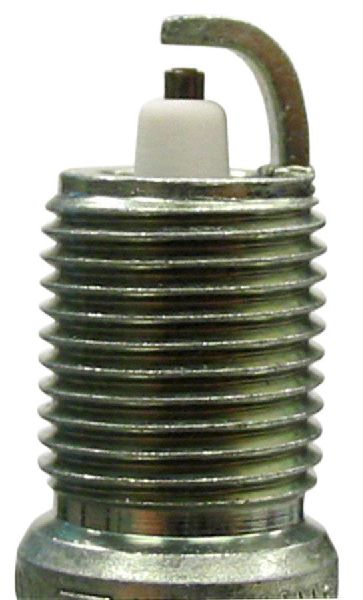
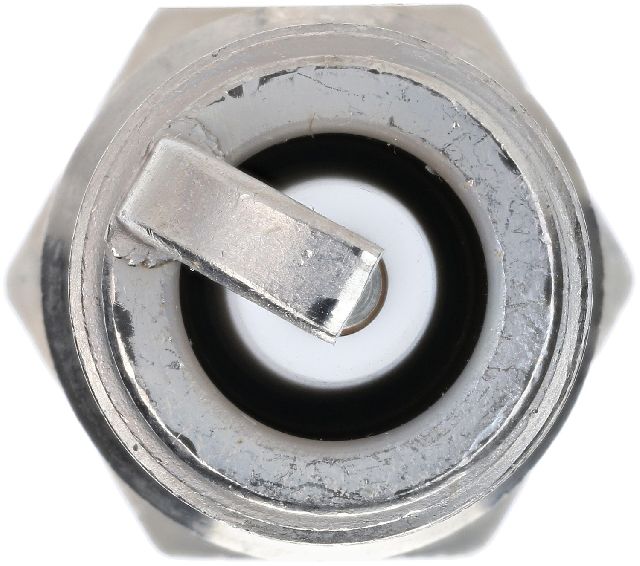
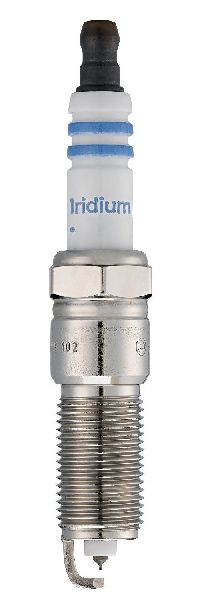
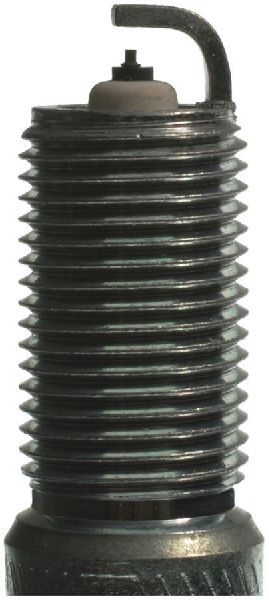
- Worn or Fouled Spark Plug 🔴 High Probability → Shop Spark Plug Spark plugs are a routine maintenance item. Carbon buildup from short trips or issues with the AFM system can sometimes lead to premature fouling.
How to confirm: After confirming the misfire is not caused by the ignition coil, remove the spark plug from cylinder 5. Inspect it for wear, carbon fouling, oil, or damage to the electrode or ceramic insulator. A healthy plug should be light tan or grayish.
Typical fix: Replace the spark plug in cylinder 5. It is best practice to replace all 8 spark plugs at the same time if they are near the end of their service life (typically 100,000 miles for original Iridium plugs).
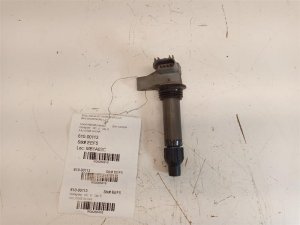
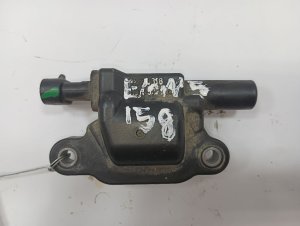
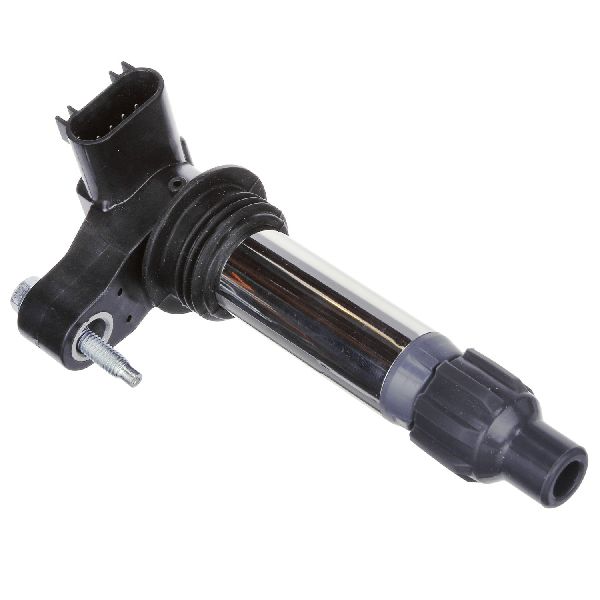
Est. part cost: $10-$20 for a single OEM-quality plug, $80-$150 for a set of 8. - Faulty Ignition Coil 🔴 High Probability → Shop Ignition Coil The coil-on-plug ignition system is generally reliable, but individual coils can fail from heat and age. This is a very common cause for single-cylinder misfires on LS-family engines.
How to confirm: Swap the ignition coil from cylinder 5 with an adjacent cylinder (e.g., cylinder 3). Clear the codes with a scanner and drive the car. If the misfire code changes to P0303, the ignition coil is the faulty component.
Typical fix: Replace the faulty ignition coil. It is only necessary to replace the one that has failed.
Est. part cost: $40-$80 for a single OEM-quality coil. - Bad Spark Plug Wire 🟡 Medium Probability → Shop Spark Plug The wires are exposed to high engine bay temperatures which can cause the insulation to degrade over time, leading to arcing or increased resistance.
How to confirm: Visually inspect the wire for cylinder 5 for any signs of cracking, melting, or corrosion on the terminals. Check for a secure connection at both the coil and the spark plug. You can also test its resistance with a multimeter; a reading outside the manufacturer's specification indicates a bad wire.
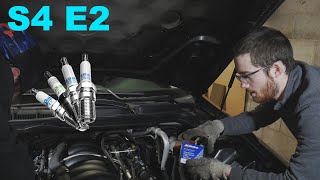
Typical fix: Replace the spark plug wire for cylinder 5. It is often recommended to replace the full set, as if one has failed 🎬 Watch: This video shows how to replace spark plugs and wires. from age, others may soon follow.
Est. part cost: $10-$20 for a single wire, $50-$90 for a full set. - Clogged or Failing Fuel Injector ⚪ Low Probability → Shop Fuel Injector
How to confirm: If ignition components are good, listen to the cylinder 5 injector with a mechanic's stethoscope. It should have a consistent, audible clicking sound, similar to the other injectors. You can also swap the injector with another cylinder, but this is more labor-intensive and requires releasing fuel pressure.
Typical fix: Replace the faulty fuel injector.
Est. part cost: $70-$120 for a single OEM-quality injector.
Rare But Worth Checking
- Failing AFM/DOD Lifter: → Shop Engine Valve Lifter This is the most significant platform-specific issue for the L76 engine. While cylinder 5 is not an AFM cylinder, problems in the AFM system (cylinders 1, 4, 6, 7) can affect oil pressure and overall valvetrain stability. A collapsed or stuck AFM lifter will cause a persistent misfire on its own cylinder and is often accompanied by a ticking noise. Diagnosis requires a compression test and possibly removing the valve cover to check for loose rocker arms. The repair is labor-intensive, involving removing the cylinder heads.
- Failed Standard Lifter / Worn Camshaft Lobe: → Shop Engine Valve Lifter Even non-AFM lifters can fail. A lifter's roller can seize and grind down the corresponding lobe on the camshaft, causing a persistent misfire and ticking noise. This was a known issue addressed by GM TSB #PIP4138R and its successor, #19-NA-219, which link P0300-P0308 codes to worn camshafts when other diagnostics fail. If a lifter has failed, the camshaft must be inspected for damage and likely replaced as a set.
- Broken Valve Spring: A broken valve spring can cause an intermittent or consistent misfire and may produce a ticking noise. This can sometimes be diagnosed with a cylinder leakage test, but a visual inspection after removing the valve cover is often necessary.
Diagnosis Steps
- Read the code with an OBD-II scanner to confirm P0305. Note if the check engine light is flashing and check for any other codes.
- Listen to the engine for any abnormal noises. A rhythmic ticking or chirping sound is a key symptom pointing towards a mechanical valvetrain issue.
- Locate cylinder 5 on the L76 engine (driver's side, third cylinder from the front).
- Swap the ignition coil from cylinder 5 with the coil from cylinder 3 (an easily accessible cylinder on the same bank). Clear the codes and drive the vehicle.
- Re-scan for codes. If the code is now P0303, the ignition coil is bad and needs replacement.
- If the code remains P0305, move the spark plug from cylinder 5 to cylinder 3. Clear codes and drive.
- Re-scan for codes. If the code is now P0303, the spark plug is bad.
- If the code remains P0305, inspect the spark plug wire for cylinder 5. Check for physical damage, ensure it's securely clicked onto the coil and plug, and test its resistance with a multimeter if possible.
- If all ignition components are good, listen to the fuel injector on cylinder 5 with a mechanic's stethoscope to ensure it is clicking consistently like the others.
- If the cause is still not found, especially if a ticking noise is present, a mechanical issue is likely. Perform a compression test on cylinder 5. A low reading strongly indicates a problem like a failed lifter, worn cam lobe, or bad valve/piston ring.
- If compression is low, remove the driver's side valve cover to inspect the valve springs and check for excessive play in the rocker arm for cylinder 5, which would confirm a collapsed lifter.
Parts You'll Likely Need
- Ignition Coil
(OEM #12611424)— One of the most common failure items for a single-cylinder misfire. Heat and vibration cause the internal windings to fail over time.
Trusted brands: ACDelco, Delphi
OEM price range: $50-$80
Aftermarket price range: $30-$60 - Iridium Spark Plug
(OEM #41-162)— Spark plugs are a regular maintenance item and a primary cause of misfires as they wear out.
Trusted brands: ACDelco, NGK
OEM price range: $12-$20
Aftermarket price range: $8-$15 - Spark Plug Wire Set
(OEM #9748UU (ACDelco Professional Set))— Wires degrade from heat and age, causing weak spark. Often replaced as a set during a tune-up.
Trusted brands: ACDelco, NGK, Delphi
OEM price range: $60-$90
Aftermarket price range: $40-$70
Related Codes That Often Appear With This One
- P0300 — If the underlying issue, such as a failing lifter causing valvetrain instability, low fuel pressure, or a vacuum leak, begins to affect other cylinders, the single-cylinder misfire P0305 can escalate to a random misfire P0300 code.
Technical Service Bulletins (TSBs) & Recalls
- TSB #19-NA-219: Replaces PIP4138R. This is a key document for a P0305 code. It advises technicians that if standard diagnostics for misfires (P0300-P0308) do not find a cause, they should inspect for worn camshaft lobes, failed lifters (including AFM), broken valve springs, or sticking valves.
- TSB #PIP4568S: Specifically addresses engine misfires and ticking noises related to AFM lifter failure on cylinders 1, 4, 6, or 7, often caused by oiling issues.
- TSB #16-NA-383: Advises using a specific fuel injection cleaner kit to decarbonize intake valves to correct rough idle and misfire conditions, which could be a less-invasive first step if carbon buildup is suspected.
Platform-Specific Known Issues
- AFM/DOD Lifter Failure: The most notable issue with the L76 V8 is the failure of the Active Fuel Management lifters. These components can become stuck or collapse, leading to a misfire and a ticking noise. This is a costly repair often requiring replacement of all lifters and sometimes the camshaft. GM TSB #PIP4568S specifically addresses this issue.
- Standard Lifter and Camshaft Failure: As documented in forum threads and GM TSBs (#19-NA-219, which replaced PIP4138R), even the standard non-AFM lifters can fail. The lifter's roller bearing can seize, destroying the camshaft lobe for that cylinder. This results in a persistent misfire (like P0305) and a rhythmic tick or squeal. An owner on GRRRR8.net detailed this exact failure on a non-AFM cylinder (#2), which started as a misfire code and progressed to a loud squeal, requiring a full cam and lifter replacement.
- Ignition Key Recall: GM issued safety recall #14445 because the ignition key could be bumped by the driver's knee, potentially shutting off the engine while driving. While this does not cause a P0305 code, it is a critical safety issue for all G8 owners to be aware of.
Mechanic-Grade Diagnostic Values
- Fuel Pressure (Key On, Engine Off) — expected: 380-410 kPa (55-60 psi). Failure: Pressure below 380 kPa (55 psi) indicates a weak pump or leak. Pressure above 410 kPa (60 psi) may indicate a faulty regulator.
- Fuel Pressure Leak-Down Test — expected: Pressure should not drop more than 34 kPa (5 psi) in 1 minute after the pump is turned off.. Failure: A rapid pressure drop indicates a leaking injector, check valve in the fuel pump, or a leak in the fuel line.
- Fuel Injector Resistance — expected: 10-15 Ohms. Failure: A reading significantly outside this range, or 'Open'/'OL', indicates a failed injector coil. All injectors should have similar readings.
- Ignition Coil Primary Resistance — expected: Approximately 0.49 - 0.57 Ohms. Failure: A reading outside this range indicates a faulty primary winding in the coil.
- Ignition Coil Secondary Resistance — expected: Approximately 9.5 - 11.1 kOhms. Failure: A reading outside this range indicates a faulty secondary winding in the coil.
Scan Tool Commands That Help
- Tech2 / GDS2 / Professional Scan Tool: View Misfire Data (Current & History) — This is a critical first step for a professional. It shows the exact number of misfire events per cylinder, helping to confirm the fault is isolated to cylinder 5 and revealing if other cylinders have intermittent misfires that haven't yet set a code.
- Tech2 / GDS2 / Professional Scan Tool: Fuel Pump Relay Command: ON — This bidirectional command allows you to run the fuel pump with the engine off, making it possible to safely and accurately measure static fuel pressure and perform a leak-down test.
- Professional Scan Tool: Mode 6, Test ID for Misfire Counts — Mode 6 data can provide raw misfire counts from the last drive cycle, even if they weren't high enough to set a code. This can help confirm an intermittent misfire issue on cylinder 5.
Wiring & Ground Locations
- G102 — Located at the left (driver's side) rear of the engine.. This is the primary ground point for all 8 ignition coils. A loose or corroded connection here can cause weak or intermittent spark on any cylinder, including cylinder 5.
- G112 — From the left (driver's side) rear cylinder head to the engine harness.. This ground is on the same cylinder bank as cylinder 5. A poor connection could cause erratic sensor readings or spark issues specifically for the driver's side cylinders.
- G101 — Located at the lower front of the engine block.. This serves as a ground for the Engine Control Module (ECM) and Transmission Control Module (TCM). While less likely to cause a single-cylinder misfire, a poor connection can lead to many unpredictable engine management issues.
Real Owner Repair Stories
- YouTube video on a 2011 Ram 1500 5.7 Hemi (2011 Ram 1500 5.7 Hemi) — P0305 cylinder 5 misfire code.
❌ Tried (didn't work) Replacing spark plugs, Replacing ignition coil pack
✅ What actually fixed it The root cause was a failed lifter which had destroyed the corresponding lobe on the camshaft, requiring major engine repair. - 6SpeedOnline forum user (Porsche 996 (year not specified)) — P0305 misfire that only occurred at idle once the engine was warm, causing a flashing CEL.
❌ Tried (didn't work) Replacing spark plugs, Replacing ignition coil, Swapping fuel injectors
✅ What actually fixed it A stuck (failed) valve lifter on cylinder #5 was the confirmed cause. The owner replaced all lifters on that bank to resolve the issue.
OEM Part Supersession History
12570616→12611424, which was later superseded by 12739916— Standard part evolution and updates by the manufacturer.
Heads up: The parts are physically identical and fully interchangeable.
Model Year Variations Within This Range
- 2009 only: For the 2009 model year, GM deleted the center-stack-mounted oil pressure and voltage gauges, replacing them with a small storage compartment. This removes a potentially useful tool for the driver to notice oil pressure fluctuations that could be related to a developing lifter issue.
Diagnostic Flowchart
Real Owner Stories
Aggregated from forums and TSBs cited above. Mileages and costs reflect what owners reported in those sources.
Pontiac G8 L76
Symptoms: A misfire code that eventually progressed to a loud squeal from the engine.
What fixed it: A full camshaft and lifter replacement due to a seized roller on a non-AFM lifter (cylinder 2).
Source hint: GRRRR8.net - Thread: 'Lifter Failure'
Pontiac G8 L76
Symptoms: AFM lifter noise and failure.
What fixed it: Installation of preventative AFM delete kits.
Source hint: Reddit r/Pontiac - Thread: 'Is g8 lifter failure as common as the forums make it seem?'
Pontiac G8 / Chevy SS
Symptoms: Bad AFM lifters causing engine issues.
What fixed it: Replacing the failed AFM lifters.
Source hint: LS1TECH.com - Thread: 'Guys with bad lifters keeping afm come in'
Related OBD-II Codes
Frequently Asked Questions
Does TSB #PIP4568S apply to my cylinder 5 misfire on the L76 engine?
I have a P0305 code and hear a rhythmic ticking and squeaking from the engine bay. What does this mean?
Is the GM ignition key recall (#14445) related to my P0305 misfire code?
Can carbon buildup cause a P0305 on my 2008-2009 Pontiac G8, and is there a fix?
Should I replace all the spark plugs if only cylinder 5 is misfiring?
How can I test if the ignition coil on cylinder 5 is bad without buying a new one?
Helpful Videos
Used OEM Parts in Stock
New Aftermarket Parts Available

The information in this article is provided for general reference and educational purposes only. Vehicle specifications, procedures, and part compatibility can vary by production date, trim level, and region. Always consult your vehicle's factory service manual and verify part numbers before purchasing or performing repairs. Safety-critical components such as airbags, seat belts, and braking systems should be installed by a qualified professional.
- Pontiac G8:
- 🧭 Diagnostic Flowchart
- 🎬 Helpful Videos
- 🛍️ Shop This Part
- What's Unique About the 2008-2009 Pontiac G8
- Symptoms You May Notice
- Most Likely Causes
- Rare But Worth Checking
- Diagnosis Steps
- Parts You'll Likely Need
- Related Codes That Often Appear With This One
- Technical Service Bulletins (TSBs) & Recalls
- Platform-Specific Known Issues
- Mechanic-Grade Diagnostic Values
- Scan Tool Commands That Help
- Wiring & Ground Locations
- Real Owner Repair Stories
- OEM Part Supersession History
- Model Year Variations Within This Range
- Real Owner Stories
- Pontiac G8 L76
- Pontiac G8 L76
- Pontiac G8 / Chevy SS
- Related OBD-II Codes
- Frequently Asked Questions
- 🎟️ Get 5% Off