

P0305 on 2006-2011 Saab 9-3 2.8L V6: Cylinder 5 Misfire Causes and Fixes
P0305 on a Saab 9-3 with the 2.8L V6 engine indicates a misfire in cylinder 5. The most common cause is a failed ignition coil, followed by a worn spark plug. Cylinder 5 is on the difficult-to-access rear bank against the firewall, making replacement a 2-4 hour job for a DIYer. Expect to pay $50-$100 for a quality aftermarket coil (Bosch is an OE supplier) and a new iridium spark plug.
- P0305 means cylinder 5 is misfiring, which is on the hard-to-reach rear bank of the engine.
- The most likely culprit is a bad ignition coil, a very common failure on this engine.
- The best first step is to swap the cylinder 5 coil with an easy-to-access front coil (like cylinder 2 or 4) to see if the misfire code follows it.
- Due to the labor involved in accessing the rear bank, if you are replacing the coil or plug for cylinder 5, it is highly recommended to replace the parts for cylinders 1 and 3 at the same time.
- Do not ignore a flashing Check Engine Light, as it signals a severe misfire that can quickly destroy your catalytic converter.
What's Unique About the 2003-2011 Saab 9-3
On the Saab 9-3's 2.8L Turbo V6 (engine code LP9, also known as B284), ignition coils are a very common failure item, often due to high heat in the tightly packed engine bay. Cylinder 5 is located on the rear bank of the V6, against the firewall. This makes accessing its ignition coil and spark plug significantly more difficult than for the front three cylinders, requiring the removal of the ECU and its mounting bracket, along with careful navigation of various wiring harnesses and vacuum lines.
Generation note: This guide covers the second generation (YS3F) of the Saab 9-3, specifically models from 2006-2011 equipped with the 2.8L Turbo V6 engine. The diagnostic and repair process is consistent across these years for models like the Aero and Turbo X.
Symptoms You May Notice
- Rough or vibrating idle
- Engine hesitation or stumbling during acceleration, especially under load.
- Noticeable loss of power
- Flashing or solid Check Engine Light
- Reduced fuel economy
- Sputtering or coughing sounds from the engine
- A smell of unburnt gasoline from the exhaust
- Replacing the fuel pump when only a single cylinder is misfiring. A fuel pump issue would typically cause random misfires (P0300) or affect all cylinders.
- Replacing oxygen sensors, which typically cause multiple or random misfire codes (P0300) or fuel trim codes (P0171/P0174) rather than a single cylinder code like P0305.
Most Likely Causes
- Failed Ignition Coil 🔴 High Probability → Shop Ignition Coil The ignition coils on the LP9 V6 are notoriously prone to failure due to sustained high under-hood temperatures in the compact engine bay. The plastic housings and internal electronics degrade over time from heat cycling, leading to weak or no spark. This is the most cited cause in owner forums.
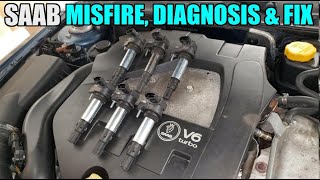
How to confirm: The most effective method is to swap the ignition coil from cylinder 5 with another cylinder (e.g., cylinder 2 or 4 on the easily accessible front bank). Clear the codes and drive the car. If the code changes to P0302 or P0304, the coil is confirmed to be faulty. This is a universally recommended first diagnostic step. 🎬 Watch: A helpful guide on diagnosing and fixing Saab misfire issues.
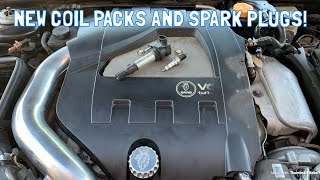
Typical fix: Replace the faulty ignition coil. It is often recommended to replace all three coils on the rear bank at the same time due to the high labor involved in accessing them. If the coils are original and over 60,000 miles old, replacing all six is a good preventative measure. Use OEM-branded coils like Bosch for best results.
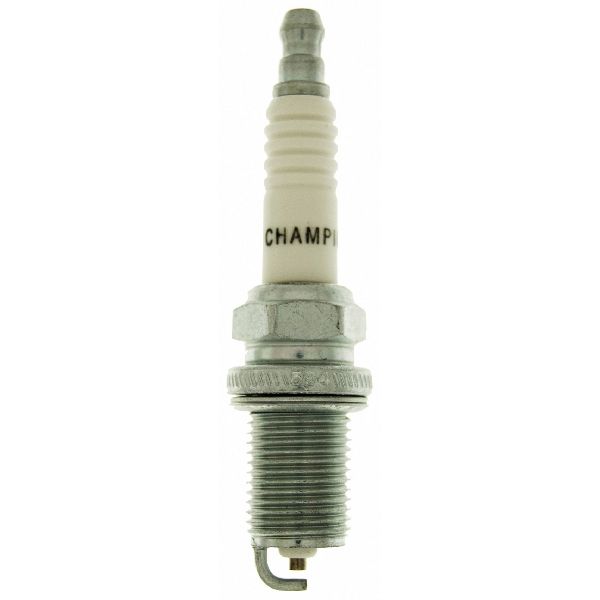
Est. part cost: $40-$90 per coil - Worn or Fouled Spark Plug 🟡 Medium Probability → Shop Spark Plug Spark plugs are a regular maintenance item. If not replaced at the recommended interval, the electrodes can wear, increasing the gap and leading to a weak spark that gets extinguished under boost pressure. Oil fouling from a leaking valve cover gasket can also cause misfires.
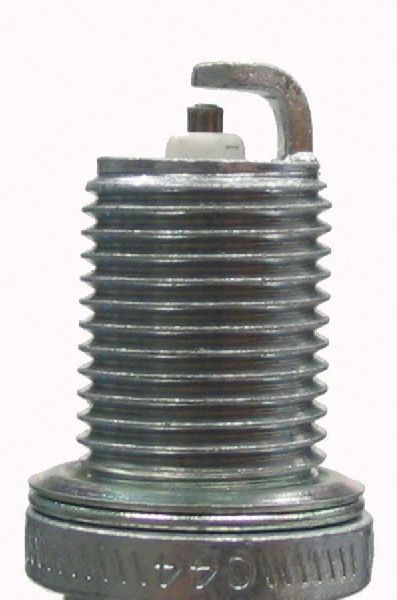
How to confirm: After ruling out the ignition coil, remove the spark plug from cylinder 5. Inspect it for a worn-down center electrode, excessive carbon buildup, or oil contamination. The recommended spark plug gap is around 0.85mm. Enthusiasts often use NGK LFR7AIX plugs, which are one heat range colder, especially on tuned engines.
Typical fix: Replace the spark plug. It is best practice to replace all six spark plugs at the same time to ensure even performance and avoid repeat labor. Always torque new plugs to the manufacturer's specification (around 28 Nm or 21 ft-lbs).
Est. part cost: $10-$20 per plug - Clogged or Faulty Fuel Injector ⚪ Low Probability → Shop Fuel Injector
How to confirm: If swapping the coil and plug doesn't resolve the issue, the fuel injector is the next suspect. A professional can perform a fuel injector balance test. A DIY method is to use a mechanic's stethoscope or a long screwdriver to listen to the injector; it should make a consistent, rapid clicking sound. An absence of clicking or a different sound from the others indicates a problem.
Typical fix: Replace the faulty fuel injector. This is more involved as it requires depressurizing the fuel system and removing the fuel rail.
Est. part cost: $50-$150
Rare But Worth Checking
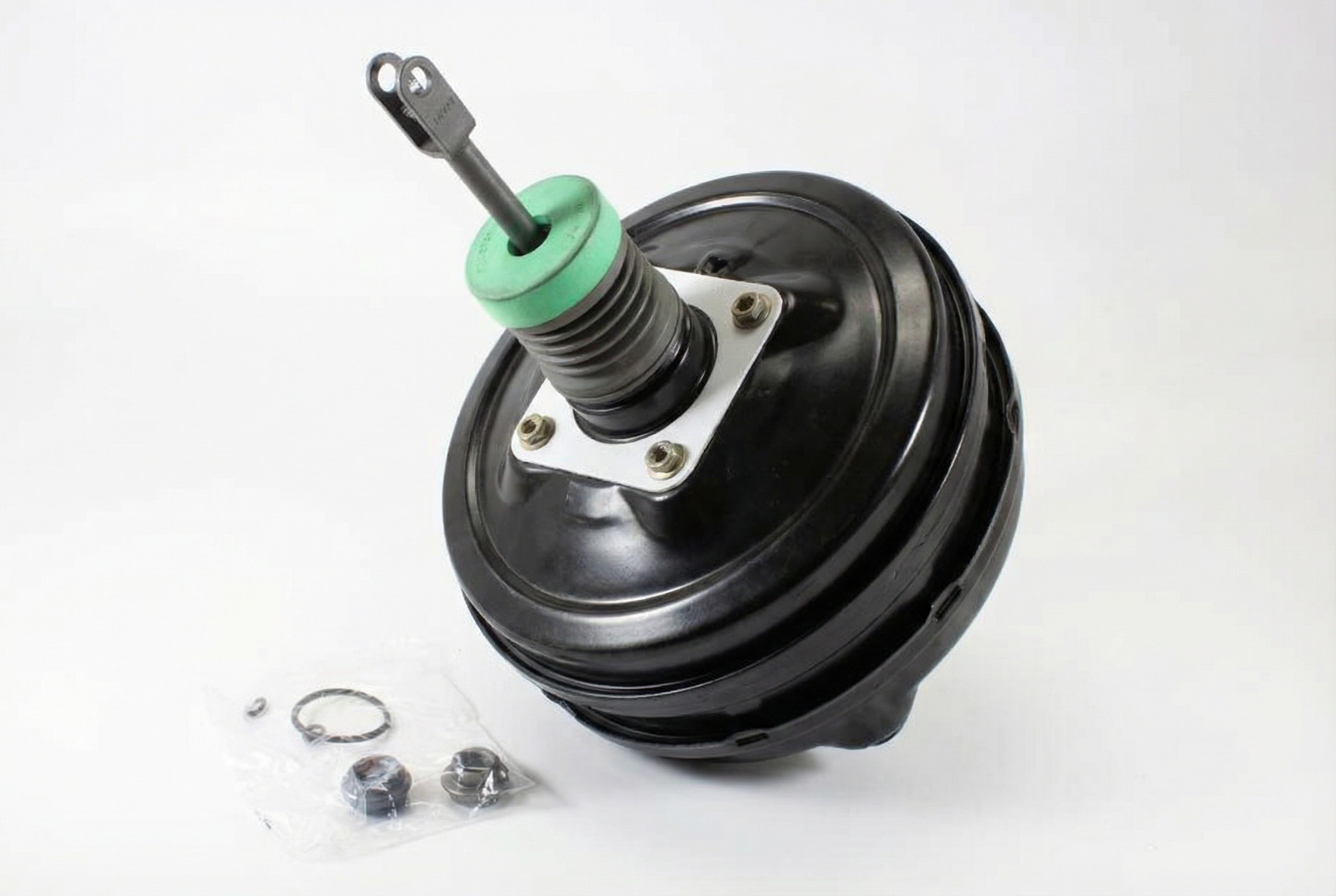
- Vacuum Leak: A vacuum leak from a cracked hose or a bad intake manifold gasket can introduce unmetered air, leaning out the mixture on one or more cylinders and causing a misfire. The plastic brake booster vacuum line (OEM P/N 55556698) is known to become brittle and crack. A smoke test is the best way to identify the source of a leak.
- Low Engine Compression: This is a serious mechanical issue, such as a worn piston ring, a bad valve, or a failing head gasket. A compression test and a cylinder leak-down test can confirm this. Normal compression for this engine should be uniform across all cylinders, typically in the 150-160 PSI range. A significant deviation in cylinder 5 points to a mechanical fault.
- Faulty Engine Control Unit (ECU): In rare cases, the driver circuit for the ignition coil within the ECU (located on top of the engine) can fail. This is more common on the 4-cylinder Saab engines but can happen on the V6. This should only be considered after all other possibilities (coil, plug, injector, wiring, compression) have been exhaustively ruled out.
- Leaking Valve Cover Gasket: → Shop Engine Valve Cover The gasket around the spark plug tube can fail, allowing oil to fill the well. This can short out the ignition coil and foul the spark plug, leading to a misfire. If you pull the ignition coil and it is covered in oil, the valve cover gasket set needs to be replaced.
Diagnosis Steps
- Read the trouble codes with an OBD-II scanner and confirm P0305 is present. Note any other codes and check freeze frame data.
- Identify cylinder 5. On the LP9 V6, the front bank (closest to the radiator) contains cylinders 2, 4, and 6 (from left to right). The rear bank (against the firewall) contains cylinders 1, 3, and 5 (from left to right). Cylinder 5 is on the driver's side of the rear bank.
- Swap the ignition coil from cylinder 5 with the coil from cylinder 2 (an easy-to-access cylinder on the front bank). This is the most crucial diagnostic step.
- Clear the codes, start the engine, and go for a short drive to replicate the misfire condition (e.g., moderate acceleration). Re-scan for codes.
- If the code has moved to P0302, the ignition coil is bad and needs to be replaced.
- If the code remains P0305, the coil is likely good. The next step is to inspect the spark plug. This will require significant disassembly to access the rear bank, including removing the ECU and its tray. 🎬 See this walkthrough for accessing and replacing the rear bank components.
- Once you have access, remove the ignition coil for cylinder 5 and inspect the spark plug well for oil. Oil presence indicates a leaking valve cover gasket.
- Remove the spark plug from cylinder 5. Check for damage, wear, or fouling. Replace it with a new, correctly gapped plug (0.85mm is a common recommendation).
- If the problem persists after a new plug and confirmed good coil, further diagnosis is needed to check the fuel injector, wiring harness integrity, and finally, engine compression. This may require professional assistance.
Parts You'll Likely Need
- Ignition Coil
(OEM #12629037 (supersedes 12613057, 12590990))— This is the most frequent cause of a P0305 misfire on the Saab 2.8L V6 due to heat-related failures.
Trusted brands: Bosch (OEM supplier), Delphi, NGK
OEM price range: $70-$120
Aftermarket price range: $40-$90 - Iridium Spark Plug
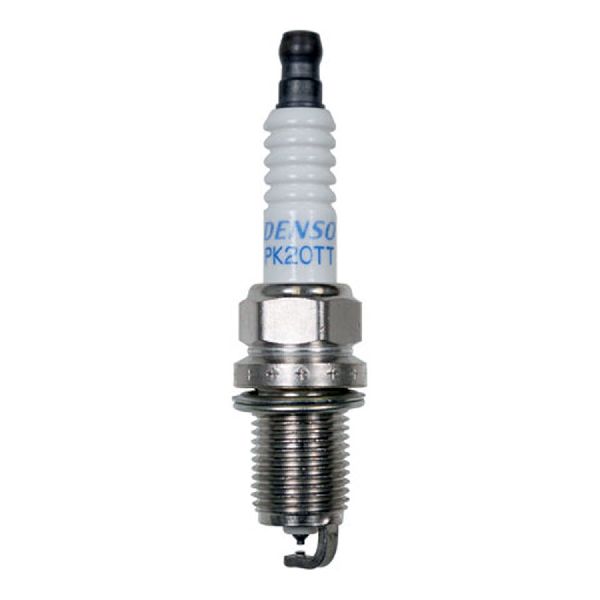
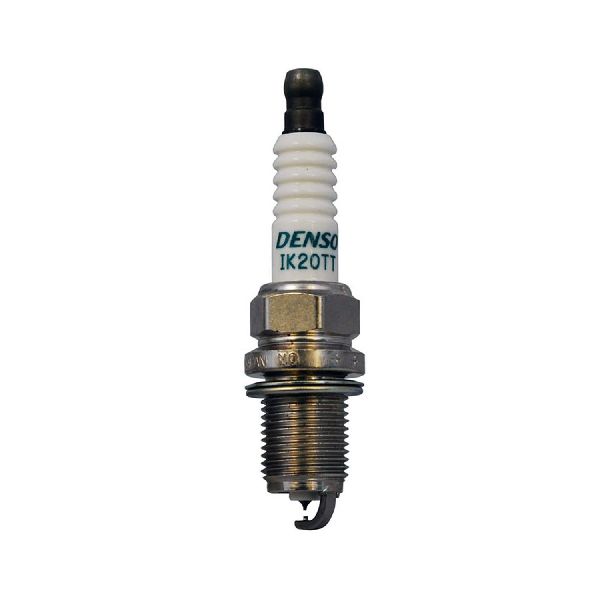
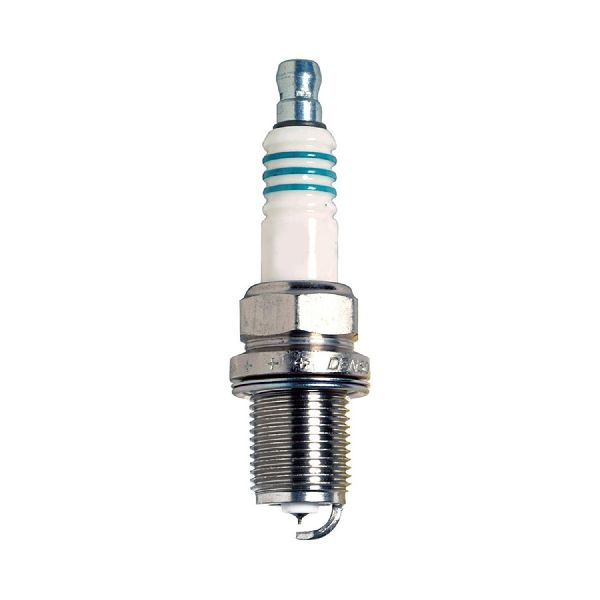
(OEM #55564748 (NGK ILFR6B))— Worn spark plugs are the second most common cause. They are a maintenance item that should be replaced with the coil if their age is unknown. A popular colder plug for tuned cars is the NGK LFR7AIX.
Trusted brands: NGK, Denso
OEM price range: $15-$25
Aftermarket price range: $10-$20 - Brake Booster Vacuum Hose/Pipe
(OEM #55556698)— This plastic line runs over the rear of the engine and becomes extremely brittle with age. It is often broken accidentally when accessing 🎬 Watch: Step-by-step coil and plug replacement on the Turbo X V6. the rear coils and can be a source of vacuum leaks causing misfires.
Trusted brands: Saab Genuine, ProParts
OEM price range: $60-$80
Aftermarket price range: $40-$60
Related Codes That Often Appear With This One
- P0300 — If the misfire is intermittent or beginning to affect other cylinders, a P0300 (Random/Multiple Cylinder Misfire) may be stored alongside P0305.
- P0174 — If the misfire is caused by a vacuum leak or a fuel delivery problem specific to the rear bank (Bank 2), a lean condition code for that bank may also appear. Cylinder 5 is on Bank 2.
Technical Service Bulletins (TSBs) & Recalls
- TSB #PI-0090-B: While not specific to P0305, this GM service bulletin addresses intermittent engine hesitation or flutter on various models including those with the HFV6 engine family. This can be a symptom related to the underlying causes of a misfire, such as ignition or fuel system faults.
Platform-Specific Known Issues
- Accessing the rear bank of cylinders (1, 3, 5) is labor-intensive. The ECU and its mounting bracket must be removed, and several wiring harnesses and vacuum lines need to be carefully disconnected and moved aside. This is the main reason for the high labor cost and DIY difficulty.
Mechanic-Grade Diagnostic Values
- Fuel Injector Resistance — expected: 11.0 - 16.0 Ohms for high-impedance injectors, which are common. The key is that all injectors should be within 0.5 Ohms of each other.. Failure: A reading of 'OL' (Open Loop) or infinite resistance means the injector's internal coil is broken. A reading significantly lower than the others suggests a short.
- Ignition Coil Primary Winding Resistance — expected: Approximately 0.4 - 0.6 Ohms.. Failure: A reading significantly outside this range indicates a faulty primary winding.
- Ignition Coil Secondary Winding Resistance — expected: Approximately 5.0 - 7.2 kOhms.. Failure: A reading outside this range points to a failure in the secondary coil windings.
- Fuel System Pressure — expected: Approximately 7 bar (about 101 PSI) working pressure is specified for fuel system components on this vehicle.. Failure: Significantly lower fuel pressure could indicate a weak fuel pump, causing lean conditions and misfires, though it would typically affect more than one cylinder.
Scan Tool Commands That Help
- Tech2 / GDS2 (GM Dealer Tool): Misfire Counters — To view real-time misfire events per cylinder. This is invaluable for confirming the misfire is isolated to cylinder 5 and to verify that a repair has been successful during a test drive.
- Tech2 / GDS2 (GM Dealer Tool): Injector Balance Test / Cylinder Drop Test — After swapping the coil and plug, this function allows the technician to disable individual injectors one by one. If disabling cylinder 5's injector causes no change in engine RPM, but disabling other cylinders does, it confirms a problem with fuel delivery or combustion in cylinder 5.
Wiring & Ground Locations
- G2 — On the side of the left-hand structural member by the connector bracket in the engine bay.. This is a primary chassis ground point. A poor connection here can cause a host of electrical issues, including erratic sensor readings and weak ignition performance.
- G7 — On the engine control module's top right attachment lug (for Trionic 8 systems) or on a support bracket under the intake manifold.. This is a critical ground for the ECU. A compromised ECU ground can directly impact its ability to properly fire the ignition coils and injectors, potentially causing misfires.
- Engine Ground Strap — There is a redundant ground between the engine/gearbox and one of the wheel arches. On V6 models, there is an extra ground cable between the cylinder banks.. A corroded or broken main engine ground strap can cause the ignition system to seek a path to ground through other, smaller circuits, leading to weak spark and misfires. Ensuring the engine block has a solid ground connection to the chassis is crucial.
Real Owner Repair Stories
- Reddit user Nesquigs on r/Saab (2007 Saab 9-3 Aero 2.8L V6 Turbo) — Car went into 'Limited Performance Mode'. Codes P0202 (Injector Circuit/Open Cylinder 2), P0302 (Cylinder 2 Misfire), and P0089 (Fuel Pressure Regulator Performance).
❌ Tried (didn't work) Replaced all spark plugs and ignition coils.
✅ What actually fixed it The issue was intermittent and would not appear for the mechanic. The user planned to diagnose in order of cost: injector, then fuel pressure regulator/sensor, then fuel pump. Another user advised checking the injector resistance first (expecting 12-15 ohms). The final resolution was not posted, but the diagnostic path highlights that after coils/plugs, the injector circuit and fuel pressure system are the next logical steps, even if codes point to a different cylinder initially.
OEM Part Supersession History
12613057→12629037— Standard part revision and improvement by the manufacturer (Bosch is the OEM).
Heads up: The newer part number 12629037 is the correct replacement for the older 12613057 and is backward compatible.12583514→12613057, then 12629037— This is an even earlier part number in the supersession chain for the same ignition coil.
Heads up: When searching for this part, ensure the latest number (12629037) is sourced for best reliability.
Model Year Variations Within This Range
- 2008-2011: For the 2008 model year, Saab introduced an optional all-wheel-drive (XWD) system for Aero sedans and wagons. These AWD models received a higher-output version of the 2.8L V6, producing 280 hp and 295 lb-ft of torque, up from 255 hp in the FWD Aero models. While the fundamental engine architecture and cause of P0305 remain the same, technicians should be aware of the different power ratings and potential drivetrain-related differences when diagnosing.
Diagnostic Flowchart
Real Owner Stories
Aggregated from forums and TSBs cited above. Mileages and costs reflect what owners reported in those sources.
Saab 9-3 2.8T V6
Symptoms: Experienced a misfire specifically on cylinder 5.
What fixed it: Swapped the ignition coil from cylinder 5 to cylinder 3. The misfire code moved to P0303, which definitively identified the bad coil, allowing the owner to replace the faulty unit.
Source hint: SaabCentral.com thread titled 'Misfire on cylinder 5'
Saab 9-3 2.8T V6
Symptoms: Engine misfires caused by the tightly packed, hot engine bay cooking the ignition coils over time.
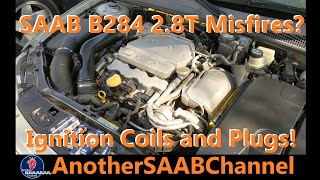
What fixed it: Replaced the ignition coils and installed colder NGK LFR7AIX spark plugs gapped to 0.85mm.
Source hint: YouTube - AnotherSAABChannel - SAAB 2.8T Misfires P0300 Coils and Plugs
Saab 9-3 2.8T V6
Symptoms: Chasing a random misfire code on the engine.
What fixed it: Replaced the spark plugs and ignition coils, as they are the most common root cause for misfires on the LP9 engine.
Source hint: Reddit r/saab - Still chasing P0300
Saab 9-3 2.8T V6
Symptoms: Engine misfire issues stemming from the #1 failure point on the 2.8L V6: heat-degraded coils.
What fixed it: Used a Tech 2 scanner to identify the misfiring cylinder, performed a coil swap to confirm the faulty part, and replaced the bad ignition coil.
Source hint: YouTube - Weakest of Weeks - Diagnosing & Fixing SAAB MISFIRE Issues
Related OBD-II Codes
Frequently Asked Questions
Why is it so expensive to diagnose and replace the cylinder 5 ignition coil on my 2.8L V6?
What spark plugs should I use when fixing a P0305 on my tuned Saab 9-3 Aero?
Does TSB #PI-0090-B apply to my Saab 9-3 with a P0305 code?
How can I confirm the cylinder 5 ignition coil is bad without buying a new one first?
I found oil in the spark plug well for cylinder 5. What does this mean?
Should I replace all the ignition coils at once on my 2.8T?
Helpful Videos
Used OEM Parts in Stock
New Aftermarket Parts Available


The information in this article is provided for general reference and educational purposes only. Vehicle specifications, procedures, and part compatibility can vary by production date, trim level, and region. Always consult your vehicle's factory service manual and verify part numbers before purchasing or performing repairs. Safety-critical components such as airbags, seat belts, and braking systems should be installed by a qualified professional.
- Saab 9-3:
- 🧭 Diagnostic Flowchart
- 🎬 Helpful Videos
- 🛍️ Shop This Part
- What's Unique About the 2003-2011 Saab 9-3
- Symptoms You May Notice
- Most Likely Causes
- Rare But Worth Checking
- Diagnosis Steps
- Parts You'll Likely Need
- Related Codes That Often Appear With This One
- Technical Service Bulletins (TSBs) & Recalls
- Platform-Specific Known Issues
- Mechanic-Grade Diagnostic Values
- Scan Tool Commands That Help
- Wiring & Ground Locations
- Real Owner Repair Stories
- OEM Part Supersession History
- Model Year Variations Within This Range
- Real Owner Stories
- Saab 9-3 2.8T V6
- Saab 9-3 2.8T V6
- Saab 9-3 2.8T V6
- Saab 9-3 2.8T V6
- Related OBD-II Codes
- Frequently Asked Questions
- 🎟️ Get 5% Off