

P0305 on 2003-2009 Toyota 4Runner 4.0L V6: Cylinder 5 Misfire Causes and Fixes
P0305 on a 4th Gen 4Runner means cylinder #5 is misfiring. The most common cause is a failed ignition coil, followed by a worn spark plug. A failing fuel injector, especially one that acts up when hot, is also a strong possibility. Cylinder 5 is on the passenger side, making it relatively easy to access for diagnosis and repair.
- P0305 means cylinder 5 (passenger side, rear) is misfiring.
- The most likely cause is a bad ignition coil. Perform a 'coil swap' to cylinder 3 to confirm before buying parts.
- If the coil isn't the problem, inspect the spark plug for wear or damage.
- Do not drive if the check engine light is flashing, as this can quickly destroy your catalytic converter.
- Access to cylinder 5 is relatively easy on this vehicle, making it a DIY-friendly diagnosis and repair.
What's Unique About the 2003-2009 Toyota 4Runner
The 1GR-FE 4.0L V6 in the 4th generation 4Runner is a very reliable engine, and single-cylinder misfires are almost always due to a simple ignition or fuel component failure. The cylinder layout is even numbers on the driver's side (Bank 2: 2-4-6, front to back) and odd numbers on the passenger side (Bank 1: 1-3-5, front to back). This places the misfiring cylinder 5 at the rear of the passenger side, which is accessible for DIY diagnosis without removing the intake manifold. The standard first step is swapping the accessible ignition coil.
Symptoms You May Notice
- Rough idle or engine vibrations
- Flashing or solid Check Engine Light
- Noticeable loss of power and acceleration
- Hesitation or stumbling when accelerating
- Reduced fuel economy
- Possible fuel smell from the exhaust
- Gurgling sound from the dashboard (heater core), especially if the cause is a head gasket leak.
- Replacing fuel injectors before confirming the ignition coil and spark plug are good.
- Replacing the mass airflow (MAF) sensor, which would typically cause issues on multiple cylinders or an entire bank, not an isolated P0305.
Most Likely Causes
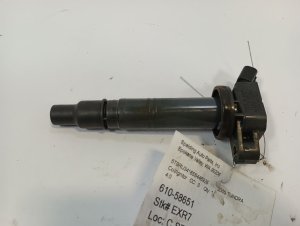
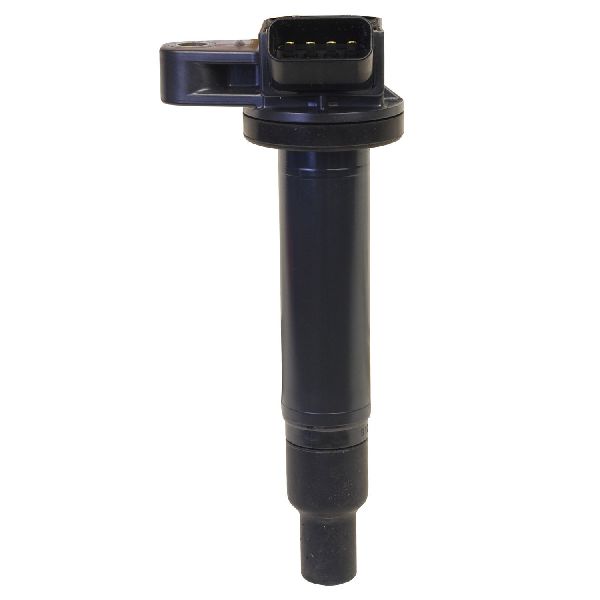
- Failed Ignition Coil 🔴 High Probability → Shop Ignition Coil Ignition coils are a common wear item. Heat and vibration eventually cause the internal windings to fail. A classic symptom is a misfire that is worse when the engine is cold and may improve as it warms up.
How to confirm: Swap the ignition coil from cylinder 5 with the coil from another cylinder (e.g., cylinder 3, the middle one on the same side). Clear the codes and drive. If the code changes to P0303, the coil is bad.
Typical fix: Replace the faulty ignition coil. Many owners choose to replace all three coils on the passenger side bank at the same time as preventative maintenance.
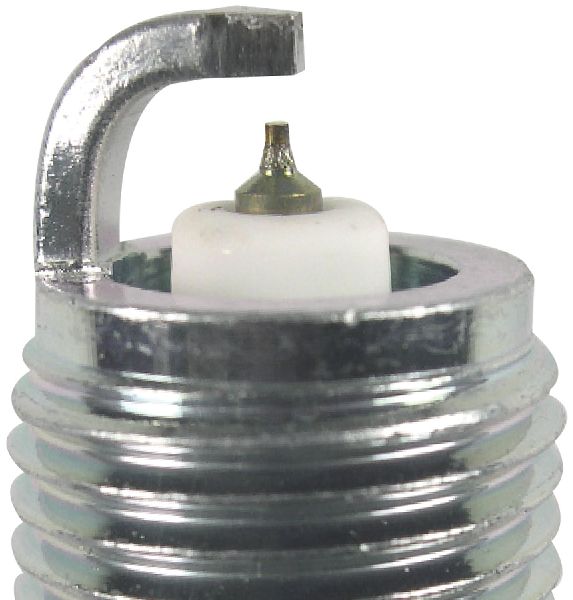
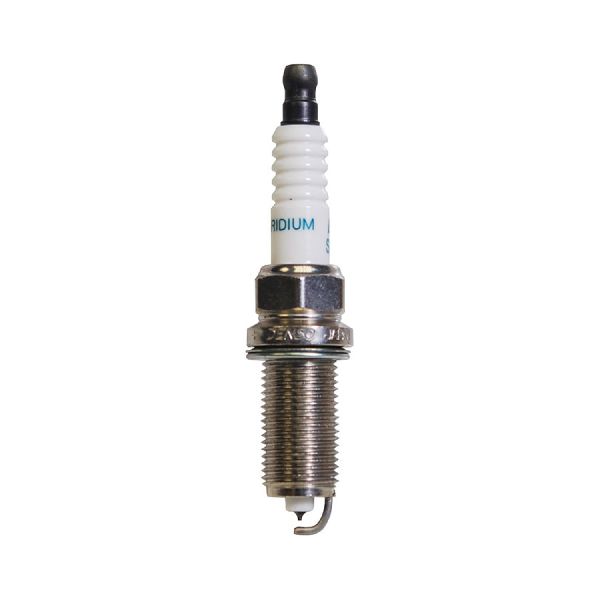
Est. part cost: $40-$80 - Worn Spark Plug 🟡 Medium Probability → Shop Spark Plug Spark plugs have a finite service life (recommended replacement is every 30,000 miles for conventional plugs). A worn electrode, incorrect gap, or excessive carbon buildup can prevent a strong spark.
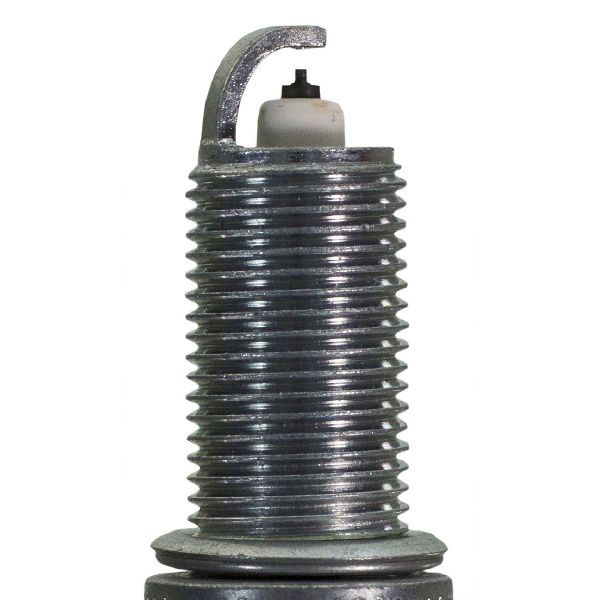
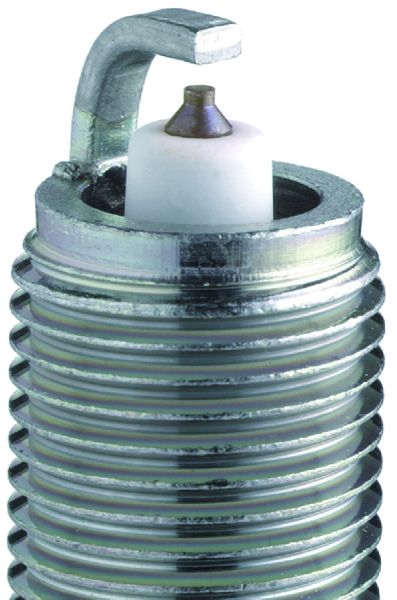
How to confirm: After confirming the coil is good, remove the spark plug from cylinder 5. Inspect it for wear, damage, or fouling (black, oily, or white deposits). Compare it to a new plug.
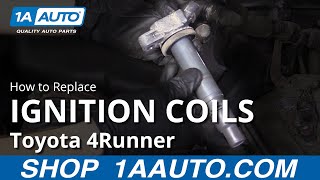
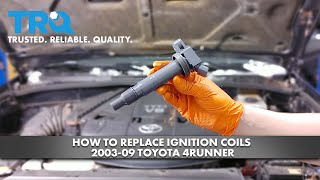
Typical fix: Replace the spark plug. It is highly recommended to replace all six spark plugs at the same time using OEM-spec Denso or NGK plugs to maintain balanced engine performance. 🎬 See this DIY walkthrough for swapping spark plugs and coils.
Est. part cost: $5-$15 per plug - Clogged or Faulty Fuel Injector 🟡 Medium Probability → Shop Fuel Injector The original injectors can fail electronically, especially at high mileage. A common failure mode is for the injector's internal solenoid to develop high resistance when it gets hot, causing a misfire only after the engine has reached operating temperature.
How to confirm: Listen to the injector with a mechanic's stethoscope; it should make a consistent clicking sound. For heat-related failures, check the injector's resistance with a multimeter when the engine is cold, and again when it is hot and the misfire is present. A healthy injector should read ~11.6 to 12.4 ohms; a reading that is significantly higher when hot (e.g., over 20 ohms) indicates failure.
Typical fix: Replace the faulty fuel injector. It's often recommended to replace all three injectors on the same bank, or all six, with remanufactured OEM units. The intake plenum gaskets should be replaced at the same time.
Est. part cost: $70-$200 - Leaking Head Gasket Low-medium Probability The 1GR-FE engines in 2003-2005 4Runners are known to be more susceptible to head gasket failure, typically after 125,000 miles. A small leak can allow coolant into the cylinder, fouling the spark and causing a single-cylinder misfire like P0305.
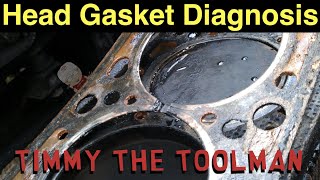
How to confirm: Symptoms include unexplained coolant loss, white smoke from the exhaust on startup, and a gurgling noise from the dash area. Use a block tester kit (chemical test) to check for the presence of exhaust gases in the radiator coolant. This is the most definitive DIY method. 🎬 Watch: How to diagnose a misfire caused by head gasket failure. A compression test may also show a lower reading in the affected cylinder.
Typical fix: This is a major and expensive engine repair that involves removing the cylinder heads to replace the gaskets.
Est. part cost: $200-$500 in gaskets and seals
Rare But Worth Checking
- Low Engine Compression: If ignition and fuel system checks don't find the problem, a mechanical issue could be the cause. This could be from a burnt valve or worn piston rings, separate from a head gasket failure. A compression test on all cylinders is needed to diagnose this. A healthy 1GR-FE should have compression around 155-161 psi per cylinder.
- Damaged Wiring or Connector: Check the wiring harness and connector going to the ignition coil and fuel injector for cylinder 5. Rodent damage, chafing, or corrosion can cause an intermittent connection. One owner found chewed wires contributing to their misfire issue.
- Cracked/Leaking Intake/Vacuum Hoses: A vacuum leak near the intake runner for cylinder 5 can lean out the air/fuel mixture and cause a misfire. One owner found a cracked intake hose connected to the passenger side valve cover as part of their P0305 diagnosis.
Diagnosis Steps
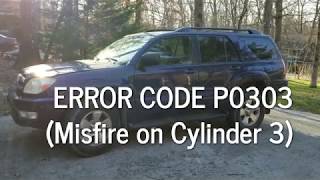
- Read the trouble codes with an OBD-II scanner to confirm P0305 is present and check for any other codes. 🎬 Watch: Diagnosing P0303 and P0305 codes on your 4Runner.
- Identify Cylinder 5: It is the rearmost cylinder on the passenger side of the engine.
- Ignition Coil Swap Test: Disconnect and remove the ignition coil from cylinder 5. Swap it with the coil from cylinder 3 (the middle cylinder on the same bank). Reinstall everything.
- Clear the codes with the scanner and start the engine. Drive the vehicle until the check engine light comes back on.
- Re-scan the codes. If the code is now P0303, the ignition coil you moved is faulty. Replace it.
- If the code remains P0305, the coil is likely not the problem. Proceed to the next step.
- Spark Plug Inspection: Remove the spark plug from cylinder 5. Inspect it for signs of wear, fouling (black, oily, or white/clean from coolant), or physical damage. If it looks worn or damaged, replace it. It's best practice to replace all six plugs at once.
- Fuel Injector Check: If the coil and plug are good, the fuel injector is the next suspect. Listen for a steady clicking from the injector. If the misfire only happens when the engine is hot, perform a resistance check with a multimeter on the cylinder 5 injector when cold and again when hot. A significant increase in resistance points to a faulty injector.
- Head Gasket/Coolant Leak Check: If you have an early model (2003-2005) or are losing coolant, use a block tester kit to check for exhaust gases in the coolant. A positive test confirms a head gasket leak.
- Compression Test: If all else fails, perform a compression test on cylinder 5 and compare the reading to the other cylinders. A significantly lower reading points to a mechanical engine problem like a bad valve, piston rings, or head gasket.
Parts You'll Likely Need
- Ignition Coil
(OEM #90919-02248 (superseded by 90919-02260))— This is the most common failure point for a single-cylinder misfire on the 1GR-FE engine.
Trusted brands: Denso (OEM), NGK
OEM price range: $70-$90
Aftermarket price range: $40-$60 - Spark Plug
(OEM #Denso SK20R11 or NGK LFR6C-11)— A worn or fouled spark plug is the second most likely cause and is a routine maintenance item.
Trusted brands: Denso (OEM), NGK
OEM price range: $10-$15
Aftermarket price range: $5-$10 - Fuel Injector
(OEM #23250-31050 (superseded by 23209-0P040))— Less common, but a potential cause if ignition components are good. Failure often occurs at higher mileage and can be heat-dependent.
Trusted brands: Denso (OEM), Aisan
OEM price range: $150-$200
Aftermarket price range: $70-$120
Related Codes That Often Appear With This One
- P0300 — If the misfire is intermittent or starting to affect other cylinders, a P0300 (Random/Multiple Misfire) code may appear alongside P0305.
- P0301, P0303 — If you see these codes along with P0305, it indicates all cylinders on Bank 1 (passenger side) are misfiring, suggesting a broader issue like a clogged catalytic converter on that bank, a vacuum leak affecting the whole bank, or a problem with the Bank 1 O2 sensor.
- P0171 — This 'System Too Lean (Bank 1)' code can appear with P0305 if the misfire is caused by a vacuum leak or a clogged fuel injector on cylinder 5, as both issues disrupt the air/fuel ratio on that bank.
- P0205 — This 'Cylinder 5 Injector Circuit Malfunction' code points directly to an electrical problem with the injector or its wiring. If you see this with P0305, the diagnosis should focus entirely on the fuel injector circuit.
Platform-Specific Known Issues
- Head Gasket Prone on Early Models: The 2003-2005 4Runners with the 1GR-FE have a higher incidence of head gasket failure compared to later years. A P0305 code, especially when accompanied by mysterious coolant loss or a gurgling sound from the heater core, should prompt an immediate check for exhaust gases in the coolant. Toyota quietly updated the head gasket design mid-2005, so most 2006 and newer models are less affected.
Technical Service Bulletins (TSBs) & Recalls
- TSB Bulletin #T-SB-0148-19: While issued for other Toyota models like the Highlander, this manufacturer bulletin provides the standardized repair procedure for addressing misfire codes P0301 through P0306.
Mechanic-Grade Diagnostic Values
- Fuel Injector Resistance — expected: 11.6 to 12.4 Ω at 20°C (68°F). Failure: A reading that is significantly higher when the engine is hot (e.g., over 20 Ω) or shows an open circuit. One owner watched the resistance climb from 17 to over 100 ohms as the engine warmed up.
- Fuel Pressure at Idle — expected: 281 to 287 kPa (40.8 to 41.7 psi). Failure: Pressure significantly below this range could indicate a weak fuel pump, which typically would cause random misfires (P0300) rather than a single cylinder misfire, but is still a key health metric.
- Engine Compression — expected: Approximately 155-161 psi per cylinder, with minimal variation between cylinders.. Failure: A reading on cylinder 5 that is significantly lower than the others points to a mechanical issue like a burnt valve, worn rings, or a head gasket leak.
Hidden / Shadow Codes Worth Checking
- Mode $06 Misfire Counts (TID $A2-$AD, CID $01-$0C): Before a P0305 code is permanently set, the ECU tracks intermittent misfires for each cylinder. Using a capable OBD-II scanner that can access Mode $06 data, a technician can view the raw misfire count for each cylinder during the current and last 10 driving cycles. A high count for cylinder #5 (often identified as Test ID $AC, Component ID $05) confirms the issue is isolated to that cylinder, even if the Check Engine Light isn't on yet. (see via An advanced OBD-II scan tool with Mode $06 functionality (e.g., Toyota Techstream, BlueDriver, Autel, etc.).)
Scan Tool Commands That Help
- Toyota Techstream: Active Test: Control the Fuel Pump / Speed — This command allows you to turn on the fuel pump with the engine off. It's useful for verifying the fuel pump is operational and for safely pressurizing the system to check for leaks before starting a fuel pressure test.
- Toyota Techstream: Datalist: Misfire RPM & Misfire Load — When diagnosing an intermittent misfire, viewing these parameters in the datalist can help identify the exact engine speed and load conditions under which the P0305 misfire occurs. This helps in recreating the fault during testing.
- Generic OBD-II Scan Tool with Noid Light: Injector Pulse Test (using a Noid Light) — If you suspect a wiring or ECU issue, a noid light is a simple tool to confirm the ECU is sending the signal to fire the injector. Disconnect the cylinder 5 injector harness and plug in the noid light. While cranking or running the engine, the light should flash consistently. If it doesn't flash, the problem is in the wiring or the ECU, not the injector itself.
Wiring & Ground Locations
- Cylinder 5 Ignition Coil Connector — Rearmost ignition coil on the passenger side of the engine.. The connector and its wiring are a potential point of failure. Check for corrosion on the pins, chafed wires, or rodent damage. The IGT (Ignition Timing) signal wire from the ECM is what triggers the coil to fire.
- Cylinder 5 Fuel Injector Connector — Under the intake manifold, near the cylinder 5 intake runner on the passenger side.. Like the coil connector, this is a critical connection. A poor connection here will prevent the injector from firing correctly. A noid light test at this connector is the fastest way to verify the signal from the ECU.
Real Owner Repair Stories
- YotaTech Forums user (Toyota 4Runner (year not specified, but 3rd/4th gen context), 1GR-FE V6) — Check engine light with P0305 and P0171. Misfire and rough running that would appear after the engine was shut off hot and restarted.
❌ Tried (didn't work) Changed spark plugs and wires., Swapped coil packs (problem did not move)., Cleaned MAF sensor.
✅ What actually fixed it The owner tested the resistance of the #5 fuel injector both cold and hot. When hot, the resistance reading climbed from a normal ~16 ohms to over 2 Megaohms, indicating an internal failure in the injector's coil windings when exposed to heat. Replacing the single faulty fuel injector resolved the issue. - 4Runner Forum user 'Stormyweather' (2004 Toyota 4Runner V6) — P0305 code, rough idle.
❌ Tried (didn't work) Replaced all spark plugs (NGK)., Swapped ignition coil from cylinder 5 to 3 (code remained P0305)., Replaced all fuel injectors with reconditioned units., Performed a compression test (all cylinders were good, around 155-160 psi)., Temporarily taped a cracked intake hose.
✅ What actually fixed it The user had not posted a final resolution, but other members strongly suggested a head gasket leak, which is common on the 2004 model year. They recommended using a block tester to check for exhaust gases in the coolant as the definitive next step, especially since all common ignition and fuel culprits had been addressed. - YouTube user 'Repairs101' (2005 Toyota 4Runner V6) — Initial P0303 code (Cylinder 3 misfire), rough running especially when cold. The problem would go away when the engine warmed up.
❌ Tried (didn't work) Initially suspected spark plugs, but they had been replaced 6 months prior.
✅ What actually fixed it The owner swapped the ignition coil from cylinder 3 to cylinder 5. After driving for a couple of days, the check engine light returned with a new code: P0305. The misfire followed the coil, definitively proving the ignition coil was faulty. Replacing the bad coil fixed the problem. - NHTSA ODI #10448450: An owner of a similar Toyota model reported feeling the vehicle misfiring while driving. A dealer diagnosis found multiple codes including P0304, P0305, and P0306, ultimately identifying a malfunctioning #6 coil as the primary culprit.
OEM Part Supersession History
90919-02248→90919-02260— Standard part revision and supplier update.
Heads up: The parts are generally cross-compatible for this application. 90919-A2007 is also a commonly cited replacement number.23250-31050→23209-31050, then 23209-0P040— Part design and manufacturing process updates.
Heads up: These parts are generally interchangeable for the 1GR-FE application, though later numbers may have slight design improvements. Always verify fitment with VIN.
Model Year Variations Within This Range
- 2003-2005 (mid-year): These early 1GR-FE engines used a head gasket design that was more prone to failure. Toyota updated the part mid-2005, making 2006-2009 models significantly less likely to experience this specific issue.
- 2003-2009: All 4th Generation 4Runners with the 1GR-FE V6 use a single VVT-i system (on the intake cams only). The updated dual VVT-i version of the 1GR-FE was not introduced until the 5th Generation 4Runner in the 2010 model year.
Diagnostic Flowchart
Other Known Issues on This Vehicle
Issues unrelated to this code that are worth knowing about as an owner of this generation:
- Premature Frame Rust/Corrosion 🔴 High — Very common, especially in regions that use road salt. Can become structurally unsafe. Though a major issue, 4Runners were not included in the official Toyota frame recall that covered Tacomas and Tundras. (Ref: No official recall for the 4th Gen 4Runner, though class-action lawsuits have been filed.)
- Head Gasket Failure 🔴 High — Most prevalent on early 2003-2005 models, typically occurring after 100,000-150,000 miles. Can present as a misfire code.
- Cracked and Sticky Dashboard 🟡 Low — Extremely common on 2003-2005 models due to a material defect exacerbated by heat and sun exposure. (Ref: Toyota issued a Warranty Enhancement Program (ZE6) which has since expired. Repair is now out-of-pocket.)
- Seized Front Brake Caliper Pistons 🟠 Medium — A notorious issue where the lower pistons in the front calipers seize due to corrosion, causing brake drag, uneven pad wear, and potential rotor damage.
Used vs. New Parts: Buying Guide for This Vehicle
When a used part is the smart pick: Used ignition coils from a low-mileage donor vehicle can be a cost-effective option, as they are easy to access and replace if they fail. Given the high cost of new OEM injectors, professionally remanufactured and flow-tested injectors from a reputable seller are a very common and smart repair path.
Donor-vehicle mileage cap: roughly under 80000 miles for the part to have meaningful remaining life.
What to inspect on the donor part:
- For ignition coils, look for a donor vehicle with no misfire codes and under 80,000 miles.
- For fuel injectors, do not buy 'used' as-is. Only purchase 'remanufactured' units that have been ultrasonically cleaned, fitted with new seals/filters, and flow-tested with a report.
- Check for any signs of cracking on the plastic housings of coils or connectors.
- Avoid parts from vehicles that show signs of overheating (discolored plastics, burnt smells).
OEM-only on this vehicle (don't cheap out):
- Head Gaskets - The cost of labor is too high to risk using non-OEM gaskets.
Aftermarket brands forum-validated for this vehicle:
- Denso (OEM for coils, injectors, and plugs)
- NGK (Excellent alternative for coils and plugs)
- Aisan (Often the OEM for fuel system components)
Brands owners have reported issues with on this vehicle:
- Unnamed, no-brand 'Amazon/eBay special' ignition coils and fuel injectors. Forum users frequently report premature failure, poor fitment, and unresolved misfires with these cheap parts.
Real Owner Stories
Aggregated from forums and TSBs cited above. Mileages and costs reflect what owners reported in those sources.
2005 Toyota 4Runner 4.0L V6 — ~150000 miles
Symptoms: Misfire persisted specifically when the engine was warm; owner performed a plug change, coil swap, and compression test.
What fixed it: The owner explored causes including head gaskets and chewed wiring, but the diagnostic path focused on heat-soak related failures.
Source hint: 4Runners.com (T4R.org) - 'P0305 and limited patience remaining'
2003-2009 Toyota 4Runner 4.0L V6
Symptoms: Rough idle and check engine light; owner replaced coils and plugs but the misfire remained when the engine was warm.
What fixed it: Replacing all six fuel injectors.
Source hint: 4Runners.com (T4R.org) - 'P0305 rough idle / check engine light (I've tried everything)'
2003-2009 Toyota 4Runner 4.0L V6
Symptoms: The vehicle originally threw a P0303 code.
What fixed it: The owner swapped the coil from cylinder 3 to cylinder 5, which caused the code to change to P0305, proving the ignition coil was faulty.
Source hint: YouTube - 'Toyota 4Runner P0303 P0305 Error Codes (2003 - 2009)'
Related OBD-II Codes
Frequently Asked Questions
Where is cylinder 5 located on my 4.0L V6 4Runner engine?
Is my 2003-2005 4Runner more likely to have a head gasket failure causing P0305?
What brand of spark plugs should I use for my 1GR-FE engine to avoid misfires?
Why does my P0305 misfire only happen after the engine gets hot?
What does a gurgling sound from my dashboard have to do with a P0305 code?
How can I tell if my P0305 is a bad coil or a bad injector without buying parts?
Helpful Videos

Used OEM Parts in Stock
New Aftermarket Parts Available


The information in this article is provided for general reference and educational purposes only. Vehicle specifications, procedures, and part compatibility can vary by production date, trim level, and region. Always consult your vehicle's factory service manual and verify part numbers before purchasing or performing repairs. Safety-critical components such as airbags, seat belts, and braking systems should be installed by a qualified professional.
- Toyota 4Runner:
- 🧭 Diagnostic Flowchart
- 🎬 Helpful Videos
- 🛍️ Shop This Part
- What's Unique About the 2003-2009 Toyota 4Runner
- Symptoms You May Notice
- Most Likely Causes
- Rare But Worth Checking
- Diagnosis Steps
- Parts You'll Likely Need
- Related Codes That Often Appear With This One
- Platform-Specific Known Issues
- Technical Service Bulletins (TSBs) & Recalls
- Mechanic-Grade Diagnostic Values
- Hidden / Shadow Codes Worth Checking
- Scan Tool Commands That Help
- Wiring & Ground Locations
- Real Owner Repair Stories
- OEM Part Supersession History
- Model Year Variations Within This Range
- Other Known Issues on This Vehicle
- Used vs. New Parts: Buying Guide for This Vehicle
- Real Owner Stories
- 2005 Toyota 4Runner 4.0L V6 — ~150000 miles
- 2003-2009 Toyota 4Runner 4.0L V6
- 2003-2009 Toyota 4Runner 4.0L V6
- Related OBD-II Codes
- Frequently Asked Questions
- 🎟️ Get 5% Off