

P0305 on 2007-2017 Toyota Camry 3.5L V6: Cylinder 5 Misfire Causes and Fixes
P0305 indicates a misfire in cylinder #5. On the Camry's 2GR-FE V6, this is most often caused by a failed ignition coil. Since cylinder 5 is on the difficult-to-access rear bank against the firewall, expect higher labor costs. It is highly recommended to replace all three rear coils and all six spark plugs at the same time to avoid repeat repairs.
- P0305 on a Camry V6 means cylinder #5 is misfiring, which is located on the rear bank against the firewall.
- The most likely cause is a bad ignition coil, followed by a worn spark plug.
- Repair is labor-intensive as it requires removing the upper intake manifold.
- Due to the high labor cost, it is critical to replace all three rear ignition coils, all six spark plugs, and the intake manifold gasket at the same time.
- Do not drive if the Check Engine Light is flashing to avoid damaging the catalytic converter.
What's Unique About the 2007-2017 Toyota Camry
The 2GR-FE engine is known for its robust reliability, but its coil-on-plug ignition coils are a common failure item over time. What makes P0305 particularly challenging on this V6 is the location of cylinder 5. It is on the rear cylinder bank (Bank 1), positioned against the firewall. Accessing this cylinder requires removing the upper intake manifold (plenum), which significantly increases the labor time and cost compared to a misfire on the front bank (cylinders 2, 4, 6).
Generation note: This guide covers the Toyota Camry XV40 (2007-2011) and XV50 (2012-2017) generations. Both used the 2GR-FE 3.5L V6 engine, and the causes and repair procedures for a P0305 code are consistent across both generations. The firing order for this engine is 1-2-3-4-5-6.
Symptoms You May Notice
- Rough or vibrating idle
- Hesitation or stumbling during acceleration
- Noticeable loss of engine power
- Flashing or solid Check Engine Light
- Smell of unburned fuel from the exhaust
- VSC/Track light may also illuminate
- Replacing only the spark plug without replacing the aging ignition coil, leading to a repeat repair.
- Replacing front bank coils when the fault is on the rear bank.
- Assuming a fuel pump issue, which is unlikely for a single-cylinder misfire code.
- Not replacing the mandatory one-time-use intake manifold gaskets, causing a vacuum leak and a new set of problems after the repair.
Most Likely Causes
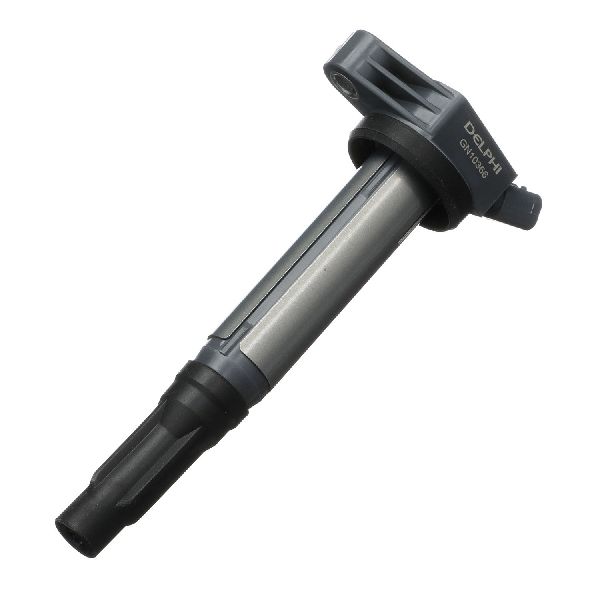
- Faulty Ignition Coil 🔴 High Probability → Shop Ignition Coil Coil-on-plug ignition coils are a known wear item on the 2GR-FE engine, failing from constant exposure to heat cycles and vibration. This is the most frequent cause of a single-cylinder misfire on this platform, especially on high-mileage vehicles.
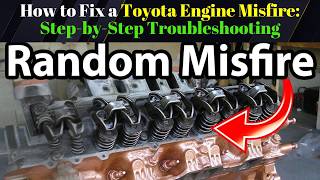
How to confirm: The most definitive DIY test is to swap the ignition coil from cylinder 5 with a coil from an accessible cylinder on the front bank (e.g., cylinder 2, 4, or 6). If the misfire code changes to follow the coil (e.g., P0302, P0304, or P0306), the coil is faulty. 🎬 Watch: Step-by-step troubleshooting for a Toyota engine misfire. However, since accessing cylinder 5 requires removing the intake manifold, this test is labor-intensive. Most mechanics will replace the coil based on the code alone due to the high labor involved in diagnosis.
Typical fix: Replace the ignition coil on cylinder 5. It is strongly recommended to replace all three ignition coils on the rear bank (cylinders 1, 3, 5) and all six spark plugs at the same time to avoid repeating the labor-intensive intake manifold removal in the near future. Denso is the original equipment manufacturer.
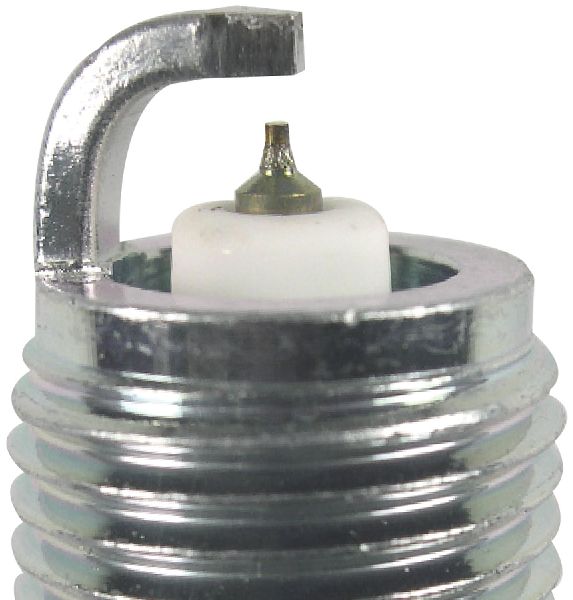
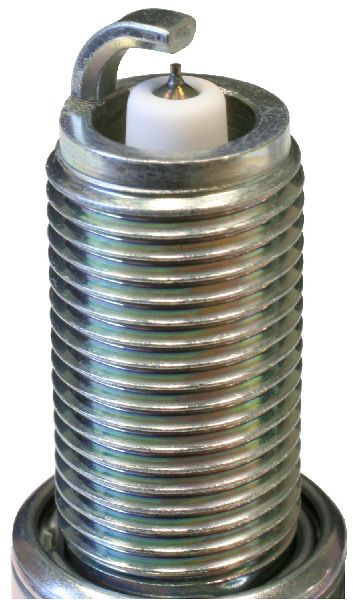
Est. part cost: $45-$90 per coil - Worn or Fouled Spark Plug 🟡 Medium Probability → Shop Spark Plug The original iridium spark plugs have a long service life (around 100,000-120,000 miles), but they will eventually wear out, leading to a weak spark and misfires. Oil leaking from a failed valve cover gasket's spark plug tube seal can also foul the plug, a known issue on this engine that can cause a misfire.
How to confirm: After removing the intake manifold and ignition coil, remove the spark plug from cylinder 5. Inspect it for wear (worn electrode), carbon fouling, or oil contamination. A spark plug wet with oil is a clear sign of a leaking spark plug tube seal.
Typical fix: Replace the spark plug. Given the labor involved, it is standard practice to replace all six spark plugs (both banks) whenever the intake manifold is removed. If oil was found on the plug, the valve cover gasket and its integrated tube seals must also be replaced to prevent a repeat failure.
Est. part cost: $12-$25 per plug - Clogged or Faulty Fuel Injector ⚪ Low Probability → Shop Fuel Injector While less common than ignition issues, fuel injectors can become clogged with deposits over time or fail electrically, preventing the correct amount of fuel from reaching cylinder 5. This can sometimes occur after other ignition repairs fail to solve the misfire.
How to confirm: After ruling out the ignition coil and spark plug, the fuel injector is the next suspect. This can be tested by checking its resistance with a multimeter or by performing a fuel injector balance test. Swapping the injector with another cylinder is also possible but requires disassembling the fuel rail, which is an advanced job.
Typical fix: Replace the faulty fuel injector. It's often recommended to replace all three injectors on the same fuel rail (rear bank) at the same time. The O-rings and seals should be replaced as well.
Est. part cost: $70-$150 per injector
Rare But Worth Checking
- Intake Manifold Gasket Leak: → Shop Engine Intake Manifold A vacuum leak from a failed intake manifold gasket near the runner for cylinder 5 can lean out the air/fuel mixture, causing a misfire. Since the gasket must be replaced during a coil or plug job on the rear bank, this is often fixed as part of the primary repair.
- Low Engine Compression: If ignition and fuel system components are confirmed to be good, a mechanical engine problem could be the cause. This includes issues like a burnt valve, worn piston rings, or a leaking head gasket. A compression test is required to diagnose this, which is a serious engine problem. This is rare on the well-regarded 2GR-FE.
- Brittle/Broken Ignition Coil Connector: → Shop Ignition Coil With age and heat cycles, the plastic connectors for the ignition coils can become extremely brittle. It is very common for the locking tab to break when disconnecting the coil, especially on the hard-to-see rear bank. A loose connector can cause an intermittent misfire. These connectors can be replaced separately.
Diagnosis Steps
- Confirm the P0305 code is present using an OBD-II scanner. Note if the Check Engine Light is flashing.
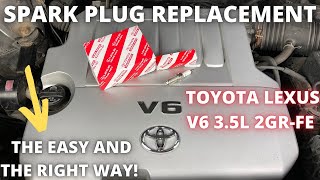
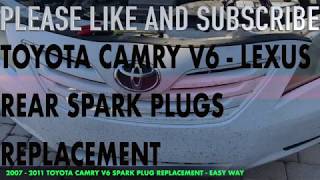
- Locate cylinder 5. On the 2GR-FE, the engine is mounted transversely. The front bank (near the radiator) contains cylinders 2, 4, and 6 (from passenger to driver side). The rear bank (against the firewall) contains cylinders 1, 3, and 5. Cylinder 5 is the middle cylinder on the rear bank. 🎬 See this walkthrough for changing the difficult rear spark plugs.
- Due to the difficult access, prepare for intake manifold removal. This is a 2-4 hour job for an experienced mechanic or DIYer.
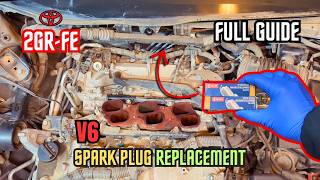
- Disconnect the battery. To improve access, many technicians remove the wiper arms and cowl cover. 🎬 Watch the ultimate guide to 2GR-FE spark plug replacement.
- Remove the engine cover, air intake assembly, and throttle body. The throttle body can be unbolted and set aside without disconnecting the coolant lines to save time and avoid a coolant bleed.
- Disconnect all vacuum lines and electrical connectors from the upper intake manifold (plenum). Take pictures or label hoses to ensure correct reassembly.
- Unbolt and remove the two support brackets at the rear of the intake manifold.
- Unbolt and remove the intake manifold itself. Cover the open lower intake ports with shop towels or tape to prevent debris from falling into the engine.
- Now with access to the rear bank, check for oil in the spark plug tube for cylinder 5. If oil is present, the valve cover gasket needs replacement.
- Disconnect the electrical connector (be careful, it may be brittle) and unbolt the 10mm bolt holding the ignition coil for cylinder 5.
- Replace the ignition coil and spark plug for cylinder 5. Best practice is to replace all three coils (cylinders 1, 3, 5) and all six spark plugs at this time.
- It is mandatory to use new intake manifold gaskets upon reassembly.
- Reassemble all components in reverse order of removal. Torque the intake manifold bolts to specification (approx. 15 ft-lbs, but verify for your specific model).
- Reconnect the battery, clear the trouble codes with the scanner, and start the engine to confirm the misfire is gone.
Parts You'll Likely Need
- Ignition Coil
(OEM #90919-A2005)— This is the most common cause of a P0305 misfire on the 2GR-FE engine. Cylinder 5 is on the difficult-to-access rear bank, so replacing it is the primary goal of the repair.
Trusted brands: Denso (OEM), NGK
OEM price range: $90-$130
Aftermarket price range: $45-$80 - Iridium Spark Plug
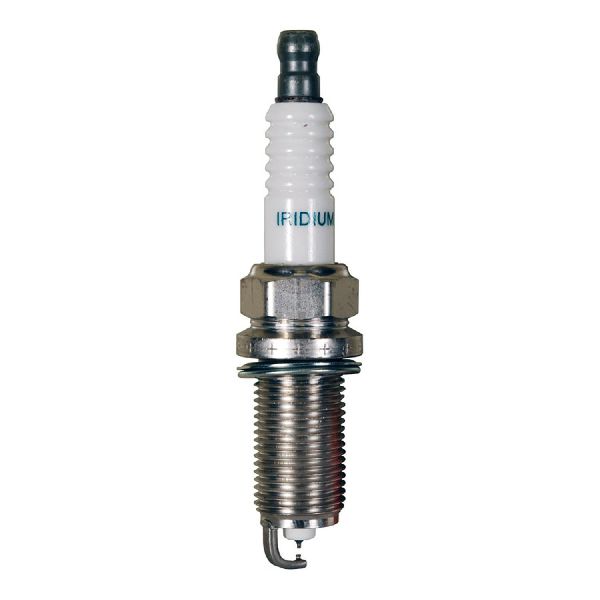
(OEM #90919-01247)— Spark plugs are a maintenance item and should always be replaced when accessing the rear bank due to the high labor cost. A worn plug is the second most likely cause of the misfire.
Trusted brands: Denso (FK20HR11), NGK (DILFR6D11)
OEM price range: $18-$25
Aftermarket price range: $12-$18 - Intake Manifold Gasket Set
(OEM #17176-0P021)— This gasket is a one-time use part and MUST be replaced anytime the upper intake manifold is removed to prevent vacuum leaks.
Related Codes That Often Appear With This One
- P0300 (Random Misfire)
- P0301, P0303 (Other rear bank misfires if multiple coils/plugs are failing)
- P0171, P0174 (System Too Lean, if caused by a large vacuum leak from the intake gasket)
Platform-Specific Known Issues
- A TSB (T-SB-0071-18) exists for some 2018+ Camry models with a different engine (2GR-FKS) for misfires under high load, which involves an ECM reprogram. This does not apply to the 2007-2017 2GR-FE engine but is worth noting to avoid confusion.
- A TSB (EG001-08) exists for 2004-2007 Prius models for a P1121 code related to a coolant flow control valve. This is entirely unrelated to the Camry V6 but can cause confusion if searching for Toyota TSBs broadly.
- Manufacturer TSB Bulletin #T-SB-0148-19 for other Toyota models with similar V6 architecture notes that for codes P0301 through P0306, technicians should follow specific repair procedures to address the misfire condition.
Mechanic-Grade Diagnostic Values
- Fuel Injector Resistance — expected: 11.6 to 12.4 Ω at 20°C (68°F). Failure: Resistance outside of this range indicates a faulty injector.
- Ignition Coil Primary Resistance — expected: ~0.5 Ω ± 0.1Ω. Failure: A significant deviation from this value suggests an internal coil fault.
- Ignition Coil Secondary Resistance — expected: ~9.5 - 12 kΩ. Failure: An open circuit (infinite resistance) or a value far outside this range indicates a failed secondary winding.
- Fuel Pressure — expected: 304 to 343 kPa (44 to 50 psi). Failure: Low fuel pressure would typically cause multi-cylinder misfires (P0300) or lean codes (P0171/P0174), not just a single cylinder misfire.
- Mode $06 Misfire Monitor (e.g., TID $53) — expected: A count of misfires per 1000 revolutions. The value should be 0 or very low.. Failure: A high count for cylinder 5 confirms the misfire detected by the ECU. This data can be more sensitive than the standard P-code and can show misfires before a CEL is triggered.
Hidden / Shadow Codes Worth Checking
- Mode $06, Test ID $A2-$A7: Toyota uses Mode $06 to store detailed misfire counts for each cylinder over the last 10 driving cycles (EWMA - Exponentially Weighted Moving Average) and current drive cycle. Cylinder 5 corresponds to Test ID $A6. (see via Using a capable OBD-II scanner or Toyota's Techstream software, navigate to the Mode $06 data or the 'Monitor' screen. The 'Details' button on the Techstream monitor screen provides a breakdown of historical (EWMA) and current misfire rates per cylinder.)
Scan Tool Commands That Help
- Toyota Techstream: Misfire Data List vs. Monitor Screen — The standard Data List for misfires may not accurately count misfires under load or above idle. For intermittent or load-based misfires, use the 'Monitor' screen. Enter the monitor, select 'Details' for misfires, and it will show a snapshot of historical and current counts, which is more reliable for diagnosis.
- Toyota Techstream: Active Test: Fuel Cut — To confirm a misfire on a specific cylinder, you can use the Active Test to cut fuel to individual injectors. When you cut fuel to a good cylinder, the engine RPM will drop noticeably. When you cut fuel to the misfiring cylinder (Cyl 5), there will be little or no change in how the engine runs, confirming it wasn't contributing properly.
Wiring & Ground Locations
- Engine Harness Ground (Rear Bank) — On the side of the rear cylinder head, directly underneath the throttle body. This is a critical ground point for the engine harness.. A loose or corroded ground at this location can cause erratic behavior in sensors and actuators on the rear bank, including the ignition coils and fuel injectors for cylinder 1, 3, and 5. This can lead to intermittent misfires that are difficult to diagnose.
- Engine Harness Ground (Front Bank) — On the side of the front cylinder head, near the VVT-i oil line attachment point.. While less likely to cause a P0305 specifically, ensuring all major engine grounds are clean and tight is a crucial step in diagnosing any electrical or misfire issue.
- Ignition Coil Connector (Cylinder 5) — Connected to the ignition coil for cylinder 5, under the intake manifold.. The 4-pin connector provides power (Pin 1), ground (Pin 4), the trigger signal from the ECM (IGT, Pin 3), and the confirmation signal back to the ECM (IGF, Pin 2). The plastic can become brittle, and the terminal pins can lose tension, causing a poor connection and an intermittent misfire that may not be the coil's fault.
Real Owner Repair Stories
- Reddit user in r/MechanicAdvice (2017 Toyota Avalon V6 (2GR-FE)) — Intermittent P0305 misfire that only appears after refueling, during a cold start without idle warmup, or on a warm restart without letting it idle first. The code never appears while driving.
❌ Tried (didn't work) Swapped ignition coil from cylinder 5, Swapped fuel injector from cylinder 5, Confirmed spark plug was new
✅ What actually fixed it The user suspected a faulty EVAP purge valve, which was ticking loudly at idle. While the final resolution was not posted in the thread, the symptoms (misfire after refueling) strongly point towards an EVAP system issue causing a temporary rich or lean condition on startup, which the ECU interpreted as a misfire on a sensitive cylinder. - NHTSA ODI #10448450 — An owner of a similar Toyota V6 platform reported feeling the car misfiring; the dealer found multiple codes including P0304, P0305, and P0306, ultimately identifying a malfunctioning ignition coil as the culprit.
OEM Part Supersession History
90919-02251, 90919-02255, 90919-A2002, 90919-A2003→90919-A2005— Standard design revisions by the manufacturer for improved reliability, durability, or manufacturing efficiency.
Heads up: All listed part numbers are generally interchangeable for this application. However, it is always best practice to use the latest superseded part number (90919-A2005) when replacing.
Diagnostic Flowchart
Other Known Issues on This Vehicle
Issues unrelated to this code that are worth knowing about as an owner of this generation:
- VVT-i Oil Line Rupture 🔴 High — Common on early 2GR-FE engines (approx. 2005-2010). A rubber section of the Bank 1 VVT-i oil line can degrade and burst, leading to rapid oil loss and catastrophic engine failure if not shut down immediately. (Ref: Toyota issued a Limited Service Campaign (LSC 90K) to replace the rubber hose with an all-metal line. The updated part number is 15772-31030.)
- Water Pump Failure 🟠 Medium — The water pump is a known wear item that can fail prematurely, sometimes before 100,000 miles. Failure typically begins with a slow leak from the weep hole or a bearing noise. If ignored, it can lead to overheating and severe engine damage.
- Melting / Sticky Dashboard 🟡 Low — Very common on the XV40 generation (2007-2011), especially in hot, humid climates. The dashboard material degrades, becoming shiny, sticky, and soft to the touch. (Ref: Toyota issued a Warranty Enhancement Program (ZE6) to replace affected dashboards, though the program has since expired.)
Used vs. New Parts: Buying Guide for This Vehicle
When a used part is the smart pick: For major mechanical components that rarely fail, such as the plastic upper intake manifold itself (if cracked) or a wiring harness connector pigtail. A used part from a low-mileage donor can be a cost-effective solution for physical damage.
Donor-vehicle mileage cap: roughly under 80000 miles for the part to have meaningful remaining life.
What to inspect on the donor part:
- For wiring, check for brittle plastic, broken locking tabs, or any signs of previous repair (tape, butt connectors).
- For hard parts like a manifold, check for cracks, especially around bolt holes, and ensure all mounting surfaces are flat and undamaged.
- Verify the donor vehicle had no signs of fire, flood, or major front/rear impact.
OEM-only on this vehicle (don't cheap out):
- Intake Manifold Gaskets: These are one-time-use and critical for preventing vacuum leaks. Always buy new.
- Ignition Coils and Spark Plugs: These are wear items. The labor to access the rear bank is too high to risk using a part with unknown history. Always install new, high-quality components.
Aftermarket brands forum-validated for this vehicle:
- Ignition Coils: Denso (OEM), NGK
- Spark Plugs: Denso (OEM), NGK
- Gaskets: Fel-Pro, Mahle
Brands owners have reported issues with on this vehicle:
- Unbranded, 'no-name' ignition coil sets sold at a deep discount on marketplace websites. These are notorious for high failure rates, sometimes within weeks or months, forcing you to repeat the entire labor-intensive repair.
Real Owner Stories
Aggregated from forums and TSBs cited above. Mileages and costs reflect what owners reported in those sources.
Toyota Camry V6 3.0L / Lexus ES300
Symptoms: P0305 misfire code present with oil found on the coil pack boot.
What fixed it: The issue was caused by a leaking spark plug tube seal allowing oil to contaminate the ignition components.
Source hint: ToyotaNation Forum - General discussion on Camry misfires
2020 Toyota Camry V6 (2GR-FKS)
Symptoms: Code P0305 misfire detected.
What fixed it: The suggested diagnostic path was to swap coils and plugs to confirm which component was faulty.
Source hint: Reddit r/Camry - Code P0305 on 2020 camry v6
Related OBD-II Codes
Frequently Asked Questions
Where is cylinder 5 located on my 2007-2017 Camry V6?
Does TSB T-SB-0071-18 apply to my 2007-2017 Camry?
Why is the labor for a P0305 code so much higher than a P0302 code?
Should I replace all the coils when fixing a P0305 misfire?
Can a leaking valve cover gasket cause the P0305 code?
What brand of ignition coils and spark plugs should I use for my Camry V6?
Helpful Videos

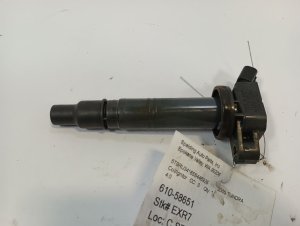
Used OEM Parts in Stock
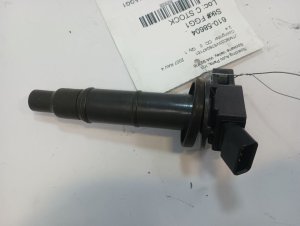

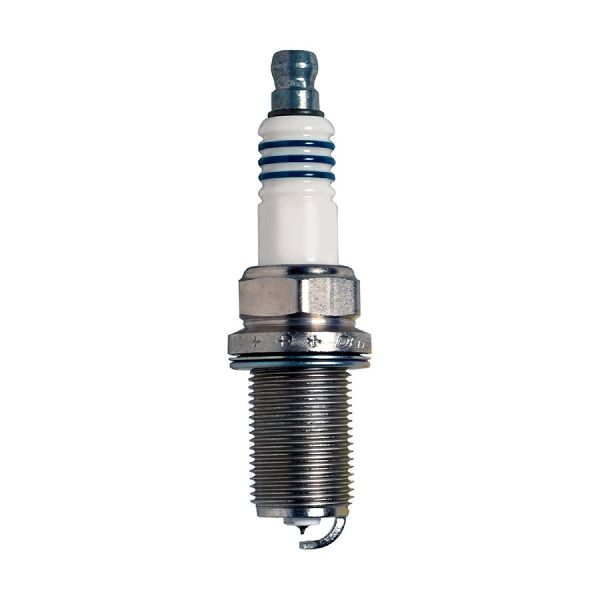
New Aftermarket Parts Available

The information in this article is provided for general reference and educational purposes only. Vehicle specifications, procedures, and part compatibility can vary by production date, trim level, and region. Always consult your vehicle's factory service manual and verify part numbers before purchasing or performing repairs. Safety-critical components such as airbags, seat belts, and braking systems should be installed by a qualified professional.
- Toyota Camry:
- 🧭 Diagnostic Flowchart
- 🎬 Helpful Videos
- 🛍️ Shop This Part
- What's Unique About the 2007-2017 Toyota Camry
- Symptoms You May Notice
- Most Likely Causes
- Rare But Worth Checking
- Diagnosis Steps
- Parts You'll Likely Need
- Related Codes That Often Appear With This One
- Platform-Specific Known Issues
- Mechanic-Grade Diagnostic Values
- Hidden / Shadow Codes Worth Checking
- Scan Tool Commands That Help
- Wiring & Ground Locations
- Real Owner Repair Stories
- OEM Part Supersession History
- Other Known Issues on This Vehicle
- Used vs. New Parts: Buying Guide for This Vehicle
- Real Owner Stories
- Toyota Camry V6 3.0L / Lexus ES300
- 2020 Toyota Camry V6 (2GR-FKS)
- Related OBD-II Codes
- Frequently Asked Questions
- 🎟️ Get 5% Off