

P0305 on 2001-2003 Toyota Highlander 3.0L V6: Cylinder 5 Misfire Causes and Fixes
P0305 means cylinder #5 is misfiring. On the 2001-2003 Highlander 3.0L V6, this is almost always a failed ignition coil or spark plug on the rear bank of the engine. Access is very difficult, requiring removal of the upper intake manifold (plenum) and high labor costs. Most shops and experienced owners recommend replacing all three rear coils, plugs, and the intake gasket at once to avoid repeat repairs.
- P0305 on a 2001-2003 Highlander points to a misfire in cylinder 5, which is on the hard-to-reach rear bank against the firewall.
- The most likely cause is a bad ignition coil, followed by a worn-out spark plug.
- Due to the high labor involved in accessing the rear bank, it is highly cost-effective to replace all three rear ignition coils, all six spark plugs, and the intake plenum gasket at the same time.
- Do not drive if the check engine light is flashing, as this can quickly destroy your catalytic converter, leading to a much more expensive repair.
- This job is considered difficult for a DIYer (4/5) due to the poor access and the potential need to remove the intake manifold.
What's Unique About the 2001-2007 Toyota Highlander
This guide specifically covers the 2001-2003 Highlander with the 1MZ-FE 3.0L V6 engine. The defining challenge for a P0305 code on this vehicle is the location of cylinder 5. It is on the rear bank of the engine, tucked against the firewall. This makes access for diagnosis and repair extremely difficult and labor-intensive compared to the front cylinders (2, 4, 6). While some mechanics attempt the repair without removing the upper intake manifold 🎬 Watch: How to replace rear spark plugs without removing the manifold. (plenum), it is often necessary, which adds significant time and cost 🎬 See this step-by-step guide for removing the intake manifold. to the job. This difficult access is a common topic in owner forums and repair videos.
Generation note: The 2001-2007 range covers the entire first generation (XU20) Highlander. However, the specified 1MZ-FE 3.0L V6 engine was only used in the 2001-2003 models. The 2004-2007 models used a different 3.3L V6 (3MZ-FE) which has a similar layout but different components, such as a plastic intake manifold that must be removed for rear bank service. This guide is specific to the 2001-2003 models with the 1MZ-FE.
Symptoms You May Notice
- Rough or shaky idle
- Hesitation or stumbling during acceleration
- Noticeable loss of engine power
- Solid or flashing Check Engine Light
- Possible fuel smell from the exhaust
- Vibration that feels like an unbalanced tire
- Replacing only the front bank spark plugs and coils, assuming the job is complete, while the actual fault lies on the inaccessible rear bank.
- Replacing a fuel pump, as a single-cylinder misfire is almost never caused by a system-wide pressure issue.
- Assuming a knock sensor code (e.g., P0330) is the cause of the misfire, when the knock sensor code is often a result of the engine running poorly due to the misfire itself.
Most Likely Causes
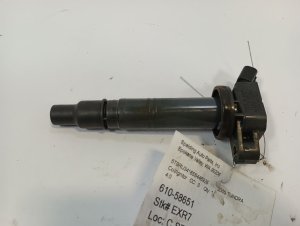
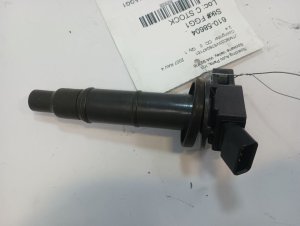
- Failed Ignition Coil 🔴 High Probability → Shop Ignition Coil Ignition coils are a common failure item on many vehicles from this era, including the 1st Gen Highlander. Heat cycles and age cause the internal windings to break down. The rear bank coils, like cylinder 5, are subjected to more heat soak due to their location against the firewall, potentially leading to a higher failure rate.
How to confirm: Swap the ignition coil from cylinder 5 with one from an accessible front cylinder (e.g., cylinder 2, 4, or 6). Clear the codes and drive. If the misfire code changes to the cylinder you moved the coil to (e.g., P0302, P0304, P0306), the coil is bad. Note: Accessing the cylinder 5 coil is very difficult and may require plenum removal.
Typical fix: Replace the faulty ignition coil. It is highly recommended to replace all three rear bank coils at the same time due to the difficult access. Many owners also find the plastic electrical connectors for the coils become brittle and break upon removal, so having replacements on hand is wise.
Est. part cost: $45-$115 per coil - Worn Spark Plug 🟡 Medium Probability → Shop Spark Plug Spark plugs are a routine maintenance item. If they have not been replaced according to the 60k-100k mile service interval, or if a previous mechanic only changed the easy-to-reach front plugs, the rear plugs can be long overdue for replacement. Oil from a leaking valve cover gasket can also foul the spark plug, causing a misfire.
How to confirm: After ruling out the ignition coil, remove and inspect the spark plug from cylinder 5. Look for a worn electrode, heavy carbon deposits, oil fouling, or a cracked insulator. This will require removing the intake manifold.
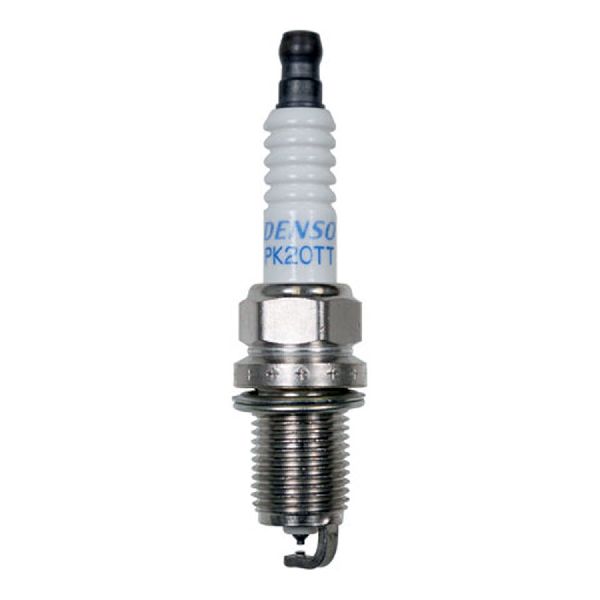
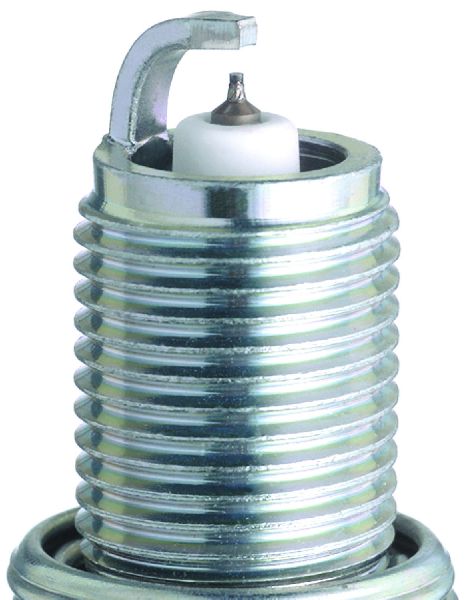
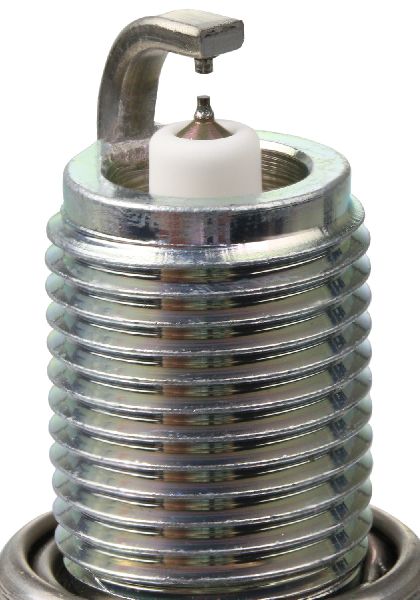
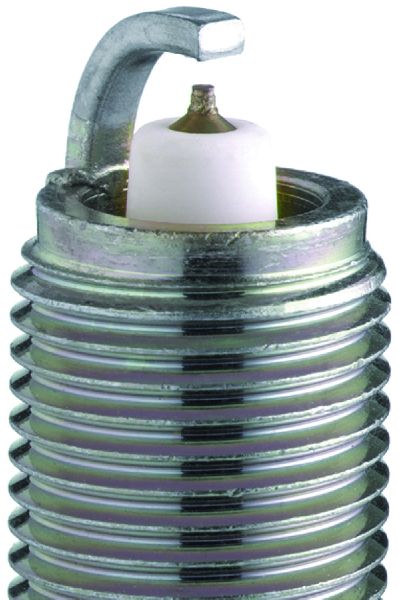
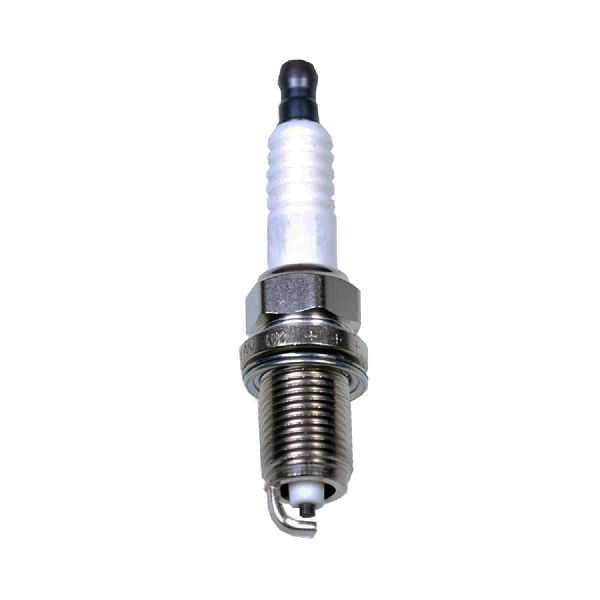
Typical fix: Replace the spark plug in cylinder 5. It is strongly recommended to replace all six spark plugs (or at least the three on the rear bank) and the intake plenum gasket at the same time. Use dual-electrode platinum or iridium plugs as specified for this engine.
Est. part cost: $8-$20 per plug - Clogged or Failed Fuel Injector ⚪ Low Probability → Shop Fuel Injector
How to confirm: Listen to the injector with a mechanic's stethoscope to confirm it is clicking. You can also test the injector's resistance with a multimeter or perform a fuel flow test. Swapping the injector with another cylinder is a definitive test but requires removing the fuel rail, which is a significant job. Some owners have had success temporarily clearing a clog with a quality fuel injector cleaner.
Typical fix: Replace the faulty fuel injector for cylinder 5. This also requires removing the intake manifold.
Est. part cost: $150-$250
Rare But Worth Checking
- Vacuum Leak: A leak from the intake manifold gasket specifically near the runner for cylinder 5 could lean out the mixture enough to cause a misfire on only that cylinder. The gasket is a single-use item and must be replaced anytime the plenum is removed.
- Low Engine Compression: If ignition and fuel systems are confirmed to be working, a mechanical issue like a burnt exhaust valve, worn piston rings, or a leaking head gasket could be the cause. A compression test is required to diagnose this.
- Faulty VVT-i System Component: On VVT-i equipped 1MZ-FE engines, a malfunctioning Oil Control Valve (OCV) or a clogged OCV filter screen can cause rough idling and misfires. This may also be accompanied by other codes like P1354.
Diagnosis Steps
- Confirm code P0305 with an OBD-II scanner. 🎬 Watch: Diagnosing and fixing a P0305 code on a 2003 Highlander. Note if the Check Engine Light is flashing, which indicates a severe, catalyst-damaging misfire.
- Identify cylinder 5. On the 1MZ-FE, the rear bank against the firewall contains cylinders 1, 3, and 5, from passenger side to driver side. The front bank is 2, 4, 6.
- Attempt to swap the ignition coil from cylinder 5 with a coil from an accessible front cylinder (e.g., cylinder 4). This is the most common cause and the best first diagnostic step.
- Clear the codes and drive the vehicle. If the code changes to P0304, the ignition coil is faulty and needs replacement.
- If the code remains P0305, the problem is likely the spark plug or fuel injector. This step will almost certainly require removing the upper intake manifold (plenum).
- Once the plenum is removed, inspect the spark plug for wear, damage, or fouling. It is best practice to replace all three rear plugs at this stage regardless of appearance due to the labor involved.
- While the intake is off, it is a good time to test the fuel injector for cylinder 5. Check for an audible click with an injector stethoscope (before disassembly) or test its resistance with a multimeter. Consider swapping it with a front injector to be certain.
- Inspect the valve cover for any signs of oil leakage into the spark plug tubes, which can foul the plugs and cause misfires. If leaks are found, replace the valve cover gasket and spark plug tube seals.
- If all ignition and fuel components test good, perform a compression test on cylinder 5 to check for mechanical engine problems like a burnt valve or bad rings.
- After repair, reassemble all components using a new intake plenum gasket, clear the codes, and perform a test drive to verify the fix.
Parts You'll Likely Need
- Ignition Coil
(OEM #90919-02234)— This is the most common failure part for a P0305 code on this engine.
Trusted brands: Denso (673-1303), NGK
OEM price range: $90-$120
Aftermarket price range: $45-$75 - Spark Plug (Iridium or Double Platinum)
(OEM #90919-01210)— A worn or fouled spark plug is the second most likely cause. It is best practice to replace them when accessing the coils. Use the correct type (Iridium or Double Platinum) as specified.
Trusted brands: Denso (PK20TR11), NGK (BKR6EKPB11)
OEM price range: $15-$25
Aftermarket price range: $8-$15 - Intake Plenum Gasket
(OEM #17176-62030)— This gasket is a single-use item and must be replaced if the upper intake manifold is removed to access the rear coils and plugs.
Trusted brands: Toyota (OEM), Fel-Pro (MS 95899)
OEM price range: $20-$35
Aftermarket price range: $10-$20
Related Codes That Often Appear With This One
- P0300 — If the misfire is intermittent or affects other cylinders, a P0300 (Random/Multiple Cylinder Misfire) may be stored alongside P0305.
- P0301, P0303 — If the cause is related to a component shared by the rear bank (like a vacuum leak or a shared ground) or if the conditions causing one coil/plug to fail are present for all, it's common to see misfires on other rear cylinders (1 and 3).
- P1354 — This code indicates a VVT System Malfunction on Bank 2 (the rear bank). A problem with the oil control valve or its filter on that bank can affect timing and lead to misfires on cylinders 1, 3, and 5.
Technical Service Bulletins (TSBs) & Recalls
- While no TSB is specific to P0305, TSB EG014-03 was issued for some 1MZ-FE engines regarding potential engine oil sludge buildup due to infrequent oil changes. Severe sludge can impact VVT-i operation and overall engine health, potentially contributing to misfire conditions.
- Manufacturer TSB Bulletin #T-SB-0148-19 provides a specific repair procedure to address misfire codes ranging from P0301 through P0306.
Platform-Specific Known Issues
- The primary issue is the difficult access to the rear bank (cylinders 1, 3, 5) due to the intake manifold placement against the firewall. This turns a simple coil or plug replacement into a multi-hour job.
- Valve cover gasket leaks are common and can cause oil to foul the spark plugs in the tubes, leading to misfires.
Mechanic-Grade Diagnostic Values
- Ignition Coil Primary Resistance — expected: 0.70 - 0.94 Ohms. Failure: A reading outside this range indicates a faulty coil winding.
- Ignition Coil Secondary Resistance — expected: 10,800 - 14,900 Ohms. Failure: A reading outside this range indicates a faulty secondary coil winding.
- Fuel Injector Resistance — expected: 13.4 - 14.2 Ohms at 68°F (20°C). Failure: Resistance outside this range suggests a bad injector coil.
- Fuel Pressure (Pump active, engine off) — expected: 44 - 50 psi (304 - 343 kPa). Failure: Low pressure could indicate a weak pump or leak; high pressure could indicate a faulty regulator.
- Engine Compression (Standard) — expected: 178 psi @ 300 rpm. Failure: Pressure below the minimum of 142 psi, or a difference greater than 15 psi between cylinders, indicates a mechanical engine problem.
- ECU IGT signal voltage (while cranking) — expected: 0.1 - 4.5 volts. Failure: No voltage pulse indicates a problem with the ECU or wiring to the igniter.
Hidden / Shadow Codes Worth Checking
- Mode $06, Test ID $53: This is not a DTC, but a test monitor in the OBD-II system that tracks misfire counts for each cylinder. Accessing this data can show low-level misfires that haven't yet triggered a P0305 code. (see via A professional scan tool like Toyota Techstream or an advanced OBD-II scanner with Mode $06 capability is required. You can view the misfire count for cylinder 5 specifically to confirm it's the only one misfiring.)
Scan Tool Commands That Help
- Toyota Techstream: Active Test: Control the Injector Cut — This function allows a technician to individually disable the fuel injector for each cylinder. When you cut fuel to cylinder 5, if there is no change in engine RPM, it confirms that cylinder 5 was not contributing, pointing to a problem with that cylinder's fuel or ignition.
- Toyota Techstream: Active Test: Check the Cylinder Compression — This is a quick, non-invasive way to get a relative compression reading. The tool cranks the engine with fuel and spark disabled and measures the rotational speed of each cylinder. A cylinder with significantly lower RPM during its compression stroke suggests a potential mechanical issue.
Wiring & Ground Locations
- EC — Located on the RH (passenger) side of the surge tank (intake plenum).. This is a primary ground point for the engine wiring harness. A loose or corroded connection here can cause erratic behavior for sensors and actuators, including the ignition coils and injectors on the rear bank.
- ED — Located on the rear side of the surge tank (intake plenum).. Similar to ground point EC, this ground serves components on the engine. Given its location near the firewall, it is susceptible to corrosion and can be disturbed during rear bank service, making it a key point to check.
- ECU Pin IGT5 — The specific pin at the Engine Control Unit (ECU) that sends the trigger signal to the igniter for cylinder 5.. If a coil and plug are known-good but there is still no spark, a technician can back-probe this pin to verify the ECU is sending the command to fire. A lack of signal points to an ECU or wiring fault. The IGT voltage should pulse between 0.1-4.5V during cranking.
Real Owner Repair Stories
- YouTube user 'Dan the Fix it Man' (2003 Toyota Highlander 1MZ-FE) — Solid check engine light with code P0305.
❌ Tried (didn't work) The user went straight to the most likely cause.
✅ What actually fixed it The problem was resolved by replacing the ignition coil on cylinder #5. The user had a spare used coil on hand, swapped it in, and the code did not return. This confirms that a failed ignition coil is a primary cause. - ClubLexus forum user (2001 Toyota Avalon (same 1MZ-FE engine and drivetrain)) — Misfire code on cylinder #2 that only occurred at idle after the engine was warm (e.g., sitting at a red light for 30+ seconds).
❌ Tried (didn't work) Replacing spark plugs with NGK Platinum., Replacing the ignition coil for the affected cylinder., Confirming injectors were good (no lean codes).
✅ What actually fixed it The user suspected a low compression issue but found that raising the idle speed from 750 RPM to 900 RPM made the misfire disappear completely. This suggests a mechanical issue (like carbon buildup on a valve seat or a weak valve spring) that is masked by higher engine speeds. The final fix was not permanent engine repair, but managing the symptom by adjusting the idle.
Documented NHTSA Reports
- NHTSA ODI #10448450 describes an incident where a vehicle felt like it was misfiring while driving; a dealer inspection found multiple codes including P0304, P0305, and P0306, ultimately identifying a malfunctioning #6 coil pack as the cause.
OEM Part Supersession History
90080-19016→90919-02234— This is a standard part number update by Toyota. The newer part is a direct replacement with likely minor internal revisions for reliability.
Heads up: The parts are fully interchangeable for this application.
Model Year Variations Within This Range
- 2001-2003: These years used the 3.0L 1MZ-FE V6. All models within this range with the V6 share the same engine components and repair procedures for a P0305.
- 2004-2007: These years switched to the 3.3L 3MZ-FE V6. While the engine layout is similar (V6 with a difficult-to-access rear bank), the intake manifold, gaskets, and some sensors are different. The fundamental diagnostic approach is the same, but part numbers will not match.
Diagnostic Flowchart
Other Known Issues on This Vehicle
Issues unrelated to this code that are worth knowing about as an owner of this generation:
- Engine Oil Sludge Buildup 🔴 High — Common on early 2000s models, especially if oil change intervals were extended. Can lead to blocked oil passages and catastrophic engine failure. (Ref: TSB EG014-03)
- VVT-i System Malfunction 🟠 Medium — The Oil Control Valve (OCV) or its small filter screen can fail or become clogged, causing rough idle, hesitation, and misfire-related codes (e.g., P1349, P1354).
- Leaking Valve Cover Gaskets 🟠 Medium → Shop Engine Valve Cover — Very common as the vehicle ages. The rear bank is more prone to leaks. If not addressed, oil leaks into the spark plug tubes, fouling the plugs and causing misfires.
- Failed EVAP Charcoal Canister / VSV 🟡 Low — A common cause for Check Engine Lights related to the evaporative emissions system (e.g., P0446). Often, only the less expensive Vacuum Switching Valve (VSV) needs replacement, not the entire canister.
- Stripped Head Bolts (4-Cylinder Model) 🔴 High — This is a major issue for the 2.4L 2AZ-FE 4-cylinder engine used in some Highlanders of this generation, not the 1MZ-FE V6. It causes head gasket failure and overheating.
Used vs. New Parts: Buying Guide for This Vehicle
When a used part is the smart pick: For this repair, using used parts is generally not recommended for the core components. However, if a large plastic component like the intake air surge tank were cracked during disassembly, a used part from a junkyard is a perfectly acceptable and cost-effective replacement.
Donor-vehicle mileage cap: roughly under 120000 miles for the part to have meaningful remaining life.
What to inspect on the donor part:
- For a structural part like an intake manifold, check for any hairline cracks, especially around bolt holes and seams.
- Ensure all threaded inserts and vacuum port nipples are intact and not stripped or broken.
- Avoid parts from vehicles that show signs of a severe engine fire or have been sitting with the hood open in the elements for a long time.
OEM-only on this vehicle (don't cheap out):
- Intake Plenum Gasket: While aftermarket is an option, the cost of labor to access this gasket is so high that using an OEM gasket (Toyota P/N 17176-62030) is a wise investment for peace of mind.
Aftermarket brands forum-validated for this vehicle:
- Ignition Coils: Denso (e.g., 673-1303) is the Original Equipment Manufacturer for Toyota, so their aftermarket parts are identical to OEM quality and are a trusted choice.
- Spark Plugs: Denso and NGK are the OEM suppliers and are highly recommended.
- Intake Gasket: Fel-Pro (e.g., MS 95899) is a well-regarded aftermarket brand known for quality sealing products in the repair environment.
Brands owners have reported issues with on this vehicle:
- Unnamed or 'white-box' ignition coils from online marketplaces. While cheap, they have a very high failure rate, and the labor involved in replacing a rear bank coil on this engine makes it a poor economic choice to use a low-quality part.
Real Owner Stories
Aggregated from forums and TSBs cited above. Mileages and costs reflect what owners reported in those sources.
2003 Toyota Highlander 3.0L V6
Symptoms: Cylinder 5 misfire confirmed by code P0305.
What fixed it: Replacement of the failed ignition coil on cylinder 5; the owner demonstrated accessing it through a tight opening without full plenum removal.
Source hint: YouTube - 'limpson boy' / Dan the Fix it Man: In a video titled "2003 Toyota Highlander P0305 Fixed!"
1998 Toyota Sienna 3.0L V6 — 150000 miles
Symptoms: Cylinder 5 misfire on the 1MZ-FE engine.
What fixed it: The technician recommended removing the intake plenum to replace all 6 plugs, the plenum gasket, and valve cover gaskets simultaneously.
Source hint: Reddit - r/MechanicAdvice: A thread titled "Cylinder 5 Misfire 1998 Toyota Sienna Automatic v6 3.0l 150k Miles"
2004 Toyota Sienna 3.0L V6
Symptoms: Misfire during a road trip; owner attempted to use fuel injector cleaner which only provided temporary success before the misfire returned.
What fixed it: The temporary fix failed, indicating a permanent component replacement (like a coil or injector) was required.
Source hint: YouTube - 'Driveway Car Repair': A video titled "P0305 Misfire Toyota Sienna 2004 (My Road Trip Experience)"
Related OBD-II Codes
Frequently Asked Questions
Where is cylinder 5 located on the 2001-2007 Highlander 3.0L V6?
Does TSB EG014-03 apply to my Highlander's misfire issue?
Can I replace the cylinder 5 ignition coil without removing the intake manifold?
What type of spark plugs should I use for my 1MZ-FE engine?
Why is the P0305 code more common on the rear bank of this engine?
Should I replace the electrical connectors when fixing a P0305 code?
Helpful Videos
Used OEM Parts in Stock
New Aftermarket Parts Available


The information in this article is provided for general reference and educational purposes only. Vehicle specifications, procedures, and part compatibility can vary by production date, trim level, and region. Always consult your vehicle's factory service manual and verify part numbers before purchasing or performing repairs. Safety-critical components such as airbags, seat belts, and braking systems should be installed by a qualified professional.
- Toyota Highlander:
- 🧭 Diagnostic Flowchart
- 🎬 Helpful Videos
- 🛍️ Shop This Part
- What's Unique About the 2001-2007 Toyota Highlander
- Symptoms You May Notice
- Most Likely Causes
- Rare But Worth Checking
- Diagnosis Steps
- Parts You'll Likely Need
- Related Codes That Often Appear With This One
- Technical Service Bulletins (TSBs) & Recalls
- Platform-Specific Known Issues
- Mechanic-Grade Diagnostic Values
- Hidden / Shadow Codes Worth Checking
- Scan Tool Commands That Help
- Wiring & Ground Locations
- Real Owner Repair Stories
- Documented NHTSA Reports
- OEM Part Supersession History
- Model Year Variations Within This Range
- Other Known Issues on This Vehicle
- Used vs. New Parts: Buying Guide for This Vehicle
- Real Owner Stories
- 2003 Toyota Highlander 3.0L V6
- 1998 Toyota Sienna 3.0L V6 — 150000 miles
- 2004 Toyota Sienna 3.0L V6
- Related OBD-II Codes
- Frequently Asked Questions
- 🎟️ Get 5% Off