

P0305 on 1995-2004 Toyota Tacoma: Cylinder 5 Misfire Causes and Fixes
P0305 on a 1st Gen Tacoma 3.4L V6 is most commonly caused by a worn spark plug, a bad spark plug wire, or a failing ignition coil. Start by inspecting the spark plug and wire for cylinder 5; these are inexpensive parts and easy to replace. If ignition parts don't solve it, the next most likely culprit is a failing fuel injector, which can sometimes be diagnosed by checking its resistance when the engine is hot.
- P0305 indicates a misfire specifically in cylinder 5.
- The most likely culprits are simple, inexpensive ignition parts: the spark plug, spark plug wire, or ignition coil.
- Use the 'swap test' method to diagnose: swap a suspected bad part from cylinder 5 with a known good part from another cylinder. If the misfire code follows the part, you've found the problem.
- Cylinder 5 is the middle cylinder on the passenger side of the engine.
- If the check engine light is flashing, stop driving to prevent expensive damage to the catalytic converter.
What's Unique About the 1995-2004 Toyota Tacoma
The 5VZ-FE engine in the 1st Gen Tacoma is legendary for its durability, but its ignition system has specific wear points. It uses a 'waste spark' system with three ignition coils mounted on the passenger-side bank (cylinders 1, 3, 5) that also fire the cylinders on the driver-side bank (2, 4, 6) via long spark plug wires. Cylinder 5 is on the passenger side, so it has a coil-on-plug setup. The long wires for the opposing bank are a very common failure point, but for a P0305, the issue is almost always localized to cylinder 5's dedicated coil, plug, or fuel injector. Owners frequently resolve P0305 with basic ignition system maintenance.
Generation note: This guide covers the entire first generation of the Toyota Tacoma (1995.5-2004). The 5VZ-FE engine and its ignition system design were consistent throughout this generation, making the causes, symptoms, and repairs listed here applicable to all years in this range.
Symptoms You May Notice
- Rough or shaky idle
- Hesitation or stumbling during acceleration
- Noticeable loss of engine power
- Solid or flashing Check Engine Light
- Smell of unburnt gasoline from the exhaust
- Reduced fuel economy
- Engine vibration that may worsen when warm
- Replacing the oxygen (O2) sensors. While a bad O2 sensor can cause fuel trim issues, it will almost always affect an entire bank of cylinders (e.g., setting a P0171 lean code) and is unlikely to cause a single-cylinder misfire like P0305.
- Replacing the mass airflow (MAF) sensor. A faulty MAF sensor would typically cause a random misfire code (P0300) 🎬 Watch: Troubleshooting a 'ghost' misfire on the 3.4L engine. or affect all cylinders, not just one.
Most Likely Causes
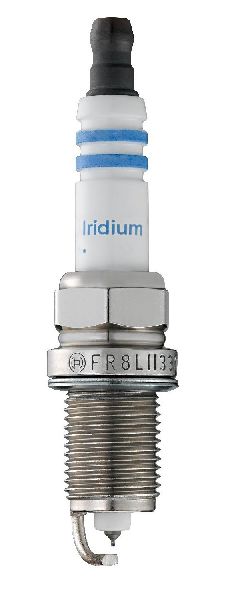
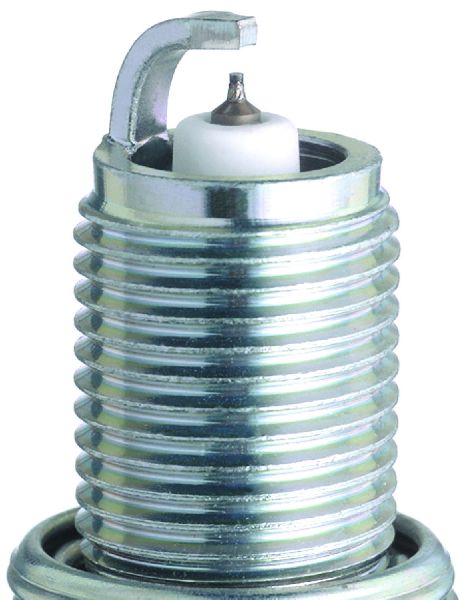
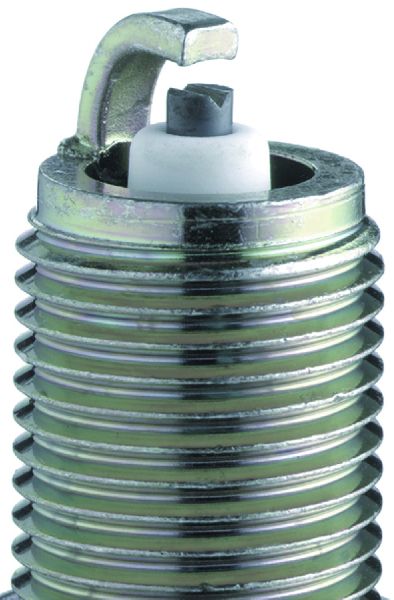
- Worn or Fouled Spark Plug 🔴 High Probability → Shop Spark Plug Spark plugs are a regular maintenance item. The 5VZ-FE was specified with dual-electrode plugs (Denso K16TR11 or NGK BKR5EKB-11) for longevity. Using incorrect single-electrode plugs or neglecting replacement intervals can cause misfires.
How to confirm: Remove the spark plug from cylinder 5 (middle cylinder, passenger side) and inspect it. Look for heavy carbon buildup, oil fouling, or a worn-out/eroded electrode. A common diagnostic trick is to swap the cylinder 5 plug with the cylinder 1 or 3 plug. Clear the codes and drive. If the code changes to P0301 or P0303, the spark plug is the culprit.
Typical fix: Replace the spark plug. It is best practice to replace all six spark plugs 🎬 Watch: Step-by-step guide to replacing 3.4L plugs and coils. at the same time with high-quality OEM-spec dual-electrode plugs.
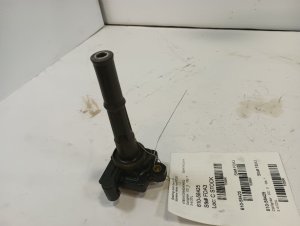
Est. part cost: $5-$15 per plug - Failed Ignition Coil 🔴 High Probability → Shop Ignition Coil The 5VZ-FE uses three coil packs that are subjected to high heat and vibration, making them known wear items. Cylinder 5 has its own dedicated coil pack mounted directly on the spark plug.
How to confirm: Swap the ignition coil from cylinder 5 with the coil from cylinder 1 or 3. Clear the codes and drive. If the misfire code moves to the cylinder you swapped the coil to (e.g., P0301 or P0303), the coil is bad. This is a very reliable and common diagnostic step mentioned frequently in owner forums.
Typical fix: Replace the faulty ignition coil. Many owners choose to replace all three coils and the three spark plug wires at the same time as preventative maintenance.
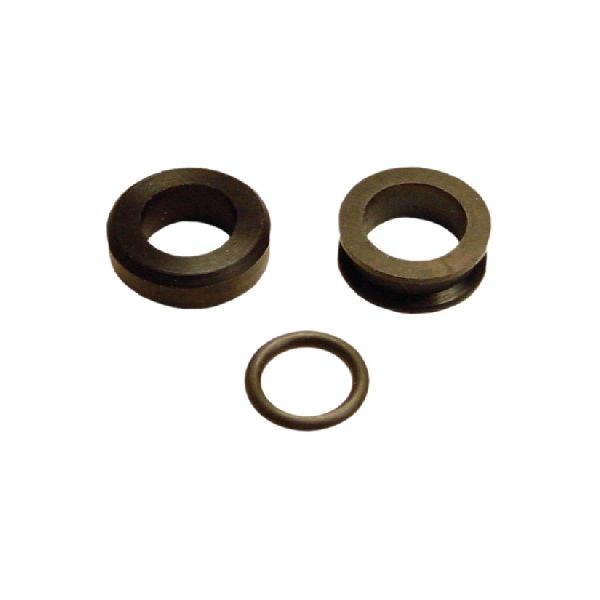
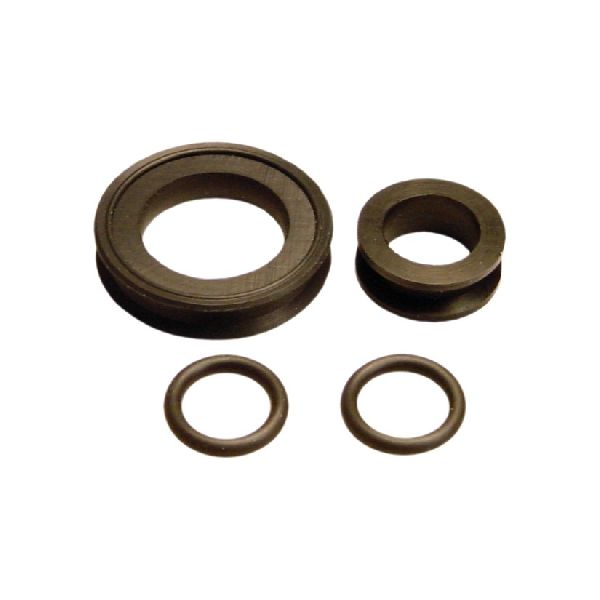
Est. part cost: $40-$90 per coil (aftermarket), $70-$115 per coil (OEM Denso) - Clogged or Failing Fuel Injector 🟡 Medium Probability → Shop Fuel Injector The original brown-body Denso injectors (part #23250-62040) used from 1999-2004 have a known defect where the internal coil winding can fail, especially when hot. This causes an intermittent misfire that worsens as the engine warms up.
How to confirm: After ruling out spark issues, this is the next logical step. A key diagnostic test shared by owners is to check the injector's resistance with a multimeter when the engine is cold, and then again when it's hot and the misfire is occurring. A good injector should read around 13-16 ohms consistently. A failing one may read normal when cold but show very high or infinite resistance when hot. Swapping the injector with another cylinder is definitive but requires removing the upper intake manifold.
Typical fix: Replace the faulty fuel injector. Due to the labor involved and the known failure pattern, it is highly recommended to replace all six injectors as a balanced, flow-matched set with modern replacements.
Est. part cost: $35-$70 per remanufactured injector, $150+ per new OEM injector.
Rare But Worth Checking
- Intake Manifold Gasket Leak: → Shop Engine Intake Manifold The gaskets on the intake manifold can become brittle and crack over time, causing a vacuum leak near a specific cylinder. This can lean out the air/fuel mixture enough to cause a misfire. This can be diagnosed by carefully spraying brake cleaner or a propane torch (unlit) near the intake runner for cylinder 5 with the engine running; if the idle changes, a leak is present.
- Low Engine Compression: This is a more serious mechanical issue, such as a burnt valve or a failing head gasket. A healthy 5VZ-FE should have compression readings of around 175-210 PSI per cylinder, with no more than 14-15 PSI of variation between them. If ignition and fuel causes are ruled out, a compression test and a cylinder leak-down test are necessary to check the mechanical health of cylinder 5.
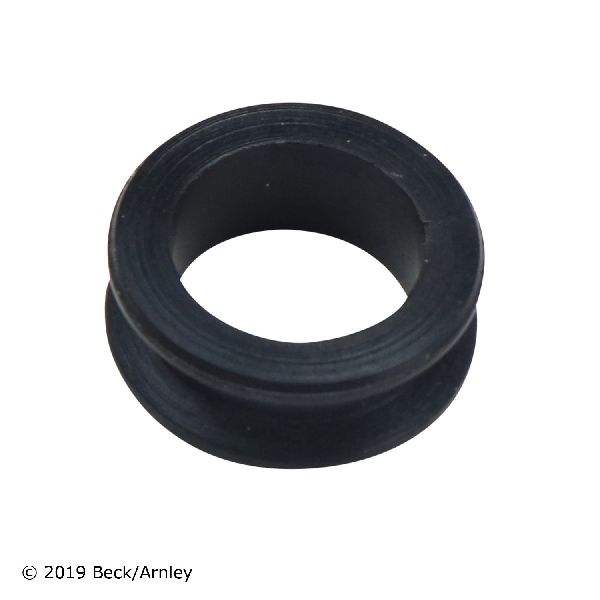
- Leaking Valve Cover Gasket / Spark Plug Tube Seal: → Shop Engine Valve Cover The valve cover gaskets on the 5VZ-FE include round seals for the spark plug tubes. Over time, these seals harden and allow oil to leak into the spark plug well. This can saturate the spark plug and ignition coil boot, causing a misfire. If you pull the coil for cylinder 5 and find it covered in oil, this is your problem. The fix requires replacing the valve cover gaskets and tube seals.
Technical Service Bulletins (TSBs) & Recalls
While the Tacoma is the primary focus, manufacturer service bulletins for other Toyota models with similar V6 architectures, such as TSB Bulletin #T-SB-0148-19, explicitly list P0305 (Cylinder 5 Misfire Detected) as a condition requiring specific repair procedures to address the misfire.
Diagnosis Steps
- Confirm the code is P0305 using an OBD-II scanner. Note if the Check Engine Light is steady or flashing and if any other codes like P0171 are present.
- Identify cylinder 5. On the 5VZ-FE, the cylinders on the passenger side of the vehicle are 1, 3, 5, from front to back. Cylinder 5 is the rearmost cylinder on the passenger side.
- Pull the ignition coil and spark plug from cylinder 5. Check for oil in the spark plug tube, which indicates a leaking valve cover tube seal. Inspect the spark plug for wear, fouling, or damage.
- Perform a 'swap test'. Swap the spark plug from cylinder 5 with the one from cylinder 1. Clear codes and drive. If the code changes to P0301, the spark plug is bad.
- If the code remains P0305, swap the ignition coil from cylinder 5 with the coil from cylinder 3. Clear codes and drive. If the code changes to P0303, the ignition coil is bad.
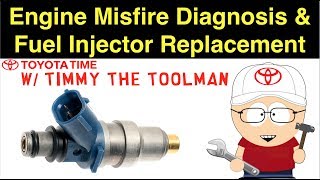
- If ignition components are good, investigate the fuel system. 🎬 See how to diagnose a misfire and replace fuel injectors. If the misfire is intermittent and worse when hot, test the resistance of the cylinder 5 fuel injector when the engine is fully warmed up and compare it to a cold reading. A significant increase in resistance points to a failing injector.
- For a definitive fuel injector test, swap the injector from cylinder 5 with one from another cylinder (e.g., cylinder 1). This is labor-intensive as it requires removing the intake plenum. If the misfire code moves to P0301, the injector is the problem.
- If all else fails, perform an engine compression test. A healthy 5VZ-FE should show 175-210 PSI. Follow up with a cylinder leak-down test if compression is low to pinpoint a burnt valve, piston ring issue, or head gasket failure.
Parts You'll Likely Need
- Spark Plug
(OEM #90919-01192 (Denso K16TR11) or NGK BKR5EKB-11)— This is the most common and simplest cause of a single-cylinder misfire. They are a routine maintenance item.
Trusted brands: Denso, NGK
OEM price range: $8-$12
Aftermarket price range: $5-$10 - Ignition Coil
(OEM #90919-02212)— The coil provides the high voltage spark. Over time, heat and vibration cause the internal windings to fail, leading to a weak or no spark.
Trusted brands: Denso (OEM), NGK
OEM price range: $70-$115
Aftermarket price range: $40-$70 - Fuel Injector
(OEM #23250-62040 (also 23209-62040))— A clogged or electrically failed injector will prevent the correct amount of fuel from reaching cylinder 5. The original 1999-2004 injectors are known to fail when hot.
Trusted brands: Denso (OEM), MotorWest Performance (remanufactured), Precision Auto Injectors (remanufactured)
OEM price range: $150-$200
Aftermarket price range: $35-$70 (remanufactured) - Spark Plug Wire Set
(OEM #90919-22386)— While cylinder 5 is coil-on-plug, the three long wires for the other bank are a known wear item and are often replaced preventatively with the coils.
Related Codes That Often Appear With This One
- P0171 (System Too Lean Bank 1): This can sometimes appear with a P0305 if the cause is a vacuum leak or a clogged fuel injector affecting cylinder 5, which is on Bank 1.
Mechanic-Grade Diagnostic Values
- Fuel Injector Resistance — expected: Approx. 13.8 Ω at 20°C (68°F). Readings can be 12-16 Ω.. Failure: A reading of infinite resistance (open circuit) or a value that climbs significantly higher than spec when the engine is hot and misfiring.
- Ignition Coil Primary Resistance — expected: Cold: 0.67 – 1.05 Ω. Hot: 0.85 – 1.23 Ω.. Failure: A reading outside of the specified range indicates a faulty coil.
- Ignition Coil Secondary Resistance — expected: Cold: 9.3 – 16.0 kΩ. Hot: 11.7 – 18.8 kΩ.. Failure: A reading of OL (Open Loop) or infinite resistance is a definitive sign of a bad coil.
- Fuel Pressure (at fuel rail) — expected: 38–44 psi with vacuum hose to regulator disconnected. 33-38 psi at idle with vacuum hose connected.. Failure: Low pressure indicates a weak fuel pump or clogged filter. High pressure can indicate a failed regulator.
- Ignition Trigger (IGT) Voltage at ECM — expected: 0.1 - 5.0 volts while cranking the engine.. Failure: No voltage pulse while cranking suggests an issue with the crankshaft/camshaft sensors or the ECM itself.
Hidden / Shadow Codes Worth Checking
- Mode $06, Test ID $53: This is not a hidden code, but a diagnostic mode accessible with advanced scan tools. It provides access to raw data from the PCM's onboard tests, including misfire counts for each individual cylinder before they are high enough to trigger a P030x code. (see via Use a scan tool that supports Mode $06 diagnostics. Look for Test ID $53 (or similar, may vary by scanner) which corresponds to misfire monitoring.)
Scan Tool Commands That Help
- Techstream or Diagnostic Jumper: Fuel Pump Active Test — To test fuel pressure and volume without the engine running. This is done by jumping the 'B+' and 'Fp' terminals in the under-hood diagnostic connector with a paperclip or jumper wire while the key is in the 'ON' position. This manually activates the fuel pump.
Wiring & Ground Locations
- Cylinder 5 Injector ECM Pin — On the main Engine Control Module (ECM), located behind the glove box. The signal wire for the cylinder 5 injector is typically on Pin #50.. If an injector swap doesn't solve the misfire, a technician can test for a pulsed ground signal at this pin to determine if the ECM is correctly commanding the injector to fire. A lack of signal points to a wiring or ECM issue.
- Ignition Coil Trigger (IGT) ECM Pin — On the ECM. The 5VZ-FE uses three IGT signals (IGT1, IGT2, IGT3) to fire the three coils. The coil for cylinder 5 (which also fires cylinder 2) receives its signal from one of these pins. A wiring diagram is needed to confirm the exact pin for the cylinder 5 coil.. Verifying the presence of a pulsed IGT signal at the ECM is the final step in diagnosing the ignition primary circuit before condemning the ECM.
- Engine Ground Strap — A critical braided ground strap connects the rear of the engine (passenger side) to the firewall.. A corroded or loose main engine ground can cause weak spark and various intermittent electrical issues, including misfires. This is a common point of failure due to age and heat.
- EB Ground Point — Located on the engine intake manifold, near the throttle body.. This is a primary grounding point for engine sensors. Corrosion or a loose connection here can cause erratic sensor readings that could indirectly lead to misfires.
- Chassis Grounds — Important grounds are located on the fender next to the battery, behind both driver and passenger kick panels, and on the frame rail near the rear driver's side shock mount.. Overall electrical system health depends on these grounds. While less likely to cause a single-cylinder misfire, they should be checked when chasing persistent electrical gremlins.
Real Owner Repair Stories
- TacomaWorld Forum (1st Gen Toyota Tacoma 3.4L V6) — Misfire that occurs or worsens significantly once the engine is hot.
❌ Tried (didn't work) Spark plugs and ignition coils were often replaced first with no change in the hot-misfire symptom.
✅ What actually fixed it Replacing all six of the original brown-body fuel injectors with a modern, remanufactured set from a reputable supplier like MotorWest Performance. The original injectors' internal coils were failing under heat, causing the misfire. - YotaTech Forum (1999 Toyota 4Runner 3.4L V6 (same 5VZ-FE engine)) — Multiple misfire codes including P0300, P0301, P0305, P0306 after performing engine work.
❌ Tried (didn't work) Replacing spark plugs., Cleaning MAF sensor.
✅ What actually fixed it The owner tested the resistance of the ignition coils. The coil for cylinder 5 showed an open secondary circuit (infinite resistance), while the others tested within spec. Replacing the single bad coil resolved the misfire codes. - NHTSA ODI #10448450 — An owner of a similar Toyota model reported feeling the vehicle misfiring while driving; a dealer diagnosis confirmed multiple codes including P0305 and identified a malfunctioning coil pack as the cause.
"I Checked Everything" — The Actual Cause
- A common scenario for the 1999-2004 5VZ-FE is a misfire that only happens when the engine is hot. Standard diagnostic tests like a smoke test for vacuum leaks or checking injector resistance on a cold engine will show no faults. The actual cause is often the internal coil windings of the original brown-body Denso fuel injector (PN 23250-62040) developing high resistance or an open circuit only when they reach operating temperature. The fix is to test injector resistance when the engine is hot and the misfire is active, or to replace the injectors with an updated design.
OEM Part Supersession History
23250-62040 (also 23209-62040)→Modern-style, 4-hole orifice injectors offered by specialty remanufacturers (e.g., MotorWest Performance). Toyota may have a direct supersession, but the community widely recommends upgrading.— The original brown-body Aisin/Denso injectors used from approx. 1999-2004 have a known design flaw where the internal coil windings degrade and fail under heat, causing a hot-start or heat-soaked misfire.
Heads up: Injectors from 1995-1998 models (often with green connectors) have a slightly different flow rate than the 1999-2004 injectors. While they may physically fit, it is critical to use a matched set designed for your vehicle's model year and ECU.
Model Year Variations Within This Range
- 1999-2004: These years used the brown-body Denso/Aisin fuel injectors (23250-62040) which are known to have a heat-related failure mode, making them a more likely cause for a P0305 misfire that appears when the engine is hot compared to earlier model years.
- 1997-2004: A dealer-installed or aftermarket TRD Supercharger kit was available. If a truck is equipped with this, misfire diagnosis must also consider issues related to the supercharger, its belt, and potentially an auxiliary fuel system like the URD 7th injector kit, which has its own controller.
Diagnostic Flowchart
Other Known Issues on This Vehicle
Issues unrelated to this code that are worth knowing about as an owner of this generation:
- Frame Rust/Perforation 🔴 High — Very common, especially in cold climates with road salt. Led to a warranty extension/buyback program. (Ref: Toyota initiated a Customer Support Program (CSP) extending the frame warranty to 15 years with unlimited mileage for 1995-2004 models.)
- Lower Ball Joint Failure 🔴 High — Common enough to trigger a major safety recall. Failure can cause the wheel to separate from the vehicle. (Ref: Safety Recall 50J (NHTSA Campaign ID: 05V225000) for 2001-2004 models to replace front lower ball joints due to a manufacturing defect that could lead to premature wear and separation.)
- Leaking Valve Cover Gaskets 🟠 Medium → Shop Engine Valve Cover — Very common on high-mileage (100k+) engines. The rubber gaskets and especially the spark plug tube seals harden over time.
- Cracked Exhaust Manifolds 🟠 Medium — A known issue, though less frequent than frame rust or valve cover leaks. Can cause an exhaust leak tick, especially when cold.
Used vs. New Parts: Buying Guide for This Vehicle
When a used part is the smart pick: For this repair, used parts are generally not recommended for the common failure items (plugs, coils, injectors). However, if a rare mechanical issue is the cause, major components like a cylinder head, intake manifold, or fuel rail are excellent candidates to be sourced from a reputable auto recycler ('junkyard').
Donor-vehicle mileage cap: roughly under 150000 miles for the part to have meaningful remaining life.
What to inspect on the donor part:
- For a cylinder head, ensure the donor vehicle did not overheat (check for warped surfaces).
- Look for vehicles with documented front-end collisions, as the engine is often undamaged.
- Avoid parts from vehicles that show signs of sitting with the hood open for years (excessive corrosion, water damage).
OEM-only on this vehicle (don't cheap out):
- Mass Airflow (MAF) Sensor
- Oxygen (O2) Sensors
Aftermarket brands forum-validated for this vehicle:
- Denso (OEM for ignition, sensors, injectors)
- NGK (OEM for spark plugs, good coils/wires)
- Aisin (OEM for many hard parts and water pumps)
- MotorWest Performance (Well-regarded for quality remanufactured fuel injector sets)
Brands owners have reported issues with on this vehicle:
- Unbranded 'white box' ignition coils and fuel injectors from online marketplaces like eBay or Amazon are frequently reported on forums to be dead-on-arrival or fail prematurely.
Real Owner Stories
Aggregated from forums and TSBs cited above. Mileages and costs reflect what owners reported in those sources.
2002 Toyota Tacoma 3.4L V6
Symptoms: The owner experienced a misfire that only occurred once the engine was warm. Diagnostic steps included swapping coils and checking spark plugs, but the issue persisted.
What fixed it: The owner diagnosed a failing fuel injector by measuring electrical resistance when hot; the resistance climbed from ~15 ohms to over 2 M-ohms. Replacing the injector resolved the P0305.
Source hint: YotaTech - P0305 & P0171 Misfire
Toyota Tacoma 5VZ-FE
Symptoms: Cylinder 5 misfire (P0305). The diagnostic process involved swapping coils and checking injector resistance hot vs. cold.
What fixed it: The owner decided to replace all injectors as a balanced, flow-matched set due to the labor involved in removing the intake manifold.
Source hint: Tacoma World - PO305 Cylinder 5 - misfire (solved)
Toyota 4Runner 3.4L 5VZ-FE
Symptoms: Intermittent misfire and P0305 code. The owner went through standard diagnostic steps including plugs, coil swaps, and injector replacement.
What fixed it: The thread highlights the frustration of persistent intermittent issues even after replacing common failure points like plugs, coils, and injectors.
Source hint: 4Runner Forum - P0305 and limited patience remaining
Toyota Tacoma 5VZ-FE
Symptoms: Oil was found leaking into the spark plug wells, which can lead to engine misfires.
What fixed it: Replacing the hardened valve cover tube seals.
Source hint: YotaTech - oil leaking from spark plugs
Related OBD-II Codes
Frequently Asked Questions
Which spark plugs should I use for my 5VZ-FE 3.4L V6 to avoid misfires?
Where is cylinder 5 located on my Toyota Tacoma V6?
Is there a recall for the frame rust I noticed while checking my cylinder 5 misfire?
My 2001 Tacoma has a P0305 and a steering issue; is there a related recall?
Why does my P0305 misfire only happen when the engine is warm?
I found oil on my cylinder 5 spark plug; what does this mean?
Helpful Videos
Used OEM Parts in Stock
New Aftermarket Parts Available

The information in this article is provided for general reference and educational purposes only. Vehicle specifications, procedures, and part compatibility can vary by production date, trim level, and region. Always consult your vehicle's factory service manual and verify part numbers before purchasing or performing repairs. Safety-critical components such as airbags, seat belts, and braking systems should be installed by a qualified professional.
- Toyota Tacoma:
- 🧭 Diagnostic Flowchart
- 🎬 Helpful Videos
- 🛍️ Shop This Part
- What's Unique About the 1995-2004 Toyota Tacoma
- Symptoms You May Notice
- Most Likely Causes
- Rare But Worth Checking
- Technical Service Bulletins (TSBs) & Recalls
- Diagnosis Steps
- Parts You'll Likely Need
- Related Codes That Often Appear With This One
- Mechanic-Grade Diagnostic Values
- Hidden / Shadow Codes Worth Checking
- Scan Tool Commands That Help
- Wiring & Ground Locations
- Real Owner Repair Stories
- "I Checked Everything" — The Actual Cause
- OEM Part Supersession History
- Model Year Variations Within This Range
- Other Known Issues on This Vehicle
- Used vs. New Parts: Buying Guide for This Vehicle
- Real Owner Stories
- 2002 Toyota Tacoma 3.4L V6
- Toyota Tacoma 5VZ-FE
- Toyota 4Runner 3.4L 5VZ-FE
- Toyota Tacoma 5VZ-FE
- Related OBD-II Codes
- Frequently Asked Questions
- 🎟️ Get 5% Off