

P0306 on 2012-2018 Audi A6 3.0T: Cylinder 6 Misfire Causes and Fixes
On a 2012-2018 Audi A6 3.0T, P0306 is almost always a faulty ignition coil or worn spark plug in cylinder 6. This is a DIY-friendly fix costing $70-$150 for parts. If new ignition parts don't solve it, suspect a leaking supercharger intercooler (check for coolant loss), carbon buildup on the intake valves (especially over 60k miles), or a failed PCV valve (listen for a whistle).
- P0306 means cylinder 6 (driver's side, rear) is misfiring.
- Before buying any parts, swap the ignition coil from cylinder 6 to cylinder 5. If the code changes to P0305, you've confirmed the coil is bad. This is a free and definitive test for the most common cause.
- If the check engine light is flashing, stop driving immediately to prevent expensive damage to the catalytic converter.
- If new ignition coils and spark plugs don't fix the problem, the cause is likely a platform-specific issue like carbon buildup or a leaking supercharger intercooler, which require more involved diagnosis and repair.
- If you are also experiencing slow, unexplained coolant loss, a leaking intercooler core is the most probable cause of the misfire in cylinder 6.
What's Unique About the 2012-2018 Audi A6
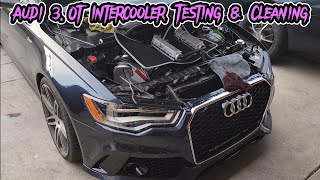
While ignition parts are a common cause of misfires on any vehicle, the Audi 3.0T supercharged engine has two unique, well-documented issues that can cause a P0306 misfire. First, as a direct-injection (TFSI) engine, it's prone to significant carbon buildup on intake valves, which restricts airflow and can cause misfires, especially at higher RPM or on cold starts. Second, the supercharger houses two internal intercoolers that can develop coolant leaks, dripping coolant directly into the intake ports for cylinders 3 and 6, causing persistent misfires that are often misdiagnosed.
Symptoms You May Notice
- Rough or vibrating idle
- Hesitation or stumbling during acceleration
- Noticeable loss of power
- Flashing Check Engine Light
- Engine jerking
- Whistling noise from the engine bay (if PCV has failed)
- Sweet smell from exhaust or unexplained coolant loss (if intercooler is leaking)
- Replacing only the spark plug when the ignition coil is the actual problem. Always perform the coil swap test first.
- Replacing ignition components repeatedly when the root cause is a leaking intercooler or carbon buildup. If new plugs and coils don't fix it, look deeper.
- Performing a smoke test to find a vacuum leak and finding none, then ruling out leaks. The intercooler leak is internal and will not be found with a smoke test.
Most Likely Causes
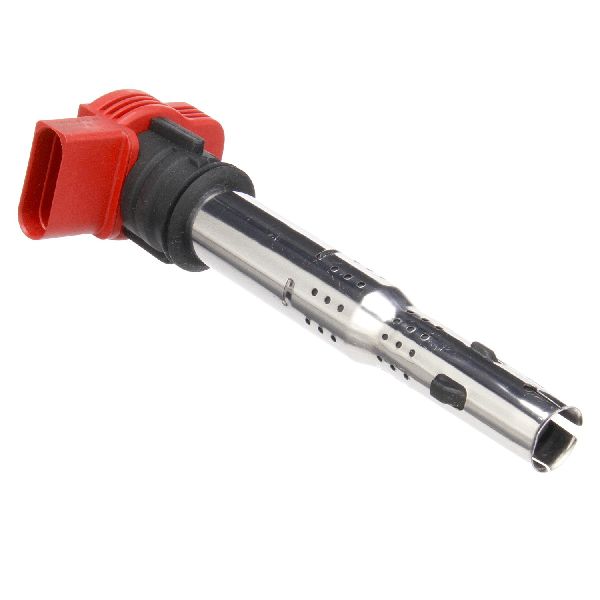
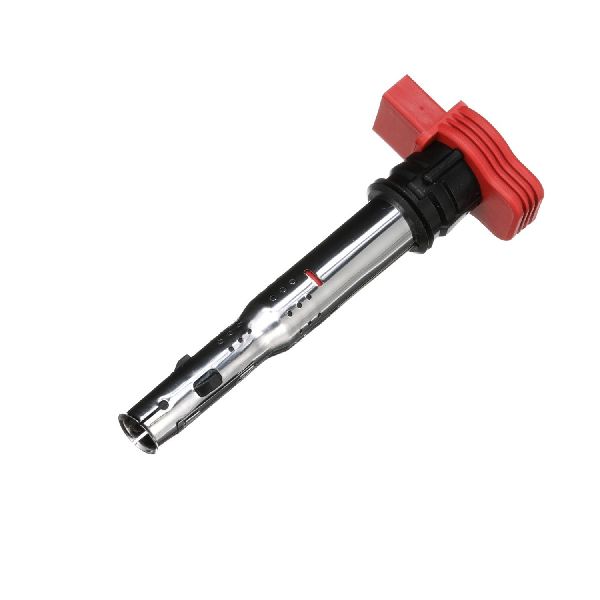
- Faulty Ignition Coil 🔴 High Probability → Shop Ignition Coil Ignition coils are a common failure item on many modern Audi engines, often requiring replacement every 60,000-80,000 miles. Heat and electrical stress cause them to degrade, leading to a weak spark.
How to confirm: Swap the ignition coil from cylinder 6 (driver's side, rear) with the coil from cylinder 5 (driver's side, middle). Clear the codes and drive. If the code changes to P0305, the coil is bad. This is the definitive free diagnostic step.
Typical fix: Replace the faulty ignition coil. It is best practice to replace all six coils at once, as they tend to fail around the same time. Use only OEM or high-quality OE-supplier brands like Eldor, Bosch, or NGK.
Est. part cost: $30-$60 per coil - Worn or Fouled Spark Plug 🔴 High Probability → Shop Spark Plug Spark plugs are a regular maintenance item. On the 3.0T engine, the service interval is typically between 40,000 and 55,000 miles. A worn plug can't create a strong enough spark to ignite the fuel mixture reliably. Coolant or oil leaks can also foul the plug, rendering it ineffective.
How to confirm: After ruling out the ignition coil, remove the spark plug from cylinder 6. Inspect it for wear (worn electrode), fouling (black, oily deposits), or contamination. A white or pinkish crust indicates a coolant leak from the intercooler.
Typical fix: Replace the spark plug in cylinder 6. It is recommended to replace all six spark plugs at the same time to maintain consistent performance. Use only the specified OEM NGK plugs. Torque to 22 ft-lbs (30 Nm).
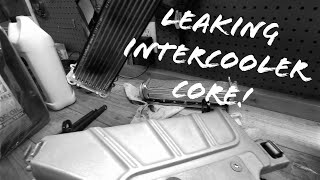
Est. part cost: $15-$30 per plug - Leaking Supercharger Intercooler 🟡 Medium Probability → Shop Turbocharger The supercharger unit contains two internal water-to-air intercoolers that are a known failure point. They develop internal leaks, and due to their position, coolant drips directly into the intake ports for cylinders 3 and 6, fouling the spark plug and causing a persistent misfire.
How to confirm: Check for slow, unexplained coolant loss with no visible external leaks. The spark plug from cylinder 6 may have a white or pinkish crust from burned coolant. Definitive diagnosis requires removing the supercharger to pressure test or visually inspect the intercooler cores for signs of coolant residue.
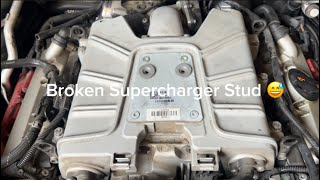
Typical fix: Remove the supercharger and replace the faulty intercooler core(s). This is a labor-intensive job (5+ hours). While the supercharger is off, it is highly recommended to also replace the PCV valve and thermostat.
Est. part cost: $350-$600 per core, or around $1,100 for a full service kit with gaskets. - Carbon Buildup on Intake Valves 🟡 Medium Probability This is a well-documented issue on Audi's direct-injection (TFSI) engines. Since fuel is injected directly into the cylinder and not over the valves, carbon deposits from the PCV system bake onto the valves, restricting airflow and causing misfires, especially on cold starts or under load. This typically becomes an issue after 60,000 miles.
How to confirm: This requires visual inspection using a borescope inserted into the intake runners, which necessitates removing the supercharger.
Typical fix: Professional cleaning of the intake valves, most commonly done via walnut shell blasting. This service can cost between $700 and $1500.
Est. part cost: $0 (service cost) - Failed PCV Valve (Oil Separator) ⚪ Low Probability → Shop PCV Valve The diaphragm in the PCV valve is prone to tearing, creating a large vacuum leak. This unmetered air disrupts the air-fuel ratio and can lead to random or single-cylinder misfires, often accompanied by a distinct whistling or sucking noise at idle.
How to confirm: Listen for a loud whistle from the engine bay at idle. Try removing the oil filler cap with the engine running; if a very strong vacuum holds it down, the PCV diaphragm has likely failed. In some cases, the valve can fail internally and allow coolant to mix with oil.
Typical fix: Replace the PCV valve assembly. This part is located under the supercharger, making replacement labor-intensive (4-6 hours). It is often replaced proactively when the supercharger is removed for other services like intercooler replacement or carbon cleaning.
Est. part cost: $150-$250
Rare But Worth Checking
- Clogged or Faulty Fuel Injector: → Shop Fuel Injector While less common than ignition issues, a direct fuel injector can become clogged or fail electronically. This is typically diagnosed after all other common causes have been ruled out. An injector sticking open can foul the spark plug.
- Low Cylinder Compression: In rare cases, a mechanical engine problem like a burnt valve, damaged piston rings, or scored cylinder walls could be the cause. A compression test is required to diagnose this and would likely be accompanied by other symptoms like high oil consumption or excessive smoke.
Diagnosis Steps
- Check if the Check Engine Light is flashing. If so, avoid driving to prevent catalytic converter damage.
- Scan the ECU for all fault codes. Note if other codes like P0300, P0303, or P130A are present.
- Locate cylinder 6: it is the rearmost cylinder on the driver's side, closest to the windshield.
- Perform an ignition coil swap test. Swap the coil from cylinder 6 with the coil from cylinder 5. Clear the codes and run the engine. If the code changes to P0305, the ignition coil is faulty.
- If the code remains P0306, inspect the spark plug from cylinder 6. Check for wear, damage, or fouling. A pink/white crusty deposit points directly to a leaking intercooler. Replace if necessary.
- If new ignition parts do not resolve the misfire, investigate platform-specific issues. Monitor coolant levels closely for any slow, unexplained loss, which points to a leaking intercooler.
- Listen for a whistling noise at idle and perform the oil cap test (strong vacuum) to check for a failed PCV valve.
- If the vehicle has over 60,000 miles and other causes are ruled out, suspect carbon buildup. This requires professional diagnosis with a borescope, which involves removing the supercharger.
Parts You'll Likely Need
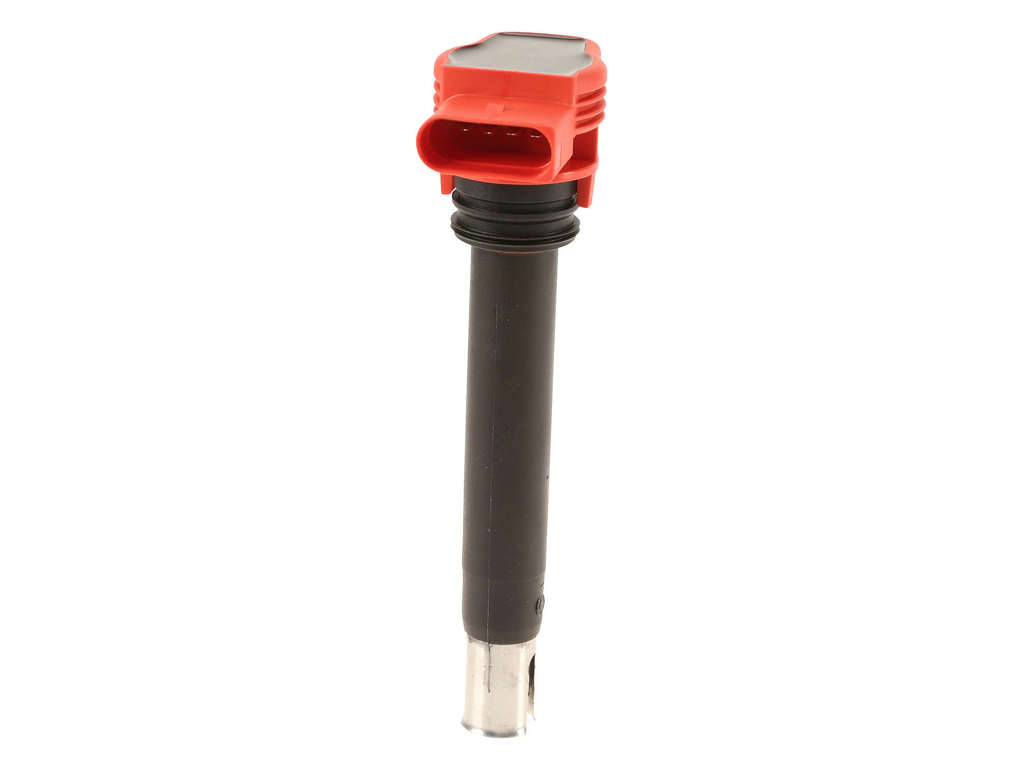
- Ignition Coil
(OEM #06E905115G)— This is the most common cause of a single-cylinder misfire on this engine. They are a known wear item. Part number has been superseded multiple times; 'G' is the latest revision.
Trusted brands: Audi (Genuine), Eldor, Bosch, NGK
OEM price range: $50-$70
Related Codes That Often Appear With This One
- P0300 — A 'Random/Multiple Cylinder Misfire' code may appear if the root cause (like a large vacuum leak from a failed PCV or severe carbon buildup) starts to affect other cylinders.
- P130A — This is an Audi-specific code for 'Cylinder Disabling' or 'Hide Cylinder'. The ECM sets this code and shuts off the fuel injector to cylinder 6 to protect the catalytic converter if it detects a severe, persistent misfire. It is a protective measure, not a separate fault.
- P0303 — If P0303 (Cylinder 3 Misfire) appears with P0306, it strongly suggests a leaking supercharger intercooler, as cylinders 3 and 6 are the most common recipients of the dripping coolant due to the manifold design.
Technical Service Bulletins (TSBs) & Recalls
- TSB 2033768/1: Addresses misfire faults (P0301-P0306) accompanied by P130A (Cylinder Disabling). This indicates a known issue, often related to severe carbon buildup.
- TSB Bulletin #01138920337681: Confirms that a cylinder misfire fault (DTC P0301 – P0306) with DTC P130A is stored in the engine control module (ECM), J623 (address word 01).
- TSB 2035230/10: Relates to coolant leaks from the supercharger intercoolers, a primary cause of misfires in cylinders 3 and 6.
Platform-Specific Known Issues
- Owner Experience: Intercooler Leak Misdiagnosed as Ignition Issue: → Shop Intercooler An owner on AudiWorld with a B8 S4 (same engine) chased persistent P0305 and P0306 misfires. After replacing plugs and swapping coils, the problem remained. The final diagnosis was a cracked intercooler inside the supercharger leaking coolant into cylinder 6, which required replacing the intercooler cores to resolve.
- The 'While You're In There' Supercharger Service: → Shop Turbocharger Because the PCV valve, thermostat, and intercoolers are all located under the supercharger, it is a widely accepted best practice in the community to replace all of these items if the supercharger is removed for any reason (e.g., carbon cleaning, intercooler replacement). The labor is the main cost, so replacing these wear items proactively prevents having to pay for the same labor again in the near future.
Mechanic-Grade Diagnostic Values
- Low-Pressure Fuel System Pressure — expected: 4.0 to 6.0 bar (58 to 87 PSI).. Failure: Pressure dropping below 4.0 bar, especially under load, will starve the High-Pressure Fuel Pump (HPFP).
- High-Pressure Fuel Rail Pressure (EA837 Engine) — expected: Up to 140 bar (~2000 PSI), should closely track specified value on a scan tool.. Failure: Actual pressure is significantly below specified pressure under load, or fails to build past the low-pressure feed value.
- VCDS Misfire Counter (Live Data) — expected: The counters for each cylinder in Measuring Blocks 015 and 016 should remain at or near zero.. Failure: Rapidly increasing numbers on the counter for cylinder 6 confirms the misfire in real-time.
- Camshaft Phase Adaptation (Timing Chain Stretch) — expected: 0 to -2 degrees for new or low-mileage chains when checking 'Phase Position Bank 1 Intake' in VCDS.. Failure: Values approaching or exceeding -4 degrees indicate significant timing chain stretch, which can cause misfires.
Hidden / Shadow Codes Worth Checking
- Live Misfire Counters (VCDS Blocks 015, 016): Not a stored code, but real-time data showing misfire events per cylinder. This can identify which cylinder is the problem before a P030x code is set. Block 016 covers cylinders 4-6. (see via VAG-specific scan tool like Ross-Tech VCDS or OBDeleven.)
- Mode $06, Test IDs $A2-$A7: Generic OBD-II data that stores raw misfire counts from the last drive cycle for each cylinder. Elevated counts for the cylinder corresponding to Test ID $A7 (Cylinder 6) can reveal an intermittent issue. (see via Any advanced OBD-II scan tool that supports Mode $06 functionality.)
Scan Tool Commands That Help
- VCDS (VAG-COM): View Measuring Block Groups 015 & 016 — This is the primary method for live diagnosis. It allows you to watch the misfire counter for cylinder 6 in real-time to see if the misfire occurs under specific conditions like cold start, idle, or high RPM, which helps differentiate between ignition, fuel, or mechanical causes.
- VCDS (VAG-COM): Advanced Measuring Values — On newer models with UDS controllers, Measuring Blocks are replaced by this function. You can search for 'misfire count' and 'camshaft adjustment phase' to get the same critical data as with older controllers.
Wiring & Ground Locations
- 306 — In the engine pre-wiring harness.. This is the specific earth connection for the ignition coils. A corroded or loose connection here can cause a weak spark and misfires on one or more cylinders, mimicking a failed coil pack.
- Engine Block Ground — On the right side of the engine compartment, near the alternator.. This is a primary engine ground point. Poor contact here can cause a variety of electrical issues, including intermittent and hard-to-diagnose ignition problems.
Real Owner Repair Stories
- AudiWorld Forums user (Audi S4 (shares 3.0T engine with A6)) — Misfires on cylinders 5 and 6 (P0305, P0306) and a cylinder disabling code (P130A).
❌ Tried (didn't work) Replaced spark plugs, Swapped ignition coils
✅ What actually fixed it The final cause was a cracked intercooler inside the supercharger leaking coolant into the cylinders. The repair involved replacing the supercharger's internal intercooler cores. - AudiWorld Forums user (2014 Audi A6 3.0T) — Persistent single-cylinder misfire.
❌ Tried (didn't work) Swapping ignition components, Replacing multiple fuel injectors
✅ What actually fixed it A compression test revealed a leak, and upon engine disassembly, a burnt exhaust valve stem was found. The entire cylinder head for that bank had to be replaced. - AudiWorld Forums user (Audi Q7 3.0T (year not specified)) — Persistent P0306 misfire, especially under load.
❌ Tried (didn't work) Replaced all spark plugs, Replaced all ignition coils, Cleaned fuel injectors
✅ What actually fixed it A failing thermostat was causing the engine to run slightly out of its optimal temperature range, which subtly affected the air/fuel mixture enough to cause a consistent misfire on one cylinder under load. Replacing the thermostat resolved the issue.
"I Checked Everything" — The Actual Cause
- The most common 'smoke test clean' scenario for a P0306 on this engine is an internal leak from the supercharger's intercooler cores. A smoke test only checks for unmetered air entering the intake and will show no faults, but the intercooler is leaking coolant directly into the intake port for cylinder 6, fouling the spark plug. This is diagnosed by coolant loss and pink crust on the plug.
- A torn diaphragm in the PCV valve can cause misfires, but a standard smoke test may not adequately pressurize the crankcase ventilation system to reveal the leak. The definitive symptoms are a loud whistle from the engine bay or extreme vacuum holding the oil cap down at idle.
OEM Part Supersession History
06E905115A/B/C/D/E/F→06E905115G— Progressive internal improvements to combat heat-related failures and improve reliability.
Heads up: All revisions are physically compatible, but it is best practice to use the latest available revision (G) and not to mix different revisions on the same engine.
Model Year Variations Within This Range
- 2016-2018: For the 2016 model year facelift, the 3.0T engine (now CREC) was updated to include a dual-injection system (both port MPI and direct GDI). Pre-facelift models (2012-2015, e.g., CGXB engine) are direct-injection only. The port injectors on the newer engine help wash carbon deposits off the intake valves, potentially reducing the frequency and severity of carbon-buildup-related misfires compared to earlier models. Power also increased from 310 hp to 333 hp.
Diagnostic Flowchart
Other Known Issues on This Vehicle
Issues unrelated to this code that are worth knowing about as an owner of this generation:
- Water Pump & Thermostat Failure 🔴 High — Common failure item, especially on pre-2013 models. The plastic housings can crack, leading to coolant leaks. Often fails between 60,000 and 100,000 miles. (Ref: Service actions were issued for some early models to replace thermostats.)
- Timing Chain Tensioner Wear 🔴 High — Less common on the 3.0T than other VAG engines, but can occur at high mileage (100,000+ miles). Presents as a metallic rattle on cold starts that lasts for a few seconds. Repair is extremely labor-intensive as the chains are at the rear of the engine.
- Engine Mount Failure 🟠 Medium — The fluid-filled engine mounts are prone to leaking and collapsing over time, typically after 70,000 miles. This results in increased engine vibration felt in the cabin, particularly at idle.
- S-Tronic (DSG) Mechatronic Unit Failure 🔴 High — Primarily affects S4/S5 models with the DSG, but the A6 can have transmission issues. Mechatronic units can fail, leading to jerky shifting, inability to select gears, or total transmission failure. Regular fluid changes every 40,000 miles are critical. (Ref: Multiple TSBs exist for various transmission faults and software updates.)
- Secondary Air Injection Port Clogging 🟡 Low — Carbon can clog the secondary air injection ports in the cylinder heads, leading to 'Insufficient Flow' faults. This does not typically affect driveability but will cause a check engine light and failed emissions tests. (Ref: A warranty extension was offered for some vehicles to cover the cost of cleaning these ports.)
Used vs. New Parts: Buying Guide for This Vehicle
When a used part is the smart pick: For major, expensive assemblies like the supercharger. If your original unit has confirmed leaking intercoolers, sourcing a complete, low-mileage used supercharger from a reputable salvage yard can be more cost-effective than buying new intercooler cores and paying for the labor to install them into your old housing.
Donor-vehicle mileage cap: roughly under 60000 miles for the part to have meaningful remaining life.
What to inspect on the donor part:
- For a supercharger: Check for play in the snout's pulley, look into the intake ports for a chalky pink/white film indicating coolant residue, and ensure the bypass valve actuator moves freely.
- For wiring harnesses: Inspect for brittle insulation, cracked connector tabs, or any signs of previous repair. Avoid harnesses from salt-belt states due to high corrosion risk.
OEM-only on this vehicle (don't cheap out):
- PCV Valve / Oil Separator: Aftermarket versions are notorious for premature failure. Given the supercharger must be removed for access, using a Genuine Audi part is critical to avoid a repeat job.
- Crankshaft/Camshaft Position Sensors: The ECU is very sensitive to the signals from these sensors; non-OEM parts can cause persistent, hard-to-diagnose running issues.
- Catalytic Converters: Aftermarket units for this platform frequently fail to meet emissions standards and can trigger catalyst efficiency codes (P0420/P0430) soon after installation.
Aftermarket brands forum-validated for this vehicle:
- Ignition Coils: Bosch, NGK, Eldor (often the original OEM supplier).
- Spark Plugs: NGK (OEM spec is often PFR8S8EG), Bosch.
- Supercharger Intercooler Cores: Mahle is a reputable OEM-quality alternative.
Brands owners have reported issues with on this vehicle:
- Unnamed, 'white-box' ignition coils and sensors from online marketplaces like Amazon or eBay. These have a very high failure rate and often cause more problems than they solve.
Real Owner Stories
Aggregated from forums and TSBs cited above. Mileages and costs reflect what owners reported in those sources.
Audi S4 (B8) 3.0T
Symptoms: Persistent P0305 and P0306 misfires that remained even after replacing spark plugs and swapping ignition coils.
What fixed it: Replacement of the intercooler cores inside the supercharger, which were cracked and leaking coolant into cylinder 6.
Source hint: vehicle_specific_issues: Owner Experience: Intercooler Leak Misdiagnosed as Ignition Issue (AudiWorld)
2012-2018 Audi A6 (C7) 3.0T — ~60000 miles
Symptoms: Misfires occurring specifically during cold starts or under load.
What fixed it: Professional cleaning of the intake valves using walnut shell blasting to remove carbon deposits.
Cost: $700-$1500
Source hint: common_causes: Carbon Buildup on Intake Valves
Audi A6 (C7) 3.0T
Symptoms: P0306 and P130A codes present simultaneously.
What fixed it: The discussion points toward common causes like coils, plugs, and potential intercooler leaks.
Source hint: forum_citations: Audizine thread 'C7 A6 3.0T Misfire P0306 and P130A'
Audi A6 (C7) 3.0T
Symptoms: Misfire code P0306; owner performed a difficult replacement of the supercharger intercoolers.
What fixed it: The intercooler replacement did not fix it; the root cause was discovered to be low compression.
Source hint: forum_citations: AudiWorld 'audi-3-0t-crec-supercharger-intercoolers-replacement-guide-3061249'
Related OBD-II Codes
Frequently Asked Questions
Where is cylinder 6 located on my 2012-2018 Audi A6 3.0T?
My A6 has a P0306 and a flashing Check Engine Light; is it safe to drive?
Does TSB 2035230/10 apply to my P0306 code?
I have a P0306 and a whistling noise at idle; what does that mean?
What spark plugs should I use for my Audi A6 3.0T?
Why is my P0306 code accompanied by a P130A code?
Helpful Videos


We Have This Part in Stock


The information in this article is provided for general reference and educational purposes only. Vehicle specifications, procedures, and part compatibility can vary by production date, trim level, and region. Always consult your vehicle's factory service manual and verify part numbers before purchasing or performing repairs. Safety-critical components such as airbags, seat belts, and braking systems should be installed by a qualified professional.
- Audi A6:
- 🧭 Diagnostic Flowchart
- 🎬 Helpful Videos
- 🛍️ Shop This Part
- What's Unique About the 2012-2018 Audi A6
- Symptoms You May Notice
- Most Likely Causes
- Rare But Worth Checking
- Diagnosis Steps
- Parts You'll Likely Need
- Related Codes That Often Appear With This One
- Technical Service Bulletins (TSBs) & Recalls
- Platform-Specific Known Issues
- Mechanic-Grade Diagnostic Values
- Hidden / Shadow Codes Worth Checking
- Scan Tool Commands That Help
- Wiring & Ground Locations
- Real Owner Repair Stories
- "I Checked Everything" — The Actual Cause
- OEM Part Supersession History
- Model Year Variations Within This Range
- Other Known Issues on This Vehicle
- Used vs. New Parts: Buying Guide for This Vehicle
- Real Owner Stories
- Audi S4 (B8) 3.0T
- 2012-2018 Audi A6 (C7) 3.0T — ~60000 miles
- Audi A6 (C7) 3.0T
- Audi A6 (C7) 3.0T
- Related OBD-II Codes
- Frequently Asked Questions
- 🎟️ Get 5% Off