

P0306 on 2012-2018 Audi A7: Cylinder 6 Misfire Causes and Fixes
On a 2012-2018 Audi A7 with the 3.0T engine, P0306 is almost always caused by a failed ignition coil or a worn spark plug in cylinder 6. This is a common and relatively easy DIY fix, with parts costing between $70 and $160. If ignition components don't solve it, suspect a leaking supercharger intercooler, failed PCV valve, or carbon buildup—all known issues on this engine.
- P0306 on your A7 means cylinder 6 is misfiring, which is the cylinder on the driver's side closest to the cabin.
- The most likely cause is a bad ignition coil or spark plug. Always perform the 'coil swap test' before buying any parts to confirm the diagnosis.
- Do NOT drive if the check engine light is flashing. This indicates a severe misfire that can quickly destroy your expensive catalytic converters.
- If new coils and plugs do not fix the misfire, the next most likely causes specific to this engine are carbon buildup on the intake valves or a faulty fuel injector.
What's Unique About the 2012-2018 Audi A7
The EA837 3.0T supercharged engine is known for a few specific issues that can lead to a P0306 code beyond the usual coil and plug failures. Carbon buildup on intake valves is a very common problem in these direct-injection engines and can cause misfires, especially on cold starts. Additionally, the intercoolers are housed within the supercharger assembly, and a failure can cause coolant to leak directly into cylinders 3 and 6, leading to persistent misfires often accompanied by unexplained coolant loss. A failed PCV valve, located under the supercharger, is another common culprit that can cause various vacuum leak symptoms, including misfires.
Symptoms You May Notice
- Rough or vibrating idle
- Hesitation or stumbling during acceleration
- Noticeable loss of engine power
- Flashing Check Engine Light
- Reduced fuel economy
- Popping or backfiring sounds from the exhaust
- Whistling or sucking noise from the engine (indicative of a failed PCV valve)
- Unexplained coolant loss (indicative of a leaking intercooler)
- Replacing the oxygen sensor. An O2 sensor will not cause a single-cylinder misfire code, but a misfire can damage an O2 sensor over time.
- Replacing the catalytic converter. A bad catalytic converter is usually the *result* of a persistent misfire, not the cause. A misfire will damage the converter over time, potentially triggering a P0430 code for Bank 2.
Most Likely Causes
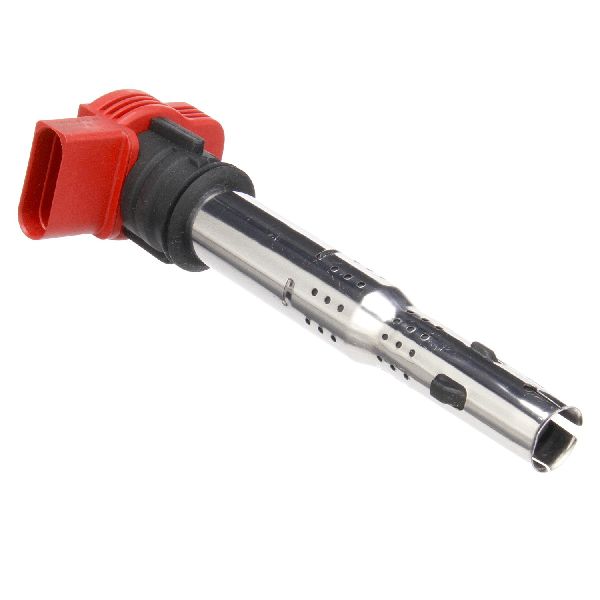
- Faulty Ignition Coil 🔴 High Probability → Shop Ignition Coil Ignition coils are a common failure item on modern Audi engines due to high heat exposure, often needing replacement every 60,000-80,000 miles.
How to confirm: Swap the ignition coil from cylinder 6 with another cylinder (e.g., cylinder 5). Clear the codes and drive. If the code changes to P0305, the ignition coil is bad.
Typical fix: Replace the faulty ignition coil. It is often recommended to replace all six at once for preventative maintenance, along with spark plugs if they are due.
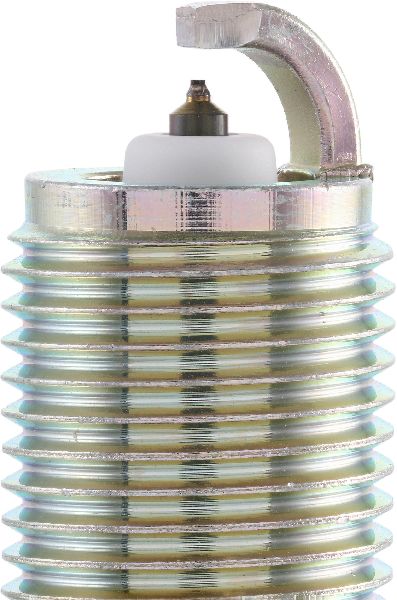
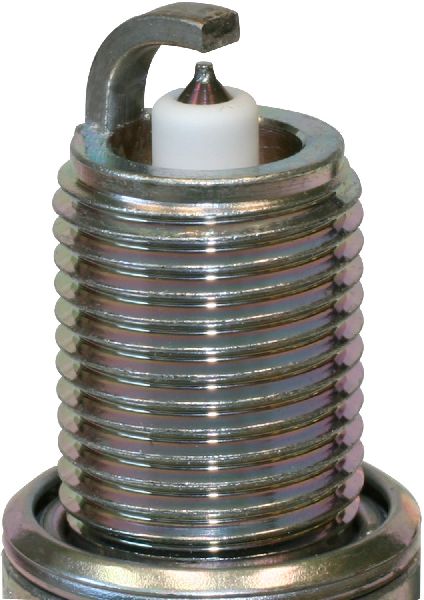
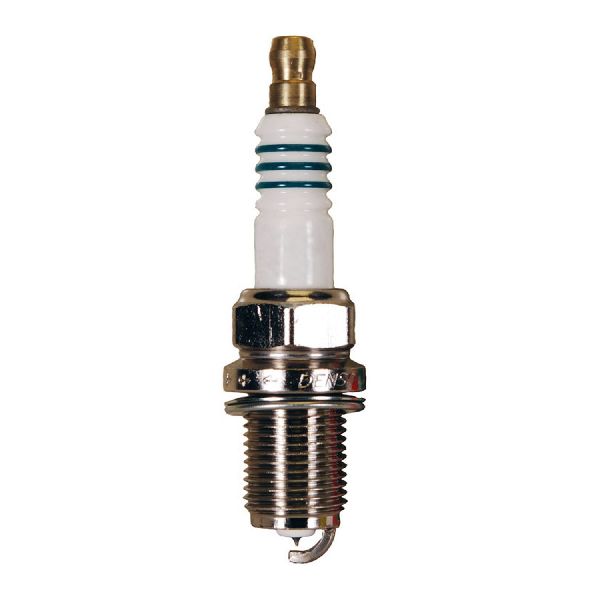
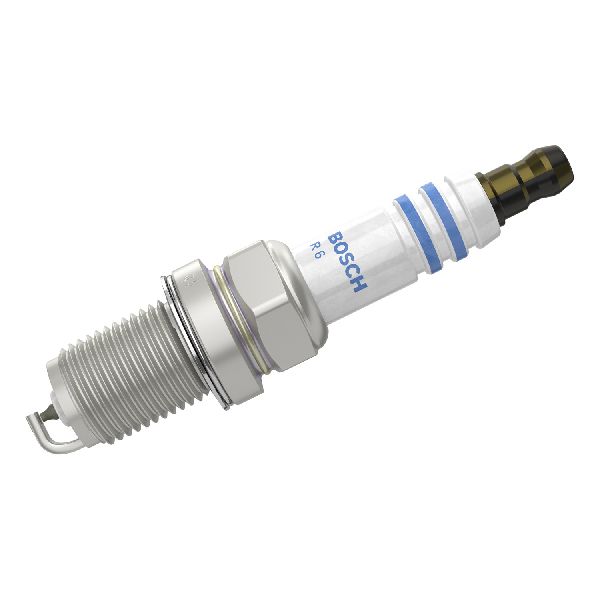
Est. part cost: $50-$115 per coil - Worn or Fouled Spark Plug 🔴 High Probability → Shop Spark Plug Spark plugs have a service interval of 35,000-55,000 miles on the 3.0T engine. An old plug is a very likely cause. A plug fouled with a white/pink crusty deposit is a strong indicator of a coolant leak into the cylinder.
How to confirm: After ruling out the coil, remove the spark plug from cylinder 6. Inspect it for wear (worn electrode), carbon fouling (black soot), or oil/coolant contamination.
Typical fix: Replace the spark plug in cylinder 6. It is best practice to replace all six spark plugs at the same time if they are near the end of their service life. Owners and specialists strongly recommend using OEM-supplier plugs like NGK or Bosch.
Est. part cost: $15-$30 per plug - Carbon Buildup on Intake Valves 🟡 Medium Probability This is a well-documented issue on Audi's direct-injection (TFSI) engines. Since fuel is injected directly into the cylinder, it never washes over the intake valves, allowing carbon from the PCV system to bake onto them, restricting airflow and causing misfires, especially at cold start. Service is typically needed every 60,000-80,000 miles.
How to confirm: This requires a visual inspection, typically with a borescope inserted into the intake port. It's often diagnosed after ignition and fuel system issues are ruled out.
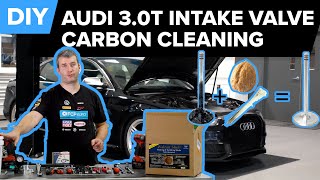
Typical fix: The intake manifold and supercharger must be removed and the valves cleaned. This is commonly done via walnut shell blasting. 🎬 Watch: How to scrape and walnut blast your intake valves. This is an advanced DIY or professional job.
Est. part cost: $70 for gaskets, but shop labor can be $800-$1500. - Clogged or Faulty Fuel Injector ⚪ Low Probability → Shop Fuel Injector Direct fuel injectors operate under very high pressure and can become clogged or fail electronically over time, though it's less common than on other Audi engines.
How to confirm: This is more difficult to diagnose. A professional can perform a flow test. A DIY approach might involve swapping injectors between cylinders, but this is a labor-intensive job requiring supercharger removal.
Typical fix: Replace the faulty fuel injector. It's recommended to replace the Teflon seal whenever an injector is removed.
Est. part cost: $100-$250 per injector
Rare But Worth Checking
- Leaking Supercharger Intercooler: → Shop Turbocharger On the EA837 engine, the two air-to-water intercoolers are located inside the supercharger housing. They can develop leaks, dripping coolant directly into the intake ports 🎬 Watch: How to replace your supercharger intercooler cores. for cylinders 3 and 6, causing a misfire. This should be suspected if you have a P0306 code accompanied by unexplained coolant loss and a white/pink residue on the spark plug.
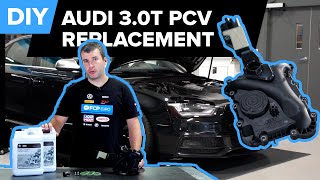
- Failed PCV Valve (Crankcase Pressure Regulator): → Shop PCV Valve The PCV valve is located under the supercharger. When its diaphragm tears, it can create a significant vacuum leak, leading to misfires across multiple cylinders (P0300) but can sometimes present as a single cylinder misfire initially. A loud whistling or sucking noise from the engine 🎬 See this DIY walkthrough for replacing the PCV valve. is a classic symptom.
- Low Engine Compression: This indicates a mechanical engine problem, such as a bad valve, damaged piston, or worn piston rings. This is the least likely cause and should be investigated only after all other possibilities have been exhausted. A compression test is required for diagnosis.
Diagnosis Steps
- Confirm the P0306 code with an OBD-II scanner. Check for any other codes, especially P0300 or P130A.
- Locate cylinder 6. On the 3.0T V6, it is on the driver's side, closest to the windshield/firewall.
- Perform an 'ignition coil swap test'. Swap the ignition coil from cylinder 6 with the coil from cylinder 5 (the middle cylinder on the driver's side).
- Clear the codes, start the engine, and let it run. Re-scan for codes. If the code has changed to P0305, the ignition coil is the culprit.
- If the code remains P0306, the coil is likely good. The next step is to inspect the spark plug. Remove the plug from cylinder 6 and check for excessive wear, damage, or fouling. Look for a pink/white crusty deposit, which indicates a coolant leak.
- If the coil and plug are confirmed to be good, the issue is likely related to fuel, air, or compression.
- Listen for a loud whistling sound from the engine bay, which would strongly suggest a failed PCV valve.
- Check coolant levels. If you are also experiencing unexplained coolant loss, investigate the possibility of a leaking supercharger intercooler.
- Inspect for carbon buildup using a borescope if possible. This is a very common issue on this engine and a likely cause if ignition parts are good.
- If all else fails, perform a compression test on cylinder 6 to rule out mechanical engine damage.
Parts You'll Likely Need
- Ignition Coil
(OEM #06E905115F (or later revision G))— This is the most common failure part for a P0306 code on this engine.
Trusted brands: Bosch, NGK, Eldor
OEM price range: $90-$115
Aftermarket price range: $50-$80 - Spark Plug
(OEM #06E905611 (NGK PFR8S8EG))— This is the second most common failure part and a regular maintenance item.
Trusted brands: NGK, Bosch
OEM price range: $20-$30
Aftermarket price range: $15-$25
Related Codes That Often Appear With This One
- P0300 — This 'Random/Multiple Cylinder Misfire' code may appear if the misfire is intermittent or starting to affect other cylinders, which could point to a shared issue.
- P130A — This is an Audi-specific code for 'Cylinder Disabling'. If the ECM detects a severe misfire that could damage the catalytic converter, it will trigger P130A and shut off the fuel injector to cylinder 6 to protect the exhaust system.
- P0305, P0304 — Misfire codes on other cylinders in the same bank (Bank 2 is cylinders 4, 5, 6) could point to a shared problem like a clogged catalytic converter on that bank or a vacuum leak affecting the entire bank.
- P0303 — A misfire on cylinder 3, the other cylinder prone to coolant leaks from the supercharger intercooler, could indicate a shared problem.
Technical Service Bulletins (TSBs) & Recalls
- TSB 2039995 / 15-15-26 — Addresses rattling noises from the upper timing chain tensioners on cold start. Audi states the noise does not cause damage, but released updated tensioners to resolve the noise.
- TSB 2033768/1 — Relates to misfires under heavy load that can be resolved by addressing severe carbon buildup on the intake valves.
- TSB Bulletin #01138920337681 — Notes that a cylinder misfire fault (DTC P0301 – P0306) with DTC P130A is stored in the engine control module (ECM), J623 (address word 01).
Platform-Specific Known Issues
- Carbon buildup on intake valves is a known issue for all EA837 engines due to the direct injection design. It typically requires cleaning every 60,000-80,000 miles.
- The PCV valve (pressure regulating valve) located under the supercharger is prone to failure, causing vacuum leaks and misfires.
- The internal intercoolers for the supercharger can leak coolant, dripping it directly into cylinders 3 and 6.
Mechanic-Grade Diagnostic Values
- Low-Pressure Fuel System Pressure — expected: 3.0 to 6.0 bar (43 to 87 PSI) before the high-pressure pump.. Failure: Pressure below this range can starve the High Pressure Fuel Pump (HPFP), leading to misfires, particularly under load.
- High-Pressure Fuel Rail Pressure — expected: 30 to 125 bar (435 to 1812 PSI) at the fuel rail, varying with engine load.. Failure: Pressure that is unresponsive to load or significantly below the ECM's requested value suggests a failing HPFP or a leak. May be accompanied by code P0087.
- Long-Term Fuel Trim (Bank 2) — expected: Within +/- 10%. Ideally close to 0%. Can be checked in VCDS Measuring Block 032.. Failure: High positive values (e.g., >10%) indicate the ECM is adding fuel to compensate for a vacuum leak, a common symptom of a failed PCV valve.
- Ignition Coil Primary Resistance — expected: 0.4 to 2.0 ohms.. Failure: A reading outside this range indicates a faulty coil. However, heat-related internal failures may not show up in a cold resistance test.
- Crankcase Vacuum (Oil Cap Test) — expected: With the engine running at idle, removing the oil filler cap should reveal noticeable suction.. Failure: If there is no suction or, in severe cases, positive pressure, the PCV system's diaphragm has likely failed.
Hidden / Shadow Codes Worth Checking
- Live Misfire Counters: This is not a stored code, but live data that shows the number of misfire events per cylinder in real-time. It is crucial for seeing if the misfire occurs under specific conditions (e.g., idle, load, cold start) before a P030x code is officially stored. (see via Using a VAG-specific scan tool like VCDS or OBDeleven. In VCDS, this is found in 'Advanced Measuring Values' by searching for 'misfire'. On older controllers, it was in Measuring Blocks 015 and 016.)
Scan Tool Commands That Help
- VCDS (VAG-COM): Advanced Measuring Values — To log and graph misfire counts for cylinder 6 against other variables like engine speed, load, and ignition timing. This helps determine if the misfire is condition-specific, which can point to issues like carbon buildup (misfires when cold) or fuel delivery problems (misfires under load).
- ODIS (Official Audi Diagnostic Software): Guided Fault Finding (GFF) — When a P0306 code is stored, ODIS automatically generates a 'Test Plan'. This is the dealer-level procedure that guides a technician through a specific sequence of checks, including component tests, wiring inspections, and reading specific measuring blocks to ensure a thorough and logical diagnosis.
Wiring & Ground Locations
- Ignition Coil Ground Connection — A wiring diagram indicates an earth connection point, designated '306', within the engine prewiring harness that serves the ignition coils.. A corroded or loose ground connection specific to the ignition system can cause intermittent or weak spark, leading to misfires that are difficult to diagnose as the coil itself may test as good. Checking the integrity of this ground path is a valid step after confirming the coil and plug are functional.
Real Owner Repair Stories
- AudiWorld Forums user 'lichunz' (B8 Audi S4 (shares the 3.0T supercharged engine)) — Misfires on cylinders 5 and 6 (P0305, P0306) and a cylinder disabling code (P130A).
❌ Tried (didn't work) Replaced spark plugs, Swapped ignition coils between cylinders
✅ What actually fixed it The final cause was a cracked intercooler inside the supercharger that was leaking coolant into cylinder 6. The repair involved replacing the supercharger's internal intercooler cores. - AudiWorld Forums user (2005 Audi A6 (C6 chassis, demonstrates a relevant failure mode)) — Initial P0306 that progressed to multiple misfires (P0300, P0305, P0306), rough idle, engine shaking, and white smoke from exhaust.
❌ Tried (didn't work) Replacing only the ignition coil for cylinder 6
✅ What actually fixed it The spark plug tube seal, which is part of the valve cover gasket, had failed. This allowed the spark plug well to fill with engine oil, which then fouled the new spark plug and shorted out the ignition coil. The fix was to replace the valve cover gaskets and tube seals, clean the oil out of the tube, and replace the damaged plug and coil again.
"I Checked Everything" — The Actual Cause
- A common scenario for a P0306 on the 3.0T engine is a misfire accompanied by mysterious coolant loss. A smoke test, which checks for vacuum leaks, will come back clean. The actual cause is an internal leak in one of the supercharger's intercooler cores. Coolant drips directly into the intake port for cylinder 6, fouling the spark plug and causing a misfire that a smoke test is not designed to find.
OEM Part Supersession History
06E905115E→06E905115F, and later 06E905115G— Standard revision and improvement by the manufacturer (Bosch) to enhance reliability and longevity.
Heads up: All revisions (A, B, C, D, E, F, G) are generally cross-compatible, but it is always best practice to replace coils in sets or at least use the same revision across all cylinders for consistent performance.
Model Year Variations Within This Range
- 2016-2018: Some models from 2016 onward use the 'CREC' engine, an evolution of the EA837. This version added a second set of port fuel injectors to supplement the direct injectors. This dual-injection system helps wash carbon deposits off the intake valves, making the CREC engine significantly less prone to misfires caused by carbon buildup compared to the earlier 'CGWD' engine.
Diagnostic Flowchart
Other Known Issues on This Vehicle
Issues unrelated to this code that are worth knowing about as an owner of this generation:
- Thermostat & Water Pump Failure 🔴 High — Common around 60k-100k miles. Early (2010-2012) models had more frequent water pump failures. Thermostats can get stuck, causing overheating. (Ref: Customer satisfaction bulletins were issued for some early models.)
- Upper Timing Chain Tensioner Rattle 🟠 Medium — Commonly develops a rattle on cold starts that lasts 1-3 seconds. Audi issued a TSB stating it's primarily a noise issue and not damaging if brief. (Ref: TSB 2039995 / 15-15-26)
- Failing Electronic Engine Mounts 🟠 Medium — Fluid-filled mounts are known to leak and fail, sometimes as early as 40k-50k miles, causing excessive vibration at idle which can be mistaken for misfires.
- PCV Valve (Oil Separator) Failure 🔴 High → Shop PCV Valve — The diaphragm in the PCV unit, located under the supercharger, is prone to tearing. This is a very common failure causing vacuum leaks, high oil consumption, and misfires.
- Leaking Supercharger Intercoolers 🔴 High → Shop Turbocharger — The two intercooler cores inside the supercharger can develop internal leaks, dripping coolant into the intake and causing misfires, typically in cylinders 3 and 6.
Used vs. New Parts: Buying Guide for This Vehicle
When a used part is the smart pick: For a complex, high-cost assembly like the entire supercharger unit (if the internal intercoolers have failed), a low-mileage used part from a reputable salvage yard can be a cost-effective option. However, the labor to install it is high, so the risk of the used part failing must be considered.
Donor-vehicle mileage cap: roughly under 60000 miles for the part to have meaningful remaining life.
What to inspect on the donor part:
- For a used supercharger, look for a donor vehicle with no signs of a major front-end collision.
- Inspect the supercharger pulley for any wobble or play, which could indicate bad nose cone bearings.
- If possible, look into the outlet ports for any signs of oil pooling or coolant residue, which would indicate the same failure you are trying to fix.
OEM-only on this vehicle (don't cheap out):
- PCV Valve / Oil Separator: Aftermarket versions are known to have high failure rates. Given the 4-6 hours of labor to access this part under the supercharger, using a genuine OEM part is critical to avoid a repeat repair.
- Ignition Coils and Spark Plugs: While OEM-supplier brands like Bosch and NGK are excellent, avoid no-name, unbranded coils from online marketplaces. The quality is highly inconsistent and can lead to persistent issues.
Aftermarket brands forum-validated for this vehicle:
- Ignition Coils: Bosch, NGK, Eldor [as OEM suppliers]
- Spark Plugs: NGK, Bosch [as OEM suppliers]
- PCV Breather Hose Upgrade: 034Motorsport offers a more durable silicone hose to replace a brittle factory part.
Brands owners have reported issues with on this vehicle:
- Unbranded or 'white-box' ignition coils and sensors from major online retailers are frequently cited in forums as failing quickly or being dead on arrival.
Real Owner Stories
Aggregated from forums and TSBs cited above. Mileages and costs reflect what owners reported in those sources.
Audi S4 (B8) 3.0T
Symptoms: Misfires on cylinders 5 and 6 (P0305, P0306) along with code P130A. Owner replaced plugs and coils but the issue persisted.
What fixed it: Replacement of a cracked intercooler inside the supercharger that was leaking coolant into cylinder 6.
Source hint: AudiWorld Forums: Misfires on cylinders 5 and 6 (P0305, P0306) with P130A
Audi 3.0T Supercharged Engine
Symptoms: Misfire code P0303 and ash fouling observed on the spark plug, indicating a leak.
What fixed it: Replacement of the leaking intercooler core.
Source hint: YouTube (Garage Taught): How to Diagnose a Misfire on your Audi 3.0T Supercharged Engine
Audi S4 3.0T
Symptoms: Misfires occurring specifically under heavy load conditions.
What fixed it: Addressing severe carbon buildup on the intake valves as per TSB 2033768.
Source hint: Audizine: Misfires on 3.0t S4 A6 Q5 P130A Cylinder Disabling
Related OBD-II Codes
Frequently Asked Questions
Where is cylinder 6 located on my Audi A7 3.0T?
My A7 is misfiring under heavy load; does TSB 2033768/1 apply to me?
I hear a loud whistling noise from the engine along with the P0306 code. What is it?
Can a coolant leak cause a P0306 misfire on this engine?
How often should I change the spark plugs on my 2012-2018 Audi A7 to prevent misfires?
Is there a TSB for the rattling sound I hear on cold starts?
Helpful Videos
We Have This Part in Stock


The information in this article is provided for general reference and educational purposes only. Vehicle specifications, procedures, and part compatibility can vary by production date, trim level, and region. Always consult your vehicle's factory service manual and verify part numbers before purchasing or performing repairs. Safety-critical components such as airbags, seat belts, and braking systems should be installed by a qualified professional.
- Audi A7:
- 🧭 Diagnostic Flowchart
- 🎬 Helpful Videos
- 🛍️ Shop This Part
- What's Unique About the 2012-2018 Audi A7
- Symptoms You May Notice
- Most Likely Causes
- Rare But Worth Checking
- Diagnosis Steps
- Parts You'll Likely Need
- Related Codes That Often Appear With This One
- Technical Service Bulletins (TSBs) & Recalls
- Platform-Specific Known Issues
- Mechanic-Grade Diagnostic Values
- Hidden / Shadow Codes Worth Checking
- Scan Tool Commands That Help
- Wiring & Ground Locations
- Real Owner Repair Stories
- "I Checked Everything" — The Actual Cause
- OEM Part Supersession History
- Model Year Variations Within This Range
- Other Known Issues on This Vehicle
- Used vs. New Parts: Buying Guide for This Vehicle
- Real Owner Stories
- Audi S4 (B8) 3.0T
- Audi 3.0T Supercharged Engine
- Audi S4 3.0T
- Related OBD-II Codes
- Frequently Asked Questions
- 🎟️ Get 5% Off