

P0306 on 2007-2010 Audi Q7 4.2L V8: Cylinder 6 Misfire Causes and Fixes
P0306 on your Audi Q7 4.2L V8 indicates a misfire on cylinder 6. The most common cause is a failed ignition coil, followed by a worn spark plug. If new ignition parts don't fix it, the issue is very likely carbon buildup on the intake valves, a well-known problem with this engine that requires professional cleaning. In rare cases, it can be a failing fuel injector or low compression.
- P0306 is a misfire in cylinder 6, which is the second cylinder from the front on the driver's side.
- Always diagnose by first swapping the ignition coil from cylinder 6 to another cylinder. This is the most common failure and a simple, free test.
- If a new coil and spark plug do not fix the misfire, the cause is almost certainly carbon buildup on the intake valves, a known issue with this engine requiring professional cleaning.
- Do not drive if the Check Engine Light is flashing, as you can cause expensive damage to the catalytic converter.
What's Unique About the 2007-2015 Audi Q7
The BAR 4.2L V8 is a Fuel Stratified Injection (FSI) engine, a first-generation direct injection technology from Audi. This design is highly susceptible to heavy carbon deposits forming on the intake valves because fuel is injected directly into the cylinder, meaning gasoline and its detergents never wash the valves clean. Oil vapors from the crankcase ventilation (PCV) system bake onto the hot valves, restricting airflow and disrupting the air-fuel mixture. Over time, this buildup becomes a primary cause of persistent misfires like P0306, often after common ignition component failures have been ruled out. This is considered an inevitable maintenance item, not a rare fault.
Generation note: The 2007-2015 year range covers the entire first generation of the Audi Q7 (Typ 4L). However, the specific BAR 4.2L FSI V8 engine was only offered in the 2007-2010 model years before being replaced by a supercharged 3.0L V6 for 2011. This guide is specific to the 2007-2010 V8 models.
Symptoms You May Notice
- Rough or vibrating idle
- Hesitation or stumbling during acceleration
- Noticeable loss of engine power
- Flashing Check Engine Light (under load or at high RPM)
- Solid Check Engine Light
- Reduced fuel economy
- Exhaust smell of unburnt gasoline
- Replacing the oxygen sensor. The O2 sensor is almost never the cause of a specific cylinder misfire code; it is simply reporting the results of the incomplete combustion. A faulty O2 sensor would typically cause bank-wide fuel trim issues or its own specific codes.
Most Likely Causes
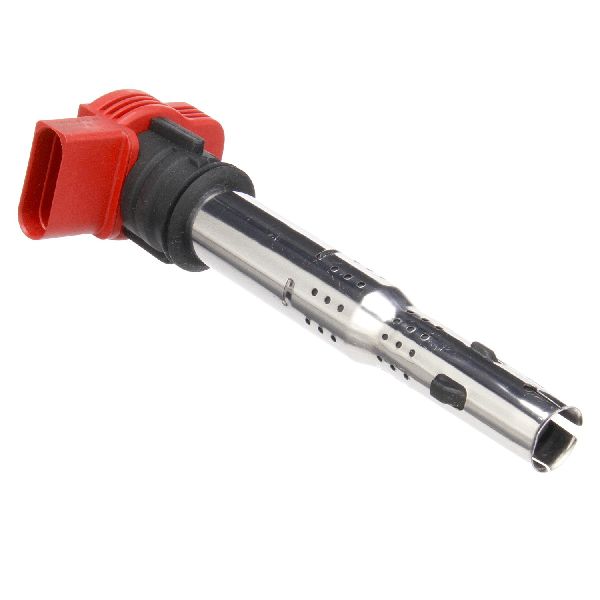
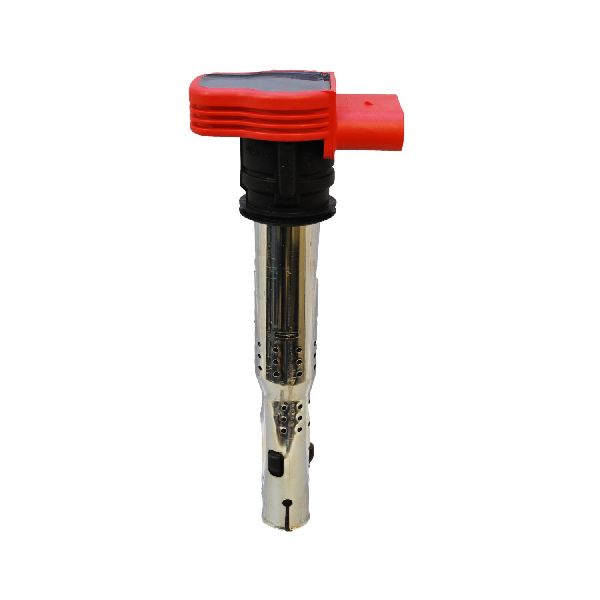
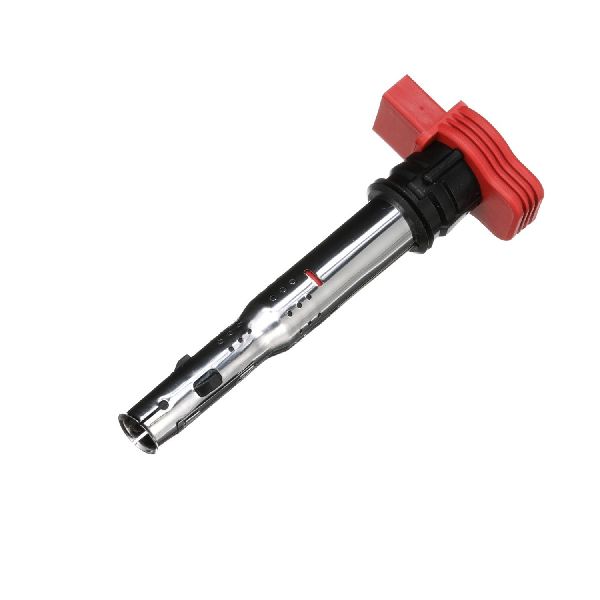
- Faulty Ignition Coil 🔴 High Probability → Shop Ignition Coil Ignition coils are a very common failure item on Audi engines of this era due to high heat in the engine bay. The plastic can become brittle and the internal electronics fail, causing a weak or no spark. Aftermarket coils have a mixed reputation; many owners recommend sticking with OEM or high-quality brands like Bosch or Eldor.
How to confirm: Swap the ignition coil from cylinder 6 with an adjacent cylinder (e.g., cylinder 5, the front-most on the driver's side). Clear the codes and run the engine. If the code changes to P0305, the ignition coil is faulty. A technician in one video noted finding water in the spark plug well from a recent engine wash, which shorted the coil.
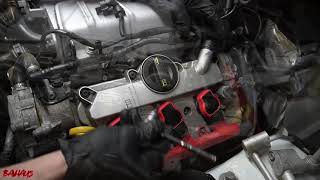
Typical fix: Replace the failed ignition coil. It is best practice to replace all eight coils at once, especially if they are the original parts, to prevent future failures and ensure consistent performance. Use the latest part revision available. 🎬 Watch: Step-by-step guide to replacing spark plugs and ignition coils.
Est. part cost: $30-$60 per coil - Worn or Fouled Spark Plug 🔴 High Probability → Shop Spark Plug Spark plugs are a standard maintenance item with a finite life. They can also be prematurely fouled by oil (due to piston ring/valve seal wear) or excessive carbon, which are common issues on this engine. A plug can also fail due to a cracked ceramic insulator, causing 'carbon tracking' where the spark grounds on the outside of the plug instead of at the tip.
How to confirm: After confirming the ignition coil is good, remove the spark plug from cylinder 6. Inspect it for wear (worn/rounded electrode), carbon tracking (a thin black line down the white ceramic), oil fouling (wet, black deposits), or fuel fouling (smells of gas). Compare it to a plug from a healthy cylinder.
Typical fix: Replace the spark plug. It is required to replace all eight plugs as a set to ensure balanced engine performance and prevent chasing misfires across different cylinders. Torque to the correct specification (e.g., 35Nm).
Est. part cost: $15-$25 per plug - Intake Valve Carbon Buildup 🟡 Medium Probability The FSI direct injection design is the direct cause. Oil vapors from the crankcase ventilation (PCV) system bake onto the intake valves, as they are never cleaned by fuel spray. This is a well-documented weakness of the 4.2L FSI engine, with service often required every 60,000-80,000 miles.
How to confirm: This requires visual inspection using a borescope inserted into the intake ports (with the intake manifold removed). The valves will be visibly coated in thick, black carbon deposits, sometimes restricting airflow by a significant amount.
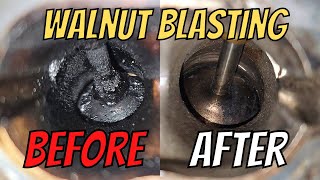
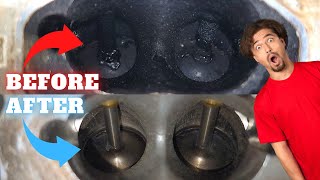
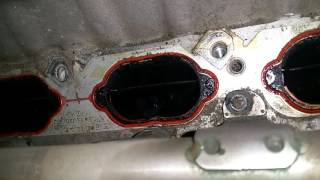
Typical fix: A professional 'carbon cleaning' service is required. This typically involves media blasting the valves with fine walnut shells, which are abrasive enough to remove the carbon but soft enough not to damage the metal valves or cylinder head. This is not a job for spray-in cleaners. 🎬 See how to perform a DIY walnut blasting carbon cleaning.
Est. part cost: $1000-$1800 (shop cost) - Clogged or Leaking Fuel Injector ⚪ Low Probability → Shop Fuel Injector Like the intake valves, the injector tips are in the combustion chamber and are prone to carbon buildup, which can disrupt the spray pattern. Internal seals can also fail over time, causing leaks. A PistonHeads forum member with a 4.2 FSI spent £3,000 replacing all 8 injectors and performing a carbon clean to solve a rough idle and lean code issue.
How to confirm: This is more difficult to diagnose. A technician can monitor fuel trim data with an advanced scan tool. A leaky injector may also cause a fuel smell in the oil. Swapping injectors between cylinders is the definitive test but is very labor-intensive as it requires removing the intake manifold and fuel rails.
Typical fix: Replace the faulty fuel injector. This is a complex job that requires removing the intake manifold and special tools for injector removal and seal replacement. It is often recommended to replace all injectors on the same bank, or all eight on a high-mileage engine.
Est. part cost: $80-$150 per injector
Rare But Worth Checking
- Low Compression: If ignition and fuel system checks do not reveal the cause, a compression test is necessary to check for internal engine mechanical problems like a bad valve, worn piston rings, or even jumped timing from a failed chain guide.
- Vacuum Leak: A leak in a vacuum hose or intake gasket can introduce unmetered air and cause a lean condition leading to a misfire. A smoke test is the best way to identify the source of a leak. Common sources include cracked PCV hoses and old intake 🎬 Watch: How to diagnose a whistling noise from the PCV valve. manifold gaskets.
Diagnosis Steps
- Read the fault codes with an OBD-II scanner to confirm P0306 and note any other codes. Pay attention to freeze frame data if available.
- Identify cylinder 6: On the 4.2L V8, this is the second cylinder from the front on the driver's side (Bank 2).
- Perform an 'ignition swap test'. Swap the ignition coil from cylinder 6 with the coil from cylinder 5 (the front-most cylinder on the same side).
- Clear the codes, run the engine, and re-scan. If the code has moved to P0305, the ignition coil is faulty and must be replaced.
- If the code remains P0306, the coil is likely good. Swap the spark plug from cylinder 6 to cylinder 5.
- Clear codes, run the engine, and re-scan. If the code moves to P0305, the spark plug is faulty.
- If the code still remains P0306, the issue is not a simple ignition component. The next step is to inspect the intake valves for carbon buildup using a borescope. This requires removing the intake manifold.
- If the valves are heavily caked in carbon, a walnut-shell media blasting service is required.
- If the valves are clean, investigate the fuel injector for cylinder 6. This may require professional diagnosis involving fuel trim analysis or a physical injector swap.
- If all else fails, perform a compression test and cylinder leak-down test on cylinder 6 to check for mechanical engine health (piston rings, valves, head gasket).
Parts You'll Likely Need
- Ignition Coil
(OEM #06E905115G (supersedes 06E905115F, 06E905115E, 06D905115K, etc.))— This is the most frequent cause of a single-cylinder misfire on this engine. The part has been through several revisions; always use the latest available version, often identifiable by a red top.
Trusted brands: Bosch, NGK, Eldor, Genuine Audi/VW
OEM price range: $50-$70
Aftermarket price range: $30-$50 - Spark Plug — Spark plugs are a routine maintenance item. A worn, fouled, or cracked plug is a very common cause of a misfire. They should always be replaced as a full set of eight.
Trusted brands: NGK, Bosch, Denso
OEM price range: $20-$30
Aftermarket price range: $15-$25
Related Codes That Often Appear With This One
- P0300 — If the cause (like severe carbon buildup, a large vacuum leak, or low fuel pressure) affects multiple cylinders, a P0300 (Random/Multiple Cylinder Misfire) code may appear alongside P0306.
- P0305, P0307, P0308 — Misfire codes for other cylinders on the same bank (Bank 2) can indicate a shared problem like heavy carbon buildup on that side of the engine, or a failing catalytic converter for that bank.
- P130A — This Audi-specific code for 'Cylinder Disabling' may be stored with P0306. It means the ECM has intentionally shut off the fuel injector to cylinder 6 to protect the catalytic converter from being damaged by raw fuel.
- P0174 — System Too Lean (Bank 2). This code may accompany the misfire if a vacuum leak or fuel delivery issue is specific to Bank 2, causing an improper air/fuel mixture that leads to the misfire.
Technical Service Bulletins (TSBs) & Recalls
- Cylinder Misfire and Cylinder Disabling: Manufacturer TSB Bulletin #01138920337681 notes that a cylinder misfire fault (DTC P0301 – P0306) may be stored in the engine control module (ECM) J623 alongside DTC P130A.
- Fuel System, Poor Fuel Quality, or Contamination: Audi notes that use of contaminated gasoline or fuel with low detergent content can cause misfires (P030x), lean codes, and rough running due to deposits on intake valves, injectors, and combustion chambers. Recommends using a fuel additive as a first step.
- FSI Engine Carbon Deposit Cleaning: While not providing the full text, this TSB is widely referenced in forums as the official procedure for carbon cleaning on FSI engines, involving intake manifold removal and media blasting of the valves.
- 3.0TFSI Bank 2 engine misfires: Though for the later 3.0T engine, this TSB shows a history of Audi addressing misfire patterns with software updates, sometimes related to fuel blends. It notes that for certain conditions, a software update is the fix, not parts replacement.
Platform-Specific Known Issues
- Severe intake valve carbon buildup is not a rare occurrence but a near-certainty for FSI engines like the BAR V8, typically requiring service every 60,000-80,000 miles to prevent misfires, rough idle, and power loss. This is the most common cause of a P0306 code after ignition components have been ruled out.
Mechanic-Grade Diagnostic Values
- Low-Pressure Fuel System — expected: 4.0 to 6.0 bar (58 to 87 PSI). Failure: Pressure below this range indicates a failing in-tank fuel pump (LPFP) or clogged filter, which can starve the high-pressure pumps and cause misfires under load.
- High-Pressure Fuel System (at HPFP outlet) — expected: Up to 136 bar (1,973 PSI), regulated by the ECU based on demand.. Failure: A scan tool showing requested vs. actual fuel rail pressure will reveal a large discrepancy if an HPFP is failing. This often sets a P0087 code but can also cause misfires on one or more cylinders.
- VCDS Misfire Counter (Cylinder 6) — expected: 0 at idle and under normal load.. Failure: Using VCDS, navigate to Engine (01) -> Measuring Blocks (08) -> Group 015. The second field is the counter for cylinder 5, and the third is for cylinder 6. Any number greater than 0 indicates a misfire event. Watching this counter in real-time is the most effective way to confirm an active misfire.
Hidden / Shadow Codes Worth Checking
- Misfire Counter Data (Not a code): The ECU tracks misfire events for each cylinder even before they are frequent enough to set a P0306 fault code and illuminate the Check Engine Light. These are not 'shadow codes' but live data points. (see via A professional scan tool like VCDS (VAG-COM) or a high-end Launch scanner is required. In VCDS, these are found in Measuring Blocks 014, 015, and 016. A rising count on the cylinder 6 field confirms the misfire location before a code is permanently stored.)
Scan Tool Commands That Help
- VCDS (VAG-COM): Read Measuring Blocks (Function 08) — This is the primary diagnostic function for a misfire on this vehicle. By entering groups 015 and 016, a technician can watch the individual misfire counters for each cylinder on Bank 2 (5, 6, 7, 8) in real-time to confirm the fault is isolated to cylinder 6.
- VCDS (VAG-COM): Throttle Body Alignment (TBA) — After cleaning the throttle body or if experiencing erratic idle that might be confused with a misfire, a TBA can be performed. Go to Engine (01) -> Basic Settings (04) -> Group 060. This resets the throttle plate's learned values.
Wiring & Ground Locations
- G640 / Ground Connection 2 — In the engine compartment, on the left (driver's side for LHD) longitudinal frame member.. This is a primary engine ground point. Corrosion or a loose connection here can cause unstable voltage for sensors and actuators, leading to erratic behavior including misfires and incorrect sensor readings.
- Engine-to-Chassis Ground Strap — Located at the bottom of the engine on the passenger side (for LHD vehicles).. This main ground strap can corrode internally, creating high resistance. This can lead to a variety of electrical issues, including weak spark, as the ignition coils may not have a sufficient ground path.
- ECU Connector T60 (Pins 60 & 35) — The main Engine Control Module (Bosch MED 9.1.1) is in the water plenum box at the rear of the engine bay.. A forum user traced a recurring fault to the ECU itself, noting the ground for the driver's side HPFP was on pin T60/60 and the passenger side was on T60/35. An internal ECU failure caused an open circuit on one of these ground pins, leading to fuel pressure issues and misfires. This is a rare but critical detail for advanced diagnosis.
Real Owner Repair Stories
- AudiWorld Forums user 'joseph_c' and responding user (2007 Audi Q7 4.2L FSI) — Misfire under hard acceleration, would sometimes run on 7 cylinders until the car was shut off and restarted.
❌ Tried (didn't work) New OEM spark plugs, New OEM ignition coils, New crankshaft position sensor, Full intake valve carbon cleaning, New fuel injector on the misfiring cylinder
✅ What actually fixed it Another user with identical symptoms reported that replacing the PCV valve (oil separator box) completely solved the issue of misfires under load. - AudiWorld Forums user 'dassg' and responding user (2008 Audi A6 4.2L FSI (BVJ Engine)) — Persistent rough, lopey idle and lack of power. Previously had misfire codes for cylinder 1.
❌ Tried (didn't work) Replaced all 8 spark plugs, Replaced all 8 ignition coils, Replaced all 8 fuel injectors
✅ What actually fixed it The user diagnosed a failed PCV valve. With the engine running, there was extreme vacuum at the oil filler neck (cap was hard to remove, and a piece of paper was sucked violently against the opening). When the cap was removed, the engine stumbled badly. Replacing the PCV valve is the correct fix for these symptoms.
"I Checked Everything" — The Actual Cause
- In a case involving a 2008 Q7 4.2 with multiple misfires, the owner had a smoke test performed which revealed no vacuum leaks. After replacing plugs and coils with no success, forum veterans correctly pointed out that the two most probable causes on this engine—severe intake valve carbon buildup and failing fuel injectors—would not be found by a smoke test, as the issue is not unmetered air entering the intake manifold.
OEM Part Supersession History
06D905115K, 06E905115E, 06E905115F→06E905115G— Improved internal design and materials to increase longevity and resistance to heat-related failure. Later revisions often have a different color top (e.g., red or grey) to distinguish them from older, failure-prone versions.079103464D→079103464F— Minor revisions to the diaphragm material and valve construction to improve durability and prevent premature tearing, which causes vacuum leaks.
Diagnostic Flowchart
Other Known Issues on This Vehicle
Issues unrelated to this code that are worth knowing about as an owner of this generation:
- Timing Chain Guide Failure 🔴 High — Becomes a significant risk after 80,000 miles. Characterized by a 'rattle' on cold start. Repair is extremely expensive as the engine must be removed.
- Excessive Oil Consumption 🟠 Medium — Common on higher mileage engines, often attributed to worn piston rings or valve seals, exacerbated by sludge buildup from extended oil change intervals.
- Intake Manifold Runner Flap Failure 🟠 Medium → Shop Engine Intake Manifold — The plastic components and actuators within the variable intake manifold can fail or get stuck due to carbon and oil buildup, typically after 100,000 miles, causing performance issues.
- Oil Filter Housing Gasket / Oil Cooler Leaks 🟡 Low — Seals and gaskets in the oil filter housing and oil cooler area are known to degrade over time, causing significant oil leaks into the engine valley.
- High-Pressure Fuel Pump (HPFP) Cam Follower Wear 🔴 High → Shop Engine Valve Tappet — The cam follower for the HPFP is a wear item. If it fails, it can send metal debris into the engine and destroy the camshaft, leading to catastrophic failure. Should be inspected/replaced proactively.
Used vs. New Parts: Buying Guide for This Vehicle
When a used part is the smart pick: Used parts are generally not recommended for fixing a misfire, as the common causes are all wear-and-tear items. The only exception might be a major structural component like an intake manifold if it was cracked, or a guaranteed-good ECU from a reputable recycler if an internal fault is confirmed.
Donor-vehicle mileage cap: roughly under 50000 miles for the part to have meaningful remaining life.
What to inspect on the donor part:
- For an ECU, verify the part number exactly and ensure the donor vehicle had no electrical or running issues.
- For any mechanical part, check for cracks, warping, or signs of extreme heat or oil leaks.
OEM-only on this vehicle (don't cheap out):
- Ignition Coils: Aftermarket coils have a very high failure rate. Stick to Genuine Audi/VW or the direct OEM supplier (Bosch, Eldor).
- Fuel Injectors: These are precision components. Cheap aftermarket injectors can have poor spray patterns, leak, or fail quickly. Use OEM or a top-tier supplier.
- PCV / Oil Separator: This is a critical emissions and engine regulation part. Low-quality aftermarket diaphragms can fail almost immediately. Use an OEM part.
- High-Pressure Fuel Pumps (HPFP): The OEM supplier is Hitachi. Given the criticality and extreme pressures, using a no-name aftermarket pump is a significant risk.
Aftermarket brands forum-validated for this vehicle:
- Bosch, NGK, Eldor for ignition components.
- Hitachi for high-pressure fuel pumps.
Brands owners have reported issues with on this vehicle:
- Unbranded, low-cost ignition coils and fuel injectors sold on large online marketplaces are frequently reported on forums as being dead-on-arrival or failing within a few thousand miles.
Real Owner Stories
Aggregated from forums and TSBs cited above. Mileages and costs reflect what owners reported in those sources.
2008 Audi Q7 4.2 FSI
Symptoms: Multiple cylinder misfires including P0306, rough running, and the car barely idles.
What fixed it: Replacement of a failed High-Pressure Fuel Pump (HPFP) which had also damaged the ECU.
Source hint: AudiWorld Forums: '08 4.2FSI Q7 Multiple cyl misfire. ROUGH running/ barely idles -at wits end....'
Audi Q7 4.2 FSI
Symptoms: Rough idle and lean code issues.
What fixed it: Replacing all 8 fuel injectors and performing a carbon clean.
Cost: $3,800-$4,000
Source hint: PistonHeads forum member with a 4.2 FSI
Audi Q7 4.2 FSI
Symptoms: Misfire on a specific cylinder after an engine wash.
What fixed it: Clearing water out of the spark plug well which had shorted the ignition coil.
Source hint: A technician in one video noted finding water in the spark plug well
Related OBD-II Codes
Frequently Asked Questions
Does Audi have an official procedure for the carbon buildup issues on my 4.2L FSI engine?
My Q7 is misfiring and I suspect bad gas; is there a TSB for this?
How often should I expect to perform a carbon cleaning on my 4.2L V8 to prevent codes like P0306?
Can I use aftermarket ignition coils to fix my P0306 misfire?
Is there a software update that might fix my misfire instead of replacing parts?
I hear a rattle when I start my Q7 4.2L; is this related to my misfire code?
Helpful Videos
We Have This Part in Stock


The information in this article is provided for general reference and educational purposes only. Vehicle specifications, procedures, and part compatibility can vary by production date, trim level, and region. Always consult your vehicle's factory service manual and verify part numbers before purchasing or performing repairs. Safety-critical components such as airbags, seat belts, and braking systems should be installed by a qualified professional.
- Audi Q7:
- 🧭 Diagnostic Flowchart
- 🎬 Helpful Videos
- 🛍️ Shop This Part
- What's Unique About the 2007-2015 Audi Q7
- Symptoms You May Notice
- Most Likely Causes
- Rare But Worth Checking
- Diagnosis Steps
- Parts You'll Likely Need
- Related Codes That Often Appear With This One
- Technical Service Bulletins (TSBs) & Recalls
- Platform-Specific Known Issues
- Mechanic-Grade Diagnostic Values
- Hidden / Shadow Codes Worth Checking
- Scan Tool Commands That Help
- Wiring & Ground Locations
- Real Owner Repair Stories
- "I Checked Everything" — The Actual Cause
- OEM Part Supersession History
- Other Known Issues on This Vehicle
- Used vs. New Parts: Buying Guide for This Vehicle
- Real Owner Stories
- 2008 Audi Q7 4.2 FSI
- Audi Q7 4.2 FSI
- Audi Q7 4.2 FSI
- Related OBD-II Codes
- Frequently Asked Questions
- 🎟️ Get 5% Off