

P0306 on 2010-2017 Cadillac Escalade: Cylinder 6 Misfire Causes and Fixes
P0306 on a 2010-2017 Escalade is a cylinder 6 misfire. The most likely cause is a bad spark plug, ignition coil, or a loose spark plug wire. However, a failed Active Fuel Management (AFM) lifter is a very common and more serious cause on these 6.2L V8 engines, often requiring a more extensive repair. After basic ignition checks, a persistent P0306, especially with a ticking noise, strongly points to an AFM lifter failure.
- P0306 is a misfire on cylinder 6, located third from the front on the passenger side.
- Always start diagnosis with the simple, inexpensive parts: swap the ignition coil, spark plug, and inspect the spark plug wire.
- Be highly aware that a failed Active Fuel Management (AFM) lifter is a very common cause for this code on the Escalade's 6.2L V8. A ticking noise is a major clue.
- A flashing Check Engine Light is a critical warning to stop driving to prevent expensive catalytic converter damage.
- If the cause is a failed lifter, the repair is extensive and should include the lifter, lifter guide, and inspection of the camshaft.
What's Unique About the 2010-2017 Cadillac ESCALADE
The 6.2L V8 engines in this generation of Escalade feature Active Fuel Management (AFM), a system that deactivates cylinders to save fuel. Unfortunately, the hydraulic valve lifters used in this system are a well-documented weak point and are prone to failure. A collapsed or stuck AFM lifter on cylinder 6 is a very common cause for a persistent P0306 code, turning what is often a simple ignition issue on other vehicles into a potentially major mechanical repair on the Escalade. This failure can be caused by oil aeration, low oil levels, or internal damage to the lifter's locking pins, as noted in GM service bulletins.
Diagnostic Flowchart
Tap your situation to follow the diagnostic path that matches what you're seeing on this vehicle.
Generation note: This range covers the end of the third generation (2010-2014) and the beginning of the fourth generation (2015-2017). Both generations use a 6.2L V8 with Active Fuel Management (AFM) and are susceptible to the same common causes, particularly ignition component failure and AFM lifter failure. The 2015+ models use the newer L86 EcoTec3 engine with direct injection, while the earlier models use the L94 Vortec engine. The AFM lifter issue is a known problem across both engine versions. The direct-injected L86 can also suffer from misfires due to carbon buildup on intake valves, an issue not seen on the port-injected L94.
Symptoms You May Notice
- Rough or shaking idle
- Hesitation or stumbling during acceleration
- Noticeable loss of engine power
- Flashing Check Engine Light
- "Service StabiliTrak" or "Traction Control" messages on the dash
- A distinct ticking or tapping noise from the engine, especially if a lifter has failed
- Engine running rough
- Replacing only the spark plug when the ignition coil is the actual problem.
- Replacing ignition and fuel parts when the root cause is a mechanical failure like a collapsed AFM lifter. Many owners report replacing plugs, wires, coils, and injectors before discovering the lifter issue.
- Replacing the cylinder head without replacing the faulty lifter and inspecting the camshaft, leading to a repeat failure.
Most Likely Causes
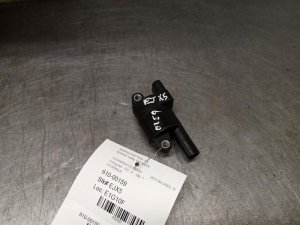
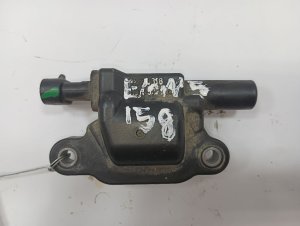
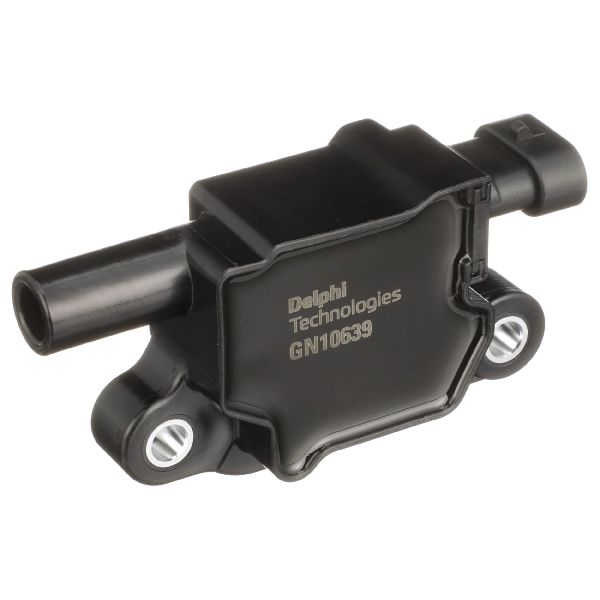
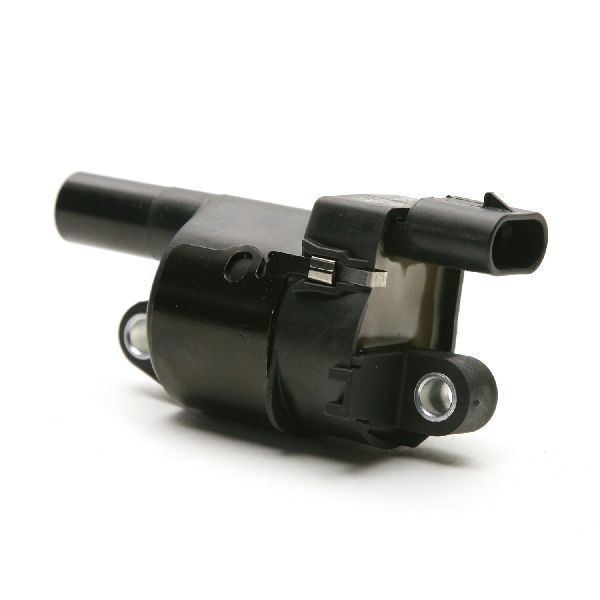
- Faulty Ignition Coil 🔴 High Probability → Shop Ignition Coil Coil-on-plug ignition systems are generally reliable, but individual coils are subjected to high heat and vibration, leading to eventual failure. This is a primary diagnostic step. 🎬 Watch: A step-by-step troubleshooting process for a P0306 misfire.
How to confirm: Swap the ignition coil from cylinder 6 with another cylinder (e.g., cylinder 4). Clear the codes. If the misfire code changes to P0304, the ignition coil is bad. This is a widely accepted diagnostic technique.
Typical fix: Replace the faulty ignition coil. It is often recommended to replace the corresponding spark plug at the same time.
Est. part cost: $40-$90 - Worn or Fouled Spark Plug 🔴 High Probability → Shop Spark Plug Spark plugs are a normal wear-and-tear maintenance item. They have a finite lifespan (30,000-100,000 miles) and will eventually fail to produce a strong enough spark.
How to confirm: Remove the spark plug from cylinder 6 and inspect it for wear, carbon fouling, oil, or damage. You can also swap it with another cylinder's plug to see if the misfire code follows.
Typical fix: Replace the spark plug. It is best practice to replace all 8 spark plugs at the same time for consistent performance.
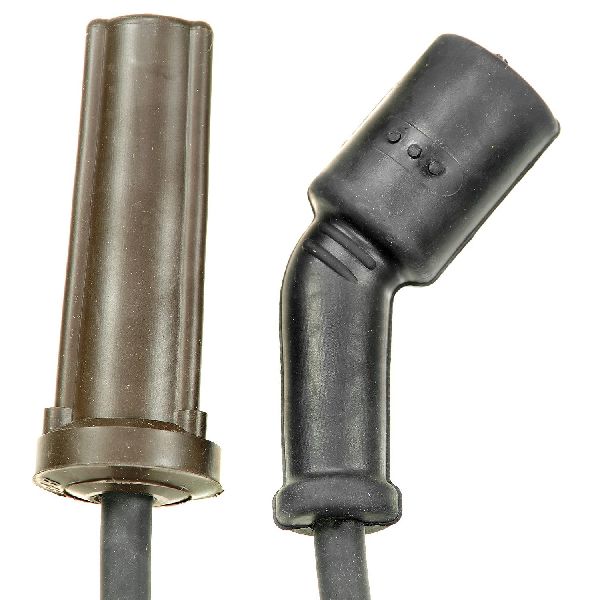
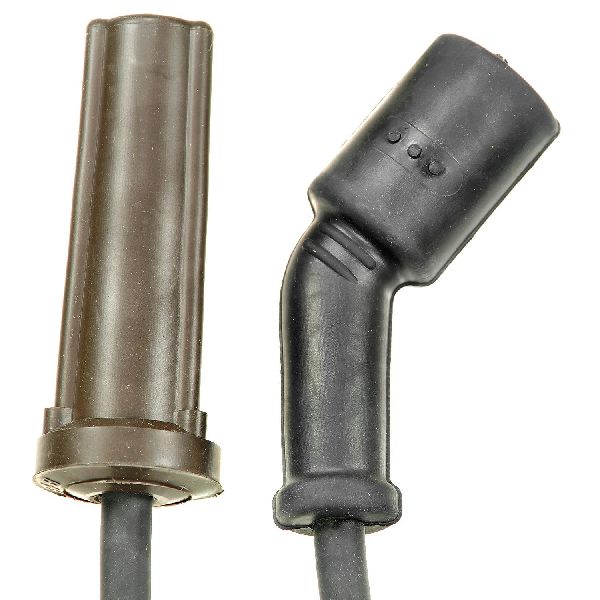
Est. part cost: $8-$20 per plug - Loose or Damaged Spark Plug Wire 🟡 Medium Probability → Shop Spark Plug A specific GM Technical Service Bulletin (TSB #PIP4819A) explicitly calls out loose spark plug wires as a cause for misfires on these vehicles. The connection can loosen from heat and vibration.
How to confirm: Visually inspect the spark plug wire for cylinder 6. Ensure it is firmly clicked into place on both the ignition coil and the spark plug. Check for any signs of damage, arcing (white marks), or corrosion.
Typical fix: Securely re-attach the wire or replace it if it's damaged. It's often sold in a set for all 8 cylinders.
Est. part cost: $50-$120 for a set - Failed Active Fuel Management (AFM) Lifter 🟡 Medium Probability → Shop Engine Valve Lifter This is a widely documented failure point on GM's 6.2L V8 engines, subject to multiple TSBs and a class-action lawsuit. The lifters for AFM cylinders (1, 4, 6, and 7) can become mechanically collapsed or stuck, preventing the valves from opening and causing a dead misfire. This can be caused by oil aeration or internal damage to the lifter's locking pins.
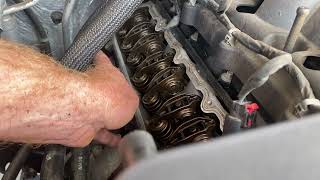
How to confirm: After ruling out spark and fuel issues, a ticking noise from the top of the engine 🎬 See how to diagnose engine ticking and AFM lifter failure. is a strong indicator. A technician can confirm by removing the valve cover to observe if the rocker arms for cylinder 6 are moving; lack of movement points to a collapsed lifter. A compression test will also show very low or zero compression on the affected cylinder. In some cases, a bent pushrod will also be found.
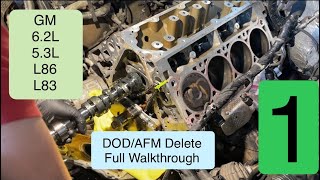
Typical fix: This is a major repair. It requires replacing the failed lifter, the lifter guide, and the Valve Lifter Oil Manifold (VLOM). The camshaft must also be inspected for damage (pitting, scoring) and replaced if any lobes are worn, which is a common finding. Many owners and independent shops recommend a full 'AFM delete', replacing the AFM lifters, camshaft, and other components with standard parts to prevent recurrence.
Est. part cost: $400-$1500+ - Clogged or Failed Fuel Injector ⚪ Low Probability → Shop Fuel Injector Fuel injectors can become clogged with deposits over time or fail electrically, preventing the correct amount of fuel from being delivered to cylinder 6. This is a known issue on the direct-injected L86 (2015+) engine, to the extent that GM created a special coverage program for them.
How to confirm: Listen to the injector with a mechanic's stethoscope; it should have a consistent clicking sound. A more definitive test is to swap the injector with another cylinder to see if the misfire code moves, though this is more labor-intensive. A diagnostic scanner can also show fuel trim data that may point to an injector issue. A P0206 code (Injector Circuit Malfunction) may accompany the P0306.
Typical fix: Replace the faulty fuel injector. On direct injection models (2015+), this is a more complex job that requires removing the intake manifold and replacing single-use fuel lines. 🎬 Watch: How to replace fuel injectors on direct-injected 6.2L engines.
Est. part cost: $50-$150 for port injection, $100-$250+ for direct injection
Rare But Worth Checking
- Low Engine Compression: If not caused by a failed lifter, low compression can result from more severe internal engine issues like a bent valve, broken valve spring, or worn piston rings. A compression test is required for diagnosis.
- Intake Manifold Gasket Leak: → Shop Engine Intake Manifold A vacuum leak near the intake runner for cylinder 6 can lean out the air/fuel mixture enough to cause a misfire. This would often be accompanied by a lean code like P0171 or P0174.
- Broken Engine Ground Strap: A corroded or broken ground wire between the engine and chassis can cause a weak or erratic spark, leading to misfires. One such ground is located on the rear of the driver's side cylinder head.
- Broken Valve Spring: While less common than a lifter failure, a broken valve spring on cylinder 6 will prevent the valve from closing properly, causing a complete loss of compression and a persistent misfire. This can sometimes be diagnosed by removing the valve cover.
Diagnosis Steps
- Read the code with an OBD-II scanner and note if the Check Engine Light is steady or flashing. Note any other codes, like P0300 or P0206.
- Start with the easiest ignition system checks. Swap the ignition coil from cylinder 6 with cylinder 4. Clear the codes and drive. If the code changes to P0304, the coil is faulty.
- If the code remains P0306, swap the spark plug from cylinder 6 with cylinder 2. If the code changes to P0302, the spark plug is the issue.
- Thoroughly inspect the spark plug wire for cylinder 6. Per TSB #PIP4819A, ensure it is fully seated on both the coil and the plug and check for any damage.
- If ignition components are confirmed to be good, listen for a distinct ticking noise from the passenger side valve cover area. This is a strong clue for a lifter issue.
- Check the fuel injector. Listen for a steady clicking sound. If possible, swap the injector with another cylinder to see if the misfire follows. This is more difficult on direct injection engines.
- Perform an engine compression test on cylinder 6. A very low or zero reading strongly points to a failed AFM lifter, broken valve spring, or other internal engine problem.
- If a lifter failure is suspected, the valve cover must be removed for visual inspection. Look for a rocker arm that is not moving or has excessive play, and check for bent pushrods. This step is best left to a professional unless you are an experienced DIYer.
Parts You'll Likely Need
- Ignition Coil
(OEM #12611424 (ACDelco D510C))— A common failure item that directly causes a single-cylinder misfire. It's a primary suspect after spark plugs.
Trusted brands: ACDelco, Delphi, NGK - AFM Valve Lifter
(OEM #12645725 (superseded by 12740071))— The specific AFM lifter is the root cause of the most serious common failure for this code. If one has failed, it's recommended to replace all AFM lifters (and often the non-AFM lifters as well).
Trusted brands: ACDelco (GM Genuine), Michigan Motorsports, BTR - Camshaft — A failed lifter often damages the corresponding lobe on the camshaft, requiring camshaft replacement. It must be inspected during a lifter job.
Trusted brands: ACDelco (GM Genuine), Texas Speed, BTR (Brian Tooley Racing) - Valve Lifter Oil Manifold (VLOM)
(OEM #12571609)— This manifold controls oil flow to the AFM lifters. It is recommended to be replaced during an AFM lifter job as a preventative measure, as a failure in the VLOM can cause lifter issues.
Trusted brands: ACDelco (GM Genuine) - Spark Plug — A standard maintenance item and the simplest potential cause of a misfire.
Trusted brands: ACDelco Iridium, NGK
Related Codes That Often Appear With This One
- P0300 — If the condition causing the P0306 is intermittent or affects other cylinders, a P0300 (Random/Multiple Cylinder Misfire Detected) code may also be stored. This is very common with AFM lifter issues.
- P3441 — This code corresponds to 'Cylinder 6 Deactivation Solenoid Control Circuit'. If there is an electrical issue with the AFM system related to cylinder 6, this code may appear alongside the misfire code, strongly suggesting the misfire is AFM-related.
- P0206 — This code for 'Cylinder 6 Injector Circuit Malfunction' points directly to an electrical problem with the fuel injector or its wiring, and will often appear with P0306 if the injector is the root cause.
Technical Service Bulletins (TSBs) & Recalls
- PIP4819A: Mentions loose spark plug wires as a cause for misfires.
- 15-06-01-002L / 15-06-01-002G: Details diagnosis and correction for engine misfire/tick noise caused by a mechanically collapsed or stuck AFM lifter, bent pushrod, or oil aeration.
- 10-06-01-007E: Discusses AFM lifter tick noise after the engine has been off, potentially caused by aerated or low/dirty oil.
- PIP4568: Referenced for diagnosis of a collapsed AFM lifter.
Platform-Specific Known Issues
- Active Fuel Management (AFM) Lifter Failure: → Shop Engine Valve Lifter The most significant and costly issue for this platform related to P0306. The hydraulic lifters that enable cylinder deactivation are prone to collapsing or getting stuck. This is not a simple fix and often requires replacing the lifters, lifter guides, VLOM, and inspecting or replacing the camshaft. The issue is so prevalent it has resulted in multiple TSBs and class-action lawsuits against GM.
Mechanic-Grade Diagnostic Values
- Ignition Coil Secondary Resistance (2007-2014) — expected: Approx. 7.10k Ohms. Failure: Significant deviation from this value or an open circuit (infinite resistance).
- Fuel Injector Resistance (2015-2017 L86 Direct Injection) — expected: 1.5 - 2.2 Ohms. Failure: A reading of infinity (Open Loop) or a value significantly outside this range. A reading of 2.2 Ohms was noted on a faulty injector while a good one read 1.5 Ohms in one case.
- Fuel Injector Resistance (2010-2014 L94 Port Injection) — expected: 11 - 14 Ohms. Failure: An open circuit (infinity) or near-zero resistance (short).
- Low-Side Fuel Pressure (Key On, Engine Off) — expected: 55-60 psi. Failure: Pressure below this range indicates a weak in-tank fuel pump or a leak.
- High-Side Fuel Pressure (Cranking, 2015+ L86 GDI) — expected: 300-400 psi. Failure: Significantly lower pressure can indicate a failing high-pressure fuel pump (HPFP).
Scan Tool Commands That Help
- GM GDS2 / Tech2: Injector Balance Test — To confirm a faulty fuel injector after ruling out ignition issues. The tool fires each injector individually and measures the fuel pressure drop. If cylinder 6 shows a significantly different pressure drop, the injector is likely faulty.
- GM GDS2 / Tech2: AFM Solenoid Control — When a P0306 is accompanied by an AFM-related code like P3441. This allows a technician to manually command the cylinder 6 deactivation solenoid to test its electrical circuit and function.
- GM GDS2: Camshaft Position Actuator Solenoid Valve — In cases of misfires with potential timing issues, this function can cycle the cam phaser to check for a stuck actuator, which can cause misfires.
Wiring & Ground Locations
- G103 — On the front of the right (passenger side) cylinder head.. This is a primary engine ground. A poor connection here can cause erratic behavior and weak spark for the entire passenger-side bank of cylinders, including cylinder 6.
- G104 — On the front of the left (driver side) cylinder head.. While not on the same bank as cylinder 6, poor grounding on one side of the engine can cause the ECM to seek ground paths elsewhere, potentially creating electrical noise and issues that can manifest as misfires.
- Ignition Coil Connector — On top of the valve cover, plugged into the cylinder 6 ignition coil.. The pink wire in the connector should have 12V+ with the key on. The black wire is the ground. The other two wires are the signal from the ECM. Verifying power and ground here is a key step before condemning the coil or ECM.
Real Owner Repair Stories
- Tahoe Yukon Forum user (Vehicle not specified, but GM truck with AFM engine) — Persistent P0306 code, rough idle, no power, small ticking sound.
❌ Tried (didn't work) Replaced spark plugs and wires., Swapped ignition coil., Replaced fuel injector for cylinder 6., Observed no valve movement on cylinder 6 and replaced the entire cylinder head assembly.
✅ What actually fixed it The P0306 code remained even after replacing the cylinder head because the root cause, the collapsed AFM lifter, had not been replaced. The fix required removing the head again to replace the failed lifters. - Tahoe Yukon Forum user (2015 Tahoe 5.3L (L83 engine, similar architecture to L86)) — Intermittent Check Engine Light with codes P219B (Bank 2 fuel imbalance) and P0306.
❌ Tried (didn't work) Swapped ignition coil., Swapped spark plug., Swapped spark plug wire.
✅ What actually fixed it The user removed the intake manifold and found blow-by staining around the #6 fuel injector hole. The Teflon seals for the direct injector had failed, causing a vacuum/pressure leak. Replacing the injector and seals for that bank resolved the codes and poor fuel trims.
OEM Part Supersession History
12571595, 12619820, 12632143, 12639516, 12645725→12680871, 12698946, and latest is 12740071— Multiple revisions to improve the reliability of the Active Fuel Management (AFM) lifters and reduce the likelihood of collapse or seizure.
Heads up: The newest design DFM (Dynamic Fuel Management) lifter, HL-7025 from Elgin (GM #12698946), is reportedly backward compatible with older AFM applications, while the original AFM lifter (HL-7011) cannot be used in newer DFM engines.
Model Year Variations Within This Range
- 2015-2017: These models use the L86 engine with Gasoline Direct Injection (GDI). This makes them susceptible to misfires caused by heavy carbon buildup on the back of the intake valves, as fuel is no longer sprayed over them. Additionally, the GDI fuel injectors and their seals are a different failure point compared to the port injection system on 2010-2014 models.
- 2010-2014: These models use the L94 engine with port fuel injection. While they do not suffer from intake valve carbon buildup, their port fuel injectors (GM #12609749) can still clog or fail electrically, though it is generally less common than GDI injector issues.
Helpful Videos
Used OEM Parts in Stock
New Aftermarket Parts Available


The information in this article is provided for general reference and educational purposes only. Vehicle specifications, procedures, and part compatibility can vary by production date, trim level, and region. Always consult your vehicle's factory service manual and verify part numbers before purchasing or performing repairs. Safety-critical components such as airbags, seat belts, and braking systems should be installed by a qualified professional.
- Cadillac ESCALADE:
- 🧭 Diagnostic Flowchart
- 🎬 Helpful Videos
- 🛍️ Shop This Part
- What's Unique About the 2010-2017 Cadillac ESCALADE
- Symptoms You May Notice
- Most Likely Causes
- Rare But Worth Checking
- Diagnosis Steps
- Parts You'll Likely Need
- Related Codes That Often Appear With This One
- Technical Service Bulletins (TSBs) & Recalls
- Platform-Specific Known Issues
- Mechanic-Grade Diagnostic Values
- Scan Tool Commands That Help
- Wiring & Ground Locations
- Real Owner Repair Stories
- OEM Part Supersession History
- Model Year Variations Within This Range
- 🎟️ Get 5% Off