

P0306 on 2017-2022 Chevrolet Colorado: Cylinder 6 Misfire Causes and Fixes
A P0306 code on a 2017-2022 Colorado means cylinder #6 is misfiring. The most common causes are a failed ignition coil or a worn-out spark plug. Swapping the coil from cylinder #6 to another cylinder is a quick, free diagnostic test. A DIY fix for these parts costs between $40 and $150, but accessing the spark plugs requires removing the intake manifold.
- P0306 on your Colorado means cylinder #6 (driver's side, rear) is misfiring.
- The most likely cause is a bad ignition coil or spark plug. Start by swapping the cylinder #6 coil with another one to see if the misfire code moves.
- Do not drive if the Check Engine Light is flashing, as this can cause rapid and expensive damage to your catalytic converter.
- Replacing spark plugs on the 3.6L V6 is more involved than on many other engines because the intake manifold must be removed for access.
- While less common, be aware of GM service bulletins that point to potential valvetrain issues as a cause for misfires on this engine.
What's Unique About the 2017-2022 Chevrolet Colorado
The 3.6L LGZ V6 in the 2017-2022 Colorado is a direct-injection engine, which is inherently susceptible to carbon buildup on intake valves over time, a potential cause of misfires. While generally reliable, this engine platform is covered by several Technical Service Bulletins (TSBs) related to misfires that can stem from valvetrain components like rocker arms, lifters, or oil control solenoids, as detailed in TSB 21-NA-278. This indicates that while a spark plug or coil is most likely, these more complex mechanical issues are a known possibility. Unlike its LFX predecessor, the LGZ engine has a revised design, but valvetrain issues can still occur.
Symptoms You May Notice
- Rough or vibrating idle
- Hesitation or stumbling during acceleration
- Noticeable loss of engine power
- Flashing or solid Check Engine Light
- Reduced fuel economy
- Engine sounds like it's popping or backfiring
- A distinct ticking or rattling noise from the engine, which could indicate a more serious valvetrain issue.
- Replacing oxygen sensors. O2 sensors report on the exhaust gas composition but do not typically cause a single-cylinder misfire.
- Replacing the catalytic converter. A misfire can damage a catalytic converter, but a bad converter will not cause a P0306 code. A failing converter would typically set codes like P0420 or P0430.
Most Likely Causes
- Faulty Ignition Coil 🔴 High Probability → Shop Ignition Coil Ignition coils are a common failure item on most modern vehicles due to constant heat cycles and electrical stress. They are responsible for generating the high voltage needed to create a spark.
How to confirm: Swap the ignition coil from cylinder #6 with another cylinder (e.g., cylinder #4, which is the middle cylinder on the driver's side). Clear the codes and drive. If the code changes to P0304, the coil is bad. This is the definitive DIY test.
Typical fix: Replace the faulty ignition coil. It is often recommended to replace the corresponding spark plug at the same time, especially if it is near its service life.
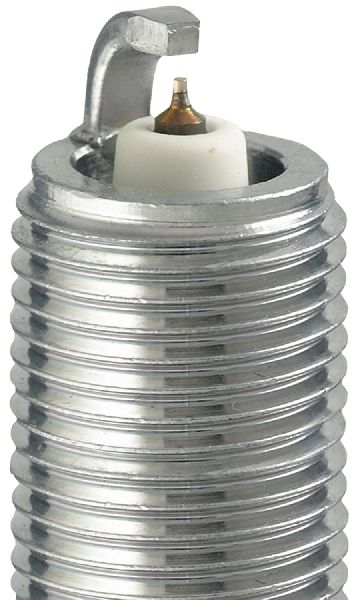
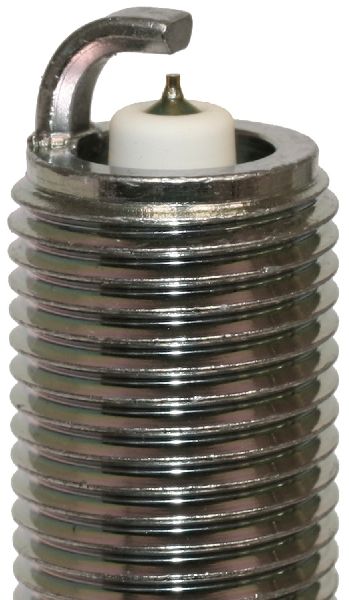
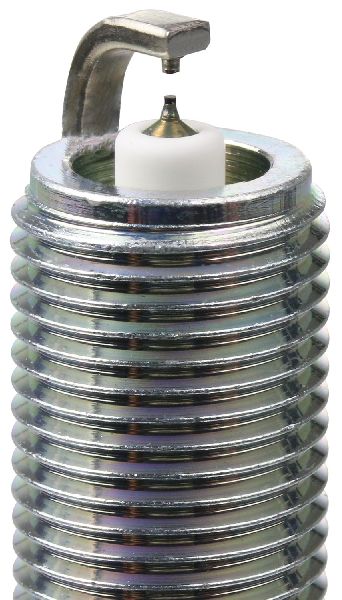
Est. part cost: $30 - $90 - Worn or Fouled Spark Plug 🔴 High Probability → Shop Spark Plug Spark plugs are a regular maintenance item with a finite lifespan. The service interval for the original ACDelco iridium plugs on the LGZ engine is 100,000 miles. The direct-injection nature of the engine can also contribute to carbon fouling.
How to confirm: After ruling out the ignition coil, remove the spark plug from cylinder #6. This requires removing the upper intake manifold. Inspect the plug for a worn electrode, carbon tracking, oil fouling, or cracks in the porcelain. A healthy plug should have a light tan color.
Typical fix: Replace the spark plug. It is best practice to replace all six spark plugs at the same time to ensure even performance and avoid future misfires. A new intake manifold gasket set is required for this job.
Est. part cost: $8 - $25 per plug - Faulty Fuel Injector 🟡 Medium Probability → Shop Fuel Injector As a direct injection (GDI) engine, the fuel injectors are located inside the combustion chamber and are subject to extreme heat and pressure, which can lead to failure. Clogging from fuel contaminants can also cause lean misfires.
How to confirm: This is more difficult to diagnose for a DIYer. A professional can perform a fuel injector balance test. 🎬 Watch this diagnostic video to see a real-world misfire investigation. A DIY method is to listen to the injector with a mechanic's stethoscope; it should have a consistent, audible clicking sound. Comparing the sound of the #6 injector to others can reveal an issue.
Typical fix: Replace the faulty fuel injector. This is an intensive repair on the LGZ engine as it requires removal of the intake manifold and fuel rails.
Est. part cost: $50 - $150 per injector
Rare But Worth Checking
- Valvetrain Issues (Rocker Arm, Lifter, Camshaft): GM has issued TSBs (21-NA-278, PIP5493C) for the LGZ engine family that mention misfires can be caused by faulty rocker arms (Switching Roller Finger Followers), lifters (Stationary Hydraulic Lash Adjusters), or even camshaft actuator issues. This may be accompanied by a ticking, tapping, or rattling noise from the engine. This is a complex mechanical failure requiring professional diagnosis.
- Intake Valve Carbon Buildup: Because the LGZ is a direct-injection engine, fuel is sprayed directly into the cylinder, not over the intake valves. Over time, oil vapor from the PCV system can bake onto the back of the intake valves, restricting airflow to the cylinder and causing a misfire, especially on cold starts. This requires physical cleaning (e.g., walnut blasting) with the intake manifold removed.
- Low Engine Compression: This indicates a more serious internal engine problem, such as worn piston rings, a burnt valve, or a head gasket leak. A compression test is required to diagnose this. This is an unlikely cause on a well-maintained, lower-mileage engine.
- Intake Manifold Gasket Leak: → Shop Engine Intake Manifold A vacuum leak near the intake port for cylinder #6 can lean out the air/fuel mixture and cause a misfire. Since the intake manifold must be removed for a spark plug change, it's crucial to use new gaskets upon reassembly to prevent this. This would likely be accompanied by a lean code like P0174 (System Too Lean, Bank 2).
- Loose Spark Plug Wires: → Shop Spark Plug While less common on modern coil-on-plug designs, manufacturer service bulletin TSB Bulletin #PIP4819A notes that a technician may find misfire codes including P0306 if spark plug wires are loose, requiring inspection and replacement of any loose wires.
Diagnosis Steps
- Confirm the code with a quality OBD-II scanner. Note if the Check Engine Light is solid or flashing and check for any other stored codes.
- Identify cylinder #6. It is the rearmost cylinder on the driver's side of the engine, closest to the brake master cylinder.
- Swap the ignition coil from cylinder #6 with the coil from cylinder #4 (the middle cylinder on the same driver's side bank). This is the easiest and most definitive first step.
- Clear the codes, start the engine, and let it run or take a short drive. A few minutes is usually sufficient for the ECM to detect the misfire again.
- Re-scan for codes. If the code is now P0304, the ignition coil is the culprit. Replace the bad coil (OEM part number 12674754 is a common fitment).
- If the code remains P0306, the coil is likely good. The next step is to inspect the spark plug, which requires significant disassembly.
- To access the spark plugs, the upper intake manifold must be removed. A detailed video guide is highly recommended for this process. 🎬 See this step-by-step walkthrough for changing your spark plugs. You will need new intake manifold gaskets (GM Part #12648665) for reassembly. 🎬 Watch how to properly remove and install the intake manifold.
- Once the manifold is off, remove the spark plug from cylinder #6. Inspect it for damage, wear, or fouling. If it's in poor condition or has over 80,000 miles, replace it. It's highly recommended to replace all six plugs (ACDelco 41-130 is a common OEM plug) and the intake gaskets at this time.
- While the intake manifold is off, inspect the intake ports for heavy carbon buildup on the valves. Significant buildup can cause misfires and should be cleaned (walnut blasting is the professional method).
- If the coil and plug are confirmed good and there's no significant carbon buildup, the issue may be the fuel injector or a more serious mechanical problem (valvetrain).
- Listen to the fuel injector for cylinder #6 with a mechanic's stethoscope. It should produce a steady, rapid clicking sound. Compare it to the sound of adjacent injectors.
- If the injector seems silent or has an irregular tick, or if the problem persists, further diagnosis of the fuel system, valvetrain, or a compression test is necessary. At this point, professional service is strongly recommended.
Parts You'll Likely Need
- Ignition Coil
(OEM #12674754)— This is the most common cause of a single-cylinder misfire and is the easiest part to test by swapping its position.
Trusted brands: ACDelco (GM OE), Delphi, NGK
OEM price range: $60 - $90
Aftermarket price range: $30 - $70 - Iridium Spark Plug
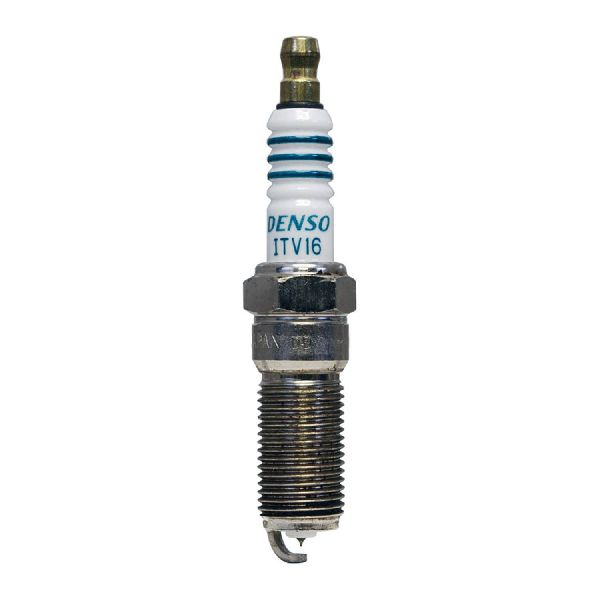
(OEM #12688477 (superseded by 41-130 / 12642722))— As a primary ignition component and a maintenance item, a worn or fouled spark plug is a highly probable cause. The 100,000-mile service interval means many trucks in this year range are due for replacement.
Trusted brands: ACDelco (GM OE), NGK, Denso
OEM price range: $15 - $25
Aftermarket price range: $8 - $18 - Intake Manifold Gasket Set
(OEM #12648665)— These are single-use gaskets and MUST be replaced whenever the intake manifold is removed for spark plug access to prevent vacuum leaks.
Trusted brands: ACDelco (GM OE), Fel-Pro, Mahle
OEM price range: $40 - $60
Aftermarket price range: $20 - $40
Related Codes That Often Appear With This One
- P0300 — If the misfire is intermittent or affects multiple cylinders, P0300 (Random/Multiple Cylinder Misfire Detected) may appear alongside P0306.
- P0174 — If the misfire is caused by a vacuum leak affecting the driver's side bank (Bank 2), a P0174 (System Too Lean, Bank 2) code might also be present.
- P050D — Often seen with valvetrain-related misfires, this code points to a cold start rough idle and may be linked to the issues described in GM's TSBs.
Technical Service Bulletins (TSBs) & Recalls
- 21-NA-278: Diagnostic Strategy for Ticking, Tap or Rattle Noise from Engine with Possible Misfire, DTCs P0300-P0306 and/or P0016-P0019 Set.
- PIP5493C: Misfire with DTC's P0300, P0301-P0306 on 2017 models with 3.6L LGZ.
- 18-NA-355: Shake and/or Shudder During Light Throttle Acceleration (related to transmission, but a major platform issue).
- TSB Bulletin #PIP4819A: Notes that the Malfunction Indicator Lamp may illuminate with misfire codes P0300-P0308; technicians are advised to inspect for and replace any loose spark plug wires.
Platform-Specific Known Issues
- GM Technical Service Bulletin 21-NA-278 provides a diagnostic strategy for a rattle, tick, or knock noise that may be accompanied by misfire codes (P0300-P0306). It points towards inspection of valvetrain components like lash adjusters, rocker arms, or camshaft actuators.
- GM Technical Service Bulletin PIP5493C also covers misfire codes on the 2017 LGZ engine and advises technicians to first check for an ECM calibration update before proceeding with mechanical diagnosis of spark, fuel, or valvetrain components.
- The complex job of replacing spark plugs due to the intake manifold covering the driver's side cylinder bank is a notable aspect of this platform. A DIY replacement requires careful work and new gaskets to avoid creating vacuum leaks.
Mechanic-Grade Diagnostic Values
- Low-Side Fuel Pressure (Key On, Engine Off) — expected: 55-60 PSI. Failure: Pressure below this range indicates a weak in-tank fuel pump.
- High-Side Fuel Pressure (At Idle) — expected: 400-600 PSI. Failure: Significantly lower or wildly fluctuating pressure can indicate a failing high-pressure fuel pump (HPFP).
- High-Side Fuel Pressure (Under Load) — expected: 1500-2900 PSI. Failure: Failure to reach high pressure under acceleration points to a weak HPFP.
- Ignition Coil Resistance — expected: Primary: 0.4-2 ohms; Secondary: 6,000-10,000 ohms. Failure: Readings outside these ranges suggest a faulty coil. However, heat-related failures may not show when the coil is cold. Swapping coils is a more reliable test for this vehicle.
Hidden / Shadow Codes Worth Checking
- Mode $06, TID $A7: Represents the raw misfire count for cylinder #6 during the last 10 driving cycles. A non-zero value confirms misfire events are occurring, even if they aren't frequent enough to keep the CEL on. (see via A professional scan tool or an advanced OBD-II app capable of reading Mode $06 data.)
Scan Tool Commands That Help
- GDS2 (GM Dealer Software): Cylinder Power Balance — This function graphically displays the relative power contribution of each cylinder. A cylinder with a significantly lower contribution line is the source of the misfire. This is used to confirm the misfiring cylinder visually before disassembly.
- GDS2 (GM Dealer Software): Injector Balance Test — This test individually fires each injector for a set duration and measures the corresponding drop in fuel rail pressure. A smaller-than-expected pressure drop for cylinder #6 points to a clogged or failing injector.
- GDS2 (GM Dealer Software): Misfire Graphic — Provides a real-time counter of misfire events per cylinder, which is useful for determining if the misfire is constant or only occurs under specific conditions (e.g., high RPM, cold engine).
Wiring & Ground Locations
- SP105 — Under the hood on the driver's side, near the battery. Requires removing the battery and battery box to access.. This is a critical ground splice pack. It provides the ground path for the fuel pump, fuel-level sender, and the run/crank relay. Corrosion or a poor connection here can cause low fuel pressure or intermittent power to the fuel pump, leading to misfires.
- ECM Connector (e.g., X1/X2) — The Engine Control Module is located in the engine bay. Specific pinouts are required to test.. Testing for voltage and ground at the ECM connector for the cylinder 6 ignition coil and fuel injector circuits can determine if there is a wiring break between the ECM and the component, or if the ECM driver itself has failed.
- G103/G104 — Typically located on the cylinder heads or the engine block.. These are the main engine-to-chassis grounds. A loose or corroded connection at these points can cause erratic behavior in multiple systems, including the ignition system, leading to misfires that are difficult to trace.
Real Owner Repair Stories
- YouTube video by 'Craig's Car Care' (Chevrolet truck with a 5.3L V8 (demonstrates a similar GM valvetrain failure mode applicable to the LGZ)) — Check engine light with a P0306 code.
❌ Tried (didn't work) Ignition coil tested good, Spark plug tested good, Spark plug wire tested good, Fuel injector passed testing, No vacuum leaks were detected
✅ What actually fixed it A compression test revealed low compression on cylinder 6. Upon disassembly, a failed lifter retainer (made of plastic) had allowed the lifter to rotate, which in turn damaged both the lifter and the camshaft lobe for that cylinder. The fix required replacing the camshaft and all lifters.
OEM Part Supersession History
12674754→12726023— Standard part lifecycle update by the manufacturer.
Heads up: The new part number is a direct replacement for the old one.12688477→41-130 (also listed as 12642722)— Part number consolidation and updates by ACDelco.
Heads up: 41-130 is the correct and current OEM Iridium plug for this application.
Model Year Variations Within This Range
- 2017+: The 2017 model year introduced the all-new 3.6L LGZ V6 engine and the 8L45 8-speed automatic transmission, replacing the previous LFX V6 and 6-speed. The LGZ features updated direct injection, variable valve timing, and Active Fuel Management (cylinder deactivation), which were not on the LFX. Diagnostic procedures must account for these new systems.
- 2020-2021: GM issued service bulletin 21-NA-114 for some 2020-2021 models to reprogram the Engine Control Module (ECM) to address issues like fuel gauge accuracy, indicating that software updates are available and may affect engine management parameters.
Diagnostic Flowchart
Other Known Issues on This Vehicle
Issues unrelated to this code that are worth knowing about as an owner of this generation:
- 8-Speed Transmission Shudder ('Chevy Shake') 🔴 High — Very common on 2017-2019 models with the 8L45 transmission. Typically appears between 20,000 and 60,000 miles. Feels like driving over rumble strips at steady speeds. (Ref: TSB 18-NA-355 (and subsequent revisions) advises a fluid flush with an updated Mobil 1 synthetic fluid.)
- Valvetrain Noise / Misfires 🟠 Medium — Less common than transmission shudder but well-documented. Can manifest as a tick, tap, or rattle noise accompanied by misfire codes. Can occur under 100,000 miles. (Ref: TSB 21-NA-278 provides a diagnostic strategy for these symptoms, pointing to lifters, rocker arms, or camshaft components.)
- HVAC Blower Motor Failure / Resistor Issues 🟡 Low — A common annoyance where the blower motor fails on certain speeds or stops working entirely. Often caused by a failed blower motor resistor, but can also be the motor itself.
- Coolant Temperature Sensor Failure 🟠 Medium — Known to fail, causing the temperature gauge to be inaccurate, the cooling fan to run constantly, and codes like P0128 or P0118. The sensor is in a very difficult-to-access location.
Used vs. New Parts: Buying Guide for This Vehicle
When a used part is the smart pick: For this repair, using a used part only makes sense for the ignition coil, as it is a simple, external component that is easy to test and replace if it's faulty. Given the high labor cost to access other parts, the risk of a used part failing prematurely is not worth the savings.
Donor-vehicle mileage cap: roughly under 50000 miles for the part to have meaningful remaining life.
What to inspect on the donor part:
- For an ignition coil, check for cracks in the plastic housing.
- Ensure the electrical connector pins are clean and not corroded.
- Look for any signs of melting or heat damage on the coil boot.
- Ask for the donor vehicle's mileage; lower is always better.
OEM-only on this vehicle (don't cheap out):
- Fuel Injectors: Aftermarket GDI injectors have a questionable reputation for longevity and spray patterns. Stick with OEM ACDelco.
- Valvetrain Components (Lifters, Rocker Arms): These are precision internal engine parts. Using anything other than new OEM parts for a valvetrain repair is extremely risky and could lead to catastrophic engine failure.
Aftermarket brands forum-validated for this vehicle:
- Ignition Coils: Delphi, NGK.
- Spark Plugs: NGK, Denso.
- Gaskets: Fel-Pro, Mahle.
Brands owners have reported issues with on this vehicle:
- Unbranded, 'no-name' ignition coil multi-packs sold on sites like Amazon or eBay. These are notorious for high failure rates, sometimes within days or weeks of installation.
Real Owner Stories
Aggregated from forums and TSBs cited above. Mileages and costs reflect what owners reported in those sources.
2017 Chevrolet Colorado 3.6L LGZ V6 — 80000 miles
Symptoms: P0306 and P050D (Cold Start Rough Idle) codes.
What fixed it: Replacement of a failed rocker arm and lifter on cylinder 6, which was covered under the powertrain warranty.
Source hint: Colorado Fans Forum thread titled 'P0306 and P050D - Colorado Fans Forum'
Related OBD-II Codes
Frequently Asked Questions
Where is cylinder #6 located on the 3.6L LGZ engine?
Does GM have a specific diagnostic strategy for misfires accompanied by a ticking or rattling noise?
Is there a software update for the 2017 Colorado LGZ that might fix a P0306 code?
What spark plugs and gaskets are recommended for the LGZ engine?
Can I just swap the ignition coil to test if it's bad on my Colorado?
How often should I replace the spark plugs on my 2017-2022 Colorado V6?
Helpful Videos
![[HOW TO] Install a Ported Intake Manifold & Replace Spark Plugs on 2017-2022 Colorado/Canyon LGZ V6](https://img.youtube.com/vi/9uUB9O86pVY/mqdefault.jpg)
We Have This Part in Stock


The information in this article is provided for general reference and educational purposes only. Vehicle specifications, procedures, and part compatibility can vary by production date, trim level, and region. Always consult your vehicle's factory service manual and verify part numbers before purchasing or performing repairs. Safety-critical components such as airbags, seat belts, and braking systems should be installed by a qualified professional.
- Chevrolet Colorado:
- 🧭 Diagnostic Flowchart
- 🎬 Helpful Videos
- 🛍️ Shop This Part
- What's Unique About the 2017-2022 Chevrolet Colorado
- Symptoms You May Notice
- Most Likely Causes
- Rare But Worth Checking
- Diagnosis Steps
- Parts You'll Likely Need
- Related Codes That Often Appear With This One
- Technical Service Bulletins (TSBs) & Recalls
- Platform-Specific Known Issues
- Mechanic-Grade Diagnostic Values
- Hidden / Shadow Codes Worth Checking
- Scan Tool Commands That Help
- Wiring & Ground Locations
- Real Owner Repair Stories
- OEM Part Supersession History
- Model Year Variations Within This Range
- Other Known Issues on This Vehicle
- Used vs. New Parts: Buying Guide for This Vehicle
- Real Owner Stories
- 2017 Chevrolet Colorado 3.6L LGZ V6 — 80000 miles
- Related OBD-II Codes
- Frequently Asked Questions
- 🎟️ Get 5% Off