

P0306 on 2010-2013 Chevrolet Corvette: Cylinder 6 Misfire Causes and Fixes
On a 2010-2013 Corvette, code P0306 most often points to a loose or faulty spark plug wire on cylinder 6, a known issue cited in a GM Technical Service Bulletin. A worn spark plug is the second most likely cause. Both are inexpensive and straightforward DIY fixes, often requiring no more than reseating the wire.
- For a P0306 code on a 2010-2013 Corvette, always start by checking the spark plug wire on cylinder 6 (third from front, passenger side). Ensure it's securely clicked onto both the coil and the plug.
- If the wire is secure, the next most likely causes are a bad spark plug or a faulty ignition coil.
- A simple 'coil swap' with a neighboring cylinder is a free and effective way to diagnose a bad ignition coil.
- Do not drive the car for an extended period if the Check Engine Light is flashing, as this signals a severe misfire that can cause expensive catalytic converter damage.
What's Unique About the 2010-2013 Chevrolet CORVETTE
The 2010-2013 Corvette (C6 generation) uses high-performance LS-series V8 engines. A General Motors TSB (#PIP4819A) specifically points to loose spark plug wires as a primary cause for misfires on these engines, making it a well-documented starting point for diagnosis. Forum discussions among C6 owners on CorvetteForum.com frequently confirm that checking the security of the plug wires is the first and most effective step, often solving the problem without replacing any parts. The high-heat environment of the Corvette engine bay can cause the plug wire boots to lose their grip over time.
Diagnostic Flowchart
Tap your situation to follow the diagnostic path that matches what you're seeing on this vehicle.
Symptoms You May Notice
- Rough or vibrating idle
- Hesitation or stumbling during acceleration
- Noticeable loss of engine power
- Flashing Check Engine Light (indicates a severe, catalyst-damaging misfire)
- Fuel smell from the exhaust
- Engine ticking noise, which could indicate a loose wire arcing or a mechanical issue
- "Service Stabilitrak" or "Service Active Handling" messages may appear on the dash, as the engine misfire can disrupt these systems.
- Replacing the oxygen sensor before diagnosing the ignition system. The O2 sensor reports the results of bad combustion; it doesn't cause the misfire.
- Replacing the catalytic converter. A misfire can destroy a converter, but a bad converter does not cause a specific cylinder misfire code.
- Assuming a "Service Stabilitrak" message means there is a problem with the stability control system. On these vehicles, a significant engine misfire will often disable the traction and stability systems as a precaution, triggering those warning lights.
Most Likely Causes
- Loose or Faulty Spark Plug Wire 🔴 High Probability → Shop Spark Plug A GM Technical Service Bulletin (PIP4819A) specifically identifies loose spark plug wires at the ignition coil as a known cause for misfires on this platform. Heat and vibration can cause them to back off the coil pack or spark plug. This is the most commonly reported real-world fix on owner forums.
How to confirm: Visually inspect and physically check the spark plug wire for cylinder 6. Ensure it is firmly seated on both the ignition coil and the spark plug. A common check is to push firmly on both boots to ensure they 'click' into place. Sometimes the boot can feel secure but the internal terminal is not making good contact.
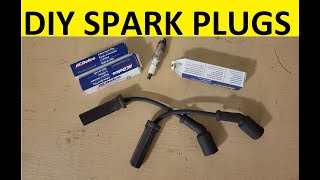
Typical fix: Reseat the wire firmly. Applying a small amount of dielectric grease inside the boot can help with sealing and future removal. If the wire is cracked, burned, shows arcing (white marks), or will not stay secure, replace the set of spark plug wires. 🎬 See this walkthrough on changing C6 spark plugs and wires
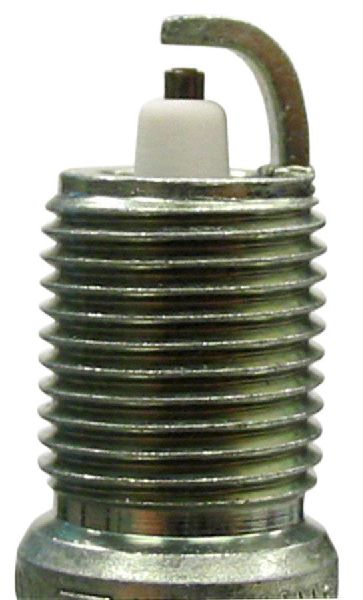
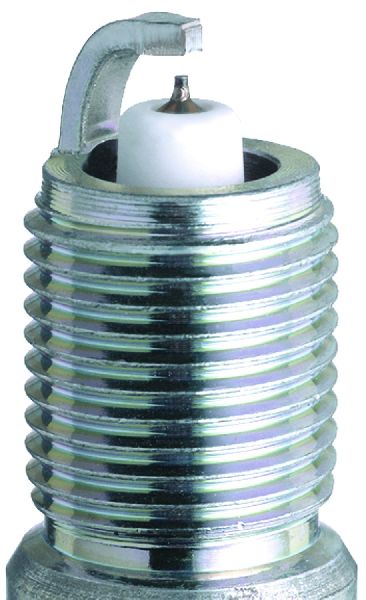
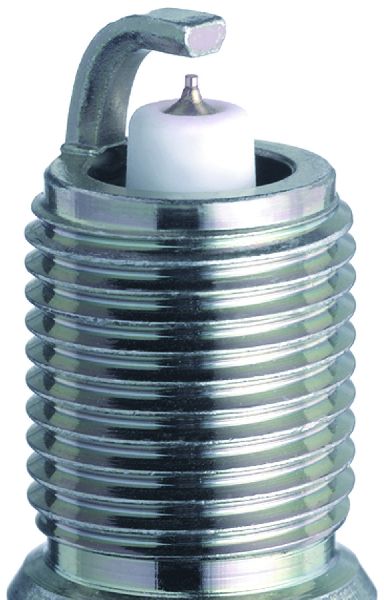
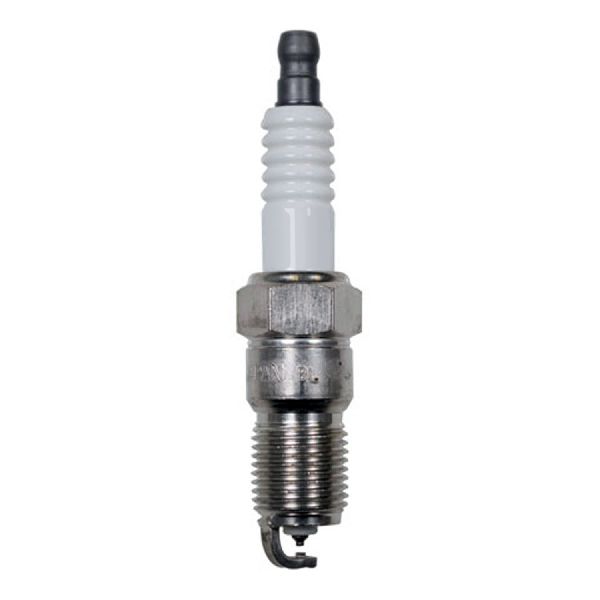
Est. part cost: $50-$115 - Worn or Fouled Spark Plug 🔴 High Probability → Shop Spark Plug Spark plugs are a standard wear item. High-performance engines like the Corvette's LS-series can be demanding on plugs. An incorrect gap or fouling from carbon or oil deposits can easily cause a misfire.
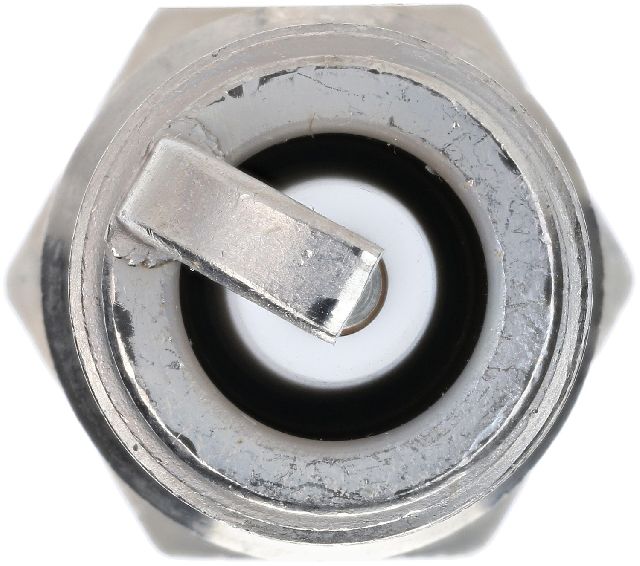
How to confirm: Remove the spark plug from cylinder 6. Inspect it for a worn electrode, cracks in the ceramic insulator, or heavy deposits (black and sooty for rich, white for lean, oily for internal leaks). Compare its condition to a plug from a known good cylinder.
Typical fix: Replace the spark plug. It is best practice to replace all eight spark plugs at the same time to ensure consistent performance and avoid future misfires on other cylinders.
Est. part cost: $10-$25 per plug - Failed Ignition Coil 🟡 Medium Probability → Shop Ignition Coil While generally reliable on LS engines, ignition coils are subjected to intense heat cycles and can fail with age.
How to confirm: Swap the ignition coil from cylinder 6 with one from another cylinder (e.g., cylinder 4, which is also on the passenger side and easily accessible). Clear the codes and drive the car. If the misfire code changes from P0306 to P0304, the coil is faulty. This is a definitive and common DIY diagnostic step.
Typical fix: Replace the failed ignition coil. It is often recommended to replace the corresponding spark plug at the same time.
Est. part cost: $40-$80 - Clogged or Faulty Fuel Injector ⚪ Low Probability → Shop Fuel Injector
How to confirm: Listen to the injector with a mechanic's stethoscope or a long screwdriver; it should make a consistent, rapid clicking sound. A more advanced method is to swap the fuel injector from cylinder 6 with another cylinder and see if the misfire code follows the injector, similar to the coil swap test. This is more labor-intensive as it requires removing the fuel rail.
Typical fix: Clean or replace the faulty fuel injector. In a CorvetteForum thread, a user confirmed a bad injector was the cause after swapping it from cylinder 6 to 4 and having the code change to P0304.
Est. part cost: $70-$150
Rare But Worth Checking
- Internal Engine Mechanical Failure: Though less common, a misfire can be a symptom of a more serious issue. For LS7 engines, broken valve springs or excessive valve guide wear are known potential failures. For all LS engines, a failing lifter (especially AFM lifters in automatic LS3s) can become stuck or collapse, causing a misfire often accompanied by a distinct ticking noise. 🎬 Watch: How a failing lifter causes a serious engine misfire A compression test and/or leak-down test is required to diagnose these mechanical problems. A YouTube video shows a C6 owner diagnosing a broken valve spring on the passenger side bank after experiencing a misfire.
- Intake Manifold Gasket Leak: → Shop Engine Intake Manifold A vacuum leak near the intake runner for cylinder 6 can lean out the air/fuel mixture and cause a misfire. This can be diagnosed by a professional using a smoke test to find the source of the unmetered air.
- Worn Torque Tube Couplers (Ghost Misfire): In rare cases, particularly on automatic transmission cars, worn couplers in the torque tube can create a slight crankshaft speed variation that the ECM misinterprets as a random misfire (P0300), but could potentially be isolated to a specific cylinder. This is known as a "ghost misfire" because no actual combustion issue exists. The misfire counts will typically disappear when the transmission is in gear.
Diagnosis Steps
- Read the code with an OBD-II scanner to confirm P0306 is present and check 🎬 Watch: Complete DIY guide for diagnosing Corvette engine misfires for any other codes.
- Locate cylinder 6. On a Corvette V8, the cylinders are numbered 1-3-5-7 on the driver's side (front to back) and 2-4-6-8 on the passenger side (front to back). Cylinder 6 is the third cylinder from the front on the passenger side.
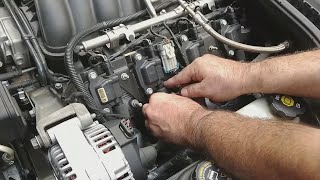
- As per TSB #PIP4819A, firmly press on the spark plug wire boot at both the ignition coil and the spark plug for cylinder 6 to ensure it is fully seated. Listen for a 'click'. This solves the problem in a large number of cases.
- Inspect the wire for any signs of damage, arcing (white marks), or melting. If found, replace the wire set.
- If the wire is secure, swap the ignition coil from cylinder 6 with the coil from cylinder 4 (the cylinder in front of it). Clear the codes, run the engine, and see if the misfire code moves to P0304. If it does, the coil is bad.
- If the misfire remains on cylinder 6, remove and inspect the spark plug. Look for wear, damage, or fouling. Replace if necessary, preferably as a full set of eight.
- If ignition components are good, listen to the fuel injector for cylinder 6 with a stethoscope or long screwdriver. It should have a steady, audible clicking sound. Compare it to an adjacent injector.
- If the injector sounds suspect or the problem persists, a more advanced step is to swap the injector with another cylinder (e.g., cylinder 4). If the code changes to P0304, the injector is faulty.
- If all else fails, a mechanical issue is possible. Perform a compression test on cylinder 6 to check for internal engine problems like a bad lifter or valve spring issue.
Parts You'll Likely Need
- Spark Plug Wire Set
(OEM #19351568 (replaces 9748RR))— This is the most common fix, especially given the manufacturer TSB regarding loose wires. Replacing the set ensures all wires are fresh and secure. The original part number 9748RR has been superseded.
Trusted brands: ACDelco
OEM price range: $80-$115
Aftermarket price range: $50-$90 - Iridium Spark Plug
(OEM #41-110 (for LS3), 41-104 (for LS7/LS9))— Spark plugs are a routine maintenance item and a primary cause of misfires. It's critical to use the correct plug for your specific engine. The LS3 uses a different heat range plug than the higher-performance LS7 and LS9.
Related Codes That Often Appear With This One
- P0300 — If the misfire is intermittent or beginning to affect other cylinders, a P0300 (Random/Multiple Cylinder Misfire) code may appear alongside P0306.
- P0171 / P0174 — If the misfire is caused by a vacuum leak or a fuel delivery issue, a lean condition code for the corresponding bank (Bank 2 is P0174) might also be present.
Technical Service Bulletins (TSBs) & Recalls
- Bulletin #PIP4819A: Addresses engine misfires (DTCs P0300-P0308) and recommends inspecting the spark plug wire connection at the ignition coil. If loose, the wire should be replaced.
Platform-Specific Known Issues
- A known issue documented in GM Technical Service Bulletin #PIP4819A is that spark plug wires can become loose at the coil, causing misfire codes P0300 through P0308. The official fix is to inspect and replace any loose spark plug wires.
- For 7.0L LS7 engines, while rare, there is a known history of valve guide wear and occasional valve spring failure that can lead to a misfire and potentially catastrophic engine damage if not addressed.
- For automatic transmission cars with the LS3, Active Fuel Management (AFM) lifters can sometimes fail or collapse, leading to a misfire on one of the AFM cylinders (1, 4, 6, or 7) and a ticking noise.
Mechanic-Grade Diagnostic Values
- Ignition Coil Primary Resistance — expected: 0.4 to 0.6 ohms. Failure: A reading outside this range indicates a faulty coil.
- Ignition Coil Secondary Resistance — expected: 5,000 to 7,200 ohms. Failure: A reading outside this range indicates a faulty coil.
- Fuel Pressure at Fuel Rail (Key on, Engine Off or Idling) — expected: 58-62 PSI. Failure: Pressure significantly below 58 PSI indicates a fuel delivery problem (pump, filter, or regulator).
- Mode 6 Misfire Counts — expected: Near zero for each cylinder over a drive cycle.. Failure: A high number of counts for cylinder 6 (e.g., dozens or hundreds) confirms the misfire, even before a CEL is triggered.
Scan Tool Commands That Help
- Tech 2 / GDS2: Cylinder Power Balance Test — To electronically disable individual fuel injectors one by one to see the RPM drop for each cylinder. A cylinder with little or no RPM drop when its injector is disabled indicates the misfiring cylinder.
- Tech 2 / GDS2: Misfire History Counters — To view historical misfire data that may not have been severe enough to set a current code. This can help identify an intermittent issue on cylinder 6.
- OBD-II Scanner with Mode 6: Test ID $A2-$AF (Misfire Counts for Cylinders 1-8) — To view the raw misfire count data from the ECM for each specific cylinder during the current and last 10 driving cycles. This can confirm which cylinder is misfiring without relying solely on the P030X code.
Wiring & Ground Locations
- G106 — On the engine block, passenger side, between cylinders 6 and 8.. This is a primary engine-to-chassis ground. A poor connection here can cause erratic behavior in the ignition system, including weak spark or inconsistent coil function on the passenger side bank (cylinders 2, 4, 6, 8).
- ECM Connector C2 — In the passenger side front wheel well, behind the liner.. This connector contains the control wires from the ECM to the ignition coils and fuel injectors. A corroded pin or loose connection here could specifically affect the circuit for cylinder 6.
- Ignition Coil Connector (Cylinder 6) — On the passenger side valve cover, third coil from the front.. The low reference (ground) and ignition control signal from the ECM are delivered through this connector. A bad connection here is a direct cause of no-spark for cylinder 6. The low reference wires (typically brown) for the passenger bank connect to pins 78 & 79 of the ECM.
Real Owner Repair Stories
- Reddit user in r/Corvette (C6 Corvette, unknown year/mileage) — Engine started vibrating 'like a lunatic', multiple cylinder misfire code.
❌ Tried (didn't work) Spark plugs, Ignition coils, Fuel injectors
✅ What actually fixed it A broken valve spring was found after removing the valve cover. The user replaced the spring and seals to resolve the issue. - CorvetteForum user '95BLKVette' (2011 Corvette Vert, 36k miles) — Sudden shaking, flashing check engine light, 'Service Suretrac' message, definite miss at idle, P0306 code.
❌ Tried (didn't work) Checked spark and wire, which appeared OK.
✅ What actually fixed it The user suspected a failed AFM (Active Fuel Management) lifter, as cylinder 6 is one of the cylinders deactivated in V4 mode. The thread concluded with the plan to perform a compression test, with the strong implication of a mechanical failure like a lifter or valve spring.
When the Usual Fixes Don't Work
- While the vast majority of P0306 codes on this platform are simple ignition component failures, a significant minority of cases, especially when accompanied by a ticking noise, are ultimately traced to internal mechanical engine failure. Multiple owner reports confirm that after replacing plugs, wires, and coils with no success, the final cause was a broken valve spring or a collapsed lifter (particularly on automatic cars with AFM). Therefore, if basic ignition swaps do not resolve the code, a compression test should be the immediate next step to rule out a more serious mechanical fault before replacing more parts.
OEM Part Supersession History
ACDelco 41-985→ACDelco 41-110 (GM #12621258)— Change to an iridium tip design for longer life and improved performance.ACDelco 41-110→ACDelco 41-162— Design or vendor change. The 41-162 is physically shorter.
Heads up: While 41-162 is the official replacement, some owners report quality control issues and prefer to seek out remaining stock of the USA-made 41-110 plugs, claiming they provide a smoother idle.
Model Year Variations Within This Range
- 2010-2013 (with Automatic Transmission): LS3 engines paired with the automatic transmission feature Active Fuel Management (AFM), which deactivates cylinders 1, 7, 4, and 6 under light load. Cylinder 6 is therefore susceptible to failures of the specific AFM lifter, which is a known failure point on these engines. Manual transmission LS3s do not have AFM and are not prone to this specific type of lifter failure.
Helpful Videos
We Have This Part in Stock

The information in this article is provided for general reference and educational purposes only. Vehicle specifications, procedures, and part compatibility can vary by production date, trim level, and region. Always consult your vehicle's factory service manual and verify part numbers before purchasing or performing repairs. Safety-critical components such as airbags, seat belts, and braking systems should be installed by a qualified professional.
- Chevrolet CORVETTE:
- 🧭 Diagnostic Flowchart
- 🎬 Helpful Videos
- 🛍️ Shop This Part
- What's Unique About the 2010-2013 Chevrolet CORVETTE
- Symptoms You May Notice
- Most Likely Causes
- Rare But Worth Checking
- Diagnosis Steps
- Parts You'll Likely Need
- Related Codes That Often Appear With This One
- Technical Service Bulletins (TSBs) & Recalls
- Platform-Specific Known Issues
- Mechanic-Grade Diagnostic Values
- Scan Tool Commands That Help
- Wiring & Ground Locations
- Real Owner Repair Stories
- When the Usual Fixes Don't Work
- OEM Part Supersession History
- Model Year Variations Within This Range
- 🎟️ Get 5% Off