

P0306 on 2015-2016 Dodge Caravan: Cylinder 6 Misfire Causes and Fixes
P0306 on a 2015-2016 Dodge Caravan indicates a misfire in cylinder 6. The most common causes are a faulty ignition coil or a worn spark plug. If a ticking noise is also present, the issue could be a more serious rocker arm/camshaft failure, which is a known problem on the 3.6L Pentastar engine.
- P0306 means cylinder 6 (rear, driver's side) is misfiring.
- Always start diagnosis by swapping the ignition coil from cylinder 6 to another cylinder to see if the misfire code follows.
- Accessing cylinder 6 requires removing the upper intake manifold, so if you perform any repairs on that bank, replace all three coils, all six spark plugs, and the intake gaskets at the same time to save on future labor.
- If you hear a loud ticking noise along with the misfire, suspect a more serious mechanical failure of a rocker arm and camshaft, a known issue on this engine.
- Do not drive with a flashing check engine light, as this can quickly destroy your catalytic converter, leading to a much more expensive repair.
What's Unique About the 2015-2016 Dodge CARAVAN
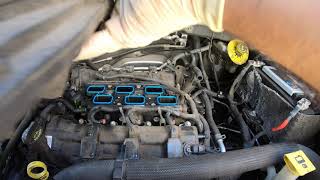
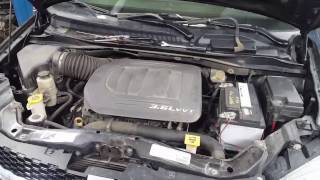
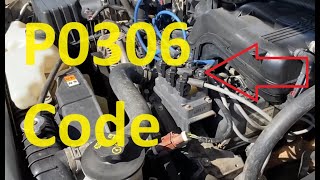
The 2015-2016 Dodge Caravan uses the 3.6L Pentastar V6. While these model years are not affected by the well-known cylinder head defect of the 2011-2013 models (covered by TSB 09-002-14), they are still highly prone to valvetrain issues. A P0306 code, especially when accompanied by a distinct ticking sound (the 'Pentastar Tick'), often points to a failed rocker arm whose needle bearings have disintegrated, causing the roller to seize and grind down the camshaft lobe. This is a more serious and expensive issue than a simple spark plug or coil failure. 🎬 Watch: Understanding the causes and fixes for a P0306 code. Because of the engine's transverse mounting, accessing cylinder 6 and the rest of the rear bank requires removing the upper intake manifold, making any repair on that bank significantly more labor-intensive.
Diagnostic Flowchart
Tap your situation to follow the diagnostic path that matches what you're seeing on this vehicle.
Symptoms You May Notice
- Rough or shaking idle
- Hesitation or stumbling during acceleration
- Flashing or solid Check Engine Light
- Noticeable loss of engine power
- Reduced fuel economy
- Audible ticking or tapping sound from the top of the engine, which may be louder on a cold start.
- Replacing only the spark plug when the ignition coil is the actual cause.
- Repeatedly replacing spark plugs and coils when the underlying issue is a mechanical rocker arm/camshaft failure. This is a very common scenario reported by owners.
- Assuming a ticking noise is a simple 'lifter tick' without inspecting the rocker arms and camshafts for the common Pentastar failure pattern.
Most Likely Causes
- Faulty Ignition Coil 🔴 High Probability → Shop Ignition Coil The coil-on-plug ignition system is a common failure point. The rear bank of cylinders (including #6) is under the intake manifold and can experience more heat soak, potentially reducing coil lifespan.
How to confirm: Swap the ignition coil from cylinder 6 with another cylinder (e.g., cylinder 5 or 3 on the easier-to-access front bank). Clear the codes and drive. If the misfire code changes to P0305 or P0303, the coil is bad.
Typical fix: Replace the faulty ignition coil. It is strongly recommended to replace all three coils on the rear bank at the same time due to the labor involved in removing the intake manifold. Many owners replace all six.
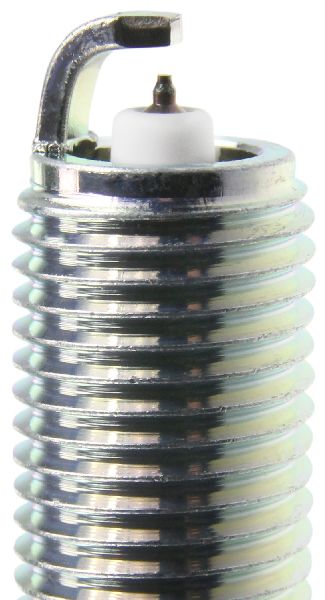
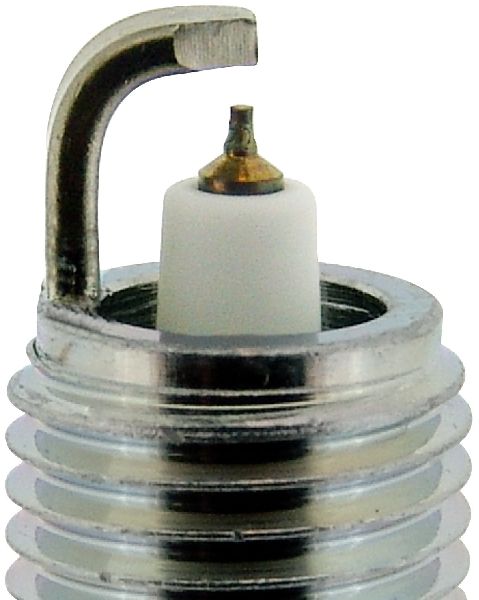
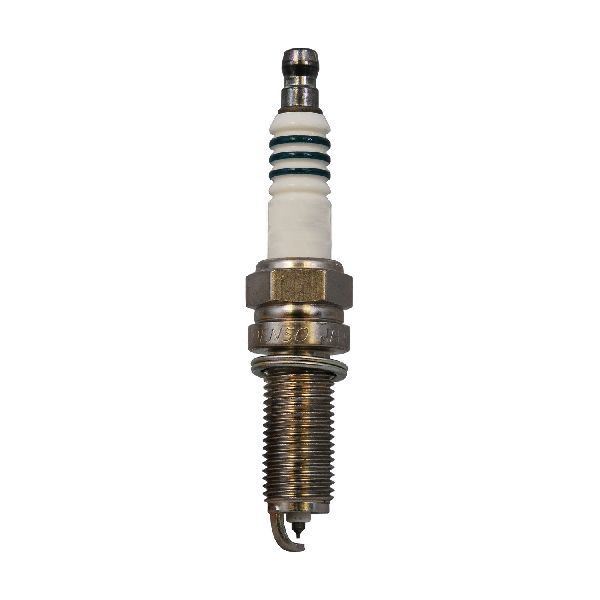
Est. part cost: $25-$60 per coil - Worn or Fouled Spark Plug 🔴 High Probability → Shop Spark Plug The manufacturer's recommended replacement interval is 100,000 miles. Misfires are common on vehicles approaching or exceeding this mileage if the plugs haven't been changed. An oil leak from the valve cover gasket can also foul the plug.
How to confirm: After ruling out the coil, swap the spark plug from cylinder 6 with another cylinder. If the misfire follows the plug, the plug is the issue. Visually inspect the plug for wear, carbon tracking, oil fouling, or damage to the ceramic insulator.
Typical fix: Replace all six spark plugs. Given the significant labor to remove the intake manifold to access the rear bank, it is critical to replace all of them at once, not just the one in cylinder 6. 🎬 See this step-by-step guide for replacing your spark plugs.
Est. part cost: $50-$120 for a set of six iridium plugs - Failed Rocker Arm / Worn Camshaft 🟡 Medium Probability → Shop Engine Rocker Arm The 3.6L Pentastar engine is widely known for rocker arm bearing failure. The needle bearings in the roller tip fail, causing the roller to stop spinning and get ground down by the camshaft lobe, which in turn also damages the camshaft. This prevents the valve from opening fully, causing a persistent misfire that will not be fixed by new plugs or coils.
How to confirm: This is almost always accompanied by a loud, rhythmic ticking noise from the top of the engine, particularly from the driver's side valve cover. A definitive diagnosis requires removing the upper intake manifold and the bank 2 (driver's side) valve cover to visually inspect the rocker arms and camshaft lobes for cylinder 6. Look for scoring, a seized roller, or a visibly worn-down cam lobe.
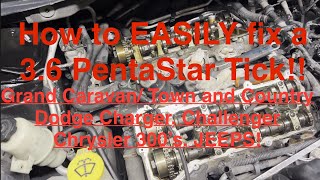
Typical fix: Requires replacing the affected camshaft(s), all rocker arms, and all lifters for that cylinder head. It is considered best practice to replace all 24 rocker arms and lifters 🎬 Watch: How to replace rocker arms, lash adjusters, and camshafts. in the engine at the same time to prevent future failures.
Est. part cost: $400-$1000+ - Faulty Fuel Injector ⚪ Low Probability → Shop Fuel Injector While less common than ignition or mechanical valvetrain issues, a clogged or electrically failed fuel injector can cause a misfire by not delivering the proper amount of fuel.
How to confirm: After ignition and mechanical checks are negative, you can swap the fuel injector with another cylinder to see if the misfire moves. This requires removing the intake manifold and fuel rail, a similarly labor-intensive job to replacing coils/plugs. An injector's resistance can also be tested with a multimeter; a healthy one should be around 12 ohms.
Typical fix: Replace the faulty fuel injector. It is often recommended to replace all injectors on that bank at the same time to ensure balanced fuel delivery and avoid future labor costs.
Est. part cost: $40-$90 per injector
Rare But Worth Checking
- Low Engine Compression: While the specific 2011-2013 cylinder head defect doesn't apply, other mechanical issues like a burnt valve or worn piston rings can cause low compression and a misfire. A compression test and/or cylinder leak-down test is needed to diagnose this.
- Intake Manifold Gasket Leak: → Shop Engine Intake Manifold A vacuum leak at the lower intake port for cylinder 6 can lean out the air/fuel mixture and cause a misfire. A smoke test is the best way to confirm a leak. One owner on a forum reported this as the ultimate cause after many other parts were replaced.
- Wiring Harness Issues: In some cases, the wiring going to the ignition coil can develop high resistance, especially when the engine is hot. This can cause the coil to function improperly and create a misfire, even if the coil itself is good. This can be diagnosed by checking for voltage drop at the coil connector when the engine is at operating temperature.
Diagnosis Steps
- Read the DTCs with an OBD-II scanner to confirm P0306 and any other codes. Note the freeze frame data to see the conditions under which the code was set.
- Note if the Check Engine Light is solid or flashing. A flashing light indicates a severe misfire that can damage the catalytic converter and driving should be stopped.
- Listen for a loud, rhythmic ticking noise from the engine, especially the driver's side valve cover area. This strongly points towards a valvetrain issue (rocker arm/camshaft).
- If no ticking is present, start with ignition. Swap the ignition coil from cylinder 6 (rear, driver's side) with the coil from cylinder 5 or 3 (front bank). Clear the codes and run the engine. If the code changes to P0305 or P0303, the ignition coil is faulty.
- If the misfire remains on cylinder 6, swap the spark plug from cylinder 6 with the plug from the cylinder you just used. If the code moves, the spark plug is faulty.
- If the misfire still remains on cylinder 6 after swapping ignition parts, the issue is likely mechanical or fuel-related.
- Perform a compression test and a cylinder leak-down test to check the mechanical integrity of the cylinder. This will identify issues like bad rings or valves.
- If compression is good but a ticking noise is present, the next step is a visual inspection. Remove the upper intake manifold and the driver's side (Bank 2) valve cover. Carefully inspect the rocker arms and camshaft lobes for cylinder 6 for any signs of scoring, wear, a seized roller, or visible damage.
- If no mechanical damage is visible, consider testing the fuel injector for cylinder 6 or checking for a vacuum leak near the #6 intake runner with a smoke test.
Parts You'll Likely Need
- Ignition Coil
(OEM #5149168AH)— This is the most common failure part for a single-cylinder misfire on the 3.6L Pentastar engine.
Trusted brands: Mopar, NGK, Denso, Delphi
OEM price range: $45-$70
Aftermarket price range: $25-$60 - Spark Plug
(OEM #SP149125AE)— A routine maintenance item that is a frequent cause of misfires if not replaced at the recommended 100,000-mile interval.
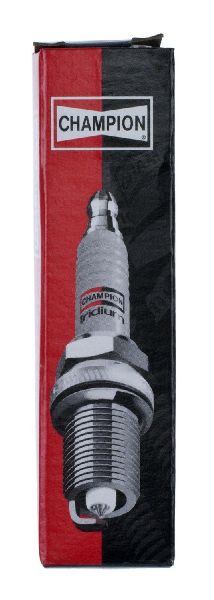
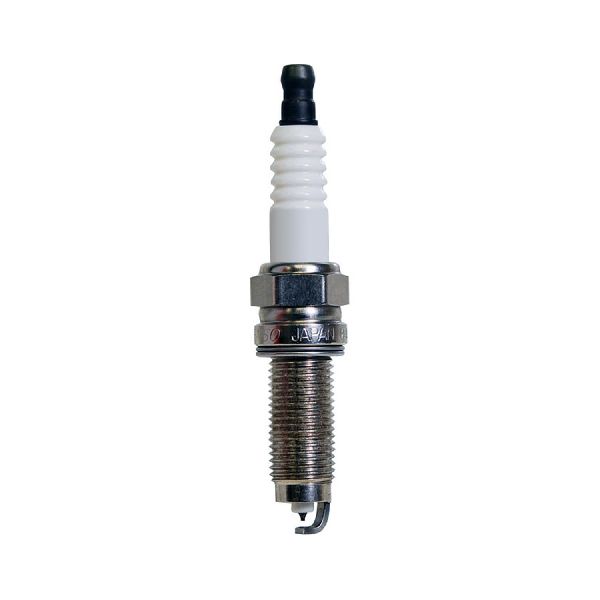
Trusted brands: Champion (Iridium), NGK (Iridium), Denso
OEM price range: $15-$25 per plug
Aftermarket price range: $8-$15 per plug - Upper Intake Manifold Gasket Set
(OEM #5184331AC)— Required for any repair involving the rear bank of cylinders (4, 5, 6), including spark plugs, ignition coils, or fuel injectors, as the intake manifold must be removed for access.
Trusted brands: Mopar, Fel-Pro, Mahle
OEM price range: $15-$25
Aftermarket price range: $10-$20
Related Codes That Often Appear With This One
- P0300 — If the misfire is severe or intermittent, or if other cylinders are also misfiring (e.g., due to a widespread valvetrain issue or major vacuum leak), a P0300 (Random/Multiple Cylinder Misfire) code may be stored as well.
- P0302, P0304 — If seen with P0306, this indicates misfires on the entire driver's side cylinder bank (Bank 2). This would strongly suggest a more serious mechanical issue like a failed camshaft affecting all three cylinders on that bank, or a major vacuum leak specific to that bank.
Technical Service Bulletins (TSBs) & Recalls
- TSB #18-069-16: This TSB from 2016 lists various misfire codes, including P0306, for engine and cooling issues, but does not specify a single root cause. It serves as an official acknowledgment of potential misfires.
- TSB #09-002-14 Rev. B: While this well-known TSB specifically addresses the left cylinder head failure (affecting cylinders 2, 4, and 6) and the associated extended warranty (X56), it officially applies to 2011-2013 models. It is relevant context because it highlights the known sensitivity of the left cylinder bank, though the primary cause shifts from cylinder heads to rocker arms for the 2015-2016 model years.
Platform-Specific Known Issues
- While the 2015-2016 models are not part of the extended warranty for left cylinder head failure that affected 2011-2013 models, they are still highly susceptible to valvetrain failure, specifically the rocker arms and camshafts, which can cause the exact same P0306 code.
Mechanic-Grade Diagnostic Values
- Fuel Injector Resistance — expected: 12.0 - 12.4 Ohms. Failure: A significantly different reading or an open circuit (infinite resistance) indicates a failed injector.
- Ignition Coil Primary Resistance — expected: 0.46 Ohms. Failure: A reading significantly different from the specification suggests a faulty primary winding.
- Ignition Coil Secondary Resistance — expected: 9.5 - 15.7 kOhms. Failure: A reading outside this range indicates a problem with the secondary winding.
- Fuel Pressure at Fuel Rail — expected: 49 PSI +/- 5 PSI. Failure: Pressure significantly below this range can cause lean misfires.
- Engine Compression — expected: 100 - 150 PSI, with all cylinders within 10-15% of each other.. Failure: A cylinder with significantly lower compression indicates a mechanical engine problem like worn rings or a bad valve.
Scan Tool Commands That Help
- wiTECH (OEM Dealer Tool): OBD II Monitors -> 'Which cylinder is misfiring' — This function provides a live counter of misfire events for each individual cylinder. It is extremely useful for diagnosing intermittent misfires or confirming which cylinder is the primary offender when a P0300 (random misfire) code is also present.
Wiring & Ground Locations
- K10 (Cylinder 6 Coil Control Circuit) — This wire runs from the Powertrain Control Module (PCM) C2 harness connector to the cylinder 6 ignition coil connector.. A break, short to ground, or high resistance in this specific wire will prevent the PCM from correctly firing the cylinder 6 ignition coil, directly causing a P0306 code even with a good coil. It is a primary point of electrical diagnosis after the coil itself has been confirmed good.
- G302 Ground — Located at the left kick panel inside the vehicle cabin.. This is a major ground point for various engine management components. While not exclusive to the ignition system, a poor connection here can cause difficult-to-trace electrical issues, potentially affecting PCM operation and leading to spurious codes, including misfires.
Real Owner Repair Stories
- YouTube channel 'Uncle Tinman' (2015 Dodge Grand Caravan, 271,000 miles) — Major misfire, rough idle, codes P0300 and P0306.
❌ Tried (didn't work) Replacing spark plugs, Replacing the ignition coil for cylinder 6
✅ What actually fixed it The root cause was failed rocker arm rollers on multiple cylinders, including #6, which had worn down the camshaft lobes. The video notes that despite the severe mechanical damage, a compression test still showed good results (150 PSI), which is a common misdiagnosis trap. The ultimate fix required replacing the camshafts and rocker arms. - Reddit user 'redgus78' in r/MechanicAdvice (2014 Chrysler Town & Country (same 3.6L Pentastar engine)) — P0306 code and a rough idle.
❌ Tried (didn't work) Swapping ignition coils, Swapping fuel injectors, Replacing spark plugs, Performing a compression check (passed), Performing a leak-down test (passed)
✅ What actually fixed it A visual inspection after removing the valve cover revealed a worn exhaust rocker arm and a scored cam lobe on cylinder 6. Replacing the affected rocker arm and camshaft resolved the code.
OEM Part Supersession History
5149168AH→5149168AI, then 5149168AJ— Standard part revision and improvement by the manufacturer.
Heads up: The newer part numbers (5149168AI, 5149168AJ) are direct replacements for the older 5149168AH and are fully compatible.5184331AB→5184331AC— Standard part revision for the lower intake manifold gaskets.
Heads up: 5184331AC is the current, correct part number for the set of six lower intake gaskets needed when removing the intake manifold.
Helpful Videos
We Have This Part in Stock


The information in this article is provided for general reference and educational purposes only. Vehicle specifications, procedures, and part compatibility can vary by production date, trim level, and region. Always consult your vehicle's factory service manual and verify part numbers before purchasing or performing repairs. Safety-critical components such as airbags, seat belts, and braking systems should be installed by a qualified professional.
- Dodge CARAVAN:
- 🧭 Diagnostic Flowchart
- 🎬 Helpful Videos
- 🛍️ Shop This Part
- What's Unique About the 2015-2016 Dodge CARAVAN
- Symptoms You May Notice
- Most Likely Causes
- Rare But Worth Checking
- Diagnosis Steps
- Parts You'll Likely Need
- Related Codes That Often Appear With This One
- Technical Service Bulletins (TSBs) & Recalls
- Platform-Specific Known Issues
- Mechanic-Grade Diagnostic Values
- Scan Tool Commands That Help
- Wiring & Ground Locations
- Real Owner Repair Stories
- OEM Part Supersession History
- 🎟️ Get 5% Off