

P0306 on 2002-2005 Ford Explorer 4.0L V6: Cylinder 6 Misfire Causes and Fixes
Code P0306 on a 2002-2005 Explorer 4.0L V6 means cylinder 6 is misfiring. The most likely cause is a worn-out spark plug or a bad spark plug wire. Cylinder 6 is on the driver's side, closest to the firewall, making it somewhat difficult to access. This is a common DIY fix, with parts costing between $15 for a plug and wire to $100 for a full set of plugs and wires.
- P0306 on this Explorer is almost always an ignition problem. Start your diagnosis with the spark plug and spark plug wire for cylinder 6.
- Cylinder 6 is on the driver's side, closest to the firewall, which can make access tricky.
- Use only Double Platinum spark plugs (e.g., Motorcraft SP-413) as specified for the waste-spark ignition system to prevent premature wear.
- If you also have lean codes P0171/P0174, the cause is very likely a vacuum leak from the intake manifold gaskets, a known weak point on this engine.
- Do not drive if the Check Engine Light is flashing to avoid damaging the expensive catalytic converters.
What's Unique About the 2002-2005 Ford Explorer
The 4.0L SOHC V6 engine in the 3rd generation Explorer uses a single ignition coil pack with spark plug wires, not the more modern coil-on-plug (COP) design seen on the V8 models or later V6s. This makes spark plug wires a primary and frequent cause of misfires. Additionally, this engine is well-known for vacuum leaks from failing intake manifold gaskets, which can also lead to misfire codes, often accompanied by lean codes P0171 and P0174. Cylinder 6 is located on the driver's side, rear-most position, making access to the spark plug and wire more challenging than the front cylinders.
Symptoms You May Notice
- Rough idle or engine shaking
- Hesitation or stumbling during acceleration
- Noticeable loss of engine power
- Flashing or solid Check Engine Light
- Decreased fuel economy
- Smell of unburned gasoline from the exhaust
- Replacing the fuel pump when the issue is a simple ignition component. A fuel pump issue would typically affect all cylinders, not just one.
- Replacing the Mass Airflow (MAF) sensor. A MAF issue typically causes random misfires (P0300) or lean codes on both banks, not an isolated P0306.
- Assuming a coil-on-plug failure, which this engine does not have. The problem is more likely the spark plug wire or the single coil pack.
Most Likely Causes
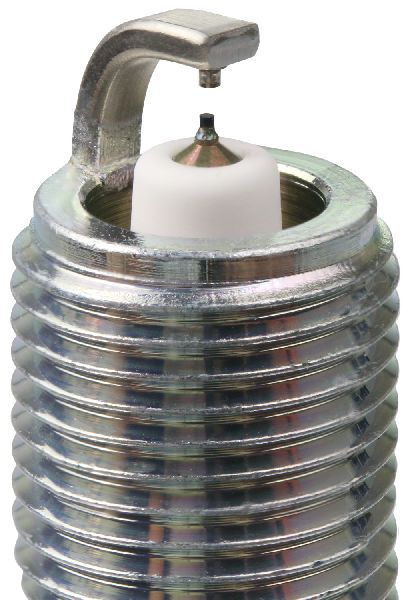
- Worn or Faulty Spark Plug 🔴 High Probability → Shop Spark Plug This engine uses a waste-spark ignition system, which fires plugs more frequently than conventional systems, leading to faster wear. Using standard plugs instead of the recommended double platinum type accelerates this wear. Some owners report issues with boutique plugs like E3, recommending sticking to OEM.
How to confirm: Inspect the spark plug for cylinder 6. Look for a worn electrode, heavy carbon buildup, oil fouling, or cracks in the ceramic insulator. A definitive test is to swap the cylinder 6 spark plug with one from another cylinder (e.g., cylinder 5). If the code changes to P0305, the spark plug is the culprit. A wet, fuel-smelling plug points to a lack of spark.
Typical fix: Replace the faulty spark plug. It is highly recommended to replace all six spark plugs at the same time with the correct OEM-spec plug (Motorcraft Double Platinum) to ensure even performance and longevity.
Est. part cost: $8-$20 per plug - Defective Spark Plug Wire 🔴 High Probability → Shop Spark Plug The spark plug wires are exposed to extreme engine heat, which causes the insulation to become brittle and crack over time, allowing the spark to arc to the engine block instead of reaching the plug. Improper routing can cause wires to burn on the exhaust manifold.
How to confirm: With the engine off, inspect the wire for cylinder 6 for any visible cracks, melting, or corrosion at the terminals. With the engine running in the dark, you may be able to see the spark arcing from the wire to a metal part of the engine. You can also test the wire's resistance with a multimeter. A swap test with another wire of similar length can also isolate the problem.
Typical fix: Replace the faulty spark plug wire. It is best practice to replace the entire set of six wires at once with a quality set like Motorcraft.
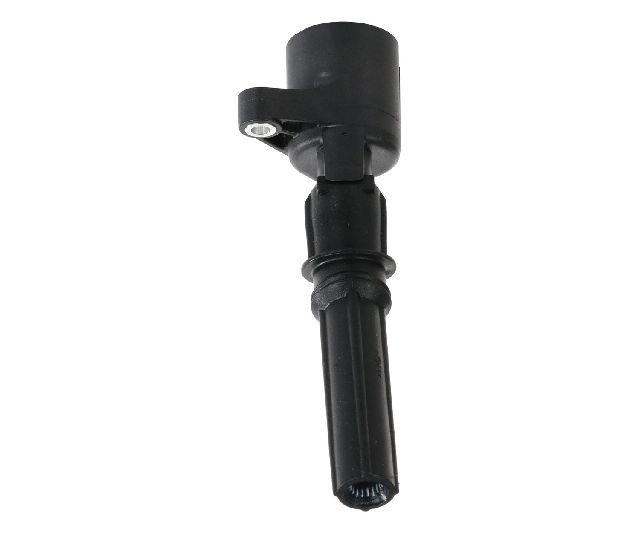
Est. part cost: $40-$80 for a set - Failed Ignition Coil Pack 🟡 Medium Probability → Shop Ignition Coil The coil pack is mounted on the engine and subject to heat and vibration. Over time, the plastic housing can crack, allowing moisture to enter and cause failure of one or more towers.
How to confirm: After ruling out the spark plug and wire, the coil pack is the next likely suspect. Inspect the coil tower for cylinder 6 for cracks, carbon tracking, or corrosion. You can test the primary and secondary resistance of the coil tower for cylinder 6 with a multimeter and compare it to specifications found in a service manual.
Typical fix: Replace the entire ignition coil pack. It is a single, non-serviceable unit. Using an OEM Motorcraft part is highly recommended for longevity.
Est. part cost: $50-$120 - Leaking Intake Manifold Gaskets 🟡 Medium Probability → Shop Engine Intake Manifold The O-ring style intake manifold gaskets on the 4.0L SOHC are a notorious failure point. They harden, shrink, and crack over time, creating vacuum leaks. This is often accompanied by lean codes P0171 and P0174, as the unmetered air affects the entire engine, even if one cylinder is affected most.
How to confirm: Perform a smoke test on the intake system. Smoke will be seen leaking from the area where the upper intake manifold meets the lower, particularly near the cylinder 6 runner. Spraying starter fluid or brake cleaner in this area while the engine is running may cause a change in idle RPM, but this is less precise and potentially flammable.
Typical fix: Replace the upper and lower intake manifold gaskets. Ford also issued a TSB (03-16-1) for similar issues that recommends replacing the isolator bolts at the same time, as their integrated seals also fail. This is a time-consuming but manageable DIY job.
Est. part cost: $30-$60 for gaskets - Clogged or Faulty Fuel Injector ⚪ Low Probability → Shop Fuel Injector
How to confirm: Use a mechanic's stethoscope to listen to the injector for cylinder 6. It should have a consistent, audible clicking sound, similar to the other injectors. If it's silent or sounds different, it may be faulty. You can also test the injector's resistance with a multimeter or swap it with another cylinder's injector to see if the misfire follows.
Typical fix: Replace the faulty fuel injector. It's often recommended to replace the O-rings and seals at the same time.
Est. part cost: $40-$90
Rare But Worth Checking
- Low Engine Compression: This indicates a more serious internal engine problem, such as a burnt exhaust valve, worn piston rings, or a failing head gasket. A compression test on cylinder 6 that shows significantly lower pressure than the other cylinders would confirm this. In some cases, as noted in NHTSA ODI #11621299 for similar Ford engines, a P0306 can be linked to coolant leaking into the engine block.
- Timing Chain System Failure: The 4.0L SOHC is infamous for issues with its plastic timing chain guides and tensioners. While this usually causes a rattling noise ('death rattle') and multiple misfire codes (P0300), it is a critical platform-specific issue to be aware of. A single cylinder misfire is not the typical symptom, but it's not impossible if timing has jumped slightly.
Diagnosis Steps
- Verify the code with an OBD-II scanner and check for any other codes, especially P0316, P0171, or P0174. 🎬 Watch: Step-by-step misfire diagnosis using basic tools
- Identify cylinder 6. On the 4.0L SOHC, the passenger side bank is cylinders 1-2-3 (front to back), and the driver's side bank is 4-5-6 (front to back). Cylinder 6 is at the rear, closest to the firewall on the driver's side.
- Inspect the spark plug wire for cylinder 6 for any signs of damage, cracking, or arcing. Ensure it is routed correctly and not touching the exhaust manifold. Note that environmental factors can play a role; NHTSA ODI #10658587 describes a P0306 misfire occurring after driving in heavy rain for several hours.
- Swap the spark plug from cylinder 6 with the plug from cylinder 5. Clear the codes and drive the vehicle. If the code changes to P0305, the spark plug is bad.
- If the code remains P0306, swap the spark plug wire from cylinder 6 with a wire of similar length from another cylinder (like cylinder 4 or 5). If the misfire moves, the wire is bad.
- If the misfire still remains on cylinder 6, the ignition system fault is likely the coil pack. The coil pack terminals are arranged 3-2-1 on the driver's side and 4-6-5 on the passenger side (front to back). Inspect the tower for cylinder 6 for cracks or corrosion.
- If the ignition system seems okay, check the fuel injector for cylinder 6. Listen for a steady clicking sound with a stethoscope. If unsure, consider swapping it with another injector (e.g., cylinder 5) to see if the code follows.
- If lean codes (P0171/P0174) are also present, perform a smoke test to check for vacuum leaks, focusing on the intake manifold gaskets near cylinder 6.
- As a final step for persistent issues, perform a compression test on cylinder 6 to check for mechanical engine problems like bad valves or piston rings.
Parts You'll Likely Need
- Spark Plugs
- Spark Plug Wires
- Ignition Coil Pack
- Intake Manifold Gaskets
Related Codes That Often Appear With This One
- P0316 — Indicates a misfire was detected within the first 1,000 engine revolutions at startup. It frequently appears with a specific cylinder misfire code like P0306 to provide more diagnostic context.
- P0171 / P0174 — These are 'System Too Lean' codes for Bank 1 and Bank 2. If you see these along with P0306, it strongly suggests a significant vacuum leak, most likely from the intake manifold gaskets, is the root cause of the misfire.
- P0304 — A misfire on cylinder 4. Seeing P0306 and P0304 together points towards a problem common to that cylinder bank (driver's side), such as a vacuum leak from the intake manifold gasket on that side, or a shared electrical issue.
Technical Service Bulletins (TSBs) & Recalls
- TSB 03-16-1: Addresses lean codes P0171/P0174 caused by leaking intake manifold isolator bolts and gaskets, a common cause for misfires on this engine.
- Bulletin #TSB 19-2286: While for a different engine, this manufacturer bulletin notes that a P0306 misfire or lack of power can sometimes be caused by improperly assembled internal muffler components.
- Bulletin #TSB 25-2569: Notes that DTCs P0301-P0306 may be stored in the PCM due to the engine harness contacting a hose crimp end or spring clip.
Platform-Specific Known Issues
- The 4.0L SOHC engine is notorious for failing intake manifold gaskets, leading to vacuum leaks that cause lean conditions and misfires. Ford issued TSBs 03-16-1 and 04-24-18 for this issue.
- This engine platform is also known for catastrophic timing chain guide and tensioner failures, often preceded by a rattling sound from the front or rear of the engine. While not a typical cause for an isolated P0306, it is the engine's most significant known weakness.
Mechanic-Grade Diagnostic Values
- Ignition Coil Pack Secondary Resistance — expected: 6,500 - 11,500 Ohms (6.5kΩ - 11.5kΩ) between companion towers (e.g., 4 and 6). Failure: A reading outside of this range, or an open circuit (OL), indicates a faulty coil pack.
- Fuel Injector Resistance — expected: 11 - 18 Ohms. Failure: A reading significantly outside this range, or a large variance (more than 1-2 ohms) compared to other injectors, points to a faulty injector.
- Fuel Pressure (Key On, Engine Off) — expected: 35 - 45 psi for return-style systems (early models) or 64-75 psi for returnless systems (later models within the range).. Failure: Pressure below the specified range indicates a weak fuel pump or clogged filter.
- Mode $06, Test ID $53, Component ID $06 — expected: A low number, ideally zero.. Failure: This specific monitor shows the raw misfire count for cylinder 6 since the last code clear. A high or rapidly increasing count confirms an active misfire on cylinder 6, even before the PCM sets a pending or active P0306 code.
Scan Tool Commands That Help
- Ford IDS / FORScan / High-End Snap-on or Autel: Power Balance Test — This is the most effective diagnostic for a P0306. The tool graphically displays the RPM drop from each cylinder, making it immediately obvious if cylinder 6 is underperforming compared to the others. It can quickly confirm a misfire and rule out intermittent issues.
Wiring & Ground Locations
- G104 — Left front of the engine compartment, on the fender apron near the battery.. This is a primary chassis and engine ground point. Corrosion or a loose connection here can cause erratic behavior in the ignition system and PCM, potentially leading to misfire codes. It's a common source of difficult-to-diagnose electrical issues.
- PCM Power Ground — Pin 40 and Pin 60 on the 60-pin PCM connector.. A poor ground connection at the PCM itself can cause the PCM drivers for the ignition coil or fuel injectors to function incorrectly, leading to a misfire on one or more cylinders. Resistance from these pins to the negative battery terminal should be less than 0.5 ohms.
- Cylinder 6 Fuel Injector Connector — On the fuel rail, at the rearmost position on the driver's side of the engine.. The wiring to this connector can become brittle from heat. The locking tab often breaks, leading to a poor connection that can cause an intermittent misfire. The PCM provides a switched ground to fire the injector; the other wire should have 12V+ with the key on.
Real Owner Repair Stories
- ExplorerForum user (2002 Ford Explorer 4.0L SOHC) — Persistent P0306 misfire, rough idle, and hesitation.
❌ Tried (didn't work) Replaced spark plug, Replaced spark plug wire, Replaced ignition coil pack, Cleaned MAF sensor, Replaced fuel injector on cylinder 6
✅ What actually fixed it A broken valve spring on the cylinder 6 exhaust valve was discovered during a compression test. The spring appeared intact but had a hairline crack that only opened under load, causing a loss of compression and a misfire. This is a known, though not common, failure on the 4.0L SOHC. - Ford-Trucks.com user (2004 Ford Explorer 4.0L SOHC, ~150,000 miles) — P0306 and lean codes P0171/P0174 returned shortly after replacing intake manifold gaskets.
❌ Tried (didn't work) Re-checking for vacuum leaks with carb cleaner, Replacing the cylinder 6 spark plug and wire again
✅ What actually fixed it The isolator bolts for the intake manifold were not torqued correctly and had backed out slightly. Even though the gaskets were new, the loose bolts created a vacuum leak specifically near the cylinder 6 runner. The final fix was to re-torque all intake manifold bolts to factory specification. - NHTSA ODI #11042915 — An owner reported that while driving, the engine light began to flash and the vehicle decelerated. The dealership retrieved code P0306 and authorized a long block engine change to resolve the issue.
"I Checked Everything" — The Actual Cause
- A user on an Explorer forum reported chasing a P0306 for weeks. Multiple smoke tests showed no leaks. The final cause was a hairline crack in the plastic upper intake manifold itself, on the underside of the runner for cylinder 6. The crack would only open when the engine was hot and under vacuum, and was not visible during a cold smoke test.
OEM Part Supersession History
Motorcraft SP-412→Motorcraft SP-493— SP-493 is the updated service part number for this application. It is a double platinum plug that meets the requirements of the waste-spark ignition system.
Heads up: While many other plugs will fit, using a single platinum or standard copper plug can lead to premature wear and misfires due to the waste-spark system firing on the exhaust stroke. It is critical to use a double platinum or fine-wire (Iridium/Ruthenium) plug designed for this type of ignition.
Model Year Variations Within This Range
- 2002-2003 vs 2004-2005: Early models in this range may have a return-style fuel system with a vacuum-operated fuel pressure regulator, resulting in a lower fuel pressure specification (around 35-45 psi). Later models transitioned to a returnless system with a higher, constant pressure (around 65 psi). This is critical when diagnosing a fuel-related cause for the misfire.
Diagnostic Flowchart
Other Known Issues on This Vehicle
Issues unrelated to this code that are worth knowing about as an owner of this generation:
- Timing Chain Cassette Failure 🔴 High — Very common, especially on earlier models (pre-2004) but can occur at any mileage over 100k. Often presents as a rattling noise ('death rattle') on startup or between 2,400-3,000 RPM. (Ref: Ford released updated parts (e.g., Kit 2U3Z-6D256-AA) but no official recall.)
- Cracked Plastic Thermostat Housing 🟠 Medium — Extremely common failure point. The plastic housing is located in a high-heat area and frequently cracks, causing coolant leaks.
- 5R55W/S/E Automatic Transmission Failure 🔴 High — Notorious for issues like delayed engagement, slipping, and servo bore wear, often requiring a rebuild around 120,000 miles. (Ref: Multiple TSBs exist for various shift quality concerns, but no widespread recall for the mechanical failures.)
- Cracked Rear Liftgate Panel 🟡 Low — A cosmetic but very common issue where the plastic trim panel below the rear window cracks, typically near the Ford emblem.
Used vs. New Parts: Buying Guide for This Vehicle
When a used part is the smart pick: For this repair, used parts are generally not recommended due to the nature of the common failures. However, if a major component like the entire upper intake manifold is needed (due to a crack), a used part from a low-mileage donor vehicle can be a cost-effective option.
Donor-vehicle mileage cap: roughly under 100000 miles for the part to have meaningful remaining life.
What to inspect on the donor part:
- For an intake manifold, inspect carefully for any hairline cracks, especially around mounting points and injector ports.
- Ensure all threaded inserts are intact and not stripped.
- Avoid parts that show signs of extreme heat exposure (discoloration, warping) or heavy oil contamination.
OEM-only on this vehicle (don't cheap out):
- Ignition Coil Pack: Aftermarket coil packs for this vehicle have a notoriously high failure rate. Many forum users report chasing misfires after installing a cheap aftermarket coil, only to solve it by switching to an OEM Motorcraft DG508.
- Spark Plugs: While some high-end aftermarket plugs (e.g., NGK, Denso) are acceptable, they must be of the correct double-platinum or iridium type. Given the minimal price difference, sticking with the specified Motorcraft plug is the safest choice.
Aftermarket brands forum-validated for this vehicle:
- Fel-Pro: For intake manifold gaskets (MS 96121), Fel-Pro is a widely trusted and high-quality alternative to OEM.
Brands owners have reported issues with on this vehicle:
- Unbranded/white-box ignition coil packs from online marketplaces. These are a very common source of repeat failures.
Real Owner Stories
Aggregated from forums and TSBs cited above. Mileages and costs reflect what owners reported in those sources.
2002 Ford Explorer 4.0L SOHC V6
Symptoms: The owner experienced a misfire specifically on cylinder 6 and sought advice on diagnostic steps.
What fixed it: The discussion focused on troubleshooting the spark plug, wire, and coil pack, specifically checking for cracks or corrosion on the coil tower for cylinder 6.
Source hint: https://www.explorerforum.com/forums/threads/p0306-misfire-on-cylinder-6-what-to-do.214902/
Ford Ranger 4.0L SOHC V6
Symptoms: Check Engine Light with code P0306.
What fixed it: Diagnosis of the 4.0L SOHC platform often points to the ignition system (plugs/wires/coil) or the common issue of leaking intake gaskets.
Source hint: https://www.ranger-forums.com/4-0l-ohv-sohc-v6-tech-33/here-we-go-cel-p0306-68199/
1997 Ford Ranger 4.0L
Symptoms: Upper intake manifold gasket issues.
What fixed it: Replacing the upper intake manifold gaskets, which is a common issue for this engine family.
Source hint: https://www.reddit.com/r/fordranger/comments/9bif4i/1997_40_upper_intake_manifold_gasket_common_issue/
Related OBD-II Codes
Frequently Asked Questions
Which spark plugs should I use for my 2002-2005 Ford Explorer 4.0L SOHC to avoid P0306?
My Explorer has P0306 along with P0171 and P0174. Does TSB 03-16-1 apply to me?
Where is cylinder 6 located on the Ford 4.0L SOHC V6 engine?
Can I just replace the one bad wire for cylinder 6?
If my coil pack is failing on cylinder 6, do I have to replace the whole unit?
Is a rattling sound related to my P0306 misfire code?
Helpful Videos
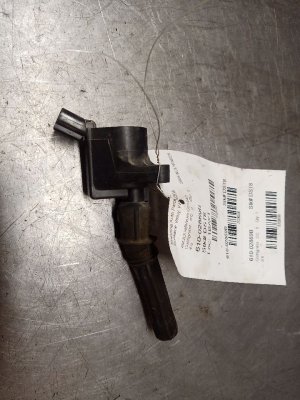
Used OEM Parts in Stock
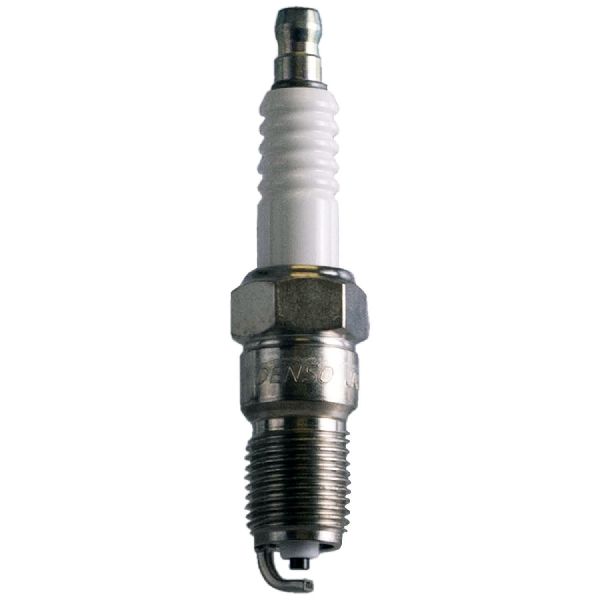
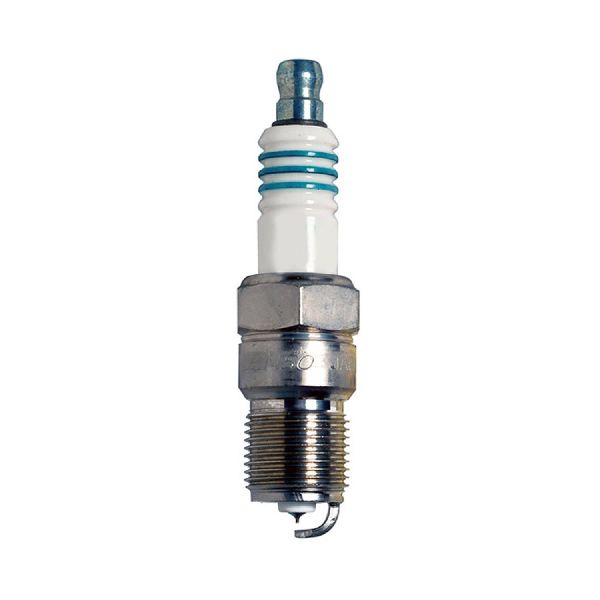
New Aftermarket Parts Available


The information in this article is provided for general reference and educational purposes only. Vehicle specifications, procedures, and part compatibility can vary by production date, trim level, and region. Always consult your vehicle's factory service manual and verify part numbers before purchasing or performing repairs. Safety-critical components such as airbags, seat belts, and braking systems should be installed by a qualified professional.
- Ford Explorer:
- 🧭 Diagnostic Flowchart
- 🎬 Helpful Videos
- 🛍️ Shop This Part
- What's Unique About the 2002-2005 Ford Explorer
- Symptoms You May Notice
- Most Likely Causes
- Rare But Worth Checking
- Diagnosis Steps
- Parts You'll Likely Need
- Related Codes That Often Appear With This One
- Technical Service Bulletins (TSBs) & Recalls
- Platform-Specific Known Issues
- Mechanic-Grade Diagnostic Values
- Scan Tool Commands That Help
- Wiring & Ground Locations
- Real Owner Repair Stories
- "I Checked Everything" — The Actual Cause
- OEM Part Supersession History
- Model Year Variations Within This Range
- Other Known Issues on This Vehicle
- Used vs. New Parts: Buying Guide for This Vehicle
- Real Owner Stories
- 2002 Ford Explorer 4.0L SOHC V6
- Ford Ranger 4.0L SOHC V6
- 1997 Ford Ranger 4.0L
- Related OBD-II Codes
- Frequently Asked Questions
- 🎟️ Get 5% Off