

P0306 on 2011-2018 Ford F-150: Cylinder 6 Misfire Causes and Fixes
P0306 indicates a misfire in cylinder 6. On the 2011-2018 F-150, this is most often caused by a bad ignition coil or a worn/improperly gapped spark plug. A DIY fix for both costs between $40 and $120 and is a common starting point for diagnosis.
- P0306 is a misfire on cylinder 6, the second cylinder from the front on the driver's side.
- The most likely cause is a bad ignition coil or a worn spark plug, which are affordable and straightforward DIY fixes.
- A simple diagnostic step is to swap the coil from cylinder 6 with another cylinder to see if the misfire code follows the coil.
- For EcoBoost engines, pay special attention to spark plug gaps and the potential for intercooler condensation causing misfires in wet weather.
- If basic ignition parts don't solve the issue, check for vacuum leaks or consider more complex fuel system or software issues outlined in TSBs.
What's Unique About the 2011-2018 Ford F-150

For the 2011-2018 F-150, especially those with the 3.5L EcoBoost (GTDI) engine, P0306 can be more than a simple tune-up issue. These direct-injection engines are known for specific issues like intercooler condensation causing misfires in humid weather or under hard acceleration, a problem noted by owners and often addressed with a DIY 'weep hole'. [ODI #10658587, ODI #10587634] Additionally, several Technical Service Bulletins (TSBs) have been issued that link this misfire code to problems ranging from PCM software (TSB 20-2324) to more complex issues like defective direct fuel injectors on 2018 2.7L models (TSB 18-2310/20-2324).
Diagnostic Flowchart
Tap your situation to follow the diagnostic path that matches what you're seeing on this vehicle.
Generation note: This range covers two F-150 generations: the 12th (2009-2014) and the 13th (2015-2018). While the fundamental causes of a P0306 misfire are similar, the 12th-gen 3.5L EcoBoost was particularly noted for the intercooler condensation issue. [ODI #10658587, ODI #10587634] The 13th-gen introduced new engines and updated software, leading to different TSBs, such as TSB 18-2310 for 2018 2.7L EcoBoost models that points to faulty direct fuel injectors. The 2nd generation 3.5L EcoBoost (2017+) featured a new 10-speed transmission and a combination of port and direct fuel injection.
Symptoms You May Notice

- Engine running rough or vibrating, especially at idle.
- Flashing or solid Check Engine Light. A flashing light indicates a severe, active misfire.
- Noticeable loss of power and sluggish acceleration.
- Hesitation or stumbling when pressing the gas pedal, sometimes described as a 'sputtering' feeling.
- Popping or backfiring sounds from the exhaust.
- Reduced fuel economy.
- AC may blow warm during acceleration as the engine struggles.
- Replacing only the spark plug when the ignition coil boot is the actual problem. The rubber boot can degrade, allowing spark to arc to the cylinder head (carbon tracking). TSB 14-0180 specifically addresses replacing the boots and plugs for misfires on 2011-2013 3.5L GTDI engines.
- Assuming a brand new spark plug is good. Owners have reported chasing a misfire for days only to find the new plug they installed was faulty or cracked during installation.
Most Likely Causes

- Faulty Ignition Coil 🔴 High Probability → Shop Ignition Coil Ignition coils on Ford's modular and EcoBoost engines are a very common failure item due to constant exposure to heat and vibration.
How to confirm: Swap the ignition coil from cylinder 6 with another cylinder (e.g., cylinder 5). Clear the codes and drive the truck. If the code changes to P0305, the coil is bad. This is the most common DIY diagnostic step. 🎬 Watch: How to diagnose and swap a faulty ignition coil.
Typical fix: Replace the faulty ignition coil. Many owners recommend using only Motorcraft-branded coils to avoid issues with cheaper aftermarket parts. It's also wise to replace the spark plug at the same time.
Est. part cost: $30-$80 - Worn or Fouled Spark Plug 🔴 High Probability → Shop Spark Plug EcoBoost engines are particularly hard on spark plugs due to high cylinder pressures. An incorrect spark plug gap is a frequent cause of misfires, especially under boost. Another common failure is a cracked porcelain insulator, which allows spark to leak to the cylinder head instead of the electrode tip.
How to confirm: After ruling out the coil, remove and inspect the spark plug from cylinder 6. Look for a cracked insulator (a thin black line on the white porcelain), heavy carbon fouling, oil contamination, or a worn-down electrode. A new plug being bad out of the box is not unheard of.
Typical fix: Replace the spark plug. It's best practice to replace all spark plugs at once. For EcoBoost engines, gapping is critical; a common recommendation for tuned or stock engines is 0.028-0.030 inches. Use a small amount of anti-seize on the threads. 🎬 See this easy walkthrough for replacing EcoBoost spark plugs.
Est. part cost: $5-$20 per plug - Leaking Intake Manifold Gasket 🟡 Medium Probability → Shop Engine Intake Manifold Gaskets degrade and become brittle over time from heat cycles, causing vacuum leaks. A leak near the runner for cylinder 6 will introduce unmetered air, leaning out the air/fuel mixture and causing a misfire.
How to confirm: With the engine running, spray brake cleaner or starting fluid near the intake manifold runner for cylinder 6. If the engine RPM changes, a leak is present. A professional smoke test is the most definitive method, as it can reveal leaks that are otherwise invisible.
Typical fix: Replace the intake manifold gaskets. This is a more involved job but is DIY-feasible.
Est. part cost: $40-$100 for a set - Faulty Fuel Injector ⚪ Low Probability → Shop Fuel Injector
How to confirm: This is more difficult to diagnose. A professional can perform a fuel injector balance test. A DIY method is to listen to the injector with a mechanic's stethoscope to ensure it's clicking consistently like the others. You can also swap injectors between cylinders, but this is labor-intensive.
Typical fix: Replace the faulty fuel injector. TSB 20-2324 (which supersedes 18-2310) specifically calls for replacing all six direct injectors on some 2018 F-150s with the 2.7L EcoBoost engine to resolve misfires.
Est. part cost: $50-$200 for a single injector
Rare But Worth Checking
- Intercooler Condensation (EcoBoost only): → Shop Intercooler On 3.5L EcoBoost engines (especially 2011-2014), driving in humid or rainy conditions can cause condensation to pool in the intercooler. During hard acceleration, this water is ingested by the engine, causing a sudden, violent misfire. An owner reported this exact issue with a P0306 code after driving in heavy rain. [ODI #10658587] A common DIY fix is drilling a 1/16-inch 'weep hole' in the bottom of the intercooler on the driver's side to allow moisture to drain. 🎬 Watch: How to drill the intercooler weep hole fix.
- PCM Software Issue: TSB 20-2324 indicates that a variety of codes on 2018 F-150s with the 2.7L engine, including P0301-P0306, can be caused by a software issue in the Powertrain Control Module. The fix is a software update (reflash) performed by a dealer, which may be done in conjunction with replacing the injectors.
- Internal Engine Problem: If a compression test on cylinder 6 shows low pressure, the cause could be a worn piston ring, a bad valve, or a head gasket leak. TSB 19-2384 links misfire codes with excessive oil consumption on some 5.0L V8 engines, which can point to internal mechanical wear requiring significant engine work.
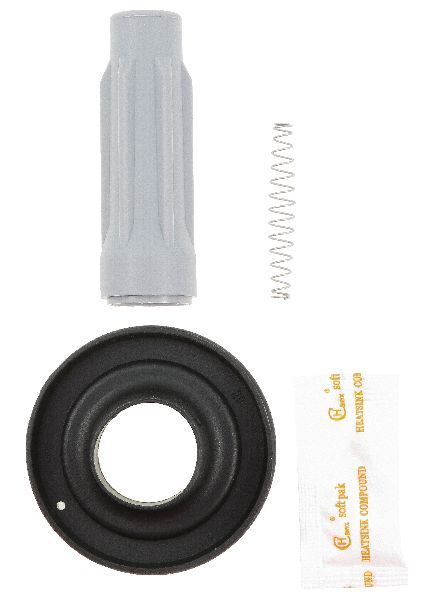
- Stretched Ignition Coil Spring: → Shop Ignition Coil The small spring inside the ignition coil boot connects the coil to the spark plug. Over time, it can compress and fail to make solid contact, causing a weak or intermittent spark. Some DIYers have successfully fixed a misfire by simply stretching this spring slightly to ensure a tight connection.
Diagnosis Steps
- Read the trouble codes with an OBD-II scanner to confirm P0306 and check for any other codes like P0300 or P0316.
- Locate cylinder 6. On V6 engines (2.7L, 3.5L), it is the rear-most cylinder on the driver's side (Bank 2). On V8 engines (5.0L), it is the second cylinder from the front on the driver's side.
- Swap the ignition coil from cylinder 6 with an adjacent cylinder (like cylinder 5). Clear the codes and run the engine. If the code changes to P0305, the ignition coil is faulty.
- If the misfire remains on cylinder 6, inspect the spark plug. Remove the plug and look for cracks in the white porcelain, oil/fuel fouling, or excessive electrode wear. You can also swap the plug with cylinder 5 to see if the code follows.
- While the plug is out, inspect the ignition coil boot for white residue or black 'carbon tracks,' which indicate the spark is arcing. Also, check the spark plug well for any standing oil or water.
- If ignition components are good, inspect the ignition coil's electrical connector and wiring for damage or corrosion.
- Check for a clogged or faulty fuel injector. Listen for a consistent clicking sound from the injector with a mechanic's stethoscope.
- Perform a smoke test to check for vacuum leaks, paying close attention to the intake manifold gasket near cylinder 6.
- Perform a compression test on cylinder 6 to rule out internal mechanical engine problems like bad valves or piston rings.
Parts You'll Likely Need
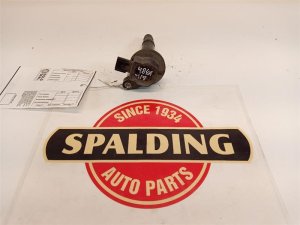
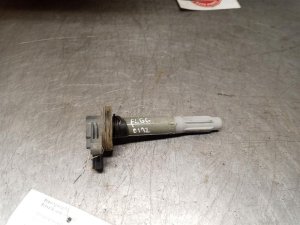
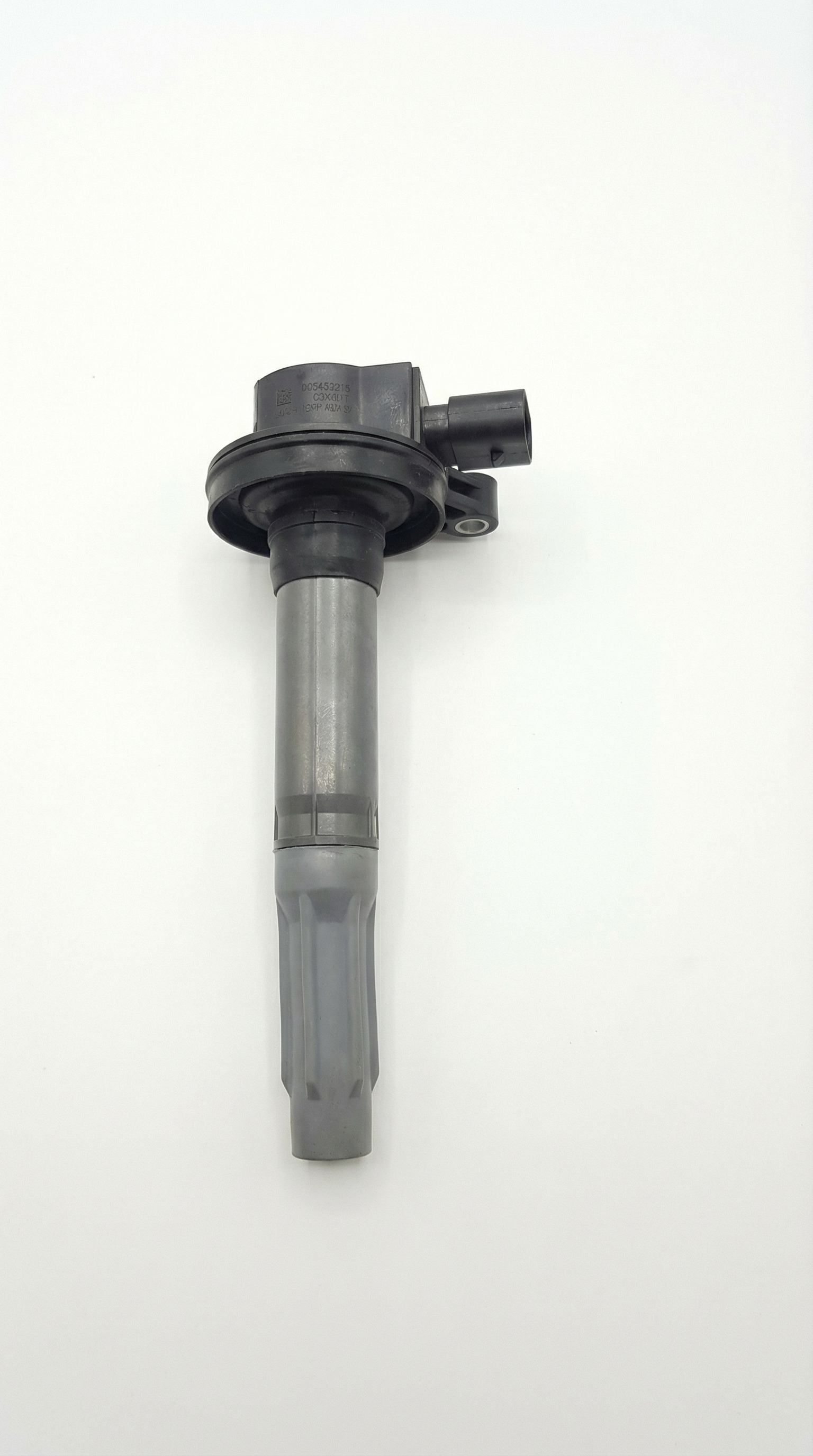
- Ignition Coil (Coil-on-Plug)
(OEM #BL3Z-12029-C (Motorcraft DG528))— This is the most frequent cause of a single-cylinder misfire on this platform. This part number supersedes BL3Z-12029-B and BL3Z-12029-A.
Trusted brands: Motorcraft, NGK, Denso
Related Codes That Often Appear With This One
- P0300 — This indicates a random, multiple-cylinder misfire. If you see P0306 along with P0300, it means the misfire is happening on cylinder 6 and also intermittently on other cylinders, which might point to a systemic issue like a vacuum leak or fuel delivery problem.
- P0316 — This code means a misfire was detected within the first 1,000 engine revolutions after startup. It often appears with specific cylinder misfire codes like P0306 and is mentioned in several TSBs related to both software and mechanical issues.
- P0171 / P0174 — These are 'System Too Lean' codes for Bank 1 and Bank 2. They often appear alongside a misfire code if the cause is a vacuum leak, such as a bad intake manifold gasket, which allows unmetered air into the engine.
Technical Service Bulletins (TSBs) & Recalls
- TSB 20-2324
- TSB 19-2384
- TSB 18-2310
- TSB 14-0180
- TSB-14-0160
Platform-Specific Known Issues
- EcoBoost Intercooler Condensation: → Shop Intercooler On 2011-2014 3.5L EcoBoost models, moisture can accumulate in the intercooler during humid weather. Under acceleration, this water gets sucked into the engine, causing a violent misfire and often setting a P030X code. The most popular owner solution is to drill a 1/16" weep hole in the lowest point of the intercooler (driver's side) to allow drainage.
- Cracked Spark Plug Insulators: → Shop Spark Plug A common failure point, especially on EcoBoost engines, is a hairline crack in the white ceramic insulator of the spark plug. This allows the spark to arc to the cylinder head instead of the electrode, causing a misfire. It can be hard to see and may even occur on new plugs.
- 2018 2.7L EcoBoost Fuel Injectors: → Shop Fuel Injector Ford TSB 20-2324 addresses an issue on some 2018 F-150s with the 2.7L engine where leaking direct fuel injectors cause a host of codes, including P0300-P0306. The official fix involves a PCM reprogram and, in most cases, replacement of all six injectors.
Mechanic-Grade Diagnostic Values
- Ignition Coil Primary Resistance — expected: 0.3 to 1.0 ohms. Failure: A reading outside this range indicates a faulty coil.
- Ignition Coil Secondary Resistance (Coil-on-Plug) — expected: 5,500 ohms (5.5 kOhms). Failure: Significant deviation from this value suggests the coil's secondary winding is failing.
- High-Pressure Fuel System (EcoBoost Engines) — expected: Up to 2,150 PSI at wide-open throttle. Should be around 500 PSI when cranking.. Failure: If the actual pressure lags the desired pressure by more than 200 PSI, it could indicate a failing high-pressure fuel pump or a leak.
- Low-Pressure Fuel System — expected: 40-60 PSI at idle.. Failure: Low readings can indicate a weak in-tank fuel pump, which can cause misfires under load.
Hidden / Shadow Codes Worth Checking
- Mode $06, TID $53: This is not a DTC, but a diagnostic monitor within the PCM that tracks misfire counts for each cylinder. It can show misfires happening even before they are frequent enough to trigger a P0306 code. This is invaluable for diagnosing intermittent issues. (see via A capable scan tool like FORScan or a professional-grade scanner is needed to access Mode $06 data. The data will show misfire counts per cylinder over the last 200 and 1000 revolution periods.)
Scan Tool Commands That Help
- FORScan, Ford IDS: Power Balance Test — This test allows the user to shut off fuel to individual cylinders one at a time while monitoring the RPM drop. If shutting off cylinder 6 causes little or no change in engine RPM, it confirms that cylinder was not contributing power, pinpointing the misfire location.
- FORScan: Live Data PID: NUM_MISFIRE — While driving, you can monitor the 'NUM_MISFIRE' Parameter ID (PID) to see a running total of misfire events. This helps confirm if the misfire is happening under specific conditions (e.g., idle, acceleration, certain RPMs).
Wiring & Ground Locations
- Main Body-to-Frame Ground — On the passenger side, a ground cable runs from the body down to the frame, often near the transmission control module (if externally mounted).. These grounds are notorious for corrosion, especially in salt-belt regions. A poor ground can cause a weak or inconsistent voltage supply to the entire engine management system, leading to erratic behavior including misfires that are difficult to trace. A 2020 F-150 with only 7,000 miles was shown to have a completely rotted ground connection.
- Main Engine Harness Ground Lug — Behind the vertical frame rail in the engine bay, on both the driver's and passenger's side. It is an 8mm bolt.. This is a primary grounding point for many engine components. Ensuring this connection is clean and tight is a critical step when diagnosing any electrical issue, including a persistent misfire that doesn't resolve with new ignition parts.
- Cylinder 6 Coil Connector — Plugged into the ignition coil for cylinder 6.. The pins inside the plastic connector can become spread or corroded, leading to a poor connection to the ignition coil. This can cause a misfire even if the coil itself is good. Wiggling the connector with the engine running may induce or stop the misfire, confirming a connector issue.
Real Owner Repair Stories
- f150forum.com user 'josh...' (2019 F-150 5.0L with 160,000 miles) — Extremely rough idle, misfires up to 2500 RPM. Codes P0306, P0300, P0316, and occasionally P0302.
❌ Tried (didn't work) Replaced all Motorcraft spark plugs., Replaced cylinder 6 ignition coil (and swapped it to other cylinders)., Swapped port fuel injectors on Bank 2., Replaced VCT intake solenoid on Bank 2.
✅ What actually fixed it The user diagnosed with FORScan that the misfire only occurred during port fuel injection, not direct injection. A forum expert suggested checking fuel pressure at crank and startup, suspecting a low-pressure fuel delivery issue was causing a lean condition and misfire before the system switched to primarily direct injection.
"I Checked Everything" — The Actual Cause
- In some cases, a smoke test on the intake may come back clean, but a misfire persists. The issue can be a faulty PCM driver for the ignition coil or fuel injector. This is a rare but frustrating cause where the PCM itself is the point of failure and must be repaired or replaced.
OEM Part Supersession History
BL3Z-12029-A, BL3Z-12029-B→BL3Z-12029-C (Motorcraft DG528)— Revisions to improve durability and prevent premature failure.
Heads up: While physically interchangeable, using older revisions may lead to a shorter service life. It is always recommended to use the latest part number available.
Model Year Variations Within This Range
- 2011-2016: The 1st generation 3.5L EcoBoost used a traditional direct-injection-only system and was more prone to the intercooler condensation issue causing misfires in humid weather. [ODI #10658587]
- 2017-2018: The 2nd generation 3.5L EcoBoost introduced a dual-fuel system with both port and direct injection. This change can alter diagnostics, as a misfire might only occur in one fuel mode (e.g., port injection at idle). These models also use a different high-pressure fuel pump.
- 2018 (2.7L EcoBoost): TSB 20-2324 specifically targets 2018 models with the 2.7L engine, indicating a potential software issue in the PCM and/or faulty direct fuel injectors as the cause for P0301-P0306 codes.
Helpful Videos


Used OEM Parts in Stock
New Aftermarket Parts Available


The information in this article is provided for general reference and educational purposes only. Vehicle specifications, procedures, and part compatibility can vary by production date, trim level, and region. Always consult your vehicle's factory service manual and verify part numbers before purchasing or performing repairs. Safety-critical components such as airbags, seat belts, and braking systems should be installed by a qualified professional.
- Ford F-150:
- 🧭 Diagnostic Flowchart
- 🎬 Helpful Videos
- 🛍️ Shop This Part
- What's Unique About the 2011-2018 Ford F-150
- Symptoms You May Notice
- Most Likely Causes
- Rare But Worth Checking
- Diagnosis Steps
- Parts You'll Likely Need
- Related Codes That Often Appear With This One
- Technical Service Bulletins (TSBs) & Recalls
- Platform-Specific Known Issues
- Mechanic-Grade Diagnostic Values
- Hidden / Shadow Codes Worth Checking
- Scan Tool Commands That Help
- Wiring & Ground Locations
- Real Owner Repair Stories
- "I Checked Everything" — The Actual Cause
- OEM Part Supersession History
- Model Year Variations Within This Range
- 🎟️ Get 5% Off