

P0306 on 2017-2020 Genesis G80 3.8L: Cylinder 6 Misfire Causes and Fixes
P0306 on a Genesis G80 3.8L indicates a misfire in cylinder 6. The most common causes are a failed ignition coil or a worn spark plug. Cylinder 6 is on the driver's side, closest to the firewall. Swapping the coil from cylinder 6 with another is the fastest way to diagnose the problem, but be aware that accessing the rear-bank coils requires removing the upper intake manifold. Expect to pay $50-$100 for a new coil.
- P0306 specifically points to a misfire in cylinder 6.
- The most likely cause is a bad ignition coil, which is easy to diagnose by swapping it with another cylinder's coil.
- If the coil and spark plug are good, the problem could be a clogged GDI fuel injector or carbon buildup on the intake valves.
- Do not ignore a flashing Check Engine Light, as it signals a severe misfire that can quickly destroy your catalytic converter.
- Cylinder 6 is located at the front of the engine on the driver's side.
What's Unique About the 2017-2020 Genesis G80
The Genesis G80's Lambda II 3.8L is a Gasoline Direct Injection (GDI) engine. While reliable, GDI engines are known for two issues that can lead to misfires like P0306: ignition coil failure and carbon buildup on intake valves. While coils are the most frequent culprit, severe carbon deposits can restrict airflow to a cylinder, causing a persistent misfire that won't be fixed by replacing ignition or fuel parts. Owners should be aware of this possibility if basic troubleshooting doesn't resolve the code, as this cleaning service (walnut blasting) can be a necessary maintenance item around 100,000 miles.
Symptoms You May Notice
- Flashing or solid Check Engine Light
- Rough or vibrating idle.
- Engine hesitation or stumbling during acceleration.
- Noticeable loss of power.
- Reduced fuel economy
- A fuel smell from the exhaust or backfiring sounds.
- Replacing the fuel pump for a single-cylinder misfire. A fuel pump issue would typically affect all cylinders, often setting a P0300 (random misfire) code.
Most Likely Causes
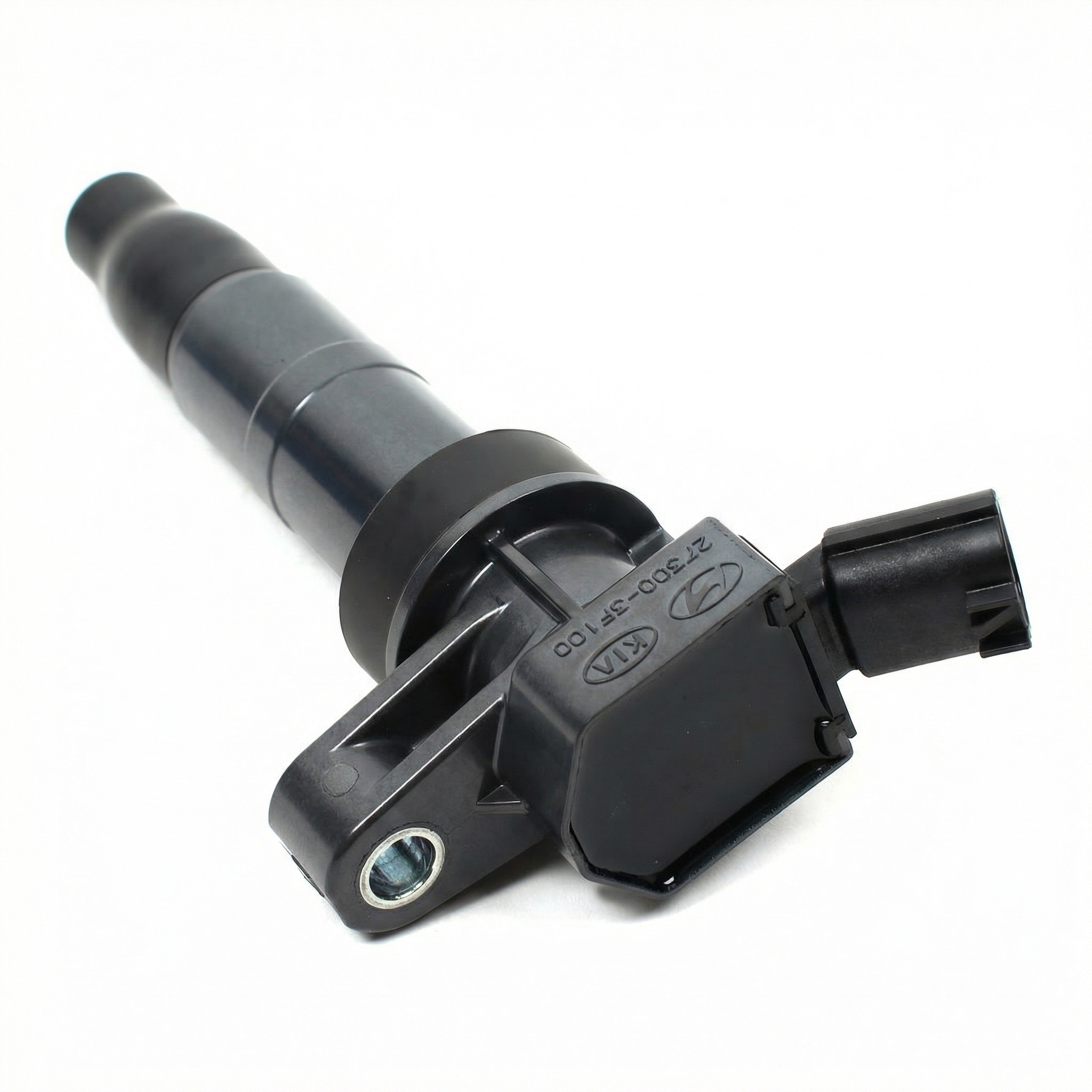
- Faulty Ignition Coil 🔴 High Probability → Shop Ignition Coil Ignition coils are a common failure item on many modern engines, including the Lambda V6, due to constant exposure to high heat and voltage. The rear bank coils, like cylinder 6, are especially prone to heat soak.
How to confirm: Swap the ignition coil from cylinder 6 with a more accessible cylinder on the front bank (e.g., cylinder 2). This requires removing the upper intake manifold. Clear the codes and drive the vehicle. If the code changes to P0302, the ignition coil is faulty.
Typical fix: Replace the faulty ignition coil. It is often recommended to replace all three rear-bank coils and the spark plugs at the same time since the intake manifold must be removed for access.
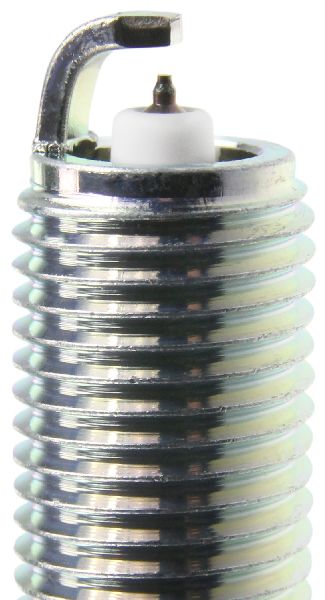
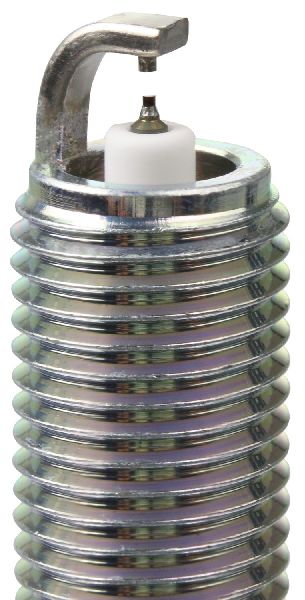
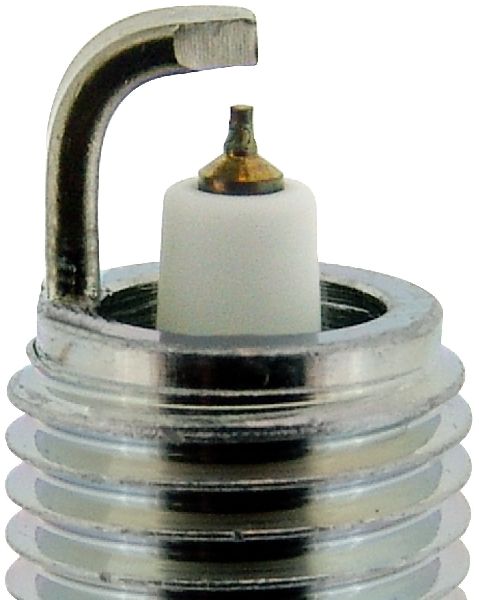
Est. part cost: $50-$100 - Worn or Fouled Spark Plug 🟡 Medium Probability → Shop Spark Plug Spark plugs are a regular maintenance item. The original Iridium-tipped plugs have a long service interval, but can fail prematurely or become fouled, especially if other issues are present.
How to confirm: After ruling out the ignition coil, remove the spark plug from cylinder 6. Inspect it for wear (rounded electrode), oil fouling, or heavy carbon deposits. Compare it to a plug from a working cylinder.
Typical fix: Replace the spark plug in cylinder 6. It is best practice to replace all six spark plugs at the same time if they are near the end of their service life, especially the three on the rear bank due to the labor involved.
Est. part cost: $15-$35 per plug - Clogged Fuel Injector ⚪ Low Probability → Shop Fuel Injector As a GDI engine, the fuel injectors are in the combustion chamber and can become clogged with carbon deposits over time, affecting the fuel spray pattern. Some owners of platform-mates have reported injector seal failures.
How to confirm: This is more difficult to diagnose. A professional can perform a fuel injector balance test. A DIY method is to listen to the injector with a mechanic's stethoscope; it should have a consistent clicking sound.
Typical fix: First, try a quality GDI-specific fuel system cleaner. If that fails, the fuel injector will need to be professionally cleaned or, more commonly, replaced.
Est. part cost: $70-$150 per injector - Intake Valve Carbon Buildup ⚪ Low Probability GDI engines spray fuel directly into the cylinder, so fuel detergents don't wash over the intake valves. Oil vapor from the PCV system can bake onto the valves, restricting airflow and causing misfires that often appear on cold starts.
How to confirm: Requires a borescope inspection of the intake ports and valves with the intake manifold removed. This is typically a job for a professional shop.
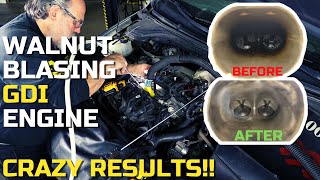
Typical fix: The intake valves need to be cleaned, usually via walnut shell blasting. 🎬 See how walnut blasting removes heavy carbon buildup on GDI engines. This is a labor-intensive service.
Est. part cost: $0 (service cost is labor, typically $500-$1000+)
Rare But Worth Checking
- Vacuum Leak: A leak in the upper or lower intake manifold gaskets near cylinder 6 could lean out the air/fuel mixture and cause a misfire. This can be tested with a smoke machine.
- Low Engine Compression: Internal engine issues like a burnt valve, worn piston rings, or a leaking head gasket can cause a loss of compression, leading to a misfire. A compression test on all cylinders will diagnose this.
- Damaged Wiring Harness: Rodents can chew on the wiring for the ignition coil or fuel injector, causing an open or short in the circuit. Visually inspect the harness around cylinder 6, especially near the firewall.
Diagnosis Steps
- Confirm the P0306 code is present using an OBD-II scanner.
- Note if the Check Engine Light is solid or flashing. A flashing light indicates a severe misfire that could damage the catalytic converter.
- Identify the cylinder banks and numbering. On the longitudinally-mounted 3.8L V6 in the G80: Bank 1 is the passenger side, containing cylinders 1, 3, 5 (front to back). Bank 2 is the driver's side, containing cylinders 2, 4, 6 (front to back).
- Cylinder 6 is the rearmost cylinder on the driver's side, near the firewall.
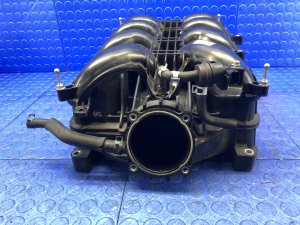
- Due to the difficulty of access, professional diagnosis is recommended. If attempting DIY, you must remove the upper intake manifold to access the Bank 2 (2-4-6) ignition coils and spark plugs.
- Once the manifold is removed, swap the ignition coil from cylinder 6 with the coil from cylinder 2 (the front-most cylinder on the driver's side).
- Temporarily reinstall the manifold, clear the codes, and run the engine until the Check Engine Light returns.
- If the code is now P0302, the ignition coil from the original cylinder 6 is bad and needs to be replaced.
- If the code remains P0306, the coil is likely good. Proceed to swap the spark plug from cylinder 6 with the plug from cylinder 2.
- Clear codes and re-test. If the code is now P0302, the spark plug is bad. It is highly recommended to replace all three rear plugs and coils at this time.
- If the code remains P0306, the issue is likely with the fuel injector, wiring, or a mechanical problem (carbon buildup, low compression). At this point, professional diagnosis is strongly recommended.
Parts You'll Likely Need
- Ignition Coil
(OEM #27301-3L000)— This is the most common failure part for a single-cylinder misfire on this engine. Note that the rear bank coil may have a different part number than the front bank.
Trusted brands: Hyundai / Genesis (OEM), Delphi, NGK
OEM price range: $80-$120
Aftermarket price range: $50-$90 - Spark Plug
(OEM #18849-11070)— A worn or fouled spark plug is the second most likely cause. They are a standard maintenance item.
Trusted brands: NGK (OEM Supplier), Denso
OEM price range: $25-$35
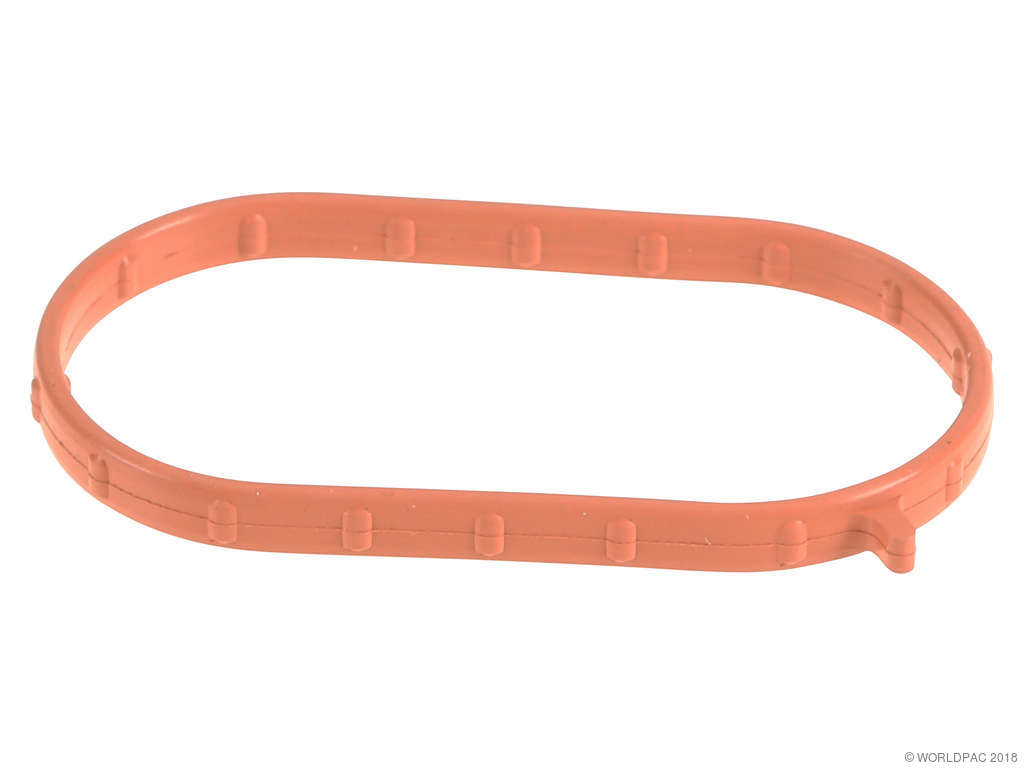
Aftermarket price range: $15-$25 - Upper Intake Manifold Gasket Set — Required for replacing any ignition or fuel component on the rear bank of cylinders (2, 4, 6). It is not reusable.
Trusted brands: Hyundai / Genesis (OEM), Fel-Pro
OEM price range: $40-$60
Aftermarket price range: $25-$40
Related Codes That Often Appear With This One
- P0300 — If the misfire is intermittent or beginning to affect other cylinders, a P0300 (Random Misfire Detected) code may appear alongside P0306.
- P0206 — This code indicates a fault in the fuel injector circuit for cylinder 6. If you have both P0306 and P0206, the problem is almost certainly the injector or its wiring.
- P0302, P0304 — Misfire codes for other cylinders on the same bank (Bank 2, driver's side) could indicate a shared problem, like a clogged catalytic converter for that bank or a vacuum leak affecting the entire bank.
Technical Service Bulletins (TSBs) & Recalls
- TSB ENG228 was issued for some related Kia models with the same engine family for cold-start misfires (P0300-P0306), addressed with an ECU software update. While not specific to the G80, it shows a history of software-related misfire detection on this engine family.
- While no specific TSB for P0306 on the G80 3.8L was found, related models like the G80 2.5T have TSBs (e.g., 25-01-051G) for software updates to correct misfire detection sensitivity, indicating that a software issue, while less likely, is a possibility.
Platform-Specific Known Issues
- A recall was issued for the Anti-Lock Brake (ABS) module on 2017-2018 G80 models, which could short circuit and cause an engine compartment fire. While unrelated to the misfire code, it's a critical safety issue to be aware of.
Mechanic-Grade Diagnostic Values
- Engine Compression Ratio — expected: 11.5:1. Failure: A cylinder reading significantly lower than others indicates a mechanical issue (e.g., worn rings, bad valve).
- Ignition Coil Primary Resistance — expected: ~0.660 ohms (based on related 3.5T engine). Failure: A reading that is significantly higher (open circuit) or lower (shorted) suggests a faulty coil.
- GDI Fuel Injector Resistance — expected: ~1.9 - 2.2 ohms (based on related 3.5T engine). Failure: A reading outside this range, or a notable difference between the cylinder 6 injector and others, points to a failing injector.
- Short-Term/Long-Term Fuel Trims at Idle — expected: Within +/- 10%. Failure: High positive trims (e.g., > +15%) can indicate a vacuum leak affecting the bank, while high negative trims can suggest a leaking injector.
Hidden / Shadow Codes Worth Checking
- Misfire Counter (Live Data): This is not a stored code but a real-time data parameter (PID) showing the number of misfire events per cylinder. It is crucial for confirming the misfire is isolated to cylinder 6 and for verifying the repair. (see via A professional-grade scan tool or the dealer-level Genesis GDS (Global Diagnostic System) is required to view live misfire counts.)
Scan Tool Commands That Help
- Genesis GDS (Global Diagnostic System): Live Data / Current Data — Use this function to monitor the real-time misfire counter for each cylinder. This helps confirm that cylinder 6 is the only one misfiring and can be used during a test drive to see if the misfire occurs under specific conditions (e.g., load, RPM).
- Genesis GDS (Global Diagnostic System): DTC Guide / Fault Code Diagnosis Guide — After retrieving code P0306, this function provides a guided, step-by-step diagnostic tree specific to the vehicle. It integrates component locations and wiring diagrams to streamline the troubleshooting process from coils to compression.
Wiring & Ground Locations
- Engine Ground Cable (Driver's Side) — On the left (driver's) side of the 3.8L engine. The OEM part number is 91880B1010.. Cylinder 6 is on the driver's side bank. A poor ground connection for this bank can cause erratic behavior or weakness in the ignition or fuel injector circuits, leading to a misfire.
- Injector Driver Box (IDB) — This is a separate module from the main Engine Control Module (ECM).. On the Lambda II 3.8L GDI, the fuel injectors are not directly controlled by the ECM. They receive their signals from a dedicated IDB. A fault related to the cylinder 6 injector could potentially stem from the IDB or the wiring between the IDB and the injector, not just the injector itself.
- Ignition Coil Fuses — In the engine compartment fuse & relay box.. A fuse chart for the G80 lists a shared fuse for Ignition Coils #1/#2/#3/#4/#5/#6. While a blown fuse would likely cause multiple misfires (P0300), a poor connection at the fuse terminal could theoretically cause an intermittent issue for one cylinder's power supply.
Model Year Variations Within This Range
- 2017-2020: The Lambda II 3.8L GDI V6 engine was a carryover from the previous Hyundai Genesis model and remained mechanically consistent throughout the 2017-2020 G80 (DH) generation. No significant mid-cycle changes to the engine or ignition system were made that would alter the diagnosis of a P0306 code.
Diagnostic Flowchart
Real Owner Stories
Aggregated from forums and TSBs cited above. Mileages and costs reflect what owners reported in those sources.
2010 Hyundai Genesis Coupe 3.8L
Symptoms: Persistent cylinder 6 misfire (P0306) that did not resolve after basic ignition maintenance.
What fixed it: Replaced spark plugs, ignition coils, and camshaft sensors (though the issue persisted, pointing to a deeper fuel injector or compression problem).
Source hint: r/genesiscoupe thread: https://www.reddit.com/r/genesiscoupe/comments/1e58h6f/cylinder_6_misfire/
Kia models with Lambda II engine
Symptoms: Cold-start misfires triggering codes P0300 through P0306.
What fixed it: ECU software update to address misfire detection logic.
Source hint: TSB ENG228
Genesis G80 2.5T
Symptoms: False or overly sensitive misfire detection triggering codes.
What fixed it: Software update to correct misfire detection sensitivity.
Source hint: TSB 25-01-051G
Related OBD-II Codes
Frequently Asked Questions
Is there a specific TSB for the P0306 code on my 2017-2020 Genesis G80 3.8L?
Where exactly is cylinder 6 located on the G80 3.8L V6?
Can I easily swap the cylinder 6 ignition coil myself to test it?
If I have to replace the ignition coil on cylinder 6, should I replace anything else?
Why is my G80's 3.8L engine prone to intake valve carbon buildup causing misfires?
Does the ABS module recall on the 2017-2018 G80 have anything to do with my P0306 code?
Helpful Videos
Used OEM Parts in Stock
New Aftermarket Parts Available


The information in this article is provided for general reference and educational purposes only. Vehicle specifications, procedures, and part compatibility can vary by production date, trim level, and region. Always consult your vehicle's factory service manual and verify part numbers before purchasing or performing repairs. Safety-critical components such as airbags, seat belts, and braking systems should be installed by a qualified professional.
- Genesis G80:
- 🧭 Diagnostic Flowchart
- 🎬 Helpful Videos
- 🛍️ Shop This Part
- What's Unique About the 2017-2020 Genesis G80
- Symptoms You May Notice
- Most Likely Causes
- Rare But Worth Checking
- Diagnosis Steps
- Parts You'll Likely Need
- Related Codes That Often Appear With This One
- Technical Service Bulletins (TSBs) & Recalls
- Platform-Specific Known Issues
- Mechanic-Grade Diagnostic Values
- Hidden / Shadow Codes Worth Checking
- Scan Tool Commands That Help
- Wiring & Ground Locations
- Model Year Variations Within This Range
- Real Owner Stories
- 2010 Hyundai Genesis Coupe 3.8L
- Kia models with Lambda II engine
- Genesis G80 2.5T
- Related OBD-II Codes
- Frequently Asked Questions
- 🎟️ Get 5% Off