

P0306 on 2010-2012 GMC Canyon 5.3L V8: Cylinder 6 Misfire Causes and Fixes
P0306 on a 2010-2012 GMC Canyon with the 5.3L V8 indicates a misfire in cylinder 6. The most common causes are a bad spark plug, a faulty ignition coil, or a loose/failed spark plug wire. Start by inspecting these simple ignition components, as they are the most frequent culprits.
- P0306 on a 2010-2012 Canyon means you have the 5.3L V8 and cylinder #6 is misfiring.
- The most likely culprits are simple ignition parts: the ignition coil, spark plug, or spark plug wire for cylinder 6.
- A simple diagnostic trick is to swap the cylinder 6 ignition coil with another cylinder's coil to see if the misfire code follows it.
- Driving with a flashing check engine light can cause expensive damage to your catalytic converter, so address the issue promptly.
- Always check that the spark plug wire is securely connected on both ends, as this is a known issue noted in a GM service bulletin. [Bulletin #PIP4819A]
What's Unique About the 2010-2012 Gmc CANYON
This code is only possible on the specific 2009-2012 Canyon models equipped with the optional 5.3L V8 engine, as the standard 4-cylinder and 5-cylinder engines do not have a sixth cylinder. The V8 used in these trucks is the LH9, a Gen 4 aluminum block engine. Crucially, the LH9 engine in the Canyon/Colorado did *not* come with Active Fuel Management (AFM), the system responsible for many lifter-related misfires in other GM trucks of the era like the Silverado and Tahoe. This significantly reduces the likelihood of AFM-related mechanical failures causing this code. However, a GM Technical Service Bulletin (TSB #PIP4819A) specifically calls out loose spark plug wires as a potential cause for misfires on these models, making it a known issue to check first.
Diagnostic Flowchart
Tap your situation to follow the diagnostic path that matches what you're seeing on this vehicle.
Symptoms You May Notice
- Rough or vibrating idle
- Hesitation or stumbling during acceleration
- Noticeable loss of engine power
- Flashing Check Engine Light (indicates a severe misfire that can damage the catalytic converter)
- Engine sounds like it's popping or sputtering
- Reduced fuel efficiency
- Replacing the fuel pump when only a single cylinder is misfiring. A fuel pressure issue would typically affect multiple or all cylinders, often setting a P0300 code. 🎬 Watch this guide on diagnosing random misfire codes in GM trucks.
- Replacing oxygen sensors. While a misfire can affect O2 sensor readings (often causing lean codes like P0171 or P0174), the sensors themselves are rarely the cause of a single-cylinder misfire code.
- Blaming the Active Fuel Management (AFM) system. The 5.3L V8 (RPO code LH9) in the 2010-2012 Canyon does not have AFM, so lifter failures related to that system are not a cause for this specific vehicle.
Most Likely Causes
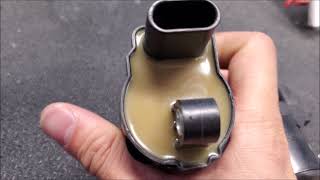
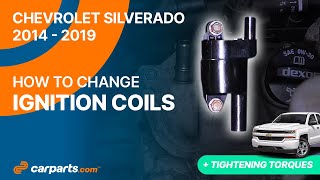
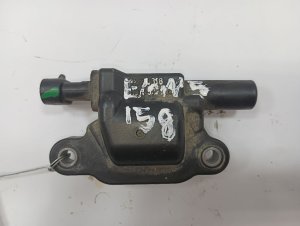
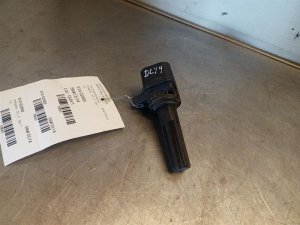
- Failed Ignition Coil 🔴 High Probability → Shop Ignition Coil Ignition coils on the GM 5.3L V8 are a common failure item due to constant exposure to high engine temperatures and vibration. The coil for cylinder 6 is located on the passenger-side valve cover.
How to confirm: Swap the ignition coil from cylinder 6 with another cylinder on the same bank, such as cylinder 4 or 8. Clear the codes and run the engine. If the code changes to P0304 or P0308, the coil is confirmed to be bad.
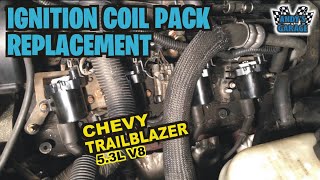
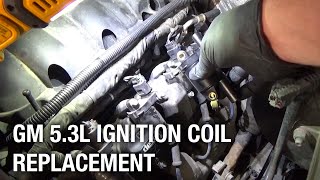
Typical fix: Replace the faulty ignition coil. It is held on by a single bolt (typically 10mm) and is located on the valve cover. Apply dielectric grease to the boot before installing.
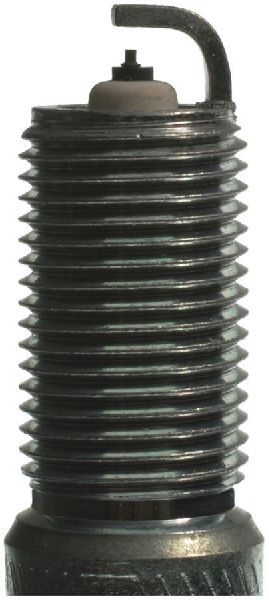
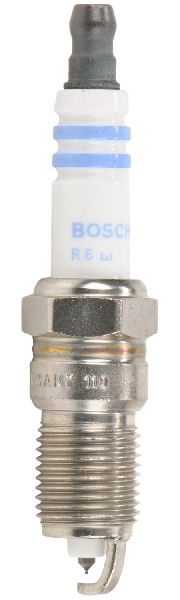
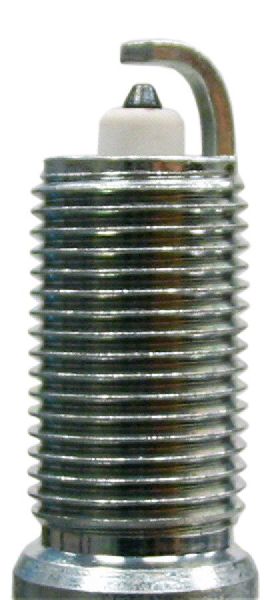
Est. part cost: $30-$70 - Worn or Fouled Spark Plug 🔴 High Probability → Shop Spark Plug Spark plugs are a standard maintenance item with a finite life. Oil consumption or running rich can foul the plugs, preventing a strong spark. Even though this engine lacks AFM, oil fouling can still occur over time.
How to confirm: Remove the spark plug from cylinder 6. Inspect it for a worn electrode, heavy black carbon deposits, wetness from oil or fuel, or cracks in the white porcelain insulator.
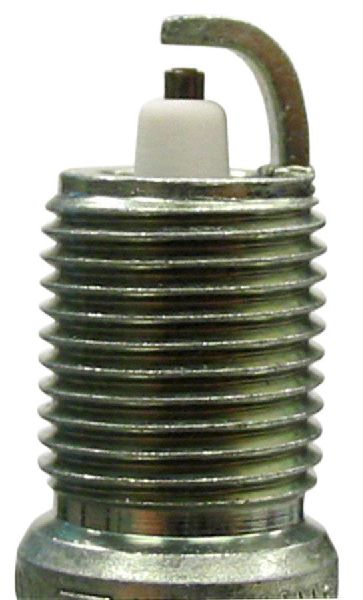
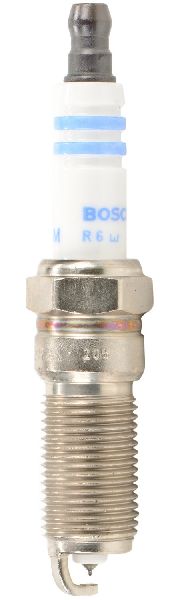
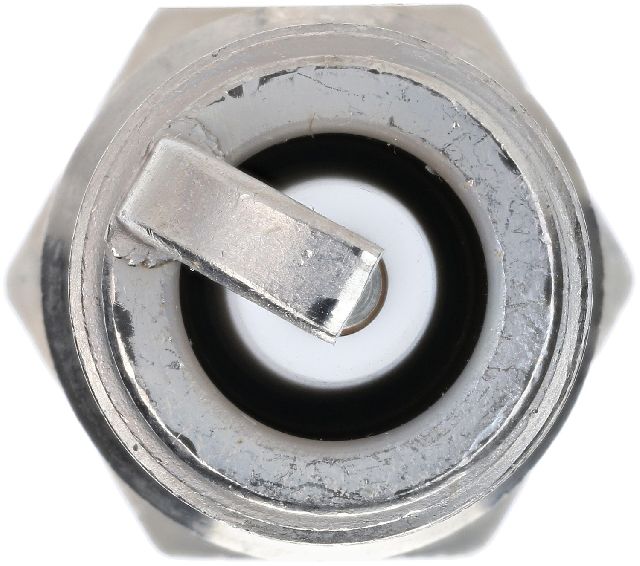
Typical fix: Replace the spark plug. The OEM recommended plug is an ACDelco Iridium 41-110. It's best practice to replace all 8 spark plugs at once for even performance. These plugs come pre-gapped and should not be adjusted.
Est. part cost: $12-$25 per plug - Bad or Loose Spark Plug Wire 🟡 Medium Probability → Shop Spark Plug A manufacturer TSB (PIP4819A) specifically mentions that loose spark plug wires can cause misfire codes on these engines. The wires can also degrade from heat over time or get damaged during other maintenance.
How to confirm: With the engine off, check that the spark plug wire is securely clicked onto both the ignition coil and the spark plug. Wiggle it to check for looseness. Inspect the wire for any visible damage, burns, or corrosion on the contacts. A special spark plug wire plier can make removal easier without damaging the boot.
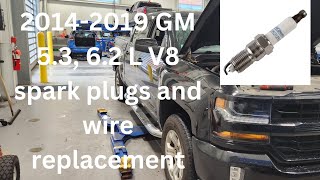
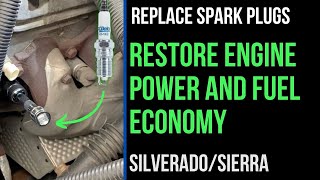
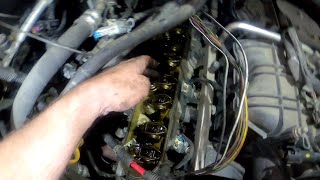
Typical fix: Replace the spark plug wire. It's often recommended to replace them as a complete set (e.g., ACDelco 9748RR). 🎬 Watch how to replace spark plugs and wires on this engine.
Est. part cost: $40-$80 for a set - Clogged or Failed Fuel Injector ⚪ Low Probability → Shop Fuel Injector
How to confirm: Use a mechanic's stethoscope or a long screwdriver to listen to the injector; you should hear a consistent clicking sound. A more definitive test is to swap the cylinder 6 injector with another cylinder's injector to see if the misfire follows. This is more labor-intensive than an ignition coil swap.
Typical fix: Replace the faulty fuel injector. The part number for 2010-2012 models is typically GM #12613411.
Est. part cost: $50-$120
Rare But Worth Checking
- Intake Manifold Gasket Leak: → Shop Engine Intake Manifold A vacuum leak from a failed intake manifold gasket near the cylinder 6 intake runner can lean out the air/fuel mixture, causing a misfire. This can be diagnosed by spraying brake cleaner or starter fluid around the intake manifold gasket with the engine running and listening for a change in engine RPM, or more definitively with a smoke test.
- Low Engine Compression: A mechanical issue like a worn piston ring, a leaking valve, or a broken valve spring can cause a loss of compression, leading to a persistent misfire. While less common than on AFM engines, a failed lifter can still occur and cause this issue. A compression test followed by a cylinder leak-down test is needed to diagnose this.
- Broken Valve Spring: The LS engine family can sometimes experience valve spring failure. This would result in a dead cylinder with very low or zero compression. An inspection under the valve cover would be required to confirm. This is a rare but possible cause.
Diagnosis Steps
- Use an OBD-II scanner to confirm P0306 is the primary code. Note any other codes like P0300, P0171, or P0174.
- Locate cylinder 6: it is the third cylinder back from the front on the passenger side.
- Visually inspect the spark plug wire for cylinder 6. Ensure it is firmly connected at both the ignition coil and the spark plug. Check for any signs of damage. Per TSB #PIP4819A, a loose wire is a known issue.
- Swap the ignition coil from cylinder 6 with the coil from cylinder 4 (the cylinder directly in front of it). Clear the codes, start the engine, and let it run. If the code changes to P0304, the ignition coil is faulty and needs replacement.
- If the code remains P0306, remove and inspect the spark plug from cylinder 6. Look for wear, fouling, or damage. If it looks bad, replace it with an ACDelco 41-110 Iridium plug. It's best to replace all 8 plugs at the same time for preventative maintenance.
- If the coil and plug are good, the next step is to check the fuel injector. Listen for a steady clicking sound from the injector with the engine running. A noid light can be used to verify the injector is receiving an electrical signal.
- If ignition and fuel components for cylinder 6 check out, perform a compression test on cylinder 6 to rule out mechanical engine problems like a bad valve, piston ring, or broken valve spring.
Parts You'll Likely Need
- Ignition Coil
(OEM #12570616)— This is one of the most frequent failure points for a single-cylinder misfire on the 5.3L V8 due to heat and vibration.
Trusted brands: ACDelco (D510C), Delphi, NGK
OEM price range: $50-$80
Aftermarket price range: $30-$60 - Spark Plug
(OEM #41-110)— Spark plugs are a routine maintenance part and can become fouled or worn, leading to a weak spark and misfires. The ACDelco 41-110 is the specified Iridium plug.
Trusted brands: ACDelco, NGK
OEM price range: $12-$25
Aftermarket price range: $8-$15 - Spark Plug Wire Set
(OEM #9748RR (ACDelco example))— A GM TSB points to loose wires as a known issue, and wires can also degrade over time, causing a weak or misdirected spark.
Trusted brands: ACDelco, Delphi
OEM price range: $60-$90
Aftermarket price range: $40-$80
Related Codes That Often Appear With This One
- P0300 — If the misfire is intermittent or affects other cylinders randomly, a P0300 (Random/Multiple Cylinder Misfire) may be stored alongside P0306.
- P0171 or P0174 — If the misfire is caused by a vacuum leak (like an intake manifold gasket), the engine may run lean, triggering a 'System Too Lean' code for Bank 1 (P0171) or Bank 2 (P0174).
Technical Service Bulletins (TSBs) & Recalls
- PIP4819A: Mentions engine misfires (P0300-P0308) can be caused by loose spark plug wires, requiring inspection and replacement.
- 10-06-01-007G: While related to oil consumption on AFM engines, it highlights the general sensitivity of these engine families
Platform-Specific Known Issues
- Technical Service Bulletin #PIP4819A notes that loose spark plug wires can be a direct cause of misfire codes (including P0306) on 2010 models. The fix is to inspect and replace any loose wires.
- The 5.3L V8 in the Canyon/Colorado (LH9) does NOT have Active Fuel Management (AFM), unlike its counterparts in full-size trucks. This makes AFM-related lifter failure an unlikely cause for misfires on this specific vehicle.
Mechanic-Grade Diagnostic Values
- Fuel Pressure (Key ON, Engine OFF) — expected: 345-414 kPa (50-60 psi). Failure: Pressure below 50 psi, or pressure that drops more than 5 psi in one minute, can indicate a weak pump or leak.
- Ignition Coil Primary Resistance — expected: 0.4 - 2.0 ohms. Failure: A reading significantly outside this range indicates a faulty coil winding.
- Ignition Coil Secondary Resistance — expected: 6,000 - 10,000 ohms (6k - 10k Ω). Failure: A reading outside this range points to a failure in the secondary windings.
- Fuel Injector Resistance (at 50-90°F) — expected: 11 - 14 ohms. Failure: A reading outside this range, or an open circuit (OL), indicates a failed injector coil.
- Total Fuel Trim (STFT + LTFT) at idle — expected: -10% to +10%. Failure: Consistently positive values above 10% suggest a vacuum leak; consistently negative values below -10% suggest a leaking injector.
Hidden / Shadow Codes Worth Checking
- Mode $06, TID $A2-$AB: This is not a DTC, but a diagnostic monitor in the PCM. It allows viewing of raw misfire counts for each cylinder (Cyl 1 = $A2, Cyl 2 = $A3, etc.). This is extremely useful for seeing if other cylinders are misfiring occasionally, even if not enough to set a P030x code, which can help diagnose a random misfire (P0300) condition. (see via A professional scan tool or an advanced OBD-II reader with Mode $06 capabilities.)
Scan Tool Commands That Help
- Tech 2 / GDS2: Cylinder Power Balance Test — Use this test to confirm which cylinder is misfiring. The tool deactivates one cylinder at a time and measures the drop in RPM. If deactivating cylinder 6 causes little or no change in RPM compared to others, it confirms cylinder 6 is not contributing power.
- Tech 2 / GDS2: Fuel Injector Balance Test — This test pulses each injector for a precise duration while monitoring fuel pressure drop. It can identify a clogged or weak injector if the pressure drop for cylinder 6 is significantly different from the others.
- Tech 2 / GDS2: Crankshaft Position System Variation Learn — This procedure, also known as a 'crank relearn,' should be performed after replacing a crankshaft position sensor, flexplate, or the PCM. Failure to do so can cause the PCM to inaccurately detect misfires and set false codes.
Wiring & Ground Locations
- G102 — Typically located on the engine block, often near the front of the left-hand (driver's side) cylinder head.. This is a common ground point for the bank of ignition coils. A loose or corroded connection here can cause a weak or intermittent spark on multiple cylinders, including cylinder 6.
- Cylinder 6 Ignition Coil Connector — On top of the ignition coil for cylinder 6 (passenger side, third from front).. The 4-pin connector supplies power (Pink wire), ground (Black/White wire), and the trigger signal from the PCM. Check for a solid connection and test for voltage and signal at this connector to rule out wiring issues between the PCM and the coil. A wiring diagram is essential for pin-point tests.
Real Owner Repair Stories
- YouTube channel 'Craig's Car Care' (Chevy 5.3L V8 (similar engine architecture)) — P0306 misfire code.
❌ Tried (didn't work) Coil, spark plug, and coil wire were tested and found to be good., Fuel injector passed testing., No vacuum leaks were detected.
✅ What actually fixed it A failed plastic lifter retainer allowed a non-AFM lifter to rotate in its bore, which damaged both the lifter and the camshaft lobe for cylinder 6. This was found after a compression test showed low results and the cylinder head was removed for inspection. - Reddit user 'Bluebird-Rough' on r/Silverado (2015 Silverado 5.3L) — Rough running, codes P0206 (Injector Circuit/Open) and P0306.
❌ Tried (didn't work) Swapping ignition coil with another cylinder., Replacing the spark plug for cylinder 6.
✅ What actually fixed it A shop performed a resistance (ohm) test on the fuel injector for cylinder 6 and found it was bad. Replacing the fuel injector resolved the P0206 and P0306 codes.
"I Checked Everything" — The Actual Cause
- In a documented case on a 5.3L V8, a P0306 was present even after ignition components, the fuel injector, and vacuum systems were checked and found to be okay ('no vacuum leaks were detected'). The root cause was a mechanical failure inside the engine: a broken lifter retainer causing camshaft damage, which could only be found by performing a compression test and removing the cylinder head.
OEM Part Supersession History
12570616 (Ignition Coil)→12739916— Standard part lifecycle replacement by GM.12613411 (Fuel Injector)→12738848— Standard part lifecycle replacement by GM.
Model Year Variations Within This Range
- 2010-2012 vs 2009: The 2010-2012 Canyon with the 5.3L V8 uses the LH9 engine, which is Flex-Fuel (E85) compatible and requires fuel injector P/N 12613411. The 2009 model used the non-Flex-Fuel LH8 engine with a different injector (P/N 12580681). The injectors may have different flow rates and are not interchangeable.
Helpful Videos
Used OEM Parts in Stock
New Aftermarket Parts Available

The information in this article is provided for general reference and educational purposes only. Vehicle specifications, procedures, and part compatibility can vary by production date, trim level, and region. Always consult your vehicle's factory service manual and verify part numbers before purchasing or performing repairs. Safety-critical components such as airbags, seat belts, and braking systems should be installed by a qualified professional.
- Gmc CANYON:
- 🧭 Diagnostic Flowchart
- 🎬 Helpful Videos
- 🛍️ Shop This Part
- What's Unique About the 2010-2012 Gmc CANYON
- Symptoms You May Notice
- Most Likely Causes
- Rare But Worth Checking
- Diagnosis Steps
- Parts You'll Likely Need
- Related Codes That Often Appear With This One
- Technical Service Bulletins (TSBs) & Recalls
- Platform-Specific Known Issues
- Mechanic-Grade Diagnostic Values
- Hidden / Shadow Codes Worth Checking
- Scan Tool Commands That Help
- Wiring & Ground Locations
- Real Owner Repair Stories
- "I Checked Everything" — The Actual Cause
- OEM Part Supersession History
- Model Year Variations Within This Range
- 🎟️ Get 5% Off