

P0306 on 2010-2013 GMC Savana: Cylinder 6 Misfire Causes and Fixes
P0306 on a 2010-2013 Savana indicates a misfire in cylinder 6. The most common causes are a worn spark plug, a bad spark plug wire, or a faulty ignition coil. A TSB for this vehicle specifically mentions loose spark plug wires as a known issue. For V8 models with Active Fuel Management (AFM), a failed lifter is also a significant and serious possibility.
- P0306 specifically identifies a misfire on cylinder 6.
- Start your diagnosis by checking the spark plug and spark plug wire for cylinder 6, as this is the most likely cause, supported by a TSB.
- A simple and effective diagnostic step is to swap the ignition coil from cylinder 6 with another cylinder to see if the fault code follows.
- Do not ignore a flashing check engine light, as it signals a severe misfire that can quickly destroy your catalytic converter.
- For V8 models, cylinder 6 is the third cylinder back on the passenger side of the engine.
- If basic ignition and fuel components check out on a V8 model, a failed Active Fuel Management (AFM) lifter is a strong possibility and requires professional diagnosis.
What's Unique About the 2010-2013 Gmc SAVANA
The GMC Savana is a workhorse, often subjected to high mileage and long idle times which puts stress on the ignition system. For this specific vehicle and year range, General Motors issued Technical Service Bulletin #PIP4819A, which directly addresses misfire codes (including P0306) and points to loose spark plug wires as a potential cause. This makes checking the plug wires a top priority. Furthermore, V8 engines in these vans (like the 5.3L) often feature Active Fuel Management (AFM), which deactivates cylinders (including cylinder 6) to save fuel. The lifters associated with the AFM system are a known failure point and can collapse or get stuck, leading to a P0306 code. This is a much more serious and expensive repair than a typical ignition component failure.
Diagnostic Flowchart
Tap your situation to follow the diagnostic path that matches what you're seeing on this vehicle.
Symptoms You May Notice
- Flashing or solid Check Engine Light
- Rough or shaky idle
- Engine hesitation or stumbling during acceleration
- Noticeable loss of power
- Reduced fuel economy
- Smell of unburnt fuel from the exhaust
- Engine backfiring or making popping sounds
- Engine stalling, especially when stopped
- Replacing the oxygen sensor, as a misfire can affect O2 sensor readings but is rarely the root cause.
- Replacing the catalytic converter when it has been damaged by the misfire, but not fixing the underlying misfire cause first.
- Assuming a new part is good. There are reports of new ignition coils being faulty out of the box, making the coil-swap test essential.
Most Likely Causes
- Loose or Worn Spark Plug Wire 🔴 High Probability → Shop Spark Plug A manufacturer TSB (#PIP4819A) was issued for this generation of Savana, specifically citing loose spark plug wires as a cause for misfires. The high-heat environment of the van's engine bay can accelerate wire degradation.
How to confirm: Visually inspect the spark plug wire for cylinder 6 for any signs of damage, burns, or looseness at both the spark plug and ignition coil ends. Ensure it is securely connected with a 'click'. A multimeter can be used to check the wire's resistance; it should be within the manufacturer's specification (typically a few thousand ohms per foot).
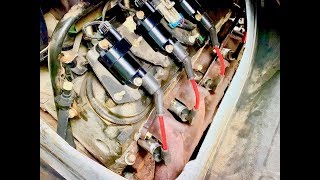
Typical fix: Replace the spark plug wire set. It is best practice to replace all wires at the same time to ensure consistent performance and prevent future failures. 🎬 Watch: Complete walkthrough for replacing plugs, wires, and coils
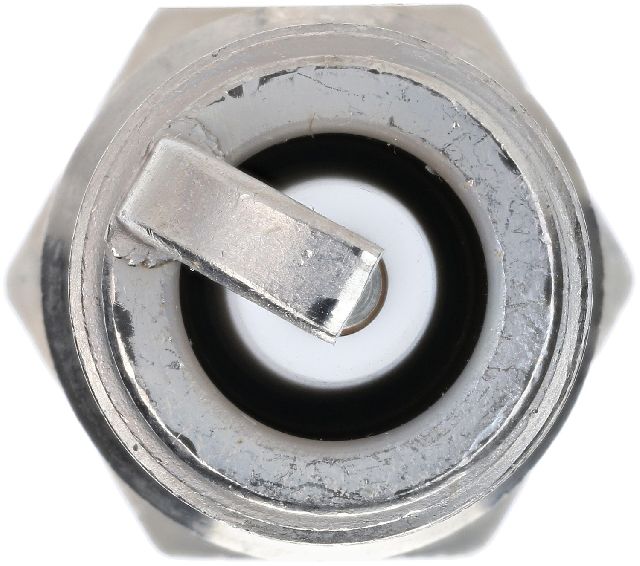
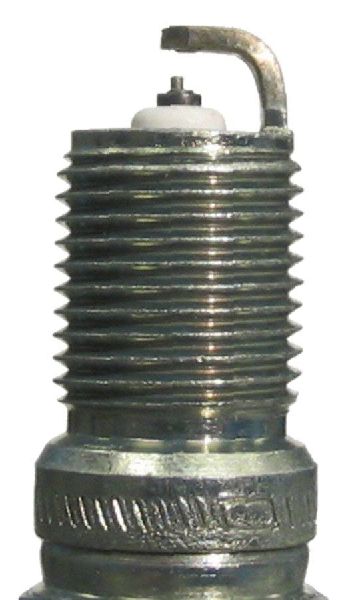
Est. part cost: $40-$90 - Worn or Fouled Spark Plug 🔴 High Probability → Shop Spark Plug Spark plugs are a standard wear item. Given the heavy-duty use of Savana vans, they can wear out faster than in typical passenger cars. Oil fouling can also occur due to other engine issues.
How to confirm: Remove the spark plug from cylinder 6 and inspect it for wear (worn electrode), carbon buildup, oil fouling, or damage. An oil-soaked plug on an AFM engine can be a clue pointing towards a lifter issue.
Typical fix: Replace the spark plug. It is recommended to replace all spark plugs at the same time for even performance. Use the correct OEM-spec plug, such as an ACDelco Iridium plug.
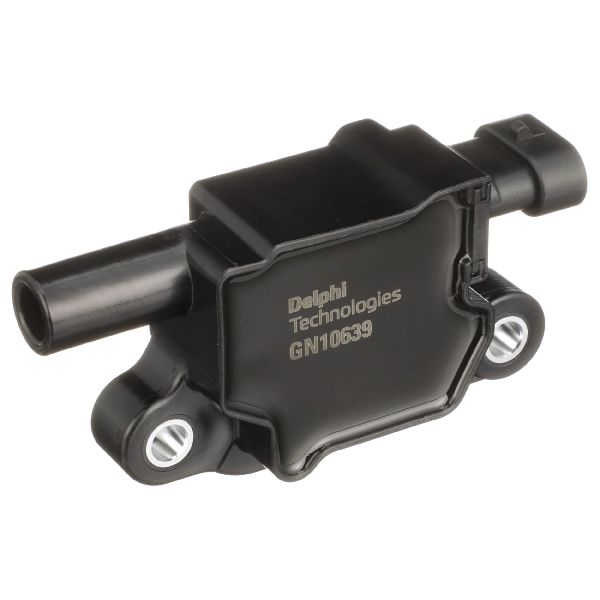
Est. part cost: $8-$20 per plug - Faulty Ignition Coil 🟡 Medium Probability → Shop Ignition Coil Ignition coils are subject to high heat and vibration, and can fail over time, leading to a weak or non-existent spark.
How to confirm: Swap the ignition coil from cylinder 6 with a coil from a known good cylinder (e.g., cylinder 4). Clear the codes and drive the vehicle. If the code changes to P0304, the coil is faulty. This is a very common and effective diagnostic step.
Typical fix: Replace the faulty ignition coil. It's often recommended to use OEM-quality parts like ACDelco to avoid premature failure.
Est. part cost: $30-$75 - Clogged or Faulty Fuel Injector 🟡 Medium Probability → Shop Fuel Injector Fuel system issues can arise on higher mileage vehicles, leading to injectors becoming clogged with deposits or failing electronically.
How to confirm: Listen for a clicking sound from the injector with a mechanic's stethoscope. A more advanced test involves swapping the injector with another cylinder to see if the misfire follows, or testing the injector's resistance with a multimeter. A noid light can also be used to confirm the injector is receiving a pulse from the PCM.
Typical fix: Replace the faulty fuel injector. Sometimes a professional fuel system cleaning can resolve a clog, but replacement is often necessary for an electronic failure.
Est. part cost: $50-$120
Rare But Worth Checking
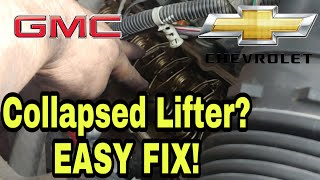
- Active Fuel Management (AFM) Lifter Failure: → Shop Engine Valve Lifter On V8 engines equipped with AFM (5.3L, for example), the lifters for cylinders 1, 4, 6, and 7 can fail, causing a misfire. The lifter can become mechanically collapsed or stuck, often resulting in a P0300 or a specific code like P0306. This is a complex and expensive repair that involves removing the cylinder head. 🎬 See how to diagnose and replace a collapsed AFM lifter A tell-tale sign can be an oil-fouled spark plug in the affected cylinder or a noticeable ticking noise from the valve cover area.
- Low Engine Compression: This indicates a more serious mechanical engine problem, such as a worn piston ring, a bad valve, a broken valve spring, or a blown head gasket. A compression test is needed to confirm. If compression is low, a cylinder leak-down test can help pinpoint the source of the leak.
- Intake Manifold Gasket Leak: → Shop Engine Intake Manifold A vacuum leak near cylinder 6 can lean out the air/fuel mixture and cause a misfire. This can be diagnosed with a smoke test or by carefully spraying brake cleaner near the intake runner for cylinder 6 and listening for a change in engine idle.
Diagnosis Steps
- Read the freeze frame data with an OBD-II scanner to understand the engine conditions when the code was set.
- Visually inspect the spark plug wire for cylinder 6 for damage or a loose connection, as per TSB #PIP4819A. Ensure it's fully seated on the coil and plug.
- Remove and inspect the spark plug from cylinder 6 for wear, fouling, or damage. An oil-fouled plug is a significant clue for AFM lifter issues.
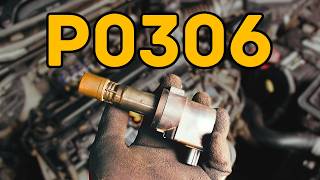
- If the plug and wire look good, swap the ignition coil from cylinder 6 with another cylinder (e.g., cylinder 4). Clear the codes and see if the misfire moves to the new cylinder (P0304). 🎬 Watch this simple guide to understanding the P0306 code If it does, the coil is bad.
- If the misfire remains on cylinder 6, check the fuel injector. Listen for a consistent clicking sound. If possible, swap the injector with another cylinder to see if the misfire follows.
- If ignition and fuel components are ruled out, perform an engine compression test on cylinder 6 to check for mechanical issues like bad rings, valves, or head gasket. Normal compression should be between 120-190 PSI.
- For V8 engines with AFM, listen for a distinct ticking noise from the valve train. A capable scan tool may be able to command AFM operation to help diagnose a faulty lifter. If a lifter is suspected, the valve cover must be removed for further inspection of valve movement.
- Check for vacuum leaks around the intake manifold near cylinder 6 using a smoke machine or by carefully spraying brake cleaner and listening for a change in engine idle.
Parts You'll Likely Need
- Spark Plug Wire Set
(OEM #9748UU)— Directly cited as a common failure point in a manufacturer TSB. Wires are a common wear item and should be replaced as a set.
Trusted brands: ACDelco
OEM price range: $60-$100
Aftermarket price range: $40-$70 - Spark Plugs
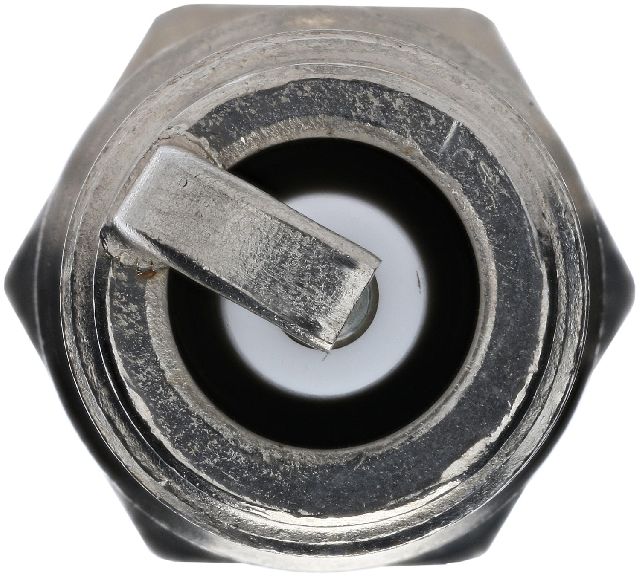
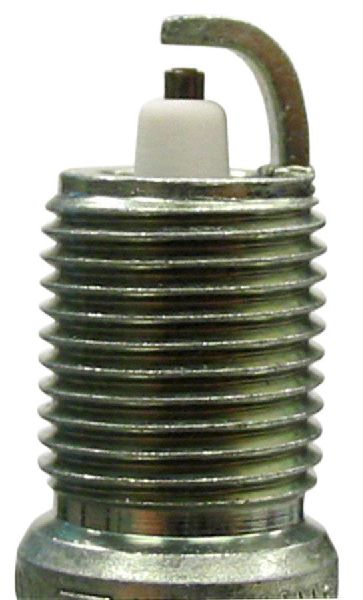
(OEM #41-110)— A fundamental and common wear item responsible for ignition. A worn or fouled plug is a primary cause of misfires. GM vehicles perform best with the specified OEM Iridium plugs.
Trusted brands: ACDelco, NGK
OEM price range: $8-$20 per plug
Aftermarket price range: $5-$12 per plug - Ignition Coil
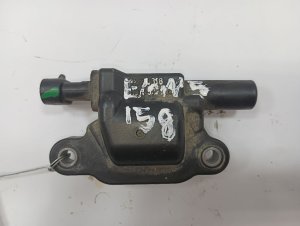
(OEM #D585 (for many V8s, verify by VIN))— Provides the high voltage for the spark. Failure of the coil for cylinder 6 will directly cause a P0306 code.
Trusted brands: ACDelco, Delphi
OEM price range: $50-$90
Aftermarket price range: $30-$60
Related Codes That Often Appear With This One
- P0300 — P0300 indicates a random/multiple cylinder misfire. It often appears alongside a specific cylinder code like P0306 if the misfire is intermittent or beginning to affect other cylinders. It can also be the primary code in cases of AFM lifter failure.
Technical Service Bulletins (TSBs) & Recalls
- PIP4819A: Malfunction Indicator Lamp on and engine misfires. Technician may find DTCs P0300-P0308 and need to inspect and replace loose spark plug wires.
- 19-NA-219: Addresses engine noises and misfires (P0300-P0308) and lists potential causes including worn camshaft lobes, sticking valves, broken valve springs, and collapsed AFM lifters, particularly on cylinders 1, 4, 6, or 7 for V8s.
- PIP4568: Referenced within other TSBs as the primary document for diagnosing collapsed AFM lifters.
Platform-Specific Known Issues
- Technical Service Bulletin #PIP4819A notes that engine misfires on these vehicles may be due to loose spark plug wires, requiring inspection and replacement if necessary.
- On 5.3L V8 engines with Active Fuel Management (AFM), a collapsed or stuck lifter is a well-documented cause of misfires on cylinder 6. This is a major mechanical repair.
- A user on the Che
Mechanic-Grade Diagnostic Values
- Ignition Coil Secondary Resistance (D585 Type) — expected: Approximately 6.1K ohms. Failure: A significantly higher reading (open) or lower reading (short) indicates a faulty coil winding.
- Ignition Coil Primary Resistance (D585 Type) — expected: Approximately 0.660 ohms to 1.6 ohms. Failure: Readings outside of this range suggest a problem with the primary winding.
- Fuel Injector Resistance (High Impedance) — expected: 11.0 to 16.0 Ohms (cold engine). Consistency is key; all injectors should be within 0.5 Ohms of each other.. Failure: A reading of 'OL' (open circuit), 0.0 (short circuit), or a value that is 20% different from the other injectors indicates a faulty injector.
- Mode $06 Misfire Counts — expected: 0 or very low counts on all cylinders during a drive cycle.. Failure: A high number of misfire counts logged for cylinder 6 (Test ID $A7) confirms the misfire, even if the check engine light is not flashing.
Hidden / Shadow Codes Worth Checking
- Mode $06, Test ID $A7: This is not a DTC, but a specific monitor within the OBD-II system that tracks misfire counts for cylinder 6. It can show misfires occurring before they are frequent enough to set a persistent P0306 code. (see via A professional scan tool or an advanced OBD-II app that can display Mode $06 data. Look for 'Misfire Cylinder 6 data'.)
Scan Tool Commands That Help
- GDS2/Tech2: Cylinder Power Balance — This test allows a technician to disable individual fuel injectors one by one to see the effect on engine RPM. If disabling cylinder 6 causes little or no change in RPM drop compared to other cylinders, it confirms that cylinder 6 is not contributing power.
- GDS2/Tech2: AFM (Active Fuel Management) Enable/Disable — When an AFM lifter failure is suspected, a technician can use the scan tool to command the AFM system on and off to see if the misfire changes or if valve train noise appears/disappears, helping to isolate the fault to the AFM components.
Wiring & Ground Locations
- G102 — On the left rear of the engine for V8 models (4.8L, 5.3L, 6.0L).. This ground is specifically for the 8 ignition coils. A loose or corroded connection at G102 can cause intermittent or persistent misfires on one or more cylinders, including cylinder 6.
- G103 — Located at the left rear of the engine compartment on the cowl, above the brake booster, or on the front of the passenger side cylinder head on some GMT900 platform vehicles.. This is a major ground point for the BCM and ECM. A poor connection here can cause a wide range of erratic electrical issues, including phantom misfire codes. A GM service bulletin regarding transmission codes also advises checking the integrity of G103.
Real Owner Repair Stories
- YouTube user in video 'P0306 Code? Here's How I Diagnosed and Fixed It' (GMC Van (year not specified, but similar platform)) — P0306 code, engine 'chugging'.
❌ Tried (didn't work) Replacing the ignition coil with a cheap aftermarket part from an 8-pack. The misfire returned a day later.
✅ What actually fixed it Replacing the faulty new aftermarket coil with another new coil from the same 8-pack finally resolved the issue, highlighting the potential for out-of-the-box failures with low-quality parts.
OEM Part Supersession History
Varies (multiple older versions)→12648846 (for a set of 4 AFM and 4 standard lifters, often sold as individual lifters as well)— Design improvements to address the high failure rate of the original AFM lifters.
Heads up: When replacing failed AFM lifters, it is critical to use the updated part number. Some sources incorrectly state that part 12648846 is for non-AFM engines, but it is the correct OEM replacement for the hydraulic roller lifters in many AFM applications. Always verify with a VIN.
Model Year Variations Within This Range
- 2010-2014: For 2010, the 5.3L V8 (LC9) and 6.0L V8 gained flex-fuel (E85) capability as standard, and 2500/3500 models received the 6-speed 6L90 automatic transmission. The 5.3L engine also saw a change in piston design around 2010, moving to a flat top with valve reliefs, which slightly changed the compression ratio.
Helpful Videos

Used OEM Parts in Stock
New Aftermarket Parts Available

The information in this article is provided for general reference and educational purposes only. Vehicle specifications, procedures, and part compatibility can vary by production date, trim level, and region. Always consult your vehicle's factory service manual and verify part numbers before purchasing or performing repairs. Safety-critical components such as airbags, seat belts, and braking systems should be installed by a qualified professional.
- Gmc SAVANA:
- 🧭 Diagnostic Flowchart
- 🎬 Helpful Videos
- 🛍️ Shop This Part
- What's Unique About the 2010-2013 Gmc SAVANA
- Symptoms You May Notice
- Most Likely Causes
- Rare But Worth Checking
- Diagnosis Steps
- Parts You'll Likely Need
- Related Codes That Often Appear With This One
- Technical Service Bulletins (TSBs) & Recalls
- Platform-Specific Known Issues
- Mechanic-Grade Diagnostic Values
- Hidden / Shadow Codes Worth Checking
- Scan Tool Commands That Help
- Wiring & Ground Locations
- Real Owner Repair Stories
- OEM Part Supersession History
- Model Year Variations Within This Range
- 🎟️ Get 5% Off