

P0306 on 2018-2021 GMC Yukon: Cylinder 6 Misfire Causes and Fixes
P0306 on a 2018-2021 GMC Yukon indicates a misfire on cylinder 6. While this can be a simple fix like a bad spark plug or ignition coil, it is very frequently caused by a failed AFM/DFM lifter, a known issue with these engines. A basic ignition repair costs $100-$250, but a lifter repair can exceed $4,000 and often requires camshaft replacement.
- P0306 is a misfire on cylinder 6, which is the third cylinder from the front on the passenger side.
- While the cause could be a simple spark plug or ignition coil, a failed AFM/DFM lifter is a very common and serious cause for this code on 2018-2021 Yukons.
- A persistent ticking noise accompanying the misfire is a strong indicator of lifter failure.
- Always perform the simple diagnostic swaps first (coil, then plug) to rule out inexpensive fixes before assuming the worst.
- If a lifter has failed, the camshaft must be inspected for damage, and it's highly recommended to replace all lifters on that bank of cylinders.
What's Unique About the 2018-2021 Gmc YUKON
On the 2018-2021 GMC Yukon with the 5.3L or 6.2L V8, a P0306 misfire is often more than just a simple tune-up part. These engines use Active Fuel Management (AFM) or Dynamic Fuel Management (DFM), which deactivates cylinders to improve fuel economy. The specialized hydraulic lifters used for this system are a well-documented weak point and are prone to failure. The failure can stem from the lifter's internal locking pin breaking or the lifter getting stuck in its bore, sometimes due to oil aeration. When a lifter fails, it can no longer open the valve, causing a persistent misfire on that cylinder and often leading to a bent pushrod and camshaft damage. This mechanical failure is a very common cause for this code on this specific platform, turning a simple misfire code into a potentially major engine repair.
Diagnostic Flowchart
Tap your situation to follow the diagnostic path that matches what you're seeing on this vehicle.
Generation note: This range covers the end of the 4th generation (2018-2020) and the start of the 5th generation (2021) Yukon. The 4th gen uses Active Fuel Management (AFM), while the 5th gen introduced Dynamic Fuel Management (DFM). Both systems can suffer from lifter failure leading to this code, so the diagnosis and primary causes are very similar.
Symptoms You May Notice
- Rough or shaking idle
- Hesitation or stumbling during acceleration
- Noticeable loss of engine power
- Flashing or solid Check Engine Light
- Engine ticking or knocking noise, often from the passenger side.
- Service Stabilitrak warning message 🎬 Watch: Diagnosing the common lifter tick and P0306 code
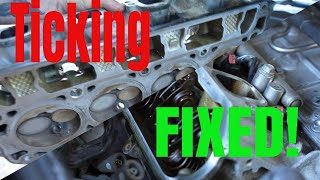
- Replacing only the spark plug and coil without considering a lifter failure. If a simple tune-up doesn't fix the code, and especially if a ticking noise is present, the root cause is likely the valvetrain. One owner replaced the cylinder head assembly, only to find the P0306 code remained because the underlying collapsed lifter was not replaced.
Most Likely Causes
- Failed AFM/DFM Lifter 🔴 High Probability → Shop Engine Valve Lifter The valve lifters used in the cylinder deactivation system (AFM/DFM) are a known major failure point in these GM V8 engines. They can collapse or become stuck due to oil pressure issues, internal wear, or a broken locking pin spring, preventing the valve from opening and causing a persistent misfire. Cylinder 6 is one of the AFM-controlled cylinders. GM has issued multiple service bulletins (e.g., 23-NA-043) to address this widespread issue.
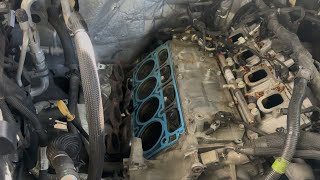
How to confirm: After ruling out ignition and fuel issues, a mechanic will typically remove the valve cover to inspect the valvetrain. A rocker arm that isn't moving, a bent pushrod, or a visible gap between the rocker and valve stem are clear signs of a collapsed lifter. A distinct ticking noise from the top of the engine is a strong early indicator.
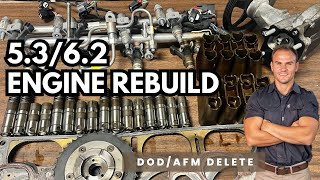
Typical fix: Replace all lifters and lifter guides on the affected bank of cylinders (passenger side for cylinder 6). Per TSB 23-NA-043, if the vehicle has under 16,000 miles, both banks should be replaced. The Valve Lifter Oil Manifold (VLOM) should also be replaced. Crucially, the camshaft must be inspected for lobe damage, as a failed roller lifter often damages the cam, requiring replacement of both. Many owners and independent shops opt to perform an 'AFM/DFM delete', replacing the specialized lifters and camshaft with standard, non-deactivating components and reprogramming the ECU to prevent future failure. 🎬 Watch: How to perform a complete AFM/DFM delete
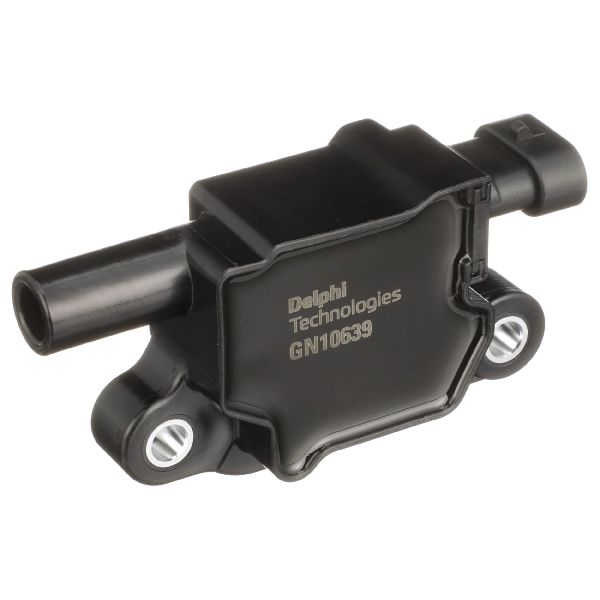
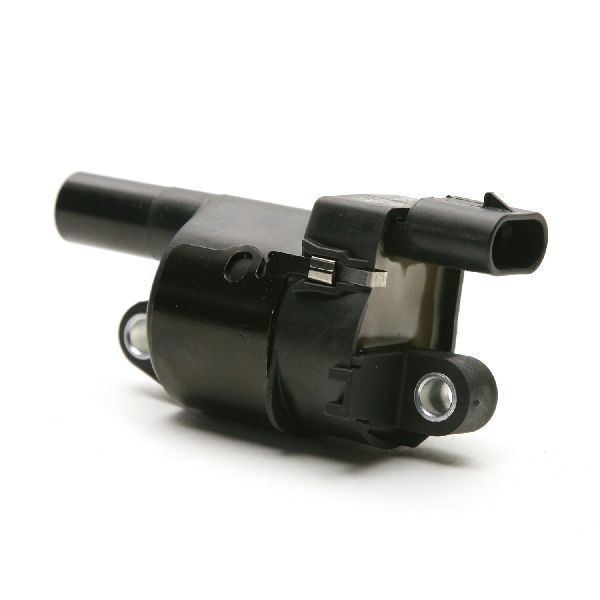
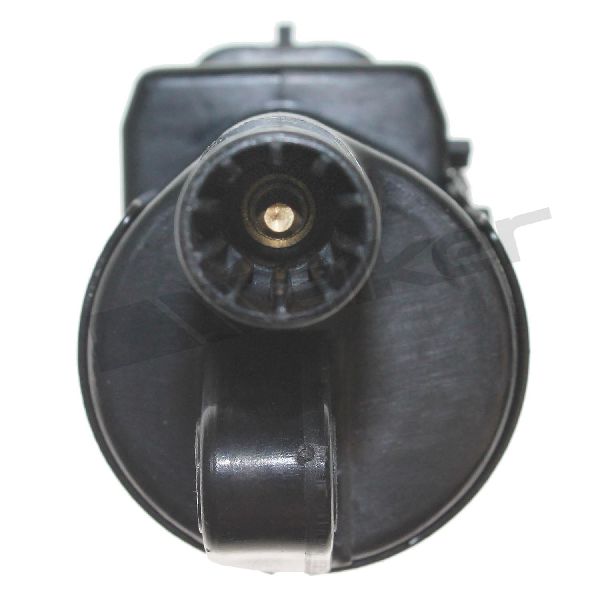
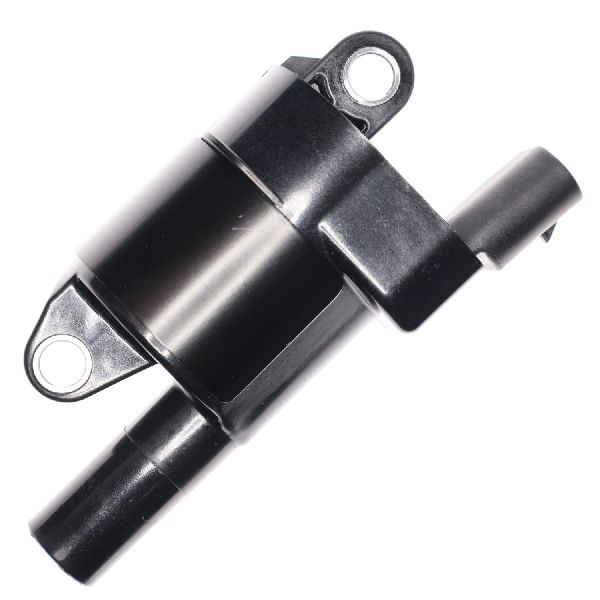
Est. part cost: $400-$1500 - Faulty Ignition Coil 🟡 Medium Probability → Shop Ignition Coil
How to confirm: Swap the ignition coil from cylinder 6 with another cylinder (e.g., cylinder 4, which is on the same side). Clear the codes and drive. If the code changes to P0304, the ignition coil is bad.
Typical fix: Replace the faulty ignition coil. It is often recommended to replace the spark plug at the same time.
Est. part cost: $30-$70 - Worn or Fouled Spark Plug 🟡 Medium Probability → Shop Spark Plug
How to confirm: After confirming the coil is good, swap the spark plug from cylinder 6 with another cylinder. If the misfire code follows the plug, the plug is bad. Visually inspect the plug for wear, oil, or carbon fouling.
Typical fix: Replace the spark plug. It is best practice to replace all 8 spark plugs at the same time if they are near the end of their service life.
Est. part cost: $6-$25 per plug - Faulty Fuel Injector ⚪ Low Probability → Shop Fuel Injector These engines use direct injection, which operates at very high pressures. Injectors can become clogged or fail electronically, sometimes triggering a P0206 code alongside the P0306.
How to confirm: After ruling out ignition issues, a professional can perform a fuel injector balance test to check flow rates. You can also listen for a consistent clicking sound from the injector with a mechanic's stethoscope. Swapping injectors between cylinders is possible but more labor-intensive than swapping coils.
Typical fix: Replace the faulty fuel injector. This is more involved on direct injection engines than on older port injection systems.
Est. part cost: $50-$120
Rare But Worth Checking
- Damaged Spark Plug Wire/Boot: → Shop Spark Plug While these engines are coil-on-plug, the boot connecting the coil to the plug can degrade or be damaged, causing the spark to arc to the engine block instead of firing the plug. TSB PIP4819A mentions this for older models, but the principle remains.
- Low Engine Compression: Beyond a failed lifter, low compression can be caused by more severe internal engine problems like a damaged piston, piston rings, or a valve sealing issue. A compression test will confirm this. One owner reported compression ranging from 125 to 150 psi across cylinders after a repair, indicating potential underlying issues.
Diagnosis Steps
- Read the trouble codes with an OBD-II scanner and note any other codes present, such as P0300 or P0206.
- Check if the Check Engine Light is flashing, which indicates a severe misfire requiring immediate attention.
- Listen for a distinct ticking or knocking sound from the engine, particularly the passenger side valve cover area. This is a strong sign of a lifter issue.
- Swap the ignition coil from cylinder 6 with cylinder 4 (front passenger side). Clear the codes and run the engine. If the code changes to P0304, the coil is the problem.
- If the code remains P0306, swap the spark plug from cylinder 6 with cylinder 4. If the code then changes to P0304, the spark plug is faulty.
- Inspect the spark plug boot for any signs of damage, cracking, or arcing.
- If ignition components are ruled out, the next step is to suspect a fuel or mechanical issue. Check the wiring to the fuel injector on cylinder 6.
- If a ticking noise is present and ignition/fuel checks don't resolve the issue, the strong probability is a failed AFM/DFM lifter. This requires removing the valve cover for visual inspection of the rocker arms and pushrods. A stationary rocker arm on a running engine is definitive proof. This repair requires professional service. 🎬 See this full repair guide for a collapsed lifter
Parts You'll Likely Need
- AFM/DFM Valve Lifters & Guides
(OEM #12698946)— This is the most common major failure causing a P0306 on this platform. When one fails, it's recommended to replace the full set on that bank, or both banks on low-mileage vehicles per TSB 23-NA-043. The new DFM lifter (HL-7025 / GM 12698946) is backward compatible with older AFM engines.
Trusted brands: ACDelco, GM Genuine Parts, Elgin
OEM price range: $250-$400 (for one bank)
Aftermarket price range: $150-$300 (for one bank) - Camshaft
(OEM #12689035 (Common non-AFM replacement))— A failed lifter often damages the corresponding lobe on the camshaft, requiring camshaft replacement during the lifter repair job. Part number 12689035 is a genuine GM camshaft for non-DOD applications, often used in AFM delete repairs.
Trusted brands: ACDelco, GM Genuine Parts, Chevrolet Performance
OEM price range: $300-$500
Aftermarket price range: $250-$450 - Valve Lifter Oil Manifold (VLOM)
(OEM #12710617 (L86/L87))— The VLOM contains solenoids that control oil flow to the AFM/DFM lifters. It is a critical component of the system and is recommended for replacement during a lifter job to prevent repeat failures.
Trusted brands: ACDelco, GM Genuine Parts
OEM price range: $150-$250
Aftermarket price range: $100-$200 - Ignition Coil
(OEM #12611424)— Ignition coils are a common wear item and a frequent cause of single-cylinder misfires.
Trusted brands: ACDelco, NGK, Delphi
OEM price range: $50-$80
Aftermarket price range: $30-$60
Related Codes That Often Appear With This One
- P0300 — If the misfire is severe, intermittent, or beginning to affect other cylinders due to the underlying issue, a P0300 (Random/Multiple Cylinder Misfire) may be stored alongside P0306.
- P0206 — This code indicates a fault in the fuel injector circuit for cylinder 6. It can appear with P0306 if the injector is the cause of the misfire, as seen in owner reports.
Technical Service Bulletins (TSBs) & Recalls
- 23-NA-043 — Poor Engine Performance, Engine Misfires, Malfunction Indicator Lamp (MIL) Illuminated - DTC P0300-P0308 Set — This bulletin directly addresses misfires caused by internal lifter concerns, including collapsed lifters and bent pushrods. It provides guidelines for replacement: if the vehicle has under 16,000 miles, all lifters on both banks should be replaced. If over 16,000 miles, only the affected bank needs replacement. (Updated Feb 26, 2024)
- 19-NA-218 — Engine Misfire/Tick Noise, MIL On, DTC P0300 Set — An earlier bulletin, referenced by 23-NA-043, that also deals with AFM lifter failure. It notes that oil aeration can cause internal damage to the lifter's locking pin. It instructs technicians to inspect the camshaft for damage and, if found, to replace the camshaft and lifters. (Updated Feb 2, 2023)
- PIP5259D — Engine Misfire Lamp P0300 AFM Cylinders — An older Preliminary Information Bulletin for early Gen V engines that specifically mentions misfires on cylinders 4 and 6. It identifies the cause as a mechanically collapsed or stuck AFM lifter, potentially due to oil aeration damaging the internal locking pin. (March 2015)
Platform-Specific Known Issues
- Early Failure on DFM Engines: The 2021 models with the newer Dynamic Fuel Management (DFM) system are also highly prone to lifter failure, sometimes with very low mileage. Owners have reported failures at 1k, 5k, and 6k miles, often leaving them stranded. GM acknowledged a bad batch of lifters with improperly heat-treated lock pin springs affecting engines built before March 2021.
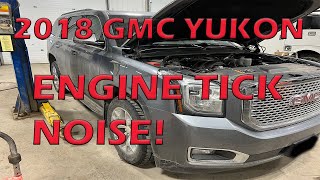
- Owner Experience: Diagnosing a Ticking Noise: A YouTube video documents a 2018 Yukon with a 5.3L engine and 76,000 miles presenting with a P0300 and a loud ticking noise. The technician isolated the noise to cylinder 6, removed the valve cover, and observed the rocker arm was not moving. This led to the discovery of a bent pushrod, confirming a collapsed AFM lifter as the root cause. The engine was noted to be very clean internally, ruling out lack of maintenance.
- Class Action Lawsuit Context: Multiple class-action lawsuits have been filed against GM for the 5.3L and 6.2L V8 engines regarding the defective Active/Dynamic Fuel Management lifters. The lawsuits allege that GM knowingly sold vehicles with defective valvetrains that can fail prematurely, leading to misfires, engine damage, and unsafe driving conditions.
Mechanic-Grade Diagnostic Values
- Low-Side Fuel Pressure (Key ON, Engine OFF) — expected: 55-62 psi (385-425 kPa). Failure: Pressure below 55 psi can indicate a weak fuel pump.
- High-Pressure Fuel System (Direct Injection) — expected: Up to 2,205 PSI. Failure: Pressure readings that are significantly low or erratic under load can indicate a failing high-pressure fuel pump.
- Ignition Coil Primary Resistance — expected: ~0.8 ohms. Failure: A reading of 0 ohms (short) or infinite/OL (open) indicates a failed coil.
- Ignition Coil Secondary Resistance — expected: ~7.10k ohms. Failure: A reading significantly outside the 5k-15k ohm range, or OL, indicates a failed secondary winding.
Hidden / Shadow Codes Worth Checking
- Misfire History Data: Professional scan tools like the GM GDS2 can access detailed misfire history counters for each cylinder, even if a specific P030x code hasn't set. This data is crucial for identifying intermittent misfires or confirming which cylinder is the primary offender when a P0300 is present. This data is wiped when codes are cleared. (see via GM GDS2 or equivalent high-end scan tool under Engine Data -> Misfire Data.)
Scan Tool Commands That Help
- GDS2 / Tech2: Injector Balance / Active Fuel Injector Test (AFIT) — This bidirectional test commands each injector to fire and measures the corresponding fuel pressure drop. If cylinder 6 shows little to no pressure drop compared to others, it confirms a clogged or electrically failed injector.
- GDS2 / Tech2: Cylinder Deactivation / AFM-DFM System Test — Allows a technician to command the AFM/DFM solenoids on and off to test the system's electrical integrity. This can help diagnose issues within the VLOM (Valve Lifter Oil Manifold) before tearing down the engine.
- GDS2 / Tech2: Cylinder Power Balance — This function graphically displays the relative power contribution of each cylinder. A cylinder with a misfire will show a significant drop compared to the others, helping to quickly confirm the location of the misfire.
Wiring & Ground Locations
- ECM Connector X2, Pin 52 — On the Engine Control Module (E92 ECM), typically located in the engine bay. X2 is the black connector of the three main ECM connectors.. This is the specific pin that provides the ground-side control signal for the cylinder 6 fuel injector. The wire is typically Yellow with a Black stripe (YE/BK). Testing for continuity from this pin to the injector connector is a definitive way to diagnose a wiring fault.
- Fuel Injector Power Feed — The Pink/Black wire at the fuel injector connector.. This wire supplies 12V power to the injector from a fuse in the underhood fuse block (often labeled INJ B or similar). A loss of power on this wire will prevent the injector from firing, causing a misfire.
Real Owner Repair Stories
- Tahoe Yukon Forum user '08tahoe' (2008 Tahoe 5.3L (Similar AFM engine design)) — Stalled at a red light, then flashing CEL, Service Stabilitrak message, and a constant P0306 code. A clear tick/knock sound was audible from the cylinder 6 area.
❌ Tried (didn't work) Replaced spark plugs and wires., Swapped ignition coil to a different cylinder., Replaced the fuel injector., Replaced the entire cylinder head assembly with a remanufactured one.
✅ What actually fixed it The user was informed by other forum members that the root cause was the collapsed AFM lifter itself, which was not replaced when the head was swapped. The final fix required replacing the failed lifters and likely inspecting the camshaft for damage. - YouTube channel 'audio service information' (2018 GMC Yukon 5.3L V8 with 76,000 miles) — Loud ticking noise from the engine bay, specifically the passenger side. Stored code P0300 (Random Misfire).
❌ Tried (didn't work) Initial diagnosis only, no parts replaced before teardown.
✅ What actually fixed it Upon removing the valve cover, the technician observed the rocker arm for cylinder 6 was not moving. A bent pushrod was discovered, confirming a collapsed AFM lifter was the cause. The engine was noted to be very clean internally, ruling out a sludge or lack of maintenance issue.
OEM Part Supersession History
12571595, 12619820, 12639516 (and others)→12698946 (Elgin HL-7025)— Updated design for Dynamic Fuel Management (DFM) engines introduced around 2019.
Heads up: The newer DFM lifter (12698946) is backward-compatible and can be used in older AFM engines. However, the original AFM-only lifters (e.g., Elgin HL-7011) will ONLY fit AFM applications and cannot be used in the newer DFM engines.N/A→85585333— Related TSB 21-NA-199 addresses high transmission fluid temperatures by replacing the original transmission thermal bypass valve with one that opens at a lower temperature (~155°F vs ~200°F). While not a direct cause of P0306, excessive heat can stress the engine and drivetrain components.
Heads up: The new valve is stamped with the number '70'.
Model Year Variations Within This Range
- 2018-2020 (L83/L86 Engines): These models use Active Fuel Management (AFM), which deactivates 4 of the 8 cylinders (1, 7, 6, and 4). Lifter failure is common on these specific cylinders.
- 2021+ (L84/L87 Engines): These models use the more advanced Dynamic Fuel Management (DFM), which has deactivation lifters on all 8 cylinders and can operate in 17 different cylinder patterns. While intended to be an improvement, these DFM engines are also known for lifter failures, potentially at an even higher rate than the preceding AFM systems.
Helpful Videos
We Have This Part in Stock


The information in this article is provided for general reference and educational purposes only. Vehicle specifications, procedures, and part compatibility can vary by production date, trim level, and region. Always consult your vehicle's factory service manual and verify part numbers before purchasing or performing repairs. Safety-critical components such as airbags, seat belts, and braking systems should be installed by a qualified professional.
- Gmc YUKON:
- 🧭 Diagnostic Flowchart
- 🎬 Helpful Videos
- 🛍️ Shop This Part
- What's Unique About the 2018-2021 Gmc YUKON
- Symptoms You May Notice
- Most Likely Causes
- Rare But Worth Checking
- Diagnosis Steps
- Parts You'll Likely Need
- Related Codes That Often Appear With This One
- Technical Service Bulletins (TSBs) & Recalls
- Platform-Specific Known Issues
- Mechanic-Grade Diagnostic Values
- Hidden / Shadow Codes Worth Checking
- Scan Tool Commands That Help
- Wiring & Ground Locations
- Real Owner Repair Stories
- OEM Part Supersession History
- Model Year Variations Within This Range
- 🎟️ Get 5% Off