

P0306 on 2016-2019 Honda Pilot: Cylinder 6 Misfire Causes and Fixes
On a 2016-2019 Honda Pilot, P0306 is most often caused by a faulty fuel injector, a known issue addressed by Honda in multiple Technical Service Bulletins (TSBs). While spark plugs and ignition coils are possible causes, the injectors should be the primary suspect, especially if other codes like P219A/B or P0430 are present. The fix often involves replacing all six fuel injectors with the updated OEM set, a repair covered under an extended warranty (10 years/150,000 miles) for many affected vehi
- P0306 on a 2016-2019 Pilot is very likely caused by a faulty fuel injector, a known issue covered by Honda TSBs and a warranty extension.
- Always check for accompanying codes like P219B or P0430, as they strongly point to the injector issue rather than a simple spark plug or coil problem.
- The standard diagnostic step is to swap the ignition coil and then the spark plug to rule them out. If the misfire stays on cylinder 6, the injector is the prime suspect.
- Honda recommends replacing all six fuel injectors as a set (Part #16010-RLV-315) to resolve the issue permanently.
- Before paying for a repair, check with a Honda dealer to see if your vehicle's VIN is eligible for the warranty extension covering this specific problem.
What's Unique About the 2016-2019 Honda PILOT
The 2016-2019 Honda Pilot, along with other Honda models using the direct-injected 3.5L V6 (J35Y6), is prone to a specific fuel injector issue. Honda has acknowledged this problem through multiple Technical Service Bulletins (TSBs), stating that debris from the manufacturing process of the high-pressure fuel pump or the injectors themselves can cause clogging or internal damage. This often leads to misfires and is so common that Honda issued warranty extensions covering the repair for 10 years or 150,000 miles. As a result, a P0306 code on this vehicle, especially when seen with fuel/air ratio codes (P219B), is highly likely to be an injector problem rather than a simple spark plug or coil failure.
Diagnostic Flowchart
Tap your situation to follow the diagnostic path that matches what you're seeing on this vehicle.
Symptoms You May Notice
- Check Engine Light is on (may be solid or flashing)
- Rough or vibrating idle
- Hesitation or stumbling during acceleration
- Noticeable loss of engine power
- Reduced fuel economy
- Unusual exhaust smell (like gasoline)
- Multiple warning lights on the dashboard (e.g., VSA, emissions system)
- Replacing only the spark plug or ignition coil without considering the fuel injector. Given the known TSBs for this vehicle, the injector is a primary suspect and should not be overlooked, especially if P219B is also present.
- Assuming a flashing check engine light is only a minor issue. On this vehicle, it often accompanies the injector failure and can lead to rapid catalytic converter damage if ignored.
Most Likely Causes
- Faulty Fuel Injectors 🔴 High Probability → Shop Fuel Injector Honda TSBs #A18-025, #20-100, and #21-010 explicitly state that debris from the fuel injector or high-pressure pump manufacturing process can cause clogging or internal wear, leading to misfires and air-fuel ratio imbalances. An owner complaint (NHTSA ODI #11586475) also linked failed injectors to this exact set of codes. The direct injection design is also susceptible to carbon buildup on injector tips.
How to confirm: A technician can perform a fuel injector balance test or a cylinder AF test using a Honda HDS scan tool. However, the presence of codes P219B (Bank 2 Air-Fuel Imbalance) alongside any P030x codes is a very strong indicator. Per TSB 21-010, if these codes are present together, the diagnostic procedure is to replace the fuel injectors. A fuel pressure leak-down test can also point to leaking injectors; one technician noted pressure dropping from over 500 PSI to under 50 PSI in 15 minutes, indicating a leak.
Typical fix: Replace all six fuel injectors with the updated part set (Honda P/N: 16010-RLV-315). Honda recommends replacing them as a complete set, along with the fuel joint pipe and various gaskets. This repair is covered under an extended warranty (10 years/150,000 miles) for many affected vehicles.
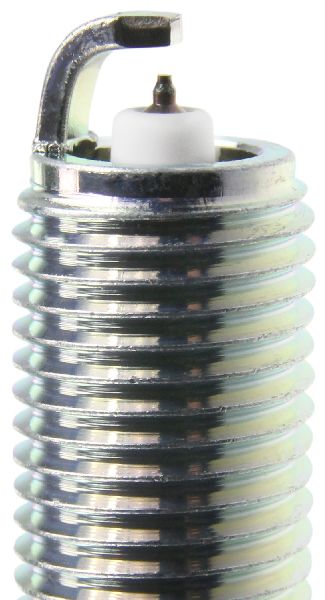
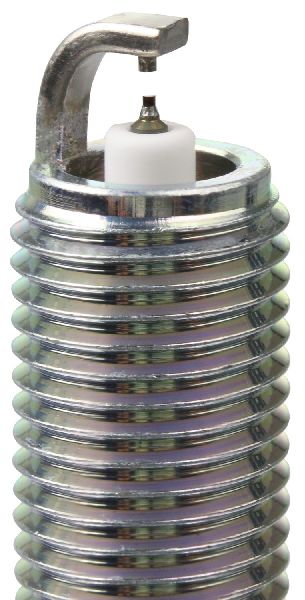
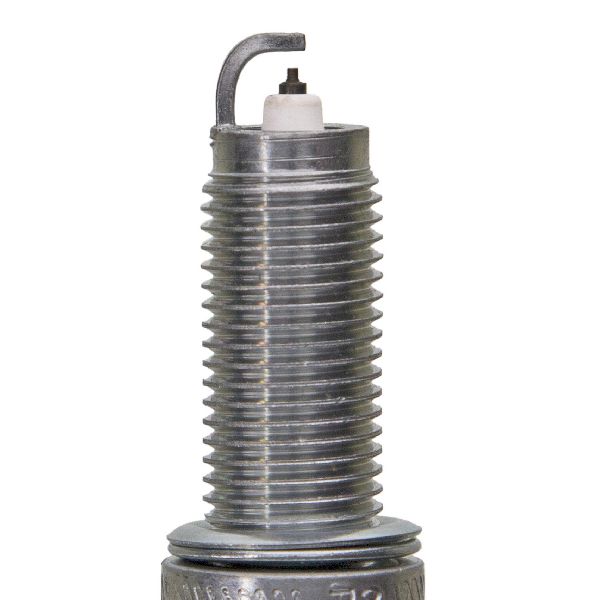
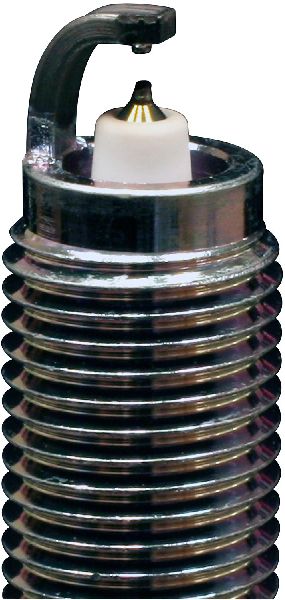
Est. part cost: $250-$500 - Worn Spark Plug 🟡 Medium Probability → Shop Spark Plug
How to confirm: Remove the spark plug from cylinder 6 and inspect it for wear, fouling (carbon or oil), or damage to the electrode or ceramic. Compare it to a new plug. A worn electrode or heavy deposits indicate it needs replacement. Oil fouling on the plugs can also be a symptom of VCM-related issues causing oil consumption.
Typical fix: Replace the spark plug. It is best practice to replace all six spark plugs at the same time to ensure even performance, especially if they are near their service interval.
Est. part cost: $15-$30 per plug - Failed Ignition Coil 🟡 Medium Probability → Shop Ignition Coil
How to confirm: Swap the ignition coil from cylinder 6 with another cylinder (e.g., cylinder 5, which is also on the front bank and easy to access). Clear the codes and drive the vehicle. If the code changes to P0305, the ignition coil is faulty. This is a common and effective DIY diagnostic step.
Typical fix: Replace the faulty ignition coil. Since cylinder 6 is on the front bank, it is easily accessible after removing the engine cover.
Est. part cost: $50-$100
Rare But Worth Checking
- Low Engine Compression: Mechanical issues like worn piston rings, a burnt valve, or issues with the VCM (Variable Cylinder Management) system can cause a misfire. A compression test can diagnose this. One owner of a higher mileage Pilot reported a P0306 with only 60 PSI of compression, likely from a burnt valve. VCM operation can lead to oil-fouled plugs, which can also cause misfires.
- Intake Air (Vacuum) Leak: A leak in the intake manifold gasket near cylinder 6 could lean out the air-fuel mixture and cause a misfire. A smoke test is the most effective way to diagnose a vacuum leak.
- Clogged or Faulty PCV Valve: → Shop PCV Valve A stuck PCV valve can alter crankcase pressure and lead to oil consumption or abnormal air-fuel mixtures, potentially fouling spark plugs and causing misfires.
Diagnosis Steps
- Read all stored DTCs with an OBD-II scanner. Note any other codes present, especially P219B, P0430, or other P030x codes. The combination of codes is critical for diagnosis on this vehicle.
- Check for eligibility for Honda's warranty extension (TSB 21-010) which covers this exact issue for 10 years/150,000 miles. If eligible, the diagnosis and repair should be performed by a Honda dealer.
- If diagnosing yourself, start with the easiest checks. Swap the ignition coil from cylinder 6 to cylinder 5. Clear the codes and drive to see if the misfire code moves to P0305. If it does, the coil is bad.
- If the misfire remains on cylinder 6, inspect the spark plug for wear or fouling. If it looks bad, replace it. It's good practice to replace all six if they are due.
- If the misfire still remains on cylinder 6 after swapping the coil and plug, and especially if code P219B is present, the fuel injector is the most likely culprit, as documented in Honda's TSBs.
- For advanced diagnosis, a technician would use a Honda HDS to perform a 'Cylinder AF Test' to confirm the injector fault. A fuel pressure leak-down test can also be performed to check for leaking injectors.
- If all else fails, perform an engine compression test on cylinder 6 to check for mechanical engine problems like bad rings or valves.
Parts You'll Likely Need
- Fuel Injector Set
(OEM #16010-RLV-315)— This is the most common cause of misfires on this specific vehicle, as documented by multiple Honda TSBs. The part number is for a set of six injectors, which is the recommended replacement. This part number supersedes the older, problematic 16010-RLV-305.
Trusted brands: Honda (Genuine OEM)
OEM price range: $230-$400
Aftermarket price range: $150-$300 - Ignition Coil
(OEM #30520-5G0-A01)— A standard failure point for any modern engine that can cause a single-cylinder misfire. It's a common and easy part to diagnose and replace.
Trusted brands: Denso, NGK, Bosch
OEM price range: $80-$120
Aftermarket price range: $40-$80 - Spark Plug
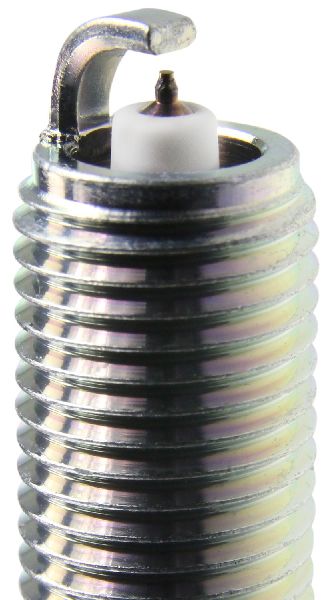
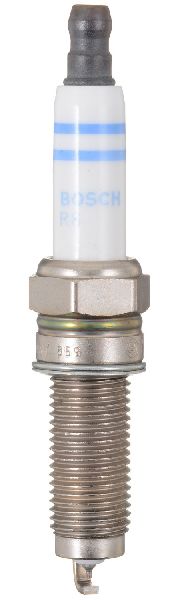
(OEM #NGK DILKAR7G11GS or Denso DXE22HCR11S)— Spark plugs are a routine maintenance item. A worn or fouled plug is a simple and common cause for a misfire.
Trusted brands: NGK, Denso
OEM price range: $20-$35 per plug
Aftermarket price range: $15-$25 per plug
Related Codes That Often Appear With This One
- P0300 — This is a 'Random Misfire' code. It often appears with a specific cylinder misfire code like P0306 when the issue is starting to affect multiple cylinders, which is common with the systemic fuel injector problem.
- P219B — This code indicates an 'Air-Fuel Ratio Imbalance on Bank 2'. Cylinder 6 is on Bank 2 (the front bank). Honda TSBs directly link this code with faulty fuel injectors causing misfires. Its presence is a key diagnostic clue.
- P0430 — This code means 'Catalyst System Efficiency Below Threshold on Bank 2'. A persistent misfire on cylinder 6 can dump unburned fuel into the exhaust, damaging the catalytic converter on that bank and triggering this code. This often appears after the misfire has been present for some time.
- P0304, P0305 — These are misfire codes for cylinders 4 and 5, which are on the same bank as cylinder 6. Since the fuel injector issue can be systemic, it's common for multiple cylinders on the same bank to misfire. [NHTSA ODI #11586475]
Technical Service Bulletins (TSBs) & Recalls
- A18-025: MIL Comes On with DTC P0300-P0306 or P219A/B, pointing to faulty fuel injectors due to debris or improper factory installation.
- 20-100: Warranty Extension for MIL on with codes P0420/P0430, P030x, and/or P219A/B, also due to fuel injectors and a potential software update.
- 21-010: Further warranty extension replacing TSB 18-025, confirming the injector issue as the cause for misfire, catalyst, and A/F ratio codes. Extends warranty to 10 years/150,000 miles.
Platform-Specific Known Issues
- Fuel Injector Failures: The most significant issue for this platform. TSBs A18-025, 20-100, and 21-010 all point to faulty fuel injectors causing misfires (P0300-P0306) and air-fuel ratio codes (P219A/B). Honda extended the warranty to 10 years/150,000 miles for this issue on many affected vehicles. The cause is cited as debris from the manufacturing process of the high-pressure pump or injectors.
- Owner Complaint Confirmation: NHTSA ODI #11586475 for a 2019 Pilot documents a real-world case where codes P0304, P0306, P0430, and P219A were all caused by the failure of three fuel injectors, requiring a tow.
- Software Updates: Some related TSBs also involve a PCM software update in addition to the injector replacement to prevent the PCM from misinterpreting sensor data.
Mechanic-Grade Diagnostic Values
- High-Pressure Fuel System Leak-Down — expected: Pressure should hold steady after the engine is turned off.. Failure: A significant drop in pressure indicates a leak, most likely from one or more injectors. One technician observed a drop from over 500 PSI to 44.9 PSI in 15 minutes, confirming leaking injectors.
- Engine Compression (J35Y6) — expected: While a specific value isn't provided, readings should be consistent across all cylinders. A significant deviation in one cylinder indicates a mechanical issue.. Failure: A reading as low as 60 PSI in the misfiring cylinder was reported by one owner, indicating a likely burnt valve.
Scan Tool Commands That Help
- Honda HDS (Honda Diagnostic System): CKP Pattern Clear — This command erases the crankshaft position sensor pattern data stored in the PCM. It is required after repairing a misfire to allow the system to relearn the crankshaft's rotational variations.
- Honda HDS (Honda Diagnostic System): PCM Reset — This erases all stored DTCs, freeze data, and learned values except the CKP pattern. It's a more comprehensive reset than a standard DTC clear.
- Honda HDS (Honda Diagnostic System): Cylinder AF Test — This is a specific diagnostic test mentioned in Honda TSBs to confirm a faulty fuel injector when P219A/B codes are present with misfire codes. If the test fails, the TSB directs replacement of the injectors.
Wiring & Ground Locations
- G101 — On the left side of the engine block, often near the thermostat housing.. G101 is the main power and logic ground for the ECU (PCM). A poor connection here due to corrosion or looseness can cause a wide range of erratic electronic issues, including phantom misfires or stalling. Ensuring this ground is clean and tight is a critical step in diagnosing any electrical fault.
- Cylinder 6 Ignition Coil & Injector Connectors — Cylinder 6 is on the front bank (near the radiator), on the driver's side. The connectors are part of the main engine wiring harness.. When diagnosing, these are the primary connection points to check for voltage, ground, and signal using a multimeter or scope. A damaged wire or corroded pin at either connector will directly cause a P0306.
Real Owner Repair Stories
- Reddit user @mckaylalopez on r/hondapilot (2017 Honda Pilot with 25,XXX miles) — Check engine light with fuel injector codes.
✅ What actually fixed it The fuel injectors were replaced under manufacturer warranty, which resolved the issue. Another user in the thread noted this is a common problem and suggested that when out of warranty, owners could have a spare set of used injectors professionally cleaned and ready for the next failure to save money. - YouTube channel 'K diagnostics' (2016 Honda Pilot 3.5L) — Check Engine Light with code P219B (Bank 2 Air Fuel Ratio Imbalance).
❌ Tried (didn't work) Electrical testing of the injectors with a lab scope showed they were functioning correctly from an electrical standpoint.
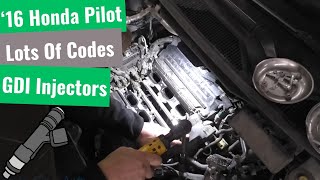
✅ What actually fixed it Despite passing electrical tests, the technician replaced all six fuel injectors based on TSBs and common failure patterns for this code. The technician noted significant carbon buildup on the tips of the old injectors, which was likely impeding fuel flow and causing the imbalance and misfires.
OEM Part Supersession History
16010-RLV-305→16010-RLV-315— The original injectors were prone to clogging and internal failure due to debris from the manufacturing process, as acknowledged in Honda TSBs. The -315 part is the updated, more reliable replacement.
Heads up: The replacement part is a full kit of 6 injectors (P/N 16010-RLV-315 or kit P/N 06160-RLV-305) and Honda recommends replacing them all at once, not individually.
Model Year Variations Within This Range
- 2019: The 2019 model year marked a mid-cycle refresh. While the J35Y6 engine and its horsepower/torque ratings remained the same, the optional 9-speed automatic transmission was updated with new hardware and software to address complaints of rough or busy shifting in earlier models. This does not directly affect the cause of P0306 but is a notable change within the vehicle's powertrain.
- 2016: TSB #A18-025 specifically calls out 2016 Pilots with a build date of March 1, 2016 or earlier, and with over 5,000 miles, as being affected by improperly installed or contaminated fuel injectors from the factory.
Helpful Videos


We Have This Part in Stock

The information in this article is provided for general reference and educational purposes only. Vehicle specifications, procedures, and part compatibility can vary by production date, trim level, and region. Always consult your vehicle's factory service manual and verify part numbers before purchasing or performing repairs. Safety-critical components such as airbags, seat belts, and braking systems should be installed by a qualified professional.
- Honda PILOT:
- 🧭 Diagnostic Flowchart
- 🎬 Helpful Videos
- 🛍️ Shop This Part
- What's Unique About the 2016-2019 Honda PILOT
- Symptoms You May Notice
- Most Likely Causes
- Rare But Worth Checking
- Diagnosis Steps
- Parts You'll Likely Need
- Related Codes That Often Appear With This One
- Technical Service Bulletins (TSBs) & Recalls
- Platform-Specific Known Issues
- Mechanic-Grade Diagnostic Values
- Scan Tool Commands That Help
- Wiring & Ground Locations
- Real Owner Repair Stories
- OEM Part Supersession History
- Model Year Variations Within This Range
- 🎟️ Get 5% Off