

P0306 on 2006-2011 Hyundai Azera: Cylinder 6 Misfire Causes and Fixes
P0306 on a 2006-2011 Azera is a misfire on cylinder 6. This is almost always caused by a bad ignition coil, which is an easy and affordable DIY fix. Cylinder 6 is conveniently located on the front of the engine, making access simple. A new coil costs between $40 and $100. Before assuming it's an ignition issue, be aware of a TSB for faulty O2 sensors causing similar codes.
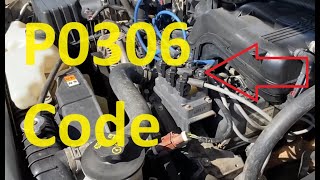
- P0306 is a misfire on cylinder 6, which is conveniently located at the front of the engine on the passenger side.
- The most likely cause is a bad ignition coil, which is easy to diagnose by swapping it with another coil.
- Before removing the spark plug, check for oil in the spark plug well. A leaking valve cover gasket is a very common cause of misfires on this engine.
- A flashing check engine light means stop driving to avoid damaging the expensive catalytic converter.
- If you replace the coil and spark plug and the misfire persists, investigate the front oxygen sensor before replacing the fuel injector, per a Hyundai TSB.
What's Unique About the 2006-2011 Hyundai Azera
On the transverse-mounted Lambda V6 in the Azera, the cylinders are numbered with the front bank (the one you see when you open the hood) containing cylinders 2, 4, and 6 (left to right, from the driver's perspective). The rear bank, against the firewall, holds 1, 3, and 5. This is great news for a P0306 code, as cylinder 6 is the easiest to access on the front-right (passenger side) of the engine, making diagnosis and repair significantly simpler and cheaper than for misfires on the rear bank.
Symptoms You May Notice
- Check Engine Light (CEL) is on and may be flashing
- Rough or shaky idle
- Engine hesitation or stumbling during acceleration
- Noticeable loss of power
- Reduced fuel economy
- Engine may jerk or stall
- Replacing the fuel injector before confirming the ignition coil and spark plug are good.
- Replacing ignition components when the actual fault is a bad oxygen sensor causing rich fuel trims, as described in TSB 10-FL-012. 🎬 Watch: Replacing the Bank 2 O2 sensor to fix a P0306.
- Mistaking an oil-fouled spark plug (caused by a leaking valve cover gasket) for a bad plug itself, without fixing the underlying oil leak.
Most Likely Causes
- Faulty Ignition Coil 🔴 High Probability → Shop Ignition Coil Ignition coils are a common failure item on many modern engines as they age. The constant heat cycles eventually cause the internal windings or epoxy to fail, leading to a weak or absent spark.
How to confirm: Swap the ignition coil from cylinder 6 with the coil from cylinder 4 (the middle cylinder on the front bank). Clear the codes and drive the car. If the code changes to P0304, the coil is definitively faulty. This is the most common and effective DIY test. 🎬 See a mechanic's step-by-step diagnosis of a Hyundai V6 misfire.
Typical fix: Replace the faulty ignition coil. It is held in by a single 10mm bolt and is a 10-minute job.
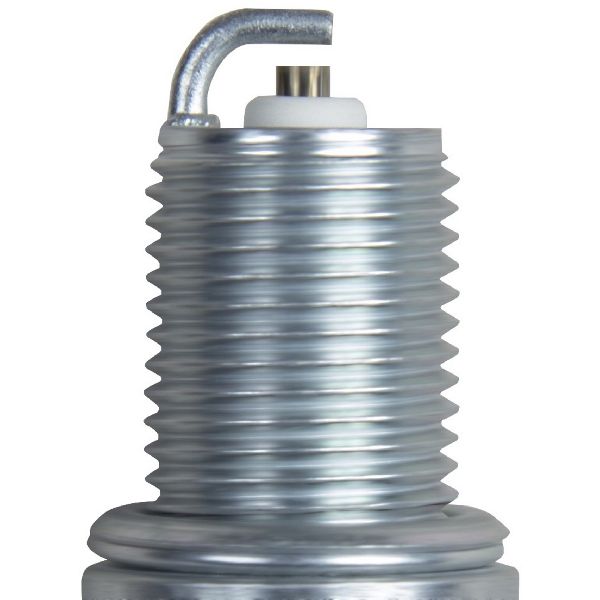
Est. part cost: $40-$120 - Worn or Fouled Spark Plug 🟡 Medium Probability → Shop Spark Plug Spark plugs are a regular maintenance item. If they haven't been replaced according to the 60,000-100,000 mile service interval, the electrodes can wear down or become fouled with carbon or oil, causing a weak spark.
How to confirm: After confirming the coil is good, remove the spark plug from cylinder 6. Inspect it for wear (rounded electrode), carbon fouling, oil contamination, or incorrect gap. Compare it to a new plug.
Typical fix: Replace the spark plug. It is highly recommended to replace all six spark plugs at the same time for consistent performance and to avoid future misfires.
Est. part cost: $8-$20 per plug - Faulty Front Oxygen Sensor ⚪ Low Probability A Hyundai Technical Service Bulletin (10-FL-012) notes that a failing front O2 sensor (Bank 2, Sensor 1) can send incorrect data, causing a rich fuel condition. The ECM may interpret the resulting combustion instability as a misfire when the root cause is the sensor.
How to confirm: This is harder to diagnose without a scan tool that can read live fuel trim data. If short-term or long-term fuel trims are heavily negative (e.g., -20% or more) on Bank 2 (the front bank), the O2 sensor is a likely suspect.
Typical fix: Replace the Bank 2, Sensor 1 oxygen sensor.
Est. part cost: $50-$150
Rare But Worth Checking
- Clogged Fuel Injector: → Shop Fuel Injector If swapping the coil and plug doesn't resolve the misfire on cylinder 6, the issue could be a fuel injector that isn't delivering the proper amount of fuel. Using a fuel injector cleaner with PEA (Polyetheramine) like Techron Concentrate Plus or BG 44K may help if the clog is minor.
- Intake Manifold Gasket Leak: → Shop Engine Intake Manifold A vacuum leak near the cylinder 6 intake runner can lean out the air/fuel mixture and cause a misfire. This is less common but possible, and can sometimes be detected by spraying brake cleaner near the gasket with the engine running and listening for a change in idle speed.
- Low Engine Compression: This is the worst-case scenario, indicating an internal engine problem like a bad valve, worn piston ring, or a head gasket issue. It's very rare and should only be considered after all other possibilities are exhausted. A compression test is required for diagnosis.
- Leaking Valve Cover Gasket: The valve cover gasket and spark plug tube seals can become brittle and leak oil directly into the spark plug well. This can saturate the ignition coil boot and spark plug, causing a misfire. If you see oil when you pull the ignition coil out, this is your problem. 🎬 Watch: How to replace the front valve cover gasket and plugs.
Diagnosis Steps
- Verify the code with an OBD-II scanner. Note if the Check Engine Light is steady or flashing.
- Identify Cylinder 6: It is the cylinder on the front bank (closest to the radiator) on the passenger side of the engine.
- Perform the 'Coil Swap Test': Unplug and unbolt the ignition coil from cylinder 6 and cylinder 4 (the middle front cylinder). Swap their positions. Re-install and reconnect them.
- Clear the codes with the scanner and drive the vehicle until the Check Engine Light returns.
- Re-scan for codes. If the code is now P0304, the ignition coil you moved is bad and needs to be replaced.
- If the code remains P0306, the coil is likely good. Pull the coil for cylinder 6 again and check the spark plug well for any oil. If oil is present, the valve cover gasket and tube seals are leaking and must be replaced.
- If no oil is present, remove the spark plug from cylinder 6. Inspect it for excessive wear, fouling, or damage. If it looks old or worn, replace it. It is best practice to replace all six at once.
- If the coil and plug are good and the plug well is dry, the problem lies elsewhere. At this point, you may consider checking for a clogged fuel injector or investigating the possibility of a bad O2 sensor if you have a scan tool that can read fuel trims.
Parts You'll Likely Need
- Ignition Coil
(OEM #27301-3C000 / 27301-3C010)— This is the most common failure part for a single-cylinder misfire on this engine. Part number 27301-3C010 is an updated replacement for 27301-3C000.
Trusted brands: Hyundai (OEM), Mando, Delphi, NGK, Denso
OEM price range: $80-$120
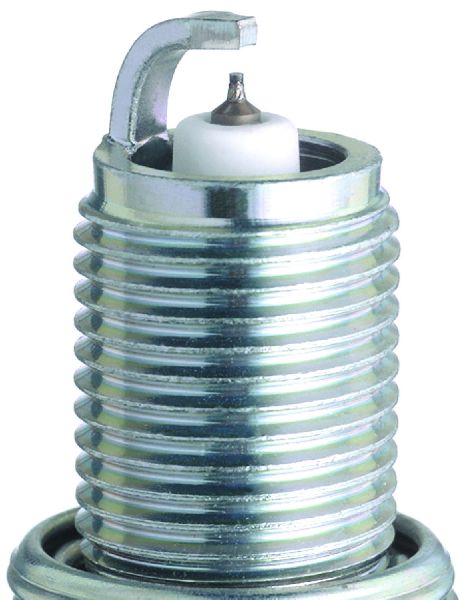
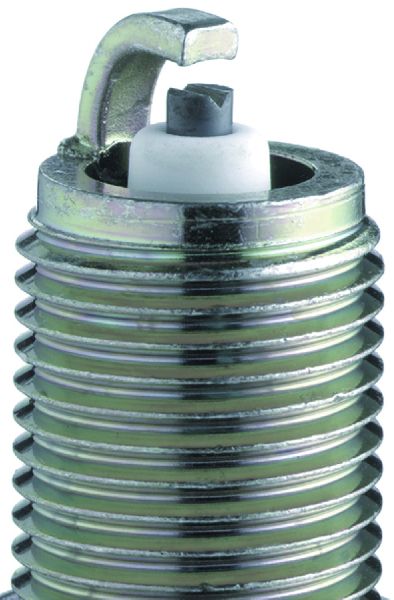
Aftermarket price range: $40-$90 - Iridium Spark Plug
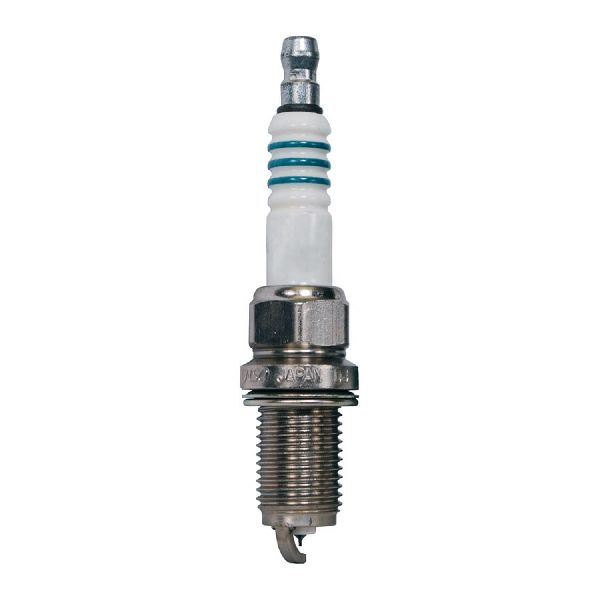
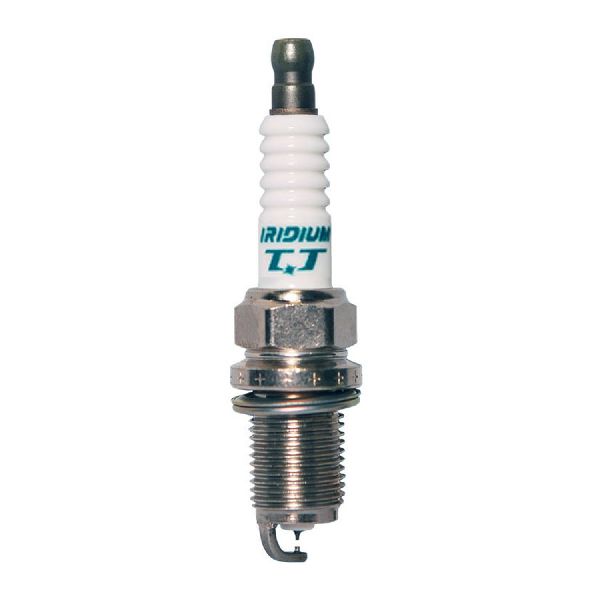
(OEM #NGK IFR5G-11 or Denso SK16PR-A11)— Worn spark plugs are the second most likely cause. Iridium plugs are the OEM standard and provide the best performance and longevity.
Trusted brands: NGK, Denso
OEM price range: $15-$25
Aftermarket price range: $8-$20 - Valve Cover Gasket Set (Front/Bank 2)
(OEM #22441-3C110 (Gasket), 22443-3C100 (Tube Seals))— If oil is found in the spark plug well, the gasket and tube seals have failed and must be replaced to prevent repeat misfires.
Trusted brands: Fel-Pro, Victor Reinz, Beck/Arnley
OEM price range: $40-$60
Aftermarket price range: $25-$45
Related Codes That Often Appear With This One
- P0300 — If the misfire is intermittent or affects multiple cylinders, a P0300 (Random Misfire) code may appear alongside P0306.
- P0302, P0304 — Misfires on other cylinders in the same bank (Bank 2) could indicate a shared problem, like a bad oxygen sensor for that bank or a vacuum leak affecting all front cylinders.
Technical Service Bulletins (TSBs) & Recalls
- 10-FL-012: Provides diagnostic procedures for P0300-P0306 misfire codes that may be caused by a faulty front O2 sensor.
Platform-Specific Known Issues
- TSB 10-FL-012 indicates that a misfire code (P0300-P0306) combined with a rich fuel condition (fuel trim at -20% or more) may be caused by a faulty front oxygen sensor, not an ignition or fuel problem.
- Leaking valve cover gaskets are a very common issue on the Lambda V6, leading to oil filling the spark plug tubes and causing misfires. The rubber hardens and cracks from heat and age.
- In some cases, misfire codes including P0306 may be linked to internal mechanical failures; for instance, NHTSA ODI #11606626 regarding a similar Hyundai engine architecture noted that repairs required replacing the intake camshaft, CVVT, and timing chain tensioner.
Mechanic-Grade Diagnostic Values
- Ignition Coil Primary Resistance — expected: 0.49 - 0.57 Ohms at 68°F (20°C). Failure: A reading outside of this range, or an open/short circuit, indicates a faulty coil.
- Ignition Coil Secondary Resistance — expected: 9.5 - 11.1 kOhms. Failure: A reading significantly outside this range points to a failed secondary winding in the coil.
- Fuel Pressure (at fuel rail) — expected: 38 - 50 PSI. Failure: Low pressure can indicate a clogged filter or failing pump; high pressure can indicate a faulty pressure regulator. This would typically cause multiple misfires (P0300) but can manifest as a single cylinder code initially.
- ECM Misfire Rate Threshold (for MIL) — expected: A misfire rate > 3.25% over 1000 revolutions will set a code after 2 driving cycles. A severe rate > 5.6% over 200 revolutions will trigger a flashing CEL immediately.. Failure: These are the internal thresholds the ECM uses to trigger the P0306 code.
Scan Tool Commands That Help
- Hyundai GDS (or equivalent advanced scanner): Power Balance Test — Use this to graphically view the real-time power contribution of each cylinder. A significant drop for cylinder 6 confirms an active misfire and helps differentiate it from a stored, historical code.
- Hyundai GDS (or equivalent advanced scanner): Misfire Data / Mode 6 — To view the raw misfire count for each cylinder over current and previous drive cycles. This is invaluable for diagnosing intermittent misfires that don't always trigger the CEL.
Wiring & Ground Locations
- G115 — Left rear of the engine compartment.. This is a primary ground point for the engine control system. A loose or corroded connection here can cause erratic behavior in sensors and actuators, including the ignition coils.
- G06 — Left front of the engine compartment.. Another key engine compartment ground. Verifying its integrity is a crucial step when diagnosing electrical faults that could cause a misfire.
- ECM Connector CLG-A, Pin 43 — At the Engine Control Module (ECM), which is located in the left rear of the engine compartment.. This specific pin is the control output from the ECM to the ignition coil for cylinder #6. A technician can back-probe this pin to check for the control signal from the ECM, helping to determine if the fault lies with the coil, wiring, or the ECM itself.
OEM Part Supersession History
27301-3C000→27301-3C010— Updated design or manufacturer change for improved reliability or performance. The parts are interchangeable.
Diagnostic Flowchart
Other Known Issues on This Vehicle
Issues unrelated to this code that are worth knowing about as an owner of this generation:
- Timing Cover Gasket Oil Leak 🟠 Medium — Common on higher mileage (80k+ miles) Lambda engines. Oil leaks from the front of the engine.
- Leaking Oil Pressure Switch/Sensor 🟠 Medium — Common failure where oil leaks from the sensor, often pooling in the 'V' of the engine and dripping down the transmission, mimicking a rear main seal leak.
- ABS Module Internal Short 🔴 High — Subject to a recall (NHTSA 18V-026). Water can enter the ABS module, causing an electrical short which can lead to a fire, even when the car is off. (Ref: NHTSA Campaign ID: 18V026000)
- No Sound From Speakers 🟡 Low — A widely reported issue where the factory amplifier fails, resulting in a complete loss of audio from the stereo system.
- Rear Suspension Corrosion 🔴 High — Subject to a recall in salt-belt states (NHTSA 13V-354). Road salt can cause excessive corrosion of rear suspension components, potentially affecting alignment and control. (Ref: NHTSA Campaign ID: 13V354000)
Used vs. New Parts: Buying Guide for This Vehicle
When a used part is the smart pick: For this repair, a used OEM ignition coil from a reputable salvage yard can be a cost-effective option, especially for DIY diagnosis to confirm a bad coil before buying a new one.
Donor-vehicle mileage cap: roughly under 80000 miles for the part to have meaningful remaining life.
What to inspect on the donor part:
- Check for a clean, low-mileage donor vehicle without signs of front-end damage or engine fire.
- Inspect the coil's plastic housing for cracks, melting, or swelling.
- Ensure the electrical connector pins are clean and free of corrosion.
- Avoid parts from vehicles that show signs of poor maintenance (e.g., heavy sludge under the oil cap).
OEM-only on this vehicle (don't cheap out):
- Oxygen Sensor: Aftermarket O2 sensors can have different response rates, potentially causing fuel trim issues. It's best to use OEM or a direct OEM supplier like NGK/NTK or Denso.
- ECM (Engine Control Module): A used ECM will require reprogramming by a dealer or specialized shop to match the vehicle's immobilizer system, making it a complex and often costly option.
Aftermarket brands forum-validated for this vehicle:
- Ignition Coils: Denso, NGK, Delphi, Mando (often the OEM supplier).
- Spark Plugs: NGK, Denso (stick to the specified Iridium plugs).
- Gaskets: Fel-Pro, Victor Reinz, Beck/Arnley.
Brands owners have reported issues with on this vehicle:
- Unbranded, 'white-box' ignition coils and sensors from online marketplaces. These often have a high failure rate and may not perform to OEM specifications, causing persistent issues.
Real Owner Stories
Aggregated from forums and TSBs cited above. Mileages and costs reflect what owners reported in those sources.
2007 Hyundai Azera 3.3L V6
Symptoms: Check Engine Light was flashing and the engine had a rough, shaky idle with a noticeable loss of power.
What fixed it: Replacing the ignition coil on the affected cylinder. The owner confirmed the fix by swapping the coil to another cylinder first to see if the code followed the coil.
Source hint: Hyundai-Forums.com threads discussing P030x codes on Azera and Sonata models
2008 Hyundai Sonata 3.3L V6
Symptoms: Engine misfire codes (P030x) and oil found inside the spark plug wells.
What fixed it: Replacing the leaking valve cover gaskets that allowed oil to contaminate the spark plug tubes.
Source hint: Hyundai-Forums.com threads regarding leaking valve cover gaskets on Lambda V6 engines
Hyundai Lambda V6 Owner
Symptoms: Multiple misfire codes including P0303, P0304, P0305, and P0306 were detected.
What fixed it: While a service writer verbally advised a misfire in cylinder 5, NHTSA ODI #10508566 describes a scenario where multiple cylinder misfires were logged simultaneously on this engine platform.
Related OBD-II Codes
Frequently Asked Questions
I have a misfire code on my Azera and my fuel trims are at -25%. Does TSB 10-FL-012 apply to me?
Where is Cylinder 6 located on the 3.3L Lambda V6 engine?
Can I use a used ignition coil from a 2008 Hyundai Sonata to fix my Azera's P0306 code?
Why is there oil in my spark plug tube when I went to check the P0306 code?
Is there a recall for the ABS module on the 2006-2011 Hyundai Azera?
Should I use aftermarket oxygen sensors if I suspect Bank 2 Sensor 1 is causing my misfire?
Helpful Videos

We Have This Part in Stock


The information in this article is provided for general reference and educational purposes only. Vehicle specifications, procedures, and part compatibility can vary by production date, trim level, and region. Always consult your vehicle's factory service manual and verify part numbers before purchasing or performing repairs. Safety-critical components such as airbags, seat belts, and braking systems should be installed by a qualified professional.
- Hyundai Azera:
- 🧭 Diagnostic Flowchart
- 🎬 Helpful Videos
- 🛍️ Shop This Part
- What's Unique About the 2006-2011 Hyundai Azera
- Symptoms You May Notice
- Most Likely Causes
- Rare But Worth Checking
- Diagnosis Steps
- Parts You'll Likely Need
- Related Codes That Often Appear With This One
- Technical Service Bulletins (TSBs) & Recalls
- Platform-Specific Known Issues
- Mechanic-Grade Diagnostic Values
- Scan Tool Commands That Help
- Wiring & Ground Locations
- OEM Part Supersession History
- Other Known Issues on This Vehicle
- Used vs. New Parts: Buying Guide for This Vehicle
- Real Owner Stories
- 2007 Hyundai Azera 3.3L V6
- 2008 Hyundai Sonata 3.3L V6
- Hyundai Lambda V6 Owner
- Related OBD-II Codes
- Frequently Asked Questions
- 🎟️ Get 5% Off