

P0306 on 2010-2014 Jaguar XK: Cylinder 6 Misfire Causes and Fixes
P0306 on a 2010-2014 Jaguar XK indicates a misfire in cylinder 6. The most common cause is a faulty ignition coil, followed by a worn spark plug. A simple DIY diagnosis is to swap the cylinder 6 coil with another to see if the code moves. A faulty or clogged fuel injector is also a known issue on this engine. Expect to pay $50-$120 for an OEM-quality coil.
- P0306 is a misfire on cylinder 6, the third cylinder from the front on the driver's side.
- The most likely cause is a bad ignition coil, which can be easily diagnosed by swapping it with another cylinder's coil.
- If a new coil and spark plug do not fix the issue, the next most probable cause is a clogged fuel injector, a known issue for this engine.
- Do not drive the vehicle if the check engine light is flashing, as this can cause rapid and expensive damage to the catalytic converter.
- If the misfire only happens on cold starts, mention TSB JTB00533NAS1 to your mechanic, as a software update may be required.
What's Unique About the 2010-2014 Jaguar XK
While ignition components are the primary suspects for a P0306 code on most vehicles, the 5.0L V8 engine (AJ133) in this generation of Jaguar XK has a documented susceptibility to fuel injector issues. A Technical Service Bulletin from Jaguar (SSM-63697) explicitly notes that poor fuel quality can lead to restricted direct-injection fuel injectors, causing misfires. Furthermore, another TSB (JTB00533NAS1) points to a potential software calibration issue that can cause cold-start misfires, requiring a dealer-installed update. Therefore, if new spark plugs and coils don't solve the problem, the fuel injector for cylinder 6 or a PCM software update are stronger possibilities than on many other cars.
Diagnostic Flowchart
Tap your situation to follow the diagnostic path that matches what you're seeing on this vehicle.
Symptoms You May Notice
- Rough or vibrating engine idle
- Hesitation or stumbling during acceleration
- Noticeable loss of engine power
- Solid or flashing Check Engine Light
- Engine may sound like it's popping or backfiring
- Reduced fuel economy
- Replacing oxygen sensors. While an O2 sensor can affect the air-fuel ratio for an entire bank of cylinders, it is highly unlikely to cause a consistent misfire on only a single cylinder. It would typically cause multiple misfire codes on one bank (e.g., P0302, P0304, P0306, P0308).
- Replacing the mass airflow (MAF) sensor. A faulty MAF sensor would typically affect all cylinders randomly and would likely trigger a P0300 code or codes on both banks, not just a single cylinder misfire.
Most Likely Causes
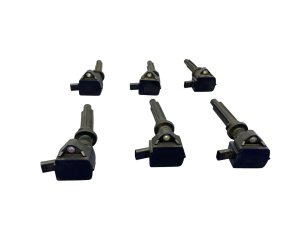
- Faulty Ignition Coil 🔴 High Probability → Shop Ignition Coil Ignition coils are a common wear item subjected to high heat and electrical stress. On the AJ133 engine, oil leaks from the valve cover gaskets are a frequent problem, allowing oil to pool in the spark plug wells and saturate the coil boots, leading to premature coil failure.
How to confirm: Swap the ignition coil from cylinder 6 with another cylinder (e.g., cylinder 8, the rearmost cylinder on the passenger side). Clear the codes and run the engine. If the code changes to P0308, the ignition coil is confirmed to be faulty.
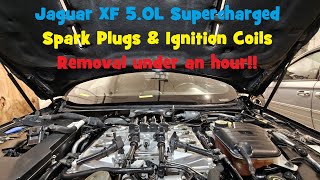
Typical fix: Replace the faulty ignition coil. It is often recommended to replace all eight coils at the same time, especially on higher mileage vehicles, as they have all been subjected to the same conditions. Apply a small amount of dielectric 🎬 See this quick walkthrough for removing 5.0L spark plugs and coils. grease to the new coil boot to prevent moisture intrusion.
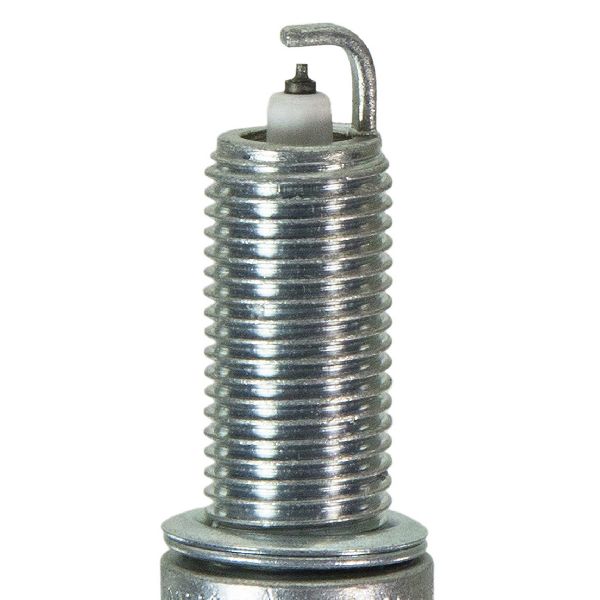
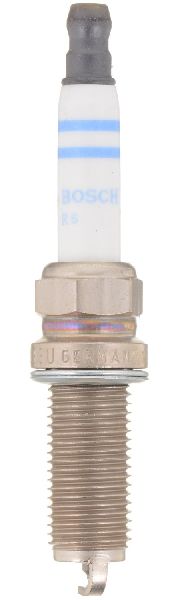
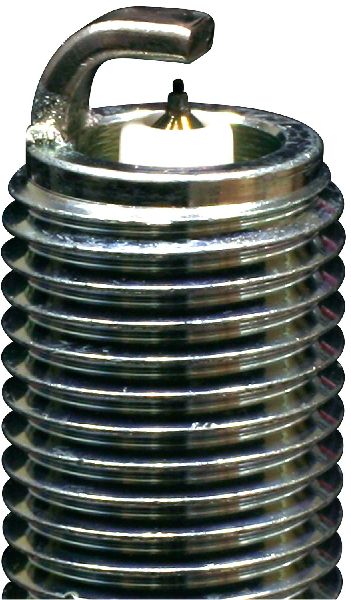
Est. part cost: $50-$120 - Worn or Fouled Spark Plug 🟡 Medium Probability → Shop Spark Plug Spark plugs are a regular maintenance item. The recommended service interval for the iridium plugs in these engines is long, but they will eventually wear out, leading to a weak spark and incomplete combustion. An oil leak or rich running condition can also foul the plug, causing a misfire.
How to confirm: After ruling out the ignition coil, remove the spark plug from cylinder 6. Inspect it for wear (rounded electrode), cracks in the porcelain, or heavy deposits of carbon or oil. A new-looking plug that is wet with fuel can indicate a lack of spark or a stuck-open injector.
Typical fix: Replace the spark plug in cylinder 6. It is best practice to replace all eight spark plugs as a set if they are near the end of their service life (typically 75,000-100,000 miles) to ensure even performance.
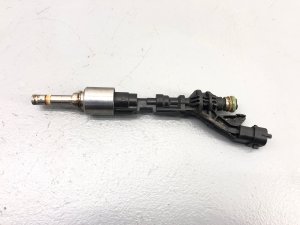
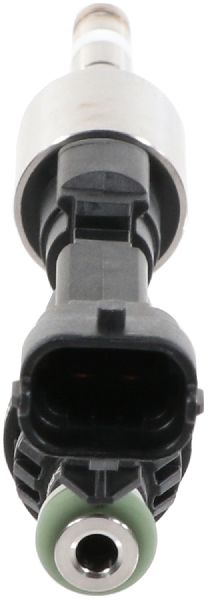
Est. part cost: $15-$30 per plug - Clogged or Faulty Fuel Injector 🟡 Medium Probability → Shop Fuel Injector The AJ133 uses a high-pressure direct injection system. Jaguar issued TSB SSM-63697 specifically for this engine, stating that poor fuel quality or contaminants can restrict fuel injectors, leading to misfires. Forum discussions among 5.0L V8 owners frequently cite failing injectors as the cause for persistent misfires when ignition components are known to be good.
How to confirm: This is more difficult to diagnose. A professional can perform a fuel injector balance test. A DIY method involves listening to the injector with a mechanic's stethoscope to ensure it's clicking. Swapping injectors between cylinders is possible but is a much more labor-intensive job than swapping coils as it involves depressurizing the high-pressure fuel system and removing the fuel rail.
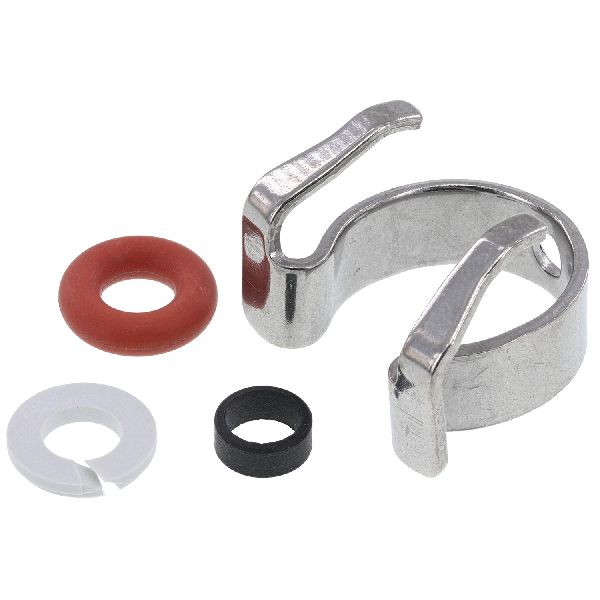
Typical fix: First, try a high-quality fuel system cleaner designed for direct injection engines (e.g., BG 44K). If that fails, the fuel injector will need to be professionally cleaned or, more commonly, replaced.
Est. part cost: $100-$250 for a replacement injector
Rare But Worth Checking
- PCM Software Calibration Issue: TSB JTB00533NAS1 indicates that if the misfire (P0306 along with P0316) occurs only during a cold start (coolant temp below 167°F/75°C), the PCM may require a software update from a Jaguar dealer to correct a fuel injection calibration issue.
- Low Engine Compression: Mechanical issues like a burnt valve, worn piston rings, or a leaking head gasket can cause a misfire. On the 5.0L V8, a known (but rare) issue is timing chain tensioner and guide wear, which can cause the chain to jump time, leading to compression loss. This is a last resort diagnosis after all ignition and fuel issues are ruled out.
- Water Intrusion in Spark Plug Well: → Shop Spark Plug Washing the engine bay, especially with a pressure washer, can force water past the coil seals, shorting out the spark. One owner on Jaguar Forums reported this issue. The fix is to remove the coil and use compressed air to dry the well thoroughly.
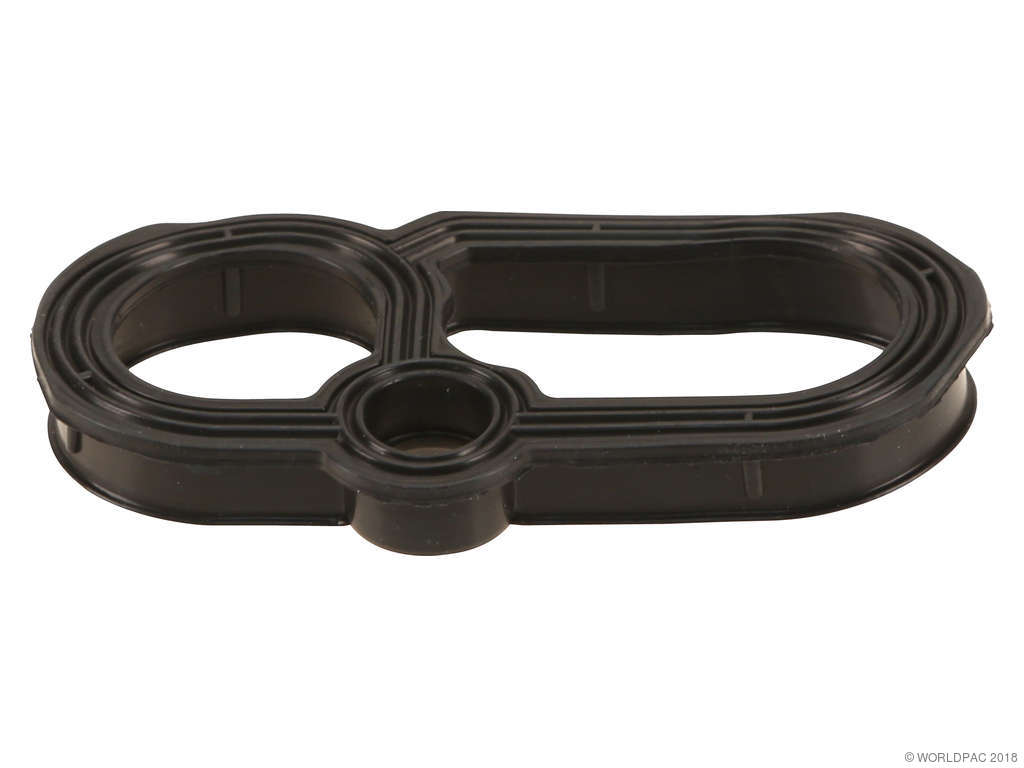
- Vacuum Leak: A vacuum leak from a cracked PCV hose or a failed 🎬 Watch: Step-by-step guide for replacing spark plugs, coils, and PCV hoses. intake manifold gasket near cylinder 6 can lean out the air/fuel mixture and cause a misfire. This would often be accompanied by a hissing sound at idle.
Diagnosis Steps
- Read the fault codes with an OBD-II scanner to confirm P0306 and check for any other codes like P0316 or P1314.
- Locate cylinder 6. On the Jaguar 5.0L V8, the cylinders are numbered 1-3-5-7 on the right (passenger side, Bank 1) and 2-4-6-8 on the left (driver side, Bank 2), from front to back. Cylinder 6 is the third cylinder back on the driver's side.
- Swap the ignition coil from cylinder 6 with the coil from an easily accessible cylinder on the other bank (e.g., cylinder 5). This helps avoid confusion if the entire bank has an issue.
- Clear the codes and start the engine. Let it run until the check engine light reappears.
- Scan the codes again. If the code has moved to P0305, the ignition coil is bad and must be replaced.
- If the code remains P0306, the coil is likely good. Proceed to inspect the spark plug. Remove the plug from cylinder 6 and check for wear, fouling, or damage. Replace if necessary.
- If the plug and coil are good, inspect the wiring and connector for the cylinder 6 ignition coil and fuel injector for any visible damage, corrosion, or oil saturation.
- If no issues are found, the problem is likely the fuel injector. Consider using a reputable fuel injector cleaner (like BG 44K) as a first step, as recommended in forum discussions. If the problem persists, the injector may need replacement.
- If the misfire only occurs on cold starts and is accompanied by P0316, consult a Jaguar dealer about TSB JTB00533NAS1 for a potential PCM software update.
- If all else fails, a mechanical compression test should be performed on cylinder 6 to check for internal engine problems.
Parts You'll Likely Need
- Ignition Coil
(OEM #AJ813593 (supersedes C2D38554))— This is the most frequent failure point for a single-cylinder misfire on modern engines, often exacerbated by oil leaks.
Trusted brands: Bosch, Delphi, NGK, Genuine Jaguar
OEM price range: $80-$120
Aftermarket price range: $40-$75 - Iridium Spark Plug
(OEM #AJ813092 (NGK ILKAR7C10))— As a primary ignition component, a worn spark plug is the second most likely cause of a misfire.
Trusted brands: NGK, Bosch, Denso
OEM price range: $20-$30
Aftermarket price range: $15-$25 - Fuel Injector
(OEM #C2D24386 (Bosch 0261500159))— Due to the known issue of fuel contamination causing injector restrictions (per TSB SSM-63697), this is a common secondary cause if ignition parts are good.
Trusted brands: Bosch (OEM supplier), Genuine Jaguar
OEM price range: $100-$250
Aftermarket price range: $70-$150
Related Codes That Often Appear With This One
- P0300 — If the misfire is intermittent or starting to affect other cylinders, a P0300 (Random/Multiple Misfire) code may appear alongside P0306.
- P1314 / P1316 — These are Jaguar-specific codes indicating the misfire is severe enough to cause catalyst damage. P1314 is for Bank B (cylinders 2, 4, 6, 8). Their presence adds urgency to the repair.
- P0316 — This code indicates a misfire was detected within the first 1,000 engine revolutions on startup. It often appears with specific cylinder misfire codes and is a key condition mentioned in TSB JTB00533NAS1 for the cold-start software update.
Technical Service Bulletins (TSBs) & Recalls
- SSM-63697: Fuel injector concerns on 5.0L AJ133 gasoline engines leading to misfires, rough idle, and poor fuel economy due to fuel quality or contamination.
- JTB00533NAS1: Addresses cold start misfires (with P0316) on 2013-2014 5.0L V8 models, which can be resolved with a PCM software update.
Platform-Specific Known Issues
- TSB SSM-63697: Jaguar noted that poor fuel quality or contaminants could restrict fuel injectors on the 5.0L V8, leading to misfires and rough running. This applies to a wide range of JLR vehicles with this engine.
- TSB JTB00533NAS1: A misfire code (including P0306) appearing with P0316 on a cold start may be due to a fuel injection calibration issue requiring a PCM reflash by a dealer.
- Forum Experience: A thread on JaguarForums.com titled 'unknown cause of misfire p0306 code.' details an owner's diagnostic process, including checking fuel trims and considering vacuum leaks after replacing the coil and plug failed to resolve the issue.
Mechanic-Grade Diagnostic Values
- Ignition Coil Resistance (Secondary Winding) — expected: 8.0 - 19.0 kΩ. Failure: A reading outside this range indicates a faulty coil.
- High-Pressure Fuel System (GDI) — expected: ~500 PSI at idle, up to 2,100-2,800 PSI under load.. Failure: Pressure significantly below 500 PSI at idle or failure to build pressure under load. May trigger P0087.
- Low-Pressure Fuel System (In-tank pump) — expected: 60 - 106 PSI. Failure: Pressure below 60 PSI can indicate a weak in-tank pump, preventing the high-pressure pumps from functioning correctly.
- Injector Pulse Width (at idle) — expected: ~1.14 to 1.24 ms. Failure: A significant deviation on one bank compared to the other can indicate a fueling issue or vacuum leak affecting that bank.
- Engine Ground Voltage Drop (during cranking) — expected: Well under 0.5V (500mV). Failure: A reading higher than 0.5V indicates a poor ground connection, which can cause erratic sensor readings and misfires.
Hidden / Shadow Codes Worth Checking
- Mode $06 Misfire Counts: Advanced scanners can access Mode $06 data, which shows raw misfire counts for each cylinder from the current and last ten drive cycles. This allows a technician to see if cylinder 6 is registering misfires even if they aren't frequent enough to set a P0306 code, which is useful for diagnosing intermittent issues. (see via Professional-grade OBD-II scanner or Jaguar SDD software.)
Scan Tool Commands That Help
- Jaguar SDD (Symptom Driven Diagnostics): Power Balance Test / Cylinder Contribution Test — To dynamically measure the power contribution of each cylinder in real-time. This can confirm that cylinder 6 is underperforming compared to the others, helping to verify the misfire before diving into component swaps.
- Jaguar SDD (Symptom Driven Diagnostics): Fuel Injector Flow Test / Balance Test — This function electronically tests the fuel injectors. It's used after ignition issues have been ruled out to check for a clogged or failing injector without having to physically remove it.
- Jaguar SDD (Symptom Driven Diagnostics): Reset Fuel Adaptations / Clear Learned Fuel Trims — This should be performed after replacing a fuel system component like a fuel injector or fuel pump. It forces the ECM to relearn the fuel trims from a baseline, which is critical for resolving performance issues after a repair.
Wiring & Ground Locations
- Main Engine Ground Strap — Located on the right (US passenger) side, connecting the lower frame rail to the transmission bell housing, often near the starter motor.. This is the primary ground for the engine block. Corrosion or looseness here can cause a host of difficult-to-diagnose electrical problems, including intermittent misfires, by creating an unstable ground reference for sensors and ignition components.
- Firewall/Bulkhead Ground Points — Multiple ground wires are attached to abutments on the firewall/bulkhead, inboard of the starter relay and at the attachment points for the diagonal engine bay braces.. These points provide ground for various engine management sensors and the ECM. A poor connection here can lead to incorrect sensor readings, potentially causing the ECM to command an incorrect fuel or spark event.
Real Owner Repair Stories
- Jaguar Forums user (Jaguar XJ12 (V12 engine, but diagnostic principle is similar)) — Persistent P0306 misfire on cylinder 6A after extensive preventative maintenance.
❌ Tried (didn't work) Replaced all 12 spark plugs, Replaced all spark plug wires, Replaced both ignition coils, Replaced both Idle Air Control Valves, Replaced both MAP sensors, Cleaned and tested all 12 fuel injectors, Checked fuel injector connector
✅ What actually fixed it The user traced the issue to the Engine Control Unit (ECU) itself. After inspecting the ECU, they found signs of stress on the PCB and resoldered some connections, which resolved the misfire. This indicates a rare internal ECU fault was causing the specific cylinder misfire code.
OEM Part Supersession History
C2D24386→C2D45732, C2D55183, LR079542— Standard part evolution and updates by the manufacturer (Bosch/Jaguar).
Heads up: While later part numbers are generally backward compatible, it is always best to replace injectors in a full set of 8 to ensure matched flow rates, especially on a high-performance, direct-injection engine.C2D38554→AJ813593— Updated ignition coil design for improved reliability or manufacturing efficiency.
Helpful Videos
Used OEM Parts in Stock
New Aftermarket Parts Available

The information in this article is provided for general reference and educational purposes only. Vehicle specifications, procedures, and part compatibility can vary by production date, trim level, and region. Always consult your vehicle's factory service manual and verify part numbers before purchasing or performing repairs. Safety-critical components such as airbags, seat belts, and braking systems should be installed by a qualified professional.
- Jaguar XK:
- 🧭 Diagnostic Flowchart
- 🎬 Helpful Videos
- 🛍️ Shop This Part
- What's Unique About the 2010-2014 Jaguar XK
- Symptoms You May Notice
- Most Likely Causes
- Rare But Worth Checking
- Diagnosis Steps
- Parts You'll Likely Need
- Related Codes That Often Appear With This One
- Technical Service Bulletins (TSBs) & Recalls
- Platform-Specific Known Issues
- Mechanic-Grade Diagnostic Values
- Hidden / Shadow Codes Worth Checking
- Scan Tool Commands That Help
- Wiring & Ground Locations
- Real Owner Repair Stories
- OEM Part Supersession History
- 🎟️ Get 5% Off