

P0306 on 2016-2020 Kia Sorento 3.3L V6: Cylinder 6 Misfire Causes and Fixes
P0306 means a misfire on cylinder 6. On the Sorento 3.3L V6, this cylinder is on the rear bank under the intake manifold, making it a difficult repair. The most common causes are a failed ignition coil or spark plug, but a clogged GDI fuel injector or significant carbon buildup are also possible. For 2016-2017 models, a head gasket issue covered by an extended warranty is a notable cause. Expect a high labor cost if you don't DIY due to the need to remove the intake manifold.
- P0306 on this Sorento is a difficult job because cylinder 6 is buried under the intake manifold.
- The most likely cause is a bad ignition coil or spark plug.
- Due to the high labor involved, always replace the ignition coil, spark plug, and intake gaskets for cylinder 6 at the same time. It's best practice to service all three rear cylinders while the manifold is off.
- If ignition parts don't fix it, suspect a clogged GDI fuel injector or significant carbon buildup on the intake valves.
- For 2016-2017 models, be aware of the warranty extension for head gasket leaks, which can also cause misfires.
What's Unique About the 2016-2020 Kia Sorento
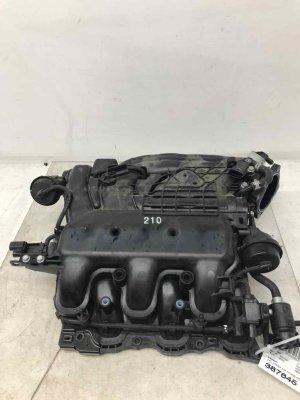
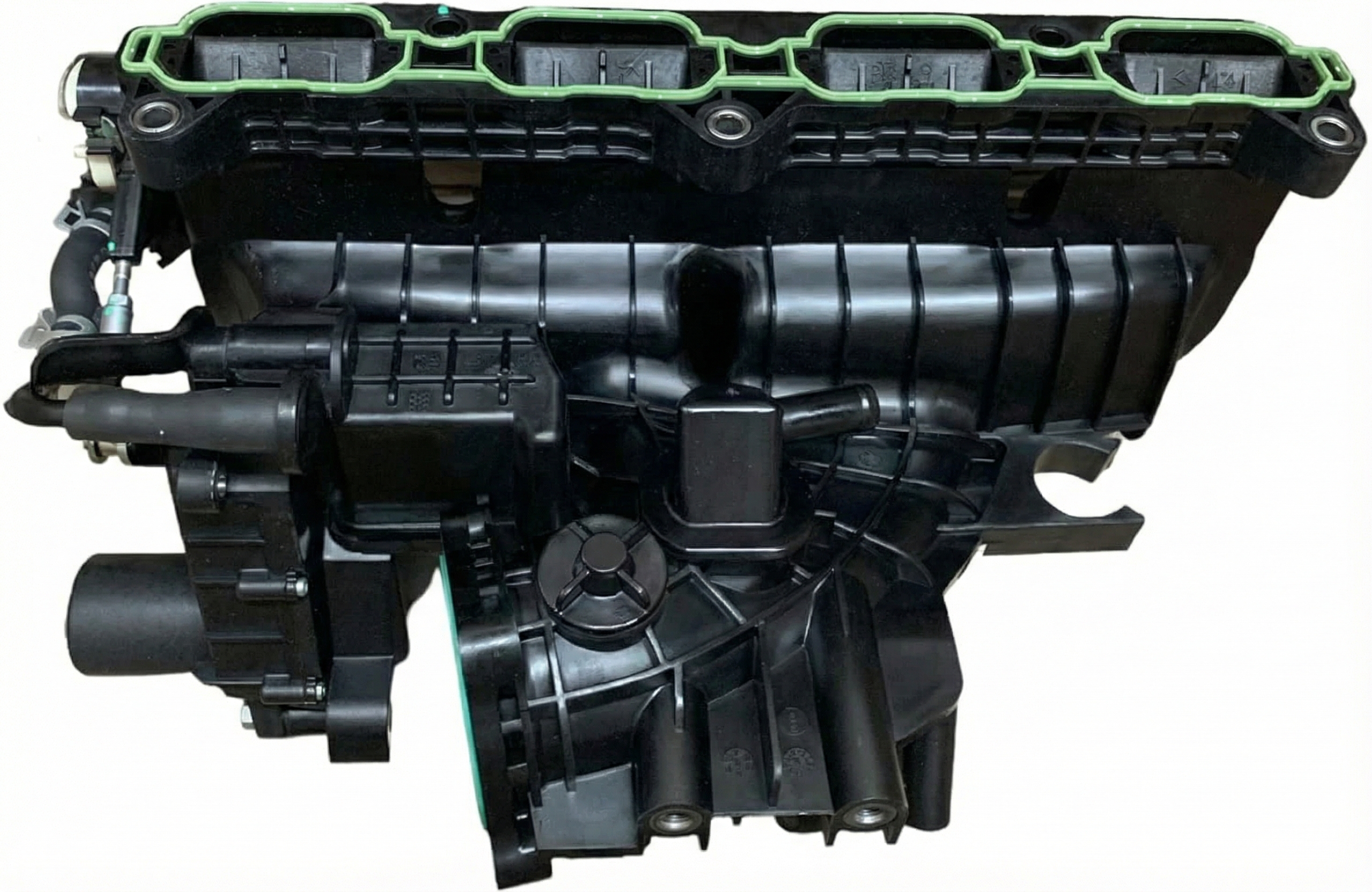
The key challenge with a P0306 code on this specific Sorento is the location of cylinder 6. On the transverse-mounted 3.3L V6, the cylinders are numbered 1-3-5 on the front bank (near the radiator) and 2-4-6 on the rear bank (against the firewall). Accessing the ignition coil, spark plug, or fuel injector for cylinder 6 requires the complete removal of the upper intake manifold, a significantly more complex and labor-intensive job compared to working on the front three cylinders. This design dramatically increases the labor time and cost for what would otherwise be a simple repair.
Symptoms You May Notice
- Flashing or solid Check Engine Light
- Rough or shaking idle
- Engine hesitation or stumbling during acceleration
- Noticeable loss of power
- Reduced fuel economy
- Smell of gasoline from the exhaust
- Engine jerking during acceleration
- Replacing only the spark plug without checking the coil. Since the labor is intensive, it's best to replace both, along with the other rear bank plugs and coils.
- Replacing a front bank ignition coil when the issue is on the rear bank. The coils are not interchangeable and have different part numbers (Front: 27301-3C000/UF-546, Rear: 27310-3L000).
- Assuming a fuel injector cleaner additive will fix a severely clogged GDI injector or clean intake valves. While helpful for maintenance, it cannot fix a failed component or remove heavy carbon buildup on valves.
Most Likely Causes
- Failed Ignition Coil 🔴 High Probability → Shop Ignition Coil Ignition coils are a common failure point on many modern engines, leading to single-cylinder misfires. Due to the high heat in the engine bay, the coil's internal windings can degrade over time. The rear bank coils, like the one for cylinder 6, may be more susceptible due to reduced airflow.
How to confirm: The standard diagnostic procedure is to swap the suspected bad coil with a known good one from another cylinder and see if the misfire code follows (e.g., P0306 changes to P0304 after swapping coils from cylinder 6 and 4). However, since cylinder 6 is under the intake manifold, this is not a simple swap. A mechanic will typically use a scan tool to monitor misfire data first.
Typical fix: Replace the failed ignition coil. Since the intake manifold must be removed, it is highly recommended to replace all three rear ignition coils and all six spark plugs at the same time to save on future labor costs. The rear bank uses a different coil (Part No. 27310-3L000) than the front bank.
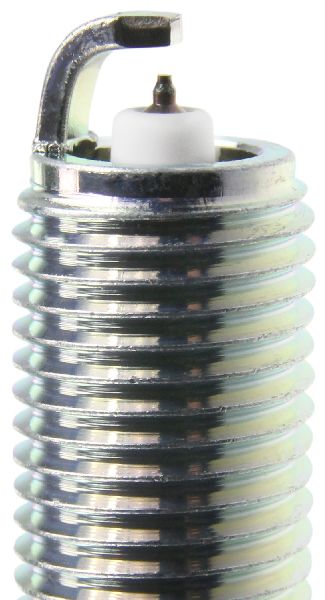
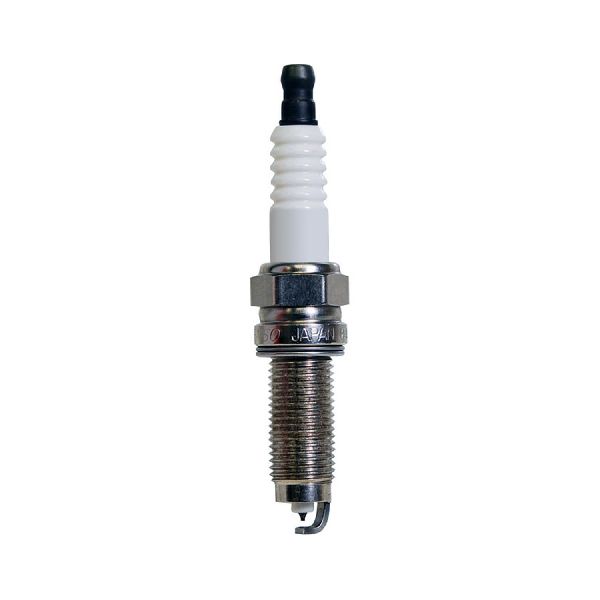
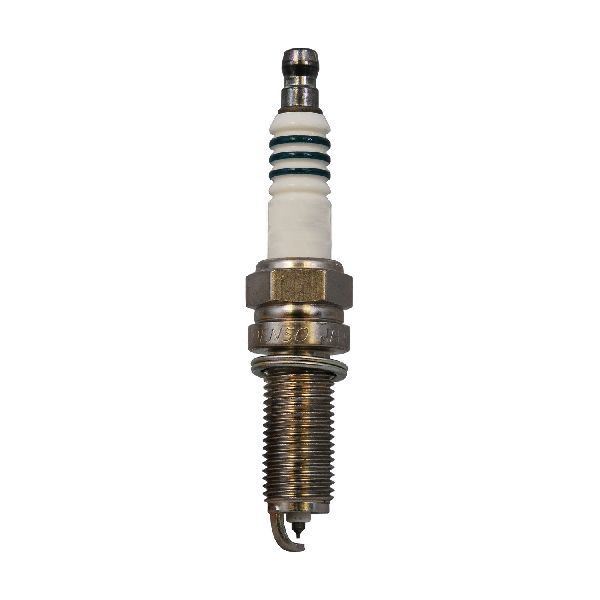
Est. part cost: $50-$110 per coil - Worn or Fouled Spark Plug 🔴 High Probability → Shop Spark Plug Spark plugs are a regular maintenance item with a finite lifespan. While modern iridium plugs are long-lasting, they eventually wear out. Oil consumption or carbon buildup, issues noted on GDI engines, can also foul the plug, preventing a proper spark and causing a misfire.
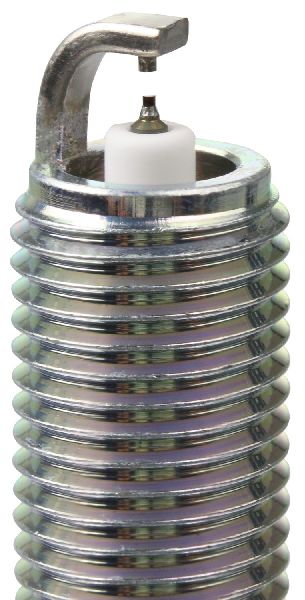
How to confirm: Visually inspect the spark plug after removal. Look for wear on the electrode, heavy carbon deposits, oil fouling, or coolant contamination. Given the labor to access it, if the plug is original and the vehicle has high mileage (over 60,000 miles), it's a primary suspect.
Typical fix: Replace the spark plug. As with the ignition coil, it is strongly advised to replace all six spark plugs (or at least the three rear ones) and the intake manifold gaskets when performing this job. 🎬 Watch this step-by-step walkthrough for replacing rear bank plugs and coils.
Est. part cost: $15-$25 per plug - Clogged or Failing GDI Fuel Injector 🟡 Medium Probability → Shop Fuel Injector Gasoline Direct Injection (GDI) engines like the Lambda II operate with high-pressure fuel systems. The injectors are located inside the combustion chamber and are prone to clogging from carbon deposits over time. Several Kia/Hyundai models have noted issues with GDI injectors leading to misfires.
How to confirm: This is more difficult to diagnose. A professional technician can use a scan tool to monitor fuel trims and misfire counts. Sometimes this code is accompanied by a fuel pressure code like P0087. A definitive test involves swapping injectors between cylinders, which requires removing the intake manifold and fuel rail.
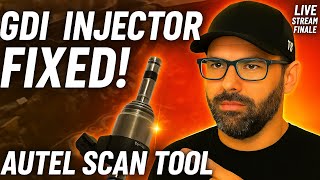
Typical fix: Replace the faulty fuel injector. It is often recommended to replace all six injectors at once, as they have been subjected to the same conditions. This is a complex job that also requires replacing the injector seals with special tools. 🎬 See how a technician diagnoses GDI injector misfires using scan tool data.
Est. part cost: $70-$150 per injector - Carbon Buildup on Intake Valves 🟡 Medium Probability GDI engines spray fuel directly into the cylinder, so fuel detergents never wash over the intake valves. This allows oil vapor and combustion byproducts from the PCV system to bake onto the valves, restricting airflow and causing turbulence, which can lead to misfires, especially at idle or during cold starts.
How to confirm: This requires visual inspection of the intake valves, which can only be done after removing the intake manifold. The valves will have thick, black carbon deposits on them.
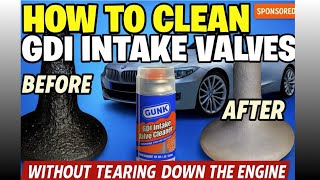
Typical fix: Perform a manual intake valve cleaning, often called 'walnut blasting'. This service uses crushed walnut shells to safely blast the carbon off the valves without damaging the metal. Chemical cleaning methods are less effective and risk dislodging carbon chunks into the engine. 🎬 Check out this alternative method for cleaning GDI intake valves.
Est. part cost: $0 (if performed during another repair), but shop service costs $400-$800
Rare But Worth Checking
- Leaking Head Gasket: For 2016-2017 models, Kia issued a warranty extension (WTY035) related to TSB ENG253 for coolant leaks from the head gasket area. This was due to head bolt threads potentially stripping in the engine block, reducing clamping force. The warranty is extended to 15 years / 180,000 miles. A leak can allow coolant into the cylinder, fouling the spark plug and causing a misfire. Check for signs of coolant loss, white smoke from the exhaust, or milky engine oil.
- Vacuum Leak: A leak in the intake manifold gasket near cylinder 6 could lean out the air/fuel mixture and cause a misfire. When the intake manifold is removed for other service, the gaskets should always be replaced to prevent this. A cracked intake manifold itself is also a possibility.
- Low Compression: A mechanical engine problem, such as a worn piston ring, a burnt valve, or other valvetrain issues, can cause low compression and a persistent misfire. This is less likely than other causes and is usually diagnosed with a compression test after ignition and fuel system issues have been ruled out. NHTSA ODI #11425691 describes a case where a dealer determined a new engine was necessary after finding codes P0300, P0306, P0304, P0302, and P0018.
Diagnosis Steps
- Read the codes with an OBD-II scanner to confirm P0306 and check for any other codes.
- Use a scan tool with live data to view the misfire counter for each cylinder to confirm cylinder 6 is the primary offender.
- Due to the difficulty of access, a DIYer may choose to inspect the easily accessible front bank (cylinders 1, 3, 5) coils and plugs first. Their condition can give an indication of the overall state of the ignition system.
- The main diagnostic job: Disconnect the battery, then remove the upper intake manifold to gain access to the rear bank (cylinders 2, 4, 6). This involves removing the airbox, throttle body, various hoses, and electrical connectors.
- Once accessed, it is highly recommended to replace all three rear ignition coils and spark plugs regardless, due to the labor involved. However, for pure diagnosis, you can swap the ignition coil from cylinder 6 with the coil from cylinder 4.
- If you chose to swap parts for diagnosis: Temporarily re-install the manifold, start the engine, and see if the code changes to P0304. If it does, the ignition coil was the culprit.
- If the misfire remains on cylinder 6, the problem is likely a spark plug, fuel injector, carbon buildup, or a mechanical issue.
- Inspect the intake valves for carbon buildup while the manifold is off.
- If fuel and ignition are ruled out, perform a compression test on cylinder 6 to check for mechanical engine problems like bad rings or valves.
- For 2016-2017 models, if there are signs of coolant loss, investigate the head gasket issue under the WTY035 warranty extension.
Parts You'll Likely Need
- Ignition Coil (Rear Bank)
(OEM #27310-3L000)— This is a very common cause of a single-cylinder misfire. The rear bank coil is specific and not interchangeable with the front. - Spark Plug
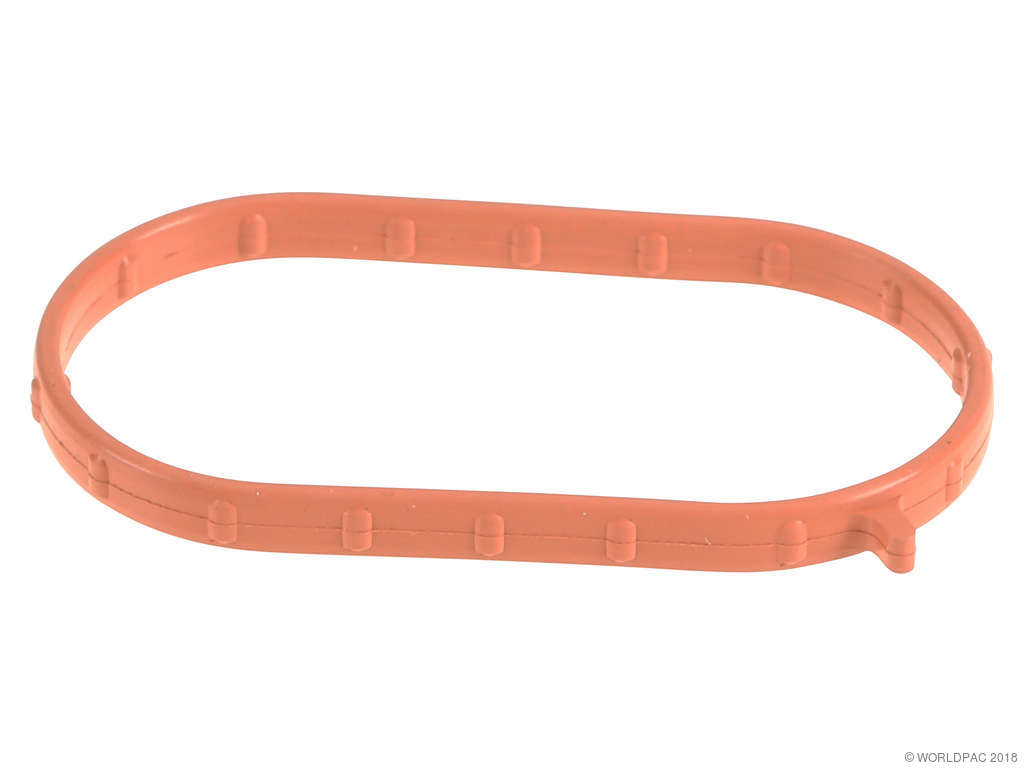
(OEM #18846-11070 (SILZKR7B11))— Spark plugs are a routine wear item and are always recommended to be replaced when accessing the rear bank due to the high labor cost. - Upper Intake Manifold Gasket Set
(OEM #29215-3C600)— These are single-use gaskets that must be replaced anytime the intake manifold is removed to prevent vacuum leaks. - GDI Fuel Injector
(OEM #35310-3C400)— If the misfire is determined to be fuel-related, a clogged or failed injector is a likely cause on GDI engines.
Related Codes That Often Appear With This One
- P0300 — If the misfire becomes more widespread or is intermittent across cylinders, a P0300 (Random/Multiple Misfire) code may appear.
- P0302, P0304 — Misfires on other rear-bank cylinders (2 and 4) may occur if the root cause, like carbon buildup or a vacuum leak at the manifold, affects the entire bank.
- P0087 — A P0087 (Fuel Rail/System Pressure - Too Low) code can appear alongside a misfire if the cause is a failing high-pressure fuel pump or a stuck-open fuel injector. NHTSA ODI #11499800 notes this code appearing alongside a full range of misfire codes from P0300 to P0306.
Technical Service Bulletins (TSBs) & Recalls
- WTY035 / ENG253: Warranty extension for 2016-2017 Sorento 3.3L V6 for head gasket coolant leaks, extending coverage to 15 years / 180,000 miles.
- WTY039 / ENG254: Similar warranty extension for head gasket issues on platform mates like the 2014-2015 Sorento, 2015-2016 Sedona, and 2014-2017 Cadenza.
- ENG228: Related TSB for the 2020 Kia Telluride addressing cold-start misfires (P0300-P0306) with an ECM software update.
Platform-Specific Known Issues
- Warranty Extension WTY035 (TSB ENG253): Affects 2016-2017 Sorento 3.3L models. Extends warranty coverage to 15 years/180,000 miles for coolant leaks from the cylinder head gasket area, which could potentially cause a misfire.
- GDI Engine Carbon Buildup: Like most GDI engines, the Lambda II V6 is susceptible to performance issues from carbon deposits on intake valves, which can cause misfires.
Mechanic-Grade Diagnostic Values
- Ignition Coil Primary Resistance — expected: 0.49 - 0.57 Ohms. Failure: A reading outside this range indicates a faulty coil winding.
- Ignition Coil Secondary Resistance — expected: 9.5 - 11.1 kOhms. Failure: A reading outside this range indicates a faulty secondary winding.
- High-Pressure Fuel System (GDI) — expected: 2,000 to 2,800 PSI under load. Failure: Significantly lower pressure may indicate a failing High-Pressure Fuel Pump (HPFP), while significantly higher pressure (which can trigger P0088) also points to a faulty HPFP.
- Mode 6 Misfire Counts — expected: Value should be at or near zero for cylinder 6.. Failure: A high or incrementing count for cylinder 6 confirms the misfire, even without a persistent CEL. The test ID for misfire data is often $53.
Scan Tool Commands That Help
- Kia GDS (Global Diagnostic System): Misfire Data Analysis / Cylinder Power Balance Test — This dealer-level function provides detailed, real-time misfire counts per cylinder and can perform a power balance test by deactivating individual injectors to see the corresponding RPM drop. A small RPM drop on cylinder 6 would confirm a weak contribution, pointing to a spark, fuel, or compression issue.
- Kia GDS (Global Diagnostic System): Fuel System Actuation Tests — This allows a technician to command the high-pressure fuel pump and individual injectors to operate, verifying their electronic function without having to remove them. It's used to differentiate between a clogged injector and an electrically failed one.
Wiring & Ground Locations
- Cylinder 6 Ignition Coil Connector — On the rear bank (closest to firewall), on the far driver's side of the engine. It is located under the upper intake manifold.. This connector and its wiring are the primary electrical connection for the cylinder 6 ignition coil. Damage or corrosion here can cause a P0306. The pinout typically includes a 12V+ feed, a ground, and a trigger signal from the ECM.
- Cylinder 6 Fuel Injector Connector — On the rear bank fuel rail, below the intake manifold, corresponding to the #6 cylinder position.. If the misfire is fuel-related, checking for a proper signal at this connector is a key diagnostic step. A wiring fault here would mimic a failed injector.
- Main Engine Ground Strap — Typically a thick cable running from the engine block or cylinder head to the vehicle's chassis/frame rail in the engine bay.. A poor engine ground can cause a weak spark across all cylinders, but it can sometimes manifest as an intermittent misfire on a single, more sensitive cylinder first. Ensuring this connection is clean and tight is a fundamental step in diagnosing any electrical issue.
Real Owner Repair Stories
- Reddit user in /r/MechanicAdvice (2015 Kia Sorento 3.3L V6) — Multiple misfires on Bank 2 (P0302, P0304, P0306) and a lean code (P219B).
❌ Tried (didn't work) Initial assumption was a vacuum leak or ignition issue.
✅ What actually fixed it Diagnosis using a bidirectional scanner's power balance test revealed a significant RPM drop difference on cylinder 4, with smaller drops on 2 and 6. This indicated a clogged injector on cylinder 4 was the primary cause, with the other injectors on the same bank also partially restricted. A high-quality fuel system cleaner (like BG 44K) was recommended as a first step before injector replacement. - NHTSA ODI #11513767 — An owner reported a wide array of intermittent codes including P0087, P0300, P0301, P0302, P0303, P0304, P0305, and P0306, noting that the codes would sometimes disappear and then return.
OEM Part Supersession History
27301-3C000→27301-3C010— Internal design and material improvements to increase durability and resistance to heat failure.
Heads up: This part number is for the FRONT bank (cylinders 1, 3, 5) only. It is often confused with the rear bank coil (27310-3L000). They are not interchangeable.
Model Year Variations Within This Range
- 2019-2020: Models produced from January 24, 2018, to October 15, 2020, are covered by Kia's warranty extension (WTY034) for high-pressure fuel pump (HPFP) failures that may present with a P0088 code, but can also be related to misfire conditions.
Diagnostic Flowchart
Real Owner Stories
Aggregated from forums and TSBs cited above. Mileages and costs reflect what owners reported in those sources.
Kia Sorento
Symptoms: The P0306 misfire code remained active even after replacing the spark plug on cylinder 6.
What fixed it: Further diagnosis required; replacing the spark plug alone did not resolve the issue.
Source hint: Reddit r/MechanicAdvice thread titled 'P0306 still remains after changing the spark plug/'
2016-2017 Kia Sorento 3.3L
Symptoms: Engine misfire accompanied by coolant loss from the cylinder head gasket area.
What fixed it: Addressed under Warranty Extension WTY035 for head gasket coolant leaks.
Source hint: TSB WTY035 / ENG253
2020 Kia Telluride
Symptoms: Cold-start misfires triggering codes P0300 through P0306.
What fixed it: ECM software update.
Source hint: TSB ENG228
Kia Sorento
Symptoms: Vehicle was towed to a dealer where technicians found a series of codes including P0300, P0306, P0304, P0302, and P0018.
What fixed it: The dealer determined that a complete engine replacement was necessary to resolve the issues.
Source hint: NHTSA ODI #11425691
Documented NHTSA Reports
According to NHTSA ODI #11499800, an owner reported that their vehicle began showing codes P0506 and P0087, followed by a series of misfire codes including P0300, P0301, P0302, P0303, P0304, P0305, and P0306. Similarly, NHTSA ODI #11513767 describes a situation where codes such as P0087, P0506, P2096, and the full range of cylinder misfire codes (P0300-P0306) appeared intermittently.
Related OBD-II Codes
Frequently Asked Questions
Does the WTY035 warranty extension apply to my 2018 Kia Sorento 3.3L?
Why is the labor cost so high to replace the ignition coil for cylinder 6 on this engine?
Should I replace all the spark plugs if only cylinder 6 is misfiring?
Can carbon buildup cause a P0306 code on my Sorento?
Is the ignition coil for cylinder 6 the same part as the front cylinders?
Could a coolant leak be causing my P0306 code?
Helpful Videos

Used OEM Parts in Stock
New Aftermarket Parts Available


The information in this article is provided for general reference and educational purposes only. Vehicle specifications, procedures, and part compatibility can vary by production date, trim level, and region. Always consult your vehicle's factory service manual and verify part numbers before purchasing or performing repairs. Safety-critical components such as airbags, seat belts, and braking systems should be installed by a qualified professional.
- Kia Sorento:
- 🧭 Diagnostic Flowchart
- 🎬 Helpful Videos
- 🛍️ Shop This Part
- What's Unique About the 2016-2020 Kia Sorento
- Symptoms You May Notice
- Most Likely Causes
- Rare But Worth Checking
- Diagnosis Steps
- Parts You'll Likely Need
- Related Codes That Often Appear With This One
- Technical Service Bulletins (TSBs) & Recalls
- Platform-Specific Known Issues
- Mechanic-Grade Diagnostic Values
- Scan Tool Commands That Help
- Wiring & Ground Locations
- Real Owner Repair Stories
- OEM Part Supersession History
- Model Year Variations Within This Range
- Real Owner Stories
- Kia Sorento
- 2016-2017 Kia Sorento 3.3L
- 2020 Kia Telluride
- Kia Sorento
- Documented NHTSA Reports
- Related OBD-II Codes
- Frequently Asked Questions
- 🎟️ Get 5% Off