

P0306 on 2007-2018 Lexus ES 350: Cylinder 6 Misfire Causes and Fixes
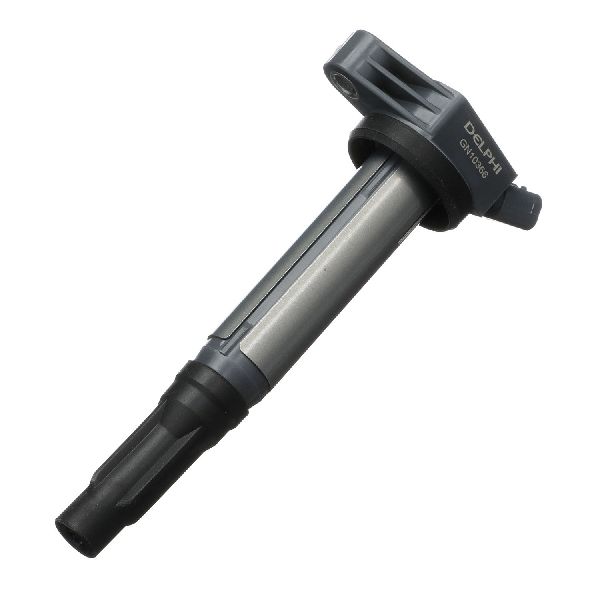
P0306 on a Lexus ES 350 is almost always a bad ignition coil on cylinder 6. Because cylinder 6 is on the easily accessible front bank (driver's side, by the radiator), this is a simple DIY fix. Swap the coil with cylinder 4 (middle front) to confirm; if the code changes to P0304, replace the coil. An OEM Denso coil (part # 90919-A2007, aftermarket Denso # 673-1309) costs about $70-$120 and takes minutes to replace.
- P0306 means cylinder 6 is misfiring. On your ES 350, this cylinder is conveniently located on the front bank (driver's side) and is easy to access.
- The most likely cause is a bad ignition coil. Use the 'coil swap' method with cylinder 4 to confirm before buying parts.
- If the coil isn't the problem, a worn spark plug is the next most likely culprit.
- Because access is easy, this is a great DIY repair that can save you hundreds in labor costs.
- If the Check Engine Light is flashing, avoid driving to prevent expensive damage to your catalytic converter.
What's Unique About the 2007-2018 Lexus ES 350
What makes this code manageable on the ES 350 is the location of cylinder 6. On the transverse-mounted 2GR-FE V6 engine, cylinders 2, 4, and 6 are on the front bank, right by the radiator. This means cylinder 6 is easy to access, making diagnosis and repair of the most common causes (ignition coil, spark plug) a simple task for a DIYer. This is a significant advantage compared to a misfire on the rear bank (cylinders 1, 3, 5), which requires removing the entire upper intake manifold for access.
Generation note: This guide covers the Lexus ES 350 generations XV40 (2007-2012) and XV60 (2013-2018). Both generations use the 2GR-FE 3.5L V6 engine, and the causes, parts, and diagnostic procedures for a P0306 code are consistent across this entire year range.
Symptoms You May Notice
- Rough or vibrating idle
- Hesitation or stumbling during acceleration
- Flashing or solid Check Engine Light
- Reduced fuel economy
- Activation of VSC (Vehicle Stability Control) or TRAC OFF lights, which is a common secondary warning on Lexus vehicles when a primary engine fault is detected.
- Replacing the spark plug when the ignition coil is the actual problem. Always perform the 'coil swap' test first, as it's free and definitive.
- Assuming the misfire is on the difficult-to-access rear bank. Many owners and even some generic guides confuse the cylinder numbering, leading to unnecessary work. Cylinder 6 is on the front bank, driver's side.
Most Likely Causes
- Faulty Ignition Coil 🔴 High Probability → Shop Ignition Coil Coil-on-plug ignition systems are a common failure point on modern engines as they age. The 2GR-FE family of engines has a known pattern of coil failures, which can happen suddenly without prior symptoms.
How to confirm: Swap the ignition coil from cylinder 6 with the coil from cylinder 4 (the middle cylinder on the same front bank). Clear the codes and drive the car. If the code changes to P0304, the coil is bad. This is the definitive DIY diagnostic step. 🎬 See this quick video on two DIY methods to fix P0306.
Typical fix: Replace the faulty ignition coil. It is held on by a single 10mm bolt and is easily accessible on the front of the engine.
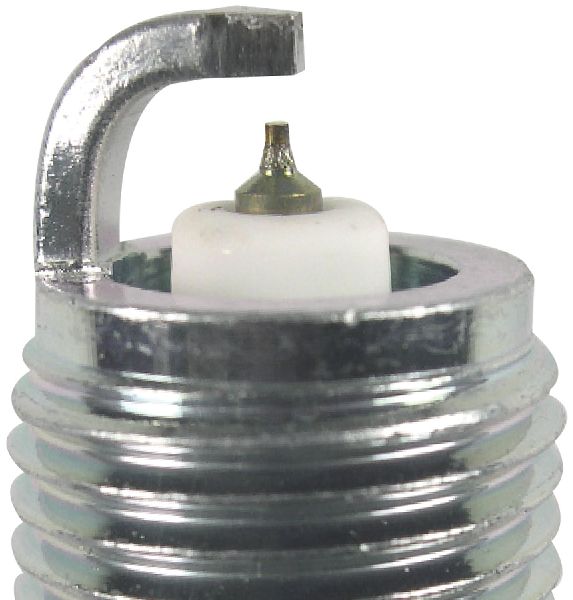
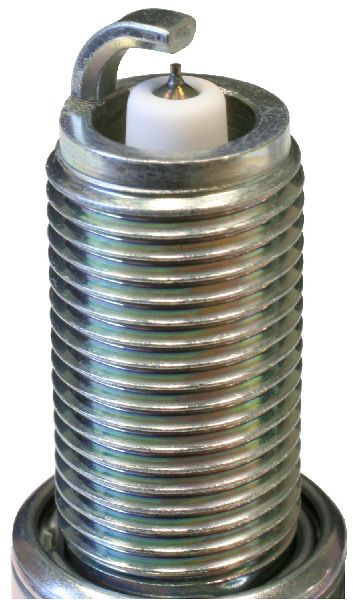
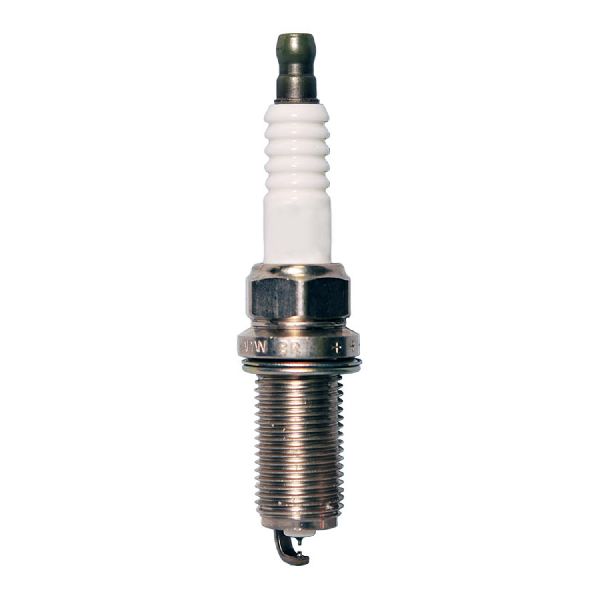
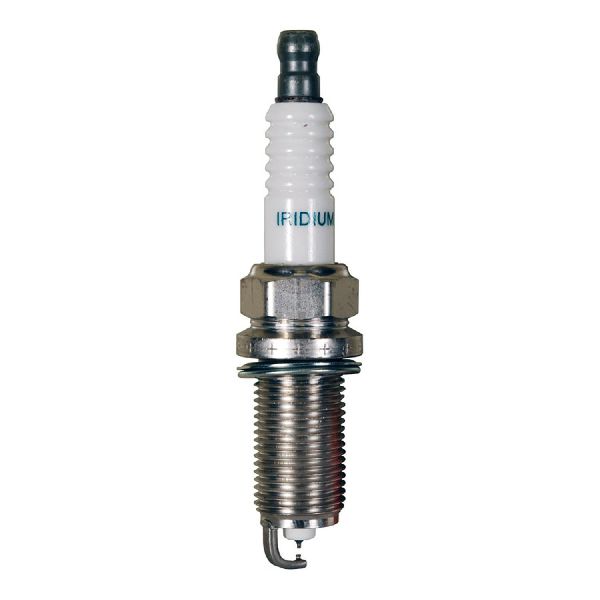
Est. part cost: $70-$120 for an OEM-quality brand like Denso (aftermarket part # 673-1309). - Worn or Fouled Spark Plug 🟡 Medium Probability → Shop Spark Plug Spark plugs are a maintenance item with a finite lifespan, typically around 120,000 miles for the factory-installed iridium plugs. An old plug can have a weak spark, causing a misfire, especially under load.
How to confirm: After confirming the ignition coil is good, remove the spark plug from cylinder 6. Inspect it for heavy carbon fouling, oil contamination, a wet appearance from unburnt fuel, or a worn-out electrode. Compare it to a new plug.
Typical fix: Replace the spark plug in cylinder 6. It is highly recommended to replace all six spark plugs at the same time for balanced performance, but this requires removing the intake manifold for the rear three. 🎬 Watch: Easy step-by-step guide for Lexus ES350 spark plug replacement. If the plugs are near their service interval, plan to replace all six.
Est. part cost: $12-$25 per iridium spark plug (Denso or NGK). - Faulty Fuel Injector ⚪ Low Probability → Shop Fuel Injector
How to confirm: If swapping the coil and replacing the plug does not resolve the P0306 code, the fuel injector is the next suspect. A professional can perform a fuel injector balance test. A DIY method is to listen to the injector with a mechanic's stethoscope; it should make a consistent, rapid clicking sound. An injector failure is much less common than a coil or plug issue.
Typical fix: Replace the fuel injector for cylinder 6. The front bank injectors are accessible without removing the intake manifold.
Est. part cost: $100-$250 for an OEM-quality injector. - Rodent Damage to Wiring ⚪ Low Probability The soy-based wiring insulation used in many modern cars can attract rodents. The easily accessible wiring harnesses for the front bank of cylinders are a common target. A chewed wire to the coil or injector will cause a persistent misfire.
How to confirm: Visually inspect the wiring harness and connector going to the ignition coil and fuel injector on cylinder 6. Look for any signs of chewed or frayed wires. This is a surprisingly common issue reported by owners in forums.
Typical fix: Repair the damaged section of the wiring harness or replace the connector pigtail.
Est. part cost: $10-$30 for a new connector pigtail.
Rare But Worth Checking
- Low Engine Compression: This is a worst-case scenario involving internal engine damage like a bad valve, worn piston rings, or a failed head gasket. It's very unlikely on the reliable 2GR-FE engine unless it has been severely overheated or poorly maintained. A compression test is required to confirm.
- Vacuum Leak: A leak in the intake system can cause a lean mixture and misfires. However, a vacuum leak large enough to cause a consistent single-cylinder misfire is uncommon and would likely be accompanied by other codes (like P0300) or symptoms.
Diagnosis Steps
- Read the code with an OBD-II scanner to confirm P0306 is the primary code. Note any other codes, such as P0356.
- Identify Cylinder 6: It is on the front bank (Bank 2, near the radiator), on the driver's side. The front cylinders are, from passenger to driver side, 2, 4, and 6.
- Perform the Ignition Coil Swap Test: Disconnect the electrical connector (press the release tab) and remove the 10mm bolt holding the ignition coil on cylinder 6. Do the same for cylinder 4 (the middle one). Swap the two coils, reinstall them, and clear the codes.
- Test Drive: Drive the vehicle until the Check Engine Light comes back on. This may only take a few minutes.
- Analyze Results: Re-scan the codes. If the code is now P0304, the ignition coil you moved from cylinder 6 is faulty. Purchase and install a new coil. If the code remains P0306, the coil is not the issue.
- Inspect the Spark Plug: If the code stayed P0306, remove the ignition coil again and then remove the spark plug from cylinder 6 (requires a 5/8" spark plug socket with an extension). Check its condition. If it is old, fouled, or damaged, replace it.
- Inspect Wiring: While the coil is off, carefully inspect the electrical connector and wiring for any signs of damage, especially chewing from rodents.
- Further Diagnosis: If a new plug and a good coil do not fix the issue, the problem likely lies with the fuel injector, wiring, or a mechanical engine issue (compression), which may require professional diagnosis.
Parts You'll Likely Need
- Ignition Coil
(OEM #90919-A2007 (supersedes 90919-02251))— This is the most common failure part for a P0306 code on this engine. Denso is the original equipment manufacturer.
Trusted brands: Denso (aftermarket # 673-1309), NGK
OEM price range: $90-$150
Aftermarket price range: $40-$80 - Iridium Spark Plug
(OEM #90919-01247 (Denso SK20R11) or 90919-01253 (Denso FK20HR11))— If the ignition coil is not at fault, a worn or fouled spark plug is the next most likely cause. Denso and NGK are the OEM suppliers. The specific plug may vary by model year, so confirm with your VIN.
Trusted brands: Denso (SK20R11 or FK20HR11), NGK (ILFR6T11)
OEM price range: $15-$25
Aftermarket price range: $10-$18
Related Codes That Often Appear With This One
- P0300 — If the misfire condition is intermittent or affects multiple cylinders, a P0300 (Random/Multiple Cylinder Misfire) may be stored alongside P0306.
- P0302, P0304 — Misfire codes for other cylinders on the same front bank (Bank 2) can indicate a shared problem, like a vacuum leak affecting that bank or a batch of failing coils.
- P0356 — This code specifically indicates a malfunction in the ignition coil primary or secondary circuit for cylinder 6. If you see this with P0306, it strongly points to a bad coil or a wiring issue to the coil.
Technical Service Bulletins (TSBs) & Recalls
- L-SB-0044-19 Rev1 (Related): While for other Lexus models (IS/GS/RC), this TSB addresses misfire codes P0301-P0306 caused by faulty ignition coils and outdated ECM logic on the 2GR engine family, corroborating the high probability of a coil failure.
Platform-Specific Known Issues
- While not specific to the ES 350, Lexus issued TSB L-SB-0044-19 Rev1 for other models with the 2GR engine family for misfire codes, indicating a faulty ignition coil and requiring an ECM software update. This suggests a known pattern of coil issues across the engine platform.
- The activation of VSC/TRAC lights alongside the Check Engine Light for a simple misfire is a well-documented characteristic of this Lexus generation and can be alarming, but it is standard behavior and will resolve when the misfire is fixed.
Mechanic-Grade Diagnostic Values
- Fuel Injector Resistance — expected: 11.6 to 12.4 Ω at 20°C (68°F). Failure: A reading outside this range indicates a faulty injector.
- Fuel Pressure (at idle) — expected: 304 to 343 kPa (44 to 50 psi). Failure: Pressure below this range can indicate a weak fuel pump or clogged filter, potentially causing a lean misfire.
- Ignition Coil Resistance — expected: OEM specs are not reliably published for field testing; swapping the coil is the preferred diagnostic method. As a reference, some aftermarket coils for the 2GR-FE specify a primary resistance around 0.5 Ω and secondary resistance around 10-12 kΩ.. Failure: These values are for reference only. A coil can test good for resistance but still fail under load. A definitive failure is when a misfire code follows the coil to another cylinder.
- Spark Plug Electrode Gap (Used) — expected: Should not exceed 1.4 mm (0.055 in). New plugs are gapped to 1.0-1.1 mm.. Failure: An excessive gap requires more voltage to create a spark, stressing the ignition coil and potentially causing a misfire under load.
Hidden / Shadow Codes Worth Checking
- Mode 6 Misfire Counters: The ECM tracks misfire counts for each cylinder even before they are high enough to set a P030x code. This data includes a current 'misfire rate' and a historical count (EWMA). (see via Using professional scan tools like Toyota's Techstream software, navigate to the 'Monitor' screen and select 'Details' under the Misfire section. This is invaluable for catching intermittent misfires.)
Scan Tool Commands That Help
- Toyota Techstream: Power Balance Test — This active test allows the technician to sequentially disable the fuel injector to each cylinder, causing a drop in RPM. If disabling cylinder 6 causes no change in RPM, it confirms that cylinder is not contributing power, verifying the misfire location electronically.
- Toyota Techstream: Active Test: Control the Fuel Pump / Speed — To verify the fuel pump is operational without starting the engine. This is useful when checking fuel pressure to distinguish between a pump failure and other fuel system issues.
- Toyota Techstream: Active Test: Injector — Allows for a basic functional test of a specific injector by commanding it to operate. While not as thorough as a flow or balance test, it can help identify a completely dead injector or wiring issue from the driver's seat.
Wiring & Ground Locations
- Engine Harness Grounds — Key ground points for the 2GR-FE are typically located on the valve covers (bolted to the cover) and on the side of the cylinder heads, often under the intake manifold area.. A poor ground connection for the bank 2 cylinder head or the main engine harness can cause erratic behavior in the ignition and injection systems, leading to misfires that are difficult to diagnose.
- ECM Connector E8, Pin 45 — At the Engine Control Module (ECM), which is typically located behind the glove box.. This is the specific pin that controls the fuel injector for cylinder #6. A technician can back-probe this pin to check the control signal from the ECM, helping to diagnose a wiring or ECU driver issue.
- DLC3 (Data Link Connector) — Under the driver's side dashboard, to the left of the steering column.. This is the standard OBD-II port used to connect a scan tool to read codes and live data.
Real Owner Repair Stories
- YouTube channel 'Fix It All' (2008 Lexus RX 350 (with 2GR-FE engine)) — P0306 code, rough running, hesitation.
❌ Tried (didn't work) Initial diagnosis pointed to spark or fuel.
✅ What actually fixed it The mechanic removed the spark plug from cylinder 6 and found it was wet with fuel, indicating a lack of spark. He then swapped the ignition coil from cylinder 6 with cylinder 4. The misfire code changed to P0304. Replacing the original cylinder 6 ignition coil with a new one resolved the issue completely. - Reddit user in r/MechanicAdvice (2007 Lexus ES350 with 115,000 miles) — Misfire code on cylinder 4 (P0304).
✅ What actually fixed it An ignition coil failed on cylinder 4. The owner replaced it. Less than a year later, another original coil failed on the same cylinder bank. This story illustrates the common pattern of age-related coil failures on the 2GR-FE, where one failure is often a sign that others are near the end of their service life.
When the Usual Fixes Don't Work
- While a faulty ignition coil is the overwhelming cause of a P0306/P0356, it is not guaranteed. In a documented case on a 2013 Toyota Sienna with the same 2GR-FE engine, a persistent P0356 code (Coil Circuit Malfunction) remained on the same cylinder after the ignition coil was swapped with a known-good one. This indicates the fault was not in the coil itself, but rather in the wiring harness leading to the coil or, in rare cases, the Engine Control Module (ECM) driver for that cylinder. If a coil swap does not move the code, a thorough inspection of the wiring and connector for damage, corrosion, or looseness is the critical next step before condemning more expensive parts.
OEM Part Supersession History
90919-02251→90919-A2007 (primary replacement), also related to 90919-02255 and 90919-A2013.— Standard part evolution for improved reliability or manufacturing changes.
Heads up: The newer part numbers are backward compatible with vehicles that originally used 90919-02251. Always confirm fitment with a VIN, but 90919-A2007 is the correct modern replacement.
Model Year Variations Within This Range
- 2007-2018: Within the specified 2007-2018 model years, all ES 350s use the same port-injected 2GR-FE engine. There are no significant variations in engine hardware or design that would alter the diagnosis or repair of a P0306 code. The major fuel system change (to the 2GR-FKS with D-4S direct injection) occurred in the 2019+ generation, which is outside this vehicle's scope.
Diagnostic Flowchart
Other Known Issues on This Vehicle
Issues unrelated to this code that are worth knowing about as an owner of this generation:
- VVT-i Oil Line Rupture 🔴 High — Affects early models (approx. 2007-2009). A rubber section of the rear bank's VVT-i oil line can degrade and burst, causing rapid oil loss and catastrophic engine failure if not shut down immediately. (Ref: Toyota/Lexus issued a Limited Service Campaign (LSC) to replace the rubber hose with an all-metal line (Part # 15772-31030). Many vehicles may still have the original part.)
- Melting / Sticky Dashboard 🟡 Low — Very common on 2007-2008 models, especially in hot, humid climates. The dashboard material degrades, becoming sticky and creating a dangerous glare on the windshield. (Ref: Lexus issued a Warranty Enhancement Program (ZLD) to replace affected dashboards, but the program has expired for most owners.)
- Water Pump Failure 🟠 Medium — The water pump is a known weak point on the 2GR-FE, often failing prematurely (sometimes before 100,000 miles) by leaking from its weep hole or bearing failure.
- Transmission Shift Flare/Hesitation (U660E) 🟠 Medium — The U660E 6-speed automatic transmission can develop shift quality issues, such as harsh downshifts or a 'flare' (engine RPMs jump between shifts). This can sometimes be addressed with a software update or may indicate internal wear. (Ref: Various TSBs exist for software updates to address shift quality.)
Used vs. New Parts: Buying Guide for This Vehicle
When a used part is the smart pick: A used OEM Denso ignition coil from a reputable salvage yard with a low-mileage donor vehicle can be a very cost-effective way to confirm a diagnosis or as a short-term replacement. Given the low cost of a new aftermarket Denso part, a used coil is generally not recommended as a permanent fix.
Donor-vehicle mileage cap: roughly under 80000 miles for the part to have meaningful remaining life.
What to inspect on the donor part:
- Ensure the donor vehicle was not in a front-end collision.
- Inspect the coil's plastic housing for cracks or heat damage.
- Check the electrical connector pins for any signs of corrosion or damage.
- The rubber boot should be pliable and free of tears or swelling.
OEM-only on this vehicle (don't cheap out):
- For this specific repair, no parts are strictly 'OEM-only', but using OEM (Denso, NGK) for ignition coils and spark plugs is highly recommended for proven reliability and longevity. The cost savings of unbranded parts are often negated by premature failure.
Aftermarket brands forum-validated for this vehicle:
- Denso (OEM supplier)
- NGK
Brands owners have reported issues with on this vehicle:
- Unbranded, generic 'sets of 6' sold on marketplaces like Amazon or eBay. Forum and mechanic consensus indicates these have a very high failure rate, sometimes within weeks or months of installation.
Real Owner Stories
Aggregated from forums and TSBs cited above. Mileages and costs reflect what owners reported in those sources.
2007 Lexus ES 350 2GR-FE
Symptoms: P0306 code and VSC light activation.
What fixed it: Replacing the cylinder 6 ignition coil.
Source hint: https://www.clublexus.com/forums/es-5th-gen-2007-2012/981308-p0306-and-vsc-light-fixed.html
Related OBD-II Codes
Frequently Asked Questions
Why did my VSC and TRAC OFF lights come on at the same time as the P0306 code on my Lexus ES 350?
Does TSB L-SB-0044-19 Rev1 apply to my ES 350 misfire issue?
Where is Cylinder 6 located on the 2GR-FE 3.5L V6 engine?
Can I use any spark plug to fix a P0306 on my ES 350?
Is there a specific ignition coil part number recommended for the ES 350?
Are there any other major engine concerns I should check while fixing this misfire on my 2008 ES 350?
Helpful Videos
![How to Fix P0306 Engine Code in 3 Minutes [2 DIY Methods / Only $4.76]](https://img.youtube.com/vi/5HTrtkSEHH4/mqdefault.jpg)
We Have This Part in Stock


The information in this article is provided for general reference and educational purposes only. Vehicle specifications, procedures, and part compatibility can vary by production date, trim level, and region. Always consult your vehicle's factory service manual and verify part numbers before purchasing or performing repairs. Safety-critical components such as airbags, seat belts, and braking systems should be installed by a qualified professional.
- Lexus ES 350:
- 🧭 Diagnostic Flowchart
- 🎬 Helpful Videos
- 🛍️ Shop This Part
- What's Unique About the 2007-2018 Lexus ES 350
- Symptoms You May Notice
- Most Likely Causes
- Rare But Worth Checking
- Diagnosis Steps
- Parts You'll Likely Need
- Related Codes That Often Appear With This One
- Technical Service Bulletins (TSBs) & Recalls
- Platform-Specific Known Issues
- Mechanic-Grade Diagnostic Values
- Hidden / Shadow Codes Worth Checking
- Scan Tool Commands That Help
- Wiring & Ground Locations
- Real Owner Repair Stories
- When the Usual Fixes Don't Work
- OEM Part Supersession History
- Model Year Variations Within This Range
- Other Known Issues on This Vehicle
- Used vs. New Parts: Buying Guide for This Vehicle
- Real Owner Stories
- 2007 Lexus ES 350 2GR-FE
- Related OBD-II Codes
- Frequently Asked Questions
- 🎟️ Get 5% Off