

P0306 on 2011-2015 Lexus RX Hybrid: Cylinder 6 Misfire Causes and Fixes
P0306 on a Lexus RX Hybrid indicates a misfire in cylinder 6. The most common causes are a failed ignition coil or a worn spark plug. A simple diagnostic is to swap the cylinder 6 coil with another to see if the code follows. If not, the spark plug is the next likely culprit. Cold start misfires may point to a known fuel injector or carbon buildup issue per a Lexus TSB.
- P0306 means cylinder 6 is misfiring. On your RX Hybrid, this cylinder is on the front bank, making it easy to access.
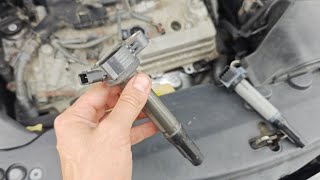
- The most likely cause is a bad ignition coil, followed by a worn spark plug. Start your diagnosis by swapping the cylinder 6 coil with another one.
- Do not ignore a flashing check engine light, as it signals a severe misfire that could damage your catalytic converter.
- Be aware of the TSB for cold-start misfires. If the problem only occurs when the engine is cold, the cause could be dirty fuel injectors or carbon buildup, which is a more involved repair.
What's Unique About the 2011-2015 Lexus RX HYBRID
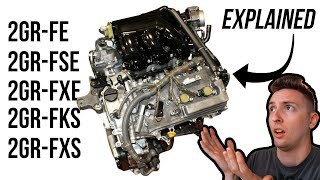
The 2011-2015 Lexus RX Hybrid uses the 3.5L 2GR-FXE V6 engine 🎬 Watch: Everything you need to know about the 2GR engine, which runs on an Atkinson cycle for greater efficiency. While common ignition parts are the primary suspects for a P0306, this platform is also subject to a specific issue detailed in Technical Service Bulletin L-SB-0045-12 Rev. Some vehicles may experience misfires specifically on a cold start due to debris in fuel injectors or carbon buildup on intake valves, which may require more intensive repairs like injector replacement or top engine cleaning.
Diagnostic Flowchart
Tap your situation to follow the diagnostic path that matches what you're seeing on this vehicle.
Symptoms You May Notice
- Check Engine Light is on and may be flashing
- Rough or vibrating idle
- Hesitation or stumbling during acceleration
- Noticeable loss of engine power
- Decreased fuel economy
- Rough running on initial start-up, especially after a cold soak, which may smooth out after a minute or two.
- Smell of gasoline from the exhaust.
- Replacing oxygen sensors, as they can be flagged due to the misfire but are not the root cause.
- Replacing the mass airflow (MAF) sensor without proper diagnosis.
Most Likely Causes
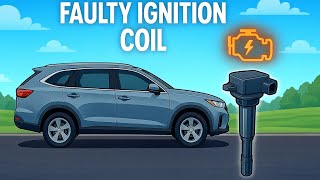
- Faulty Ignition Coil 🔴 High Probability → Shop Ignition Coil Coil-on-plug systems are a very common failure point on the 2GR engine family. Heat cycles and vibration cause the internal windings to fail over time, leading to a weak or no-spark condition.
How to confirm: Swap the ignition coil from cylinder 6 with another cylinder (e.g., cylinder 4, which is also on the front bank). Clear the codes and drive the vehicle. If the code changes to P0304, the ignition coil is faulty. A multimeter can also be used to check the resistance of the coil and compare it to a known good one.
Typical fix: Replace the faulty ignition coil. It is often recommended to replace all coils on the same bank (Bank 2), or all six, if they are original and the vehicle has high mileage to prevent future failures.
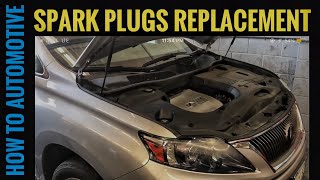
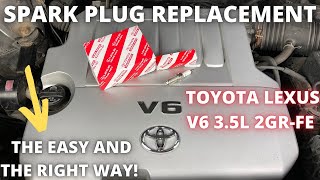
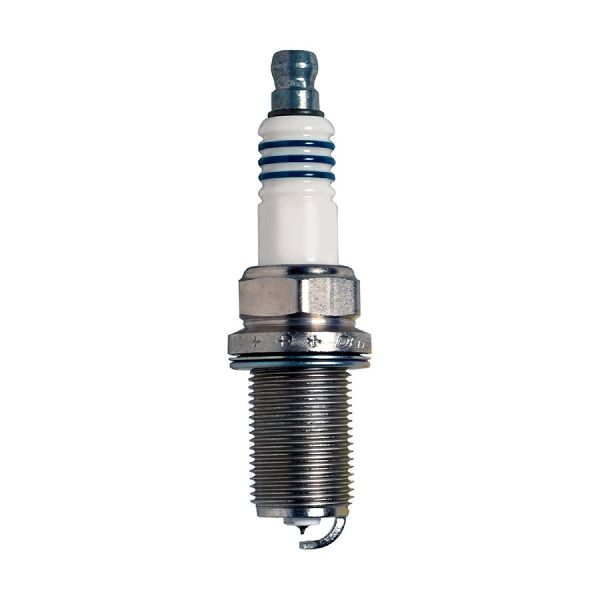
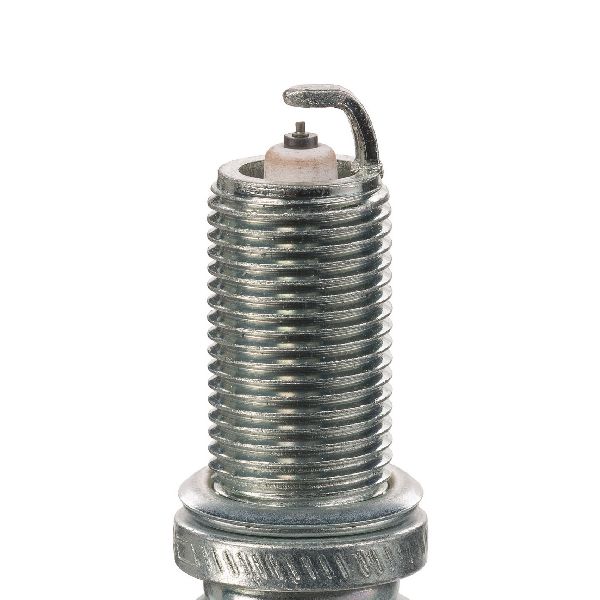
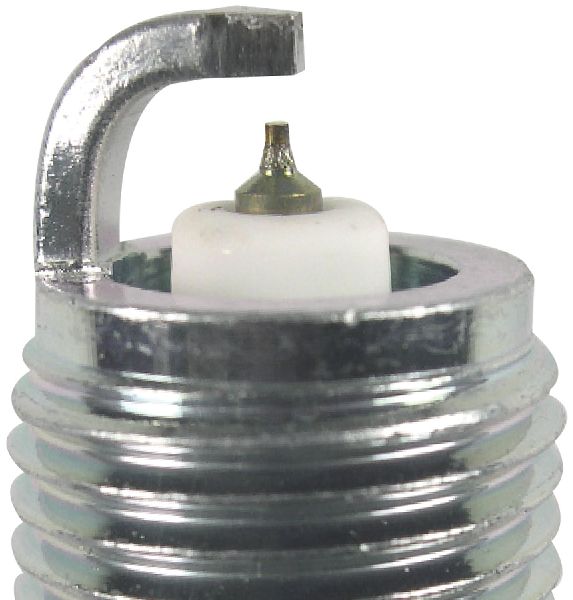
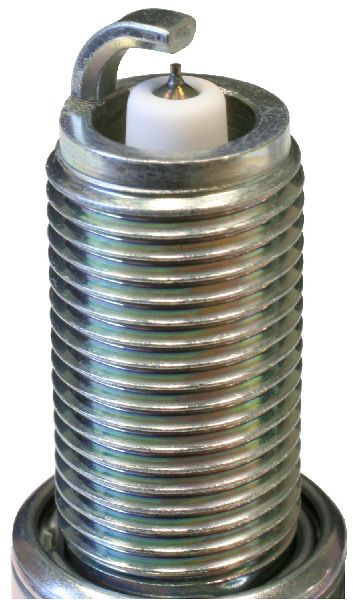
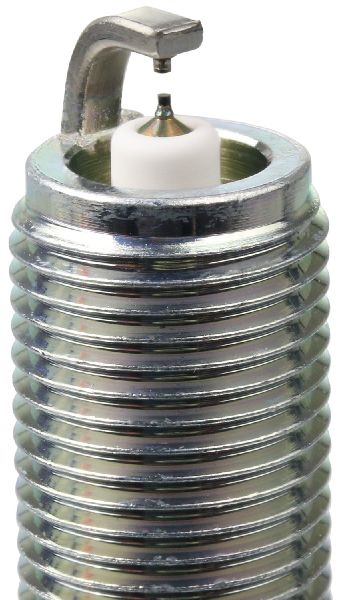
Est. part cost: $50-$100 - Worn or Fouled Spark Plug 🔴 High Probability → Shop Spark Plug Spark plugs are a regular maintenance item. The recommended service interval for the OEM Denso iridium plugs on this engine is 120,000 miles, but they can fail or become fouled sooner, especially if other issues like a leaky valve cover or rich fuel mixture exist.
How to confirm: After ruling out the ignition coil, remove the spark plug from cylinder 6. Inspect it for wear (worn electrode), fouling (black, oily, or white deposits), or damage like a cracked insulator. A wet, fuel-soaked plug can point towards an ignition or compression issue, while a black, sooty plug points to a fuel mixture problem.
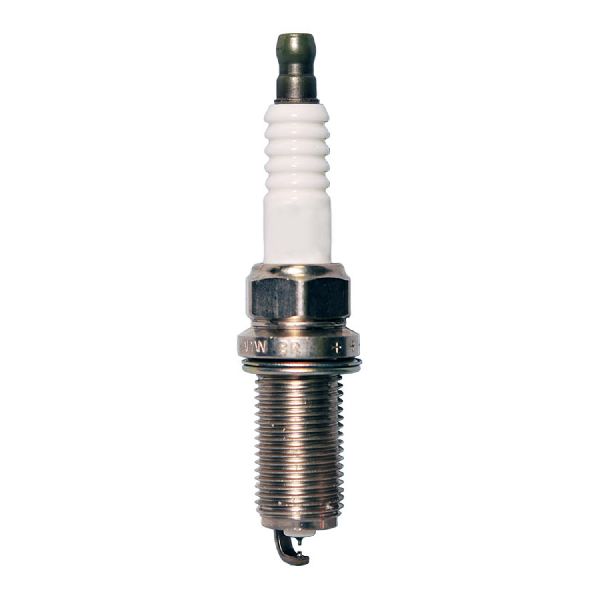
Typical fix: Replace the spark plug in cylinder 6. It is best practice to replace all six spark plugs at the same time with the correct OEM-spec plugs (e.g., Denso FK20HBR11) to ensure even performance and avoid future misfires.
Est. part cost: $15-$25 per plug - Clogged or Faulty Fuel Injector 🟡 Medium Probability → Shop Fuel Injector As noted in TSB L-SB-0045-12 Rev, debris can accumulate on fuel injector tips, causing an improper spray pattern, leading to rough starts and misfires, particularly when the engine is cold. This is a known issue for the 2GR-FXE engine.
How to confirm: This is more difficult to diagnose. An advanced scan tool can perform a power balance test to see if cylinder 6 is contributing less power. Swapping injectors between cylinders is the most definitive DIY test but is labor-intensive. The TSB outlines a specific diagnostic procedure for a technician to follow.
Typical fix: The TSB suggests replacing all six fuel injectors if debris is found on any of them during inspection. This is an expensive repair, with one owner reporting a dealer quote of over $2,100 without warranty coverage. The parts alone can be costly, and the labor involves removing the intake manifold.
Est. part cost: $150-$300 per injector - Intake Manifold Gasket Leak / Carbon Buildup ⚪ Low Probability → Shop Engine Intake Manifold Gaskets can become brittle and crack over time, allowing unmetered air to enter and disrupt the air-fuel ratio for a specific cylinder. Additionally, while the 2GR-FXE has port injection which helps clean valves, some carbon can still accumulate on intake valves, affecting airflow and causing cold-start misfires.
How to confirm: For a vacuum leak, spray brake cleaner around the intake manifold gasket near cylinder 6 with the engine running. If the idle changes, a leak is present. For carbon buildup, visual inspection with a borescope after removing the intake manifold is required.
Typical fix: Replace the intake manifold gaskets. If significant carbon is found, a manual cleaning (walnut blasting or chemical soaking) of the intake ports and valves is necessary.
Est. part cost: $20-$50 for a gasket set
Rare But Worth Checking
- Low Engine Compression: This indicates a more serious mechanical engine problem, such as a worn piston ring, a bad valve, or a leaking head gasket. A compression test is the definitive diagnostic step after ruling out fuel and spark issues.
- Damaged Ignition Coil Connector or Wiring: → Shop Ignition Coil The plastic connector for the ignition coil can become brittle and break, causing a poor connection. In some cases, the wiring itself can be damaged. One owner of a related vehicle fixed a persistent misfire by splicing in a new connector pigtail.
- Faulty Engine Control Module (ECM): → Shop Engine Control Module (ECM) While extremely rare, the ECM itself can fail, specifically the driver circuit for the cylinder 6 ignition coil. This should only be considered after all other possibilities have been exhaustively ruled out. One forum user with a persistent P0306 on an older Lexus model ultimately traced the fault to the ECU.
Diagnosis Steps
- Read the trouble code with an OBD-II scanner to confirm P0306 and check for any other codes, like P0300 or codes for other cylinders.
- Note the freeze frame data to see the engine conditions (RPM, temperature, load) when the misfire occurred. This is especially important for diagnosing cold-start issues.
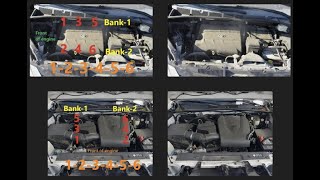
- Locate cylinder 6. On the 2GR-FXE engine in a transverse layout, Bank 2 is at the front (closest to the radiator). From the driver's side to the passenger's side, the cylinders are 6, 4, and 2. Cylinder 6 is on the driver's side.
- Swap the ignition coil from cylinder 6 with the coil from cylinder 4 (middle cylinder on the front bank).
- Clear the codes and drive the vehicle until the check engine light returns.
- If the code is now P0304, the ignition coil is bad and needs replacement.
- If the code remains P0306, swap the spark plug from cylinder 6 with cylinder 4. Clear codes and re-test. If the code moves to P0304, the spark plug was the issue.
- If the code remains P0306, the issue is likely fuel, compression, or a wiring problem. Inspect the ignition coil connector for damage or looseness.
- Listen to the fuel injector on cylinder 6 with a mechanic's stethoscope; it should have a consistent clicking sound. Compare it to the sound of the injector on cylinder 4.
- If the misfire primarily happens on cold starts, the issue is highly likely to be related to the fuel injectors or carbon buildup as described in TSB L-SB-0045-12 Rev.
- If other diagnostics fail, perform a compression test on cylinder 6 to rule out mechanical engine problems.
Parts You'll Likely Need
- Ignition Coil
(OEM #90919-A2007 (superseded by 90919-A2013))— This is the most common failure part for a single-cylinder misfire. It is responsible for creating the high voltage needed to fire the spark plug.
Trusted brands: Denso (OEM), NGK, Delphi
OEM price range: $95-$130
Aftermarket price range: $40-$80 - Iridium Spark Plug
(OEM #90919-01247 (Denso FK20HBR11))— Spark plugs are a wear item and the second most likely cause of a misfire after the ignition coil. Using the correct long-life iridium plug is critical.
Trusted brands: Denso (OEM), NGK
OEM price range: $15-$20
Aftermarket price range: $10-$18
Related Codes That Often Appear With This One
- P0300 — If the misfire is intermittent or affects other cylinders, a P0300 (Random/Multiple Cylinder Misfire) may be stored alongside P0306.
- P0302, P0304 — Since cylinders 2, 4, and 6 are on the same bank (Bank 2, front of the engine), a problem affecting that bank, like a vacuum leak or fuel delivery issue, could cause misfires on these adjacent cylinders.
- VSC / Trac Off Light — It is very common for the Vehicle Stability Control (VSC) and/or Traction Control (TRAC) warning lights to illuminate along with a misfire code. The engine management system disables these safety features as a precaution when a potentially serious engine fault is detected. These lights typically clear once the misfire is resolved.
Technical Service Bulletins (TSBs) & Recalls
- L-SB-0045-12 Rev: Addresses rough running on initial cold start and MIL ON with DTCs P0300-P0306. The procedure involves diagnosis that can lead to fuel injector replacement. The bulletin applies to 2010-2017 RX 450h models.
Platform-Specific Known Issues
- A known issue, documented in Lexus TSB L-SB-0045-12 Rev, involves a rough running
Mechanic-Grade Diagnostic Values
- Spark Plug Electrode Gap (New) — expected: 1.0 to 1.1 mm (0.039 to 0.043 in.). Failure: Gap outside of this range, or signs of heavy wear/fouling.
- Spark Plug Electrode Gap (Used, Maximum) — expected: 1.4 mm (0.055 in.). Failure: Gap exceeds this limit, indicating excessive wear.
- Ignition Signal (IGT6) at ECM — expected: Pulsing waveform when viewed with an oscilloscope during engine operation.. Failure: No pulse or an erratic waveform, suggesting an issue with the ECM or wiring.
Hidden / Shadow Codes Worth Checking
- Mode 6 Misfire Counters: The ECU tracks misfire events per cylinder, which can be viewed using Mode 6 data on an advanced scan tool. This is useful for identifying misfires that are not yet frequent enough to set a P0306 code or to confirm the misfire is isolated to cylinder 6. The counter on a 6-cylinder Toyota engine typically resets every 3000 ignition cycles. (see via Advanced OBD-II scanner with Mode 6 capability or Toyota Techstream software.)
Scan Tool Commands That Help
- Techstream: Active Test: Control the Injection Mode — This function allows a technician to switch between port and direct injection modes to help diagnose fuel delivery issues. While the TSB for this vehicle primarily concerns the 2GR-FKS engine, the principle can be applied to diagnose if a misfire is related to a specific injector type.
- Techstream: Data List: Misfire Count (Cylinder 1-6) — To monitor the number of misfire events on each specific cylinder in real-time. This is the most direct way to confirm that cylinder 6 is the only one misfiring and to verify if a repair has been successful.
Wiring & Ground Locations
- ECM Connector C55, Pin 35 (IGT6) — At the Engine Control Module (ECM). The wire color is typically Green-Red (G-R).. This is the specific pin on the ECM that sends the ignition trigger signal to the ignition coil for cylinder 6. A voltage test or oscilloscope reading at this pin can confirm if the ECM is commanding the coil to fire.
- ECM Connector C55, Pin 81 (E1) — At the Engine Control Module (ECM). The wire color is typically White-Black (W-B).. This is a primary ground pin for the ignition system at the ECM. A poor connection here could affect multiple ignition coils.
- Engine Harness Grounds — The 2GR-FE engine has several key grounding points, including straps from the valve covers to the chassis near the strut towers and a ground boss on the side of the cylinder head.. Improper or corroded engine grounds are a common cause of undiagnosed electrical issues, including misfires. Ensuring these connections are clean and tight is a critical diagnostic step.
Real Owner Repair Stories
- Lexus Owners Club Forum (2018 Lexus RX450h) — P0306 code, lumpy/rough start on cold mornings that settles after a minute or two. Misfire returns under heavy acceleration.
❌ Tried (didn't work) Replacing the spark plug in cylinder 6.
✅ What actually fixed it The issue was resolved by replacing the ignition coil on cylinder 6. - YouTube video by 'Fixing Cars and Stuff' (2008 Lexus RX 350 (2GR-FE)) — P0306 code, check engine light, VSC light, hesitation, wet spark plug in cylinder 6.
❌ Tried (didn't work) The video demonstrates the diagnostic process, not a list of failed parts.
✅ What actually fixed it The diagnostic involved swapping the ignition coil from cylinder 6 to cylinder 4. The misfire code then changed to P0304, confirming the ignition coil was faulty. Replacing the bad coil on cylinder 6 resolved the issue.
OEM Part Supersession History
90919-A2007→90919-A2013— Standard part revision by the manufacturer.
Heads up: 90919-A2013 is the direct replacement for 90919-A2007, 90919-A2004, 90919-A2002, and 90919-02251. They are interchangeable for this application.90919-01247 (Denso FK20HBR11)→Denso IKBH20TT (4705)— The IKBH20TT is listed as an updated, direct functional and physical replacement for the FK20HBR11. Toyota may also list 90919-01249 as a compatible OE number.
Helpful Videos

![How to Fix TOYOTA P0306 Engine Code in 3 Minutes [2 DIY Methods / Only $4.76]](https://img.youtube.com/vi/4njr9vdacdM/mqdefault.jpg)
We Have This Part in Stock

The information in this article is provided for general reference and educational purposes only. Vehicle specifications, procedures, and part compatibility can vary by production date, trim level, and region. Always consult your vehicle's factory service manual and verify part numbers before purchasing or performing repairs. Safety-critical components such as airbags, seat belts, and braking systems should be installed by a qualified professional.
- Lexus RX HYBRID:
- 🧭 Diagnostic Flowchart
- 🎬 Helpful Videos
- 🛍️ Shop This Part
- What's Unique About the 2011-2015 Lexus RX HYBRID
- Symptoms You May Notice
- Most Likely Causes
- Rare But Worth Checking
- Diagnosis Steps
- Parts You'll Likely Need
- Related Codes That Often Appear With This One
- Technical Service Bulletins (TSBs) & Recalls
- Platform-Specific Known Issues
- Mechanic-Grade Diagnostic Values
- Hidden / Shadow Codes Worth Checking
- Scan Tool Commands That Help
- Wiring & Ground Locations
- Real Owner Repair Stories
- OEM Part Supersession History
- 🎟️ Get 5% Off