

P0306 on 2017 Lincoln Continental 2.7L/3.0L: Cylinder 6 Misfire Causes and Fixes
P0306 indicates a misfire in cylinder 6. The most common causes are a bad ignition coil or a worn spark plug. However, on these engines, you must check your oil level immediately. If the engine is consuming oil, this code could be a sign of a serious internal engine problem covered by a Technical Service Bulletin (TSB) for vehicles built between April 2016 and January 2017, potentially requiring cylinder head or full engine replacement.
- P0306 means cylinder 6 (front bank, driver's side) is misfiring.
- Before buying parts, check your engine oil level. If it's consuming oil excessively, the problem could be a serious internal engine issue detailed in TSB 19-2243.
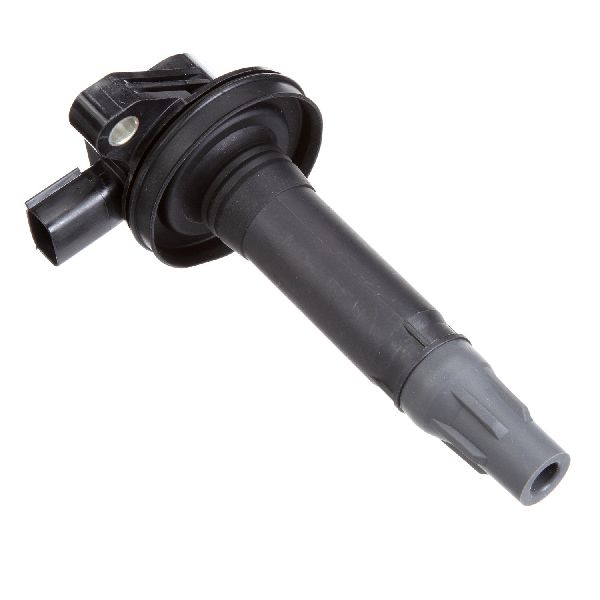
- The most common, simple fixes are replacing the ignition coil (Motorcraft DG-555) and/or the spark plug (Motorcraft SP-594).
- Always perform the simple diagnostic step of swapping the cylinder 6 coil with another cylinder's coil to confirm if the coil is the faulty component.
- If the check engine light is flashing, stop driving immediately to prevent expensive damage to the catalytic converter.
What's Unique About the 2017-2017 Lincoln Continental
For the 2017 Lincoln Continental with the 2.7L and 3.0L EcoBoost engines, a P0306 code can be much more than a simple tune-up issue. Ford issued Technical Service Bulletin (TSB) 19-2243 for vehicles built between April 1, 2016, and January 1, 2017, that links misfire codes directly to a manufacturing defect. If the misfire is accompanied by excessive oil consumption, a rough idle, or blue/white exhaust smoke, the cause may be faulty valve guides in the cylinder heads. This is not a minor issue; the prescribed repair is the replacement of both cylinder heads, a labor-intensive job that can cost thousands of dollars.
Symptoms You May Notice
- Rough or shaky idle
- Hesitation or stumbling during acceleration
- Noticeable loss of engine power
- Flashing Check Engine Light (indicates a severe misfire)
- Increased fuel consumption
- Smell of unburned fuel from the exhaust
- Blue or white smoke from the exhaust, especially after a hot restart
- Excessive oil consumption (requiring adding oil between changes)
- Replacing only the spark plug when the ignition coil is the actual cause.
- Ignoring oil consumption and repeatedly replacing ignition components when the root cause is the internal engine issue described in TSB 19-2243. This leads to repeatedly fouled plugs and no resolution.
- Mistaking blue smoke on startup as 'normal for an older car' instead of a key symptom of the TSB-related valve guide failure.
Most Likely Causes
- Failed Ignition Coil 🔴 High Probability → Shop Ignition Coil Coil-on-plug ignition systems are a common failure point on most modern engines as they age. Heat and vibration can cause the internal windings to fail. The high cylinder pressures and heat from the turbochargers also place extra stress on ignition components.
How to confirm: Swap the ignition coil from cylinder 6 with another cylinder (e.g., cylinder 5). Clear the codes and drive. If the code changes to P0305, the ignition coil is bad. Cylinder 6 is on the front bank (near radiator), driver's side. A multimeter can also be used to test the coil's resistance. The primary resistance should be around 0.58 Ω and the secondary resistance should be around 7.3 kΩ.
Typical fix: Replace the faulty ignition coil. It is often recommended to replace all six coils at once for preventative maintenance, especially if they are original.
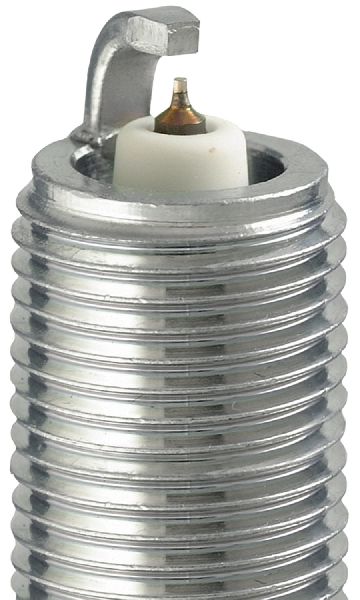
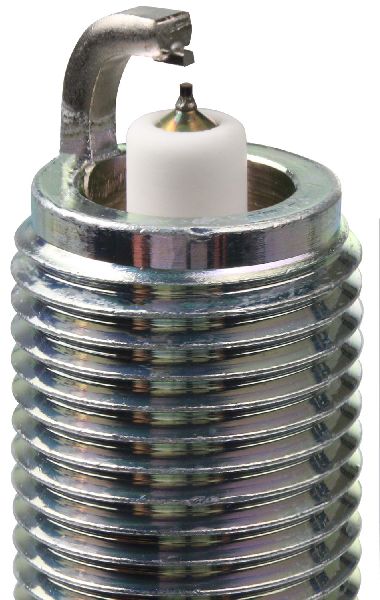
Est. part cost: $50-$105 - Worn or Fouled Spark Plug 🔴 High Probability → Shop Spark Plug Turbocharged, direct-injection engines like the EcoBoost are sensitive to spark plug condition and proper gapping for efficient combustion. Oil fouling from the TSB-related issue can also destroy a new plug quickly.
How to confirm: After ruling out the coil, remove the spark plug from cylinder 6. Inspect it for wear, carbon/oil fouling, or damage to the electrode. An oil-soaked plug is a major red flag for the internal engine issue. Check the gap against the specification of 0.028–0.031 inches.
Typical fix: Replace the spark plug. It is best practice to replace all six spark plugs at the same time to ensure consistent performance. Use only high-quality Iridium plugs.
Est. part cost: $15-$25 per plug - Internal Engine Failure (per TSB 19-2243) 🟡 Medium Probability Models with engines built between April 1, 2016, and January 1, 2017, have a known manufacturing defect with the cylinder head valve guides, causing oil to enter the cylinder, foul the spark plug, and cause misfires.
How to confirm: This is the likely cause if P0306 is accompanied by excessive oil consumption (1 quart in less than 3,000 miles), blue or white exhaust smoke, and/or codes P0524 or P06DD. Diagnosis requires a professional inspection, including a cylinder leak-down test and potentially a borescope inspection to look for oil inside the cylinder.
Typical fix: Replacement of both cylinder heads as outlined in TSB 19-2243. This is a major and expensive repair, often costing over $5,000 at a dealership. In some cases, a full long block replacement is necessary.
Est. part cost: $2000-$5000+ - Faulty Fuel Injector ⚪ Low Probability → Shop Fuel Injector Direct injection (DI) fuel injectors operate under extremely high pressure and can become clogged with carbon deposits over time, affecting their spray pattern and fuel delivery. A separate TSB (18-2270) exists for some 2.7L EcoBoost engines where faulty DI injectors can cause misfires.
How to confirm: This is more difficult to diagnose and is usually considered after ignition issues are ruled out. A technician can perform a fuel injector balance test to check flow rates. Swapping injectors between cylinders is a much more involved job than swapping coils. TSB 18-2270 provides a diagnostic step: after shutting the engine off, the fuel rail pressure should not drop more than 10 psi within 30 seconds; if it does, it indicates a leaking injector.
Typical fix: Replace the faulty fuel injector. The intake manifold often needs to be removed for access.
Est. part cost: $70-$150
Rare But Worth Checking
- Vacuum Leak: A vacuum leak from a cracked hose or a leaking intake manifold gasket near cylinder 6 can lean out the air/fuel mixture and cause a misfire.
- Low Compression: Mechanical engine damage such as a bad valve, worn piston rings, or a damaged cylinder wall can cause a loss of compression, leading to a persistent misfire in that cylinder. This is a worst-case scenario often resulting from the TSB issue being ignored.
- Leaking Oil Pan: While not a direct cause of the misfire, TSB 19-2387 notes that the 2.7L/3.0L engines can develop oil leaks from the oil pan's RTV seal. If the engine runs low on oil due to an unaddressed leak, it can lead to oil pressure issues and widespread engine damage, which could manifest as a misfire.
Diagnosis Steps
- Read the code with an OBD-II scanner and confirm P0306 is present. Note any other codes, especially P0316, P0524, or P06DD.
- Check the engine oil level immediately. If it is low, and you have been adding oil frequently (e.g., more than 1 quart in 3,000 miles), be highly suspicious of the serious TSB-related engine issue.
- Locate cylinder 6. On the transverse 2.7L/3.0L V6, the cylinders are numbered 1-2-3 on the rear bank (near the firewall) and 4-5-6 on the front bank (near the radiator). Cylinder 6 is on the driver's side of the front bank.
- Test the ignition coil. Swap the ignition coil from cylinder 6 with the coil from cylinder 5 (middle cylinder, front bank).
- Clear the codes with the scanner and start the engine. Let it run and drive it for a few minutes to see if the check engine light returns.
- Re-scan for codes. If the code is now P0305 ("Cylinder 5 Misfire Detected"), the ignition coil you moved is faulty and needs to be replaced.
- If the code remains P0306, the coil is likely good. Turn off the engine and move the coil back to its original position.
- Inspect the spark plug. Remove the spark plug from cylinder 6. Look for signs of heavy carbon buildup, wear on the electrode, or wet oil fouling. An oil-soaked plug is a critical clue pointing to the internal engine TSB. Replace it if it's in poor condition. It's best to replace all six at once.
- If the coil and plug are good, inspect the electrical connector and wiring to the coil and injector for any visible damage, such as chafing or corrosion.
- Professional Diagnosis. If you have symptoms of the TSB (high oil consumption, smoke) or if the simple fixes above do not work, the vehicle must be taken to a qualified technician. They will need to perform a compression test and cylinder leak-down test to check for internal engine problems as described in TSB 19-2243.
Parts You'll Likely Need
- Ignition Coil
(OEM #DG-555 / FT4Z-12029-A)— This is the most common failure part for a single-cylinder misfire code.
Trusted brands: Motorcraft, NGK, Standard Motor Products
OEM price range: $70-$105
Aftermarket price range: $45-$80 - Iridium Spark Plug
(OEM #SP-594 / CYFS-12Y-PT)— Spark plugs are a regular maintenance item and a frequent cause of misfires. The EcoBoost engines require high-quality iridium plugs for proper performance.
Trusted brands: Motorcraft, NGK Ruthenium HX, Bosch Iridium
OEM price range: $15-$25
Aftermarket price range: $10-$18
Related Codes That Often Appear With This One
- P0316 — Indicates a misfire was detected within the first 1,000 engine revolutions at startup. It often appears with a specific cylinder misfire and is explicitly mentioned in TSB 19-2243 as a key symptom of the engine issue.
- P0300 — This code for a random/multiple cylinder misfire may appear if the problem causing P0306 (especially the TSB issue) begins to affect other cylinders or if multiple ignition components fail.
- P0524 / P06DD — These codes indicate low engine oil pressure. If seen with P0306 on this engine, they are a strong indicator of the severe internal engine problem described in TSB 19-2243, as excessive oil consumption can lead to dangerously low oil levels.
Technical Service Bulletins (TSBs) & Recalls
- TSB 19-2243: Supersedes TSB 17-2235. Addresses rough idle, white/blue smoke, oil consumption, and misfire DTCs (P0300-P0306, P0316) on 2017 Continentals with 2.7L/3.0L engines built from 01-Apr-2016 to 01-Jan-2017 due to faulty valve guides.
- TSB 19-2384: The equivalent TSB for the 2016-2017 Ford F-150 with the 2.7L engine, detailing the same issue, symptoms, and repair procedure (cylinder head replacement).
Platform-Specific Known Issues
- TSB 19-2243: For models built between April 1, 2016, and January 1, 2017, a P0306 code combined with excessive oil consumption (over 1 quart per 3,000 miles), rough idle, and/or blue/white exhaust smoke strongly suggests a manufacturing defect with the cylinder head valve guides. The official fix is cylinder head replacement.
Mechanic-Grade Diagnostic Values
- Ignition Coil Primary Resistance — expected: 0.58 Ω ±10% (0.52 Ω - 0.64 Ω). Failure: A reading significantly outside this narrow range, measured with a multimeter.
- Ignition Coil Secondary Resistance — expected: 7.3 kΩ ±10% (6.6 kΩ - 7.9 kΩ). Failure: A reading of open circuit (OL) or a value significantly outside the expected range, measured with a multimeter.
- Spark Plug Gap — expected: 0.028–0.031 inches (0.7–0.8 mm). Failure: An incorrect gap can lead to inefficient spark and misfires.
- High-Pressure Fuel Rail Leak-Down — expected: Pressure should not drop more than 10 psi within 30 seconds after engine shutdown.. Failure: A pressure drop greater than 10 psi in 30 seconds indicates a leaking direct fuel injector.
Hidden / Shadow Codes Worth Checking
- Mode $06, Test ID $A2-$A7: This is not a formal DTC, but a PCM diagnostic monitor that stores raw misfire counts for each cylinder (Test ID $A2 for cylinder 1, $A3 for 2, etc., up to $A7 for cylinder 6). A high count for cylinder 6 can confirm the misfire location before it's severe enough to consistently trigger the check engine light. (see via A pro-level scan tool or software like FORScan that can access Mode $06 test data.)
Scan Tool Commands That Help
- Ford IDS (or equivalent pro-level scanner): Power Balance Test — This test deactivates each cylinder one by one and measures the corresponding drop in engine RPM. A smaller RPM drop for cylinder 6 indicates it is not contributing as much power as the others, confirming the misfire location without swapping parts.
- Ford IDS (or equivalent pro-level scanner): Relative Compression Test — This test uses the starter motor to crank the engine and measures the electrical current draw for each compression stroke. A lower current draw for cylinder 6 indicates it has less compression than the other cylinders, pointing to a mechanical engine issue like bad rings, valves, or the TSB-related cylinder head problem.
Wiring & Ground Locations
- Cylinder 6 Ignition Coil Connector — On the 2.7L/3.0L V6, cylinder 6 is on the front bank (radiator side), closest to the driver's side. The connector plugs directly into the ignition coil mounted on the valve cover.. This connector and its wiring provide the spark command and power to the ignition coil. Damage, corrosion, or a loose connection at this point will directly cause a P0306.
- Engine Ground Points — Key engine grounds are typically located on the cylinder heads, engine block, and from the engine block to the chassis. A vehicle-specific wiring diagram is needed for exact locations.. A poor or corroded engine ground can cause a weak spark or erratic electronic signals across all cylinders, but can sometimes manifest as an intermittent misfire on a single cylinder due to electrical noise or resistance issues.
Real Owner Repair Stories
- Reddit user on r/f150 (2019 Ford F-150 2.7L EcoBoost, 81k miles) — Vibration at idle when warm, which progressed to a wrench light, loss of power, and eventually a persistent Check Engine Light with a P0306 code.
❌ Tried (didn't work) Replacing spark plugs, Swapping ignition coils
✅ What actually fixed it The dealer performed a deeper diagnosis and found cylinder 6 had zero compression, with cylinders 3 and 5 also showing low compression. The ultimate fix was a complete engine replacement under warranty.
OEM Part Supersession History
Unknown→FT4Z-12029-A (Motorcraft DG-555)— Standard part lifecycle and potential design improvements to enhance durability and performance.
Heads up: FT4Z-12029-A is the specified coil for the 2.7L and 3.0L engines in the 2017 Continental. Using coils for other Ford engines (e.g., 3.7L V6) will result in improper fitment or electrical incompatibility.
Model Year Variations Within This Range
- 2017 (Engines built 04/01/2016 - 01/01/2017): Engines within this specific build date range are subject to TSB 19-2243 for defective cylinder head valve guides. A P0306 on a vehicle in this range, especially with oil consumption, has a much higher probability of being a major internal engine issue compared to a vehicle built after this date.
Diagnostic Flowchart
Real Owner Stories
Aggregated from forums and TSBs cited above. Mileages and costs reflect what owners reported in those sources.
2016 Ford F-150 2.7L EcoBoost — 65000 miles
Symptoms: Experienced a rough idle and blue smoke from the exhaust.
What fixed it: Diagnosed with the faulty valve guide issue outlined in TSB 19-2384 (the F-150 equivalent to the Continental's TSB 19-2243). The dealer quoted an engine rebuild.
Cost: $14000-$14000
Source hint: Reddit r/f150ecoboost thread titled '2016 F150 TSB 19-2384'
Related OBD-II Codes
Frequently Asked Questions
Does TSB 19-2243 apply to my 2017 Lincoln Continental?
Why is my Continental blowing blue or white smoke along with the P0306 code?
How do I know if the ignition coil on cylinder 6 is bad on my 2.7L/3.0L EcoBoost?
Where is cylinder 6 located on the 2017 Lincoln Continental V6?
Could a bad fuel injector cause P0306 on this engine?
What should the spark plug gap be for the 2017 Continental EcoBoost?
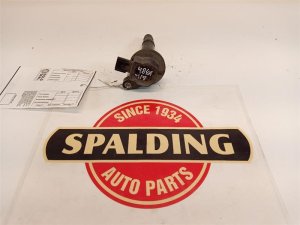
Used OEM Parts in Stock
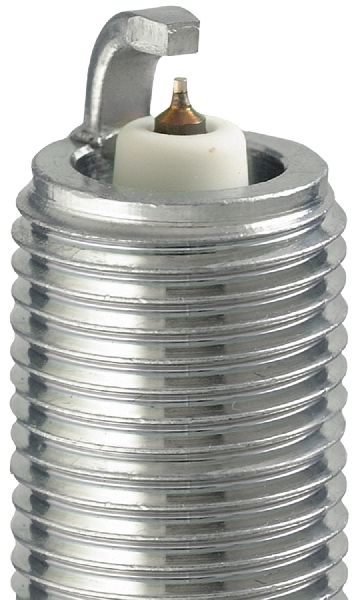
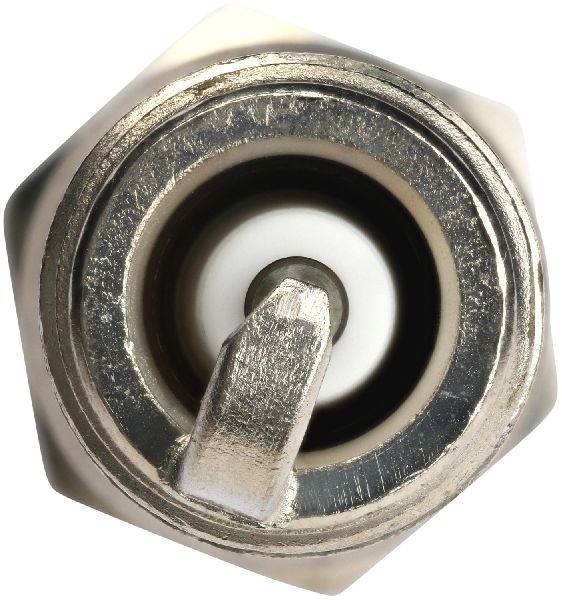
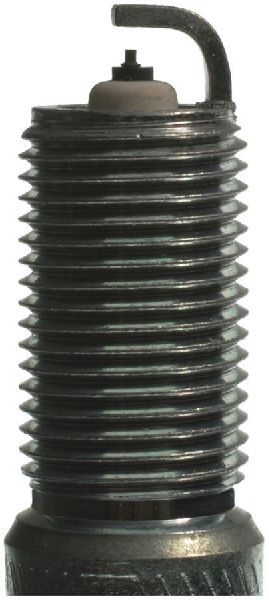
New Aftermarket Parts Available

The information in this article is provided for general reference and educational purposes only. Vehicle specifications, procedures, and part compatibility can vary by production date, trim level, and region. Always consult your vehicle's factory service manual and verify part numbers before purchasing or performing repairs. Safety-critical components such as airbags, seat belts, and braking systems should be installed by a qualified professional.
- Lincoln Continental:
- 🧭 Diagnostic Flowchart
- 🛍️ Shop This Part
- What's Unique About the 2017-2017 Lincoln Continental
- Symptoms You May Notice
- Most Likely Causes
- Rare But Worth Checking
- Diagnosis Steps
- Parts You'll Likely Need
- Related Codes That Often Appear With This One
- Technical Service Bulletins (TSBs) & Recalls
- Platform-Specific Known Issues
- Mechanic-Grade Diagnostic Values
- Hidden / Shadow Codes Worth Checking
- Scan Tool Commands That Help
- Wiring & Ground Locations
- Real Owner Repair Stories
- OEM Part Supersession History
- Model Year Variations Within This Range
- Real Owner Stories
- 2016 Ford F-150 2.7L EcoBoost — 65000 miles
- Related OBD-II Codes
- Frequently Asked Questions
- 🎟️ Get 5% Off