

P0306 on 2017 Lincoln MKZ 3.0L: Cylinder 6 Misfire Causes and Fixes
P0306 on a 2017 Lincoln MKZ with the 3.0L V6 engine indicates a misfire in cylinder #6. The most common fixes are a new ignition coil or spark plug. However, be aware of manufacturer bulletins (TSBs) that link this code on early-build 2017 models to serious internal engine issues, like faulty cylinder heads, which require professional diagnosis.
- P0306 on a 2017 MKZ specifically points to a misfire in cylinder 6 of the 3.0L V6.
- The most likely causes are a bad ignition coil (Motorcraft DG-555) or a worn spark plug (Motorcraft SP-594).
- Cylinder 6 is located on the rear bank (near the firewall) on the driver's side, making access more difficult.
- Crucially, for models built between April 2016 and Jan 2017, this code is a primary symptom of a serious engine defect (faulty cylinder heads) detailed in TSB 19-2243, especially if accompanied by oil consumption or exhaust smoke.
- A flashing check engine light requires immediate attention to prevent catalytic converter damage.
What's Unique About the 2017-2017 Lincoln MKZ
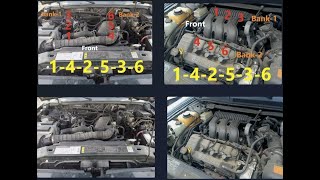
For the 2017 Lincoln MKZ, a P0306 code is exclusive to the 3.0L twin-turbo V6 engine. 🎬 Watch: Locate cylinder 6 with this firing order guide. While common ignition failures are the typical cause, this engine is subject to several Technical Service Bulletins (TSBs) that connect persistent misfire codes to significant mechanical problems, particularly on models built between April 1, 2016, and January 1, 2017. These include issues with faulty valve guides in the cylinder heads causing excessive oil consumption, which could require major engine repair. This elevates the importance of a thorough diagnosis beyond just swapping a coil pack, especially if oil consumption or exhaust smoke is present.
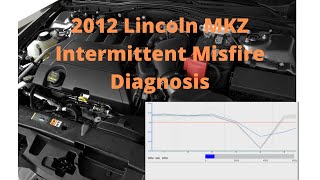
🎬 See how a real MKZ misfire was correctly diagnosed.Diagnostic Flowchart
Tap your situation to follow the diagnostic path that matches what you're seeing on this vehicle.
Symptoms You May Notice
- Rough or vibrating idle
- Hesitation or stumbling during acceleration
- Flashing or solid Check Engine Light
- Noticeable loss of engine power
- Reduced fuel economy
- Strong smell of gasoline from the exhaust
- White or blue smoke from the exhaust, especially on models with early build dates.
- Replacing oxygen sensors, as a misfire can disrupt O2 sensor readings, leading to a misdiagnosis if not properly investigated.
- Repeatedly replacing only the spark plug and coil without investigating underlying issues like a faulty fuel injector or the more serious cylinder head problem described in TSBs.
Most Likely Causes
- Faulty Ignition Coil 🔴 High Probability → Shop Ignition Coil Coil-on-plug systems are common failure points on many modern engines as they age and are subjected to high heat.
How to confirm: Swap the ignition coil from cylinder 6 with another cylinder (e.g., cylinder 5). Cylinder 6 is on the left (driver's side) bank, closest to the firewall. Clear the codes and drive the vehicle. If the code changes to P0305, the coil is bad.
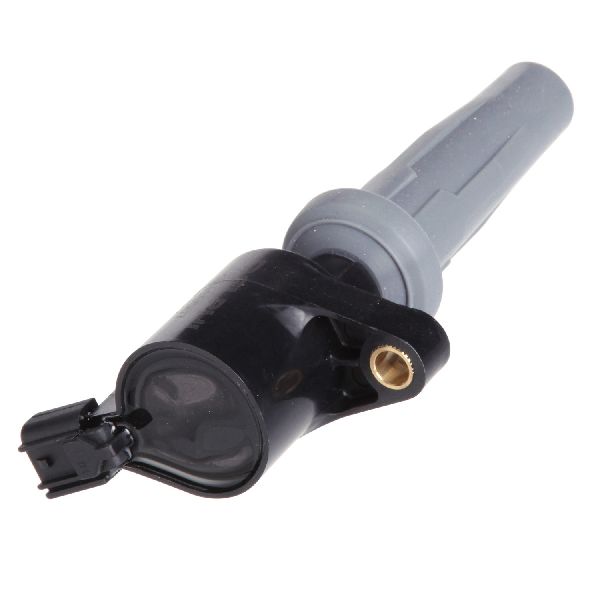
Typical fix: Replace the faulty ignition coil for cylinder 6. The OEM Motorcraft part is DG-555.
Est. part cost: $40-$90 - Worn or Fouled Spark Plug 🟡 Medium Probability → Shop Spark Plug Spark plugs are regular maintenance items. The 3.0L EcoBoost is a direct-injection engine, which can be harder on plugs. Issues like oil consumption can also cause them to fail prematurely.
How to confirm: After confirming the coil is good, remove the spark plug from cylinder 6. Inspect it for wear (eroded electrode), carbon fouling, oil, or damage to the ceramic insulator.
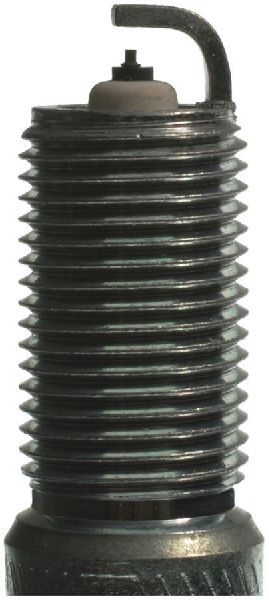
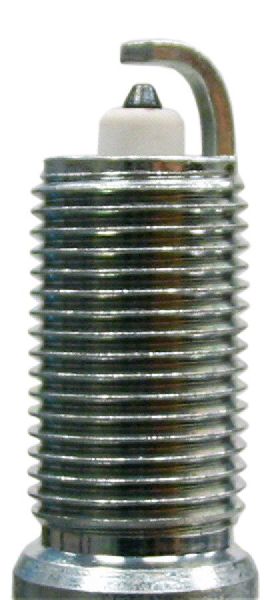
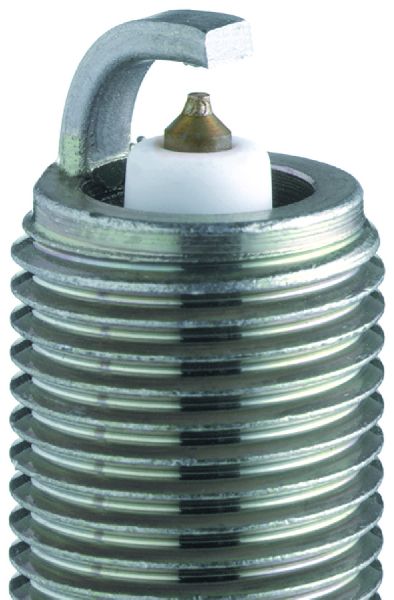
Typical fix: Replace the spark plug for cylinder 6. It is best practice to replace all six spark plugs at the same time with the correct Iridium plugs. The OEM Motorcraft part number is SP-594.
Est. part cost: $15-$30 per plug - Internal Engine Malfunction (Per TSBs) 🟡 Medium Probability TSB 19-2243 (which supersedes earlier versions) specifically addresses 2017 models built from April 2016 to Jan 2017. It links P030x codes with excessive oil consumption (1 quart in <3,000 miles), rough idle, and exhaust smoke, attributing the cause to faulty valve guides in the cylinder heads.
How to confirm: This requires professional diagnosis. A mechanic will perform a cylinder compression test and a leak-down test. Monitoring for excessive oil consumption is a key indicator. The presence of blue/white smoke is a strong symptom.
Typical fix: Repair depends on the findings. Per TSB 19-2243, the official fix is the replacement of both cylinder heads, a labor-intensive job estimated at over 24 hours. If oil pressure codes P0524/P06DD are also present, long block replacement may be necessary.
Est. part cost: $2000-$8000+ - Faulty Fuel Injector ⚪ Low Probability → Shop Fuel Injector Direct injection (GDI) fuel injectors operate under very high pressure and can be susceptible to carbon buildup or failure over time.
How to confirm: Requires testing the injector's resistance with a multimeter or having a professional perform a fuel injector balance test. Sometimes a P0206 code (Injector Circuit Malfunction) will accompany the P0306.
Typical fix: Replace the fuel injector for cylinder 6. This is more involved on GDI engines than port injection.
Est. part cost: $70-$150 - PCM Software Issue ⚪ Low Probability TSB 16-0113 notes that some vehicles may exhibit misfire codes (including P0306) after a hot restart due to a software calibration issue.
How to confirm: A dealership or qualified shop can check the current PCM software version against the latest available calibration using the Ford IDS tool.
Typical fix: Reprogram the PCM to the latest software version. This is a dealer-level or specialty shop repair.
Est. part cost: $0-$200 (labor for reprogramming)
Rare But Worth Checking
- A failed ignition coil shorting and damaging the PCM driver circuit, requiring replacement of the coil and the PCM.
Diagnosis Steps
- Read all trouble codes with an OBD-II scanner to confirm P0306 and check for any other related codes (e.g., P0300, P0316, P0206, P0524).
- Determine the vehicle's build date. If it falls between April 1, 2016, and January 1, 2017, be highly aware of the potential for the cylinder head issue described in TSB 19-2243.
- Check for signs of excessive oil consumption or blue/white exhaust smoke. If present, prioritize mechanical diagnosis (compression/leak-down tests).
- If no oil consumption is noted, proceed with ignition system diagnosis. Locate cylinder 6, which is on the driver's side bank (Bank 2), closest to the firewall.
- Swap the ignition coil from cylinder 6 with the coil from cylinder 5 (driver's side, middle). Clear the codes and drive until the check engine light returns.
- If the code moves to P0305, the ignition coil is faulty. Replace it. The Motorcraft part is DG-555.
- If the code remains P0306, inspect the spark plug in cylinder 6. Look for wear, fouling, or damage. Replace if necessary. The recommended OEM plug is Motorcraft SP-594.
- If the coil and plug are good, the next steps involve checking the fuel injector and its wiring for cylinder 6.
- If no issues are found with ignition or fuel, a mechanical compression test and leak-down test are necessary to check for internal engine problems like bad valve guides or piston rings.
- If symptoms match TSB 16-0113 (misfire only on hot restart), consult a dealer about a PCM reprogram.
- If a compression test fails or confirms the TSB 19-2243 symptoms, seek professional diagnosis for cylinder head or engine replacement.
Parts You'll Likely Need
- Ignition Coil
(OEM #DG-555)— This is the most common failure point for a single-cylinder misfire.
Trusted brands: Motorcraft, NGK, Denso
OEM price range: $60-$90
Aftermarket price range: $40-$80 - Spark Plug
(OEM #SP-594)— A worn or fouled spark plug is the second most likely cause of a misfire. Iridium plugs are required.
Trusted brands: Motorcraft, NGK, Autolite
OEM price range: $15-$25
Aftermarket price range: $10-$20
Related Codes That Often Appear With This One
- P0300 — If the misfire becomes more widespread or intermittent across multiple cylinders, a P0300 (Random/Multiple Cylinder Misfire) may be triggered alongside the specific cylinder code.
- P0316 — This code indicates a misfire was detected within the first 1,000 engine revolutions on startup. It often appears with specific cylinder misfire codes and is explicitly mentioned in TSBs 16-0113 and 19-2243.
- P0524 / P06DD — According to TSBs SSM 46364 and 19-2243, these oil pressure codes appearing with P0306 strongly suggest a more severe internal engine problem, potentially requiring long block replacement.
- P0206 — This code for 'Cylinder 6 Injector Circuit Malfunction' points directly to an electrical fault with the fuel injector or its wiring, isolating the problem from the ignition system.
Technical Service Bulletins (TSBs) & Recalls
- SSM 54504: Links P030x codes with excessive oil consumption (less than 3,000 miles per quart).
- SSM 46364: Suggests suspecting cylinder heads for P030x codes with oil consumption, and the long block if P0524 or P06DD are also present.
- TSB 16-0113: Addresses misfires at normal operating temperature or after a hot restart, recommending a PCM reprogram as the fix.
- TSB 19-2243: Supersedes earlier bulletins, identifying faulty valve guides in the cylinder heads of early-build 2017 models as the cause for oil consumption and misfires.
Platform-Specific Known Issues
- Potential for Serious Engine Issues: As documented in NHTSA Technical Service Bulletin 19-2243, a P0306 code on 2017 models built between April 2016 and January 2017 can be a symptom of excessive oil consumption caused by faulty valve guides in the cylinder heads. The official fix is replacing both cylinder heads, a job estimated by Ford to take over 24 hours of labor.
- Hot-Restart Misfire: TSB 16-0113 describes a scenario where a misfire code may appear after a hot restart, which can be resolved by reprogramming the vehicle's main computer (PCM).
- Cylinder Location: The 3.0L V6 is mounted transversely. The front bank of cylinders (towards the radiator) are 1-2-3 (passenger to driver side). The rear bank (towards the firewall) are 4-5-6 (passenger to driver side). Therefore, Cylinder 6 is on the driver's side, closest to the firewall, which can make access more difficult than the front cylinders.
Mechanic-Grade Diagnostic Values
- High-Pressure Fuel System (Direct Injection) — expected: 2,900 - 3,600 PSI (200 - 248 bar), depending on engine load.. Failure: Pressure that is significantly below the requested pressure (viewable on a scan tool) under load can indicate a failing high-pressure fuel pump.
- GDI Fuel Injector Resistance — expected: Approximately 1.0 - 2.0 Ohms.. Failure: A reading of 0 ohms (short) or infinite/OL (open) indicates a failed injector. This value is typical for GDI injectors but may vary slightly.
- Ignition Coil Control Signal — expected: A 5-volt square wave signal from the PCM when the engine is running, observable with an oscilloscope or noid light.. Failure: A missing or erratic signal points to a problem with the wiring or the PCM driver circuit, not the coil itself.
Hidden / Shadow Codes Worth Checking
- Mode 6, Monitor IDs $A2-$AD: Ford vehicles store misfire counts for each cylinder in Mode 6 data, even for misfires that are not frequent enough to set a P030x trouble code. This allows a technician to see if cylinder 6 is experiencing intermittent misfires that other cylinders are not. For example, Monitor ID $A8 or $A9 may correspond to Cylinder 6 misfire data. (see via Requires a scan tool capable of reading Mode 6 data, such as the Ford IDS or aftermarket tools like Forscan.)
Scan Tool Commands That Help
- Ford IDS (or equivalent professional scanner): Power Balance Test — This is a powerful bidirectional test used to pinpoint a misfiring cylinder. The tool sequentially disables the fuel injector for each cylinder and graphs the resulting drop in RPM. A cylinder that shows little or no RPM drop when disabled is the one that is not contributing power, confirming the misfire location.
Wiring & Ground Locations
- Cylinder 6 Ignition Coil Control Wire — Runs from the ignition coil connector on cylinder 6 (driver's side, by firewall) to the Powertrain Control Module (PCM). On similar Ford 3.0L engines, this wire is often Violet with a Brown stripe and connects to Pin 10 on PCM connector 'E'.. A break or short in this specific wire will prevent the PCM from commanding the coil to fire, causing a P0306 code even with a good coil and PCM.
- G101 / G102 / G105 / G107 — These are primary engine and chassis ground points located in the engine compartment, often on the radiator support or inner fenders.. A corroded or loose main ground can cause erratic voltage and signal issues for the entire ignition system and PCM, leading to misfires that can be difficult to diagnose and may appear random.
Real Owner Repair Stories
- Lincoln MKZ Forum user 'hrlinc' (2017 Lincoln MKZ 3.0T, approx. 30,000 miles) — Blinking Check Engine Light, P0306 misfire code.
❌ Tried (didn't work) Initial diagnosis was inconclusive until the dealer confirmed the issue.
✅ What actually fixed it The dealer identified the vehicle as having the known cylinder head defect based on its build date. The final repair was the replacement of the cylinder heads under warranty, which resolved the misfire. - Reddit user 'OceanWaveSunset' (2018 Lincoln MKZ 3.0T AWD) — Random misfire on one specific cylinder.
❌ Tried (didn't work) Replacing only the spark plugs did not solve the problem.
✅ What actually fixed it The issue was resolved after a second trip to the dealer where they replaced the ignition coil ('cables') and the spark plugs together.
OEM Part Supersession History
FT4Z-12029-A→DG-555— FT4Z-12029-A is the Ford engineering part number, while DG-555 is the corresponding Motorcraft service part number sold for repairs.
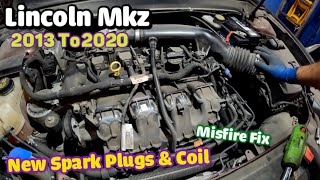
Helpful Videos

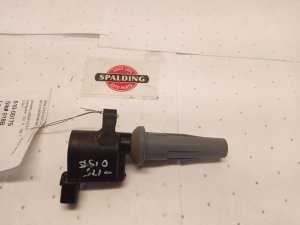
Used OEM Parts in Stock
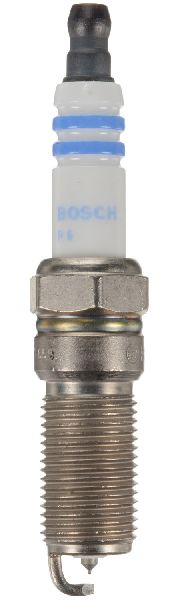
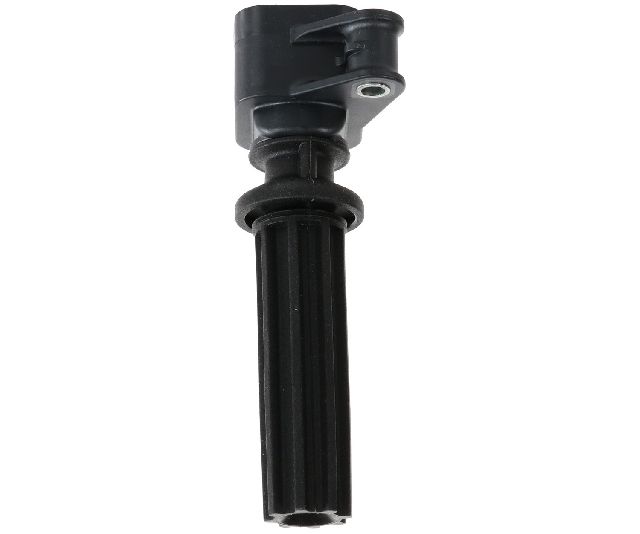
New Aftermarket Parts Available

The information in this article is provided for general reference and educational purposes only. Vehicle specifications, procedures, and part compatibility can vary by production date, trim level, and region. Always consult your vehicle's factory service manual and verify part numbers before purchasing or performing repairs. Safety-critical components such as airbags, seat belts, and braking systems should be installed by a qualified professional.
- Lincoln MKZ:
- 🧭 Diagnostic Flowchart
- 🎬 Helpful Videos
- 🛍️ Shop This Part
- What's Unique About the 2017-2017 Lincoln MKZ
- Symptoms You May Notice
- Most Likely Causes
- Rare But Worth Checking
- Diagnosis Steps
- Parts You'll Likely Need
- Related Codes That Often Appear With This One
- Technical Service Bulletins (TSBs) & Recalls
- Platform-Specific Known Issues
- Mechanic-Grade Diagnostic Values
- Hidden / Shadow Codes Worth Checking
- Scan Tool Commands That Help
- Wiring & Ground Locations
- Real Owner Repair Stories
- OEM Part Supersession History
- 🎟️ Get 5% Off