

P0306 on 2008-2015 Mazda CX-9 3.7L: Cylinder 6 Misfire Causes and Fixes
P0306 indicates a misfire in cylinder 6. On the 3.7L V6 in the Mazda CX-9, this is most often caused by a failed ignition coil or a worn spark plug. Since cylinder 6 is on the easily accessible front bank of the engine, this is a straightforward DIY repair, typically costing $30-$100 for parts.
- P0306 means cylinder 6 is misfiring. On your CX-9, this is the cylinder on the front, driver's side, which is easy to access.
- The most likely cause is a bad ignition coil, followed by a worn-out spark plug.
- A simple DIY diagnostic is to swap the cylinder 6 coil with the cylinder 5 coil. If the code changes to P0305, you've confirmed the bad coil.
- Do not drive with a flashing Check Engine Light, as this can quickly damage your expensive catalytic converter.
- Because access is easy, this is a great DIY-friendly repair that can save you hundreds in labor costs.
What's Unique About the 2008-2015 Mazda CX-9
The 2008-2015 Mazda CX-9 uses a Ford-derived 3.7L Cyclone V6 engine. For a P0306 code, the key detail is the cylinder layout. On this transversely mounted V6, the cylinder banks are arranged with cylinders 1, 2, and 3 against the firewall (rear bank) and cylinders 4, 5, and 6 near the radiator (front bank). This is great news for a P0306 code, as cylinder 6 is on the front bank (driver's side), making the ignition coil and spark plug extremely easy to access without removing the intake manifold, which is required for the rear bank.
Symptoms You May Notice
- Check Engine Light is on (solid or flashing)
- Rough idle or engine vibration
- Noticeable loss of power and sluggish acceleration
- Hesitation or stumbling when accelerating
- Reduced fuel economy
- Engine may stall when coming to a stop
- Bucking or jerking during acceleration
- Replacing the oxygen sensor. An O2 sensor might report a problem due to the misfire, but it is not the cause.
- Replacing the catalytic converter. The converter can be damaged by a misfire, but it is the effect, not the cause. A flashing CEL is a warning that this damage is actively occurring.
Most Likely Causes
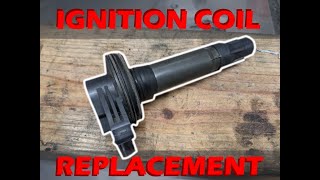
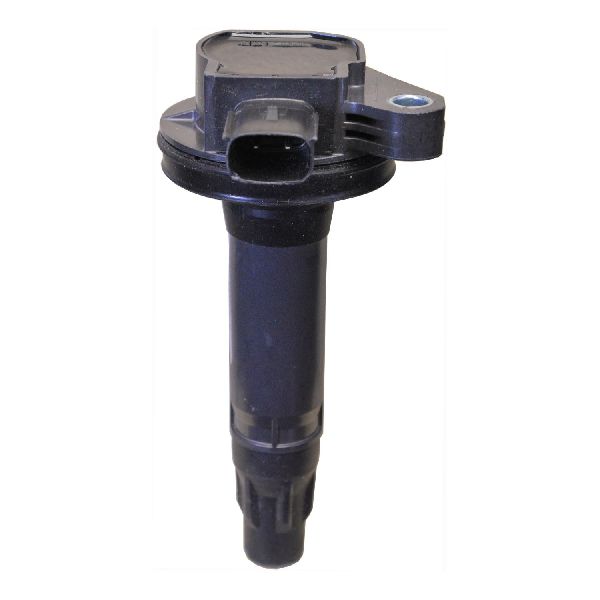
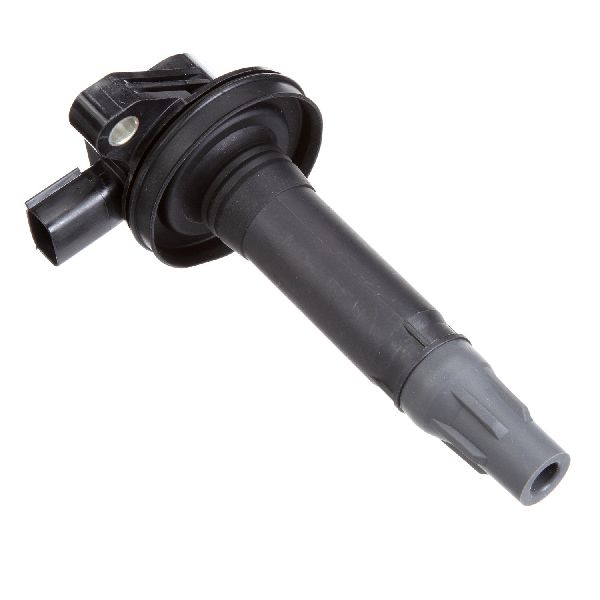
- Faulty Ignition Coil 🔴 High Probability → Shop Ignition Coil The Ford Cyclone engine family is known for ignition coil failures due to heat and vibration causing internal windings to break down over time. A failed coil can, in some cases, short out and damage the ignition driver circuit in the Powertrain Control Module (PCM), leading to a much more expensive repair.
How to confirm: Swap the ignition coil from cylinder 6 with the coil from an adjacent cylinder (e.g., cylinder 5). Clear the codes. If the misfire code changes to P0305, the ignition coil is the confirmed problem.
Typical fix: Replace the faulty ignition coil. Since cylinder 6 is on the easily accessible front bank, this is a simple repair that typically takes less than 15 minutes.
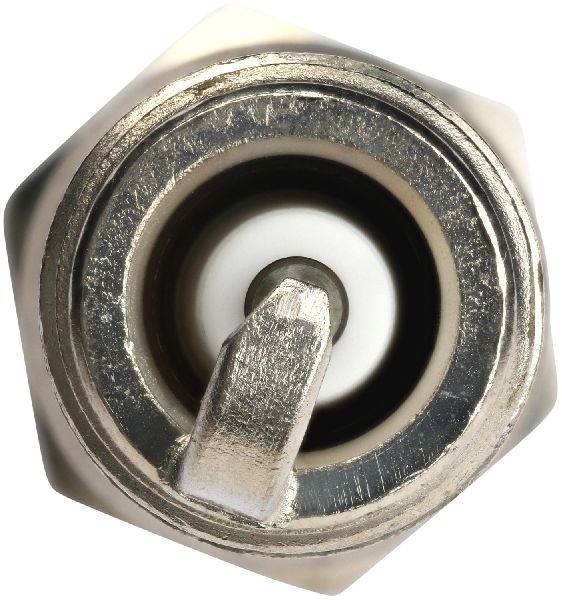
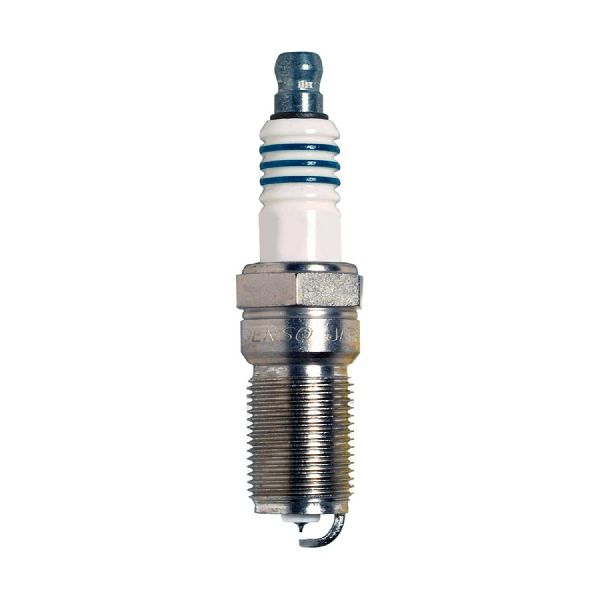
Est. part cost: $30-$75 - Worn or Fouled Spark Plug 🔴 High Probability → Shop Spark Plug Spark plugs are a standard maintenance item with a service interval. If original or high-mileage, the electrode can wear, increasing the gap and demanding more voltage from the coil, leading to a misfire. Oil leaking from a valve cover gasket can also foul the plug.
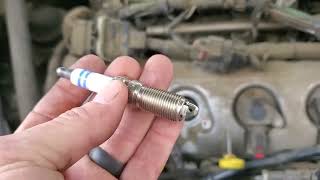
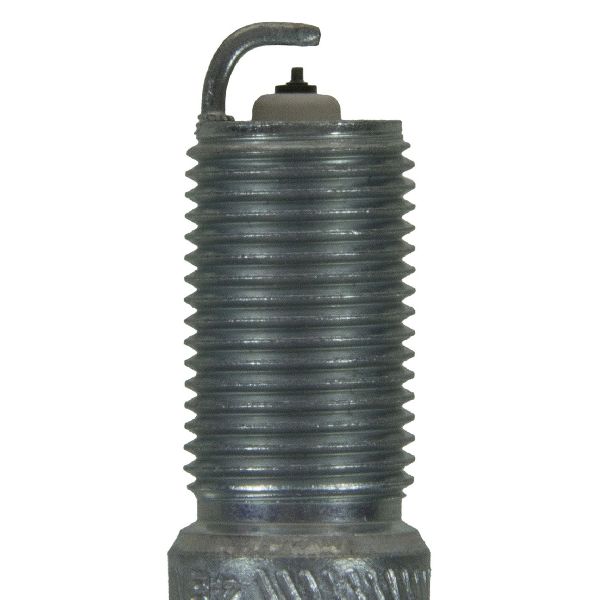
How to confirm: After ruling out the coil, remove the spark plug from cylinder 6. Inspect for a worn electrode, excessive carbon buildup, oil fouling, or a cracked insulator. The correct gap for an OEM-equivalent plug (Motorcraft SP-520) is 0.049-0.054 inches, often pre-gapped to around 0.051 inches.
Typical fix: Replace the spark plug. It is best practice to replace all six plugs if they are near their service interval (typically 60-100k miles), but accessing the rear three requires removing the intake manifold. 🎬 Watch: Step-by-step guide to replacing spark plugs on this V6.
Est. part cost: $10-$25 per plug - Faulty Fuel Injector 🟡 Medium Probability → Shop Fuel Injector Fuel injector failures are a documented issue on the 3.7L V6, often occurring after 70,000 miles. The injector can become clogged or fail electronically, sometimes triggering a P0206 code alongside P0306.
How to confirm: Use a mechanic's stethoscope or a long screwdriver to listen for a steady clicking sound from the injector with the engine running. A silent or erratic injector is likely faulty. You can also measure its resistance with a multimeter and compare it to the other injectors; the expected resistance is between 10 and 18 ohms.
Typical fix: Replace the faulty fuel injector. It's often recommended to replace all three on the front bank at the same time.
Est. part cost: $50-$150
Rare But Worth Checking
- Leaking Intake Manifold Gasket: → Shop Engine Intake Manifold A vacuum leak near the cylinder 6 intake runner can lean out the air/fuel mixture and cause a misfire. This is less common for a single-cylinder misfire code but is a possibility.
- Low Cylinder Compression: Internal engine issues like a burnt valve, worn piston rings, or even a failing head gasket can cause a loss of compression, leading to a misfire. This is a more serious mechanical issue and should be investigated if ignition and fuel system checks pass.
- Failed Powertrain Control Module (PCM): → Shop Engine Control Module (ECM) In rare instances, particularly after an ignition coil has failed, the driver circuit within the PCM can be damaged. This can cause a persistent misfire on one cylinder even after replacing the coil and plug. One owner on Mazdas247 reported a P0306 that was only resolved after Mazda, following dealer advice, replaced the PCM under warranty. 🎬 Watch: What to do if new coils and plugs don't fix it.
Diagnosis Steps
- Confirm the presence of code P0306 with an OBD-II scanner. Check for any other codes.
- Check if the Check Engine Light is solid or flashing. A flashing light indicates a severe misfire that can damage the catalytic converter; avoid driving.
- Locate cylinder 6. It is on the front bank (near the radiator), on the driver's side of the engine.
- Swap the ignition coil from cylinder 6 with the one from cylinder 5 (middle, front bank). Clear the codes and drive the vehicle.
- Scan for codes again. If the code has changed to P0305, the ignition coil is faulty and needs replacement.
- If the P0306 code returns, the coil is likely good. Move the spark plug from cylinder 6 to cylinder 5. Clear codes and test drive.
- If the code changes to P0305, the spark plug is the culprit. Replace it. It's best to replace all six if they are due.
- If P0306 returns again, the issue is likely the fuel injector or a compression problem. Listen to the fuel injector for a steady clicking sound.
- If the injector is silent or sounds different from the others, it is likely the cause.
- If ignition and fuel components check out, a compression test is needed to check for mechanical engine problems.
- If all else fails and the misfire persists, investigate the wiring to the coil and injector, and consider the possibility of a faulty PCM driver.
Parts You'll Likely Need
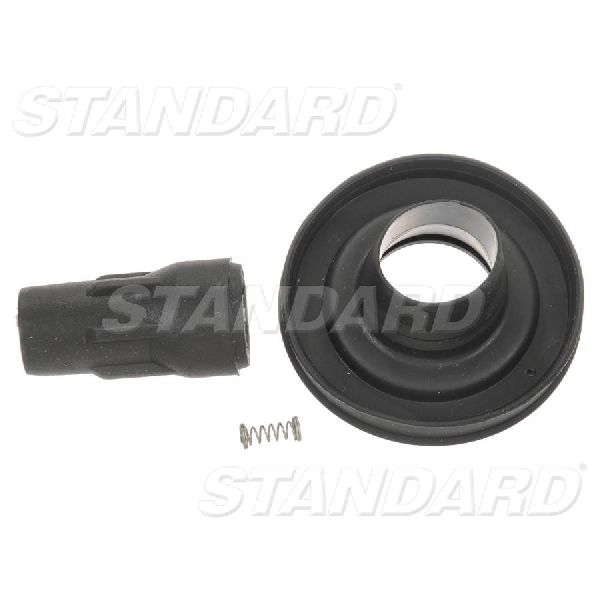
- Ignition Coil
(OEM #CY01-18-100B)— This is the most common cause of a single-cylinder misfire on the 3.7L Cyclone V6.
Trusted brands: Mazda (OEM), NGK, Denso, Delphi, Motorcraft (DG521)
OEM price range: $60-$90
Aftermarket price range: $30-$75 - Iridium Spark Plug
(OEM #L3Y4-18-110)— Spark plugs are a routine maintenance item and the second most likely cause of a misfire, especially if they are high-mileage.
Trusted brands: NGK, Denso, Motorcraft (SP-520)
OEM price range: $15-$25
Aftermarket price range: $10-$20 - Fuel Injector
(OEM #ZZJ1-13-250A)— A known, though less common, failure point on this engine that will cause a misfire on a specific cylinder.
Trusted brands: Mazda (OEM), Bosch
OEM price range: $120-$180
Aftermarket price range: $50-$100
Related Codes That Often Appear With This One
- P0300 — This is a 'Random Misfire' code. If the misfire is intermittent or affecting multiple cylinders, P0300 may appear alongside P0306.
- P0206 — This code means 'Injector Circuit/Open - Cylinder 6'. If it appears with P0306, it strongly points to a problem with the fuel injector for cylinder 6 or its wiring.
- P0356 — This code means 'Ignition Coil F Primary/Secondary Circuit'. This specifically points to an electrical fault in the ignition coil circuit for cylinder 6 and often indicates a bad coil or, less commonly, a wiring or PCM issue.
Technical Service Bulletins (TSBs) & Recalls
- SSP 93: While not directly for P0306, this Special Service Program addresses a known defect in the power brake booster for 2007-2013 CX-9s, highlighting a pattern of component issues on this platform.
Platform-Specific Known Issues
- While P0306 is an easy fix due to cylinder 6's location, be aware that misfire codes for the rear bank (P0301, P0302, P0303) are significantly more labor-intensive as they require removing the upper intake manifold.
- In rare cases, a persistent and ignored ignition coil failure on this engine platform has been known to damage the Powertrain Control Module (PCM), leading to a much more complex and expensive repair.
Mechanic-Grade Diagnostic Values
- Fuel Injector Resistance — expected: 10 - 18 Ohms. Failure: A reading outside this range, or a reading that is significantly different from the other injectors, indicates a faulty injector coil.
- Ignition Coil Primary Resistance — expected: ~0.4 to 2.0 Ohms. Failure: A reading of infinity (open circuit) or near zero (short circuit) indicates a failed coil. This is a general value for Coil-on-Plug systems.
- Variable Valve Timing (VVT) Solenoid Resistance — expected: 6 - 12 Ohms. Failure: A reading outside this range suggests a faulty solenoid, which can affect timing on one bank and potentially cause misfire codes.
- Fuel Line Pressure — expected: The service manual outlines a procedure using the Mazda M-MDS to activate the fuel pump but does not state a specific PSI value. Technicians typically expect 45-65 PSI for similar port-injected Ford engines.. Failure: Low fuel pressure would typically cause random misfires (P0300) or codes on multiple cylinders, not just a single P0306.
Hidden / Shadow Codes Worth Checking
- Mode $06, Test ID $A2-$A7: These Test IDs correspond to misfire counts for each cylinder (Cylinder 1 to Cylinder 6). A high count for Test ID $A7 (Cylinder 6) on a dealer-level scanner or advanced tool like FORScan can confirm the misfire before it's frequent enough to set a persistent P0306. (see via Advanced OBD-II scanner with Mode $06 functionality (e.g., FORScan, Mazda M-MDS).)
Scan Tool Commands That Help
- FORScan / Mazda M-MDS: Power Balance Test — This is a critical diagnostic step. The test deactivates one cylinder at a time and measures the corresponding drop in RPM. If disabling cylinder 6 causes little or no change in RPM compared to other cylinders, it confirms that cylinder 6 is not contributing power, verifying the misfire in real-time.
Real Owner Repair Stories
- Reddit user /u/Shyatic (2008 Mazda CX-9 Grand Touring, ~50k miles) — Blinking check engine light, engine misfiring/jerking.
❌ Tried (didn't work) Initially purchased a new ignition coil based on common advice.
✅ What actually fixed it The problem was resolved by replacing only the spark plug in cylinder 6. The old plug had a visibly large gap from wear. - Mazdas247 forum user 'automation man' (2009 CX-9 Sport AWD, 50k miles) — Persistent P0306, rough running, bucking/shaking, heavy white smoke from exhaust, coolant loss, engine overheating.
❌ Tried (didn't work) Replaced cylinder 6 ignition coil., Replaced all spark plugs., Replaced PCV valve., Replaced cylinder 6 fuel injector., Replaced the Powertrain Control Module (PCM) at Mazda's recommendation.
✅ What actually fixed it The actual root cause was found to be leaking head gaskets. The series of part replacements for the P0306 code were misdiagnoses of the more severe mechanical failure.
When the Usual Fixes Don't Work
- In one well-documented case on the Mazdas247 forum, a 2009 CX-9 with a persistent P0306 code was not fixed by replacing the coil, spark plug, or fuel injector. After those common fixes failed, the dealer, on advice from Mazda's technical support, replaced the PCM. When that also failed to resolve the issue, further diagnosis revealed the true cause was leaking head gaskets, which had been causing coolant to enter the cylinder and foul combustion. This highlights that while P0306 is usually a simple ignition or fuel issue, it can be a symptom of a much deeper mechanical failure.
OEM Part Supersession History
CY01-18-100A→CY01-18-100B— Revision update for improved reliability or manufacturing process change.
Heads up: The parts are interchangeable.CY01-13-250, ZZJ1-13-250→ZZJ1-13-250A— Revision update for improved performance or to address a known issue.
Heads up: The parts are interchangeable, but it is strongly recommended to replace injectors in sets (e.g., all three on the front bank) to ensure consistent flow rates, especially when mixing old and new revisions.
Model Year Variations Within This Range
- 2007 vs 2008-2015: The 2007 model used a 3.5L V6 engine. In 2008, this was replaced with the 3.7L V6, which remained through 2015. While architecturally similar (both are Ford Cyclone engines), part numbers for engine-specific components like coils and injectors may differ.
Diagnostic Flowchart
Other Known Issues on This Vehicle
Issues unrelated to this code that are worth knowing about as an owner of this generation:
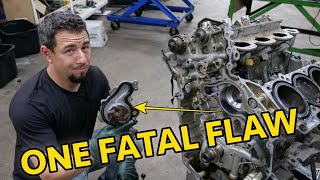
- Internal Timing-Chain-Driven Water Pump Failure 🔴 High — Common after 80,000-120,000 miles. Failure allows coolant to mix with engine oil, leading to catastrophic engine damage if not caught immediately. (Ref: No recall, but subject of multiple class-action lawsuits.)
- AWD Transfer Case (PTU) Failure 🔴 High — Can occur under 100,000 miles. The fluid overheats and degrades, leading to gear wear and eventual failure. Mazda issued a warranty extension in the US. (Ref: Warranty extension in the USA to 9 years for vehicles produced between 2009-2013.)
- Power Brake Booster Failure 🟠 Medium — Commonly reported between 70,000-150,000 miles. Results in a hard brake pedal and increased stopping distance, often accompanied by a hissing sound. (Ref: Mazda Special Service Program (SSP 93) extended warranty coverage for this part on 2007-2013 models.)
Used vs. New Parts: Buying Guide for This Vehicle
When a used part is the smart pick: For a P0306, using a used OEM ignition coil from a reputable auto recycler is a reasonable cost-saving measure, especially for diagnosis (to confirm the coil is the issue before buying new). Since cylinder 6 is easily accessible, the labor to replace it again if the used part fails is minimal.
Donor-vehicle mileage cap: roughly under 70000 miles for the part to have meaningful remaining life.
What to inspect on the donor part:
- For an ignition coil, check the plastic housing for any cracks, melting, or discoloration (browning), which indicates excessive heat exposure.
- Ensure the electrical connector pins are clean and free of corrosion.
- Ask the recycler for the donor vehicle's mileage; prefer parts from vehicles with under 70,000 miles as coil failures become more common after this point.
OEM-only on this vehicle (don't cheap out):
- Powertrain Control Module (PCM) - Aftermarket or used PCMs often have programming and compatibility issues.
Aftermarket brands forum-validated for this vehicle:
- Ignition Coils: NGK, Denso, Delphi, and Motorcraft (DG521) are consistently recommended as reliable alternatives to Mazda OEM.
- Spark Plugs: NGK and Denso are the preferred OEM suppliers and are highly recommended.
- Fuel Injectors: Bosch is a reputable OEM supplier for many brands and a good choice if available.
Brands owners have reported issues with on this vehicle:
- Generic, unbranded ignition coils and fuel injectors from online marketplaces like Amazon or eBay. Forum users report high failure rates, incorrect fitment, and even causing additional electronic issues. One user reported cheap aftermarket coils causing multiple misfires and putting the car in 'limp mode'.
Real Owner Stories
Aggregated from forums and TSBs cited above. Mileages and costs reflect what owners reported in those sources.
2009 Mazda CX-9 3.7L V6 — 50000 miles
Symptoms: Engine running very rough and check engine light came on (solid). Later experienced a rough startup and heavy white smoke.
What fixed it: After initially replacing the coil pack and plugs, the dealer ultimately replaced the Powertrain Control Module (PCM) on advice from Mazda to solve the persistent issue.
Source hint: mazdas247.com: 'CX-9 Engine problems, constant P0306 codes - Please help!'
2008-2015 Mazda CX-9 3.7L V6
Symptoms: Misfire code P0306.
What fixed it: Replacing a single fouled spark plug resolved the misfire.
Source hint: reddit.com/r/Cartalk: 'An update on my P0306 code from my CX-9...'
Related OBD-II Codes
Frequently Asked Questions
Is cylinder 6 difficult to access on the 2008-2015 Mazda CX-9 3.7L?
Can a failed ignition coil on my CX-9 damage other components?
What is the correct spark plug gap for the 3.7L Cyclone V6 engine?
Does Mazda Special Service Program (SSP) 93 relate to my P0306 misfire code?
Should I replace all my spark plugs if I only have a P0306 code?
My Check Engine Light is flashing while driving; is it safe to continue?
Helpful Videos
We Have This Part in Stock

The information in this article is provided for general reference and educational purposes only. Vehicle specifications, procedures, and part compatibility can vary by production date, trim level, and region. Always consult your vehicle's factory service manual and verify part numbers before purchasing or performing repairs. Safety-critical components such as airbags, seat belts, and braking systems should be installed by a qualified professional.
- Mazda CX-9:
- 🧭 Diagnostic Flowchart
- 🎬 Helpful Videos
- 🛍️ Shop This Part
- What's Unique About the 2008-2015 Mazda CX-9
- Symptoms You May Notice
- Most Likely Causes
- Rare But Worth Checking
- Diagnosis Steps
- Parts You'll Likely Need
- Related Codes That Often Appear With This One
- Technical Service Bulletins (TSBs) & Recalls
- Platform-Specific Known Issues
- Mechanic-Grade Diagnostic Values
- Hidden / Shadow Codes Worth Checking
- Scan Tool Commands That Help
- Real Owner Repair Stories
- When the Usual Fixes Don't Work
- OEM Part Supersession History
- Model Year Variations Within This Range
- Other Known Issues on This Vehicle
- Used vs. New Parts: Buying Guide for This Vehicle
- Real Owner Stories
- 2009 Mazda CX-9 3.7L V6 — 50000 miles
- 2008-2015 Mazda CX-9 3.7L V6
- Related OBD-II Codes
- Frequently Asked Questions
- 🎟️ Get 5% Off