

P0306 on 2001-2006 Mazda Tribute 3.0L V6: Cylinder 6 Misfire Causes and Fixes
Code P0306 on a 2001-2006 Mazda Tribute 3.0L V6 indicates a misfire in cylinder 6. The most common causes are a failed ignition coil or a vacuum leak from deteriorated intake manifold gaskets. A new coil costs around $25-$70, while an intake gasket set is about $15-$50. Cylinder 6 is located on the front bank (closest to the radiator) on the driver's side, making it the easiest to access.
- P0306 means cylinder 6 is misfiring.
- The most likely cause is a bad ignition coil, which can be diagnosed by swapping it with another cylinder's coil.
- A close second cause is a vacuum leak from failed intake manifold gaskets, a known weak point on this engine.
- If the Check Engine Light is flashing, stop driving to prevent expensive damage to the catalytic converter.
- When replacing parts, be careful not to swap the electrical connectors for the front ignition coils.
What's Unique About the 2001-2006 Mazda Tribute
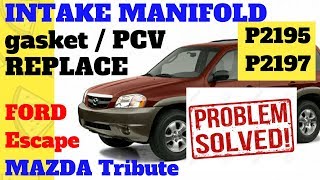
The 2001-2006 Mazda Tribute with the 3.0L V6 is mechanically identical to the Ford Escape and Mercury Mariner. A very common problem on this shared platform is the failure of the upper and lower intake manifold gaskets. These gaskets dry out and crack, creating vacuum leaks that lean out the air-fuel mixture and cause misfires, often triggering lean codes (P0171, P0174) alongside the misfire code. While a single cylinder misfire like P0306 often points to a bad coil, these vacuum leaks are a frequent underlying cause for misfire codes on this specific engine. Another known issue is oil from a leaking valve cover gasket seeping into the spark plug wells, fouling the coil and plug.
Symptoms You May Notice
- Rough or shaky idle
- Hesitation or stumbling during acceleration
- Noticeable loss of engine power
- Flashing or solid Check Engine Light
- Reduced fuel economy
- Engine stalling
- Engine jerking during acceleration
- Replacing only the spark plug when the ignition coil is the actual cause.
- Replacing coils and plugs repeatedly without checking for a vacuum leak from the intake manifold gaskets, which is the root cause.
- Swapping the electrical connectors for cylinders 4 and 6 after a repair, which will induce codes P0304 and P0306. Several owners have made this mistake. The connectors are close and can be easily mixed up.
Most Likely Causes
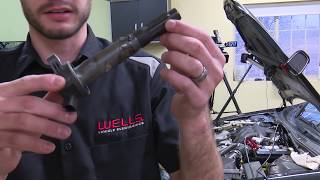
- Failed Ignition Coil (Coil-on-Plug) 🔴 High Probability → Shop Ignition Coil Ignition coils are a common failure item on many vehicles from this era, including the Tribute/Escape. Heat and age cause the internal windings to fail. Cylinder 6 is on the front bank (Bank 2), closest to the radiator, making it relatively easy to access.
How to confirm: Swap the cylinder 6 ignition coil with an adjacent cylinder (e.g., cylinder 5). Clear the codes and drive the vehicle. If the code changes to P0305, the coil is faulty. Cylinder 4 is on the passenger side, 5 is in the middle, and 6 is on the driver's side of the front bank.
Typical fix: Replace the failed ignition coil. It is often recommended to replace all six coils and spark plugs at the same time for preventative maintenance, especially if they are original or high mileage.
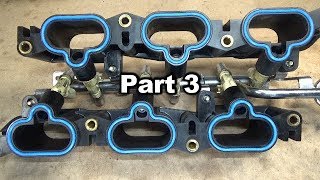
Est. part cost: $25 - $70 per coil - Leaking Intake Manifold Gaskets 🔴 High Probability → Shop Engine Intake Manifold The gaskets for the upper (plenum) and lower intake manifolds are made of a plastic/rubber material that becomes brittle and cracks over time, causing unmetered air (a vacuum leak) to enter the engine. This is a well-documented weak point on the 3.0L Duratec/AJ V6 engine that can cause single or multiple misfires.
How to confirm: Perform a smoke test on the intake system. Smoke will be seen escaping from the gasket area if there is a leak. Another method is to spray carburetor cleaner around the intake manifold gaskets with the engine running; if the engine RPM changes, a leak is present.
Typical fix: Replace both the upper and lower intake manifold gaskets. This is a labor-intensive job as the entire intake manifold must be removed to access both sets of gaskets.
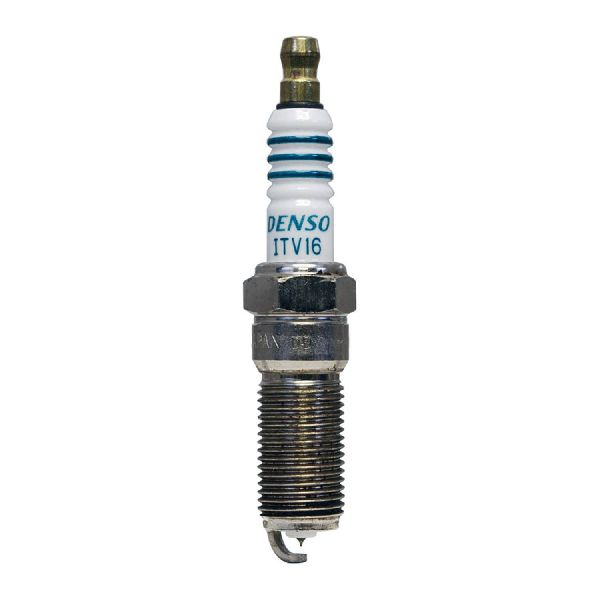
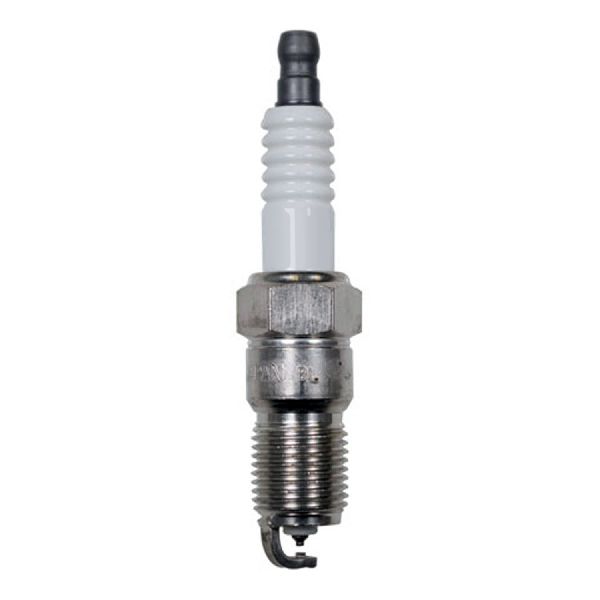
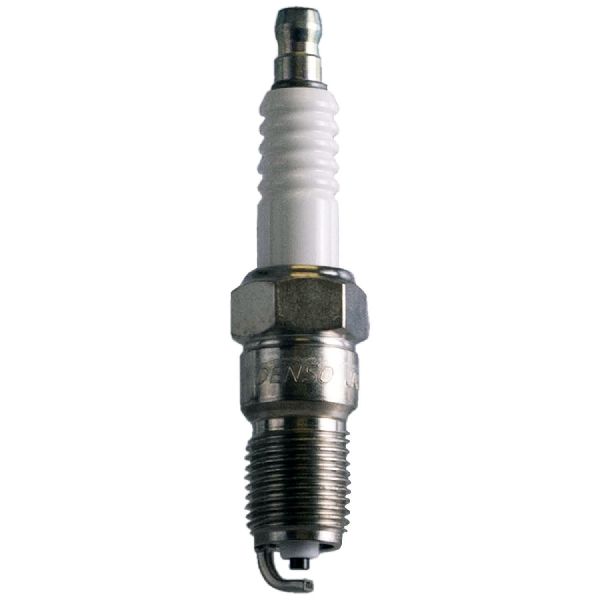
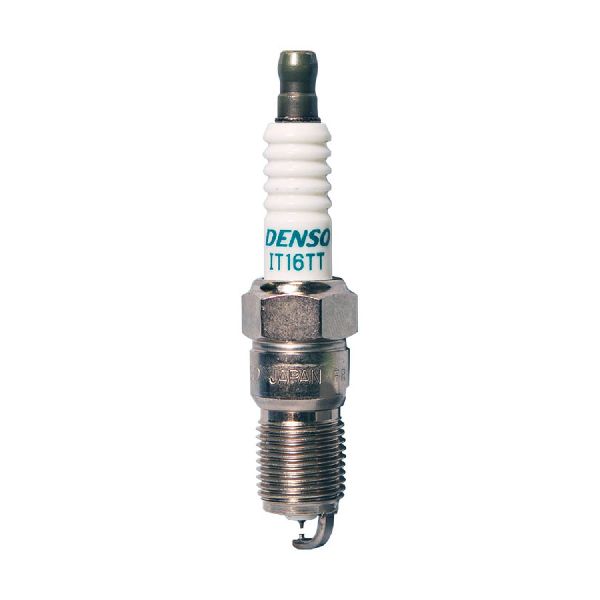
Est. part cost: $15 - $50 for a full gasket set - Worn or Fouled Spark Plug 🟡 Medium Probability → Shop Spark Plug Spark plugs are a regular maintenance item. If they are past their service life, the gap can become too large for a consistent spark, or they can become fouled by oil or carbon deposits. It's recommended to replace them with the coils.
How to confirm: Remove the spark plug from cylinder 6 and inspect it. Look for a worn electrode, cracks in the porcelain, or heavy deposits. A carbon track (a fine black line) on the porcelain indicates the spark is shorting to ground.
Typical fix: Replace the spark plug. It is best practice to replace all six spark plugs at once, especially if replacing coils.
Est. part cost: $5 - $20 per plug - Leaking Valve Cover Gasket ⚪ Low Probability The valve cover gaskets can leak oil directly into the spark plug wells. This oil can short out the ignition coil and spark plug, causing a misfire. This is a common source of oil leaks on the Duratec 3.0L engine.
How to confirm: When you remove the ignition coil from cylinder 6, check for liquid oil in the spark plug tube.
Typical fix: Replace the valve cover gasket for the corresponding bank (Bank 2, the front one) and the spark plug tube seals. Clean the oil from the tube and replace the oil-fouled ignition coil and spark plug.
Est. part cost: $20 - $50 for a gasket set
Rare But Worth Checking
- Faulty Fuel Injector: → Shop Fuel Injector A clogged or failing fuel injector can prevent the correct amount of fuel from reaching cylinder 6. This is less common than ignition or vacuum issues. In some cases, owners have found incorrect or mismatched injectors installed from previous repairs.
- Low Fuel Pressure: A weak fuel pump can cause a lean condition and misfires, particularly on a cold start. One owner reported a P0306 that was resolved by replacing a fuel pump that was losing pressure overnight.
- Failed Powertrain Control Module (PCM): → Shop Engine Control Module (ECM) On some Ford/Mazda platforms of this era, a shorted ignition coil can damage the driver circuit within the PCM, leading to a persistent misfire code even after replacing the coil. This often presents with a P035x code (e.g., P0356) in addition to the P030x code. Repair services like Circuit Board Medics specialize in fixing these modules.
- Low Engine Compression: Internal engine issues like a burnt valve or worn piston rings can cause a loss of compression, leading to a misfire. This was a known, though not frequent, issue on the 3.0L Duratec. This is the least likely cause and should be investigated last.
Diagnosis Steps
- Read the code with an OBD-II scanner and confirm P0306 is present. Note any other codes, especially P0171, P0174, or P0356.
- To quickly test the ignition coil, swap the coil from cylinder 6 with the coil from cylinder 5. (Cylinders 4, 5, and 6 are on the front bank, closest to the radiator). Cylinder 6 is on the driver's side.
- Clear the codes and start the engine. Let it run until the Check Engine Light comes back on.
- Re-scan the codes. If the code is now P0305, the ignition coil is bad and needs to be replaced.
- If the code remains P0306, the problem is not the coil. Remove the ignition coil and check the spark plug well for oil. If oil is present, the valve cover gasket is leaking.
- Remove the spark plug from cylinder 6 and inspect it for wear, damage, or fouling (carbon or oil). Replace if necessary.
- If the plug and coil are good, the next most likely cause is a vacuum leak. Perform a smoke test on the intake system, focusing on the area where the intake manifold meets the cylinder heads.
- If no vacuum leak is found, check the wiring and connector for the cylinder 6 ignition coil and fuel injector for damage. Ensure the connectors for cylinders 4 and 6 are not swapped.
- If all else fails, check fuel pressure and consider performing an engine compression test on cylinder 6 to rule out mechanical issues.
Parts You'll Likely Need
- Ignition Coil
(OEM #1L8Z-12029-AB (Motorcraft DG500))— This is the most frequent point of failure for a single-cylinder misfire.
Trusted brands: Motorcraft, NGK, Denso, Delphi
OEM price range: $50 - $90
Aftermarket price range: $25 - $60 - Intake Manifold Gasket Set (Upper and Lower) — These gaskets are a notorious failure point on the 3.0L V6, causing vacuum leaks that lead to misfires.
Trusted brands: Fel-Pro (MS 96124 for 2001-2004), Mahle, Victor Reinz
OEM price range: $30 - $60
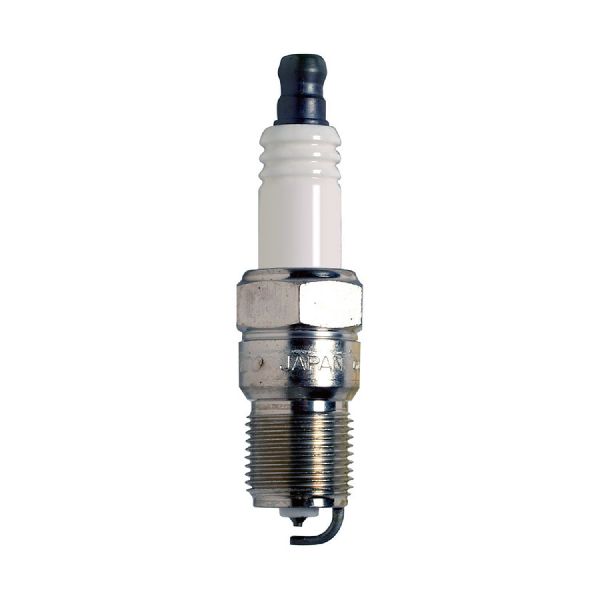
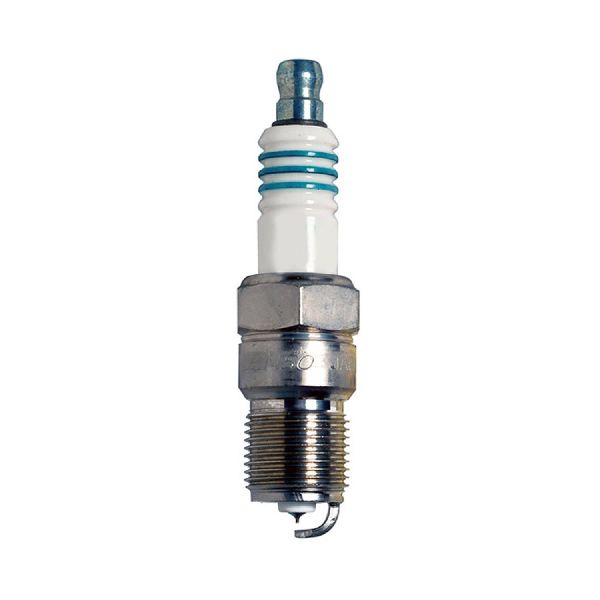
Aftermarket price range: $15 - $40 - Spark Plugs
(OEM #Motorcraft AGSF-32FM)— Worn spark plugs are a common cause of misfires and should be replaced as part of regular maintenance.
Trusted brands: Motorcraft, NGK, Autolite
OEM price range: $8 - $15 per plug
Aftermarket price range: $5 - $10 per plug
Related Codes That Often Appear With This One
- P0300 — If a vacuum leak from the intake gaskets is severe, it can affect multiple cylinders, causing a P0300 (Random/Multiple Cylinder Misfire) code alongside the P0306.
- P0171, P0174 — These codes indicate a lean condition on Bank 1 and Bank 2, respectively. A significant vacuum leak from the intake manifold gaskets is a primary cause for these codes appearing with a misfire.
- P0356 — This code means 'Ignition Coil F Primary/Secondary Circuit Malfunction'. It points more directly to an electrical problem with the coil or its circuit, and can sometimes indicate a faulty PCM driver.
- P0304 — If P0304 appears simultaneously with P0306 after a repair, it is highly likely the electrical connectors for the cylinder 4 and 6 ignition coils have been swapped.
Technical Service Bulletins (TSBs) & Recalls
- Recall 12V016000: Addresses potential for a stuck throttle due to inadequate clearance with the engine cover on 3.0L V6 models.
Platform-Specific Known Issues
- The upper and lower intake manifold gaskets are a very common failure point, leading to vacuum leaks and misfire codes.
- The three rear spark plugs and coils (cylinders 1, 2, 3) are located under the upper intake manifold, which must be removed for access. This significantly increases the labor time for a full tune-up.
- It is easy to accidentally swap the ignition coil electrical connectors for cylinders 4 and 6 on the front bank, which will cause P0304 and P0306 codes immediately after a repair.
Mechanic-Grade Diagnostic Values
- Ignition Coil Primary Resistance — expected: 0.4 - 2.0 Ohms (Typical), specifically ~0.660 Ohms for some aftermarket replacements.. Failure: A reading outside the specified range indicates a faulty coil winding.
- Ignition Coil Secondary Resistance — expected: 6,000 - 10,000 Ohms (Typical), specifically ~6.1K-6.2K Ohms for some aftermarket replacements.. Failure: A reading significantly higher or lower than the expected range points to an internal coil failure.
- Fuel Injector Resistance — expected: 11 - 18 Ohms (or more specifically 13.1 - 14.5 Ohms).. Failure: A reading outside of this range indicates the injector's internal coil is faulty. If resistance is good but a clog is suspected, a flow test is needed.
- Fuel Pressure (Key On, Engine Off) — expected: 35-45 PSI. Failure: Pressure below this range indicates a weak fuel pump or clogged filter, which can cause lean misfires.
- Ignition Coil Connector Voltage (Key On, Engine Off) — expected: One wire should have 12V+ (battery voltage). The other wire is the ground signal from the PCM.. Failure: Absence of 12V+ points to a wiring or fuse issue. If 12V is present but the coil doesn't fire, the problem could be the PCM driver or the signal wire.
Hidden / Shadow Codes Worth Checking
- Mode $06, TID $53: This is not a standard trouble code, but a diagnostic monitor in the PCM. TID $53 specifically tracks the misfire count for each cylinder. Viewing this data can show intermittent misfires on cylinder 6 (CID $06) that haven't yet reached the threshold to set a P0306 code. (see via Requires a professional scan tool or an advanced OBD-II app (like Torque Pro, BlueDriver) capable of displaying Mode $06 data.)
- P0316: Misfire Detected on Startup (First 1000 Revolutions). This code often appears with a P030x code and indicates the misfire is present immediately when the engine starts, which can point towards ignition components or low fuel pressure. (see via Standard OBD-II scanner.)
Scan Tool Commands That Help
- Ford IDS (Integrated Diagnostic System) or equivalent professional scanner: Power Balance Test — This function allows a technician to disable one cylinder at a time to observe the corresponding drop in RPM. If disabling cylinder 6 causes little or no change in RPM, it confirms that cylinder is not contributing power, pinpointing the misfire without swapping parts.
Wiring & Ground Locations
- G8 — At the front of the engine.. A poor engine ground can cause a host of electrical issues, including weak spark or erratic sensor readings that could lead to a misfire code.
- G9 — At the rear of the engine.. This is another primary engine ground. Ensuring it is clean and tight is a crucial step in diagnosing electrical faults.
- Ground near passenger headlight — Several grounds are located behind/near the passenger headlight area, with one going to the lower intake.. A compromised ground connection for the intake manifold area could potentially affect sensors or components related to engine management.
- Cylinder 6 Ignition Coil Connector — Two-pin connector on the ignition coil for cylinder 6 (front bank, driver's side).. The pins must be tested for 12V power and the PCM ground signal. A damaged connector or spread terminals can cause an intermittent connection and misfire. The wire colors are important for diagnosis, though they can vary; one wire is for power (often Red) and the other is the signal wire from the PCM.
Real Owner Repair Stories
- RepairPal Forum user 'IndianaRuss' (2001 Mazda Tribute, 225,000 miles) — Engine idles and runs rough, codes P0304 and P0306 active.
❌ Tried (didn't work) Replaced all 6 spark plugs, Swapped coil packs between banks, Swapped fuel injectors between banks, Performed a compression test (all cylinders were good, 205-215 PSI), Replaced upstream O2 sensor for an active P0151 code
✅ What actually fixed it The electrical connectors for the ignition coils on cylinders 4 and 6 had been accidentally swapped during a previous repair. Correcting the connectors resolved the P0304 and P0306 codes. - YouTube user 'JohnVHRC' (Ford Escape 3.0L (mechanically identical)) — Persistent misfire on two cylinders even after replacing coils.
❌ Tried (didn't work) Replaced spark plugs, Replaced ignition coils with new ones, Swapped a known-good coil to the misfiring cylinder
✅ What actually fixed it The ignition coil driver circuit inside the Powertrain Control Module (PCM/ECU) had failed. After verifying continuity on the signal wire between the coil connector and the PCM connector, the PCM itself was replaced with a programmed unit, which fixed the misfire.
OEM Part Supersession History
1L8Z-12029-AA→1L8Z-12029-AB (Motorcraft DG500)— Updated design or manufacturer change.AJ03-18-100→AJ09-18-100— Mazda part number supersession, corresponds to Ford updates.
Model Year Variations Within This Range
- 2001-2004 vs 2005-2006: The intake manifold gaskets have different designs. The set for 2001-2004 is Fel-Pro part number MS 96124. For 2005-2006 models, the design changed, and a different gasket set is required. Always verify the part number with the specific vehicle year before purchasing.
- 2003-2005: A Technical Service Bulletin (TSB 05-15-7) was issued for some 2003-2005 models for misfire codes (P0300-P0306) caused by radio frequency interference from the ignition coils. The fix involved installing a new design of ignition coil.
Diagnostic Flowchart
Other Known Issues on This Vehicle
Issues unrelated to this code that are worth knowing about as an owner of this generation:
- Premature Alternator Failure 🔴 High — Common failure item. The alternator is difficult to access, located on the lower rear of the engine, often requiring removal of the passenger-side axle shaft and dropping the subframe for replacement.
- Automatic Transmission (CD4E) Failure 🔴 High — The Ford CD4E transmission is known for issues including harsh shifting, surging, and complete failure. Problems can stem from faulty solenoids, ground connections, or internal filters that are not serviceable without removing the transmission.
- Pre-Catalytic Converter (Manicat) Failure 🔴 High — The catalytic converters integrated into the exhaust manifolds can fail, with the catalyst material breaking apart. This can lead to exhaust blockages, glowing red converters, and severe loss of power. Driving with a misfire significantly accelerates this failure.
- Subframe Corrosion 🔴 High — In regions using road salt, the front subframe is prone to severe rust, particularly at the lower control arm attachment points, which can lead to structural failure. (Ref: NHTSA Recall 12V357000)
- Stalling While Driving 🟠 Medium — Some vehicles may experience engine stalling during deceleration at speeds below 40 mph. This was subject to a recall. Other owners report stalling at stops, which can sometimes be related to a faulty torque converter lockup clutch. (Ref: NHTSA Recall 04V106000)
- Camshaft Cap Bolt Failure 🟠 Medium → Shop Engine Camshaft — A less common but catastrophic issue where the camshaft cap bolts can loosen or break due to a potential hardness issue, leading to ticking noises and eventual engine failure if not addressed. Early warning signs can include misfires.
Used vs. New Parts: Buying Guide for This Vehicle
When a used part is the smart pick: Used parts are generally not recommended for the key components in this repair (ignition coils, spark plugs, gaskets) due to their nature as wear items. The cost savings are minimal compared to the risk of premature failure. A used PCM from a reputable seller who guarantees it is functional can be a cost-effective alternative to a new or remanufactured unit.
Donor-vehicle mileage cap: roughly under 75000 miles for the part to have meaningful remaining life.
What to inspect on the donor part:
- For a PCM: Match part numbers exactly. Ensure the donor vehicle did not have flood or fire damage.
- For any used part: Check for obvious signs of damage, corrosion, or oil contamination. Ask for the donor vehicle's mileage if possible.
OEM-only on this vehicle (don't cheap out):
- Powertrain Control Module (PCM) - While aftermarket remanufactured units are available, using an OEM Motorcraft/Ford unit (new or used) is often the most reliable path, but it will require programming to the vehicle's keys and VIN.
Aftermarket brands forum-validated for this vehicle:
- Ignition Coils: Motorcraft (OEM), NGK, Denso, Delphi.
- Intake Gaskets: Fel-Pro, Mahle, Victor Reinz.
- Spark Plugs: Motorcraft (OEM), NGK, Autolite.
Brands owners have reported issues with on this vehicle:
- Unnamed/generic 'no-name' ignition coils from online marketplaces are frequently reported to have very short lifespans and can fail quickly, sometimes causing further issues.
Real Owner Stories
Aggregated from forums and TSBs cited above. Mileages and costs reflect what owners reported in those sources.
2001 Mazda Tribute 3.0L V6
Symptoms: Unable to solve cylinder 4 and 6 misfire.
What fixed it: The owner was cautioned about the possibility of swapped ignition coil electrical connectors for cylinders 4 and 6 on the front bank.
Source hint: https://www.repairpal.com/2001-mazda-tribute-unable-to-solve-cylinder-4-and-6-misfire-906
2001-2006 Mazda Tribute 3.0L V6
Symptoms: Engine stalling at stops and during deceleration at speeds below 40 mph.
What fixed it: Addressed via recall for stalling issues; some cases also related to faulty torque converter lockup.
Source hint: https://community.cartalk.com/t/mazda-tribute-stalling-issues/80265
Related OBD-II Codes
Frequently Asked Questions
Where is cylinder 6 located on my 2001-2006 Mazda Tribute 3.0L V6?
Is there a recall for the stalling issues I'm experiencing along with my P0306 code?
Do I need to remove the intake manifold to fix a P0306 misfire?
Can I just swap parts to see if the coil is bad on my Tribute?
Why did my mechanic say my catalytic converter is failing because of this misfire code?
Is there a common mistake to avoid when replacing the front coils on this AJ V6 engine?
Helpful Videos

Used OEM Parts in Stock
New Aftermarket Parts Available

The information in this article is provided for general reference and educational purposes only. Vehicle specifications, procedures, and part compatibility can vary by production date, trim level, and region. Always consult your vehicle's factory service manual and verify part numbers before purchasing or performing repairs. Safety-critical components such as airbags, seat belts, and braking systems should be installed by a qualified professional.
- Mazda Tribute:
- 🧭 Diagnostic Flowchart
- 🎬 Helpful Videos
- 🛍️ Shop This Part
- What's Unique About the 2001-2006 Mazda Tribute
- Symptoms You May Notice
- Most Likely Causes
- Rare But Worth Checking
- Diagnosis Steps
- Parts You'll Likely Need
- Related Codes That Often Appear With This One
- Technical Service Bulletins (TSBs) & Recalls
- Platform-Specific Known Issues
- Mechanic-Grade Diagnostic Values
- Hidden / Shadow Codes Worth Checking
- Scan Tool Commands That Help
- Wiring & Ground Locations
- Real Owner Repair Stories
- OEM Part Supersession History
- Model Year Variations Within This Range
- Other Known Issues on This Vehicle
- Used vs. New Parts: Buying Guide for This Vehicle
- Real Owner Stories
- 2001 Mazda Tribute 3.0L V6
- 2001-2006 Mazda Tribute 3.0L V6
- Related OBD-II Codes
- Frequently Asked Questions
- 🎟️ Get 5% Off