

P0306 on 2006-2012 Mitsubishi Eclipse: Cylinder 6 Misfire Causes and Fixes
For a 2006-2012 Mitsubishi Eclipse with the 3.8L V6, a P0306 code is most often caused by a bad ignition coil or a worn spark plug on cylinder 6. Cylinder 6 is on the easily accessible front bank. A new ignition coil costs around $30-$60, and a quality Iridium spark plug is about $10-$20. Both are easy DIY fixes for this specific cylinder.
- P0306 means cylinder 6 is misfiring. On your Eclipse, this cylinder is at the front of the engine bay, making it easy to access.
- The most likely cause is a bad ignition coil or a worn-out spark plug.
- A simple and effective diagnostic test is to swap the ignition coil from cylinder 6 with another cylinder (like cylinder 4) and see if the misfire code follows the coil.
- Do not ignore a flashing check engine light, as this indicates a severe misfire that can quickly damage your expensive catalytic converter.
- Replacing the ignition coil and spark plug for cylinder 6 is a beginner-friendly DIY job that can save you significant money on labor costs.
What's Unique About the 2006-2012 Mitsubishi Eclipse
The 2006-2012 Eclipse uses the 6G75 3.8L V6 engine, which has a specific cylinder layout. Cylinder 6 is on the front bank (left bank, closer to the radiator), making it relatively easy to access for diagnosis and repair compared to the rear cylinders which are located under the intake manifold. This engine uses a coil-on-plug (COP) ignition system, so for cylinder 6, you'll be dealing with an individual ignition coil directly on top of the spark plug, which is a very common failure point for this code.
Symptoms You May Notice
- Flashing or solid Check Engine Light
- Rough or shaky idle
- Noticeable loss of power and sluggish acceleration
- Hesitation or jerking when accelerating
- Increased fuel consumption
- Smell of raw fuel from the exhaust
- Replacing the oxygen sensor. A misfire will cause abnormal O2 sensor readings, but the sensor is rarely the cause of the misfire itself.
- Replacing the catalytic converter. A misfire can damage a catalytic converter, but replacing the converter will not fix the underlying misfire.
Most Likely Causes
- Faulty Ignition Coil 🔴 High Probability → Shop Ignition Coil Coil-on-plug ignition coils are common wear items that are subjected to high heat and vibration, leading to eventual failure. They are the most cited cause for P030x codes in owner forums.
How to confirm: Swap the ignition coil from cylinder 6 with another easily accessible cylinder on the same bank (e.g., cylinder 4 or 2). Clear the codes and drive the vehicle. If the code changes to P0304 or P0302, the ignition coil is faulty. 🎬 See how to diagnose and fix a misfire code yourself.
Typical fix: Replace the faulty ignition coil. It is often recommended to replace the spark plug at the same time. While some recommend replacing all coils at once, for a single cylinder failure on an easily accessible bank, replacing just the failed one is a common and acceptable repair.
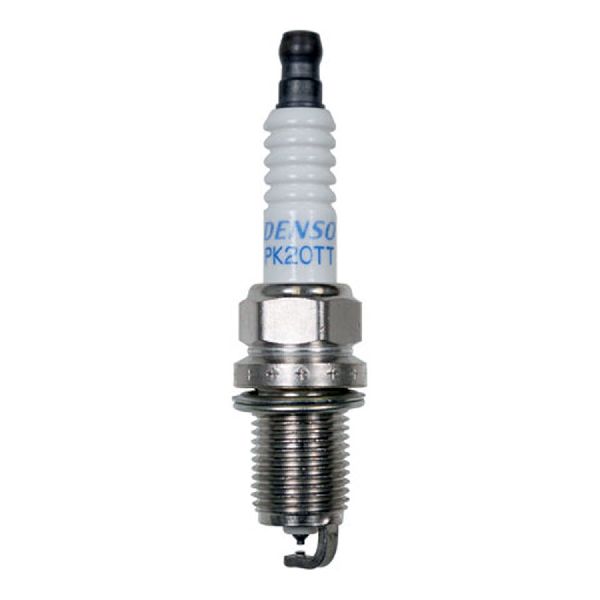
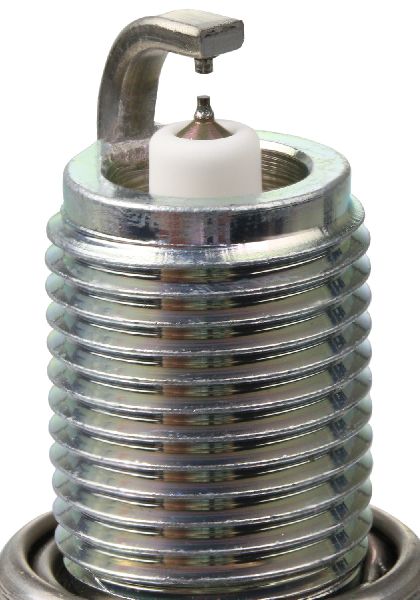
Est. part cost: $30 - $80 - Worn or Fouled Spark Plug 🔴 High Probability → Shop Spark Plug Spark plugs are a routine maintenance item. The recommended interval is every 60,000 to 100,000 miles for Iridium plugs, but this can be shorter if oil fouling occurs. Oil leaking from the valve cover gasket's spark plug tube seals is a known issue on the 6G75 and can foul the plug, causing a misfire.
How to confirm: After moving the coil, if the misfire remains on cylinder 6, remove the spark plug. Inspect it for wear, damage, or being wet with oil or fuel. You can swap the plug with another cylinder to see if the misfire follows.
Typical fix: Replace the spark plug. It's best practice to replace all six spark plugs at once if they are near the end of their service interval, though this is labor-intensive due to the rear bank's location under the intake manifold. If oil is found in the spark plug well, the valve cover gasket and tube seals should be replaced.
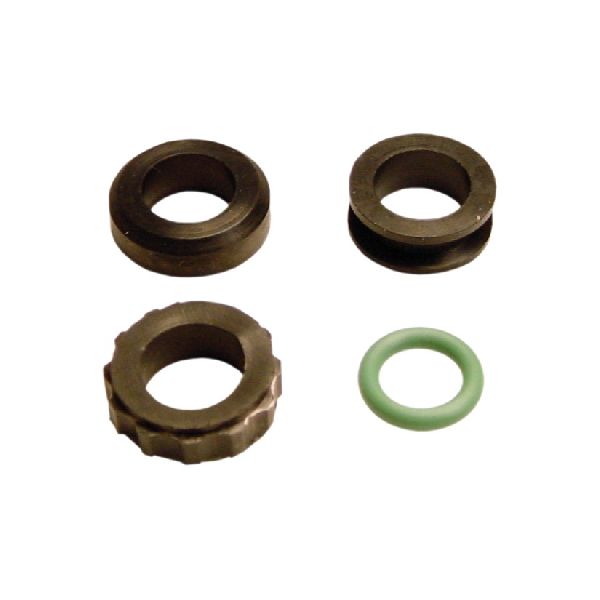
Est. part cost: $10 - $25 per plug - Clogged or Faulty Fuel Injector 🟡 Medium Probability → Shop Fuel Injector Fuel injectors can become clogged with deposits over time, preventing them from delivering the correct amount of fuel to the cylinder.
How to confirm: Use a mechanic's stethoscope or a long screwdriver to listen to the injector; you should hear a consistent clicking sound. If it's silent or irregular, it may be faulty. Another method is to swap the injector with another cylinder, but this is a more involved job.
Typical fix: Replace the faulty fuel injector. Sometimes, professional fuel system cleaning can restore a clogged injector.
Est. part cost: $50 - $150 - Low Engine Compression ⚪ Low Probability While not exceptionally common, high-mileage 6G75 engines can suffer from issues like worn piston rings or leaking valve stem seals, which can lead to oil consumption and reduced compression.
How to confirm: Perform a compression test on cylinder 6 and compare the reading to the other cylinders and the manufacturer's specifications. A significant drop (more than 15-20%) indicates a mechanical problem.
Typical fix: This requires significant engine repair, such as replacing piston rings, valves, or the head gasket. This is typically a job for a professional mechanic.
Est. part cost: $500+
Rare But Worth Checking
- Vacuum Leak: A vacuum leak is less likely to cause a single-cylinder misfire, but a leak from the intake manifold gasket near cylinder 6 could be a cause.
- Damaged Wiring or Connector: The wiring harness or connector for the ignition coil or fuel injector on cylinder 6 could be damaged or corroded, causing an intermittent connection. Check for brittle plastic and secure connections.
- Failed Valve Stem Seals: The 6G7 series engines are known for having valve stem seal problems as they age, leading to oil burning and potentially fouling the spark plug on the affected cylinder.
Diagnosis Steps
- Check for any other stored DTCs with an OBD-II scanner.
- Locate cylinder 6. On the 3.8L V6, it is the cylinder on the front bank (closest to the radiator), on the driver's side.
- Swap the ignition coil from cylinder 6 with the coil from cylinder 4 (the middle cylinder on the same bank).
- Clear the codes and test drive the vehicle. If the code returns as P0304, the ignition coil is bad and needs to be replaced.
- If the code returns as P0306, the coil is likely good. Next, inspect the cylinder 6 spark plug. Check for wear, fouling (especially oil from a leaking tube seal), and correct gap. Swap the spark plug from cylinder 6 with the one from cylinder 4.
- Clear the codes and test drive again. If the code is now P0304, the spark plug is the culprit.
- If the P0306 code persists, inspect the wiring and connector for the cylinder 6 ignition coil and fuel injector for any signs of damage, corrosion, or loose connections.
- Listen to the cylinder 6 fuel injector with a stethoscope. It should have a steady, rhythmic clicking sound. Compare it to a known good injector.
- If all ignition and fuel delivery components seem fine, perform a compression test on cylinder 6 to rule out mechanical engine problems.
- If oil is found in the spark plug well, the valve cover gasket and spark plug tube seals need to be replaced 🎬 Watch: How to replace valve cover gaskets and spark plugs. to prevent future misfires.
Parts You'll Likely Need
- Ignition Coil
(OEM #1832A026 (supercedes MD372045, 1832A016, 1832A031))— This is the most common failure point for a single-cylinder misfire on a coil-on-plug engine.
Trusted brands: Denso, NGK, Delphi
OEM price range: $60-$100
Aftermarket price range: $30-$60 - Spark Plug
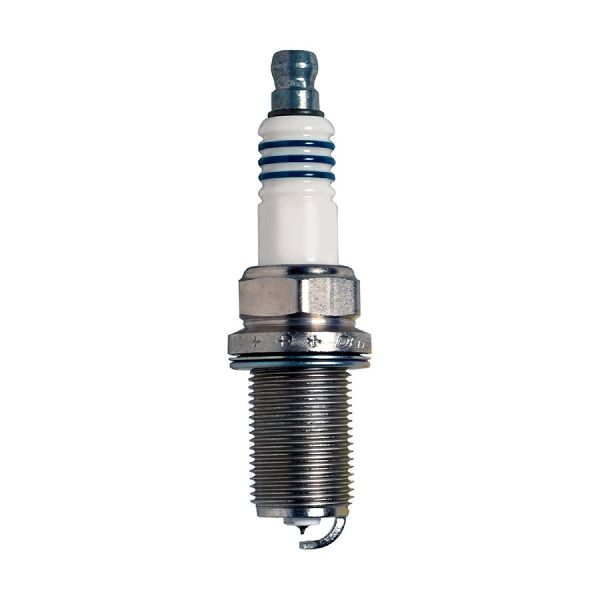
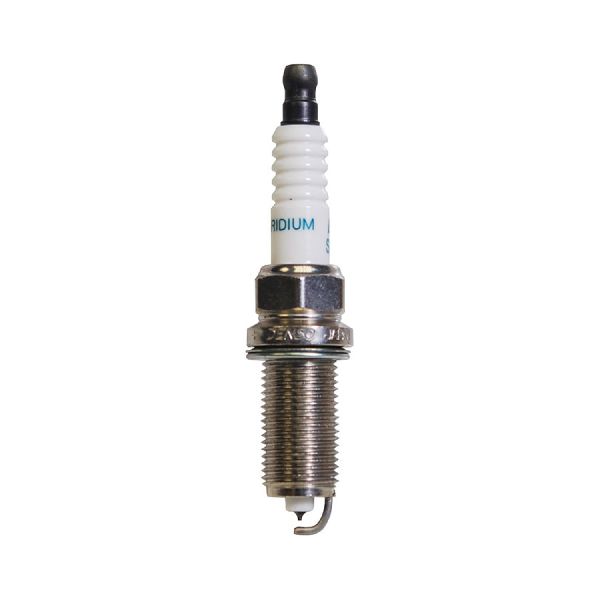
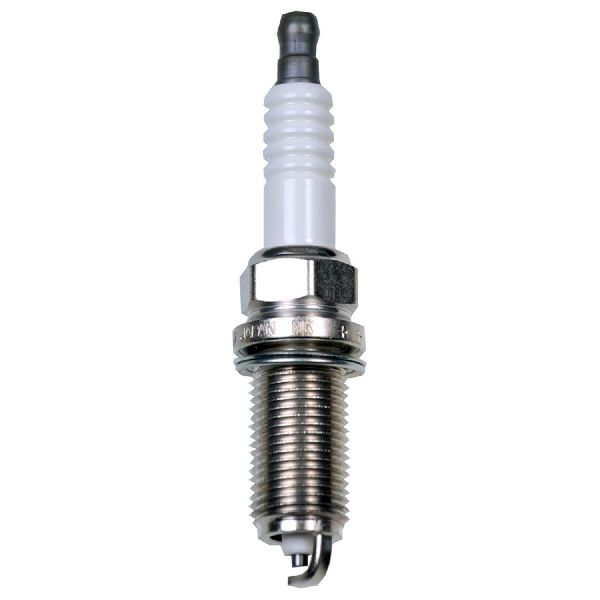
(OEM #NGK ILKR7B6 or Denso SXU22HCR11S (Iridium plugs recommended))— This is a standard maintenance item and the second most likely cause of a misfire. Iridium plugs are recommended for longevity.
Trusted brands: NGK, Denso
OEM price range: $15-$25
Aftermarket price range: $8-$15 - Fuel Injector — Less common than ignition parts, but a clogged or failed injector will cause a misfire on its specific cylinder.
Trusted brands: Bosch, Standard Motor Products (SMP)
OEM price range: $100-$180
Aftermarket price range: $50-$120
Related Codes That Often Appear With This One
- P0300 — If the misfire is intermittent or affects multiple cylinders, a P0300 (Random/Multiple Cylinder Misfire) may be stored alongside the P0306.
Technical Service Bulletins (TSBs) & Recalls
- TSB-06-13-005: Addresses an issue on 2005-2006 models where freeze-frame data for misfire codes (P0300-P0306) might be unavailable. A PCM reprogram is required to enable full diagnostic data.
Platform-Specific Known Issues
- Oil leaking from the valve cover gaskets into the spark plug tubes is a common issue on the 6G75 V6, which can foul the spark plug and cause a misfire. When replacing a plug, it's critical to check for oil in the well.
Mechanic-Grade Diagnostic Values
- Fuel Pressure at Idle — expected: Approximately 36-37 PSI. Failure: Significantly lower pressure suggests a weak fuel pump or clogged filter; higher pressure could indicate a faulty regulator.
- Fuel Injector Resistance — expected: 10-14 Ohms at 68°F (20°C). Failure: Readings outside this range indicate a faulty injector coil. No reading (open circuit) or zero resistance (short circuit) means the injector needs replacement.
- Ignition Coil Primary Resistance — expected: Not a standard test for this coil-on-plug design; functional testing (swapping) is more reliable.. Failure: N/A
Scan Tool Commands That Help
- Mitsubishi MUT-III: Data List - Misfire Monitor — To view live and historical misfire counts for each specific cylinder. This helps confirm the misfire is isolated to cylinder 6 and determine if it occurs under specific conditions (e.g., idle, load).
- Mitsubishi MUT-III: Actuator Test - Fuel Injector — To manually command the cylinder 6 fuel injector to operate. This allows the technician to listen for the injector's click and confirm the wiring and ECU driver are functioning, without having to swap the injector physically.
- Mitsubishi MUT-III: ECU Reprogramming — As per TSB-06-13-005, early models may require a PCM reprogram to enable full freeze-frame data for misfire diagnosis. This is critical if the cause is not immediately obvious.
Wiring & Ground Locations
- Engine Ground Strap — A heavy ground strap is located near the front motor mount, connecting the engine block to the chassis.. A corroded or loose main engine ground can cause erratic behavior in all engine electronics, including the ignition system. This can lead to weak spark and intermittent misfires that are hard to diagnose.
- Firewall Grounds — Multiple ground points are located on the firewall, in the corners of the engine bay.. These grounds are crucial for the ECU and various sensors. A poor connection here can cause incorrect sensor readings or interfere with the ECU's ability to properly command the ignition coils, potentially causing a misfire code.
- Cylinder 6 Ignition Coil Connector — Directly on top of the cylinder 6 ignition coil, on the front valve cover, driver's side.. The connector itself or the wiring leading to it can become brittle from heat and vibration, causing an intermittent connection. Check for a secure click when connecting and inspect the pins for corrosion and the wires for damage.
OEM Part Supersession History
MD372045→1832A016, 1832A026— Part revision and consolidation over time. The newer numbers are the current recommended replacement.
Heads up: The listed part numbers are generally interchangeable for this application. 1832A026 is the most recent revision.
Model Year Variations Within This Range
- 2006-2008: Initial power output for the 3.8L V6 was 263 hp and 260 lb-ft of torque.
- 2009-2012: For the 2009 model year, the Eclipse GT received a facelift, a new dual exhaust, and a slight power increase to 265 hp and 262 lb-ft of torque. Stability control also became standard on the GT. This does not change the P0306 diagnosis but is a notable variation.
- 2005-2006: A PCM software issue may prevent full freeze-frame data from being stored for misfire codes. TSB-06-13-005 recommends a reprogram to fix this, which is crucial for complex diagnoses.
Diagnostic Flowchart
Other Known Issues on This Vehicle
Issues unrelated to this code that are worth knowing about as an owner of this generation:
- Clear Coat / Paint Failure 🟠 Medium — Very common, especially on cars exposed to high UV/sunlight. Peeling often starts on the hood, roof, and bumpers. (Ref: TSB-20-42A-005 (addresses paint stains from transport film, not widespread peeling), TSB 23-054-23 (addresses peeling on front bumper for some models))
- Cracked or Peeling Dashboard 🟠 Medium — Widespread issue where the dashboard material cracks or lifts near the windshield due to heat and sun exposure.
- Timing Belt Replacement (Interference Engine) 🔴 High — This is a critical maintenance item. The 6G75 is an interference engine requiring timing belt replacement every 60,000-100,000 miles. Failure to do so can result in catastrophic engine damage.
- Valve Cover Gasket & Tube Seal Oil Leaks 🟠 Medium — A fairly common issue on the 3.8L V6 models. Leaks can cause oil to drip onto exhaust components or foul spark plugs, leading to misfires.
- Automatic Transmission Issues 🟠 Medium — Some owners report hard shifts, slipping, or solenoid failures in the automatic transmission, sometimes leading to 'limp mode'. Maintenance is key to longevity.
- Oil Consumption 🟡 Low — Some higher mileage 6G75 engines may consume oil, often attributed to aging valve stem seals or piston rings.
Used vs. New Parts: Buying Guide for This Vehicle
When a used part is the smart pick: A used ignition coil from a low-mileage donor vehicle can be a cost-effective choice, especially since cylinder 6 is easily accessible for replacement if the used part fails. Used fuel injectors are also a viable option if they are confirmed to be from a good-running engine.
Donor-vehicle mileage cap: roughly under 80000 miles for the part to have meaningful remaining life.
What to inspect on the donor part:
- For ignition coils, check the plastic housing for cracks and the boot for tears or oil contamination.
- Ask for the donor vehicle's VIN to check its history and mileage.
- If possible, buy from a reputable salvage yard that offers a short warranty (e.g., 30-90 days).
Aftermarket brands forum-validated for this vehicle:
- NGK and Denso are OEM suppliers to many Japanese manufacturers and are considered top-tier for ignition coils and spark plugs.
- Delphi is another reputable aftermarket brand for ignition components.
Brands owners have reported issues with on this vehicle:
- Unnamed, no-brand ignition coil multi-packs sold at extremely low prices on sites like Amazon or eBay are frequently cited in forums as having very high premature failure rates.
Real Owner Stories
Aggregated from forums and TSBs cited above. Mileages and costs reflect what owners reported in those sources.
2007 Mitsubishi Endeavor 6G75 3.8L V6
Symptoms: P0306 code present; found oil on the spark plug during inspection.
What fixed it: Identified as a valve seal/tube seal leak issue, which is a known problem for these Mitsubishi V6 engines.
Source hint: bobistheoilguy.com forum post regarding P0306 on a 2007 Endeavor
2006-2012 Mitsubishi Eclipse 3.8L V6
Symptoms: Misfire code P030x; engine running rough.
What fixed it: Swapping ignition coils between cylinders to identify the faulty unit.
Source hint: reddit.com owner experiences
2004-2009 Mitsubishi Galant 3.8L V6
Symptoms: P030x misfire codes, rough idle, and sluggish performance.
What fixed it: Replacing faulty ignition coils, spark plugs, and addressing oil leaks into the spark plug tubes.
Source hint: club4g.org forum discussions
Related OBD-II Codes
Frequently Asked Questions
I have a 2006 Mitsubishi Eclipse and my scanner isn't showing freeze-frame data for my P0306 code. Is this a known issue?
Could the oil I found in my spark plug tubes be causing the P0306 misfire on my 3.8L V6?
Where is cylinder 6 located on the Mitsubishi 3.8L V6 engine?
Is it necessary to replace all six ignition coils if only cylinder 6 is misfiring?
How often should I be changing the spark plugs on my Eclipse to avoid misfire codes?
Is the P0306 code related to the timing belt on my 6G75 engine?
Helpful Videos

We Have This Part in Stock

The information in this article is provided for general reference and educational purposes only. Vehicle specifications, procedures, and part compatibility can vary by production date, trim level, and region. Always consult your vehicle's factory service manual and verify part numbers before purchasing or performing repairs. Safety-critical components such as airbags, seat belts, and braking systems should be installed by a qualified professional.
- Mitsubishi Eclipse:
- 🧭 Diagnostic Flowchart
- 🎬 Helpful Videos
- 🛍️ Shop This Part
- What's Unique About the 2006-2012 Mitsubishi Eclipse
- Symptoms You May Notice
- Most Likely Causes
- Rare But Worth Checking
- Diagnosis Steps
- Parts You'll Likely Need
- Related Codes That Often Appear With This One
- Technical Service Bulletins (TSBs) & Recalls
- Platform-Specific Known Issues
- Mechanic-Grade Diagnostic Values
- Scan Tool Commands That Help
- Wiring & Ground Locations
- OEM Part Supersession History
- Model Year Variations Within This Range
- Other Known Issues on This Vehicle
- Used vs. New Parts: Buying Guide for This Vehicle
- Real Owner Stories
- 2007 Mitsubishi Endeavor 6G75 3.8L V6
- 2006-2012 Mitsubishi Eclipse 3.8L V6
- 2004-2009 Mitsubishi Galant 3.8L V6
- Related OBD-II Codes
- Frequently Asked Questions
- 🎟️ Get 5% Off