

P0306 on 1999-2004 Nissan Frontier 3.3L V6: Cylinder 6 Misfire Causes and Fixes
On the 1999-2004 Frontier with the 3.3L V6, a P0306 code is most often caused by worn ignition components. Start with the basics: a new distributor cap, rotor, spark plugs, and wires. These parts are common wear items and relatively inexpensive, often resolving the issue for under $100. If that fails, the entire distributor assembly is the next likely culprit due to a common bearing failure issue.
- Start your diagnosis with the cheapest and most common fixes: the distributor cap and rotor.
- When you remove the distributor cap, look for reddish-brown dust. Its presence almost certainly means the entire distributor needs to be replaced.
- Cylinder 6 is very difficult to work on. Be prepared with universal joints and various socket extensions for the spark plug.
- If basic ignition parts don't solve the problem, check the fuel pressure regulator's vacuum hose for fuel before tearing into the more complex fuel injectors.
What's Unique About the 1999-2004 Nissan Frontier
Unlike modern engines with a coil-on-plug ignition for each cylinder, the VG33E engine in this generation of Frontier uses a distributor to send spark to each cylinder via spark plug wires. This design makes the distributor cap, rotor, and the distributor itself common points of failure. A well-documented issue on these engines is the failure of the internal distributor bearing, which causes an erratic misfire that can be difficult to diagnose if you're only looking at plugs and wires. The bearing disintegrates, causing the distributor shaft to wobble, which disrupts the timing signal from the integrated camshaft position sensor and leads to misfires that can be isolated to one cylinder or become random (P0300).
Symptoms You May Notice
- Rough or vibrating idle
- Hesitation or stumbling during acceleration
- Noticeable loss of engine power
- Flashing or solid Check Engine Light
- Smell of raw fuel from the exhaust
- Decreased fuel economy
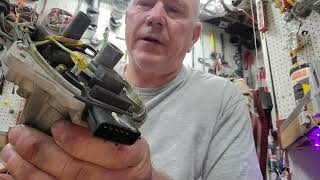
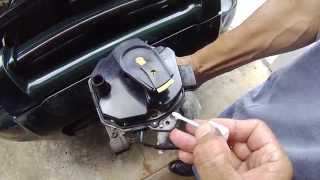
- Tachometer needle bouncing erratically (symptom of distributor bearing failure) 🎬 Watch: See these common distributor failure symptoms in action.
- Replacing only the spark plug without checking the distributor cap, rotor, or wires.
- Replacing the ignition coil when the issue is the distributor cap/rotor or the distributor itself.
- Assuming a major mechanical failure before thoroughly inspecting the entire ignition system, especially the distributor assembly for shaft play.
Most Likely Causes
- Worn Distributor Cap and Rotor 🔴 High Probability The distributor is a mechanical wear item. Carbon builds up and corrosion forms on the contacts over time, leading to a weak or misdirected spark. This is the most common and cheapest place to start for a single-cylinder misfire.
How to confirm: Remove the distributor cap (held by two screws) and inspect the inside. Look for white, chalky deposits, black carbon tracks between terminals, or significant wear on the metal contacts of the cap and the tip of the rotor.
Typical fix: Replace the distributor cap and rotor. This is a standard tune-up procedure and should be the first step.
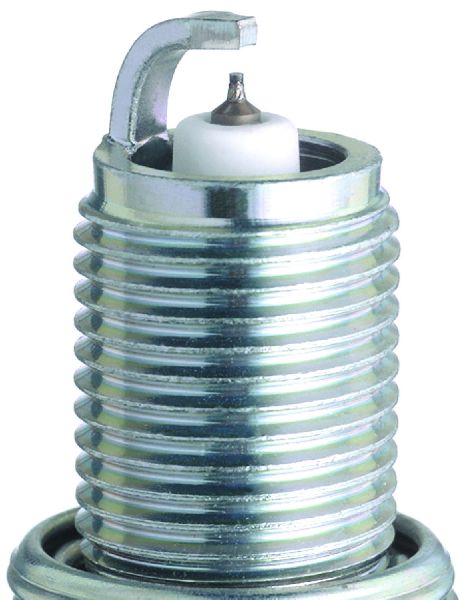
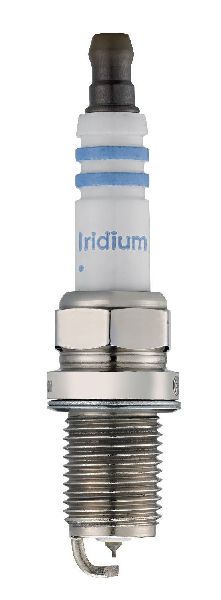
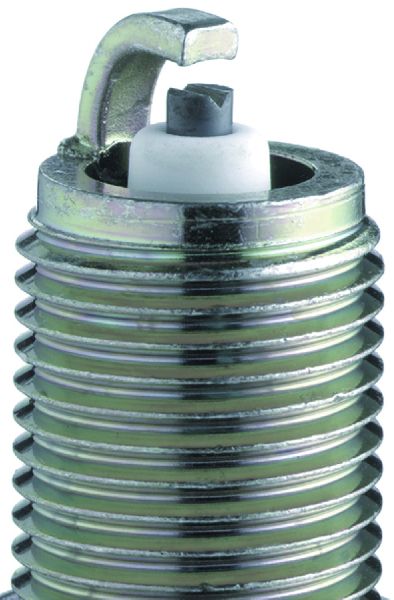
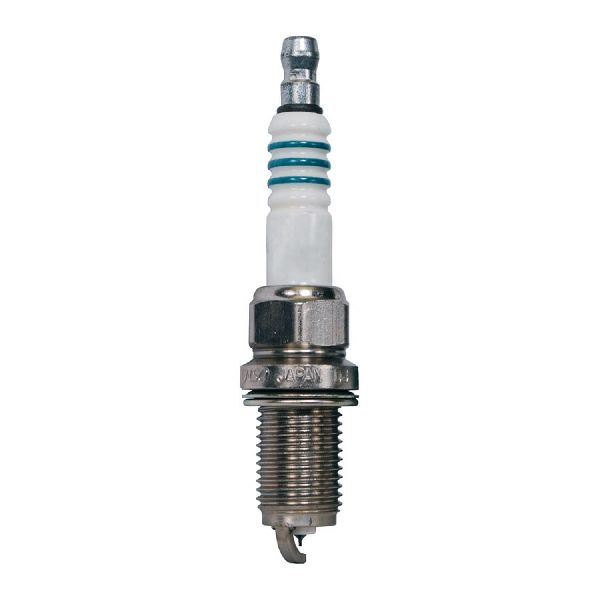
Est. part cost: $25-$60 - Worn Spark Plugs and Wires 🔴 High Probability → Shop Spark Plug
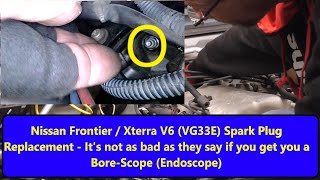
How to confirm: Inspect the spark plug from cylinder 6. Look for a worn electrode, heavy carbon fouling, or oil contamination. Inspect the wire for cracks, brittleness, or loose connections at the boot. The #6 plug is very difficult to reach, requiring specific tools like a short extension and a universal joint. 🎬 Watch: This clever endoscope trick makes changing spark plugs much easier.
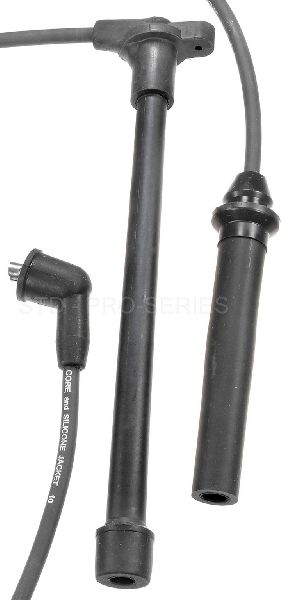
Typical fix: Replace the spark plugs and spark plug wires. It is recommended to replace all six plugs and wires at the same time using OEM-spec NGK parts.
Est. part cost: $50-$100 - Failing Distributor Assembly (Bearing Failure) 🟡 Medium Probability The upper bearing inside the distributor is a known failure point on VG33E engines. When it fails, the distributor shaft wobbles, disrupting the signal from the integrated camshaft position sensor and causing erratic misfires. This is a very common issue on high-mileage Frontiers and Xterras.
How to confirm: Remove the distributor cap and check for a significant amount of reddish-brown dust, which is a tell-tale sign of a disintegrating bearing. You can also grab the rotor and check for excessive side-to-side play in the shaft. Any noticeable wobble indicates the bearing is failing.
Typical fix: Replace the entire distributor assembly. While replacing just the bearing is possible, it is an advanced repair; most opt for a complete new or remanufactured unit.
Est. part cost: $100-$300 - Faulty Fuel Injector ⚪ Low Probability → Shop Fuel Injector
How to confirm: After ruling out ignition issues, you can test the injector. Listen for a consistent clicking sound with a mechanic's stethoscope. For a more definitive test, you can measure its resistance with a multimeter (should be around 10-14 ohms) or swap it with an injector from another cylinder (e.g., cylinder 4) to see if the misfire code follows. This requires significant disassembly of the intake.
Typical fix: Replace the faulty fuel injector. This requires removing the upper intake plenum for access.
Est. part cost: $40-$90
Rare But Worth Checking
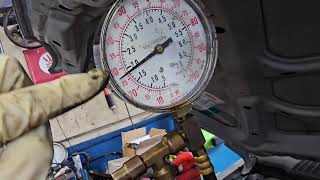
- Failed Fuel Pressure Regulator: A unique failure on this engine can cause a P0306. The regulator's vacuum hose is positioned near cylinder 6's intake runner. If the internal diaphragm ruptures, it can leak raw fuel down the vacuum line and directly flood cylinder 6, causing a specific misfire on that cylinder. Check the vacuum hose for the presence of fuel. 🎬 Watch: How a faulty fuel pressure regulator causes a cylinder 6 misfire.
- Low Engine Compression: If all ignition and fuel causes are ruled out, a mechanical issue like a burnt valve, worn piston rings, or a bad head gasket could be the cause. A compression test on cylinder 6 is required to diagnose this.
Diagnosis Steps
- Read the code with an OBD-II scanner to confirm P0306. Note any other codes present.
- Inspect Distributor Cap and Rotor: Remove the two screws holding the cap. Look inside for white/green corrosion on the terminals, black carbon tracks, or excessive wear. This is the most common and cheapest fix.
- Inspect Distributor Shaft: With the cap off, grab the rotor and try to wiggle it side-to-side. Any noticeable play indicates a failed internal bearing. Also look for fine reddish-brown dust inside the cap, a dead giveaway of bearing failure.
- Inspect Ignition Wires: Check the wire for cylinder 6 for any cracks, brittleness, or signs of arcing. Ensure it's securely seated on the spark plug and distributor cap.
- Inspect Spark Plug #6: This is the most difficult step. Accessing the rearmost plug on the driver's side is challenging. Once removed, check for wear, fouling, or damage. Consider replacing it while it's out.
- Diagnostic Swap: If you suspect the plug or wire, you can swap them with cylinder #4 (middle, driver's side) and see if the code changes to P0304 after clearing and driving.
- Check Fuel Pressure Regulator: Locate the fuel pressure regulator on the fuel rail. Pull the vacuum line off its nipple. If any raw fuel is present in the hose, the regulator has failed and is flooding cylinder 6.
- Check Fuel Injector: Listen to the cylinder 6 injector with a mechanic's stethoscope; it should have a regular clicking sound. Compare it to the sound of a neighboring injector.
- Compression Test: If all ignition and fuel system checks pass, perform a compression test on cylinder 6 to rule out internal mechanical problems.
Parts You'll Likely Need
- Distributor Cap and Rotor Kit — This is the most common wear point in the VG33E ignition system and the highest probability fix for a single-cylinder misfire.
Trusted brands: NGK, Bosch, Hitachi
OEM price range: $40-$70
Aftermarket price range: $25-$50 - Spark Plugs (Set of 6)
(OEM #NGK PLFR5A-11)— Spark plugs are a routine maintenance item and a direct cause of misfires when worn or fouled. NGK is the highly recommended brand for this engine.
Trusted brands: NGK, Denso
OEM price range: $8-$15 per plug
Aftermarket price range: $3-$10 per plug - Spark Plug Wire Set
(OEM #NGK NE61 or 22440-4S127)— Wires degrade over time, causing resistance or spark leakage, which leads to misfires. NGK wires are a common OEM-quality replacement.
Trusted brands: NGK, Denso
OEM price range: $60-$90
Aftermarket price range: $40-$70 - Distributor Assembly
(OEM #22100-1W601 (verify by VIN, other numbers include 22100-1W600, 22100-0W000))— A known pattern failure on this engine is the internal distributor bearing. If red dust is present inside the cap or there is shaft wobble, the entire assembly needs replacement.
Trusted brands: Hitachi (OEM supplier), Cardone (Remanufactured), Spectra Premium
OEM price range: $350-$500
Aftermarket price range: $100-$250
Related Codes That Often Appear With This One
- P0300 — If the distributor is failing badly or there are multiple issues, the misfire may become random and affect multiple cylinders, triggering a P0300 (Random/Multiple Cylinder Misfire) code as well.
- P0325 — A persistent misfire can sometimes cause engine knock, which may trigger a P0325 (Knock Sensor 1 Circuit Malfunction) code. On the VG33E, the knock sensor is located under the intake manifold and is often addressed at the same time as a fuel injector or distributor job due to the high labor involved.
- P0430 — If the misfire has been ignored for a long time, unburnt fuel can damage the catalytic converter for Bank 2 (driver's side), leading to a P0430 (Catalyst System Efficiency Below Threshold Bank 2) code.
Platform-Specific Known Issues
- The internal bearing of the stock distributor is a common failure point, leading to an erratic misfire that worsens as the engine warms up. Key symptoms are a bouncing tachometer and a fine red dust inside the distributor cap.
Technical Service Bulletins (TSBs) & Recalls
- Bulletin #NTB22-001: This manufacturer bulletin notes that if P0306 and/or P0300 are stored specifically during a cold start, the technician should confirm the ECM part number and reprogram the ECM if applicable.
- Bulletin #NTB22-069: A manufacturer service bulletin for related Nissan platforms describes a scenario where P0306 is stored with no drivability concerns present, requiring an ECM reprogram.
Mechanic-Grade Diagnostic Values
- Fuel Pressure (Key On, Engine Running) — expected: ~36 PSI. Failure: Significantly lower pressure indicates a weak fuel pump or clogged filter. Higher pressure could indicate a faulty regulator.
- Fuel Injector Resistance — expected: 10-14 Ohms. Failure: A reading outside this range indicates a faulty injector coil.
- Camshaft Position Sensor (in distributor) Power Supply — expected: 10-12 Volts DC. Failure: No voltage indicates a wiring or ECM issue, preventing the sensor from functioning.
- Camshaft Position Sensor (in distributor) Ground — expected: Continuity to chassis ground (10-12 Volts when testing between battery positive and the ground wire).. Failure: No continuity or voltage reading indicates a bad ground, which will cause the sensor to fail.
- Camshaft Position Sensor (in distributor) Signal — expected: LED test light flashes ON and OFF while turning the engine over by hand.. Failure: LED stays on or off, indicating a failed sensor.
Scan Tool Commands That Help
- Nissan CONSULT / CONSULT-II: Power Balance Test — This function allows the technician to individually shut off fuel to each cylinder. When cylinder 6 is deactivated, if there is little to no change in engine RPM, it confirms that cylinder 6 was not contributing power, pinpointing the misfire. A large RPM drop on other cylinders and a small drop on cylinder 6 indicates a weak cylinder 6.
Wiring & Ground Locations
- Engine Ground (Main) — Typically a braided ground strap from the rear of the driver's side cylinder head to the firewall.. A poor engine ground can cause a host of erratic electrical issues, including weak spark and incorrect sensor readings that can lead to misfires.
- ECM/Injector Grounds — Bolted to the intake plenum. Several brown or black wires in a single ring terminal.. The ECM and fuel injectors rely on this ground. Corrosion or a loose connection here can directly impact injector and ignition coil function, causing misfires.
- Knock Sensor Sub-Harness — Located under the lower intake manifold, connecting the knock sensor to the main engine harness.. While not a direct cause of P0306, this harness is notoriously brittle. It often breaks during intake removal for injector or distributor service, leading to a P0325 code. Technicians often replace this harness proactively during a P0306 repair that requires intake removal.
Real Owner Repair Stories
- ClubFrontier.org forum user (2002 Nissan Frontier XE 3.3L V6, ~160,000 miles) — Rough idle, hesitation on acceleration, solid check engine light with code P0306.
❌ Tried (didn't work) Replaced spark plugs (NGK), Replaced spark plug wires, Replaced distributor cap and rotor
✅ What actually fixed it The issue persisted after a full tune-up. The owner then checked the distributor shaft for play and found it wobbled significantly. Replacing the entire distributor assembly with a new unit finally resolved the P0306 code and all symptoms. - NHTSA ODI #10104745: An owner reported that after a diagnosis for P0306 and P1320, a service adviser indicated the faults required replacement of all six ignition coils per the recommendation of TSB No. 01-059.
- NHTSA ODI #11641015: An owner of a similar Nissan platform reported engine power loss and codes P0300, P0306, and P0430. The failure was attributed to the PCV system, requiring engine sludge cleaning and replacement of PCV hoses, the PCV valve, and spark plugs.
OEM Part Supersession History
22100-1W600, 22100-0W000, 22100-7B000, 22100-7B001→22100-1W601— Part consolidation and potential internal revisions to address bearing failure.
Heads up: While multiple part numbers exist for the VG33E distributor, 22100-1W601 is the most commonly cited final replacement part for the 1999-2004 Frontier. Always verify fitment with VIN. The OEM supplier is Hitachi, and their part number is D6T96-02.
Model Year Variations Within This Range
- 2001-2004: In 2001, the Frontier received a significant facelift with new front-end styling and interior updates. More importantly, a factory-installed supercharged (VG33ER) engine option was introduced. While the base VG33E engine and its ignition system remained largely the same, the supercharged version has different fuel injectors and ECU tuning. However, the distributor-based ignition system and its common failure points are shared between both the VG33E and VG33ER.
Diagnostic Flowchart
Other Known Issues on This Vehicle
Issues unrelated to this code that are worth knowing about as an owner of this generation:
- Timing Belt Maintenance 🔴 High — This is a standard maintenance item. The VG33E is an interference engine, meaning if the belt snaps, catastrophic engine damage (bent valves, damaged pistons) will occur. The recommended replacement interval is every 105,000 miles or 7 years.
- Knock Sensor Failure & Relocation 🟠 Medium — The knock sensor is notoriously located under the intake manifold, making replacement a labor-intensive 5-8 hour job. The sensor often fails, causing the ECU to retard timing, resulting in significant power loss and poor fuel economy, often without a Check Engine Light. A very common owner modification is to relocate the sensor to a more accessible location on the engine block.
- Cracked Exhaust Manifolds 🟠 Medium — The original cast iron exhaust manifolds, particularly on the passenger side, are prone to cracking over time. This results in a loud ticking noise, especially when the engine is cold, and an exhaust smell in the cabin.
- Distributor Bearing Failure 🔴 High — This is a primary cause of misfire codes on the VG33E. The upper bearing in the distributor fails, causing shaft wobble, erratic timing signals, and misfires. This is a very common failure as these trucks age.
- Frame Rust 🔴 High — While not as widespread as on some other trucks of the era, first-generation Frontiers can suffer from significant frame rust, particularly in regions that use road salt. Inspections should focus on the area near the rear leaf spring mounts. (Ref: There were recalls for steering column corrosion, but not a widespread frame recall in the US for this generation.)
Used vs. New Parts: Buying Guide for This Vehicle
When a used part is the smart pick: Sourcing used parts for a P0306 fix on this vehicle is generally not recommended for the primary culprits. Ignition components (cap, rotor, wires, plugs) are wear items and should always be bought new. The most common 'hard part' failure, the distributor, is a high-risk used purchase due to the known bearing failure issue. A used distributor from a junkyard is very likely to have the same problem or fail soon after installation.
Donor-vehicle mileage cap: roughly under 75000 miles for the part to have meaningful remaining life.
What to inspect on the donor part:
- If considering a used distributor, remove the cap and physically check the shaft for any side-to-side wobble. If there is ANY play, do not buy it.
- Look for the absence of fine, reddish-brown dust inside the distributor cap, which signals a failing bearing.
- For other parts like intake components, look for a donor vehicle that appears well-maintained and is from a dry, non-salt-belt region to minimize corrosion and plastic degradation.
OEM-only on this vehicle (don't cheap out):
- Distributor Assembly: While aftermarket options exist, the OEM supplier (Hitachi) is the most reliable choice to avoid premature failure. Many cheap aftermarket distributors are known to fail within a year. A quality remanufactured unit from a reputable brand like Cardone is a viable alternative to a new OEM unit.
Aftermarket brands forum-validated for this vehicle:
- Spark Plugs: NGK (OEM spec)
- Spark Plug Wires: NGK, Denso
- Distributor Cap & Rotor: NGK, Bosch, Hitachi
Brands owners have reported issues with on this vehicle:
- Unbranded, low-cost 'no-name' distributors sold on auction sites are frequently reported on forums to have a very short service life.
Real Owner Stories
Aggregated from forums and TSBs cited above. Mileages and costs reflect what owners reported in those sources.
Nissan Frontier VG33E 3.3L V6
Symptoms: Cylinder 6 misfire detected (P0306).
What fixed it: The owner found a failed fuel pressure regulator was flooding the #6 cylinder with fuel via the vacuum line.
Source hint: Nissan Forum thread titled 'P0306 Cylinder 6 Misfire Detected -solved - Nissan Forum'
2003 Nissan Frontier VG33E 3.3L V6 — ~150000 miles
Symptoms: P0306, P0328 (knock sensor), and P0430 (catalyst code) present at the same time.
What fixed it: The owner began the diagnostic process by replacing the distributor cap, rotor, spark plugs, and wires.
Source hint: Reddit r/nissanfrontier thread titled 'P0306 P0328 P0430'
Nissan Frontier VG33E 3.3L V6 — 200000 miles
Symptoms: Discussion regarding the critical nature of the timing belt and engine longevity.
What fixed it: Standard maintenance/replacement of the timing belt to prevent catastrophic failure on the interference engine.
Source hint: Reddit r/nissanfrontier thread titled 'VG33E Original Timing Belt 200k miles'
Related OBD-II Codes
Frequently Asked Questions
Why is my Nissan Frontier's tachometer needle bouncing while the engine misfires?
I see reddish-brown dust inside my distributor cap; what does that mean?
Which spark plug is the most difficult to replace when diagnosing P0306?
Can a faulty fuel pressure regulator cause a P0306 code on the 3.3L V6?
What brand of spark plugs should I use for my 1999-2004 Frontier?
Is the VG33E an interference engine, and does it affect my misfire diagnosis?
Why is my Frontier losing power even though the Check Engine Light isn't on?
Helpful Videos
We Have This Part in Stock


The information in this article is provided for general reference and educational purposes only. Vehicle specifications, procedures, and part compatibility can vary by production date, trim level, and region. Always consult your vehicle's factory service manual and verify part numbers before purchasing or performing repairs. Safety-critical components such as airbags, seat belts, and braking systems should be installed by a qualified professional.
- Nissan Frontier:
- 🧭 Diagnostic Flowchart
- 🎬 Helpful Videos
- 🛍️ Shop This Part
- What's Unique About the 1999-2004 Nissan Frontier
- Symptoms You May Notice
- Most Likely Causes
- Rare But Worth Checking
- Diagnosis Steps
- Parts You'll Likely Need
- Related Codes That Often Appear With This One
- Platform-Specific Known Issues
- Technical Service Bulletins (TSBs) & Recalls
- Mechanic-Grade Diagnostic Values
- Scan Tool Commands That Help
- Wiring & Ground Locations
- Real Owner Repair Stories
- OEM Part Supersession History
- Model Year Variations Within This Range
- Other Known Issues on This Vehicle
- Used vs. New Parts: Buying Guide for This Vehicle
- Real Owner Stories
- Nissan Frontier VG33E 3.3L V6
- 2003 Nissan Frontier VG33E 3.3L V6 — ~150000 miles
- Nissan Frontier VG33E 3.3L V6 — 200000 miles
- Related OBD-II Codes
- Frequently Asked Questions
- 🎟️ Get 5% Off