

P0306 on 2007-2009 Pontiac G6 3.6L: Cylinder 6 Misfire Causes and Fixes
P0306 on a 2007-2009 Pontiac G6 3.6L indicates a misfire in cylinder 6. The most common cause is a failed ignition coil or a worn spark plug. Because cylinder 6 is on the rear bank against the firewall, replacement is labor-intensive, requiring removal of the upper intake manifold. It's critical to replace the coil, spark plug, and intake gaskets at the same time. A DIY repair is challenging, with parts costing around $100-$350.
- P0306 on this G6 means cylinder 6 is misfiring, which is almost always caused by a bad ignition coil or spark plug.
- Cylinder 6 is on the rear bank against the firewall, making the repair labor-intensive as the intake manifold must be removed.
- Due to the difficult access, it is strongly recommended to replace the ignition coils, spark plugs, and intake gaskets for all three rear cylinders (2, 4, and 6) at the same time.
- Do not immediately assume the problem is the notorious LY7 timing chain; a single-cylinder misfire is much more likely a basic ignition component failure.
- Avoid driving if the Check Engine Light is flashing to prevent expensive damage to the catalytic converter.
What's Unique About the 2007-2009 Pontiac G6
The Pontiac G6 with the 3.6L LY7 V6 engine places cylinder 6 on the rear bank (even-numbered cylinders 2-4-6), tucked against the firewall. Accessing this cylinder's ignition coil and spark plug is notoriously difficult, as it requires removing the upper intake manifold (plenum). While the LY7 engine is infamous for stretched timing chains, a single-cylinder misfire like P0306 is far more likely to be a standard ignition component failure rather than the more severe timing issue, which typically presents with multiple or random misfire codes (like P0300) and specific timing correlation codes (P0008, P0017, etc.).
Symptoms You May Notice
- Rough or vibrating idle
- Hesitation or stumbling during acceleration
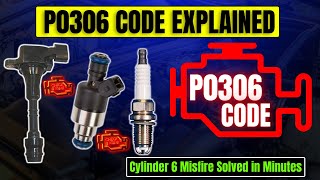
- Noticeable loss of engine power 🎬 Watch: A quick breakdown of the P0306 misfire code.
- Flashing Check Engine Light
- Reduced fuel economy
- Engine may stall when coming to a stop
- Smell of unburned fuel from the exhaust
- Replacing only the spark plug without replacing the ignition coil, or vice-versa. Given the high labor cost to access the rear bank, it is inefficient to replace only one of these components.
- Assuming the cause is a stretched timing chain without first diagnosing the more common ignition or fuel system faults.
- Replacing the fuel injector without first inspecting the wiring harness for chafing, which is a known issue on this platform.
Most Likely Causes
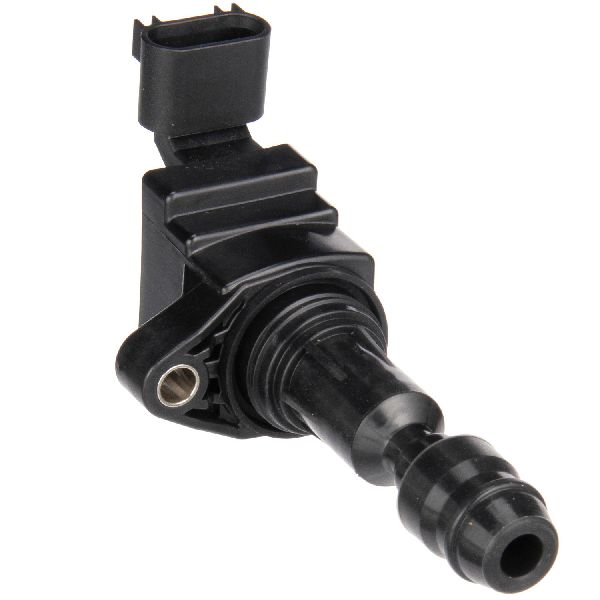
- Failed Ignition Coil 🔴 High Probability → Shop Ignition Coil The ignition coils on the LY7 V6, particularly on the rear bank (cylinders 2, 4, 6), are exposed to high heat trapped near the firewall. This sustained heat can cause the internal epoxy to break down and the coil boot to swell or tear, leading to failure.
How to confirm: The standard diagnostic method is to swap the cylinder 6 ignition coil with an easily accessible one from the front bank (e.g., cylinder 5). Clear the codes and run the engine. If the code changes to P0305, the coil is confirmed to be faulty. However, due to the labor required to access cylinder 6, many owners opt to replace the coil and spark plug preventatively.
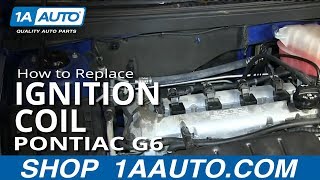
Typical fix: Replace the ignition coil for cylinder 6. Given the labor involved, it is highly recommended to replace all three rear bank coils (2, 4, 6) and their spark plugs at the same time to avoid repeat repairs.
Est. part cost: $40-$115 - Worn or Fouled Spark Plug 🔴 High Probability → Shop Spark Plug Spark plugs are a standard maintenance item. Electrode wear increases the gap, requiring more voltage to create a spark, which can lead to a misfire, especially if the ignition coil is also aging.
How to confirm: Visually inspect the spark plug after removal. Look for a worn-down electrode, wide gap, or heavy carbon/oil deposits. Since accessing the plug requires removing the intake manifold, it's best to replace it regardless of appearance.
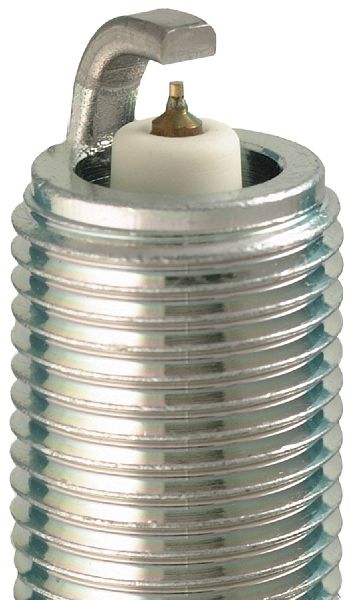
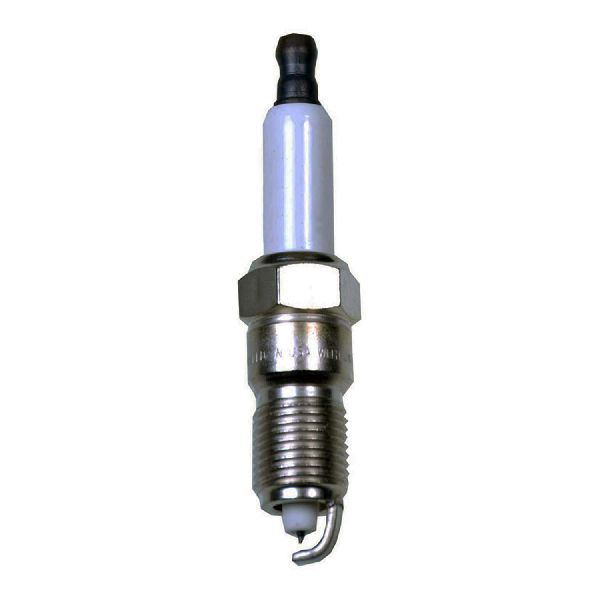
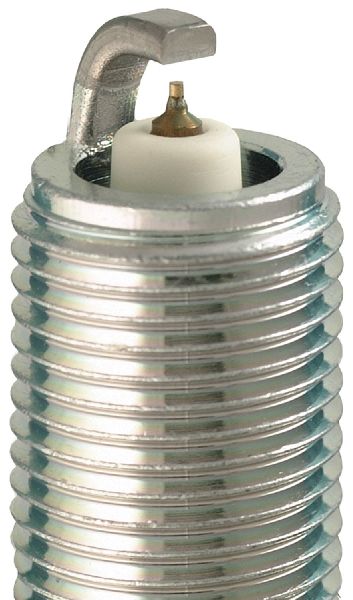
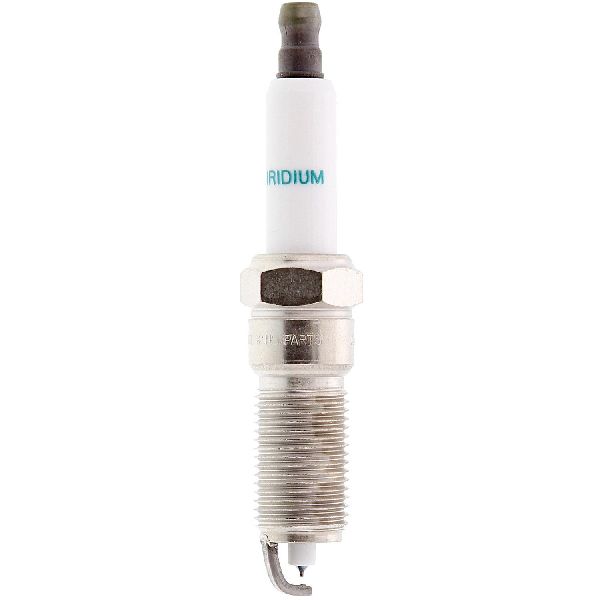
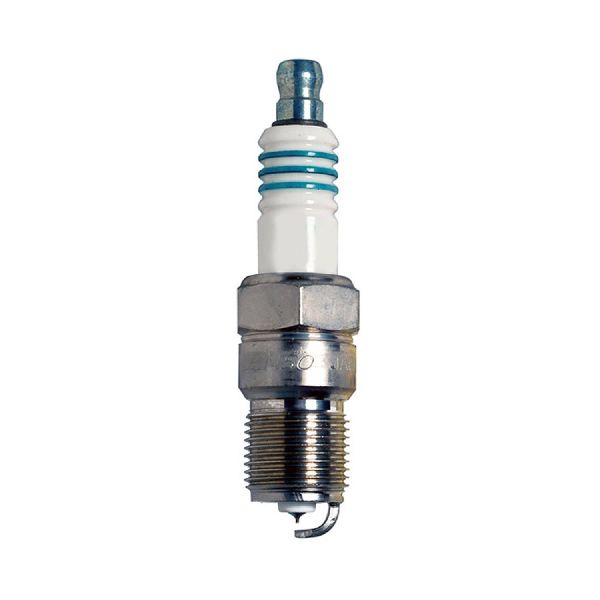
Typical fix: Replace the spark plug in cylinder 6. Use a high-quality Iridium plug (e.g., ACDelco 41-107 or 41-990) to maximize longevity. It is best practice to replace all six spark plugs at once.
Est. part cost: $10-$25 per plug - Oil in Spark Plug Tube 🟡 Medium Probability → Shop Spark Plug The valve cover gaskets and/or the integrated spark plug tube seals on the LY7 engine are known to fail and leak oil directly into the spark plug wells. This oil saturates the ignition coil boot and spark plug, shorting the spark and causing a misfire.
How to confirm: After removing the ignition coil for cylinder 6, visually inspect the inside of the spark plug tube for liquid oil. The coil boot will often be wet with oil.
Typical fix: Replace the valve cover gasket and spark plug tube seals for the rear bank. This should be done at the same time as the coils and plugs, as the valve cover must be removed to access the seals.
Est. part cost: $40-$90 for a valve cover gasket set - Faulty Fuel Injector 🟡 Medium Probability → Shop Fuel Injector
How to confirm: Listen for a clicking sound from the injector with a mechanic's stethoscope. You can also test the injector's resistance with a multimeter (expect 11-14 Ohms). Swapping the injector with another cylinder is also possible but is a labor-intensive diagnostic step. Also check for related codes like P0206, which indicates an electrical fault in the injector circuit.
Typical fix: Replace the cylinder 6 fuel injector. This also requires removing the intake manifold.
Est. part cost: $50-$120 - Leaking Intake Manifold Gasket ⚪ Low Probability → Shop Engine Intake Manifold The intake manifold gaskets on GM V6 engines of this era can degrade over time, causing a vacuum leak near a specific cylinder, which leans out the air/fuel mixture and causes a misfire.
How to confirm: A smoke test is the most effective way to identify a vacuum leak. Listen for a hissing sound near the intake manifold when the engine is running. Since the gaskets must be replaced during the repair anyway, this is often a replacement-by-default.
Typical fix: Replace the upper and lower intake manifold gaskets. This is required anytime the manifold is removed, so new gaskets should be part of any P0306 repair on this engine. A popular aftermarket choice is the Fel-Pro MS 96494 set.
Est. part cost: $30-$70 for a set
Rare But Worth Checking
- Stretched Timing Chain: While a very common and serious issue on the LY7 engine, a stretched timing chain typically causes multiple/random misfire codes (P0300) or specific cam/crank correlation codes (P0008, P0016, P0017, etc.). It is an unlikely cause for a single-cylinder misfire code like P0306 but should be considered if ignition and fuel system repairs do not solve the problem.
- Low Engine Compression: If all ignition and fuel-related causes have been ruled out, a mechanical issue like a worn piston ring, bad valve, or leaking head gasket could be the cause. A compression test on cylinder 6 is needed to confirm this. This indicates a serious internal engine problem.
- Chafed Wiring Harness: GM issued TSB #PIP4924C regarding the fuel injector wiring harness chafing against engine brackets or the cylinder head, especially near the rear bank. This can cause a short or open in the injector or coil circuit for cylinder 6, leading to a misfire. A thorough visual inspection of the harness is warranted when the intake manifold is removed.
Diagnosis Steps
- Read the code with an OBD-II scanner and confirm P0306 is present. Note if the Check Engine Light is solid or flashing.
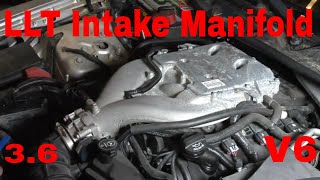
- Due to the difficulty of accessing cylinder 6, a full tune-up of the rear bank is the most practical first step. This involves removing the upper intake manifold. 🎬 Watch: How to remove the intake manifold on this engine.
- During disassembly, carefully disconnect the EVAP purge solenoid, unbolt any necessary brackets, and protect the intake ports from debris.
- Once the manifold is off, replace the ignition coil and spark plug for cylinder 6. It is highly recommended to also replace the coils and plugs for cylinders 2 and 4 at the same time.
- While the manifold is off, inspect the spark plug tube for oil, which would indicate a leaking valve cover gasket that should also be replaced.
- Thoroughly inspect the wiring harnesses that run to the rear bank for any signs of chafing, especially where they contact the cylinder head or brackets.
- Install new upper and lower intake manifold gaskets upon reassembly. This is not an optional step. Ensure all bolts are torqued to manufacturer specifications.
- If the misfire persists after replacing ignition components and gaskets, the next step is to investigate the fuel injector for cylinder 6.
- If ignition and fuel systems are confirmed to be good, perform a compression test on cylinder 6 to check for mechanical engine problems.
- As a final, less likely step for a single cylinder misfire, investigate for signs of a stretched timing chain, such as other related trouble codes (P0008, P0017) or engine noise.
Parts You'll Likely Need
- Ignition Coil
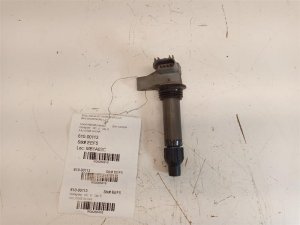
(OEM #12632479)— This is the most common cause of a single-cylinder misfire on the LY7 engine due to heat degradation.
Trusted brands: ACDelco, Delphi, NGK
OEM price range: $70-$115
Aftermarket price range: $40-$75 - Iridium Spark Plug
(OEM #41-990 (often superseded by 41-107))— A worn spark plug is a primary cause of misfires. An Iridium plug is recommended for longevity, especially given the labor to access the rear bank.
Trusted brands: ACDelco, NGK, Denso
OEM price range: $15-$25
Aftermarket price range: $10-$20 - Intake Manifold Gasket Set — These gaskets must be replaced any time the intake manifold is removed to prevent vacuum leaks. They are not reusable.
Trusted brands: Fel-Pro (MS 96494), ACDelco, Mahle
OEM price range: $50-$80
Aftermarket price range: $30-$70
Related Codes That Often Appear With This One
- P0300 — If the underlying cause, such as a major vacuum leak or failing fuel pump, starts to affect other cylinders, a P0300 (Random/Multiple Cylinder Misfire) code may appear.
- P0302, P0304 — Cylinders 2, 4, and 6 are all on the same rear bank. It's common for their ignition components to fail around the same time due to similar heat exposure. If multiple coils or plugs are failing, you may see codes for these adjacent cylinders.
- P0206 — This code for 'Injector Circuit/Open - Cylinder 6' points specifically to an electrical problem with the fuel injector. It often appears with P0306 if the cause is a bad injector or a wiring fault to that injector.
Technical Service Bulletins (TSBs) & Recalls
- TSB #PIP4924C: Points to the fuel injector wiring harness chafing against engine components, causing open/short circuits and setting injector codes (like P0206) that may accompany a misfire code.
- TSB #12-06-01-009D: Provides information on updated timing chain service kits for the LY7 engine to address stretch-related codes (P0008, P0017, etc.), which are a root cause of misfires if ignition/fuel issues are ruled out.
- TSB #PIP5095G: Discusses oil or coolant entering spark plug tubes on 3.6L engines, which can cause misfire codes like P0306.
Platform-Specific Known Issues
- Premature Timing Chain Wear: The 3.6L LY7 V6 is widely known for premature timing chain stretch, typically signaled by codes like P0008, P0016, or P0017. GM issued a special coverage program (#11340C) extending the warranty due to the high failure rate. While not a primary cause of a single P0306, it's the platform's most notorious engine issue.
Mechanic-Grade Diagnostic Values
- Fuel Injector Resistance — expected: 11-14 Ohms. Failure: A reading significantly outside this range, or showing as open (OL), indicates a failed injector coil.
- Ignition Coil Secondary Resistance — expected: 9.5 - 11.1 kOhms. Failure: A reading outside this range suggests a faulty internal coil winding, though this test is not always conclusive on modern coils.
- Fuel Pressure (Key On, Engine Off) — expected: 50-60 PSI. Failure: Pressure below 50 PSI can indicate a weak fuel pump or clogged filter, which could cause lean misfires, though this would typically affect multiple cylinders.
- Mode $06 Misfire Counts (Cylinder 6) — expected: 0 counts during normal operation.. Failure: A continuously incrementing counter confirms the misfire in real-time, even before the CEL illuminates. On many GM vehicles, this is Test ID $A2, Component ID $06.
Hidden / Shadow Codes Worth Checking
- Mode $06, Test ID $A2-$A7: These are not DTCs but live data counters that track misfire events for each cylinder (A2 for Cyl 1, A3 for Cyl 2, etc., up to A7 for Cyl 6). This allows a technician to see which cylinder is misfiring and how often, even if the count isn't high enough to set a P030x code. (see via An advanced OBD-II scanner with Mode $06 functionality or a dealer-level tool like a GM Tech2/GDS2.)
Scan Tool Commands That Help
- GM Tech2 / GDS2 or equivalent: Cylinder Power Balance Test — This function allows the technician to disable one cylinder at a time and observe the corresponding drop in engine RPM. If disabling cylinder 6 results in little or no RPM drop compared to other cylinders, it confirms that cylinder 6 is not contributing power.
- GM Tech2 / GDS2 or equivalent: Active Fuel Injector Test (AFIT) — This test fires each injector individually while monitoring the fuel rail pressure drop. If cylinder 6 shows a significantly smaller pressure drop than the others, it confirms a clogged or failing injector without requiring physical removal.
- GM Tech2 / GDS2 or equivalent: Crankshaft Position Variation Learn (CASE Relearn) — This procedure should be performed after major engine work (like timing chain replacement) or if false misfires are suspected. It recalibrates the ECM's understanding of the crankshaft reluctor wheel to ensure accurate misfire detection.
Wiring & Ground Locations
- G105 — On the left rear side of the engine compartment, on an engine-to-transmission stud, below the upper coolant hose.. This is a critical ground shared by the Engine Control Module (ECM) and Transmission Control Module (TCM). A poor connection here can cause a wide range of intermittent issues, including misfires, due to an unstable ground reference for the ECM.
- G106 — On the front of the engine, at a transmission stud, near the Park/Neutral Position (PNP) switch.. This is another primary engine ground. On some diagrams, it is jumpered to G105, making its integrity equally important for stable ECM operation.
- G108 (3.6L) — Located on the right rear corner of the cylinder head (Bank 1).. While cylinder 6 is on Bank 2, a poor ground on the opposite head can sometimes introduce electrical noise or voltage offsets that affect the ECM's ability to properly diagnose misfires.
- Injector Harness Chafe Points (TSB PIP4924C) — The fuel injector wiring harness can rub against the intake plenum, valve cover bolts, fuel lines, or the side of the cylinder head under the plenum.. A chafed wire can cause an intermittent short or open in the circuit for the cylinder 6 ignition coil or fuel injector, leading directly to a P0306 code. This must be inspected when the intake manifold is removed.
OEM Part Supersession History
ACDelco 41-990→ACDelco 41-107— Updated design and materials for improved longevity and performance.
Heads up: Both are generally compatible, but it is best practice not to mix different plug types and to use the most current part number available.
Model Year Variations Within This Range
- 2007-2009: The 3.6L LY7 V6 was introduced to the G6 lineup in 2007. While there were minor running changes and horsepower rating adjustments by SAE standards over the years, the fundamental causes and repair procedures for a P0306 misfire remain consistent for this model range. The engine control module is the E67 ECM.
Diagnostic Flowchart
Other Known Issues on This Vehicle
Issues unrelated to this code that are worth knowing about as an owner of this generation:
- Premature Timing Chain Stretch 🔴 High — Very common, often appearing between 70,000 and 120,000 miles. Caused by a combination of early chain design and long oil change intervals. (Ref: GM Special Coverage #11340C extended warranty to 10 years/120k miles. TSB 12-06-01-009D provides service info for codes P0008, P0017, etc.)
- Sudden Loss of Electric Power Steering (EPS) 🔴 High — Widespread issue affecting many G6 models, leading to a sudden increase in steering effort, especially at low speeds. (Ref: NHTSA Recall #14V153000 and others (e.g., 14772, N140115) were issued to replace the torque sensor assembly or EPS motor controller.)
- 6T70/6T75 Transmission Wave Plate Failure 🔴 High — Common failure in the 6-speed automatic transmission, leading to a loss of 3rd, 5th, and Reverse gears. Often occurs just outside the powertrain warranty. (Ref: GM Special Coverage #14404B extended the warranty for this specific failure to 10 years/120,000 miles.)
- Leaking Sunroof Drains 🟠 Medium — The sunroof drain tubes are prone to clogging, causing water to leak into the cabin, potentially damaging the BCM (Body Control Module) and other electronics.
- Shift Cable Failure 🟠 Medium — The plastic tabs on the transmission shift cable end can fracture, preventing the driver from shifting gears or causing the gear indicator to be incorrect. (Ref: NHTSA Recalls #12V460000 and #09V073000 were issued to address this.)
Used vs. New Parts: Buying Guide for This Vehicle
When a used part is the smart pick: For this repair, used parts are generally not recommended due to the high labor cost. However, if the intake manifold itself is found to be cracked, a used manifold from a low-mileage donor vehicle could be a cost-effective replacement compared to a new OEM part.
Donor-vehicle mileage cap: roughly under 80000 miles for the part to have meaningful remaining life.
What to inspect on the donor part:
- For a used intake manifold, inspect carefully for any hairline cracks, especially around the bolt holes and seams.
- Ensure all threaded inserts are intact and not stripped.
- Check for signs of extreme heat damage or warping.
OEM-only on this vehicle (don't cheap out):
- While not strictly 'OEM-only', using high-quality, reputable brands for ignition coils and spark plugs is critical. Cheap, unbranded parts are known for high failure rates, and repeating this labor-intensive job to save a few dollars is a poor decision.
Aftermarket brands forum-validated for this vehicle:
- Ignition Coils: ACDelco (OEM), Delphi, NGK
- Spark Plugs: ACDelco (OEM), NGK, Denso
- Intake Gaskets: Fel-Pro (MS 96494 is a well-regarded set), Mahle
Brands owners have reported issues with on this vehicle:
- Unbranded, 'white-box' ignition coils and spark plugs from online marketplaces. While tempting due to low cost, their failure rate is high and not worth the risk on a rear-bank cylinder.
Real Owner Stories
Aggregated from forums and TSBs cited above. Mileages and costs reflect what owners reported in those sources.
2008 Chevrolet Malibu 3.6L LY7
Symptoms: P0306 accompanied by P0206.
What fixed it: Repaired a chafed wire in the fuel injector harness near the rear cylinder head.
Source hint: chevymalibuforum.com user report citing TSB #PIP4924C
2008 Saturn Aura 3.6L LY7
Symptoms: Misfire caused by oil leaking into the spark plug well.
What fixed it: Replaced the valve cover gaskets and spark plug tube seals, and cleaned the oil out of the well.
Source hint: BobIsTheOilGuy.com user report
2007-2009 Pontiac G6 3.6L LY7
Symptoms: Misfire on the rear bank (Cyl 2, 4, 6).
What fixed it: Replaced all three rear bank coils and spark plugs while the intake manifold was removed for access.
Source hint: g6ownersclub.com forum threads
Related OBD-II Codes
Frequently Asked Questions
Why is cylinder 6 specifically prone to failure on the 3.6L LY7 engine?
Does GM have a special coverage program for engine issues related to my 2007-2009 Pontiac G6?
Is there a TSB for oil getting into the spark plug tubes on this engine?
Can a wiring problem cause a P0306 on my G6?
What specific spark plugs should I use for the LY7 3.6L V6?
Why do mechanics recommend replacing all three rear coils at once?
Helpful Videos
![How to Fix P0306 Engine Code in 3 Minutes [2 DIY Methods / Only $4.76]](https://img.youtube.com/vi/5HTrtkSEHH4/mqdefault.jpg)
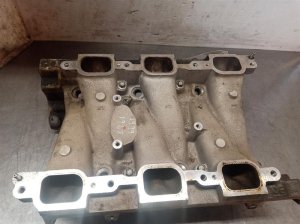
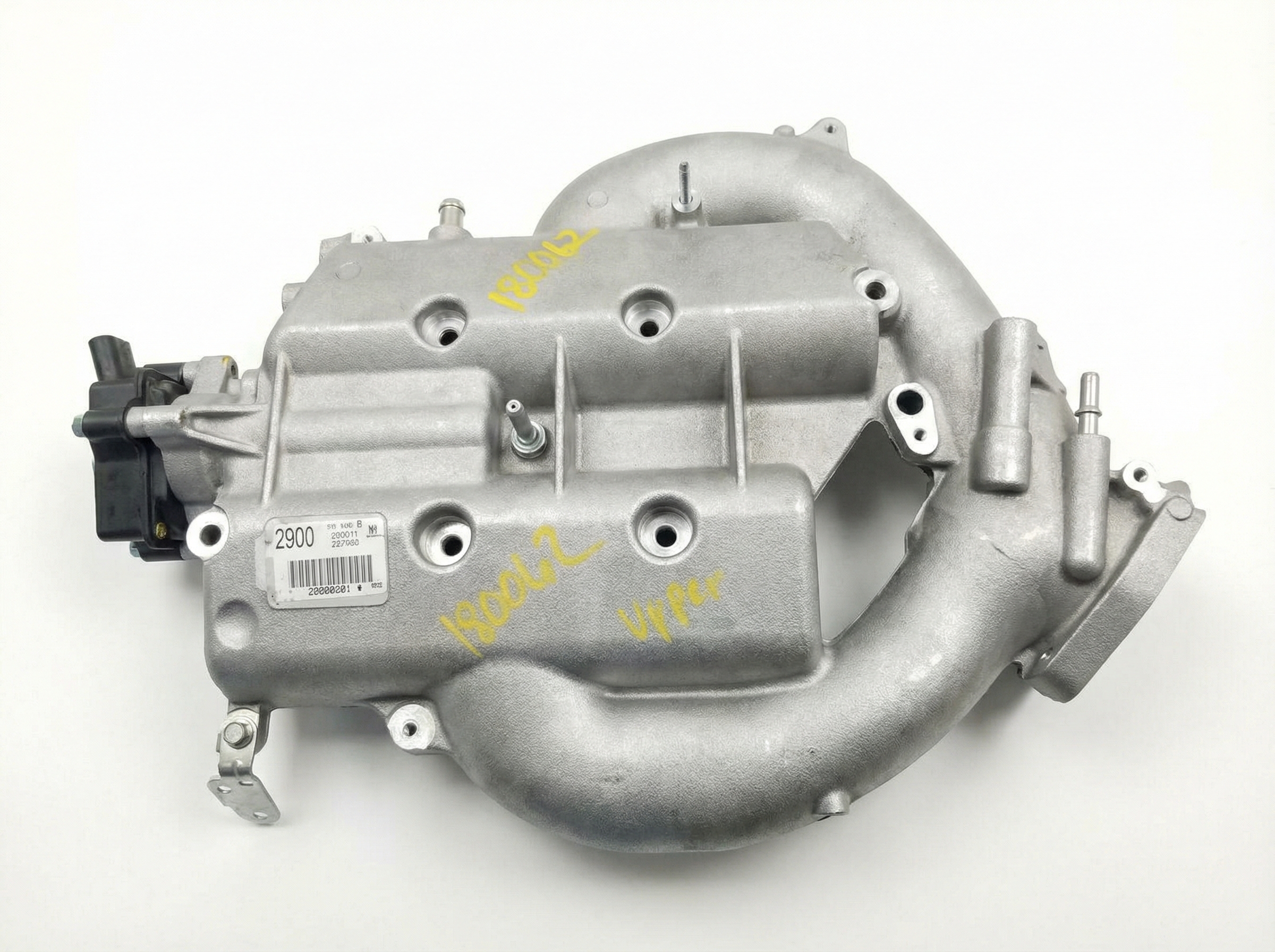
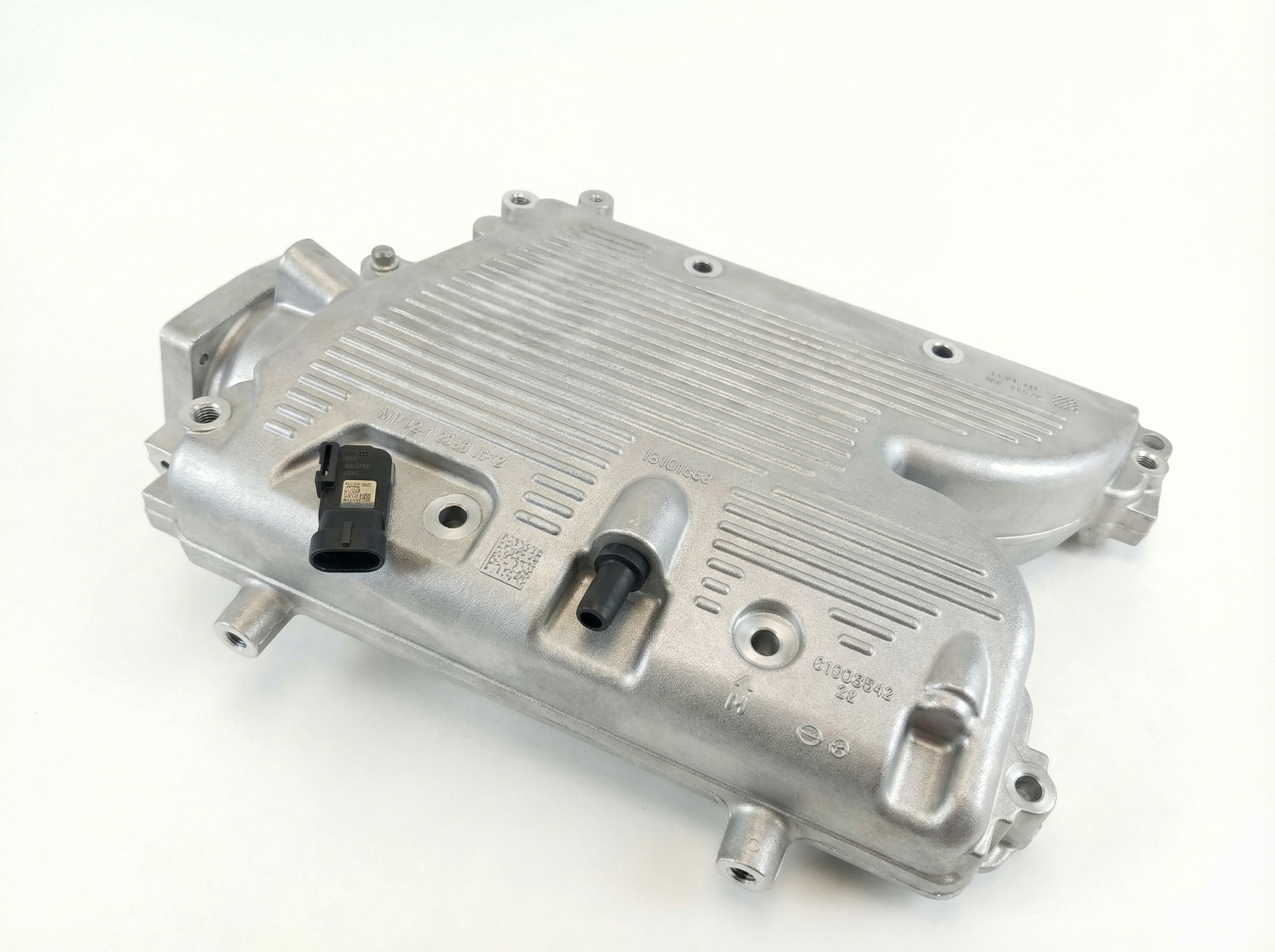
Used OEM Parts in Stock
New Aftermarket Parts Available

The information in this article is provided for general reference and educational purposes only. Vehicle specifications, procedures, and part compatibility can vary by production date, trim level, and region. Always consult your vehicle's factory service manual and verify part numbers before purchasing or performing repairs. Safety-critical components such as airbags, seat belts, and braking systems should be installed by a qualified professional.
- Pontiac G6:
- 🧭 Diagnostic Flowchart
- 🎬 Helpful Videos
- 🛍️ Shop This Part
- What's Unique About the 2007-2009 Pontiac G6
- Symptoms You May Notice
- Most Likely Causes
- Rare But Worth Checking
- Diagnosis Steps
- Parts You'll Likely Need
- Related Codes That Often Appear With This One
- Technical Service Bulletins (TSBs) & Recalls
- Platform-Specific Known Issues
- Mechanic-Grade Diagnostic Values
- Hidden / Shadow Codes Worth Checking
- Scan Tool Commands That Help
- Wiring & Ground Locations
- OEM Part Supersession History
- Model Year Variations Within This Range
- Other Known Issues on This Vehicle
- Used vs. New Parts: Buying Guide for This Vehicle
- Real Owner Stories
- 2008 Chevrolet Malibu 3.6L LY7
- 2008 Saturn Aura 3.6L LY7
- 2007-2009 Pontiac G6 3.6L LY7
- Related OBD-II Codes
- Frequently Asked Questions
- 🎟️ Get 5% Off