

P0306 on 2008-2009 Pontiac G8 6.0L: Cylinder 6 Misfire Causes and Fixes
P0306 on a Pontiac G8 GT most often means a bad spark plug, ignition wire, or coil on cylinder 6. These are simple DIY fixes, usually under $75. However, if these don't solve the issue, this code is a strong indicator of a failed Active Fuel Management (AFM) lifter, a more serious and expensive mechanical engine problem common to the L76 V8. A persistent ticking noise from the engine is a key symptom of lifter failure.
- For a P0306 code on a 2008-2009 G8 GT, always start by checking the simple ignition parts: the spark plug, coil wire, and ignition coil for cylinder 6.
- Cylinder 6 is the third cylinder from the front on the passenger's side of the engine.
- Do not ignore a flashing Check Engine Light, as this signals a severe misfire that can quickly damage your expensive catalytic converters.
- Be aware that this code is a very common symptom of a failed Active Fuel Management (AFM) lifter, a known weak point of the L76 engine. A persistent ticking noise along with the misfire strongly suggests this is the cause.
- If a lifter has failed, consider a full AFM delete kit as a permanent, more reliable solution over replacing with stock AFM components.
What's Unique About the 2008-2009 Pontiac G8
The Pontiac G8 GT's 6.0L L76 engine is equipped with Active Fuel Management (AFM), also known as Displacement on Demand (DOD). This system deactivates cylinders to save fuel, but its hydraulic lifters are a well-documented weak point. A P0306 code that isn't resolved by basic ignition or fuel system checks often points to a collapsed or stuck AFM lifter on cylinder 6, which is one of the AFM-equipped cylinders (1, 4, 6, and 7). This is a known issue addressed in GM Technical Service Bulletins, such as 10-06-01-008I, which deals with issues related to the AFM system.
Symptoms You May Notice
- Rough or vibrating idle
- Hesitation or stumbling during acceleration
- Noticeable loss of engine power
- Flashing Check Engine Light (indicates a severe misfire)
- Audible ticking or tapping sound from the engine, especially if the cause is a failed lifter.
- Strong smell of fuel from the exhaust.
- Replacing the oxygen (O2) sensors. O2 sensors report on the composition of the exhaust gas; they do not cause a single-cylinder misfire. A misfire will cause bad readings, but the sensor is not the root cause.
Most Likely Causes
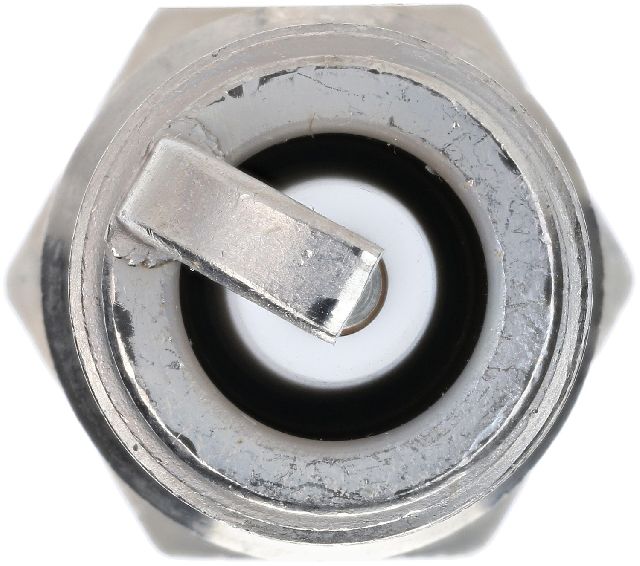
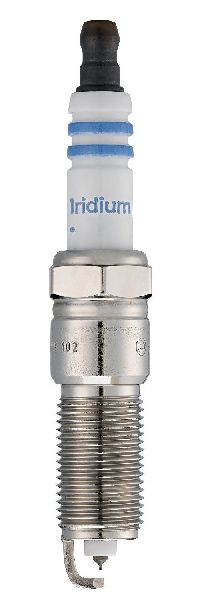
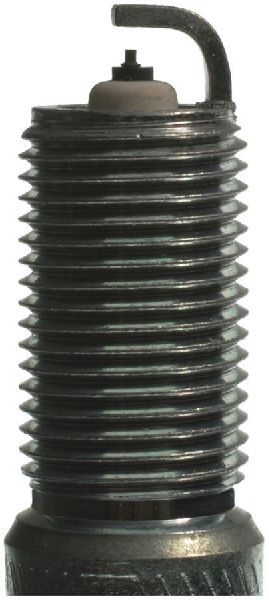
- Worn Spark Plug 🔴 High Probability → Shop Spark Plug Spark plugs are a routine maintenance item. The electrodes wear down over time, leading to a weak spark and incomplete combustion.
How to confirm: Remove the spark plug from cylinder 6 (the third cylinder back on the passenger side). Inspect it for wear, fouling, or damage. Compare it to a plug from a known good cylinder.
Typical fix: Replace the spark plug. It is best practice to replace all 8 plugs if they are near the end of their service life. Use the specified ACDelco Iridium plugs (41-110 or its successor 41-162).
Est. part cost: $10-$20 per plug - Faulty Ignition Coil Wire (Spark Plug Wire) 🔴 High Probability → Shop Ignition Coil The wires are routed near hot exhaust manifolds, which accelerates degradation of the insulation, leading to arcing or increased resistance. Owners report seeing a white, powdery residue on wires that have failed near the headers.
How to confirm: Visually inspect the wire for cracks, burns, or chafing. Swap the wire from cylinder 6 with an adjacent cylinder (e.g., cylinder 4). If the misfire code changes to P0304, the wire is bad.
Typical fix: Replace the faulty spark plug wire. It's often recommended to replace them as a full set.
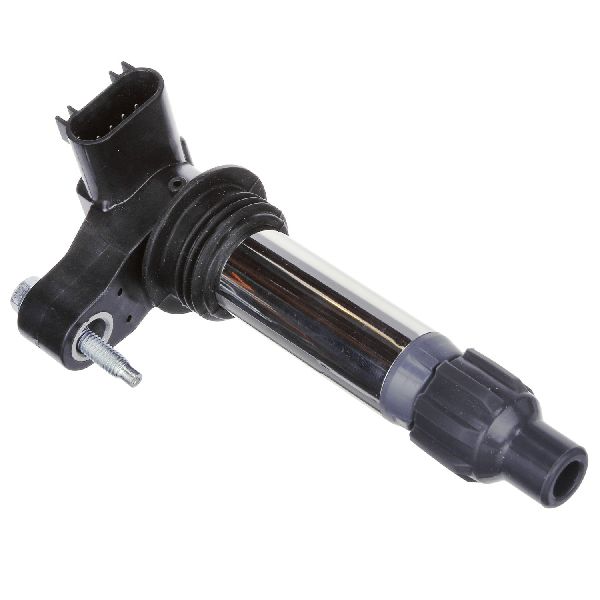
Est. part cost: $50-$100 for a set - Failed Ignition Coil 🟡 Medium Probability → Shop Ignition Coil Engine heat and vibration can cause the coil's internal windings to fail over time.
How to confirm: Swap the ignition coil from cylinder 6 with another cylinder (e.g., cylinder 4). Clear the codes and run the engine. If the code changes to P0304, the coil is the culprit. This is a common diagnostic step mentioned by owners in forums.
Typical fix: Replace the single faulty ignition coil. They are held on by one or two bolts and are easy to access.
Est. part cost: $40-$80 - Failed Active Fuel Management (AFM/DOD) Lifter 🟡 Medium Probability → Shop Engine Valve Lifter The L76 engine has AFM lifters on cylinders 1, 4, 6, and 7. These lifters are a known failure point and can become mechanically stuck or collapsed due to issues like oil aeration or internal pin damage, causing a persistent misfire and often a ticking noise. This is a widely discussed topic in owner communities.
How to confirm: After ruling out ignition and fuel issues, a compression test on cylinder 6 is necessary. Low compression is a strong indicator. A ticking noise from the valve cover area is also a common symptom. A mechanic can also remove the valve cover to visually inspect for valve movement on the AFM cylinders while the engine is cranked.
Typical fix: This is a major repair. It involves removing the cylinder head to replace the failed lifter. Many owners opt to perform an 'AFM delete' at this time, which involves replacing the AFM lifters, camshaft, valley cover, and retuning the ECM to prevent future issues. Some owners have had this repaired under the 5-year/100,000-mile powertrain warranty.
Est. part cost: $500-$1500 for AFM delete kits - Clogged or Faulty Fuel Injector ⚪ Low Probability → Shop Fuel Injector
How to confirm: After ruling out ignition issues, swap the fuel injector from cylinder 6 with another cylinder. If the misfire code follows the injector, it needs to be replaced. You can also listen to the injector with a mechanic's stethoscope to check for a consistent clicking sound.
Typical fix: Replace the faulty fuel injector.
Est. part cost: $50-$120
Rare But Worth Checking
- Intake Manifold Gasket Leak: → Shop Engine Intake Manifold A vacuum leak near the intake port for cylinder 6 can lean out the mixture and cause a misfire. A smoke test is the best way to confirm a leak.
- Worn Camshaft Lobe: → Shop Engine Camshaft Often occurs as a result of a failed lifter. The lifter's roller stops spinning and grinds down the camshaft lobe, requiring replacement of both the cam and lifters. This has been documented by owners who have performed the repair themselves.
- Broken Valve Spring: A broken spring will prevent the valve from closing properly, causing a loss of compression and a persistent misfire. This is a known, though less common, issue on LS-family engines.
Diagnosis Steps
- Read the code with an OBD-II scanner to confirm P0306 and check for any other codes.
- Identify cylinder 6. On the L76 V8, cylinders are numbered 1-3-5-7 on the driver's side (front to back) and 2-4-6-8 on the passenger's side. Cylinder 6 is the third one back on the passenger side.
- Swap the ignition coil from cylinder 6 with cylinder 4 (the one in front of it). Clear the codes and run the engine. If the code returns as P0304, the ignition coil is bad.
- If the code remains P0306, swap the spark plug wires between cylinders 6 and 4. If the code changes to P0304, the wire is bad.
- If the code remains P0306, remove and inspect the spark plug. Look for wear, damage, or fouling. Replace as needed.
- If ignition components are good, check the fuel injector. Listen for a steady clicking with a stethoscope or swap it with another cylinder's injector to see if the misfire follows.
- If the misfire is still on cylinder 6, perform a compression test. Significantly lower compression than other cylinders points to a mechanical issue like a valve spring or, most likely, a failed AFM lifter.
- If a ticking noise is present and compression is low, suspect a failed AFM lifter and potentially a damaged camshaft lobe. 🎬 Watch: See how a failed lifter damages the camshaft lobe. Visual inspection under the valve cover is the next step.
Parts You'll Likely Need
- Spark Plug
(OEM #ACDelco 41-110 (Original) or 41-162 (Successor))— This is the most common wear-and-tear item causing a single-cylinder misfire. The 41-162 is a newer part number that supersedes the 41-110.
Trusted brands: ACDelco
OEM price range: $15-$25
Aftermarket price range: $8-$15 - Ignition Coil Wire Set
(OEM #ACDelco 9748RR (Example))— Heat from the engine and exhaust causes the wires to degrade over time, leading to misfires.
Trusted brands: ACDelco, NGK
OEM price range: $80-$120
Aftermarket price range: $50-$90 - Ignition Coil
(OEM #ACDelco D510C or GM 12573190)— A common electronic failure point due to constant heat and vibration.
Trusted brands: ACDelco, Delphi
OEM price range: $60-$90
Aftermarket price range: $40-$70 - AFM/DOD Delete Kit
(OEM #N/A)— If a lifter has failed, this kit is the comprehensive solution to prevent future failures by replacing all AFM-specific components with more robust, standard LS parts. Kits typically include non-AFM lifters, a non-AFM camshaft, new valley cover, gaskets, and bolts.
Trusted brands: Texas Speed & Performance, Brian Tooley Racing
OEM price range: N/A
Aftermarket price range: $500-$1500 - AFM Lifter
(OEM #GM 12643051 (Example, verify with VIN))— For owners who choose to repair the AFM system instead of deleting it, the failed lifter itself must be replaced. It is recommended to replace all AFM lifters at the same time.
Trusted brands: ACDelco / GM Genuine
OEM price range: $30-$50 per lifter
Aftermarket price range: $20-$40 per lifter
Related Codes That Often Appear With This One
- P0300 — If the misfire is intermittent or affects other cylinders, a P0300 (Random/Multiple Cylinder Misfire) may be stored alongside P0306, especially if the root cause is a failing AFM system or widespread oil contamination.
Technical Service Bulletins (TSBs) & Recalls
- PIP4568S: Addresses engine misfires on cylinders 1, 4, 6, or 7, often accompanied by a ticking noise, due to a mechanically collapsed or stuck AFM lifter.
Platform-Specific Known Issues
- GM TSB 10-06-01-008I: Engine Oil Consumption and/or Misfire:
Mechanic-Grade Diagnostic Values
- Fuel Pressure (Key On, Pump Commanded On) — expected: 380-410 kPa (55-60 psi). Failure: Pressure below this range can indicate a weak fuel pump or clogged filter, potentially causing a lean misfire. Pressure above this range may indicate a faulty regulator.
- Stock Fuel Injector Resistance — expected: 9.1 to 12 Ohms (High Impedance). Failure: A reading significantly outside this range, or an open circuit (infinite resistance), indicates a failed injector coil.
- Ignition Coil Primary Resistance — expected: 0.4 - 2.0 ohms. Failure: A reading outside this range suggests a faulty primary winding in the coil.
Scan Tool Commands That Help
- Tech2 / GDS2: Misfire Counter Data — Use this to view live or historical misfire counts for each specific cylinder. This is crucial for confirming that the misfire is isolated to cylinder 6 and not randomly occurring on others, which might suggest a different root cause.
- Tech2 / GDS2: Crankshaft Position Variation Relearn — This procedure should be performed after any major engine work, such as replacing a camshaft or crankshaft sensor. It helps the ECM relearn the subtle variations in the crankshaft reluctor wheel to accurately detect misfires. An incorrect learned value can sometimes cause false misfire codes.
- Scan Tool with Bidirectional Control: Fuel Pump Relay Command — When testing fuel pressure, this command allows the technician to turn the fuel pump on without starting the engine, providing a safe and stable condition to measure static fuel pressure.
Wiring & Ground Locations
- G108 — On the right side of the engine block.. This is a primary engine block ground. A poor connection here can cause a host of electrical issues, including weak spark or erratic sensor readings that could lead to a misfire code.
- G112 — Left rear of the engine block.. Another critical engine ground. The ignition coils for the passenger side bank (including cylinder 6) may rely on this ground path. A loose or corroded connection can cause ignition problems for that bank.
- Fuel Rail Ground Strap — A strap connecting the fuel rail to the engine.. Ensures the fuel injectors are properly grounded. A missing or poor connection on this strap could potentially cause erratic injector performance, leading to a fuel-related misfire.
- ECM Connector (Pin for IC 6 Ctrl) — At the Engine Control Module (ECM) located on the right side of the engine compartment.. The 'IC 6 Ctrl' pin is the specific wire that the ECM uses to send the trigger signal to the ignition coil for cylinder 6. Technicians may need to test this pin for a signal when diagnosing a persistent no-spark condition on cylinder 6 that isn't resolved by swapping components.
Real Owner Repair Stories
- Reddit user Best_Pomegranate_848 on r/pontiacg8 (2009 G8 GT with 86k miles) — Misfire code and a ticking/knocking sound from the engine.
❌ Tried (didn't work) The initial post by another user mentioned replacing the coil, spark plugs, wires, and injector on the misfiring cylinder with no success.
✅ What actually fixed it The commenter's similar issue was resolved by a DOD/AFM delete, which included replacing a chewed-up lifter and camshaft. This confirms the common failure pattern of the AFM lifter leading to camshaft damage.
OEM Part Supersession History
GM 12570471 (Example for AFM Lifter Guide)→GM 12669184 (Front), GM 12669185 (Rear)— Design revision or part consolidation by the manufacturer.
Heads up: When replacing AFM lifter guides, it is critical to use the correct front and rear guides as they are different. Using the wrong guide can lead to improper lifter alignment and catastrophic engine failure.
Model Year Variations Within This Range
- 2009: For the 2009 model year, the G8 GT reportedly had two additional catalytic converters added to the exhaust system. This change resulted in a slight horsepower reduction to 355 hp, down from 361 hp in the 2008 model. This is unlikely to be related to a P0306 code but is a notable difference between the model years.
Diagnostic Flowchart
Real Owner Stories
Aggregated from forums and TSBs cited above. Mileages and costs reflect what owners reported in those sources.
2009 Pontiac G8 L76 6.0L V8
Symptoms: CEL and ESS lights came on while driving, and the car started running rough. The P0306 code cleared initially but returned at above-idle RPMs.
What fixed it: Swapped #4 and #6 coil packs and wires, and put a new spark plug in cylinder 6. When the code persisted, all plugs and wires were changed, indicating a deeper mechanical issue beyond basic ignition components.
Source hint: GRRRR8.net - Pontiac G8 Forum
2008-2009 Pontiac G8 L76 6.0L V8 — 28000 miles
Symptoms: AFM lifter failure causing engine misfires.
What fixed it: Lifter replacement or AFM delete (discussed as the standard repair for premature AFM lifter failures).
Source hint: Reddit r/Pontiac thread 'Is G8 lifter failure as common as the forums...'
2008-2009 Pontiac G8 L76 6.0L V8
Symptoms: Sudden onset of a loud ticking noise from the engine.
What fixed it: Diagnosed as a lifter failure; resolved by choosing between a stock lifter replacement or a full AFM delete.
Source hint: adamsforums.com thread 'Lifter failure on my G8'
2008-2009 Pontiac G8 L76 6.0L V8
Symptoms: Persistent P0306 misfire code.
What fixed it: Diagnosed the root cause by swapping coils and injectors between cylinders, followed by performing a compression test to confirm mechanical failure.
Source hint: g8board.com thread 'Having an issue diagnosing a misfire P0306'
Related OBD-II Codes
Frequently Asked Questions
Does TSB PIP4568S apply to my 2008-2009 Pontiac G8 for code P0306?
What spark plugs should I use when fixing a P0306 on my G8 L76?
I have a P0306 code and hear a loud ticking noise from the engine. What does this mean for my G8?
Can I just replace the failed AFM lifter on cylinder 6?
Are the spark plug wires prone to failing on the G8 L76?
Does TSB 10-06-01-008I apply to my Pontiac G8?
Helpful Videos
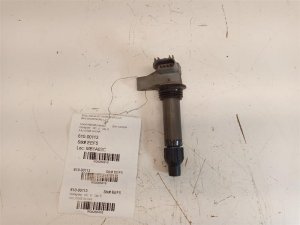
Used OEM Parts in Stock
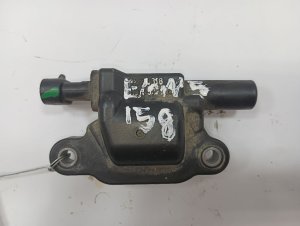
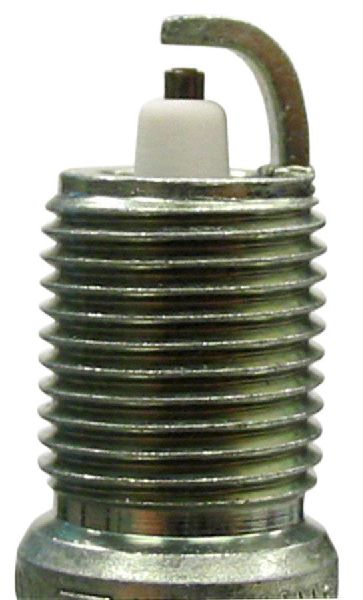
New Aftermarket Parts Available

The information in this article is provided for general reference and educational purposes only. Vehicle specifications, procedures, and part compatibility can vary by production date, trim level, and region. Always consult your vehicle's factory service manual and verify part numbers before purchasing or performing repairs. Safety-critical components such as airbags, seat belts, and braking systems should be installed by a qualified professional.
- Pontiac G8:
- 🧭 Diagnostic Flowchart
- 🎬 Helpful Videos
- 🛍️ Shop This Part
- What's Unique About the 2008-2009 Pontiac G8
- Symptoms You May Notice
- Most Likely Causes
- Rare But Worth Checking
- Diagnosis Steps
- Parts You'll Likely Need
- Related Codes That Often Appear With This One
- Technical Service Bulletins (TSBs) & Recalls
- Platform-Specific Known Issues
- Mechanic-Grade Diagnostic Values
- Scan Tool Commands That Help
- Wiring & Ground Locations
- Real Owner Repair Stories
- OEM Part Supersession History
- Model Year Variations Within This Range
- Real Owner Stories
- 2009 Pontiac G8 L76 6.0L V8
- 2008-2009 Pontiac G8 L76 6.0L V8 — 28000 miles
- 2008-2009 Pontiac G8 L76 6.0L V8
- 2008-2009 Pontiac G8 L76 6.0L V8
- Related OBD-II Codes
- Frequently Asked Questions
- 🎟️ Get 5% Off