

P0307 on 2010-2017 Cadillac Escalade: Cylinder 7 Misfire Causes and Fixes
P0307 on a Cadillac Escalade indicates a misfire in cylinder 7. The most common causes are a worn spark plug, a faulty ignition coil, or a loose spark plug wire. However, a frequent and more serious cause on these engines is a failed Active Fuel Management (AFM) lifter, a well-documented issue that often presents with an engine ticking noise and can be a complex, costly repair.
- P0307 indicates a misfire in cylinder 7, which is on the driver's side of the engine.
- Always start diagnosis with the simplest and cheapest parts: check the spark plug wire, swap the ignition coil with another cylinder, and inspect the spark plug.
- A persistent P0307, especially if accompanied by a ticking engine noise, strongly suggests a failed Active Fuel Management (AFM) lifter, a known weak point on these engines.
- Do not ignore a flashing check engine light. It signals a severe misfire that can destroy your catalytic converter in a short amount of time, leading to a much more expensive repair.
- Due to the high probability of AFM lifter failure, if basic ignition checks don't solve the problem, it is wise to consult a professional for further diagnosis.
What's Unique About the 2010-2017 Cadillac ESCALADE
The V8 engines in this era of Escalade are equipped with Active Fuel Management (AFM), which deactivates cylinders—including cylinder 7—to improve fuel economy. This system's hydraulic lifters are a well-documented weak point across the GM truck and SUV lineup. Consequently, a P0307 code on an Escalade has a higher-than-average probability of being caused by a collapsed or stuck AFM lifter, a significantly more complex and expensive repair than a typical ignition system fault. TSBs like #15-06-01-002L directly address this failure mode.
Diagnostic Flowchart
Tap your situation to follow the diagnostic path that matches what you're seeing on this vehicle.
Generation note: This range covers the third generation (2010-2014, GMT900 platform) with the 6.2L L94 V8 and the fourth generation (2015-2017, K2XX platform) with the 6.2L L86 V8. While both are prone to AFM lifter failure, the L86 features direct injection, making its fuel injectors another potential cause. A coolant leak from a heater hose onto the cylinder 8 (and nearby 7) injector harness has also been noted as a specific cause on 2015+ models.
Symptoms You May Notice
- Flashing or solid Check Engine Light
- Rough or shaking idle
- Engine hesitation or stumbling during acceleration
- Noticeable loss of power
- Reduced fuel economy
- Ticking or tapping noise from the engine, especially if a lifter is failing
- Replacing oxygen (O2) sensors or the catalytic converter before diagnosing the misfire. A misfire causes these components to report errors (like P0420/P0430), but they are not the root cause.
Most Likely Causes
- Failed Active Fuel Management (AFM) Lifter 🔴 High Probability → Shop Engine Valve Lifter The AFM lifters on cylinders 1, 4, 6, and 7 are a known, common failure point on these GM V8 engines. A lifter can become stuck or collapse due to internal pin damage, oil aeration, or contamination, preventing the valve from opening and causing a persistent misfire. This is the most notorious issue for this code on this platform.
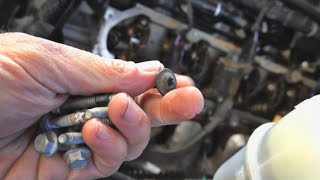
How to confirm: Listen for a distinct ticking/tapping noise from the driver's side valve cover. A definitive check involves removing the valve cover and starting the engine to visually confirm the rocker arms for cylinder 7 are not moving or have excessive play, indicating a collapsed lifter. A compression test will also show very low or zero compression on the affected cylinder. 🎬 Watch: How to diagnose a collapsed AFM lifter misfire.
Typical fix: This is a major repair. It involves replacing the faulty bank of lifters (both AFM and standard), the lifter guides, and the Valve Lifter Oil Manifold (VLOM). The camshaft must be inspected for damage from the failed lifter's roller and replaced if any lobes are worn. Many owners opt for a permanent 'AFM Delete' at this time.
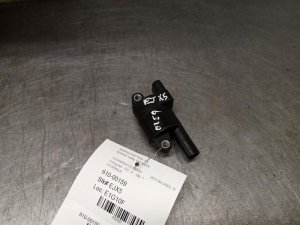
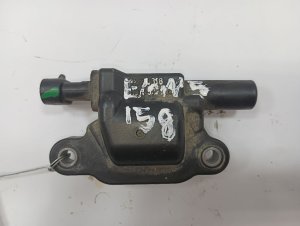
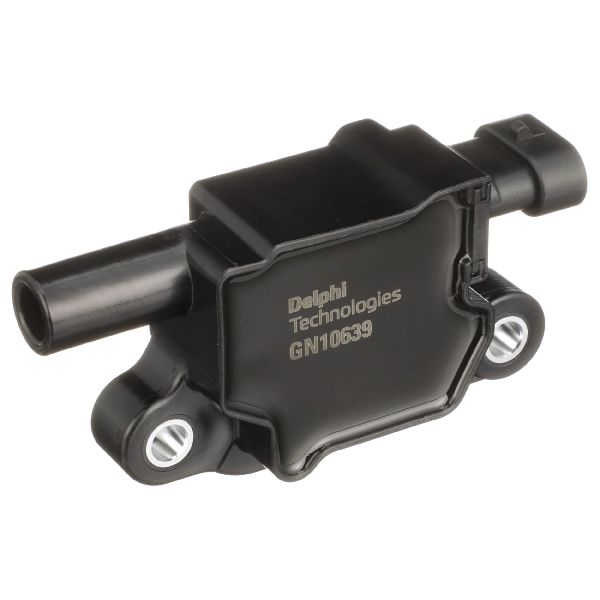
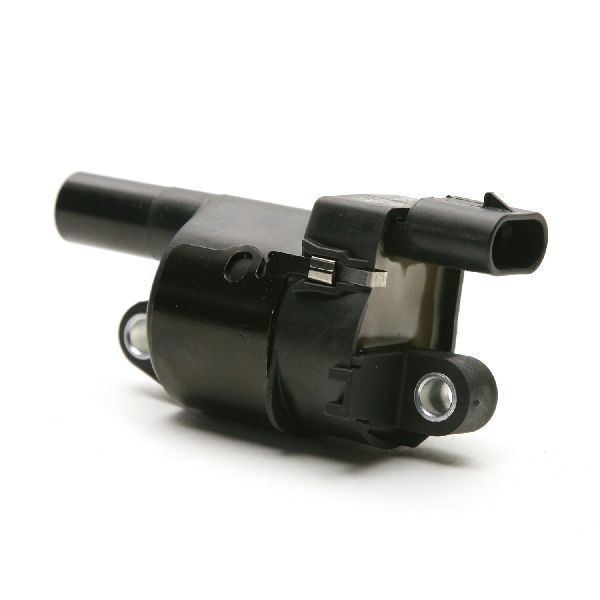
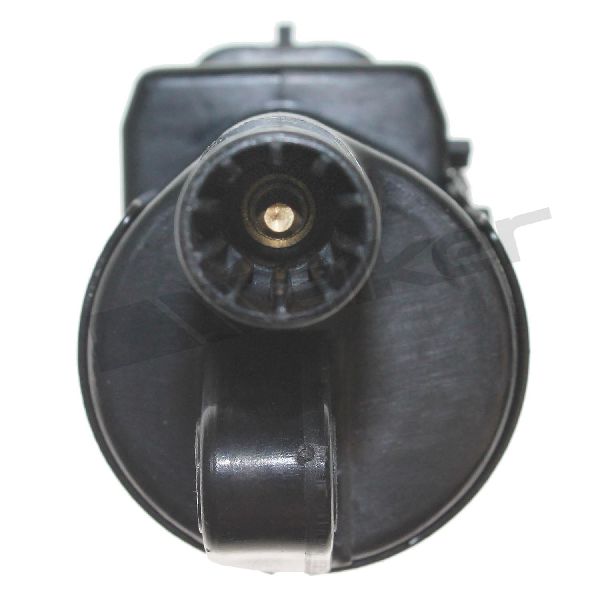
Est. part cost: $500-$1500+ - Faulty Ignition Coil 🟡 Medium Probability → Shop Ignition Coil High under-hood temperatures can cause ignition coils to degrade over time, leading to weak or no spark.
How to confirm: Swap the ignition coil from cylinder 7 with another cylinder (e.g., cylinder 5). Clear the codes and drive. If the code changes to P0305, the ignition coil is bad.
Typical fix: Replace the faulty ignition coil. It's good practice to replace the spark plug at the same time.
Est. part cost: $50-$100 - Worn or Fouled Spark Plug 🟡 Medium Probability → Shop Spark Plug Spark plugs are a regular wear item. Oil consumption issues, sometimes related to the AFM system or PCV system, can cause plugs in affected cylinders to become fouled with oil or carbon.
How to confirm: Remove the spark plug from cylinder 7 and inspect it for wear (worn electrode), damage (cracked porcelain), or fouling from oil (wet and black) or carbon (dry and sooty).
Typical fix: Replace the spark plug. It is best practice to replace all 8 spark plugs at the same time for consistent performance.
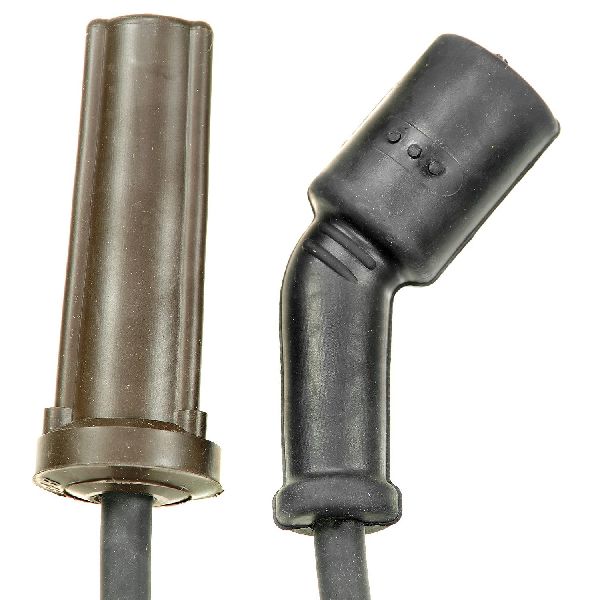
Est. part cost: $10-$25 per plug - Loose or Damaged Spark Plug Wire ⚪ Low Probability → Shop Spark Plug Connections can loosen over time due to engine vibration and heat cycles. TSB #PIP4819A specifically calls this out for 2010 models, noting that the terminal may not be fully seated.
How to confirm: Visually inspect the spark plug wire for cylinder 7. Ensure it is securely clicked into place at both the ignition coil and the spark plug. Test its resistance with a multimeter.
Typical fix: Replace the spark plug wire. It is often recommended to replace the full set of wires.
Est. part cost: $50-$120 for a set - Faulty or Clogged Fuel Injector ⚪ Low Probability → Shop Fuel Injector On returnless fuel systems, debris can accumulate in the fuel rail and clog the rearmost injector, which is cylinder 7. For 2015+ direct injection models, injectors are a more common failure point.
How to confirm: Listen to the injector with a mechanic's stethoscope to confirm it is clicking. An injector balance test can be performed, or the injector can be swapped with another cylinder (more difficult on DI engines) to see if the misfire code follows.
Typical fix: Replace the faulty fuel injector. Sometimes professional cleaning can resolve the issue on port-injected models.
Est. part cost: $70-$250 (Port injection vs Direct injection)
Rare But Worth Checking
- Low Compression: Caused by more severe mechanical issues like a worn piston ring, a leaking valve, or a blown head gasket. A compression test is needed to confirm. A failed AFM lifter is the most common cause of low compression on this cylinder.
- Intake Manifold Gasket Leak: → Shop Engine Intake Manifold A vacuum leak near the intake runner for cylinder 7 can lean out the air/fuel mixture and cause a misfire. A smoke test can identify such leaks.
- Coolant Leak onto Injector Harness (2015+): On L86 engines, a leaking heater core hose can drip coolant directly onto the fuel injector connector for cylinder 7 or 8, causing a short in the circuit and a misfire.
Diagnosis Steps
- Read the code with an OBD-II scanner and note any other codes, especially P0300.
- Listen for a distinct ticking/tapping noise from the driver's side of the engine. This is a strong indicator of a failed AFM lifter and warrants prioritizing mechanical checks.
- Perform an ignition system swap test. Swap the ignition coil from cylinder 7 with cylinder 5. Clear codes and run the engine. If the code changes to P0305, the coil is bad. If not, proceed.
- Inspect the spark plug for cylinder 7. Check for tightness, damage to the porcelain, electrode wear, and signs of oil or carbon fouling. Replace if in doubt.
- Inspect the spark plug wire for cylinder 7 to ensure it is tight and undamaged, per TSB #PIP4819A.
- If ignition components are good, the next step is to check for mechanical failure. A professional can remove the driver's side valve cover to observe the valvetrain. With the engine running, check if the rocker arms for cylinder 7 are moving properly. Lack of movement confirms a collapsed lifter.
- If the valvetrain appears normal, investigate the fuel system. Listen to the injector with a stethoscope for a steady clicking sound. A fuel injector balance test can confirm if it's clogged.
- If the cause is still unknown, perform a compression test on cylinder 7. Very low or zero compression points directly to an internal mechanical problem, most likely the AFM lifter.
- If an AFM lifter failure is confirmed, seek professional service. The repair is extensive and requires cylinder head removal.
Parts You'll Likely Need
- Active Fuel Management (AFM) Lifter Kit
(OEM #12645725 (single AFM lifter), kit part numbers vary)— This is the most common major mechanical failure on this platform that causes a P0307 code. Cylinder 7 is an AFM cylinder. A full kit including lifters and guides is required.
Trusted brands: ACDelco, Delphi, Melling
OEM price range: $400-$700 for a set
Aftermarket price range: $250-$500 for a set - Ignition Coil
(OEM #12632479 (ACDelco D521C))— A primary cause of spark-related misfires. They are a common wear item.
Trusted brands: ACDelco, Delphi
OEM price range: $60-$90
Aftermarket price range: $40-$70 - Spark Plug
(OEM #41-110 (Iridium, for L94) or 41-162 (Iridium, for L86))— A fundamental part of the ignition system and a regular maintenance item. A worn or fouled plug is a simple and common cause for a misfire.
Related Codes That Often Appear With This One
- P0300 — If the misfire is intermittent, severe, or starting to affect other cylinders, a P0300 (Random/Multiple Cylinder Misfire) may be stored as well. TSBs for lifter failure often reference P0300.
- P0430 — This code indicates low catalyst efficiency for Bank 2 (driver's side). It often appears after a prolonged misfire on any cylinder on that bank (like P0307) has allowed unburnt fuel to enter the exhaust and damage the catalytic converter.
Technical Service Bulletins (TSBs) & Recalls
- TSB #PIP4819A: Notes that engine misfires (P0300-P0308) on 2010 models can be caused by loose-fitting spark plug wires and instructs technicians to inspect and replace them as needed.
- TSB #15-06-01-002L: A critical bulletin for 2015-2020 models with the L86 engine, addressing engine misfires (P0300) and ticking noises caused by a mechanically collapsed/stuck AFM lifter, potentially due to internal pin damage or oil aeration. It advises replacing the affected bank of lifters and the VLOM.
- TSB #10-06-01-007E: Addresses a valve lifter tick noise on cold starts (lasting 2 seconds to 10 minutes) for 2010-2011 models, which can be a precursor to lifter failure. It attributes the cause to aerated, low, or dirty oil and may recommend replacing all 8 AFM lifters.
- TSB #PIP4568 (superseded): Describes misfires on AFM cylinders (1, 4, 6, or 7) resulting from a lifter that is stuck, collapsed, or unlocks at the wrong time due to issues like low oil pressure, sludge, or internal lifter damage.
Platform-Specific Known Issues
- Active Fuel Management (AFM) Lifter Failure: → Shop Engine Valve Lifter The single most significant issue for this platform. The hydraulic lifters for the deactivating cylinders (1, 4, 6, and 7) are prone to failure, where they collapse or become stuck. This results in a persistent misfire, a ticking engine noise, and requires extensive engine-top-end repair. Low oil pressure, oil aeration, and sludge are contributing factors. The Valve Lifter Oil Manifold (VLOM), which controls oil flow to these lifters, can also fail or its filter screen can become clogged.
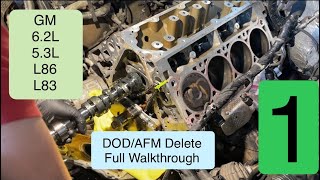
- AFM Delete / Disablement: Due to the high failure rate and cost of repairing the AFM system, many owners and independent shops choose to perform an 'AFM Delete'. This can be done in two ways: 1) A software tune or plug-in OBD-II device that prevents the ECM from ever activating the 4-cylinder mode. This is a preventative measure. 2) A full mechanical delete, performed during a lifter repair, which involves replacing the AFM lifters, camshaft, and VLOM with standard, non-AFM components.
Mechanic-Grade Diagnostic Values
- Ignition Coil Primary Resistance — expected: 0.4 to 2.0 ohms. Failure: A reading outside this range suggests a faulty coil winding.
- Ignition Coil Secondary Resistance — expected: 6,000 to 10,000 ohms. Failure: A reading significantly higher or lower than this range indicates an internal coil failure.
- Fuel Pressure (Low Side, 2010-2014 L94) — expected: 46-84 PSI (320-580 kPa) with pump running. Failure: Low pressure indicates a weak fuel pump or clogged filter, which can starve the engine of fuel.
- Fuel Rail Pressure (High Side, 2015-2017 L86) — expected: 276-725 PSI (1.9-5.0 MPa) at idle. Failure: Pressure that is erratic or out of this range at idle can indicate a failing high-pressure fuel pump (HPFP) or a faulty rail pressure sensor.
Scan Tool Commands That Help
- GDS2 / Tech 2: Injector Balance Test — After ruling out ignition issues, this test helps determine if a fuel injector is clogged or failing. The tool commands each injector to open for a set time and measures the corresponding drop in fuel rail pressure. An inconsistent pressure drop for cylinder 7 points to a faulty injector.
- GDS2 / High-End Scan Tool: Cylinder Power Balance — This function graphically displays the contribution of each cylinder to crankshaft speed. A cylinder that is consistently contributing less power (like cylinder 7) helps confirm the misfire location and severity in real-time.
Wiring & Ground Locations
- G104 — On the rear of the driver's side (left) cylinder head.. This is a primary engine ground. A loose or corroded connection at G104 can cause erratic behavior or failure in the ignition system components for the driver's side bank of cylinders (including cylinder 7), leading to misfires.
- G103 — On the front of the passenger's side (right) cylinder head.. While on the opposite bank, this ground is critical for the Engine Control Module (ECM). A poor connection here can cause a variety of phantom issues, including misfire detection problems.
Real Owner Repair Stories
- Chevy Tahoe Forum (2012 Suburban, 147,000 miles) — Intermittent rough running with P0307, which eventually became a more severe P0300 with audible lifter noise and decreased power.
❌ Tried (didn't work) Clearing the code (it returned), Replacing the spark plug for cylinder 7
✅ What actually fixed it The confirmed cause was a failed de-activation (AFM) lifter. The owner was quoted for a full repair including all lifters, trays, gaskets, and head bolts, with a final bill slightly higher than the estimated $3500-4000. - GM Hybrid Forums (2009 Yukon Hybrid) — Sudden rough running on the interstate with a P0307 code.
❌ Tried (didn't work) Swapping ignition coil from cylinder 7 to cylinder 5, Replacing spark plugs and wires
✅ What actually fixed it Upon removing the valve cover, the owner discovered a 'DEAD' (collapsed) AFM lifter on cylinder 7. The repair estimate from a dealer was $2,400.
"I Checked Everything" — The Actual Cause
- A cracked flexplate (the plate connecting the engine to the torque converter) can cause P0307. The crack can create a subtle wobble or missing teeth that the crankshaft position sensor misinterprets as a deceleration in crankshaft speed, mimicking a misfire. This is often missed because technicians are focused on ignition, fuel, and compression, all of which would test as healthy.
OEM Part Supersession History
Varies (e.g., HL-7011 for Elgin aftermarket)→Updated DFM-style lifters (e.g., GM #12698946, Elgin #HL-7025)— The newer Dynamic Fuel Management (DFM) lifters have an improved design and are backward compatible with older Active Fuel Management (AFM) systems. The original AFM lifters are known to be a high-failure part.
Heads up: The new DFM lifter (e.g., HL-7025) will work in older AFM applications, but the original AFM-only lifter (e.g., HL-7011) will NOT work in newer DFM engines.
Model Year Variations Within This Range
- 2015-2017: The introduction of the L86 Gen V V8 brought direct injection. This adds the high-pressure fuel pump (HPFP) and direct injectors as potential failure points not present in the 2010-2014 L94 port-injected engines. Diagnosis on these later models must include checking high-pressure fuel system values.
- 2010-2014: These models use the GMT900 platform. Engine ground locations and some wiring may differ from the 2015+ K2XX platform. For example, ground G104 is located on the left rear of the cylinder head on GMT900 trucks.
Helpful Videos
Used OEM Parts in Stock
New Aftermarket Parts Available


The information in this article is provided for general reference and educational purposes only. Vehicle specifications, procedures, and part compatibility can vary by production date, trim level, and region. Always consult your vehicle's factory service manual and verify part numbers before purchasing or performing repairs. Safety-critical components such as airbags, seat belts, and braking systems should be installed by a qualified professional.
- Cadillac ESCALADE:
- 🧭 Diagnostic Flowchart
- 🎬 Helpful Videos
- 🛍️ Shop This Part
- What's Unique About the 2010-2017 Cadillac ESCALADE
- Symptoms You May Notice
- Most Likely Causes
- Rare But Worth Checking
- Diagnosis Steps
- Parts You'll Likely Need
- Related Codes That Often Appear With This One
- Technical Service Bulletins (TSBs) & Recalls
- Platform-Specific Known Issues
- Mechanic-Grade Diagnostic Values
- Scan Tool Commands That Help
- Wiring & Ground Locations
- Real Owner Repair Stories
- "I Checked Everything" — The Actual Cause
- OEM Part Supersession History
- Model Year Variations Within This Range
- 🎟️ Get 5% Off