

P0307 on 2010-2017 Cadillac Escalade ESV: Cylinder 7 Misfire Causes and Fixes
P0307 indicates a misfire on cylinder 7. On the Escalade's 6.2L V8, this is most often caused by a worn spark plug, a bad ignition coil, or a faulty spark plug wire. However, a very common and serious cause on this specific engine is a failed Active Fuel Management (AFM) lifter, which requires significant engine repair.
- P0307 is a misfire on cylinder 7, which is the third cylinder from the front on the driver's side.
- Always start your diagnosis with the simple, high-probability parts: the spark plug, ignition coil, and spark plug wire for cylinder 7.
- The fastest diagnostic trick is to swap the ignition coil from cylinder 7 to another cylinder and see if the misfire code follows it.
- Be aware of the serious potential for a failed Active Fuel Management (AFM) lifter, especially if the misfire is persistent and accompanied by a ticking engine noise.
- For 2015-2017 models, if ignition and fuel checks don't solve the problem, consider carbon buildup on the intake valves as a possible cause.
What's Unique About the 2010-2017 Cadillac ESCALADE ESV
This generation span of the Escalade ESV uses two distinct 6.2L V8 engines. The 2010-2014 models use the L94 V8, where misfires are commonly linked to ignition components, as highlighted in a GM technical bulletin about loose spark plug wires. The 2015-2017 models feature the L86 direct-injection V8, which can be susceptible to carbon buildup on intake valves. A significant issue for both engines is the Active Fuel Management (AFM) system; the lifters for this system are a known failure point. Since cylinder 7 is an AFM cylinder, a P0307 code has a high probability of being a collapsed or stuck lifter, a major mechanical failure often preceded by a distinct ticking noise.
Diagnostic Flowchart
Tap your situation to follow the diagnostic path that matches what you're seeing on this vehicle.
Generation note: This range covers two Escalade generations. The 3rd gen (2010-2014, GMT900 platform) has the 6.2L L94 port-injected V8. The 4th gen (2015-2017, K2XX platform) uses the 6.2L L86 EcoTec3 direct-injection V8. While many misfire causes are similar, the L86 can have unique issues like high-pressure fuel injector problems and carbon buildup on intake valves. The AFM lifter failure is a prominent issue across both generations.
Symptoms You May Notice
- Flashing or solid Check Engine Light
- Rough or shaking idle
- Engine hesitation or stumbling during acceleration
- Noticeable loss of power
- Reduced fuel economy
- Ticking or tapping noise from the engine, which strongly indicates a lifter issue
- Vehicle stalls during acceleration or at stops
- Stabilitrak service message may appear on the dash display
- Replacing the oxygen sensor before diagnosing the misfire. A misfire can cause an O2 sensor code, but the O2 sensor is rarely the cause of the misfire.
- Replacing the catalytic converter. A constant misfire will destroy a catalytic converter, but a bad converter will not cause a single-cylinder misfire code like P0307.
Most Likely Causes
- Worn or Fouled Spark Plug 🔴 High Probability → Shop Spark Plug Spark plugs are a routine wear item. Oil consumption related to the PCV system or AFM oil spray can foul plugs prematurely, especially on cylinders #1 and #7, as noted in GM service bulletins.
How to confirm: Remove the spark plug from cylinder 7 and inspect it for wear, damage, or fouling from oil or carbon. A heavily fouled or wet plug is a common finding.
Typical fix: Replace the spark plug. It is best practice to replace all 8 spark plugs at the same time for even performance.
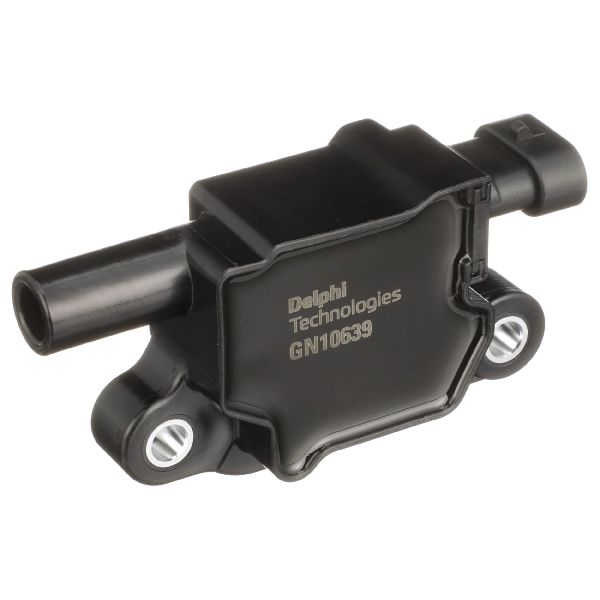
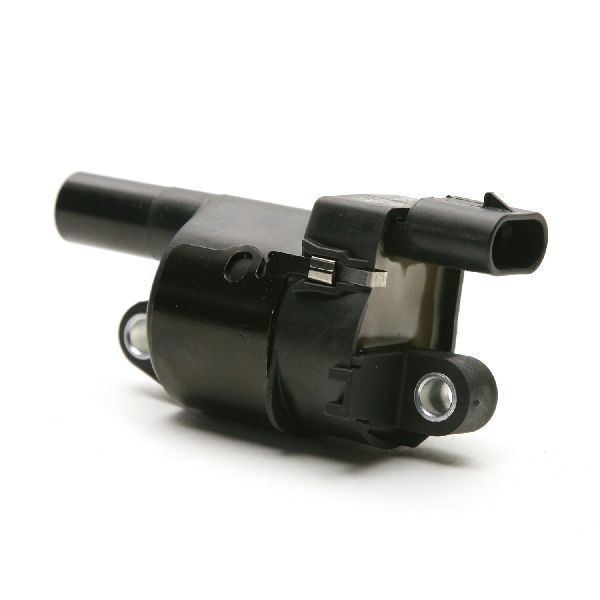
Est. part cost: $10-$25 per plug - Faulty Ignition Coil 🔴 High Probability → Shop Ignition Coil The coil-on-plug ignition coils are subjected to high under-hood temperatures and can fail after 80,000-100,000 miles, leading to a weak or non-existent spark.
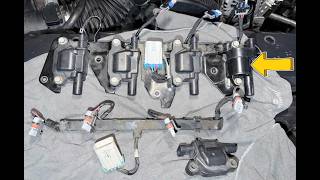
How to confirm: Swap the ignition coil from cylinder 7 with another cylinder (e.g., cylinder 5). Clear the codes and drive. If the misfire code changes to P0305, the coil is faulty. This is a very common and effective diagnostic step.
Typical fix: Replace the faulty ignition coil. Many owners replace the corresponding spark plug at the same time.
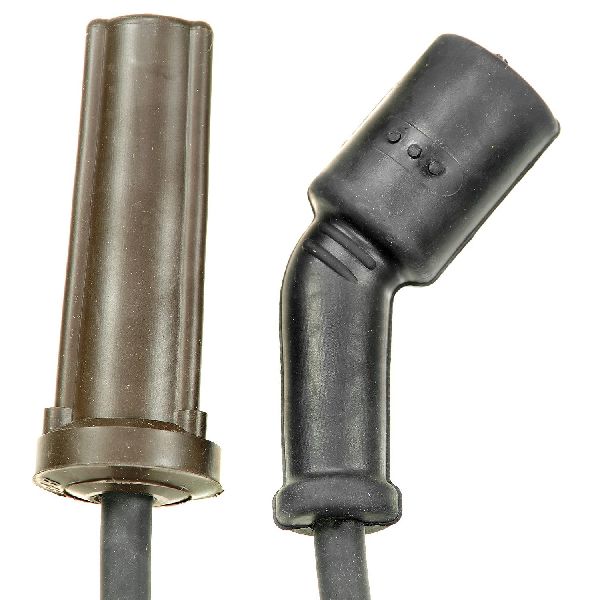
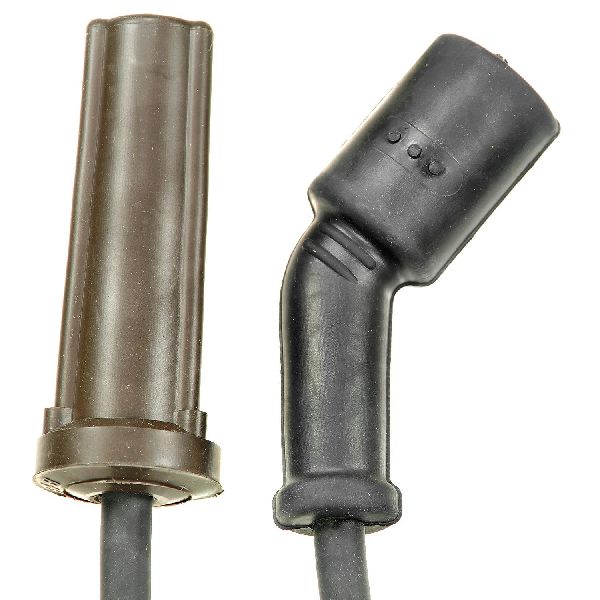
Est. part cost: $40-$90 - Bad Spark Plug Wire 🟡 Medium Probability → Shop Spark Plug A GM Technical Service Bulletin (PIP4819A) specifically calls out inspecting and replacing loose-fitting spark plug wires as a fix for misfire codes on 2010-2013 models. The wire terminals can lose tension over time.
How to confirm: Visually inspect the wire for damage or corrosion. Ensure it is securely connected with a 'click' at both the ignition coil and the spark plug. Test its resistance with a multimeter; a common spec for performance wires is around 40 ohms/ft.
Typical fix: Replace the spark plug wire. It is recommended to replace the full set of 8.
Est. part cost: $50-$120 for a set - Clogged or Faulty Fuel Injector ⚪ Low Probability → Shop Fuel Injector Injectors can become clogged with fuel deposits over time, disrupting the fuel spray pattern. Because cylinder 7 is at the end of the fuel rail, it can be more susceptible to accumulating debris. For L86 engines, TSB PIP5498M discusses injector issues.
How to confirm: Listen to the injector with a mechanic's stethoscope to ensure it's clicking. A more advanced test involves a fuel injector balance test or swapping it with another cylinder's injector.
Typical fix: Clean or replace the faulty fuel injector.
Est. part cost: $70-$150 for port injection (L94), $100-$200+ for direct injection (L86)
Rare But Worth Checking
- Failed Active Fuel Management (AFM) Lifter: → Shop Engine Valve Lifter A known significant issue on GM V8s. Cylinder 7 is an AFM cylinder. A collapsed or stuck lifter will cause a persistent misfire often accompanied by a distinct ticking noise. This is an internal engine problem and a costly repair, often running $2,200-$4,000 at a dealership. An ACDelco bulletin also details this issue for the 2015-2017 L86 engine, caused by a stuck or damaged lifter.
- Intake Valve Carbon Buildup (2015-2017 L86 Engine): Direct injection engines can suffer from carbon deposits on the intake valves, which restricts airflow and can cause misfires. This typically requires professional cleaning, such as walnut blasting, and is a known issue on the 4th generation Escalade.
- Low Engine Compression: Caused by more severe mechanical issues like a worn piston ring, a bent pushrod, a burnt valve, or a leaking head gasket. A compression test is required to diagnose this. A bent pushrod can be a consequence of a failed lifter.
- Bad Engine Ground: A corroded or loose engine ground strap can cause a variety of electrical issues, including unexplained misfires. The G104 ground on the driver's side cylinder head is a critical path. While less common, it's worth inspecting if other electrical symptoms are present.
Diagnosis Steps
- Read the code with an OBD-II scanner and check for any other stored codes. Note freeze-frame data to see when the misfire occurs.
- Swap the ignition coil from cylinder 7 with another cylinder (e.g., cylinder 5). Clear the codes and see if the misfire moves to P0305. If it does, the coil is bad.
- If the misfire stays, inspect the spark plug wire for cylinder 7 for any visible damage or loose connections, as per TSB #PIP4819A. Ensure it 'clicks' firmly onto the plug and coil.
- Remove and inspect the spark plug from cylinder 7. Look for wear, heavy carbon/oil fouling, or damage. Replace if necessary.
- If ignition components are good, listen to the fuel injector on cylinder 7 with a mechanic's stethoscope to confirm it is clicking (operating).
- Listen for a distinct ticking or tapping sound from the driver's side of the engine top end. This noise is a strong indicator of a failed AFM lifter.
- Perform a compression test on cylinder 7 to rule out internal mechanical problems. A low reading points towards issues like bad rings, valves, or a failed AFM lifter that is not allowing the valve to open.
- If a ticking noise is present and/or compression is low, the next step is to remove the driver's side valve cover to visually inspect the valve train for a bent pushrod or rocker arms that are not moving, confirming a collapsed lifter. 🎬 Watch: How to diagnose a collapsed AFM lifter on GM V8s
Parts You'll Likely Need
- Iridium Spark Plug
(OEM #ACDelco 41-110 (for L94) or 41-162 (for L86))— Spark plugs are the most common failure point. The L94 and L86 engines use different plugs. Some owners prefer the older 41-110 plug even in newer models, claiming better quality and resolution of idle misfires.
Trusted brands: ACDelco, NGK
OEM price range: $15-$25
Aftermarket price range: $10-$20 - Ignition Coil
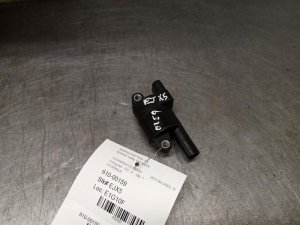
(OEM #12611424 (also known as D510C))— Ignition coils are the second most likely cause, failing from heat and age. This part number is common across many GM V8s of this era.
Trusted brands: ACDelco, Delphi
OEM price range: $60-$90
Aftermarket price range: $40-$70 - AFM Lifter Kit — If diagnosed with a failed lifter, a kit including all AFM and standard lifters, trays, head gaskets, and bolts is required. This is a major repair. It is also highly recommended to replace the Valve Lifter Oil Manifold (VLOM) at the same time.
Trusted brands: GM Genuine, Melling
OEM price range: $400-$700 (for parts kit)
Aftermarket price range: $250-$500
Related Codes That Often Appear With This One
- P0300 — This is a 'Random Misfire' code. It often appears alongside P0307 if the misfire is intermittent or beginning to affect other cylinders, which can happen as a failing lifter degrades.
- P0171 or P0174 — These 'System Too Lean' codes can appear if the misfire is caused by a vacuum leak, such as a faulty intake manifold gasket, which allows unmetered air into the engine.
- P050D — 'Cold Start Rough Idle' is often seen with misfire codes on these engines and is mentioned in GM TSBs. It can point toward a severe mechanical problem like a faulty injector or lifter.
Technical Service Bulletins (TSBs) & Recalls
- PIP4819A: Notes that the Malfunction Indicator Lamp may be on with engine misfire DTCs P0300-P0308. Technicians are instructed to inspect for and replace any loose-fitting spark plug wires.
- ACDelco Lifter Bulletin (Informal): A technical tip for 2015-2019 GM trucks/SUVs with 5.3L/6.2L engines details diagnosis for P0300 caused by a mechanically collapsed or stuck AFM lifter, a bent pushrod, or internal lifter damage.
Platform-Specific Known Issues
- A known and widespread issue with Active Fuel Management (AFM) lifters can cause them to collapse or get stuck, leading to a persistent misfire on an AFM cylinder (1, 4, 6, or 7). A P0307 is a classic symptom of this failure, which is a major mechanical repair.
- TSB #PIP4819A was issued for 2010-2013 models regarding misfires (P0300-P0308) caused by loose-fitting spark plug wires, which may need replacement to ensure a tight connection.
- The 2015-2017 models with the L86 direct-injection engine are prone to carbon buildup on intake valves, which can disrupt airflow and cause misfires that don't respond to ignition or fuel system repairs.
- An ACDelco technical bulletin for 2015-2019 models (including Escalade with L86) specifically addresses engine misfires (P0300) caused by mechanically collapsed/stuck AFM lifters or bent pushrods.
Mechanic-Grade Diagnostic Values
- Ignition Coil Primary Resistance — expected: 0.4 to 2.0 ohms. Failure: A reading outside this range indicates a faulty coil.
- Ignition Coil Secondary Resistance — expected: 6,000 to 10,000 ohms (8,220 ohms for some aftermarket). Failure: A reading outside this range suggests the coil is faulty.
- Fuel Pressure (2010-2014 L94 V8) — expected: 50-60 PSI (345-414 kPa) at idle. Failure: Pressure below 50 PSI can cause lean misfires.
- Fuel Pressure (2015-2017 L86 V8, Low Side) — expected: 50-75 PSI (345-517 kPa). Failure: Low readings can indicate a failing low-pressure pump or sensor.
- Fuel Pressure (2015-2017 L86 V8, High Side) — expected: 300-750 PSI (2-5 MPa) at idle. Failure: Low readings can indicate a failing high-pressure pump or sensor.
Scan Tool Commands That Help
- GDS2/Tech2: Cylinder Power Balance Test — To graphically display the contribution of each cylinder in real-time. A significant drop for cylinder 7 confirms the misfire location and can help determine if it's constant or intermittent without having to swap parts.
- GDS2/Tech2: Fuel Injector Balance Test — This command pressurizes the fuel system and then individually fires each injector for a set duration, measuring the pressure drop. It can definitively identify a clogged or weak injector on cylinder 7 when compared to others.
Wiring & Ground Locations
- G104 — On the rear of the driver's side (left) cylinder head. A ground strap often runs from here to the firewall (G108).. This is a primary engine ground. A poor connection here can cause erratic behavior in ignition and sensor systems, potentially leading to misfire codes. Cylinder 7 is on this side of the engine.
- G103 — On the front of the passenger side (right) cylinder head.. While on the opposite bank, ensuring all major engine grounds are clean and tight is a crucial step in diagnosing any electrical issue, including misfires that could be caused by floating grounds or voltage drops.
- Engine Harness Chafe (2015-2017 K2XX) — The main engine harness may rub against the corner of the left cylinder head, the ECM/TCM bracket, the driver-side upper control arm, or a shock tower bolt.. Chafing can short out various circuits within the harness, including those for ignition coils or fuel injectors. While it may not specifically target cylinder 7, it's a known issue on the platform that can cause difficult-to-diagnose electrical problems and misfires.
Real Owner Repair Stories
- 2carpros.com user (2002 Cadillac Escalade (similar engine architecture)) — P0307 code, rough running, poor MPG. Cylinder 7 spark plug was repeatedly found to be wet and fouled.
❌ Tried (didn't work) Replaced fuel pump (dealership misdiagnosis), Replaced all spark plugs and wires, Swapped ignition coil from cylinder 7 to 5 (misfire did not move), Checked injector wiring and resistance (ohm reading was normal)
✅ What actually fixed it The fuel injector for cylinder 7 was stuck open or clogged. The owner cleaned the injector with a fuel system cleaner (Gumout), which resolved the misfire. - YouTube video by Jabo The Mechanic (2016 Chevrolet Silverado 5.3L (similar engine architecture, L83 engine)) — Persistent P0307 misfire that could not be fixed with common tune-up parts.
❌ Tried (didn't work) Replaced spark plugs, Replaced spark plug wires, Replaced ignition coils
✅ What actually fixed it A collapsed AFM/DOD lifter on cylinder 7. The diagnosis was confirmed by removing the valve cover and observing that the rocker arms for cylinder 7 were not moving correctly while cranking the engine. The lifter had physically come apart.
OEM Part Supersession History
ACDelco 41-110 (Iridium)→ACDelco 41-162 (Iridium)— Vendor change from NGK (41-110) to Denso (41-162) and a slight design change. The 41-162 has a slightly longer threaded portion to better center the electrode in the combustion chamber.
Heads up: While 41-162 is the official replacement, many owners and mechanics report issues with the manufacturing quality of the 41-162 and have fixed persistent idle misfires by reverting to the older 41-110 plugs. Both will physically fit the L94 engine.Various older AFM lifter designs→GM 12645725 / 12680871 (and others)— The original AFM lifters had a high failure rate. Newer designs aim to improve durability and oiling.
Heads up: When replacing failed AFM lifters, it is highly recommended by GM to also replace the Valve Lifter Oil Manifold (VLOM) with the updated design (PN 12571609) to help prevent repeat failures due to oil pressure issues.
Model Year Variations Within This Range
- 2010-2014 (L94 Engine): Uses port fuel injection. Misfire causes are overwhelmingly ignition-related or AFM lifter failure. The fuel injectors are located in the intake manifold runners.
- 2015-2017 (L86 Engine): Uses direct injection (DI), which introduces a high-pressure fuel system and places injectors directly in the cylinder. This makes the engine susceptible to intake valve carbon buildup (since fuel no longer cleans the valves) and high-pressure fuel pump/injector failures as potential misfire causes.
Helpful Videos
Used OEM Parts in Stock
New Aftermarket Parts Available


The information in this article is provided for general reference and educational purposes only. Vehicle specifications, procedures, and part compatibility can vary by production date, trim level, and region. Always consult your vehicle's factory service manual and verify part numbers before purchasing or performing repairs. Safety-critical components such as airbags, seat belts, and braking systems should be installed by a qualified professional.
- Cadillac ESCALADE ESV:
- 🧭 Diagnostic Flowchart
- 🎬 Helpful Videos
- 🛍️ Shop This Part
- What's Unique About the 2010-2017 Cadillac ESCALADE ESV
- Symptoms You May Notice
- Most Likely Causes
- Rare But Worth Checking
- Diagnosis Steps
- Parts You'll Likely Need
- Related Codes That Often Appear With This One
- Technical Service Bulletins (TSBs) & Recalls
- Platform-Specific Known Issues
- Mechanic-Grade Diagnostic Values
- Scan Tool Commands That Help
- Wiring & Ground Locations
- Real Owner Repair Stories
- OEM Part Supersession History
- Model Year Variations Within This Range
- 🎟️ Get 5% Off