

P0307 on 2010-2012 Chevrolet Colorado 5.3L: Cylinder 7 Misfire Causes and Fixes
P0307 on a V8 Colorado indicates a misfire in cylinder 7. The most common causes are a faulty spark plug, a bad spark plug wire, or a failed ignition coil. A GM service bulletin specifically points to loose spark plug wires as a known issue. However, on this specific engine, a failed Active Fuel Management (AFM) lifter is also a significant and more serious potential cause.
- P0307 on a 2010-2012 Colorado is exclusive to the 5.3L V8 engine and indicates a misfire on cylinder 7.
- Always check the spark plug wire first, as a GM Technical Service Bulletin (PIP4819A) highlights this as a common problem.
- The easiest way to test the ignition coil is to swap it with one from a different cylinder and see if the misfire code follows.
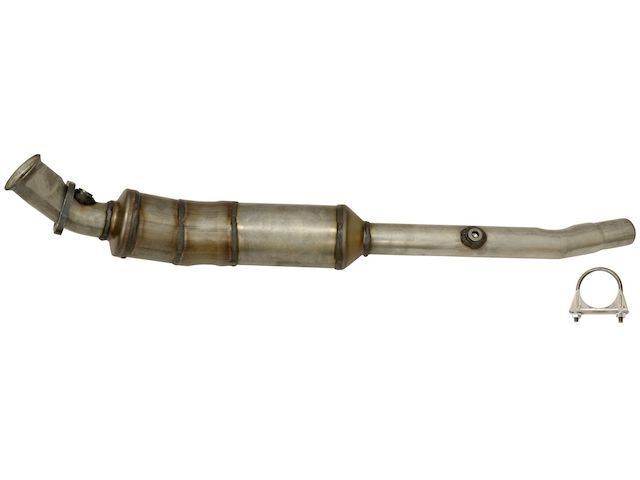
- If the check engine light is flashing, pull over and stop driving to prevent expensive damage to the catalytic converter.
- While less common, be aware that this code can also be a symptom of a failing AFM lifter, a known issue with this engine.
What's Unique About the 2010-2012 Chevrolet COLORADO
The first-generation Colorado was unique for offering a powerful 5.3L V8 in a mid-size truck frame. This engine uses a coil-near-plug ignition system, which has an individual ignition coil for each cylinder connected by a short spark plug wire. These spark plug wires are a known weak point, as highlighted by a General Motors Technical Service Bulletin (TSB) that cites loose wires as a direct cause for misfire codes on this platform. More critically, the 5.3L V8 (LMG or LH9) in this truck features Active Fuel Management (AFM), which deactivates cylinders 1, 4, 6, and 7 under light loads to save fuel. The specialized lifters for these AFM cylinders are a notorious failure point, making a P0307 code a potential indicator of serious internal engine trouble.
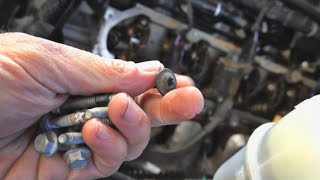
🎬 Watch: How to diagnose a P0307 misfire caused by AFM lifters.Diagnostic Flowchart
Tap your situation to follow the diagnostic path that matches what you're seeing on this vehicle.
Symptoms You May Notice
- Flashing or solid Check Engine Light
- Rough or shaky idle
- Engine hesitation or stumbling during acceleration
- Noticeable loss of power
- Reduced fuel economy
- Smell of unburned gasoline from the exhaust
- A distinct ticking or tapping sound from the engine, especially on a cold start, which may indicate a lifter issue.
- "Service StabiliTrak" message appearing on the dashboard along with the Check Engine Light.
- Replacing oxygen sensors before diagnosing the ignition or fuel system.
- Replacing the catalytic converter when it has been damaged by a persistent misfire, without fixing the root cause of the misfire first.
- Confusing the ticking sound of a failed lifter with a less serious exhaust manifold leak. An exhaust leak typically presents as a 'puffing' sound that may quiet down as the engine warms up, while a lifter tick is a more distinct metallic 'tick' that follows engine RPM.
Most Likely Causes
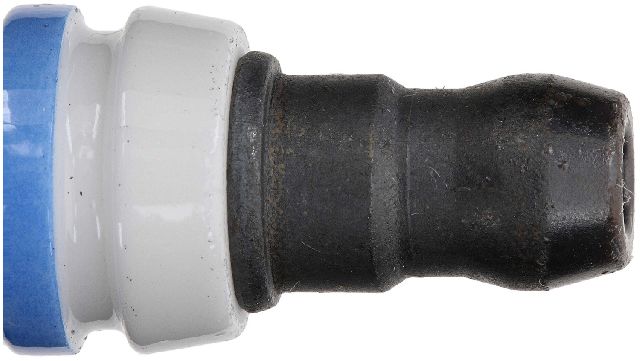
- Bad Spark Plug Wire 🔴 High Probability → Shop Spark Plug A manufacturer TSB (PIP4819A) specifically identifies loose or faulty spark plug wires as a common cause for misfires on this engine. The boots can fail to seat properly or degrade over time.
How to confirm: Visually inspect the wire for cylinder 7 (rearmost on the driver's side) for damage, corrosion, or a loose connection at the coil and spark plug. Ensure it 'clicks' firmly into place. A user on a Hummer forum with the same engine noted a plug wire that wouldn't stay fully seated was the cause of their misfire.
Typical fix: Replace the spark plug wire. It is often recommended to replace all 8 wires as a set with a quality brand like ACDelco.
Est. part cost: $50-$80 - Worn or Fouled Spark Plug 🔴 High Probability → Shop Spark Plug
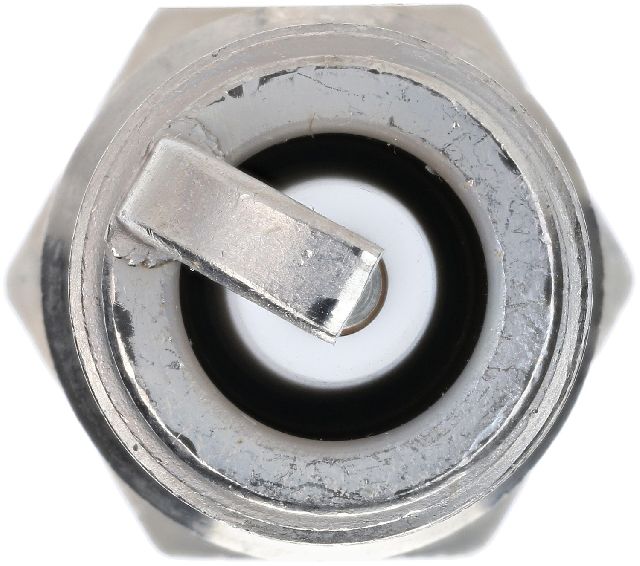
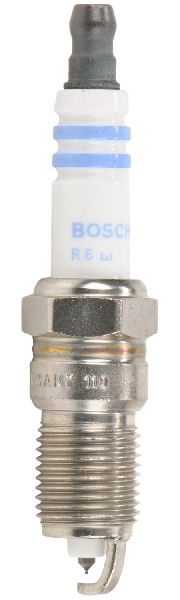
How to confirm: Remove the spark plug from cylinder 7 and inspect it for wear (worn electrode), carbon fouling (black and sooty), oil fouling (wet and black), or damage. The normal service life for the original ACDelco iridium plugs is around 100,000 miles.
Typical fix: Replace the spark plug. It is best practice to replace all 8 spark plugs at the same time to maintain consistent performance.
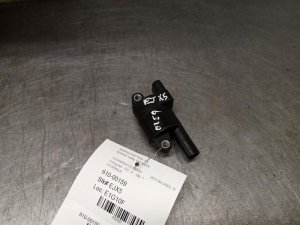
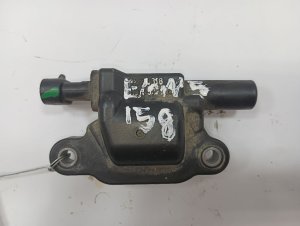
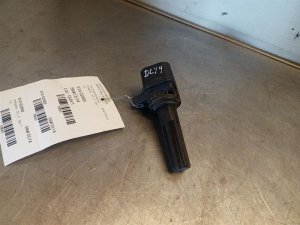
Est. part cost: $8-$15 per plug - Failed Ignition Coil 🟡 Medium Probability → Shop Ignition Coil
How to confirm: Swap the ignition coil from cylinder 7 with another cylinder (e.g., cylinder 5, which is next to it on the same bank). Clear the codes and drive the vehicle. If the code changes to P0305, the ignition coil is faulty.
Typical fix: Replace the failed ignition coil. It's a simple unbolt-and-unplug replacement.
Est. part cost: $30-$70 - Clogged or Faulty Fuel Injector ⚪ Low Probability → Shop Fuel Injector A forum user on ChevroletForum.com suggests that because the fuel rail sits at a slight angle, debris or water from contaminated fuel can accumulate at the rear of the rail over time, potentially clogging the injector for cylinder 7.
How to confirm: Listen to the injector with a mechanic's stethoscope for a consistent clicking sound. A more advanced test involves swapping the injector with another cylinder to see if the misfire code follows, though this is more labor-intensive.
Typical fix: Replace the fuel injector. It may be beneficial to have the fuel rail flushed and cleaned at the same time.
Est. part cost: $50-$100
Rare But Worth Checking
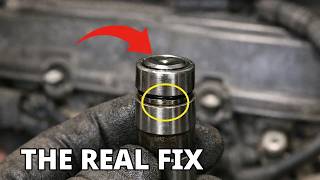
- Active Fuel Management (AFM) Lifter Failure: → Shop Engine Valve Lifter The 5.3L V8 is notorious for AFM lifter issues, which can cause misfires. Cylinder 7 is one of the four cylinders equipped with a deactivating AFM lifter. A failed lifter can get stuck in a collapsed position, causing a persistent misfire and a distinct ticking noise. Diagnosis involves removing the valve cover to observe rocker arm movement; a failed lifter will show little to no movement. This is a major mechanical repair often costing between $1,200 and $4,500.
- Intake Manifold Gasket Leak: → Shop Engine Intake Manifold A vacuum leak near the intake port for cylinder 7 can lean out the air/fuel mixture and cause a misfire. This is best diagnosed with a smoke test to pinpoint the source of the leak.
- Low Engine Compression: Internal mechanical problems like a worn camshaft lobe (often damaged as a result of a failed lifter), a broken valve spring, or bad piston rings can cause a loss of compression, leading to a persistent misfire. A compression test is needed to diagnose this.
- Corroded ECM Ground: GM issued a TSB (#06-06-04-046) for various V8 engines, noting that a corroded main engine wiring harness ground terminal (G103) on the right cylinder head can cause random misfire codes. While less specific to P0307 alone, it's a known electrical issue on the platform.
Diagnosis Steps
- Read the code with an OBD-II scanner and confirm P0307 is present. Note any other codes, like P0300.
- Check the spark plug wire for cylinder 7 (rearmost on the driver's side). Ensure it is securely connected at both the ignition coil and the spark plug. Inspect for any signs of damage or arcing. This is the cause cited in TSB PIP4819A.
- If the wire is secure, swap the ignition coil from cylinder 7 with an adjacent coil (like cylinder 5). Clear the codes, run the engine, and see if the misfire code moves to P0305. If it does, the coil is bad.
- If the misfire remains on cylinder 7, remove and inspect the spark plug. Look for excessive wear, fouling, or damage. Replace if it's in poor condition or near the end of its service life (100,000 miles).
- Listen for a distinct, rhythmic ticking sound from the driver's side valve cover area. If a tick is present and gets faster with engine RPM, suspect an AFM lifter failure.
- If ignition components are good, check the fuel injector. Listen for a steady clicking sound. For a more definitive test, you can swap the injector with another cylinder, but this is more labor-intensive.
- Check for vacuum leaks around the intake manifold near cylinder 7 using a smoke machine or by carefully spraying brake cleaner (engine RPM will change if there's a leak).
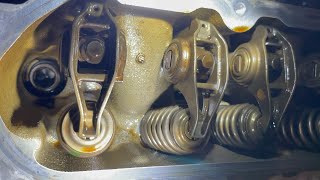
- If an AFM lifter is suspected, remove the driver's side valve cover and run the engine to visually inspect the rocker arm movement for cylinder 7. If one rocker arm is not moving or moving significantly less than the others, the lifter has likely collapsed. 🎬 Watch: A mechanic's guide to diagnosing AFM lifter noise and failure.
- If all else fails, perform an engine compression test on cylinder 7 to rule out internal mechanical problems like bad lifters, worn cam lobes, or piston ring issues.
Parts You'll Likely Need
- Spark Plug Wire Set
(OEM #9748UU)— Cited in a TSB as a primary cause for misfires on this engine. Wires can degrade over time or become loose.
Trusted brands: ACDelco
OEM price range: $60-$80
Aftermarket price range: $40-$60 - Ignition Coil
(OEM #12611424)— A very common failure item on modern engines that leads directly to a single-cylinder misfire.
Trusted brands: ACDelco, Delphi, DENSO
OEM price range: $50-$70
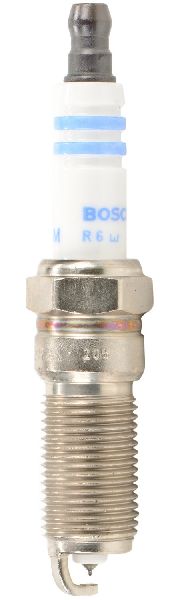
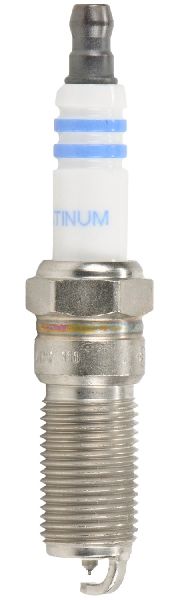
Aftermarket price range: $30-$50 - Iridium Spark Plug
(OEM #41-110)— Spark plugs are a standard maintenance item and a primary cause of misfires as their electrodes wear down. Note: This part number may be superseded by 41-162, but both are generally considered compatible.
Trusted brands: ACDelco, NGK, Denso
OEM price range: $10-$15
Aftermarket price range: $8-$12 - AFM Lifter Kit — If the cause is a collapsed AFM lifter, all AFM lifters (and often the camshaft) should be replaced. Many owners opt for an 'AFM delete kit' to prevent future failures.
Trusted brands: ACDelco, Texas Speed & Performance, Melling
OEM price range: $300-$500
Aftermarket price range: $200-$400
Related Codes That Often Appear With This One
- P0300 — If the misfire is intermittent or if other cylinders are also misfiring, a P0300 (Random/Multiple Cylinder Misfire) code may be stored alongside P0307. This is common with AFM lifter issues or fuel delivery problems.
- P0357 — This code indicates a fault specifically in the ignition coil primary or secondary circuit for cylinder 7. If P0357 is present with P0307, the problem is almost certainly the ignition coil, its wiring, or the connection to the ECM, narrowing the diagnosis significantly.
Technical Service Bulletins (TSBs) & Recalls
- PIP4819A: States that engine misfires (P0300-P0308) can be caused by loose spark plug wires, and the fix is to inspect and replace them as needed.
- 06-06-04-046: Notes that misfire codes can be caused by a corroded ECM ground terminal (G103) on the right side cylinder head.
Platform-Specific Known Issues
- A known issue documented in TSB #PIP4819A involves loose spark plug wires causing misfire codes, including P0307. Technicians are advised to inspect and replace any loose wires.
- The 5.3L V8 engine is equipped with an Active Fuel Management (AFM) system, and cylinder 7 is an AFM cylinder. Failure of the specialized AFM lifter for this cylinder is a very common and well-documented problem that can cause a P0307 code, often accompanied by a persistent engine ticking sound.
Mechanic-Grade Diagnostic Values
- Fuel Pressure (Key On, Engine Off) — expected: 55-62 PSI. Failure: Pressure below this range can cause lean misfires, though it would likely affect multiple cylinders.
- Fuel Pressure (Engine Idling) — expected: ~43.5 PSI. Failure: Pressure is regulated by the FPCM and should hold steady at idle. Deviations could indicate a pump or module issue.
- Ignition Coil Secondary Resistance — expected: 2,000 - 7,200 Ohms (2.0k - 7.2k Ω). Failure: A reading significantly outside this range, or an open circuit (infinite resistance), indicates a faulty coil winding.
- Fuel Injector Resistance (for LH9 engine) — expected: ~12.5 Ohms. Failure: A reading significantly higher or lower suggests a failing electrical coil within the injector.
- Spark Plug Gap — expected: 1.0 - 1.1 mm (0.039 - 0.043 in). Failure: An incorrect gap can lead to a weak or inconsistent spark.
Hidden / Shadow Codes Worth Checking
- Mode $06, TID $A6: This is the Test ID within OBD-II Mode $06 that typically corresponds to the misfire counter for cylinder 7 on GM V8 engines. A high count, even without a pending P0307 code, can indicate an intermittent issue. (see via A professional scan tool capable of displaying Mode $06 data. The specific TID may vary, so check against manufacturer data if possible.)
Scan Tool Commands That Help
- Visual Inspection (enabled by scan tool data): Observe Valve/Rocker Arm Movement — When an AFM lifter failure is suspected (e.g., ticking noise is present). After removing the valve cover, start the engine briefly and watch the rocker arms for cylinder 7. If one or both are not moving, the lifter has failed or is not being activated by the VLOM. This is a definitive confirmation of a mechanical valvetrain issue.
Wiring & Ground Locations
- G103 — Lower left (driver's) side of the engine block. It is part of the main negative battery cable harness.. This is a primary engine-to-chassis ground. A TSB for GM V8s notes that corrosion at this point can cause intermittent misfires and other electrical issues. The ignition coils for all 8 cylinders are referenced to this ground path.
- G101 / G102 / G104 — All located on the lower left side of the engine block, near G103.. These grounds serve various engine components, including the Engine Control Module (ECM). Poor connections at any of these points can lead to erratic sensor readings and misfire detection faults.
- Cylinder 7 Injector/Coil Harness — The wiring for cylinder 7 runs to the rearmost driver's side of the engine. The injector connector is under the fuel rail and the coil connector is on the valve cover.. Wiring can become brittle from heat cycling. Inspect the harness for chafing against the firewall or other components, and check for cracked or damaged connectors.
Real Owner Repair Stories
- LS1TECH forum user (5.3L LC9 V8 (similar to Colorado's LMG/LH9)) — P0307 misfire code. Found a collapsed lifter on cylinder 7.
❌ Tried (didn't work) Replaced all 8 AFM lifters.
✅ What actually fixed it The misfire on cylinder 7 persisted. After running the engine with the valve cover off, it was observed the rockers for #7 still weren't moving. The likely cause was identified as a blocked oil passage in the VLOM (Valley Lifter Oil Manifold), preventing oil pressure from reaching and activating the new lifter. - Reddit user /r/Justrolledintotheshop (2008 Silverado 5.3L) — P0307 code, audible valvetrain noise.
❌ Tried (didn't work) Initial diagnosis pointed towards common ignition parts.
✅ What actually fixed it Confirmed AFM lifter failure. The final recommended fix was to install an AFM delete kit to permanently prevent the issue from recurring, which involves replacing the AFM lifters, camshaft, and other related components. - YouTube channel 'TheLateModelTech' (2016 Chevrolet 5.3L V8) — Persistent P0307 misfire on cylinder 7.
❌ Tried (didn't work) Spark plugs, Spark plug wires, Ignition coil
✅ What actually fixed it The mechanic diagnosed a collapsed AFM lifter that had physically come apart. The diagnosis was confirmed by removing the valve cover and running the engine, visually confirming the rear rocker arms were not moving. The fix is to replace the failed lifter.
"I Checked Everything" — The Actual Cause
- A common scenario for P0307 on this engine is a failed AFM lifter. In this case, a smoke test for vacuum leaks would come back clean, and compression tests might even read normal if the valve is stuck closed. The true cause is mechanical (the valve is not opening) rather than an air/fuel mixture or spark issue, which is why basic diagnostics can be misleading. The definitive test is often a visual inspection of the valvetrain with the valve cover removed.
OEM Part Supersession History
ACDelco 41-110→ACDelco 41-162— Supplier change (e.g., from NGK to Denso) and a slight design modification.
Heads up: Both plugs are generally compatible. However, there are physical differences; the 41-162 has a slightly different overall length and may position the electrode differently in the combustion chamber. Some owners report better performance and perceived quality with the original 41-110 plugs, while others report the 41-162s work fine. One user reported premature wear on 41-162 plugs after 50,000 miles.Ignition Coil 12570616 (ACDelco D510C)→12611424— Standard part revision and consolidation.
Model Year Variations Within This Range
- 2010-2012: The 2010-2012 models use the 5.3L LH9 engine, which is Flex Fuel (E85) compatible. This differs from the 2009 model's non-flex-fuel LH8 engine. The LH9 uses different fuel injectors (PN 12613412) and has a different PCM calibration. Using incorrect injectors can cause performance issues.
- 2010-2012: The compression ratio for the 5.3L LMG/LH9 engine was 9.6:1 for the 2010-2014 model years, a change from the 9.9:1 ratio used in 2007-2009.
Helpful Videos
Used OEM Parts in Stock
New Aftermarket Parts Available

The information in this article is provided for general reference and educational purposes only. Vehicle specifications, procedures, and part compatibility can vary by production date, trim level, and region. Always consult your vehicle's factory service manual and verify part numbers before purchasing or performing repairs. Safety-critical components such as airbags, seat belts, and braking systems should be installed by a qualified professional.
- Chevrolet COLORADO:
- 🧭 Diagnostic Flowchart
- 🎬 Helpful Videos
- 🛍️ Shop This Part
- What's Unique About the 2010-2012 Chevrolet COLORADO
- Symptoms You May Notice
- Most Likely Causes
- Rare But Worth Checking
- Diagnosis Steps
- Parts You'll Likely Need
- Related Codes That Often Appear With This One
- Technical Service Bulletins (TSBs) & Recalls
- Platform-Specific Known Issues
- Mechanic-Grade Diagnostic Values
- Hidden / Shadow Codes Worth Checking
- Scan Tool Commands That Help
- Wiring & Ground Locations
- Real Owner Repair Stories
- "I Checked Everything" — The Actual Cause
- OEM Part Supersession History
- Model Year Variations Within This Range
- 🎟️ Get 5% Off