

P0307 on 2000-2011 Ford Crown Victoria: Cylinder 7 Misfire Causes and Fixes
On a 2000-2011 Crown Victoria, P0307 almost always means a bad ignition coil on cylinder 7. A simple 'swap test' can confirm it. An OEM Motorcraft coil costs about $50-$90 and is a very common DIY fix with a difficulty of 2/5. Check for coolant in the spark plug well, especially on 2000-2001 models, as a cracked intake manifold is the second most likely culprit.
- P0307 on a Crown Victoria is most likely a bad ignition coil on cylinder 7.
- Use the 'swap test' to confirm if the coil or spark plug is the problem before buying parts.
- If you find coolant in the spark plug well, you likely have a cracked intake manifold (on 2000-2001 models) or a bad gasket.
- Always use high-quality replacement parts, especially Motorcraft ignition coils, to avoid repeat failures.
- If the Check Engine Light is flashing, stop driving to prevent catalytic converter damage.
What's Unique About the 2000-2011 Ford Crown Victoria
The 4.6L 2V V8 engine in the Panther Platform (Crown Victoria, Grand Marquis, Town Car) is known for its durability, but has two very common weak points that lead to misfires. The Coil-on-Plug (COP) ignition coils are a frequent failure item due to age and heat exposure in the deep spark plug wells. Additionally, models from 1996-2001 use an all-plastic intake manifold that is prone to cracking near the coolant crossover, which can leak coolant directly into the spark plug wells (especially #7) and cause misfires. This defect was so widespread it led to a class-action lawsuit against Ford.
Generation note: The 2000-2011 year range covers the second generation of the Crown Victoria (1998-2012). A key difference is that models from 2000-2001 were equipped with an all-plastic intake manifold prone to cracking at the front coolant crossover. Around 2002, Ford updated the design to include a more durable aluminum coolant crossover, though the gaskets on these can still fail and cause similar leaks.
Symptoms You May Notice
- Rough or shaking idle
- Engine hesitation or stumbling during acceleration
- Noticeable loss of power, especially under load
- Flashing Check Engine Light (if the misfire is severe)
- Reduced fuel economy
- Smell of gasoline from the exhaust
- Audible 'popping' sound from the exhaust at idle
- Replacing the fuel pump when only a single cylinder is misfiring.
- Replacing the mass airflow sensor for a single-cylinder misfire.
- Assuming a vacuum leak is the cause when the actual issue is a coolant leak from the intake manifold into the spark plug well.
Most Likely Causes
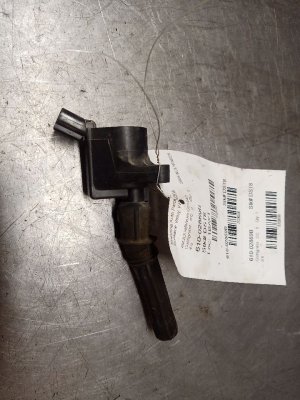
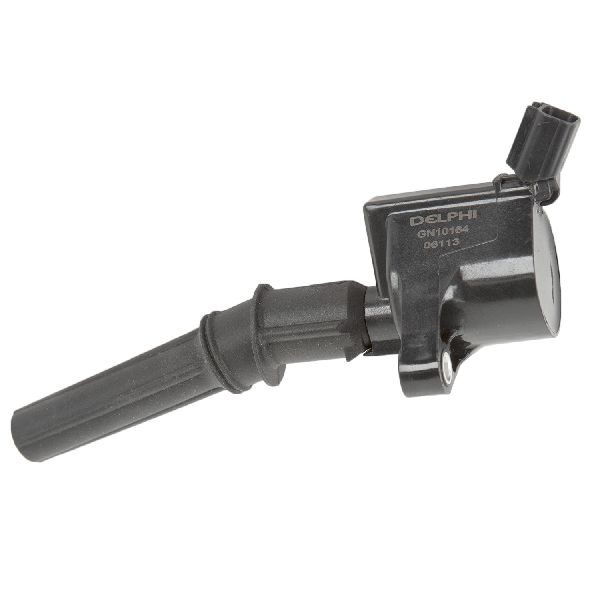
- Faulty Ignition Coil (Coil-on-Plug) 🔴 High Probability → Shop Ignition Coil The Coil-on-Plug design is a known high-failure item on the 4.6L 2V engine due to heat cycles and age. Owner forums strongly recommend using OEM Motorcraft coils for reliability, as aftermarket coils have a reputation for premature failure.
How to confirm: Swap the ignition coil from cylinder 7 with another cylinder (e.g., cylinder 5, the front-most on the same bank). Clear the codes. If the code returns as P0305, the coil is bad. This is the definitive diagnostic first step.
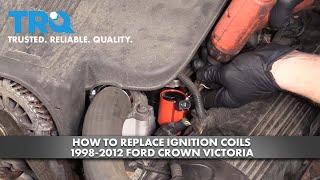
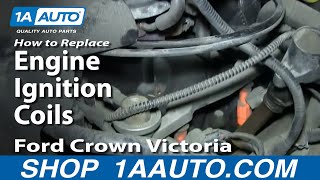
Typical fix: Replace the faulty ignition coil. It is held on by a single 7mm or 8mm bolt. 🎬 Watch: Step-by-step guide to replacing your ignition coils. Applying a small amount of dielectric grease to the inside of the new coil boot is recommended.
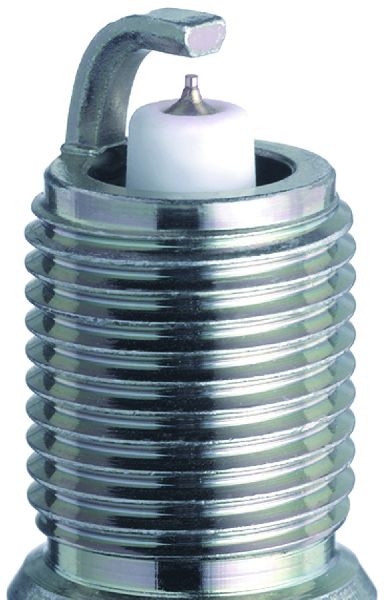
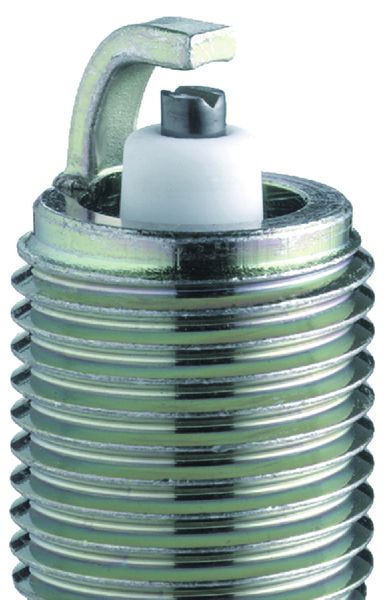
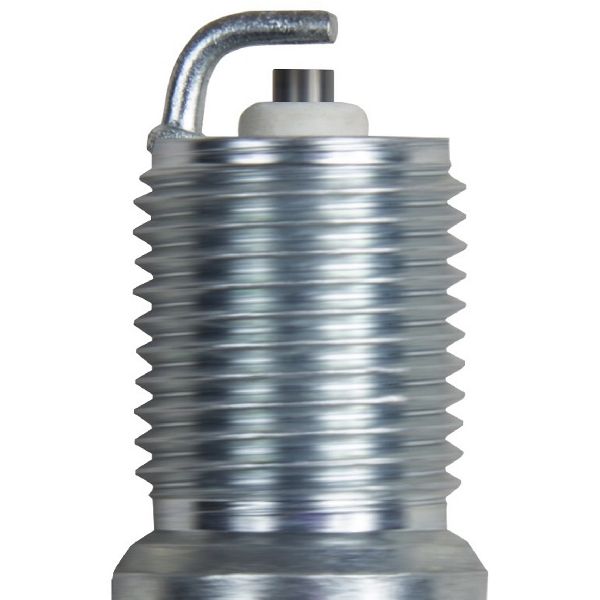
Est. part cost: $25-$90 - Worn or Fouled Spark Plug 🟡 Medium Probability → Shop Spark Plug Spark plugs are a standard maintenance item. If they are old or contaminated with oil or coolant, they cannot produce a strong enough spark. A plug that appears 'steam cleaned' is a strong indicator of a coolant leak.
How to confirm: After ruling out the coil, swap the spark plug from cylinder 7 to another cylinder. If the misfire code follows the plug, the plug is the issue. Visually inspect the plug for wear, carbon fouling, or oil/coolant contamination.
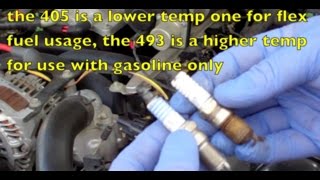
Typical fix: Replace the spark plug. It's often recommended to replace all 8 if they are near the end of their 100,000-mile service life. Torque new plugs to 11-14 ft-lbs in the aluminum heads to avoid stripping the threads. 🎬 See how to properly change spark plugs on the 4.6L engine.
Est. part cost: $5-$15 per plug - Leaking Intake Manifold Gasket or Cracked Manifold 🟡 Medium Probability → Shop Engine Intake Manifold Models from 2000-2001 have an all-plastic manifold that can crack and leak coolant. All years can suffer from gasket failure. This often leaks coolant into the cylinder 7 spark plug well, shorting the coil and causing the misfire.
How to confirm: Inspect the spark plug well for cylinder 7. If you find coolant (a green or yellow fluid), the intake manifold or its gasket is leaking. A coolant pressure test can confirm the leak. This issue is often accompanied by code P0316 (Misfire on Startup).
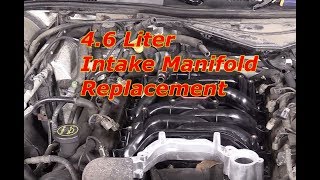
Typical fix: Replace the entire intake manifold assembly. The updated Ford Performance PI intake or a Dorman replacement is recommended for older models. The Dorman part is known to be slightly more restrictive and may cause a minor loss of horsepower compared to OEM. 🎬 Watch this walkthrough for replacing a leaking intake manifold.
Est. part cost: $150-$300 for an aftermarket assembly - Leaking Valve Cover Gasket ⚪ Low Probability Gaskets become brittle with age and can allow engine oil to seep into the spark plug wells, fouling the spark plug and boot.
How to confirm: When you remove the ignition coil for cylinder 7, check for engine oil pooled in the bottom of the well.
Typical fix: Replace the valve cover gasket and the spark plug tube seals (grommets). Fel-Pro is a commonly recommended aftermarket brand.
Est. part cost: $30-$60 for a gasket set - Faulty Fuel Injector ⚪ Low Probability → Shop Fuel Injector
How to confirm: Listen to the injector with a mechanic's stethoscope or a long screwdriver; you should hear a consistent clicking sound. You can also check the injector's resistance with a multimeter (should be 11-18 ohms). Swapping the injector with another cylinder is also possible, but more labor-intensive than a coil swap.
Typical fix: Replace the faulty fuel injector.
Est. part cost: $40-$100
Rare But Worth Checking
- Low Engine Compression: This indicates a more serious internal engine problem like a burnt valve, worn piston rings, or a failed head gasket. A compression test should be performed only after all ignition and fuel-related causes have been ruled out.
- Damaged Coil Connector or Wiring: The plastic connector for the ignition coil can become brittle and break, or the wiring can get damaged from heat and age, leading to a poor connection. Check for chafing or broken locking tabs.
Diagnosis Steps
- Scan the vehicle for any other stored trouble codes. Note if P0316 is present.
- Visually inspect the area around cylinder 7 (driver's side, third from front) for obvious issues like a loose connector, damaged wiring, or fluid leaks from the valve cover or intake manifold.
- Perform an ignition coil 'swap test'. Unbolt the coil from cylinder 7 (7mm or 8mm socket) and swap it with the coil from cylinder 5 (front-most on the same bank). Clear the codes and run the engine. If the code changes to P0305, the ignition coil is faulty.
- If the code remains P0307, remove the coil and use a flashlight to inspect the spark plug well for any signs of oil (from a valve cover gasket leak) or coolant (from an intake manifold leak). Coolant is the more common and problematic finding.
- Perform a spark plug 'swap test'. Move the spark plug from cylinder 7 to cylinder 5. If the code changes to P0305, the spark plug is faulty. Inspect the old plug's condition; a very clean or white appearance can indicate a coolant leak is 'steam cleaning' it.
- If ignition components are good and the well is dry, check the fuel injector. Listen for a steady clicking with a stethoscope. Check the wiring and connector for damage.
- If all else fails, perform a compression test on cylinder 7 to rule out mechanical engine problems like a bad valve or piston rings.
Parts You'll Likely Need
- Ignition Coil (Coil-on-Plug)
(OEM #3W7Z-12029-AA)— This is the most frequent cause of P0307 on the 4.6L 2V engine.
Trusted brands: Motorcraft (DG-508), Denso, NGK
OEM price range: $50-$90
Aftermarket price range: $25-$60 - Spark Plug
(OEM #Motorcraft SP-493)— A common maintenance item that is the second most likely cause of a single-cylinder misfire.
Trusted brands: Motorcraft, NGK (TR55 / 3951), Autolite (APP104)
OEM price range: $8-$15
Aftermarket price range: $5-$10 - Intake Manifold Assembly
(OEM #Ford Performance PI Intake (M-9424-P46))— Required if the original plastic manifold has cracked (common on 2000-2001 models) or if the gaskets have failed, causing a coolant leak into the spark plug well.
Trusted brands: Dorman (615-178 for 1999-2000, 615-175 for 2001-11), Ford Performance
OEM price range: $400-$600
Aftermarket price range: $150-$300 - Ignition Coil Boot and Spring — A cost-eff
Related Codes That Often Appear With This One
- P0316 — Misfire Detected on Startup (First 1000 Revolutions). This code is very common with P0307 if coolant or oil has leaked into the spark plug well, causing an immediate misfire when the engine is started cold.
- P0300 — Random/Multiple Cylinder Misfire. If you see this with P0307, it may point to a larger issue like a significant vacuum leak from the intake manifold affecting multiple cylinders, or low fuel pressure.
- P0305 — Cylinder 5 Misfire Detected. This code will appear if you perform a 'swap test' and move a faulty component from cylinder 7 to cylinder 5.
Technical Service Bulletins (TSBs) & Recalls
- 02-2-2: Addresses coolant seepage from a cracked intake manifold crossover on 1996-2001 Crown Victoria models with the 4.6L 2V engine.
- 07-21-2: Details the spark plug thread repair procedure for 4.6L 2V engines, though this is not a direct cause of P0307, it's a related platform issue.
- TSB 22-2464: Notes that some Ford vehicles may exhibit an illuminated MIL with DTC P0307 due to various strategies within the PCM software.
- TSB 21-2158: Describes a hesitation or lack of power condition with an illuminated MIL and code P0307 stored in the powertrain control module.
- TSB18-2058: Mentions that an illuminated MIL with DTCs P0316 and P0307 may be stored in the PCM even if the vehicle exhibits no drivability concerns.
- Bulletin #16-0039: States that some Ford engines may exhibit an illuminated MIL with DTC P0307 present in the PCM memory with no other drivability symptoms.
Platform-Specific Known Issues
- Cracked Plastic Intake Manifold (2000-2001): These model years used an all-composite intake manifold that is known to crack at the front coolant crossover passage, leading to coolant leaks that can cause misfires, particularly in the front cylinders. Ford issued TSB 02-2-2 regarding this issue.
- Ignition Coil Reliability: Owners across multiple forums strongly recommend using OEM Motorcraft DG-508 ignition coils, as many cheaper aftermarket coils have a high failure rate on this platform.
Mechanic-Grade Diagnostic Values
- Ignition Coil Primary Resistance — expected: 0.5 - 0.6 ohms. Failure: A reading outside this range indicates a faulty coil. However, this test often fails to identify internal shorts that only occur under load.
- Ignition Coil Secondary Resistance — expected: 5,400 - 5,600 ohms (5.4kΩ - 5.6kΩ). Failure: A reading significantly outside this range suggests the coil's secondary winding is compromised. Note that some sources cite a wider acceptable range of 6.5kΩ-11.5kΩ for similar Ford coil packs.
- Fuel Injector Resistance — expected: 11 - 18 ohms. Failure: A reading outside this range indicates a faulty injector coil.
- Fuel Pressure (Key On, Engine Off) — expected: 35-45 PSI. Failure: Low pressure could indicate a weak fuel pump, but is unlikely to cause a single-cylinder misfire unless the injector on that cylinder is particularly sensitive or clogged.
- Mode $06, Test ID $53, Component ID $07 — expected: Misfire count for Cylinder 7 should be at or near 0 on a healthy engine.. Failure: A high or rapidly increasing count confirms the PCM is detecting misfire events on cylinder 7, even if the Check Engine Light is not currently flashing.
Scan Tool Commands That Help
- Ford IDS (Integrated Diagnostic System): Power Balance Test — This is the most effective scan tool test for a P0307. The tool graphically displays the power contribution of each cylinder in real-time. A technician can watch cylinder 7 drop out, confirming the misfire. The test then allows the technician to disable the fuel injector to cylinder 7. If the engine RPM and smoothness do not change, it confirms cylinder 7 was not contributing, pinpointing the misfire without any guesswork.
Wiring & Ground Locations
- G101 — On the rear of the left (driver's side) front fender apron in the engine compartment.. This is a primary chassis ground. A poor connection here can cause a host of electrical issues, including weak spark or erratic sensor readings that could contribute to a misfire.
- G104 — Located on the left rear of the engine compartment, often a strap from the firewall/cowl area to the engine block or transmission.. This is a critical ground path for the engine block and its associated sensors and actuators, including the ignition coils. A loose or corroded G104 is a known cause of intermittent and hard-to-diagnose misfires.
- G106 — At the center rear of the engine, typically on the intake manifold or near the firewall.. Provides a ground point for components located at the top/rear of the engine. Verifying it is clean and tight is good practice when diagnosing any engine management code.
- Cylinder 7 Coil Connector — On the driver's side of the engine, third coil back from the front. The connector has two pins.. The Dark Green/Light Green (DG/LG) wire is the signal wire from the PCM (Pin 77 on many PCMs). The Red/Light Green (RD/LG) wire is the 12V+ power feed, which is shared among other coils. A break in the DG/LG wire or a damaged connector will kill spark to only cylinder 7.
Real Owner Repair Stories
- crownvic.net forum user (2001 Ford Crown Victoria P71) — P0307, rough idle, and hesitation. The misfire was persistent.
❌ Tried (didn't work) Replaced ignition coil on cylinder 7, Replaced spark plug on cylinder 7, Swapped fuel injector from cylinder 7 to another cylinder (misfire did not move), Checked for coolant/oil in the spark plug well (it was dry)
✅ What actually fixed it A compression test revealed low compression on cylinder 7. Teardown of the cylinder head showed a burnt exhaust valve. Replacing the valve and lapping the valve seat resolved the P0307 code. - NHTSA ODI #11267686 — An owner reported an engine clattering, missing, stalling, and backfiring with code P0307. The failure was diagnosed as a broken #7 intake valve spring which caused the valve to drop and hit the piston, requiring a full engine replacement.
OEM Part Supersession History
F7TZ-12029-AB, F7TZ-12029-BA, F7TZ-12029-CA, F7TZ-12029-CC→3W7Z-12029-AA (also known as Motorcraft DG-508)— Part number consolidation and minor internal revisions over the years for improved reliability and manufacturing efficiency.
Heads up: The DG-508 coil is correct for the 4.6L 2V engine. Do not use the DG-511, which is for the 3V engines and has a different boot shape and bolt-hole orientation.
Model Year Variations Within This Range
- 2000-2001: These years used the all-plastic intake manifold, making them highly susceptible to cracking at the coolant crossover and leaking into the spark plug wells.
- 2003: The 2003 model year received a major chassis and suspension overhaul, including a new hydroformed frame and rack-and-pinion steering. While this doesn't directly affect the P0307 cause, it's a significant change in the platform's history.
- 2005+: Starting in 2005, the Crown Victoria switched to a Drive-By-Wire (DBW) electronic throttle control system. This adds a layer of electronic complexity but is generally not a direct cause of a single-cylinder misfire like P0307.
- 2007+: The 4.6L V8 engine became E85 FlexFuel compatible. This involves different fuel injector calibrations but the base diagnosis for a misfire remains the same.
Diagnostic Flowchart
Other Known Issues on This Vehicle
Issues unrelated to this code that are worth knowing about as an owner of this generation:
- Cracked Plastic Intake Manifold 🔴 High → Shop Engine Intake Manifold — Extremely common on 1996-2001 models with the all-plastic manifold. Less common but still possible on 2002+ models with the aluminum crossover, usually due to gasket failure. (Ref: While no official recall, this was the subject of a class-action lawsuit (Settlement ID: 2005-02).)
- Lighting Control Module (LCM) Failure 🟠 Medium — Very common across all years. Typically manifests as intermittent or total loss of headlights and/or turn signals. Often caused by a failed relay on the internal circuit board.
- Blend Door Actuator Failure 🟡 Low — Common failure resulting in a loud clicking/popping sound from behind the dashboard and an inability to control cabin temperature. The part is cheap but labor-intensive to replace.
- Timing Chain Guide & Tensioner Wear 🟠 Medium — The plastic timing chain guides and hydraulic tensioners can wear out, typically after 150,000 miles, causing a rattling or slapping noise on startup that can progress to constant noise. If ignored, it can lead to jumped timing and catastrophic engine failure.
- Rear Axle Bearing Failure 🟠 Medium — Common after 100,000 miles, especially on former police vehicles. Presents as a roaring or grinding noise from the rear of the vehicle that changes with speed. If left untreated, it can damage the axle shaft.
Used vs. New Parts: Buying Guide for This Vehicle
When a used part is the smart pick: Used parts make sense for major mechanical components like a complete engine or transmission assembly if the donor vehicle has documented low mileage. Body panels, interior trim, and wheels are also excellent junkyard candidates. For P0307, a used intake manifold from a 2002+ model is a viable upgrade for a 2000-2001 car with a cracked original.
Donor-vehicle mileage cap: roughly under 150000 miles for the part to have meaningful remaining life.
What to inspect on the donor part:
- For an intake manifold, check the plastic for any hairline cracks, especially around the coolant crossover and gasket surfaces.
- Look for a vehicle that was clearly taken off the road due to collision damage, not mechanical failure.
- Check the oil filler cap on the donor engine for milky residue, which indicates a head gasket failure and suggests avoiding all engine-related parts from that car.
OEM-only on this vehicle (don't cheap out):
- Ignition Coils: The overwhelming consensus in owner communities is to use only Motorcraft or Denso (the OEM supplier) coils. Cheap aftermarket coil sets are notorious for failing within months, causing repeat misfires.
- Powertrain Control Module (PCM): While a used PCM can work, it often requires reprogramming (PATS key matching) by a dealer or specialist, making a professionally refurbished unit a safer bet.
Aftermarket brands forum-validated for this vehicle:
- Denso (for ignition coils - they are the OEM manufacturer)
- NGK or Autolite (for spark plugs)
- Ford Performance / Summit Racing (for replacement intake manifolds - considered equal or superior to OEM)
- Fel-Pro (for gaskets)
Brands owners have reported issues with on this vehicle:
- Unnamed/generic ignition coil sets from Amazon or eBay. While some users report short-term success, the failure rate is exceptionally high compared to OEM. Brands like Accel have mixed reviews, with some technicians reporting frequent failures.
Real Owner Stories
Aggregated from forums and TSBs cited above. Mileages and costs reflect what owners reported in those sources.
2003 Ford Crown Victoria 4.6L 2V
Symptoms: Engine misfire on cylinders 7 and 8.
What fixed it: The owner found the issue was related to the intake manifold leaking coolant into the spark plug wells.
Source hint: Reddit r/MechanicAdvice thread titled '2003 ford crown victoria engine misfire on 7 and/'
2000-2001 Ford Crown Victoria 4.6L 2V
Symptoms: Misfire caused by coolant seepage from the front crossover passage of the intake manifold.
What fixed it: Replacement of the all-composite intake manifold as per TSB 02-2-2.
Source hint: TSB 02-2-2
2000-2011 Ford Crown Victoria 4.6L 2V — ~100000 miles
Symptoms: Misfire code P0307; spark plugs were found to be old and contaminated.
What fixed it: Replacing all 8 spark plugs and torquing them to 11-14 ft-lbs.
Source hint: Article Context - Worn or Fouled Spark Plug section
Related OBD-II Codes
Frequently Asked Questions
Does TSB 02-2-2 apply to my 2000 Crown Victoria with a P0307 code?
Which specific ignition coils should I buy for my 4.6L 2V engine to avoid repeat failures?
I found a green/yellow fluid in my cylinder 7 spark plug well. What does this mean?
Is there a specific torque spec for the spark plugs in these aluminum heads?
Will an aftermarket intake manifold like a Dorman affect my Crown Vic's performance?
How can I tell if my P0307 is caused by a fuel injector without special tools?
Helpful Videos
Used OEM Parts in Stock

New Aftermarket Parts Available

The information in this article is provided for general reference and educational purposes only. Vehicle specifications, procedures, and part compatibility can vary by production date, trim level, and region. Always consult your vehicle's factory service manual and verify part numbers before purchasing or performing repairs. Safety-critical components such as airbags, seat belts, and braking systems should be installed by a qualified professional.
- Ford Crown Victoria:
- 🧭 Diagnostic Flowchart
- 🎬 Helpful Videos
- 🛍️ Shop This Part
- What's Unique About the 2000-2011 Ford Crown Victoria
- Symptoms You May Notice
- Most Likely Causes
- Rare But Worth Checking
- Diagnosis Steps
- Parts You'll Likely Need
- Related Codes That Often Appear With This One
- Technical Service Bulletins (TSBs) & Recalls
- Platform-Specific Known Issues
- Mechanic-Grade Diagnostic Values
- Scan Tool Commands That Help
- Wiring & Ground Locations
- Real Owner Repair Stories
- OEM Part Supersession History
- Model Year Variations Within This Range
- Other Known Issues on This Vehicle
- Used vs. New Parts: Buying Guide for This Vehicle
- Real Owner Stories
- 2003 Ford Crown Victoria 4.6L 2V
- 2000-2001 Ford Crown Victoria 4.6L 2V
- 2000-2011 Ford Crown Victoria 4.6L 2V — ~100000 miles
- Related OBD-II Codes
- Frequently Asked Questions
- 🎟️ Get 5% Off