

P0307 on 2010-2012 GMC Canyon 5.3L V8: Cylinder 7 Misfire Causes and Fixes
On a 2010-2012 GMC Canyon with the 5.3L V8 engine, a P0307 code is most often caused by a faulty spark plug, ignition coil, or a loose spark plug wire. A GM Technical Service Bulletin specifically highlights loose wires as a known issue, making it the first thing to check. However, be aware that the 5.3L V8's Active Fuel Management (AFM) system makes cylinder 7 prone to lifter failure, a more serious mechanical issue that also triggers this code.
- P0307 on a GMC Canyon specifically points to a misfire on cylinder 7 of the 5.3L V8 engine.
- Always check for a loose spark plug wire on cylinder 7 first, as this is a known issue documented by a GM Technical Service Bulletin.
- The most likely fixes are inexpensive and DIY-friendly: a spark plug, spark plug wire, or ignition coil.
- Do not drive if the check engine light is flashing, as this can quickly lead to expensive catalytic converter damage.
What's Unique About the 2010-2012 Gmc CANYON
The first-generation Canyon with the optional 5.3L V8 has two very distinct and common reasons for a P0307 code. First is a simple, well-documented history of misfires caused by loose spark plug wires, addressed by GM in Technical Service Bulletin PIP4819A. The second, more serious issue, is the engine's use of Active Fuel Management (AFM). This system deactivates cylinders 1, 4, 6, and 7 to save fuel. The specialized lifters for these cylinders are a known weak point and can fail, causing a persistent misfire on cylinder 7 that ignition or fuel system repairs will not fix.
Diagnostic Flowchart
Tap your situation to follow the diagnostic path that matches what you're seeing on this vehicle.
Symptoms You May Notice
- Flashing or solid Check Engine Light
- Rough or shaky idle
- Engine hesitation or stumbling during acceleration.
- Noticeable loss of power
- Engine shaking or vibrating more than usual
- Ticking or tapping noise from the engine, especially one that increases with RPM (strong indicator of lifter failure).
- Exhaust smells rich with unburned fuel.
- Replacing the fuel injector before thoroughly testing the much more common and easier-to-diagnose ignition system components (spark plug, wire, and coil).
- Replacing oxygen sensors, as they might report an issue due to the misfire but are not the root cause.
- Repeatedly replacing ignition parts when the root cause is a mechanical failure of an AFM lifter.
Most Likely Causes
- Loose Spark Plug Wire 🔴 High Probability → Shop Spark Plug A specific Technical Service Bulletin (PIP4819A) was issued by GM for the 2010 model year, identifying loose spark plug wires as a direct cause for misfire codes, including P0307. This is the easiest and cheapest potential fix.
How to confirm: Visually inspect and physically check the connection of the spark plug wire for cylinder 7 at both the ignition coil and the spark plug. Cylinder 7 is the rearmost cylinder on the driver's side. Ensure it 'clicks' into place and is secure.
Typical fix: Securely reconnect the wire. If the wire is damaged or the connection remains loose, replace the spark plug wire set.
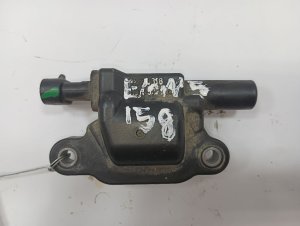
Est. part cost: $50-$90 - Failed Ignition Coil 🔴 High Probability → Shop Ignition Coil Coil-on-plug systems are common failure points on many vehicles as they age. Heat and vibration can cause the coil's internal windings to fail.
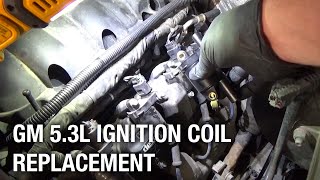
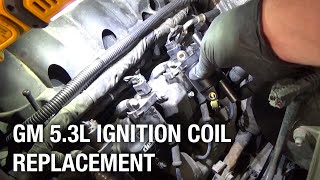
How to confirm: Swap the ignition coil from cylinder 7 with another cylinder (e.g., cylinder 1, the frontmost on the driver's side). Clear the codes and drive the vehicle. If the code changes to P0301, the ignition coil is faulty. 🎬 Watch: How to install a new ignition coil.
Typical fix: Replace the failed ignition coil.
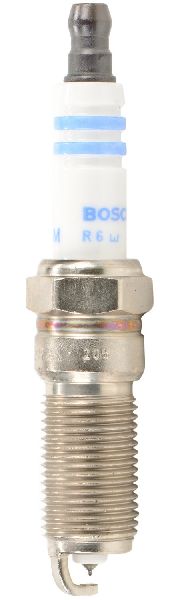
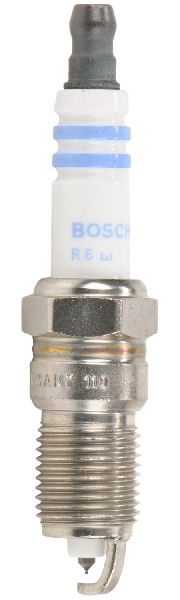
Est. part cost: $25-$60 - Worn or Fouled Spark Plug 🔴 High Probability → Shop Spark Plug
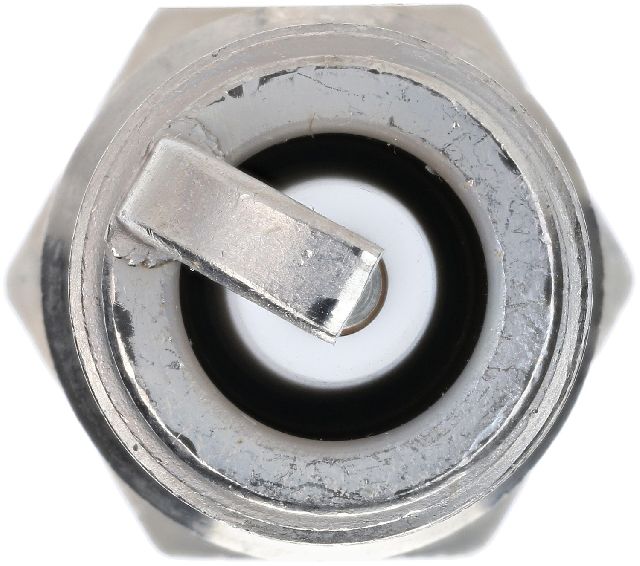
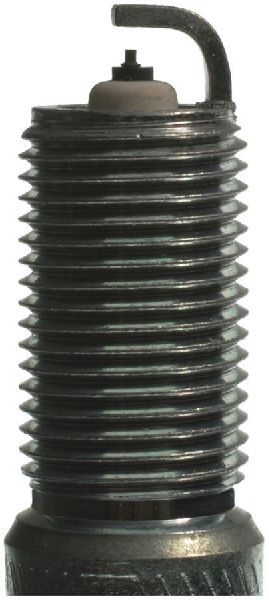
How to confirm: Remove the spark plug from cylinder 7 and inspect it for wear (worn electrode), carbon fouling, oil, or damage. Compare it to a new plug. 🎬 See this walkthrough for replacing spark plugs on a 5.3L. Oil fouling can be a sign of other issues like PCV problems or piston ring wear.
Typical fix: Replace the spark plug. It is recommended to replace all 8 spark plugs at the same time for even performance.
Est. part cost: $10-$20 per plug - Faulty Fuel Injector 🟡 Medium Probability → Shop Fuel Injector
How to confirm: Listen for a clicking sound from the injector with a mechanic's stethoscope. A more definitive test involves swapping the injector with another cylinder, but this is more labor-intensive. A forum user noted that debris can accumulate at the rear of the fuel rail, clogging the #7 injector specifically.
Typical fix: Replace the faulty fuel injector. It's recommended to replace the O-rings and clean the intake ports during replacement.
Est. part cost: $50-$100
Rare But Worth Checking
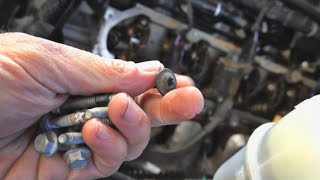
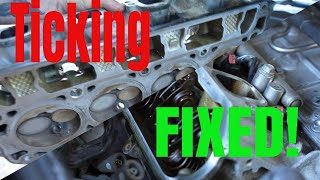
- Mechanical Engine Issue (e.g., AFM Lifter Failure): The 5.3L V8 engine in this platform uses Active Fuel Management (AFM), which can deactivate cylinders (including cylinder 7) to save fuel. The special lifters used for this system are a known failure point and can collapse or get stuck, causing a persistent misfire that won't be fixed by ignition or fuel parts. Symptoms often include a distinct ticking/tapping noise. Diagnosis involves removing the valve cover to observe if the rocker arms for cylinder 7 are moving properly. 🎬 Watch: How to diagnose a collapsed AFM lifter misfire. This is a labor-intensive repair.
- Intake Manifold Gasket Leak: → Shop Engine Intake Manifold A vacuum leak near the intake runner for cylinder 7 can lean out the air/fuel mixture enough to cause a misfire. This can sometimes be detected by spraying brake cleaner near the gasket with the engine running and listening for a change in idle speed. These engines are also known for oil puddling in the intake manifold due to PCV issues, which can foul the rear cylinders.
- Blocked Catalytic Converter: While often a result of a misfire, a severely clogged catalytic converter can increase exhaust backpressure and cause misfires. This is usually accompanied by a significant loss of power, especially at higher RPMs.
Diagnosis Steps
- Verify the code with an OBD-II scanner. Note any other codes present.
- Inspect the spark plug wire for cylinder 7 (rearmost on driver's side). Per TSB PIP4819A, ensure it is securely connected at both the ignition coil and the spark plug. Check for any visible damage.
- If the wire is secure, swap the ignition coil from cylinder 7 with an adjacent cylinder (e.g., cylinder 5). Clear the codes, run the engine, and see if the misfire code moves to the new cylinder (e.g., P0305). If it does, the coil is bad.
- If the misfire remains on cylinder 7, remove and inspect the spark plug. Look for excessive wear, fouling, or damage. Replace if necessary.
- Listen for a distinct, rhythmic ticking from the top of the engine. If a tick is present and corresponds with the misfire, suspect an AFM lifter failure.
- If ignition components are good, test the fuel injector. Use a 'noid' light to check for an electrical pulse from the PCM. If the pulse is present, the injector itself may be clogged or faulty. Consider the possibility of debris in the fuel rail affecting the rearmost injector.
- Check for vacuum leaks around the intake manifold gasket near cylinder 7 using a smoke machine or cautiously with carb cleaner.
- If a mechanical issue like a lifter is suspected, remove the driver's side valve cover and run the engine briefly to observe the valve train. The rocker arms for cylinder 7 should be moving up and down. If one is stationary, a lifter has likely collapsed.
- If all else fails, perform a compression test on cylinder 7 to rule out other mechanical engine problems like a bad valve or poor ring seal.
Parts You'll Likely Need
- Spark Plug Wire Set
(OEM #9748UU)— A loose connection is a known issue for this vehicle per a manufacturer TSB. Wires can also fail from age and heat.
Trusted brands: ACDelco
OEM price range: $80-$100
Aftermarket price range: $50-$80 - Ignition Coil
(OEM #UF413)— Ignition coils are a very common failure item that directly cause a single-cylinder misfire.
Trusted brands: ACDelco, Delphi
OEM price range: $40-$60
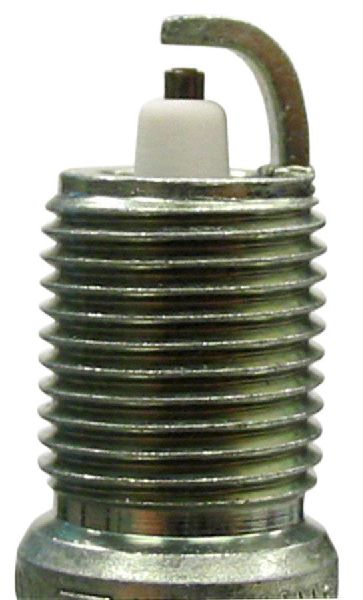
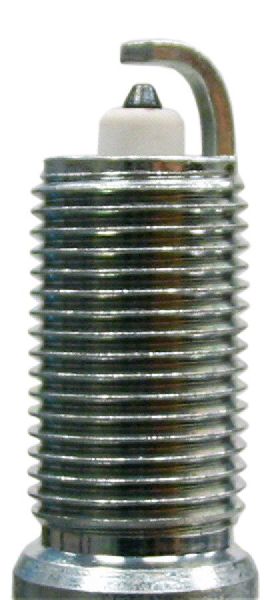
Aftermarket price range: $25-$45 - Iridium Spark Plug
(OEM #41-162)— Spark plugs are a routine maintenance item and the direct source of ignition in the cylinder. A worn or fouled plug is a primary cause of misfires.
Trusted brands: ACDelco, NGK
OEM price range: $15-$20
Aftermarket price range: $10-$15
Related Codes That Often Appear With This One
- P0300 — If the misfire is intermittent or if other cylinders are also beginning to misfire, the PCM may log a P0300 (Random/Multiple Cylinder Misfire) code alongside the P0307. This is common with AFM lifter issues or fuel delivery problems.
Technical Service Bulletins (TSBs) & Recalls
- PIP4819A: Malfunction Indicator Lamp and the engine misfires. Technician may find Diagnostic Trouble Codes P0300, P0301, P0302, P0303, P0304, P0305, P0306, P0307, and P0308. Technician will need to inspect the spark plug wires. Technician will need to replace any loose spark plug wires.
- 19-NA-219: A broader diagnostic bulletin for various engine noises and misfires (P0300-P0308) on GM V6/V8 engines. It lists potential causes including worn cam lobes, sticking valves, and collapsed AFM lifters, confirming that a P0307 can stem from these mechanical failures.
Platform-Specific Known Issues
- Technical Service Bulletin PIP4819A directly addresses misfire codes (P0300-P0308) on 2010 models. It instructs technicians to inspect for and replace any loose spark plug wires.
- Active Fuel Management (AFM) lifter failure is a widely documented problem on the 5.3L V8. Since cylinder 7 is one of the deactivation cylinders, it is particularly susceptible to this mechanical failure, which presents with the same P0307 code but requires extensive engine work to repair.
- A forum thread on ChevroletForum.com for a similar GM V8 engine suggests that debris can settle at the rear of the fuel rail over time, specifically clogging the cylinder 7 injector.
Mechanic-Grade Diagnostic Values
- Fuel Pressure (Key On, Engine Off) — expected: 55-62 PSI. Failure: Pressure below 55 PSI indicates a weak fuel pump or a leak in the system.
- Fuel Injector Resistance — expected: 11-14 ohms. Failure: A reading significantly outside this range, or one injector that deviates more than 1-2 ohms from the others, indicates a faulty injector.
- Ignition Coil Primary Resistance — expected: ~0.5 ohms. Failure: A significant deviation from this value suggests an internal coil fault.
- Ignition Coil Secondary Resistance — expected: 2.0k - 17k ohms. Failure: A reading outside the manufacturer's specified range indicates a failed coil. The range can vary between coil designs.
Hidden / Shadow Codes Worth Checking
- Misfire History Counts: Professional scan tools like the GM Tech 2 or GDS2 do not use a separate code, but provide a 'Misfire Data' or 'Misfire History' screen. This shows the specific number of misfire events for each cylinder over different time frames (e.g., last 100 ignition cycles). (see via This data is accessible in the engine control module data lists using a GM Tech 2, GDS2, or other high-end professional scan tool. It is invaluable for seeing if other cylinders are misfiring occasionally, even if not enough to set a code, which can point towards a systemic issue like fuel delivery or a random misfire (P0300) developing.)
Scan Tool Commands That Help
- GM Tech 2 / GDS2: Injector Balance Test — This function allows the technician to individually fire each injector while monitoring fuel pressure drop. It can definitively identify a clogged or weak injector on cylinder 7 without having to physically remove it. A smaller pressure drop on cylinder 7 compared to others indicates a flow issue.
- GM Tech 2 / GDS2: Cylinder Deactivation (AFM) — A technician can use the scan tool to command the Active Fuel Management system on and off while the engine is running. If the misfire on cylinder 7 appears or disappears only when AFM is active, it strongly points to a problem with the AFM lifter or the Valve Lifter Oil Manifold (VLOM) solenoid for that cylinder.
Wiring & Ground Locations
- G103 — Lower left side of the engine block.. This is a primary engine ground point. A loose, corroded, or broken connection at G103 can cause erratic voltage and signal issues for multiple components, including the ignition coils and fuel injectors, leading to hard-to-diagnose misfires.
- Cylinder 7 Injector/Coil Harness — The wiring harness runs along the driver's side fuel rail and valve cover.. The wiring for the cylinder 7 ignition coil and fuel injector is subject to engine heat and vibration. Technicians should inspect the harness for chafing against brackets or other components, and check for brittleness or damage at the connector itself, which can cause an intermittent open or short in the circuit.
Real Owner Repair Stories
- Reddit user in r/MechanicAdvice (2011 Chevrolet Silverado 5.3L (similar engine/AFM system)) — P0307 misfire code, StabiliTrak/TC lights on, instant "snap" feeling when the issue started.
❌ Tried (didn't work) Replaced #7 spark plug and ignition coil., Used fuel system cleaner., Replaced all fuel injectors (noted #7 was horrible with buildup).
✅ What actually fixed it The user's final diagnosis pointed towards a mechanical issue. After replacing ignition and fuel parts, the misfire remained and got worse as the engine warmed up. A compression test was 150 PSI, and valve train movement appeared normal, but the persistent nature after ruling out spark/fuel strongly implies an AFM lifter or camshaft issue, a common final step in this diagnostic path. - YouTube video by 'Just an Average Joe' (GMC Sierra 5.3L (similar AFM system)) — Engine running rough, P0307 misfire code.
❌ Tried (didn't work) Basic ignition checks did not resolve the issue.
✅ What actually fixed it A collapsed AFM lifter on the intake valve for cylinder 7 was confirmed to be the cause. The repair involved pulling the cylinder head to replace the failed lifter.
OEM Part Supersession History
e.g., HL-7011 (Elgin aftermarket)→HL-7025 (Elgin aftermarket)— The original AFM lifters (Gen IV LS) were updated to a newer design for the Gen V LT engines with Dynamic Fuel Management (DFM). The new DFM lifter is backward compatible with older AFM engines.
Heads up: The new DFM lifter (HL-7025) can be used in older AFM applications, but the original AFM lifter (HL-7011) CANNOT be used in newer DFM engines. When repairing an AFM engine, it's best to use the latest superseded part number from GM or a quality aftermarket equivalent.
Model Year Variations Within This Range
- 2010-2012: The 5.3L V8 in the Canyon was the LH8 and then transitioned to the LH9. The primary difference was the LH9's addition of FlexFuel (E85) capability. This does not materially change the diagnosis for a P0307 code, as the ignition system and AFM architecture are fundamentally the same.
Helpful Videos
Used OEM Parts in Stock
New Aftermarket Parts Available

The information in this article is provided for general reference and educational purposes only. Vehicle specifications, procedures, and part compatibility can vary by production date, trim level, and region. Always consult your vehicle's factory service manual and verify part numbers before purchasing or performing repairs. Safety-critical components such as airbags, seat belts, and braking systems should be installed by a qualified professional.
- Gmc CANYON:
- 🧭 Diagnostic Flowchart
- 🎬 Helpful Videos
- 🛍️ Shop This Part
- What's Unique About the 2010-2012 Gmc CANYON
- Symptoms You May Notice
- Most Likely Causes
- Rare But Worth Checking
- Diagnosis Steps
- Parts You'll Likely Need
- Related Codes That Often Appear With This One
- Technical Service Bulletins (TSBs) & Recalls
- Platform-Specific Known Issues
- Mechanic-Grade Diagnostic Values
- Hidden / Shadow Codes Worth Checking
- Scan Tool Commands That Help
- Wiring & Ground Locations
- Real Owner Repair Stories
- OEM Part Supersession History
- Model Year Variations Within This Range
- 🎟️ Get 5% Off