

P0307 on 2014-2016 Hyundai Equus 5.0L V8: Cylinder 7 Misfire Causes and Fixes
P0307 on a Hyundai Equus 5.0L V8 indicates a misfire in cylinder 7. The most common cause is a faulty ignition coil or a worn spark plug, which can be diagnosed with a simple swap test. If those are not the cause, suspect a clogged GDI fuel injector or carbon buildup on the intake valves, which are known issues for this engine and its platform mates (Genesis G80/G90, Kia K900).
- P0307 is a misfire on cylinder 7, the rearmost cylinder on the passenger side of the engine.
- Always diagnose in order of probability and ease: start by swapping the ignition coil, then the spark plug. These are the most likely culprits and are easy to test.
- If ignition parts are good, suspect a GDI-specific issue like a clogged fuel injector or carbon buildup on the intake valves.
- Do not ignore a flashing Check Engine Light. Driving with a severe misfire can cause expensive damage to your catalytic converters.
- While initial diagnosis is DIY-friendly, replacing a GDI fuel injector or performing a carbon cleaning service is best left to a professional.
What's Unique About the 2014-2016 Hyundai Equus
The Hyundai Equus is powered by a sophisticated Tau 5.0L Gasoline Direct Injection (GDi) V8 engine, also found in the Hyundai Genesis and Kia K900. Unlike traditional port-injected engines that wash intake valves with fuel, GDi engines inject fuel directly into the cylinders. This design makes the engine prone to carbon buildup on the intake valves over time, which can restrict airflow and cause misfires. Therefore, in addition to common ignition failures, carbon buildup and GDi-specific fuel injector issues are notable causes for a P0307 code on this particular vehicle.
Symptoms You May Notice
- Rough or shaking idle.
- Engine hesitation or stumbling during acceleration.
- Noticeable loss of power.
- Flashing Check Engine Light.
- Reduced fuel economy.
- Smell of unburned fuel from the exhaust.
- Engine vibration felt through the steering wheel or chassis.
- Replacing oxygen (O2) sensors. While a faulty O2 sensor can cause performance issues, it is highly unlikely to cause a single-cylinder misfire code like P0307.
- Replacing the catalytic converter. A misfire can damage a catalytic converter, but the converter itself is not the cause of the misfire. The misfire must be fixed first.
Most Likely Causes
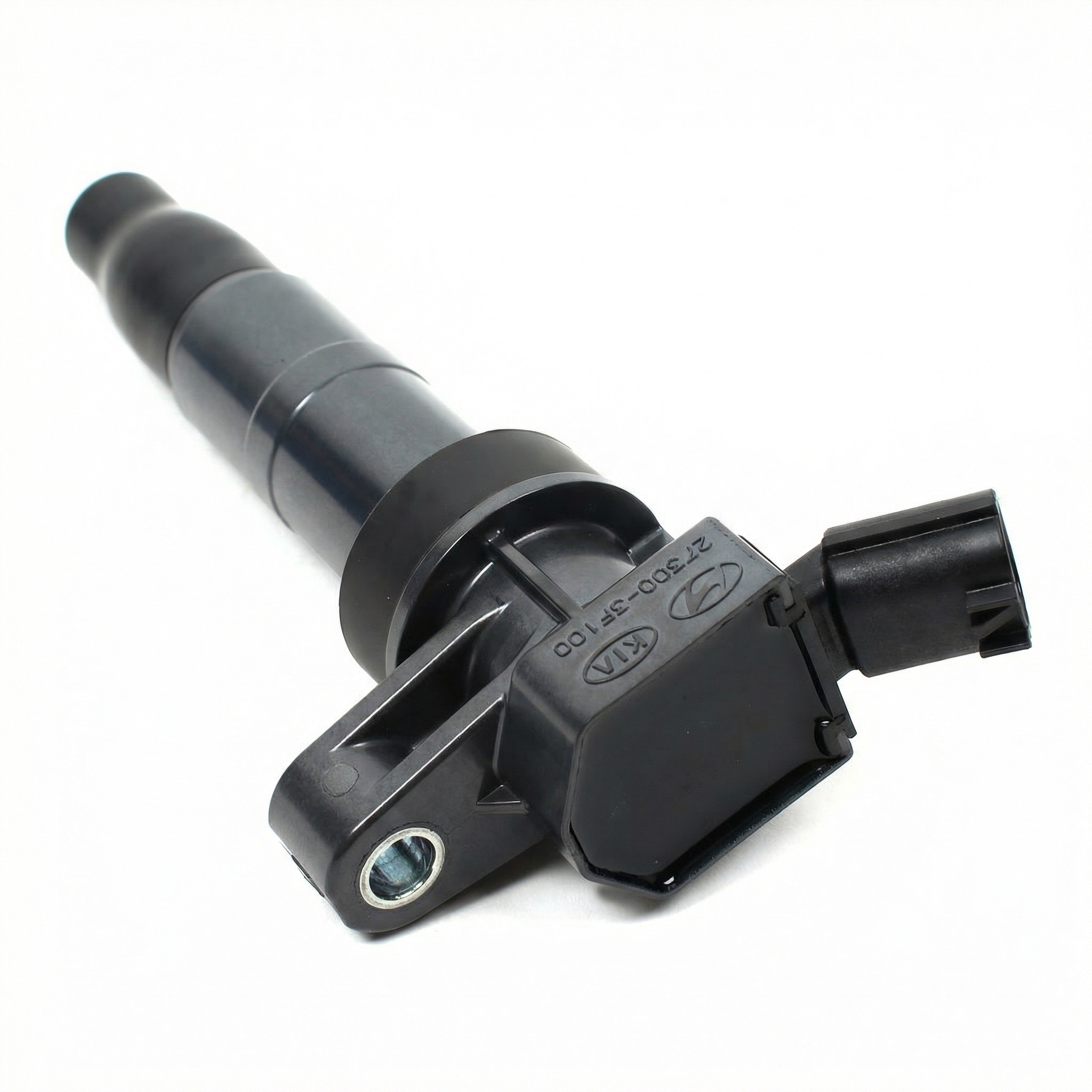
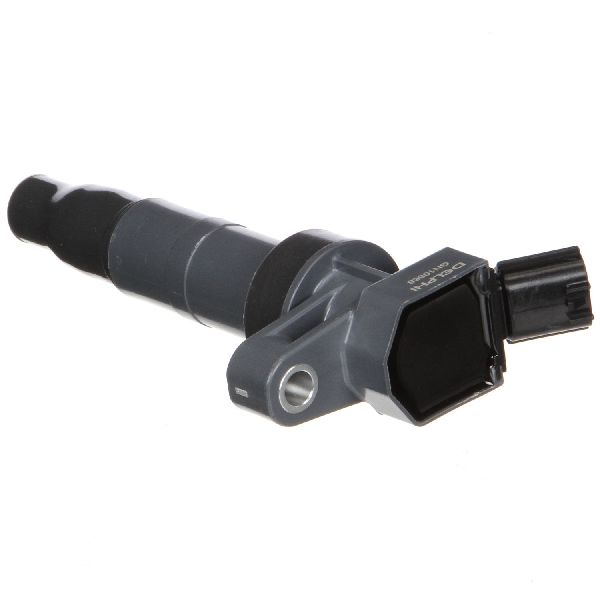
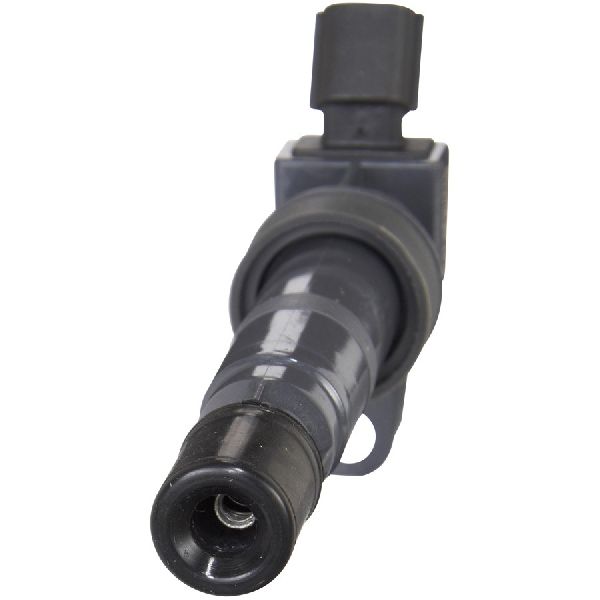
- Faulty Ignition Coil 🔴 High Probability → Shop Ignition Coil Coil-on-plug ignition systems are a common failure point on modern engines due to constant heat exposure. This is a primary suspect for any single-cylinder misfire.
How to confirm: Swap the ignition coil from cylinder 7 with another cylinder (e.g., cylinder 5). Clear the codes and drive the vehicle. If the code changes to P0305, the ignition coil is faulty. This is a widely accepted and effective diagnostic step.
Typical fix: Replace the faulty ignition coil. It is often recommended to replace the corresponding spark plug at the same time.
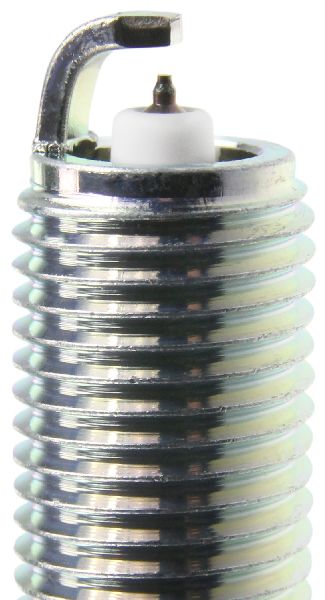
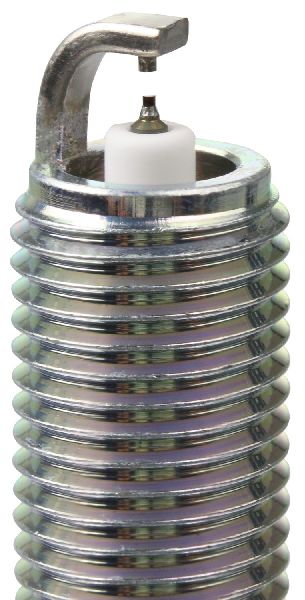
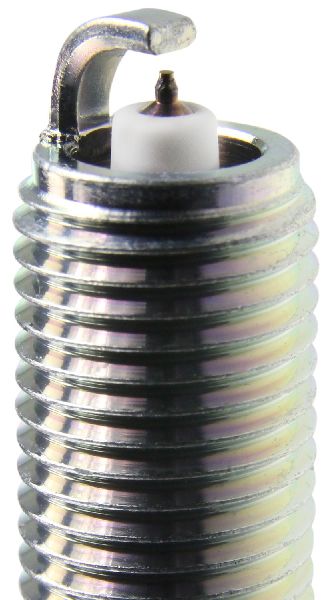
Est. part cost: $50-$150 - Worn or Fouled Spark Plug 🔴 High Probability → Shop Spark Plug Spark plugs are a regular maintenance item that wear out over time. A worn electrode, carbon fouling, or oil fouling (if the engine consumes oil) can prevent a strong spark.
How to confirm: After ruling out the ignition coil, swap the spark plug from cylinder 7 with another cylinder. If the misfire code follows the spark plug, the plug is bad. Visually inspect the plug for wear, damage, or heavy deposits.
Typical fix: Replace the spark plug in cylinder 7. It is best practice to replace all 8 spark plugs if they are near the end of their service life (typically 60,000-100,000 miles).
Est. part cost: $15-$25 per plug - Clogged or Faulty GDi Fuel Injector 🟡 Medium Probability → Shop Fuel Injector Gasoline Direct Injection (GDI) injectors operate under very high pressure and can become clogged or fail electronically over time, a known issue in some Hyundai GDI engines.
How to confirm: This is difficult for a DIYer. A professional can perform a fuel injector balance test. You can test the injector's electrical resistance with a multimeter, but this won't detect a clog. Swapping a GDI injector is not simple like a coil, as it involves the high-pressure fuel system.
Typical fix: Replace the faulty fuel injector. This is an involved job requiring removal of the intake manifold, depressurization of the fuel system, and replacement of single-use Teflon combustion seals and O-rings. Special tools are required to properly size the new Teflon seal on the injector tip.
Est. part cost: $100-$250 - Carbon Buildup on Intake Valves 🟡 Medium Probability As a GDI engine, the Tau V8 does not have fuel spraying over the intake valves, leading to the accumulation of oil and carbon deposits which can disrupt airflow and cause misfires, especially at idle and on cold starts.
How to confirm: Inspect the intake valves using a borescope inserted through the intake port after removing the intake manifold. Significant black, crusty buildup is a clear indicator.
Typical fix: The intake manifold must be removed and the valves cleaned. The most effective method is walnut shell blasting. A less invasive, but potentially less thorough, method is a chemical cleaning procedure as outlined in Hyundai TSB 23-EM-007H.
Est. part cost: $0 (if cleaning only), but labor is high ($500-$1000+)
Rare But Worth Checking
- Low Engine Compression: While rare on a well-maintained engine, if ignition and fuel system checks do not resolve the issue, a mechanical problem like a worn piston ring, a leaking valve, or a head gasket failure could be the cause. A compression test on cylinder 7 is needed to confirm this.
- Vacuum Leak: A leak in the intake manifold gasket near the runner for cylinder 7 could lean out the air/fuel mixture for that cylinder specifically, causing a misfire. This is less common than a random misfire (P0300) caused by a general vacuum leak.
Diagnosis Steps
- Connect an OBD-II scanner to confirm the P0307 code and check for any other stored codes. Note the freeze frame data, which shows engine conditions when the code was set.
- Check for relevant Recalls or TSBs. For this vehicle, be aware of the ABS module recall and TSBs related to carbon cleaning.
- Locate cylinder 7 on the Tau 5.0L V8. On this engine, the cylinders are numbered 1-3-5-7 on the passenger side (right bank) from front to back, and 2-4-6-8 on the driver side (left bank). Cylinder 7 is the rearmost cylinder on the passenger side.
- Swap the ignition coil from cylinder 7 with the coil from cylinder 5 (the next one forward on the same bank). Clear the codes, start the engine, and drive until the Check Engine Light returns. If the code is now P0305, the ignition coil is bad.
- If the code remains P0307, move the original coil back to cylinder 7. Now, swap the spark plug from cylinder 7 with the plug from cylinder 5. Clear codes and re-test. If the code changes to P0305, the spark plug is the culprit.
- If the misfire is still on cylinder 7, the issue is likely fuel, carbon buildup, or mechanical. Inspect the wiring and connector for the fuel injector and ignition coil on cylinder 7 for any visible damage or corrosion.
- At this stage, a professional diagnosis is recommended. A mechanic can perform a fuel injector balance test or use a borescope to inspect the intake valves for carbon deposits. DIY replacement of a GDI injector is complex and requires special tools and procedures.
- If fuel and carbon issues are ruled out, perform a compression test on cylinder 7 to check for internal mechanical engine problems like bad rings or valves.
Parts You'll Likely Need
- Ignition Coil
(OEM #27301-3F100)— This is one of the most common failure items to cause a single-cylinder misfire. It's relatively easy to access and replace.
Trusted brands: Hyundai (OEM), Delphi, NGK, Denso
OEM price range: $100-$150
Aftermarket price range: $50-$100 - Spark Plug
(OEM #18846-11070)— As a standard wear item, a worn or fouled spark plug is a frequent cause of misfires. It should be replaced according to the vehicle's maintenance schedule.
Trusted brands: NGK, Denso
OEM price range: $20-$30
Aftermarket price range: $15-$25 - Fuel Injector
(OEM #35310-3F700)— For GDI engines like the Tau V8, a clogged or failed injector is a significant possibility after ignition components have been ruled out. Replacement requires new seals.
Trusted brands: Hyundai (OEM), Bosch
OEM price range: $150-$250
Aftermarket price range: $100-$180 - Fuel Injector Seal Kit — When replacing a GDI fuel injector, the Teflon combustion seal at the tip and the O-ring at the top are single-use items and MUST be replaced to prevent compression and fuel leaks.
Trusted brands: Hyundai (OEM)
OEM price range: $10-$20 per injector
Aftermarket price range: $5-$15
Related Codes That Often Appear With This One
- P0300 — If multiple cylinders are misfiring due to a systemic issue like a vacuum leak, low fuel pressure, or severe carbon buildup across all cylinders, a P0300 (Random/Multiple Cylinder Misfire) may accompany P0307.
Technical Service Bulletins (TSBs) & Recalls
- Recall 251 / NHTSA 23V651000 - ABS Module Fire Risk: While not a cause of P0307, this is a critical safety recall for 2014-2015 models where the ABS unit can short and cause a fire.
- TSB 23-EM-007H - Combustion Chamber Cleaning Procedure: Provides an official dealer procedure for chemically cleaning carbon deposits from the intake ports and valves to resolve issues like rough idle and misfires.
- TSB 23-FL-003H - Additional Fuel System Cleaner: Recommends the use of a Techron-based fuel system cleaner additive twice per oil change interval to help prevent and reduce carbon deposits in GDI engines.
- TSB 23-EM-008H - Engine Oil Consumption Inspection and Repair Guidelines: Outlines the dealer process for diagnosing and addressing customer complaints of excessive oil consumption, which can be related to misfires if it leads to spark plug fouling.
Platform-Specific Known Issues
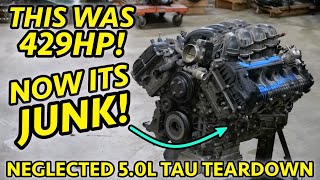
- The Tau 5.0L GDi engine is known to develop carbon deposits on the back of the intake valves. This happens because fuel is injected directly into the cylinder, so it never washes over the valves to clean them. Over many miles, this buildup can restrict airflow enough to cause a misfire. A YouTube teardown by Importapart on a sludged 5.0L Tau V8 vividly shows how severe this buildup can be, even at under 100k miles.
- Hyundai has issued TSBs (e.g., 23-EM-007H) that outline a chemical cleaning process to address carbon buildup without full mechanical disassembly, which may be a viable first step for a professional.
Mechanic-Grade Diagnostic Values
- Ignition Coil Primary Resistance — expected: Approximately 0.45 - 0.55 Ω. Failure: A reading significantly higher or lower than the specified range indicates a faulty coil.
- High-Pressure Fuel System (GDi) — expected: 2,000 to 2,800 PSI (138 to 193 bar). Failure: Pressure that is significantly below this range under load can cause lean misfires. This must be read with a capable scan tool viewing high-pressure fuel rail data.
Scan Tool Commands That Help
- Hyundai GDS (Global Diagnostic System): Power Balance Test — This function allows a technician to disable one cylinder at a time to see the corresponding drop in engine RPM. If disabling cylinder 7 results in little or no change in RPM, it confirms that cylinder is not contributing, pinpointing the misfire without a test drive.
- Hyundai GDS (Global Diagnostic System): Misfire Counter Data — Advanced scan tools, including the dealer-level GDS, can display live misfire counts for each cylinder (Mode $06). This is useful for confirming the misfire is isolated to cylinder 7 and checking if other cylinders are approaching the misfire threshold, which might suggest a systemic problem like carbon buildup or a fuel delivery issue.
Wiring & Ground Locations
- Cylinder 7 Location — Rearmost cylinder on the passenger side (Right Bank). The passenger bank cylinders are 1-3-5-7, from front to back.. Correctly identifying cylinder 7 is the first step for any diagnosis, including coil/plug swaps and wiring checks.
- Engine Control Module (ECM) — Typically located in the engine bay, protected from the elements. Specific wiring pins control the ignition coil and fuel injector for cylinder 7.. In rare cases of persistent misfires with good components, damage to the wiring harness between the ECM and cylinder 7, or a fault in the ECM driver for that cylinder, could be the cause. A wiring diagram is needed to test for continuity and signal from the specific pins.
Real Owner Repair Stories
- CarKiller forum user (2011 Hyundai Equus, 125,420 miles) — Poor acceleration, Check Engine Light on.
❌ Tried (didn't work) Initial spark plug change., Swapping ignition coils between cylinders 5 and 6., Replacing all ignition coils., Dealership replaced the crankshaft position sensor (for a P0335 code that appeared).
✅ What actually fixed it The user's post is a request for help and does not contain a final resolution. However, it documents a real-world scenario where P0307 appeared alongside P0300, P0303, and P0335, indicating a more complex issue than a single coil or plug. The dealership suspected a catalytic converter issue, but this was not confirmed as the root cause of the misfires.
OEM Part Supersession History
27300-2G000→27301-3F100— Improved design for durability and performance. This is a common part consolidation across many Hyundai/Kia engines.
Heads up: While both may fit, it is strongly recommended to use the latest 27301-3F100 part number. Some aftermarket catalogs may incorrectly list parts for 4-cylinder engines which can have different internal resistance and cause performance issues.
Model Year Variations Within This Range
- 2014: The 2014 model year is rated at 429 horsepower with a 11.5:1 compression ratio.
- 2015-2016: For the 2015 model year, the engine was updated. The compression ratio was increased to 11.8:1, but horsepower was slightly revised to 420. Despite the spec changes, real-world performance is identical.
Diagnostic Flowchart
Other Known Issues on This Vehicle
Issues unrelated to this code that are worth knowing about as an owner of this generation:
- GDI Intake Valve Carbon Buildup 🟠 Medium — Common on most GDI engines, including the Tau V8, as mileage exceeds 50,000-60,000 miles. Can lead to rough idle, hesitation, and misfire codes. (Ref: Hyundai TSB 23-EM-007H ('Combustion Chamber Cleaning Procedure') and TSB 23-FL-003H (recommending fuel additives) address this.)
- Excessive Oil Consumption 🔴 High — A known issue on some earlier Tau V8s due to special piston ring coatings. While less common on 2014+ models, it can still occur, especially with extended oil change intervals, leading to oil sludging and potentially catastrophic engine damage. Hyundai's official stance considers up to 1 quart per 1,000 miles acceptable. (Ref: Hyundai TSB 23-EM-008H provides guidelines for 'Engine Oil Consumption Inspection and Repair'.)
- ABS Module Internal Leak & Fire Risk 🔴 High — Affects 2014-2015 Equus models. The ABS module can leak brake fluid internally, causing an electrical short and engine compartment fire, even when the vehicle is parked and off. (Ref: Recall 251 / NHTSA #23V651000. Owners are advised to park outdoors until the recall repair (fuse replacement) is completed.)
Used vs. New Parts: Buying Guide for This Vehicle
When a used part is the smart pick: Used parts can be a cost-effective option for ignition coils, provided they are tested or come from a low-mileage, reputable salvage yard. Other simple mechanical components like brackets or engine covers are also excellent candidates for used parts.
Donor-vehicle mileage cap: roughly under 60000 miles for the part to have meaningful remaining life.
What to inspect on the donor part:
- For ignition coils, check for cracks in the plastic housing or corrosion on the electrical connector pins.
- Ensure the vehicle the part came from was not in a severe front-end collision.
- Ask for the donor vehicle's VIN to verify mileage and check for any reported issues.
OEM-only on this vehicle (don't cheap out):
- Fuel Injector Seal Kit: The Teflon and rubber seals are single-use and critical for preventing high-pressure fuel and compression leaks. Never reuse them.
- GDI Fuel Injectors: While some aftermarket options exist, the high pressures and precise nature of GDI systems make OEM injectors the most reliable choice to avoid performance issues. Remanufactured OEM injectors from a trusted source are a viable alternative to new.
Aftermarket brands forum-validated for this vehicle:
- Ignition Coils: Denso, Delphi, NGK.
- Spark Plugs: NGK, Denso.
Brands owners have reported issues with on this vehicle:
- Unbranded, 'white-box' ignition coils and injectors from online marketplaces. These often have a high failure rate and may not meet the specific resistance and performance requirements of the Tau V8, leading to persistent or new issues.
Real Owner Stories
Aggregated from forums and TSBs cited above. Mileages and costs reflect what owners reported in those sources.
2020 Genesis G80 5.0L V8
Symptoms: Owner experienced an intermittent P0307 misfire code.
What fixed it: Following standard diagnostic procedures, the recommendation was to swap the ignition coil to another cylinder to see if the code followed the part.
Source hint: BobIsTheOilGuy - P0307 Misfire on the Genesis
2012 Hyundai Equus 5.0L Tau V8 — 94000 miles
Symptoms: Severe engine failure due to oil sludging and visible heavy carbon buildup on the intake ports.
What fixed it: The engine was destroyed due to neglected oil changes, but the teardown confirmed that severe carbon buildup on intake valves is a major issue for this engine design.
Source hint: YouTube (Importapart) - NEGLECTED HYUNDAI MUSCLE!? EQUUS 5.0L TAU V8 Destroyed
Related OBD-II Codes
Frequently Asked Questions
Where is cylinder 7 located on my 2014-2016 Hyundai Equus Tau 5.0L V8?
Is there a TSB for cleaning carbon buildup on my Equus intake valves?
Should I use a specific fuel additive to prevent P0307 misfire codes in my GDi engine?
My Equus is consuming a lot of oil; could this be causing my P0307 code?
Is there a safety recall I should be aware of while fixing my engine code?
Can I swap the fuel injectors myself to diagnose a P0307 like I do with the ignition coils?
Helpful Videos
Used OEM Parts in Stock
New Aftermarket Parts Available


The information in this article is provided for general reference and educational purposes only. Vehicle specifications, procedures, and part compatibility can vary by production date, trim level, and region. Always consult your vehicle's factory service manual and verify part numbers before purchasing or performing repairs. Safety-critical components such as airbags, seat belts, and braking systems should be installed by a qualified professional.
- Hyundai Equus:
- 🧭 Diagnostic Flowchart
- 🎬 Helpful Videos
- 🛍️ Shop This Part
- What's Unique About the 2014-2016 Hyundai Equus
- Symptoms You May Notice
- Most Likely Causes
- Rare But Worth Checking
- Diagnosis Steps
- Parts You'll Likely Need
- Related Codes That Often Appear With This One
- Technical Service Bulletins (TSBs) & Recalls
- Platform-Specific Known Issues
- Mechanic-Grade Diagnostic Values
- Scan Tool Commands That Help
- Wiring & Ground Locations
- Real Owner Repair Stories
- OEM Part Supersession History
- Model Year Variations Within This Range
- Other Known Issues on This Vehicle
- Used vs. New Parts: Buying Guide for This Vehicle
- Real Owner Stories
- 2020 Genesis G80 5.0L V8
- 2012 Hyundai Equus 5.0L Tau V8 — 94000 miles
- Related OBD-II Codes
- Frequently Asked Questions
- 🎟️ Get 5% Off