

P0307 on 2008-2009 Pontiac G8 6.0L: Cylinder 7 Misfire Causes and Fixes
On a 2008-2009 Pontiac G8 GT, a P0307 code is most often a bad spark plug, ignition coil, or plug wire on cylinder 7. However, this engine has a known issue with Active Fuel Management (AFM) lifter failure, which is a more serious and expensive repair that commonly causes this specific code. A rhythmic ticking noise from the engine strongly suggests the lifter is the problem, as this is a well-documented failure on the L76 and related GM V8s.
- P0307 on a G8 GT is a misfire on the rearmost driver-side cylinder.
- Always start diagnosis with the simple and cheap fixes: check the spark plug wire connection, then swap the ignition coil and spark plug with another cylinder to see if the misfire code moves.
- Listen for a rhythmic ticking noise. This sound, combined with a P0307, is a very strong sign of the common and more serious AFM lifter failure.
- Do not ignore a flashing check engine light. It signals a severe misfire that can quickly destroy your catalytic converters, leading to a much more expensive repair.
What's Unique About the 2008-2009 Pontiac G8
The Pontiac G8 GT's 6.0L L76 V8 is equipped with Active Fuel Management (AFM), also known as Displacement on Demand (DOD). This system deactivates four cylinders—including cylinder 7—under light loads to improve fuel economy. The specialized hydraulic lifters used for this system are a well-documented weak point across many GM V8 engines. A collapsed or stuck AFM lifter is a very common cause for a P0307 code on this engine, making it a much more significant concern than on engines without AFM. GM Technical Service Bulletin 10-06-01-008H specifically addresses issues related to the AFM system, including oil consumption that can lead to fouled plugs on cylinders 1 and 7.
Symptoms You May Notice
- Rough or vibrating idle.
- Hesitation or stumbling during acceleration.
- Noticeable loss of engine power.
- Solid or flashing Check Engine Light
- Increased fuel consumption
- Fuel smell from the exhaust
- Rhythmic ticking or squealing noise from the engine bay, especially when warm.
- Replacing only spark plugs when a ticking noise is present, ignoring the high probability of a failed AFM lifter.
- Replacing the fuel pump for a single-cylinder misfire; a pump issue would typically cause random misfires on multiple cylinders (P0300).
- Assuming a front-end clunking noise is from the struts when it is more likely the well-documented failure of the front lower control arm bushings.
Most Likely Causes
- Worn or Fouled Spark Plug 🔴 High Probability → Shop Spark Plug GM TSB 10-06-01-008H notes that issues with the AFM system can cause oil consumption and carbon fouling on spark plugs, specifically citing cylinders 1 and 7 as being susceptible.
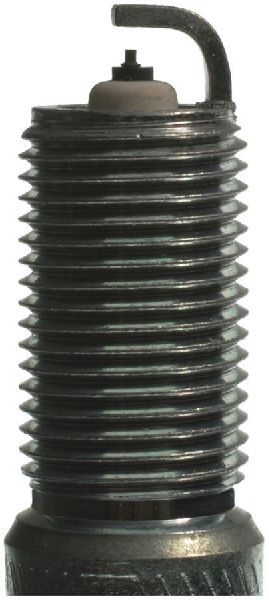
How to confirm: Remove the spark plug from cylinder 7 and inspect it for wear, carbon buildup, oil fouling, or damage. For a definitive test, swap it with a plug from another cylinder (e.g., cylinder 1), clear the codes, and see if the misfire moves to P0301.
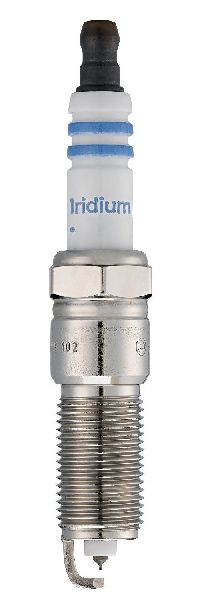
Typical fix: Replace the faulty spark plug. It is recommended to replace all 8 spark plugs at the same time for even performance using the recommended ACDelco Iridium plugs.
Est. part cost: $8-$15 per plug - Failed Ignition Coil Pack 🟡 Medium Probability → Shop Ignition Coil
How to confirm: Swap the ignition coil from cylinder 7 with one from another cylinder (e.g., cylinder 5). Clear the codes and run the engine. If the code changes to P0305, the coil is faulty. 🎬 Watch: A mechanic's guide to diagnosing GM misfire codes.
Typical fix: Replace the failed ignition coil. While you can replace just one, if the coils are original and high-mileage, consider replacing them in banks or as a full set.
Est. part cost: $30-$80 - Bad Spark Plug Wire 🟡 Medium Probability → Shop Spark Plug The wire for cylinder 7 is in a tight, hot location at the rear of the engine, making it susceptible to heat damage and loose connections. Owners on forums report that ensuring the wire is fully seated on the coil and plug is a common first step.
How to confirm: Visually inspect the wire for cracks, burns, or corrosion. Ensure it is securely connected at both the coil and the spark plug with a distinct 'click'. You can also test its resistance with a multimeter or swap it with another wire if possible.
Typical fix: Replace the faulty spark plug wire. It is best practice to replace the entire set of wires.
Est. part cost: $50-$100 for a set - Failing Active Fuel Management (AFM/DOD) Lifter 🟡 Medium Probability → Shop Engine Valve Lifter The L76 engine's AFM lifters are a known, widespread failure point. Cylinder 7 is an AFM cylinder and is specifically cited in owner forums and GM service bulletins as being prone to this issue. The failure can be a collapsed lifter, a stuck lifter, or a damaged roller.
How to confirm: Listen for a rhythmic ticking or chirping noise from the driver's side valve cover area, which may get worse as the engine warms up. If basic ignition and fuel checks don't resolve the misfire, a compression test is needed. A failed lifter will often result in very low or zero compression in the cylinder. A Reddit user with a ticking G8 GT was advised to check for metal 'sparkles' in the engine oil, which indicates internal damage from the failing lifter.
Typical fix: This is a major repair. It involves replacing the failed lifter and often the entire bank of lifters. Due to the high failure rate, many owners opt to install an 'AFM Delete Kit', which replaces the AFM lifters, valley cover, and camshaft with more reliable non-AFM components, and requires an ECU tune to disable 🎬 See this walkthrough of a G8 GT DOD delete teardown. the system. This is considered a permanent solution to prevent future failures.
Est. part cost: $400-$1100 for an AFM delete kit, depending on components. - Clogged or Faulty Fuel Injector ⚪ Low Probability → Shop Fuel Injector
How to confirm: Use a mechanic's stethoscope or a long screwdriver to listen to the injector on cylinder 7; it should have a consistent clicking sound. You can also swap the injector with another cylinder to see if the misfire code follows.
Typical fix: Replace the faulty fuel injector.
Est. part cost: $40-$90
Rare But Worth Checking
- Low Compression (Valves, Piston Rings): If not caused by a lifter, a misfire can be due to a bent valve, worn valve seat, or damaged piston rings. A compression test and cylinder leak-down test will diagnose this.
- Intake Manifold Gasket Leak: → Shop Engine Intake Manifold A vacuum leak near the cylinder 7 intake runner can lean out the air/fuel mixture and cause a misfire. A smoke test is the best way to confirm a leak.
- Damaged Camshaft Lobe: → Shop Engine Camshaft A failed AFM lifter, particularly a seized roller, can quickly destroy the corresponding camshaft lobe, requiring camshaft replacement along with the lifters. This is usually discovered during lifter replacement and is a common point of discussion in owner forums.
Diagnosis Steps
- Read the code with an OBD-II scanner and check for any other stored codes.
- Listen for a rhythmic ticking noise from the driver's side of the engine. A tick is a very strong indicator of a failed AFM lifter.
- Inspect the spark plug wire for cylinder 7. Ensure it's securely attached and not damaged.
- Swap the ignition coil from cylinder 7 with another cylinder (e.g., cylinder 5). Clear the codes and drive the vehicle. If the code changes to P0305, the coil is bad.
- If the misfire remains on cylinder 7, remove and inspect the spark plug. Look for heavy carbon or oil fouling. Swap it with another cylinder. If the code moves, the spark plug is bad.
- If ignition components are good, check the fuel injector on cylinder 7. Listen for its operation or swap it with another cylinder.
- If the misfire persists, especially if a ticking noise is present, perform a compression test on cylinder 7. Very low or zero compression strongly points to 🎬 Watch: How to diagnose a collapsed AFM lifter misfire. a mechanical issue, most likely a collapsed AFM lifter.
- If a lifter failure is confirmed, inspect the camshaft lobe for damage during disassembly, as it may also need replacement. Pull the dipstick and check the oil for a 'sparkly' or metallic appearance, which confirms internal engine damage.
Parts You'll Likely Need
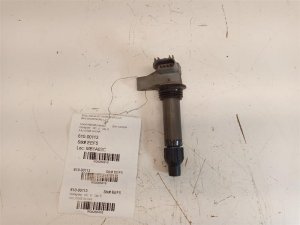
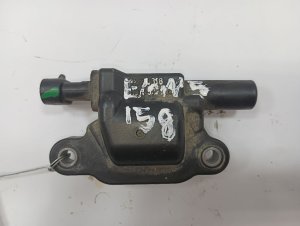
- Ignition Coil
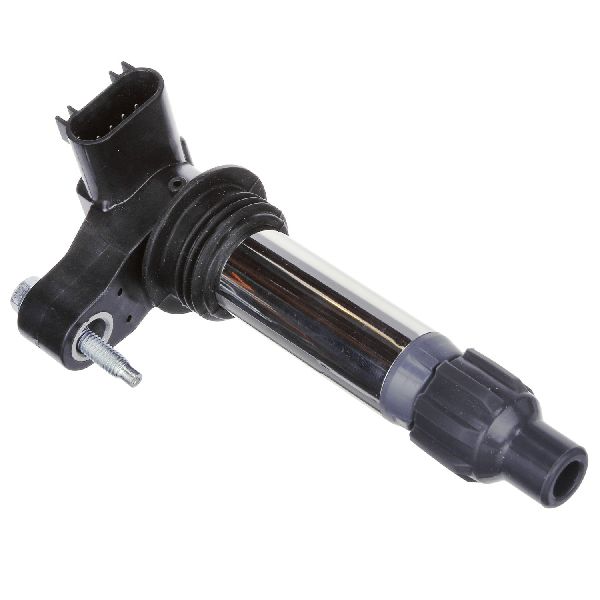
(OEM #12573190)— Heat and vibration cause ignition coils to fail, leading to a weak or absent spark.
Trusted brands: ACDelco, Delphi
OEM price range: $50-$80
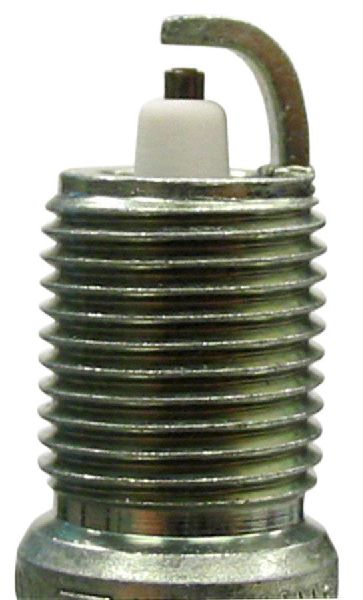
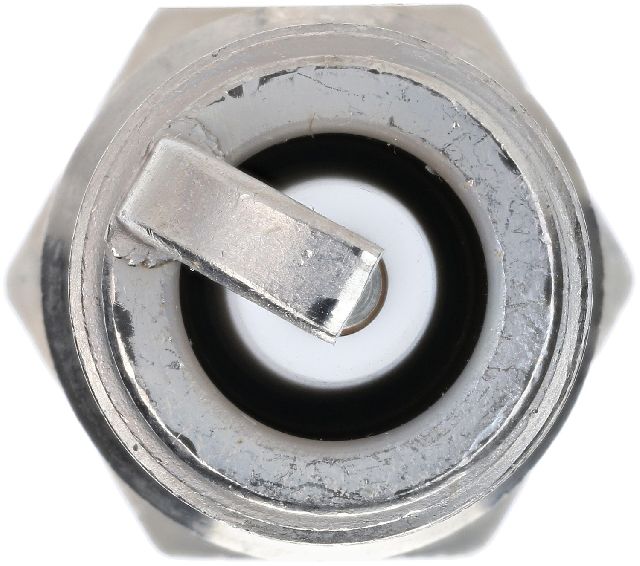
Aftermarket price range: $30-$60 - Spark Plug
(OEM #41-162)— Spark plugs are a standard maintenance item that wear out, causing misfires. The OEM ACDelco Iridium plugs are recommended. Oil fouling from AFM issues can also ruin the plug.
Trusted brands: ACDelco, NGK
OEM price range: $8-$15
Aftermarket price range: $5-$10 - Spark Plug Wire Set
(OEM #92066587)— Wires degrade over time, increasing resistance or arcing, which weakens the spark delivered to the plug. The cylinder 7 wire is in a hot, tight spot.
Trusted brands: ACDelco, MSD
OEM price range: $80-$120
Aftermarket price range: $50-$100 - AFM Lifter Replacement Kit / AFM Delete Kit
(OEM #N/A for delete kit. Lifters are sold individually.)— This is the definitive fix for the common AFM lifter failure. A delete kit prevents future issues by removing the complex system entirely.
Trusted brands: Texas Speed & Performance, Brian Tooley Racing, Michigan Motorsports
OEM price range: N/A
Aftermarket price range: $400-$1100
Related Codes That Often Appear With This One
- P0300 — If the AFM system is failing, other AFM cylinders (1, 4, 6) may also begin to misfire, leading to a general P0300 'Random Misfire' code in addition to the specific P0307.
Technical Service Bulletins (TSBs) & Recalls
- 10-06-01-008H: Addresses engine oil consumption on AFM engines, which can cause spark plug fouling on cylinders 1 and 7. Recommends installing an AFM oil deflector and a redesigned left valve cover.
- 15289 / SB-09203: A special coverage program for front lower control arm ball joint boots that fail in cold weather, allowing corrosion and causing a rattling noise. Extends the warranty for this part to 10 years/120,000 miles.
Platform-Specific Known Issues
- The most significant issue is the failure of the Active Fuel Management (AFM) system lifters. GM Technical Service Bulletin PIP4568S directly addresses engine misfires on cylinders 1, 4, 6, or 7 due to collapsed or stuck AFM lifters. This failure is common and can lead to camshaft damage if not addressed.
Mechanic-Grade Diagnostic Values
- Fuel Pressure (Low-Pressure System) — expected: 380-410 kPa (55-60 psi). Failure: Pressure below 55 psi indicates a weak in-tank pump or clogged filter. Pressure should remain steady and not drop more than 5 psi in one minute after the pump is off.
- Fuel Injector Coil Resistance — expected: 11.0 to 16.0 Ohms. Failure: A reading significantly outside this range indicates a faulty injector coil.
- Ignition Coil Primary Resistance — expected: 0.4 to 2.0 Ohms. Failure: A reading of 0 ohms suggests a short, while an open circuit (OL) reading indicates an internal break.
- Ignition Coil Secondary Resistance — expected: 6,000 to 11,000 Ohms (6.0k to 11.0k Ohms). Failure: A reading significantly outside this range points to a failure in the secondary windings.
Scan Tool Commands That Help
- Tech2 / GDS2 or equivalent professional scanner: Fuel Pump Relay Command — Used during fuel pressure testing to turn the in-tank fuel pump on without the engine running, allowing for a stable pressure reading.
- Tech2 / GDS2 or equivalent professional scanner: Cylinder Power Balance Test — To confirm a misfire on a specific cylinder. The tool sequentially deactivates each cylinder's fuel injector while monitoring RPM drop. A cylinder with little to no RPM drop when deactivated is the one not contributing, confirming the misfire location.
- Tech2 / GDS2 or equivalent professional scanner: Misfire Counter Data — To view current and historical misfire counts for each individual cylinder. This is more precise than just the DTC and can show if other cylinders are misfiring intermittently, even if not enough to set their own codes.
Wiring & Ground Locations
- G112 — On the rear of the left-hand (driver's side) cylinder head.. This is a primary engine harness ground located physically close to cylinder 7. A loose or corroded connection here can cause erratic behavior for sensors and actuators on that bank, including the ignition coil and fuel injector for cylinder 7.
- G103 — From the right-hand (passenger side) front cylinder head to the ABS bracket.. This is considered a main engine block ground. While not on the same side as cylinder 7, a poor connection here can affect the entire engine's electrical stability and should be checked for any persistent, hard-to-diagnose electrical issue.
- Fuel Rail Ground Strap — Bolted to the fuel rail and connected to the engine.. A dedicated ground strap for the fuel rail ensures the fuel injectors have a stable ground reference. A poor connection could potentially cause injector timing or performance issues, leading to a misfire.
Real Owner Repair Stories
- YouTube video '07 Tahoe Misfire Cylinder 7 | P0307 | Collapsed Lifter' by CrazedPerformanceRepair (2007 Chevrolet Tahoe 5.3L (Similar GM V8 with AFM)) — Shaking engine, P0307 misfire code.
❌ Tried (didn't work) Replaced ignition coil on cylinder 7, Replaced spark plug on cylinder 7
✅ What actually fixed it Diagnosis revealed a collapsed AFM lifter on cylinder 7, identified by a loose rocker arm. The repair involved replacing the lifter, modifying the VLOM, and reprogramming the ECU to delete the AFM system. - GM-Trucks.com forum user 'F1CAM' (2008 Chevy Silverado with L76 Vortec Max engine (142k miles)) — P0304 code (another AFM cylinder) with no noise initially, then a recurring failure with valvetrain noise.
❌ Tried (didn't work) Replacing the four AFM lifters on one bank (failed again after 2 days)., Replacing the VLOM assembly (did not unlock the already-stuck lifter).
✅ What actually fixed it The user replaced the failed lifter a second time. The story highlights the complexity, as simply unplugging the VLOM harness to disable AFM resulted in the vehicle going into limp mode, confirming that an ECU tune is mandatory when deleting the system.
"I Checked Everything" — The Actual Cause
- A persistent P0307 after ignition parts are confirmed good and a smoke test shows no vacuum leaks can be caused by a failed solenoid for cylinder 7 inside the Valve Lifter Oil Manifold (VLOM). The VLOM is located under the intake manifold and directs oil pressure to activate/deactivate the AFM lifters. Since this is an internal oil pressure control issue, not an external air/vacuum leak, a smoke test will not detect the fault.
OEM Part Supersession History
ACDelco 41-110→ACDelco 41-162— Product update/improvement.
Heads up: The newer 41-162 plug is the recommended replacement and is fully compatible.Original-fitment AFM Lifters (various PNs)→Updated GM Lifter (e.g., 12645725 for similar engines)— The original AFM lifters had a high failure rate. Newer versions have design improvements to increase durability.
Heads up: While updated OEM lifters are better, many owners consider them a temporary fix and opt for a full AFM delete kit from a reputable aftermarket supplier to permanently solve the problem.
Model Year Variations Within This Range
- 2009 only: For the 2009 model year, the G8 GT received two additional catalytic converters. This change resulted in a slight reduction of horsepower, from 361 hp in 2008 to 355 hp in 2009.
- 2009 only: The center stack-mounted oil pressure and voltage gauges that were present on the 2008 G8 GT were removed for the 2009 model year.
Diagnostic Flowchart
Other Known Issues on This Vehicle
Issues unrelated to this code that are worth knowing about as an owner of this generation:
- Front Lower Control Arm Bushing Failure 🔴 High — Extremely common. Often occurs before 100,000 miles. Causes clunking/popping noises from the front suspension over bumps. (Ref: Special Coverage #15289 / TSB #SB-09203 extended warranty coverage to 10 years/120,000 miles for this specific issue.)
- Collapsed/Worn Front Strut Mounts 🟠 Medium — Very common. Leads to popping or clicking noises when turning the steering wheel at low speeds.
- Ignition Key Can Be Bumped Out of 'Run' Position 🔴 High — Affected a range of GM vehicles from the era, including the G8. (Ref: Recall #14V540000 was issued to address this safety concern, which could cause the engine to shut off while driving.)
- Sagging Headliner 🟡 Low — Common on higher-mileage cars, especially in hot climates. The foam backing deteriorates, causing the fabric to detach from the roof.
- AFM-Related Oil Consumption 🟠 Medium — Common on L76 engines that have not had the updated parts installed. Can lead to fouled spark plugs. (Ref: TSB #10-06-01-008H details the causes (PCV system, AFM oil spray) and fixes, including a new valve cover and an oil deflector shield.)
Used vs. New Parts: Buying Guide for This Vehicle
When a used part is the smart pick: For this specific repair, using used parts is generally not recommended for the core failure components. Used parts may be a cost-effective option for peripheral, non-wear items like a valve cover, ignition coil bracket, or an intake manifold if the original is physically damaged.
Donor-vehicle mileage cap: roughly under 80000 miles for the part to have meaningful remaining life.
What to inspect on the donor part:
- For any used engine part, ask to see the oil from the donor car. Avoid anything with a 'glitter' or metallic sheen, as this indicates catastrophic internal failure.
- If buying a used cylinder head, place it on a known flat surface to check for warpage and inspect combustion chambers for signs of coolant (steam cleaning) or excessive oil burning.
- Avoid any parts that show signs of heavy corrosion, cracking, or previous repairs.
OEM-only on this vehicle (don't cheap out):
- AFM/DOD Lifters: If not performing a delete, use only new, updated OEM lifters. Cheap, no-name aftermarket lifters are a significant gamble and are known to fail quickly.
- Valve Lifter Oil Manifold (VLOM): Due to the electronic solenoids and fine oil passages, a new OEM part is strongly recommended if this component is diagnosed as faulty.
Aftermarket brands forum-validated for this vehicle:
- AFM Delete Kits: Texas Speed & Performance, Brian Tooley Racing (BTR), Michigan Motorsports.
- Ignition Wires: MSD is a well-regarded performance alternative to OEM.
- Exhaust Components: Corsa, Magnaflow, Solo Performance are frequently mentioned in owner forums.
Brands owners have reported issues with on this vehicle:
- Unbranded or 'white box' AFM lifter kits from online marketplaces are frequently cited as having extremely high failure rates and should be avoided.
Real Owner Stories
Aggregated from forums and TSBs cited above. Mileages and costs reflect what owners reported in those sources.
2008-2009 Pontiac G8 GT 6.0L V8 — 28000 miles
Symptoms: Owner reported lifter failure occurring at very low mileage, contributing to the consensus that the DOD/AFM system is the culprit.
What fixed it: Replacement of the failed AFM/DOD components.
Source hint: Reddit r/Pontiac - Is g8 lifter failure as common as the forums make it seem?
2008-2009 Pontiac G8 GT 6.0L V8 — ~105000 miles
Symptoms: Owner shared a video of a rhythmic lifter tick and discussed the failure of the Displacement on Demand (DOD) system.
What fixed it: Options discussed included replacing with stock parts, a new DOD cam, or a full DOD delete kit.
Source hint: Adams Forums - Lifter Failure on my G8 :-(
2009 Pontiac G8 GT 6.0L V8
Symptoms: Rough idle and a Check Engine Light for P0307.
What fixed it: Troubleshooting steps included checking the spark plug and the spark plug wire for cylinder 7.
Source hint: GRRRR8.net - CEL Code : P0 307- Misfire Cyl # 7
2008-2009 Pontiac G8 GT 6.0L V8
Symptoms: Ticking noise from the engine; advice given to check for metal 'sparkles' in the engine oil indicating internal damage.
What fixed it: Installation of an AFM delete kit to replace the unreliable AFM lifters and camshaft.
Cost: $400-$1100
Source hint: Reddit r/Pontiac - Thinking about buying a G8 GT, Has Lifter Tick
Related OBD-II Codes
Frequently Asked Questions
Does GM TSB 10-06-01-008H apply to my P0307 code on the G8 GT?
What is the recommended spark plug for the 2008-2009 Pontiac G8 6.0L?
Is there a permanent fix for the recurring AFM lifter failures on the L76 engine?
Why is cylinder 7 specifically mentioned in GM service bulletins for misfires?
I hear a ticking noise from the driver's side engine bay along with my P0307 code; what does this mean?
Helpful Videos
Used OEM Parts in Stock
New Aftermarket Parts Available

The information in this article is provided for general reference and educational purposes only. Vehicle specifications, procedures, and part compatibility can vary by production date, trim level, and region. Always consult your vehicle's factory service manual and verify part numbers before purchasing or performing repairs. Safety-critical components such as airbags, seat belts, and braking systems should be installed by a qualified professional.
- Pontiac G8:
- 🧭 Diagnostic Flowchart
- 🎬 Helpful Videos
- 🛍️ Shop This Part
- What's Unique About the 2008-2009 Pontiac G8
- Symptoms You May Notice
- Most Likely Causes
- Rare But Worth Checking
- Diagnosis Steps
- Parts You'll Likely Need
- Related Codes That Often Appear With This One
- Technical Service Bulletins (TSBs) & Recalls
- Platform-Specific Known Issues
- Mechanic-Grade Diagnostic Values
- Scan Tool Commands That Help
- Wiring & Ground Locations
- Real Owner Repair Stories
- "I Checked Everything" — The Actual Cause
- OEM Part Supersession History
- Model Year Variations Within This Range
- Other Known Issues on This Vehicle
- Used vs. New Parts: Buying Guide for This Vehicle
- Real Owner Stories
- 2008-2009 Pontiac G8 GT 6.0L V8 — 28000 miles
- 2008-2009 Pontiac G8 GT 6.0L V8 — ~105000 miles
- 2009 Pontiac G8 GT 6.0L V8
- 2008-2009 Pontiac G8 GT 6.0L V8
- Related OBD-II Codes
- Frequently Asked Questions
- 🎟️ Get 5% Off