

P0308 on 2007-2010 Audi Q7 4.2L V8: Cylinder 8 Misfire Causes and Fixes
P0308 on a 2007-2010 Audi Q7 4.2L V8 indicates a misfire in cylinder 8. The most likely cause is a failed ignition coil or a worn spark plug. If new ignition parts don't resolve the issue, the cause is almost certainly carbon buildup on the intake valves, a common problem with this engine that requires professional cleaning.
- P0308 is a misfire on cylinder 8, which is the rearmost cylinder on the driver's side.
- Always start diagnosis by swapping the ignition coil from cylinder 8 to another cylinder to see if the misfire code follows the part. This is the easiest and cheapest first step.
- If the Check Engine Light is flashing, do not drive the vehicle. This indicates a severe misfire that can quickly destroy your catalytic converters, a very expensive repair.
- If new coils and plugs do not fix the issue, the cause is very likely carbon buildup on the intake valves, a well-known issue with the 4.2L FSI engine that requires professional cleaning service.
What's Unique About the 2007-2010 Audi Q7
The 4.2L V8 (engine code: BAR) in the Audi Q7 is a Fuel Stratified Injection (FSI) engine, a type of direct-injection engine. This design is highly susceptible to carbon buildup on the intake valves. Unlike traditional port-injection engines where fuel cleans the valves, FSI injects fuel directly into the cylinder, allowing oil vapors from the crankcase ventilation system to bake onto the hot valves. Over time, this restricts airflow and is a very common cause for a P0308 code on this specific vehicle, especially after 60,000-80,000 miles, once basic ignition parts have been ruled out.
Symptoms You May Notice
- Rough or shaking idle
- Hesitation or stumbling during acceleration
- Noticeable loss of engine power
- Solid or flashing Check Engine Light
- Potential for a fuel smell from the exhaust
- Reduced fuel economy
- Replacing only the spark plug when the ignition coil was the actual point of failure.
- Replacing fuel system components before inspecting for the common issue of carbon buildup on the intake valves.
- Assuming a single coil/plug replacement will solve misfires long-term when carbon buildup is the underlying systemic issue.
Most Likely Causes
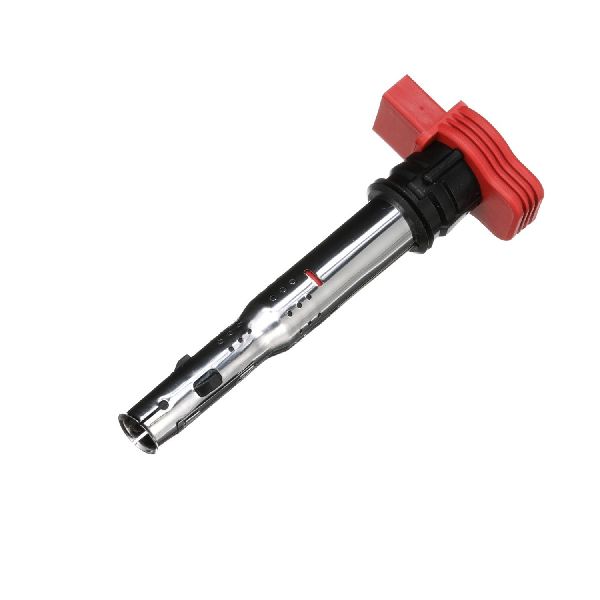
- Faulty Ignition Coil 🔴 High Probability → Shop Ignition Coil Ignition coils are a common failure item on Audi/VW products of this era due to heat and age. They are considered a routine maintenance item by many owners.
How to confirm: Swap the ignition coil from cylinder 8 with another cylinder (e.g., cylinder 7). Clear the codes and drive. If the code changes to P0307, the ignition coil is faulty. Cylinder 8 is the rearmost cylinder on the driver's side (left side of the engine).
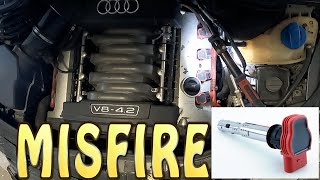
Typical fix: Replace the faulty ignition coil. 🎬 Watch: How to replace an ignition coil on the 4.2L engine. It is highly recommended to replace all eight coils and spark plugs at the same time for reliability and to prevent future misfires.
Est. part cost: $30-$60 per coil - Worn Spark Plug 🔴 High Probability → Shop Spark Plug Spark plugs are a standard maintenance item with a finite lifespan. A worn, fouled, or improperly gapped plug cannot produce a strong enough spark for complete combustion.
How to confirm: After confirming the coil is good, remove the spark plug from cylinder 8. Inspect it for wear, carbon fouling, or oil deposits. Compare it to a new plug. A plug that is wet with fuel may indicate an injector issue, while heavy black soot can point to carbon buildup issues.
Typical fix: Replace the spark plug. It is best practice to replace all eight spark plugs at the same time, typically every 40,000-60,000 miles. Ensure plugs are gapped correctly, although most come pre-gapped.
Est. part cost: $15-$25 per plug - Intake Valve Carbon Buildup 🟡 Medium Probability This is a signature problem of the FSI direct-injection engine. Since fuel doesn't wash over the valves, carbon deposits from oil vapors in the PCV system bake onto the hot intake valves, restricting airflow and causing misfires that new ignition parts won't fix. This issue is widely documented in owner forums and becomes prominent around 60,000-80,000 miles.
How to confirm: This is difficult to confirm without a borescope to visually inspect the intake valves, which requires removing the intake manifold. A professional shop can perform this inspection.
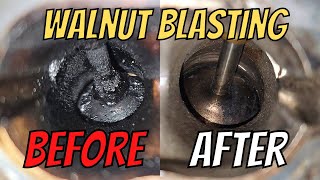
Typical fix: Professional cleaning of the intake valves, most commonly done via walnut shell blasting. This is not a simple DIY job and is a significant expense. Some owners report success with chemical cleaning methods, but walnut blasting is the most effective solution.
Est. part cost: $800-$1500 for professional walnut blasting service - Clogged or Faulty Fuel Injector ⚪ Low Probability → Shop Fuel Injector Direct-injection (FSI) injectors operate under very high pressure and can be prone to clogging from fuel deposits or electronic failure over time. TSB 2014753/8 notes that poor fuel quality can lead to injector deposits.
How to confirm: This is an advanced diagnostic step. It involves checking injector electrical signals with a multimeter or using a scan tool like VCDS to monitor fuel trims. Swapping the injector with another cylinder is the most definitive test, but it requires intake manifold removal.
Typical fix: Replace the faulty fuel injector. The Teflon seals should always be replaced at the same time. It is often recommended to replace all injectors on the same bank if one fails, especially on high-mileage vehicles.
Est. part cost: $70-$150 per injector
Rare But Worth Checking
- Low Engine Compression: If ignition and fuel system checks pass, a compression test should be performed on cylinder 8 to check for mechanical engine problems like a bad valve, worn piston rings, or even a jumped timing chain. A cylinder leak-down test can further pinpoint the source of the compression loss.
- Vacuum Leak: A leak in the intake manifold gasket or a cracked vacuum hose near cylinder 8 could lean out the mixture and cause a misfire. The oil filter housing gasket under the intake manifold is a known leak point that can cause unmetered air to enter. A smoke test is the most effective way to diagnose a vacuum leak.
- Engine Control Module (ECM) or Wiring Fault: → Shop Engine Control Module (ECM) In rare cases, a fault within the ECM (specifically the ignition coil driver) or a damaged wire in the harness going to the coil or injector for cylinder 8 can cause a misfire. This is usually a last resort after all other possibilities have been exhausted.
Diagnosis Steps
- Read the code with an OBD-II scanner (VCDS/VAG-COM is preferred for Audi) and confirm P0308 is present. Note if the Check Engine Light is flashing.
- Locate cylinder 8, which is the rearmost cylinder on the driver's side (left side of the engine, Bank 2).
- Swap the ignition coil from cylinder 8 with the coil from cylinder 7 (the one in front of it).
- Clear the codes and test drive the vehicle. If the code returns as P0307, the ignition coil is bad and must be replaced.
- If the code remains P0308, the coil is likely good. Move the spark plug from cylinder 8 to cylinder 7.
- Clear the codes and test drive again. If the code changes to P0307, the spark plug is faulty.
- If the misfire still remains on cylinder 8 after swapping the coil and plug, the issue is deeper. Inspect the ignition coil electrical connector for damage or corrosion.
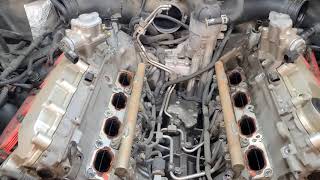
- The next most likely cause is significant carbon buildup on the intake valves. A professional should use a borescope to inspect the intake valves for carbon deposits. This requires removing the intake manifold.
- If valves are clean, further diagnostics on the fuel injector (monitoring fuel trims, or swapping), wiring, and engine compression for cylinder 8 are needed.
Parts You'll Likely Need
- Ignition Coil
(OEM #06E905115E (or superseding number))— This is the most common failure part for a P0308 misfire on this engine.
Trusted brands: Bosch, NGK, Eldor
OEM price range: $50-$70
Aftermarket price range: $30-$50 - Spark Plug
(OEM #NGK PFR8S8EG or Bosch FGR6KQE)— A standard wear item that is the second most likely cause of a single-cylinder misfire.
Trusted brands: NGK, Bosch
OEM price range: $20-$30
Aftermarket price range: $15-$25 - Fuel Injector
(OEM #06F906036A (Bosch 0261500020))— A less common but possible cause, especially on higher mileage vehicles or those with a history of poor fuel quality.
Trusted brands: Bosch (OEM)
OEM price range: $100-$150
Aftermarket price range: $70-$100
Related Codes That Often Appear With This One
- P0300 — If the misfire is severe or affects multiple cylinders, a P0300 (Random/Multiple Cylinder Misfire) code may appear. This often points to a systemic issue like severe carbon buildup, a major vacuum leak, or low fuel pressure.
- P0301-P0307 — The presence of other specific cylinder misfire codes (e.g., P0306, P0305) is a strong indicator of a widespread problem like carbon buildup affecting multiple cylinders, or a failing high-pressure fuel pump affecting one bank.
- P2004, P2005 — These codes for 'Intake Manifold Runner Control Stuck Open' can appear alongside misfire codes. The same carbon buildup that causes misfires can also cause the intake runner flaps to bind and fail.
Technical Service Bulletins (TSBs) & Recalls
- TSB 2014753/8 / A011514: Addresses rough running, misfires, and fuel system issues caused by deposit buildup from poor quality gasoline. It recommends using a fuel additive (G 001770A2) for cleaning injectors and combustion chambers, but notes this will not clean intake valves on FSI engines.
- TSB 2019948: Specifically referenced by TSB 2014753/8 for the procedure to address carbon deposits on the intake valves of FSI engines when MIL is on with misfire codes.
- Bulletin #A01166020322224: While issued for the RS 5 model, this manufacturer bulletin explains how to update the ECM software to correct an issue that causes DTCs P0300 through P0308, demonstrating that software calibration can sometimes be a factor in persistent misfire codes across the Audi lineup.
Platform-Specific Known Issues
- Severe carbon buildup on the intake valves is a widely documented issue for the 4.2L FSI engine, directly leading to misfire codes once it becomes significant, typically after 60,000-80,000 miles.
- A user on AudiWorld forums with a 2007 Q7 4.2L at 101k miles noted getting rid of the vehicle as it started to 'hiccup' (misfire), despite proper maintenance, highlighting the frustrating nature of the carbon buildup problem.
Mechanic-Grade Diagnostic Values
- High-Pressure Fuel System (at fuel rail) — expected: 35 to 45 bar (507 to 652 PSI) at idle, up to 136 bar (1973 PSI) under load.. Failure: Pressure significantly below the idle range or failing to increase under load points to a failing High-Pressure Fuel Pump (HPFP).
- Low-Pressure Fuel System (in-tank pump) — expected: Approximately 4 to 7 bar (58 to 101 PSI).. Failure: Pressure below this range indicates a weak in-tank pump or a clogged fuel filter.
- Camshaft Adaptation Phase (VCDS Measuring Block 093) — expected: The sum of intake and exhaust deviation for each bank should be less than +/- 8 degrees.. Failure: A value exceeding +/- 8 degrees on either bank can indicate stretched timing chains or failing tensioners, which can cause misfires.
- Crankcase Vacuum (at oil cap) — expected: Slight vacuum at idle.. Failure: Excessive, strong suction that makes the oil cap difficult to remove is a classic sign of a failed PCV valve, which creates an internal vacuum leak causing misfires.
Hidden / Shadow Codes Worth Checking
- Mode $06 Misfire Data: Provides raw misfire counts for each cylinder from the last drive cycle, which can show intermittent misfires on cylinder 8 before they are frequent enough to set a P0308 code. (see via Any advanced OBD-II scanner that supports Mode $06. VCDS also provides this in more detail.)
Scan Tool Commands That Help
- VCDS (VAG-COM): Misfire Recognition (Measuring Blocks 015, 016) — Use these groups to view live misfire counts for each individual cylinder. This is essential for confirming the misfire is isolated to cylinder 8 and for verifying if the misfire moves to another cylinder after swapping a coil or plug.
- VCDS (VAG-COM): Fuel Pressure (Measuring Block 140) — Monitor the 'actual' vs 'requested' high-pressure fuel rail pressure in real-time to diagnose issues with the HPFP.
- VCDS (VAG-COM): Camshaft Adaptation (Measuring Block 093) — Check the phase deviation values for Bank 1 and Bank 2 to rule out timing chain stretch, a potential but rare cause of persistent misfires.
Wiring & Ground Locations
- Ground Connection (640) — In the engine compartment on the left side frame rail.. This is a primary ground point for engine components. Corrosion or a loose connection here can cause erratic behavior in the ignition and fuel systems.
- Ground Connection (608) — In the center of the plenum chamber (under the plastic cowl cover near the windshield).. This ground is critical for the Engine Control Module (ECM) and its related sensors. A poor connection can lead to many phantom codes, including misfires.
- ECM Location — In the right rear of the engine compartment, inside the plenum chamber E-box.. Water ingress into the plenum chamber is a known issue and can damage the ECM or its connectors, potentially causing a driver failure for the cylinder 8 coil or injector.
Real Owner Repair Stories
- AudiWorld Forums user (2007 Audi Q7 4.2) — Persistent misfire on one cylinder that would occur when accelerating hard on the highway, causing the engine to run on 7 cylinders until restarted.
❌ Tried (didn't work) Replacing spark plugs, Replacing ignition coils, Carbon cleaning, Replacing fuel injector, Replacing crank position sensor, Replacing cam position sensor
✅ What actually fixed it The user eventually replaced the PCV valve (crankcase breather box), and the misfire issue did not return. - YouTube video by 'BEFORE: Touareg/Q7 4.2 FSI Intake Ports Carbon Cleaning' (2008 VW Touareg 4.2L FSI (BAR engine, same as Q7) with 159,000 km (~100,000 miles)) — Owner was investigating the common carbon buildup issue, not chasing a specific code, but wanted to document the condition.
✅ What actually fixed it The video documents the severe carbon buildup found on the intake valves, with deposits 2-3mm thick. The follow-up video shows a manual cleaning process using carb cleaner, gasoline, and brushes, which restored the ports to a near-clean state, confirming the necessity of this service on high-mileage engines.
"I Checked Everything" — The Actual Cause
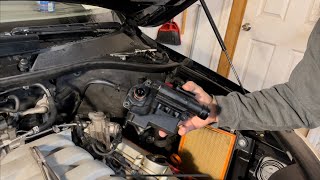
- A common scenario for a persistent, hard-to-diagnose misfire on the 4.2L FSI is a failed PCV valve (oil separator). A standard smoke test of the intake tract may show no external leaks, but the diaphragm inside the PCV valve itself can rupture. This creates a massive, unmetered internal vacuum leak, leaning out the air-fuel mixture and causing misfires that often appear random or move between cylinders. A key symptom is a very strong vacuum at the oil fill cap when the engine is running.
When the Usual Fixes Don't Work
- While carbon cleaning is a very common fix for misfires on the 4.2L FSI, it is not a guaranteed solution. In a documented case on a similar 3.0T engine, a shop performed a full walnut blast service for a cylinder misfire, but the issue persisted. The ultimate cause was found to be low compression in that cylinder, a mechanical failure that cleaning could not resolve. This highlights the importance of performing a compression test if standard ignition/fuel/carbon fixes do not solve the P0308 code.
OEM Part Supersession History
06E905115A, 06E905115B, 06E905115C, 06E905115D→06E905115E, 06E905115F— Improved internal design and materials for better heat resistance and longevity. The original black-top coils were prone to premature failure.
Heads up: All listed part numbers are physically and functionally interchangeable. It is highly recommended to replace all 8 coils with the latest available revision (e.g., 06E905115F) to ensure consistent performance and prevent future failures.
Model Year Variations Within This Range
- 2007-2010: The 4.2L FSI (BAR) engine was only offered in the North American Q7 for these model years. While minor running changes may have occurred, the fundamental design and its associated issues (carbon buildup, coil failure) are consistent across this range. There are no major part or diagnostic differences related to P0308 within this specific vehicle and engine combination.
Diagnostic Flowchart
Other Known Issues on This Vehicle
Issues unrelated to this code that are worth knowing about as an owner of this generation:
- Timing Chain Guide Failure 🔴 High → Shop Engine Timing Chain — Becomes a concern after 90,000-120,000 miles. Characterized by a 'rattle' on cold startup from the rear of the engine. It is an extremely expensive, engine-out service to repair.
- Adaptive Air Suspension Failure 🟠 Medium — Common failure item, especially on higher-mileage vehicles. Symptoms include the vehicle sagging at one corner, a 'Suspension Malfunction' warning light, and a compressor that runs constantly or fails. Leaking air struts or a failed compressor are common culprits.
- Excessive Oil Consumption 🟠 Medium — Many owners report needing to add oil between changes. While Audi considers up to 1 quart per 1,200 miles 'normal', it can be caused by failing PCV valves, valve cover gaskets, or piston rings. (Ref: TSB 17-13-01 (2032948) addresses oil consumption testing, and a related TSB for the 3.0T engine points to a crankcase pressure valve replacement.)
- Intake Manifold Runner Flap Failure 🟡 Low → Shop Engine Intake Manifold — The plastic components of the intake manifold runner control can break or get stuck, often due to carbon buildup. This can cause a check engine light (e.g., P2004, P2005) and reduced performance.
- Center Propshaft Bearing Failure 🟡 Low — Can cause a whining noise from under the vehicle, particularly between 30-40 mph in colder weather. Requires replacement of the propshaft or bearing support.
Used vs. New Parts: Buying Guide for This Vehicle
When a used part is the smart pick: For this repair, used parts are generally not recommended for the primary failure components. However, if a larger assembly like the complete intake manifold were damaged during repair, a used unit from a reputable auto recycler is a viable option.
Donor-vehicle mileage cap: roughly under 80000 miles for the part to have meaningful remaining life.
What to inspect on the donor part:
- For an intake manifold, check for cracks, especially around mounting points.
- Ensure all vacuum nipples and ports are intact and not broken off.
- Verify the intake runner flaps move freely and are not seized with carbon.
OEM-only on this vehicle (don't cheap out):
- Fuel Injectors: Due to the high pressures and precise nature of FSI injectors, OEM (Bosch) is strongly recommended. Aftermarket injectors have a poor reputation for reliability.
- PCV Valve / Oil Separator: While cheaper aftermarket options exist, many owners report premature failure. An OEM or OEM-supplier part is worth the extra cost to avoid repeat repairs.
Aftermarket brands forum-validated for this vehicle:
- Ignition Coils: Bosch, NGK, Eldor (often an OEM supplier).
- Spark Plugs: NGK, Bosch.
Brands owners have reported issues with on this vehicle:
- Unbranded, no-name ignition coils and fuel injectors from online marketplaces. These frequently fail within a short period, leading to repeat diagnostics and labor costs.
Real Owner Stories
Aggregated from forums and TSBs cited above. Mileages and costs reflect what owners reported in those sources.
2007 Audi Q7 4.2L V8 — 101000 miles
Symptoms: The vehicle started to 'hiccup' (misfire) despite receiving correct maintenance.
What fixed it: The owner chose to get rid of the vehicle due to the frustrating nature of the carbon buildup problem.
Source hint: AudiWorld Forums - '2009 Q7 4.2 V8 - Do these engines have timing component issues?'
Related OBD-II Codes
Frequently Asked Questions
Where is cylinder 8 located on the 4.2L FSI V8 engine?
Does TSB 2014753/8 recommend a specific additive to fix my intake valve carbon buildup?
What is the most effective way to clean the intake valves on my Q7 to resolve P0308?
Can I just swap parts to see if my ignition coil is the problem?
Is there a TSB that specifically addresses carbon deposits on FSI engines when the MIL is on?
How often should I replace the spark plugs on my 4.2L Q7 to prevent misfires?
Helpful Videos
Used OEM Parts in Stock
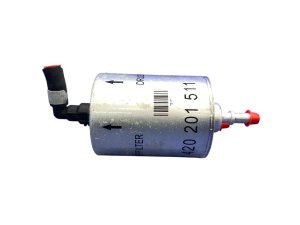
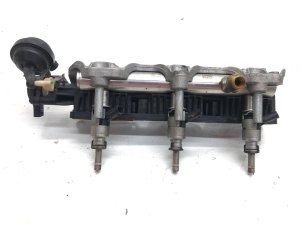
New Aftermarket Parts Available

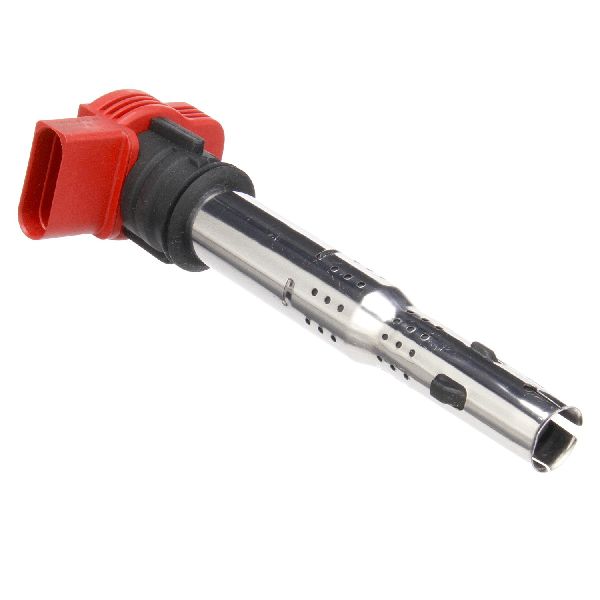
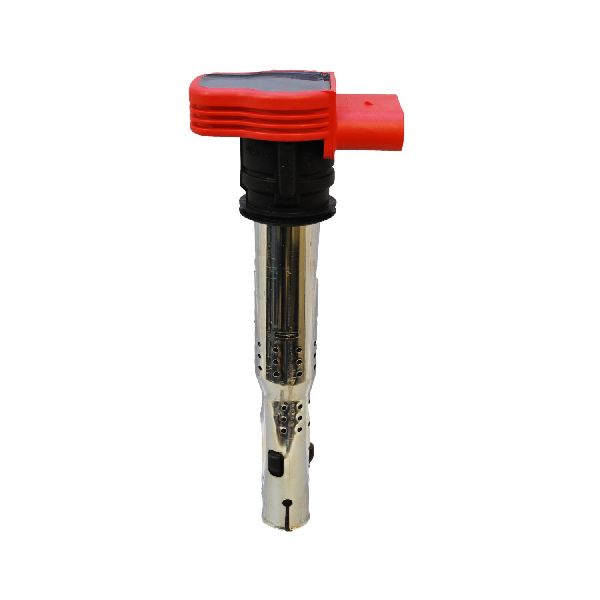

The information in this article is provided for general reference and educational purposes only. Vehicle specifications, procedures, and part compatibility can vary by production date, trim level, and region. Always consult your vehicle's factory service manual and verify part numbers before purchasing or performing repairs. Safety-critical components such as airbags, seat belts, and braking systems should be installed by a qualified professional.
- Audi Q7:
- 🧭 Diagnostic Flowchart
- 🎬 Helpful Videos
- 🛍️ Shop This Part
- What's Unique About the 2007-2010 Audi Q7
- Symptoms You May Notice
- Most Likely Causes
- Rare But Worth Checking
- Diagnosis Steps
- Parts You'll Likely Need
- Related Codes That Often Appear With This One
- Technical Service Bulletins (TSBs) & Recalls
- Platform-Specific Known Issues
- Mechanic-Grade Diagnostic Values
- Hidden / Shadow Codes Worth Checking
- Scan Tool Commands That Help
- Wiring & Ground Locations
- Real Owner Repair Stories
- "I Checked Everything" — The Actual Cause
- When the Usual Fixes Don't Work
- OEM Part Supersession History
- Model Year Variations Within This Range
- Other Known Issues on This Vehicle
- Used vs. New Parts: Buying Guide for This Vehicle
- Real Owner Stories
- 2007 Audi Q7 4.2L V8 — 101000 miles
- Related OBD-II Codes
- Frequently Asked Questions
- 🎟️ Get 5% Off