

P0308 on 2000-2005 Buick Century: An Impossible Misfire Code Explained
A P0308 code on a 2000-2005 Buick Century is impossible, as its 3.1L V6 engine only has six cylinders. This code points to a significant problem, most likely a failing Powertrain Control Module (PCM) or an issue with the scan tool used for diagnosis.
- P0308 is an impossible code for a 2000-2005 Buick Century, as it only has 6 cylinders.
- Do not attempt to diagnose a misfire on 'cylinder 8' or replace any ignition parts.
- The most likely cause is a failing Powertrain Control Module (PCM).
- A faulty scan tool can also sometimes display incorrect codes; try to verify with a second device.
- This repair is not DIY-friendly, as a replacement PCM requires professional programming.
What's Unique About the 2000-2005 Buick CENTURY
The key issue for this platform is the conflict between the code's definition and the vehicle's physical hardware. The 2000-2005 Century exclusively used the 3.1L V6 engine. The appearance of a P0308 code is a red flag for a deeper electronic issue rather than a simple tune-up part failure. The problem isn't a misfire; it's the illogical report of a misfire on a cylinder that doesn't exist. This issue is also seen on platform-mate vehicles like the Chevrolet Impala and Pontiac Grand Prix that share the same 3.1L V6 engine and similar electronics.
Diagnostic Flowchart
Tap your situation to follow the diagnostic path that matches what you're seeing on this vehicle.
Symptoms You May Notice
- Check Engine Light is on
- Vehicle may not start or may stall unexpectedly.
- Erratic engine performance or rough idling.
- Poor or inconsistent automatic transmission shifting.
- Other seemingly unrelated trouble codes may appear simultaneously
- Loss of communication with the scan tool.
- Reduced fuel economy.
- Engine backfires or misfires (on actual cylinders).
- Replacing ignition components (spark plugs, wires, coils). Since there is no cylinder 8, these parts are irrelevant to this specific code and will not resolve the underlying electronic issue.
Most Likely Causes
- Powertrain Control Module (PCM) Failure 🔴 High Probability → Shop Engine Control Module (ECM) The PCM controls ignition and fuel delivery; internal faults, such as software corruption or failing driver circuits, can lead to the generation of erroneous or nonsensical trouble codes like P0308 on a V6 engine. These modules can fail over time due to heat and vibration.
How to confirm: A professional technician will perform a complete diagnostic scan, check for communication issues with the module, and verify power and ground signals to the PCM. If all wiring is intact, grounds are good, and a known-good scan tool still reports the impossible code, the PCM is condemned. Often, other PCM-specific codes like P0601 or U-series codes will be present.
Typical fix: Replace the Powertrain Control Module. The replacement unit must be programmed with the vehicle's specific VIN and security information to function.
Est. part cost: $150-$400 - Scan Tool or Software Error 🟡 Medium Probability Less sophisticated or universal scan tools can sometimes misinterpret data from the vehicle's PCM, leading to the display of incorrect or phantom trouble codes. This is especially true with older vehicle communication protocols.
How to confirm: Use a different, high-quality, professional-grade scan tool (like a GM Tech 2 or equivalent) to read the codes. If the P0308 code does not reappear on the second tool, the original tool was at fault.
Typical fix: No parts are replaced on the vehicle. Use a reliable scan tool for diagnosis.
Est. part cost: $0 - Wiring Harness Issues ⚪ Low Probability While less common, a short or open circuit in the wiring harness leading to the PCM could potentially corrupt data and cause unpredictable electronic behavior, including the generation of false codes. Chafing against the engine or chassis over many years can compromise wire insulation. A known chafe point on GM W-body cars is under the dash near the driver's right knee.
How to confirm: Visually inspect the wiring harness connected to the PCM for any signs of damage, corrosion, or chafing. A technician would perform continuity and resistance tests on specific circuits between the PCM connector and other components.
Typical fix: Repair the damaged section of the wiring harness.
Est. part cost: $20-$100
Diagnosis Steps
- Confirm the vehicle's engine. Verify it is the 3.1L V6, which has only 6 cylinders.
- Scan for codes using a high-quality, professional scan tool. Note if P0308 is present.
- If P0308 is present, suspect a PCM or scan tool issue. If possible, re-scan with a different, known-good tool to rule out a scanner fault.
- If the code persists, inspect the PCM wiring harness for visible damage, corrosion, or loose connections. Pay close attention to the main PCM connectors and grounding points on the engine block and chassis.
- Check for other PCM-related codes, such as P0601, P0606, or any U-series communication codes, as these strongly indicate an internal PCM fault.
- A technician should verify stable power and clean grounds at the PCM connector. Voltage fluctuations or a poor ground can cause the PCM to behave erratically.
- If no wiring faults are found and other PCM-related codes are present, the PCM is the most likely cause of the problem.
- Professional diagnosis is recommended to test PCM power/ground circuits before ordering a replacement.
Parts You'll Likely Need
- Powertrain Control Module (PCM)
(OEM #12209614 (Service number for some 2002 models, but varies by year and calibration))— This is the vehicle's main computer. An internal failure is the most likely reason for it to generate an impossible code like P0308 on a V6 engine.
Trusted brands: ACDelco, Cardone, Standard Motor Products, Flagship One, Solo PCMs
OEM price range: $250-$400
Aftermarket price range: $150-$300
Related Codes That Often Appear With This One
- U-series codes (e.g., U0100) — U-codes indicate a loss of communication between modules, which often accompanies a failing PCM.
- P0601, P0606 — These codes point directly to internal PCM memory or processor faults, confirming the diagnosis of a bad computer.
- P0442 — In some documented cases, seemingly unrelated codes like EVAP system faults have appeared alongside phantom codes, pointing to erratic PCM behavior.
Technical Service Bulletins (TSBs) & Recalls
- PIP5628G: A general GM bulletin about collecting data for various misfire codes (P0300-P0308). While it lists P0308, its purpose is data collection for technicians contacting GM's Technical Assistance Center and does not provide a specific fix or apply to the logical impossibility of this code on a V6.
Platform-Specific Known Issues
- The 2000-2005 Buick Century was only offered with the 3.1L V6 engine, making a P0308 code a definitive sign of an electronic or PCM-level fault, not a mechanical misfire.
- Owners on forums for platform-mate vehicles like the Chevrolet Impala have reported similar phantom codes, confirming the issue is related to the GM powertrain electronics of this era rather than a specific model.
Mechanic-Grade Diagnostic Values
- PCM Power and Ground Verification — expected: With the key on, engine off, there should be 10-12 Volts DC at the appropriate power pins of the PCM connector. Ground pins should have continuity to the chassis ground with minimal resistance (less than 1 ohm).. Failure: No voltage, low voltage (<10V), or high resistance on a ground circuit indicates a wiring or power supply issue, not necessarily a failed PCM. These must be corrected before condemning the PCM.
- 5-Volt Reference Circuit — expected: The PCM provides a 5-volt reference signal to many sensors. With the key on, this should be a steady ~5.0 volts at sensors like the TPS and MAP sensor.. Failure: A missing or incorrect reference voltage can indicate an internal PCM fault or a shorted sensor/wiring pulling the circuit down.
Scan Tool Commands That Help
- GM Tech 2: Crankshaft Variation Relearn (CASE Relearn) — This procedure is required after replacing the PCM. It calibrates the crankshaft position sensor to the new module to ensure accurate misfire detection. Failure to perform this can lead to false misfire codes (though typically not impossible ones like P0308) and a persistent check engine light with code P1336.
- GM Tech 2: Misfire Graphic Display — While P0308 is impossible, a technician may use this function to see if the PCM is erroneously counting misfires on non-existent cylinders or if there are actual misfires on cylinders 1-6 that are contributing to the PCM's erratic behavior.
- Professional Scan Tool: Security Relearn / Anti-Theft Relearn — After installing a replacement PCM, the vehicle's Passlock or anti-theft system must be synchronized with the new module. This often involves a 30-minute manual procedure or a command via a scan tool. The car will not start until this is completed.
Wiring & Ground Locations
- PCM Location — Located in the left front side of the engine compartment, housed within the air cleaner assembly.. This is the location of the primary suspect component. Its connectors (C1 Blue, C2 Clear) and the surrounding harness are the main areas to inspect for damage or corrosion.
- G110 — A primary engine ground located on a transaxle stud, left front of the engine, sometimes described as being above or near the starter.. This is a critical ground point for multiple engine and powertrain components. A loose or corroded G110 can cause a wide range of erratic electrical issues, including phantom codes, as it can create an unstable ground reference for the PCM.
- PCM Ground Pins — On the PCM connectors, specifically Pin 1 on the C1 (Blue) connector and Pin 1 on the C2 (Clear) connector are designated as grounds (Circuit 451, BLK/WHT wire).. When diagnosing, a technician must confirm these specific pins have a solid connection to the chassis ground. A fault in these specific wires can directly impact PCM stability and cause internal logic errors.
- Under-dash Harness Chafe Point — A portion of the main wiring harness located under the dashboard, near the driver's right knee area (on US-market vehicles).. On GM W-body platforms, this area has been noted by owners as a potential spot for wires to chafe against chassis components, leading to intermittent shorts and unpredictable electrical gremlins that could potentially affect PCM operation.
OEM Part Supersession History
12209614→19433893— Standard part lifecycle replacement. The original is a remanufactured part, and the new number is the current service replacement.
Heads up: Service number 12209614 is noted to be interchangeable with 12583827, 89017736, and 9378702, but programming to the vehicle's VIN is always required for function.
Used OEM Parts in Stock
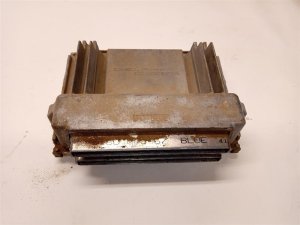
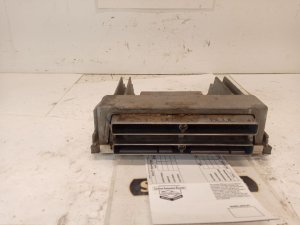
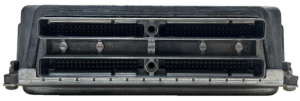
New Aftermarket Parts Available
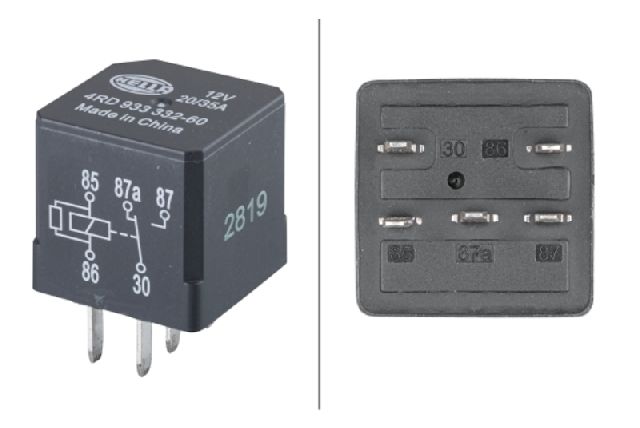

The information in this article is provided for general reference and educational purposes only. Vehicle specifications, procedures, and part compatibility can vary by production date, trim level, and region. Always consult your vehicle's factory service manual and verify part numbers before purchasing or performing repairs. Safety-critical components such as airbags, seat belts, and braking systems should be installed by a qualified professional.
- Buick CENTURY:
- 🧭 Diagnostic Flowchart
- 🛍️ Shop This Part
- What's Unique About the 2000-2005 Buick CENTURY
- Symptoms You May Notice
- Most Likely Causes
- Diagnosis Steps
- Parts You'll Likely Need
- Related Codes That Often Appear With This One
- Technical Service Bulletins (TSBs) & Recalls
- Platform-Specific Known Issues
- Mechanic-Grade Diagnostic Values
- Scan Tool Commands That Help
- Wiring & Ground Locations
- OEM Part Supersession History
- 🎟️ Get 5% Off