

P0308 on 2000-2004 Buick Regal: Why This Code Is an Error and How to Fix the Real Misfire
A P0308 code is impossible on a 2000-2004 Buick Regal, as its 3.8L V6 engine only has six cylinders. This indicates a scanner error or software glitch, a phenomenon acknowledged in GM TSB PIP5628G. The underlying problem is a real misfire (likely codes P0300-P0306), most often caused by a failed ignition control module (ICM), worn spark plugs, or bad plug wires.
- P0308 is an impossible code for a 2000-2004 Buick Regal; it indicates a tool error, not a cylinder 8 misfire.
- The actual problem is a misfire on one of the six cylinders. You must use a reliable scanner to get the correct code (P0300-P0306).
- The most likely cause of a misfire on this engine is a faulty Ignition Control Module (ICM), followed by worn spark plugs and wires.
- Do not drive if the Check Engine Light is flashing, as this can quickly ruin your catalytic converter.
- When replacing spark plugs, it is highly recommended to replace the wires at the same time, especially given the poor access to the rear cylinders.
What's Unique About the 2000-2004 Buick REGAL
The key issue for this platform is the discrepancy itself. Seeing a P0308 code on a Buick Regal with the famously durable GM 3800 V6 engine is a unique diagnostic red herring. It immediately tells you the problem is not what the code says. The focus should shift from finding 'cylinder 8' to diagnosing a general misfire on a V6 engine known for specific ignition system failures. The most notorious failure is the Ignition Control Module (ICM) located under the coil packs, which is highly susceptible to heat-related failure, causing misfires that often appear only after the engine has warmed up.
Diagnostic Flowchart
Tap your situation to follow the diagnostic path that matches what you're seeing on this vehicle.
Symptoms You May Notice
- Flashing or steady Check Engine Light
- Rough or shaking idle
- Hesitation or stumbling during acceleration
- Noticeable loss of engine power
- Reduced fuel economy
- Engine stalling, especially when warm, and potentially refusing to restart until cooled
- Difficulty starting the engine
- Taking the P0308 code literally and searching for a non-existent cylinder 8.
- Replacing the Powertrain Control Module (PCM) before thoroughly testing the ignition system.
- Replacing only spark plugs when the spark plug wires are also bad.
- Replacing ignition coils when the underlying cause is a faulty Ignition Control Module (ICM).
Most Likely Causes
- Faulty Ignition Control Module (ICM) 🔴 High Probability The ICM on the 3.8L V6 is mounted directly under the ignition coils, where it is exposed to significant heat cycles. This is a very common failure point on this engine, causing intermittent misfires that often worsen as the engine warms up and can lead to stalling.
How to confirm: Remove the ICM (located under the three ignition coils) and have it tested at an auto parts store. Many stores offer this service for free. The module should be tested multiple times, as it can fail only when hot. A definitive sign is a misfire that only occurs after 20-30 minutes of driving.
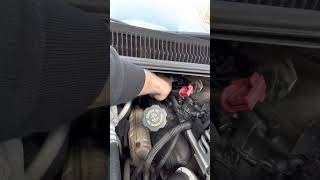
Typical fix: Replace the Ignition Control Module. It is critical to apply a new layer of thermal paste to the back of the new module to ensure proper heat dissipation. 🎬 Watch this walkthrough on replacing the Ignition Control Module. Using a quality brand like Delphi or ACDelco is highly recommended to prevent premature failure.
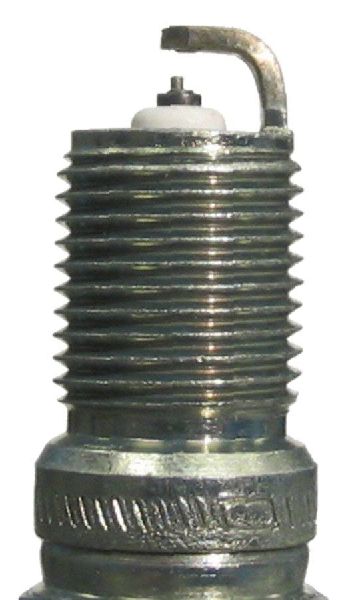
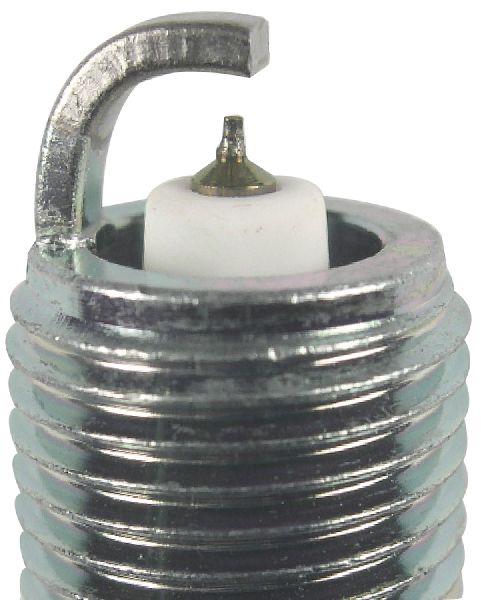
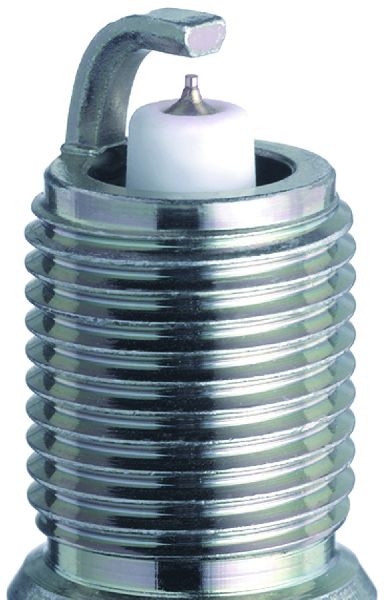
Est. part cost: $60-$150 - Worn Spark Plugs and/or Wires 🔴 High Probability → Shop Spark Plug These are standard maintenance items that wear out from heat and high voltage. Misfires that only occur in damp or rainy weather are a classic symptom of failing spark plug wires. Accessing the rear three plugs (1, 3, 5) is notoriously difficult due to firewall clearance.
How to confirm: Visually inspect the spark plug wires for cracks, burns, or corrosion. Inspect the spark plugs for wear, fouling, or incorrect gap. A definitive test for wires is to measure their resistance with a multimeter. Spraying them with a fine water mist in the dark may reveal arcing.
Typical fix: Replace all six spark plugs and the full set of spark plug wires. It is highly recommended to do both at the same time. Some owners tilt the engine forward by removing the 'dog bone' motor mounts to gain access to the rear bank. 🎬 See how to access and replace those difficult rear spark plugs.
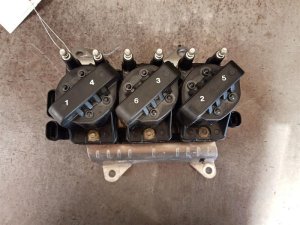
Est. part cost: $40-$100 - Failed Ignition Coil Pack 🟡 Medium Probability → Shop Ignition Coil The 3.8L engine uses a waste-spark system with three coil packs, each firing two cylinders (1-4, 2-5, 3-6). Like the ICM, they are subject to heat and vibration and can fail over time, causing misfires on a pair of cylinders.
How to confirm: Swap the ignition coil suspected of causing the misfire with a known good one from another position. If the misfire code moves to the other cylinder paired with that coil (e.g., a P0301 moves to P0304), the coil is bad.
Typical fix: Replace the single faulty ignition coil. Many owners choose to replace all three coils and the ICM at the same time as a preventative measure, since they are all mounted together.
Est. part cost: $25-$50 per coil - Leaking Fuel Pressure Regulator (FPR) 🟡 Medium Probability → Shop Fuel Injection Pressure Regulator The diaphragm inside the regulator can rupture, allowing raw fuel to be drawn into the intake manifold through its vacuum line. This causes a rich condition and can foul spark plugs, leading to misfires.
How to confirm: Pull the small vacuum hose off the nipple of the fuel pressure regulator on the fuel rail. If raw gasoline is present or drips out, the regulator has failed. 🎬 Watch: How to test your fuel regulator, injectors, and coils.
Typical fix: Replace the fuel pressure regulator.
Est. part cost: $30-$70
Rare But Worth Checking
- Cracked Upper Intake Manifold (Plenum): → Shop Engine Intake Manifold The original plastic upper intake manifold can become brittle and crack, especially around the EGR stovepipe, causing a vacuum leak that leads to a lean misfire.
- Faulty Crankshaft Position Sensor (CKP): A failing CKP sensor can cause stalling and no-start conditions, which can sometimes be preceded by intermittent misfires. After replacement, a CASE (Crankshaft Variation) relearn procedure is often necessary.
- Clogged Fuel Injector: → Shop Fuel Injector An injector can become clogged, preventing a cylinder from getting enough fuel and causing a lean misfire.
- Crankshaft Variation (CASE) Relearn Needed: In some cases, especially after replacing PCM or ignition components, the PCM may incorrectly report misfires. A CASE relearn procedure with a capable scan tool may be required to recalibrate the sensor's profile, as documented in several forum repair stories.
Diagnosis Steps
- Acknowledge that P0308 is an impossible code for a V6 engine and is a diagnostic anomaly. The first step is to re-scan the vehicle with a different, high-quality OBD-II scanner to obtain the correct misfire codes (P0300-P0306).
- If a specific cylinder is identified (e.g., P0304), focus diagnosis there. Inspect the spark plug and wire for that cylinder.
- Test the ignition system. Swap the ignition coil for the misfiring cylinder with a known good one. The coils fire cylinders in pairs: 1-4, 2-5, and 3-6. If the misfire moves to the paired cylinder, the coil is faulty.
- If misfires are intermittent and worsen with engine temperature, suspect the Ignition Control Module (ICM). Have it tested at a parts store, ensuring they test it multiple times to get it hot.
- Check the Fuel Pressure Regulator (FPR) by removing its vacuum line and checking for the presence of fuel. If fuel is found, replace the FPR.
- Check for vacuum leaks by spraying carburetor cleaner or using a smoke machine around the intake manifold, especially the upper plastic plenum.
- If ignition and fuel components have been replaced and misfires persist, a Crankshaft Variation (CASE) relearn procedure may be necessary using a compatible scan tool.
- If all else fails, perform a compression test to rule out internal mechanical engine problems.
Parts You'll Likely Need
- Ignition Control Module
(OEM #10489422)— This is the most common cause of random misfires on the GM 3.8L V6 due to its location and heat exposure.
Trusted brands: ACDelco D579, Delphi DS10041
OEM price range: $100-$150
Aftermarket price range: $60-$120 - Spark Plug Wire Set — A standard wear item that causes misfires, especially in damp conditions. They should be replaced with the spark plugs.
Trusted brands: ACDelco, NGK
OEM price range: $40-$60
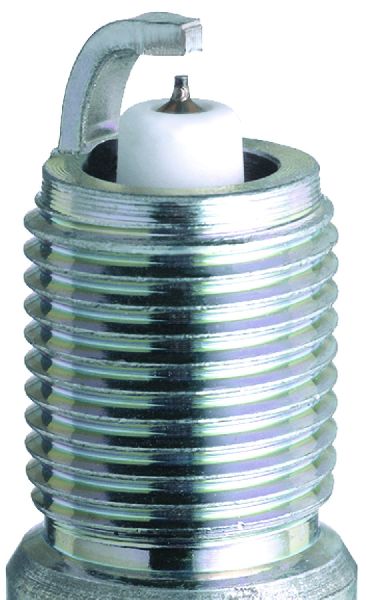
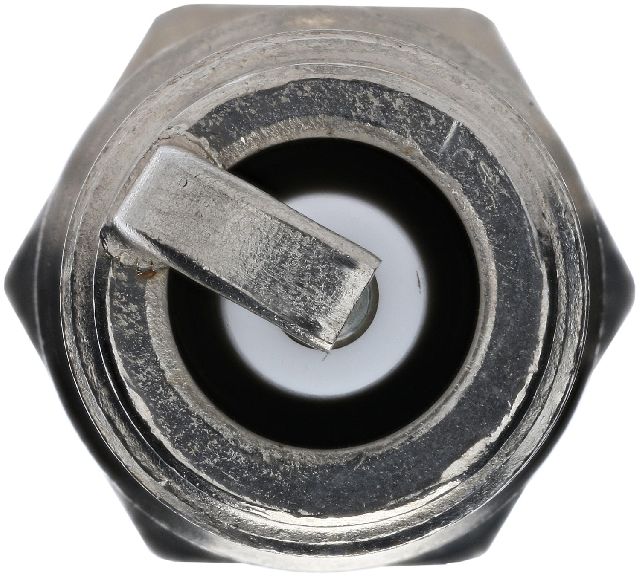
Aftermarket price range: $25-$45 - Spark Plugs — A fundamental maintenance item required for proper combustion. Worn plugs are a primary cause of misfires. ACDelco Iridium or Platinum plugs are often recommended.
Trusted brands: ACDelco, NGK
OEM price range: $5-$10 per plug
Aftermarket price range: $3-$8 per plug - Ignition Coil
(OEM #D555)— Coils can fail from heat and age, causing misfires on two cylinders at once. It's common to replace them with the ICM.
Trusted brands: ACDelco, Delphi, Bosch
OEM price range: $30-$50
Aftermarket price range: $20-$40
Related Codes That Often Appear With This One
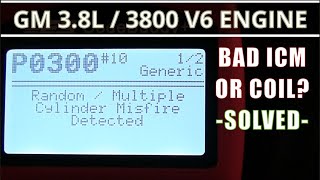
- P0300 — This is a 'Random/Multiple Cylinder Misfire' code. It is often the first code to appear when the ICM is failing or there's a major vacuum leak, before the PCM can isolate the misfire to a specific cylinder.
- P0301, P0302, P0303, P0304, P0305, P0306 — These are the correct, valid misfire codes for this V6 engine. A proper scan tool should reveal one or more of these codes alongside or instead of the erroneous P0308.
Technical Service Bulletins (TSBs) & Recalls
- PIP5628G — This GM Technical Service Bulletin provides a diagnostic template for technicians to use when a vehicle presents with misfire codes P0300 through P0308. Its inclusion of P0308 is significant, as it officially acknowledges that this code may appear during diagnostics, even on engines without 8 cylinders, likely due to scanner or software variables. It instructs technicians to gather specific data before contacting the Technical Assistance Center (TAC). (2023-08-10)
Platform-Specific Known Issues
- Phantom P0308 Code due to Scanner Error: The most significant vehicle-specific issue is the appearance of the P0308 code itself. It is a 'phantom' code because the 3.8L V6 engine only has six cylinders. This is almost always caused by a generic or faulty OBD-II scanner misinterpreting the PCM's data. The actual issue is a misfire on one of the real cylinders (P0301-P0306) or a random misfire (P0300). GM's own TSB PIP5628G acknowledges the diagnostic possibility of codes up to P0308.
- Heat-Related Ignition Control Module (ICM) Failure: A very common owner experience is an intermittent misfire that gets progressively worse as the engine warms up, often leading to stalling after 20-30 minutes of driving. The car may refuse to restart until it has cooled down. This is a classic symptom of the ICM failing due to heat-soak from its position under the ignition coils. Many forum users report fixing long-term, untraceable misfire issues by finally replacing the ICM.
- Difficulty Accessing Rear Spark Plugs: → Shop Spark Plug A frequent topic in owner forums is the challenge of replacing the spark plugs for the rear bank of cylinders (1, 3, 5) due to tight clearance against the firewall. Owners share tips such as using specific combinations of swivel sockets and extensions, or even tilting the engine forward by removing the upper motor mounts ('dog bones') to create more space.
Mechanic-Grade Diagnostic Values
- Fuel Pressure (Key On, Engine Off) — expected: 48-55 PSI. Failure: Pressure below 48 PSI can indicate a weak fuel pump or leaking regulator. Pressure that drops quickly after the pump primes indicates a leak.
- Fuel Injector Coil Resistance — expected: 11-14 Ohms (when engine is between 50-90°F). Failure: Resistance outside this range, or high resistance that appears only when hot, indicates a failing injector coil.
- Crankshaft Position Sensor (CKP) 3X Sync Signal — expected: Switches between 5-6 Volts DC and 0 Volts as the engine is manually cranked.. Failure: No voltage switch indicates a bad CKP sensor.
- Ignition Control Module (ICM) Power Supply — expected: 10-12 Volts at the pink wire (Pin P) on the ICM connector with key on.. Failure: No voltage indicates a wiring or fuse issue preventing power from reaching the ICM.
Scan Tool Commands That Help
- Tech 2 / GDS2 (or equivalent advanced scanner): Crankshaft Position Variation Learn (CASE Relearn) — This procedure is required after replacing the PCM, crankshaft position sensor, or harmonic balancer. It synchronizes the crank and cam sensors to allow for accurate misfire detection. Failure to perform this can cause false misfire codes (like P0300) or prevent the PCM from learning misfires correctly.
- Tech 2 / GDS2 (or equivalent advanced scanner): Fuel Injector Balance Test — This bidirectional test commands each injector to fire individually while monitoring fuel pressure drop. It's used to identify a weak or clogged injector that may be causing a misfire on a specific cylinder. An injector that differs by more than 1.5 PSI from the average pressure drop should be replaced.
- Tech 2 / GDS2 (or equivalent advanced scanner): Misfire Counters — While a generic scanner might only show a P0300, a Tech 2 can display live misfire data for each individual cylinder. This is the most effective way to determine which cylinder is actually misfiring when the erroneous P0308 code appears.
Wiring & Ground Locations
- G101 / G102 — G101 is on the right side of the engine compartment at the base of the battery. G102 is at the base of the left strut tower.. G101 is a primary chassis ground that specifically grounds the PCM. Corrosion or a loose connection here can cause erratic PCM behavior, including data corruption that could potentially manifest as a phantom code like P0308.
- G120 — On the right side of the engine, attached to the ignition control module bracket.. This is the dedicated ground for the Ignition Control Module (ICM). A poor ground here is a well-documented cause of intermittent misfires (P0300-P0306) on the 3.8L V6, as it can disrupt the ICM's ability to properly fire the coils.
- G129 — Located on a transaxle stud, to the left of the starter motor.. This is a main engine-to-chassis ground point. A weak connection here can cause a host of electrical issues, including erratic sensor readings and communication problems between modules, creating a difficult-to-diagnose electrical environment.
- ICM Connector (Pin P) — The main electrical connector on the Ignition Control Module.. Pin P (Pink wire) is the main 12V power feed to the ICM. Probing this pin with a multimeter is the first step in diagnosing a no-spark or misfire condition to confirm the module is receiving power.
Real Owner Repair Stories
- Reddit user in r/MechanicAdvice (1999 Pontiac Grand Prix (NA 3800 Series II engine)) — Severe misfires immediately upon starting (P0300), plumes of white smoke from exhaust.
❌ Tried (didn't work) Checking spark plugs (they were okay).
✅ What actually fixed it The plastic Upper Intake Manifold (UIM) had melted a hole near the EGR valve, allowing coolant to leak directly into the lower intake manifold, causing a severe misfire and steam (white smoke) out of the exhaust. - YouTube video by DiyMakerDan (2006 Buick LaCrosse (3800 Series III engine)) — P0300 Random/Multiple Misfire, flashing check engine light, car running poorly.
❌ Tried (didn't work) Swapping the suspected bad ignition coil with a known good one; the misfire did not move, ruling out the coil itself.
✅ What actually fixed it The Ignition Control Module (ICM) was faulty. A bench test confirmed the ICM was not sending a signal to the coil for cylinders 2 and 5. Replacing the ICM resolved the P0300 code.
OEM Part Supersession History
Varies by year→19245529— GM consolidated several part numbers into a single kit for the Fuel Pressure Regulator.
Heads up: A major safety recall (NHTSA ID: 03054B) was issued for the original fuel pressure regulator on 1998-2000 models due to a diaphragm that could leak fuel into the intake, creating a fire risk. It is critical to ensure a quality replacement is used.
Model Year Variations Within This Range
- 2000-2004: The Regal LS was equipped with the naturally aspirated 3.8L V6 L36 engine (200 HP), while the Regal GS was equipped with the supercharged L67 version (240 HP). While they share the same core architecture and ignition system layout, the L67 has different cylinder heads, pistons, and fuel injectors to handle the forced induction.
- 2004: For the 2004 model year, the naturally aspirated L36 engine was updated to the Series III version (L26). This version featured an aluminum intake manifold (less prone to the EGR-related cracking of the Series II plastic manifold) and a returnless fuel injection system.
Helpful Videos

Used OEM Parts in Stock
New Aftermarket Parts Available

The information in this article is provided for general reference and educational purposes only. Vehicle specifications, procedures, and part compatibility can vary by production date, trim level, and region. Always consult your vehicle's factory service manual and verify part numbers before purchasing or performing repairs. Safety-critical components such as airbags, seat belts, and braking systems should be installed by a qualified professional.
- Buick REGAL:
- 🧭 Diagnostic Flowchart
- 🎬 Helpful Videos
- 🛍️ Shop This Part
- What's Unique About the 2000-2004 Buick REGAL
- Symptoms You May Notice
- Most Likely Causes
- Rare But Worth Checking
- Diagnosis Steps
- Parts You'll Likely Need
- Related Codes That Often Appear With This One
- Technical Service Bulletins (TSBs) & Recalls
- Platform-Specific Known Issues
- Mechanic-Grade Diagnostic Values
- Scan Tool Commands That Help
- Wiring & Ground Locations
- Real Owner Repair Stories
- OEM Part Supersession History
- Model Year Variations Within This Range
- 🎟️ Get 5% Off