

P0308 on 2013-2018 Cadillac ATS: Why This Code is a Clue, Not a Diagnosis
A 2013-2018 Cadillac ATS cannot generate a P0308 code because it does not have 8 cylinders. This code is a generic placeholder in some GM service documents. If you have a misfire, you'll see a code from P0301 to P0306, most often caused by a bad ignition coil or spark plug.
- A Cadillac ATS cannot have a P0308 code. It only has 4 or 6 cylinders. You are looking for a code between P0301 and P0306.
- The most common causes for a misfire on an ATS are a bad ignition coil or a worn spark plug.
- Always use the 'component swap' method to confirm a bad coil before buying a new one.
- If you have a 2.0L Turbo engine, be aware of the potential for more serious issues like cracked pistons, especially if the misfire is persistent and accompanied by low compression.
- A flashing check engine light means 'stop driving' to prevent expensive catalytic converter damage.
What's Unique About the 2013-2018 Cadillac ATS
The Cadillac ATS platform, with its 4-cylinder (2.0L Turbo, 2.5L) and V6 (3.6L) engines, will never have a 'Cylinder 8' misfire. The code P0308 appears in some GM Technical Service Bulletins (TSBs) like #PIP5628G, but it's listed as part of a broad range, 'P0300-P0308', which is GM's generic way of saying 'any cylinder misfire'. This guide will treat the user's query as a request for information on cylinder-specific misfires that are actually possible on the ATS (P0301, P0302, P0303, P0304, P0305, P0306).
Diagnostic Flowchart
Tap your situation to follow the diagnostic path that matches what you're seeing on this vehicle.
Symptoms You May Notice
- Rough or vibrating idle
- Hesitation or stumbling during acceleration
- Noticeable loss of engine power
- Flashing or solid Check Engine Light
- Reduced fuel economy
- 'Service StabiliTrak' or 'Service ESC' message may appear on the driver information center.
- Unusual engine noises, such as whining or rattling.
- Replacing only the spark plug when the ignition coil was the actual point of failure.
- Replacing a fuel pump for a single-cylinder misfire. A fuel pump issue would typically cause random misfires on multiple cylinders (P0300) or a lean condition.
- Performing an expensive fuel injector replacement before ruling out a much cheaper and more common ignition coil or spark plug fault.
Most Likely Causes
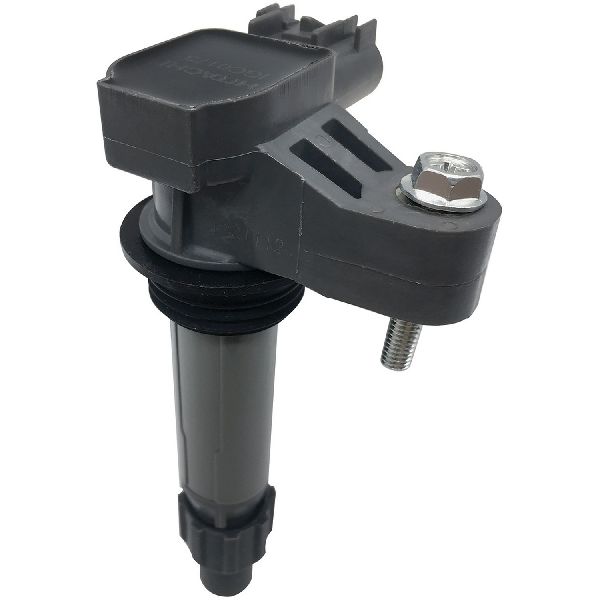
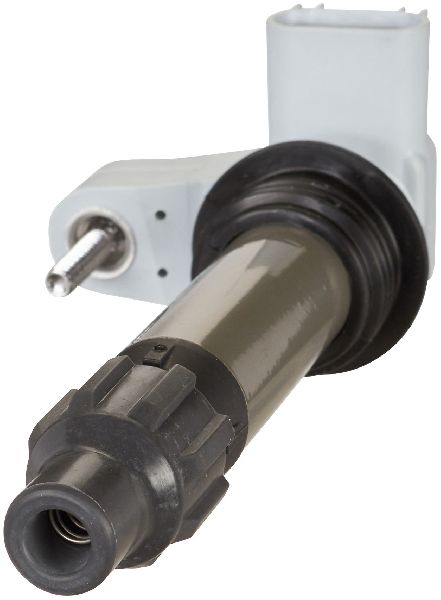
- Faulty Ignition Coil 🔴 High Probability → Shop Ignition Coil Coil-on-plug designs are a common failure point on many modern engines, including the LTG and LFX/LGX. Heat and vibration cause the internal windings to fail over time.
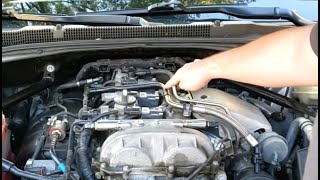
How to confirm: Swap the ignition coil from the misfiring cylinder (e.g., cylinder 3) with a coil from a known good cylinder (e.g., cylinder 1). Clear the codes and drive. If the code changes to P0301, the coil is bad. This is a primary diagnostic step recommended by technicians. 🎬 Watch: A professional diagnosis and repair of an ATS misfire.
Typical fix: Replace the faulty ignition coil. It is often recommended to replace all spark plugs at the same time.
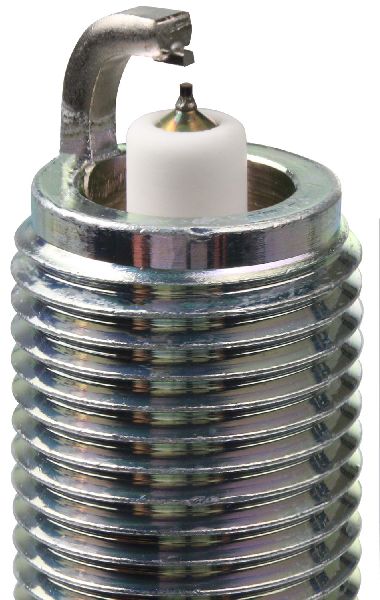
Est. part cost: $40-$90 per coil - Worn or Fouled Spark Plugs 🔴 High Probability → Shop Spark Plug The 2.0L Turbo (LTG) engine, in particular, can be hard on spark plugs. A special service program (#14742) was issued for 2013 models to install colder heat range plugs to prevent pre-ignition, which can damage pistons and foul plugs. Fouled plugs are a common cause of misfires on all ATS engines.
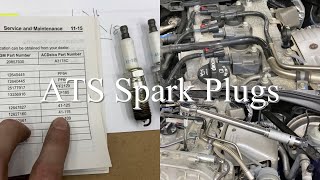
How to confirm: Remove the spark plug from the misfiring cylinder. Inspect it for wear (rounded electrode), carbon tracking (black lines on the ceramic), oil fouling, or damage. The electrode gap should be within spec; for the 2.0T's ACDelco 41-123 plugs, the factory gap is 0.9mm (approx 0.035").
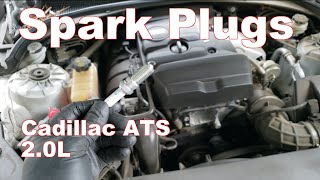
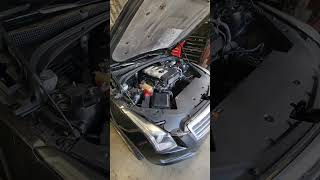
Typical fix: Replace the spark plug. It is best practice to replace all plugs as a set. 🎬 See this step-by-step guide for replacing your 2.0L spark plugs. For tuned or high-horsepower 2.0T engines, some specialists recommend a slightly smaller gap of .027".
Est. part cost: $10-$25 per plug - Clogged or Faulty Fuel Injector 🟡 Medium Probability → Shop Fuel Injector Direct injection (DI) engines like the 2.0T and 3.6L operate under very high fuel pressure, and injectors can become clogged or fail electronically, leading to a lean or rich misfire.
How to confirm: A professional can perform a fuel injector balance test with a scan tool like a GM GDS2, as recommended in GM diagnostic procedures. A DIY method is to listen to the injector with a mechanic's stethoscope; it should make a consistent, rapid clicking sound. Swapping injectors between cylinders is also possible but more labor-intensive than swapping coils.
Typical fix: Replace the faulty fuel injector. This is more involved on DI engines and may require special tools and replacement of high-pressure fuel lines.
Est. part cost: $70-$150 per injector - Cracked Piston (2.0L LTG Engine) ⚪ Low Probability Early versions of the 2.0L Turbo LTG engine were susceptible to piston cracking, particularly between the compression rings. This is often a result of Low-Speed Pre-Ignition (LSPI). GM issued TSB PI1178F for this issue, which applies to 2013-2018 ATS models. This failure is also seen in platform mates like the Chevy Camaro and Buick Regal with the same engine.
How to confirm: This is a serious mechanical failure. Diagnosis starts with a compression test on the misfiring cylinder. A significantly lower reading compared to other cylinders is a strong indicator. A cylinder leak-down test is the definitive step to confirm piston leakage into the crankcase.
Typical fix: Engine rebuild or replacement. The TSB recommends replacing all 4 piston assemblies and rod bearings. Using Dexos-approved full synthetic oil is critical to help prevent LSPI.
Est. part cost: $2000+
Rare But Worth Checking
- Intake Valve Carbon Buildup: Common on all direct-injection engines, including the 2.0T and 3.6L. Oil vapors from the PCV system bake onto the back of the intake valves, restricting airflow and causing misfires, especially on cold starts (P050D). Cleaning methods range from DIY chemical sprays to professional walnut shell blasting for heavy buildup.
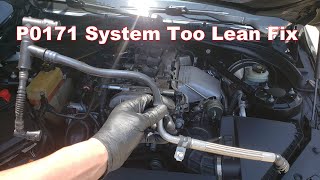
- Vacuum Leak: A cracked hose or leaking intake manifold gasket can introduce unmetered air, leaning out the mixture and causing misfires. On the 2.0T engine, the plastic PCV hoses are a known failure point, becoming brittle and cracking, often causing a P0171 lean code alongside a misfire. 🎬 Watch: How to fix a P0171 code by replacing PCV hoses.
- Stretched Timing Chain (3.6L V6): → Shop Engine Timing Chain The 3.6L V6 engines (LFX/LGX) can suffer from timing chain stretch over time. This can alter camshaft timing enough to cause misfires, often on one entire bank of cylinders, and may be accompanied by negative fuel trims. Diagnosis often requires a lab scope to compare camshaft and crankshaft sensor signals against a known-good pattern.
Diagnosis Steps
- Confirm the specific misfire code using an OBD-II scanner (e.g., P0303 for Cylinder 3). Note any other codes present, like P0171 or P050D.
- Identify the misfiring cylinder. (For the 2.0T/2.5L I4, cylinders are 1-2-3-4 front to back. For the 3.6L V6, the passenger side is Bank 1: 1-3-5 and the driver side is Bank 2: 2-4-6, front to back).
- Swap the ignition coil from the misfiring cylinder with one from a non-misfiring cylinder. Be gentle with the connector clips, as they can become brittle.
- Clear the codes and test drive the vehicle until the check engine light returns.
- Re-scan the codes. If the misfire code moved to the new cylinder (e.g., P0303 changed to P0301 after swapping coils 1 and 3), the ignition coil is faulty.
- If the misfire code remains on the original cylinder, swap the spark plugs between the same two cylinders and repeat the test.
- If the misfire still persists, check for vacuum leaks, especially the PCV hoses on the 2.0T engine, by visually inspecting for cracks or performing a smoke test.
- If no ignition or vacuum issues are found, the issue is likely a fuel injector or a mechanical problem. A professional compression test and cylinder leak-down test are recommended to rule out internal engine damage (like a cracked piston or bad valve) before replacing a fuel injector.
Parts You'll Likely Need
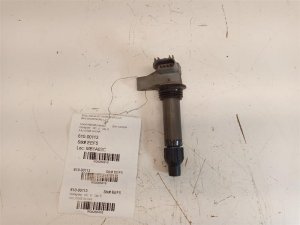
- Ignition Coil
(OEM #12651426 (for 2.0T LTG))— A very common failure item causing a single-cylinder misfire. They are subjected to high heat and vibration.
Trusted brands: ACDelco, Delphi, NGK
OEM price range: $60-$100
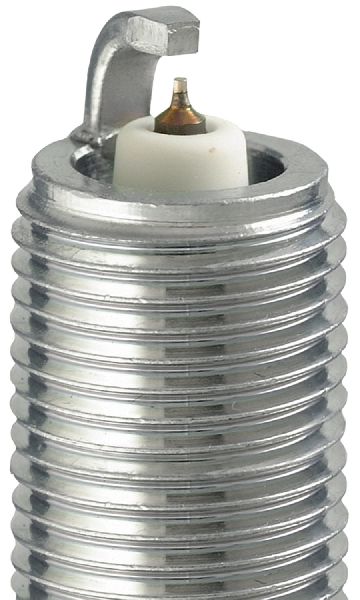
Aftermarket price range: $40-$70 - Spark Plug
(OEM #12680002 / ACDelco 41-123 (for 2.0T LTG))— A primary ignition component and a regular maintenance item. Often replaced with ignition coils. The 2.0T engine is particularly sensitive to correct plug and gap.
Trusted brands: ACDelco (Iridium), NGK
OEM price range: $15-$25
Aftermarket price range: $10-$20 - PCV Hose/Tube Assembly (2.0T)
(OEM #12673868)— The plastic PCV tubes on the 2.0T engine are known to become brittle and crack, causing significant vacuum leaks that lead to lean codes and misfires.
Trusted brands: ACDelco, Dorman
OEM price range: $50-$80
Aftermarket price range: $30-$60
Related Codes That Often Appear With This One
- P0300 — If the misfire is intermittent or affects multiple cylinders, a P0300 (Random Misfire) code may be stored alongside the specific cylinder code.
- P0171 or P0174 — These codes indicate a lean condition on Bank 1 or Bank 2. A vacuum leak from a component like a cracked PCV hose is a common cause for these codes appearing with a misfire on the ATS.
- P050D — This code for 'Cold Start Rough Idle' is explicitly mentioned alongside P0300-P0308 in TSB #PIP5628G, suggesting they are often diagnosed together, possibly pointing to issues like carbon buildup on intake valves.
Technical Service Bulletins (TSBs) & Recalls
- PIP5628G: Diagnostic aid for misfires (P0300-P0308) and/or P050D (Cold Start Rough Idle), often pointing to carbon buildup or fuel system issues. [Bulletin #PIP5628G, 13]
- PI1178F: Addresses rough running and low compression on one cylinder in the 2.0L LTG engine, caused by a cracked piston.
- 14742: A customer satisfaction program, not a recall, for 2013 2.0L LTG engines to update ECM calibration and install colder spark plugs to prevent pre-ignition.
Platform-Specific Known Issues
- A known issue on 2013-2018 models with the 2.0L LTG engine is cracked pistons, which will cause a persistent misfire and low compression. GM TSB PI1178F addresses this and advises replacing all four piston assemblies.
- GM Customer Satisfaction Program #14742 was issued for some 2013 2.0L Turbo models to reprogram the ECM and install colder spark plugs to prevent engine knock and potential piston damage.
- Direct injection engines like the 2.0T and 3.6L are prone to carbon buildup on intake valves, which can cause cold start misfires and rough idling. This is a common maintenance issue for GDI engines as fuel does not wash over the back of the valves.
- On 3.6L V6 engines (LFX, LGX), misfires on an entire bank (e.g., 1, 3, 5) can sometimes be traced to stretched timing chains, which retards cam timing.
- For the 3.6L LGX engine, TSB PIP5493E notes that misfires can sometimes be caused by broken or dislodged rocker arms or issues with the Active Fuel Management (AFM) system components.
Mechanic-Grade Diagnostic Values
- High-Pressure Fuel System (2.0L LTG) — expected: Up to 2,250 PSI (155 bar).. Failure: Significantly lower pressure under load can cause lean misfires across multiple cylinders.
- Ignition Coil Primary Resistance (2.0L LTG Aftermarket Example) — expected: Approximately 0.38 Ohms.. Failure: A reading of OL (open loop/infinite resistance) or significantly higher/lower than spec indicates a failed coil winding.
- Ignition Coil Secondary Resistance (2.0L LTG Aftermarket Example) — expected: Approximately 9.11 kOhms.. Failure: An OL reading or a value far outside the specification points to a breakdown in the secondary coil windings.
- Fuel Injector Resistance (General Port Injection) — expected: Typically 12 to 16 Ohms. Direct injectors may differ, but values should be consistent across all injectors.. Failure: An injector with a resistance reading significantly different (e.g., > 1 Ohm deviation) from the others is suspect. An open or shorted reading indicates a failed injector coil.
Hidden / Shadow Codes Worth Checking
- Misfire Counter (Live Data): While not a 'hidden code', GM's GDS2 and other advanced scan tools provide a 'Misfire Counter' or 'Misfire Graphic' for each cylinder. This live data is the primary tool for diagnosing a P0300 (random misfire) when no specific cylinder code is set. (see via Use a scan tool with GM-specific software (like GDS2 or equivalent) and navigate to the engine control module's live data list. Look for parameters like 'Cylinder X Misfire Counter'.)
Scan Tool Commands That Help
- GDS2 (GM Dealer Tool): Cylinder Power Balance Test — Used to identify a weak cylinder when a P0300 is present. The tool sequentially disables fuel to each cylinder and measures the RPM drop. A cylinder with a smaller RPM drop is contributing less power and is likely the source of the misfire.
- GDS2 (GM Dealer Tool): Fuel Injector Balance Test — This function pressurizes the fuel rail and then individually fires each injector for a set duration, measuring the pressure drop. It can identify a clogged or restricted injector that isn't flowing enough fuel, which might cause a lean misfire.
Wiring & Ground Locations
- G101 — Located at the front of the engine, lower block area, sometimes specified as above the left headlight.. This is a primary ground for the Engine Control Module (ECM). A loose or corroded G101 can cause erratic ECM behavior, leading to random misfires (P0300) and other phantom electrical issues.
- G104 — On the 3.6L V6, it's on the front of the right cylinder head. On 4-cylinder engines, it's on the lower rear of the cylinder head.. This ground is directly for the ignition coils on the V6 engine (coils 1, 3, 5). Corrosion or looseness here is a direct cause of misfires on Bank 1.
- G102 (V8 reference) — On V8 models, this grounds the ignition coils. While the ATS is not a V8, a similar dedicated ground point for the ignition system exists.. A poor ground connection for the ignition coils forces the electrical current to find another path, resulting in a weak or inconsistent spark and causing misfires. Checking engine-to-chassis ground straps is a critical step if multiple coils seem to fail.
Real Owner Repair Stories
- YouTube channel 'Irfan Chaudhry' (Cadillac ATS4 2.0L Turbo) — Flashing check engine light, engine misfiring, P0300 Random Misfire code stored.
❌ Tried (didn't work) The initial scan only showed P0300, with no specific cylinder identified.
✅ What actually fixed it Using a scan tool's live data, the technician monitored the 'misfire counter' for each cylinder and found that cylinder #4 was the exclusive source of misfires. After swapping the coil with another cylinder did not move the misfire, they tested the coil externally and found it produced a weak spark. Replacing the ignition coil on cylinder #4 resolved the issue.
OEM Part Supersession History
12654851, 12662657→12673868— These are earlier versions of the 2.0T LTG engine's plastic PCV tube assembly. The design was updated to improve durability and prevent cracking.
Model Year Variations Within This Range
- 2013-2015 vs 2016-2018 (3.6L V6): The 2013-2015 models used the 3.6L LFX V6. While an improvement over its predecessor (the LLT), it was still more susceptible to timing chain stretch and oil consumption issues than the redesigned LGX V6 introduced in 2016. The LGX features a more robust, rear-mounted timing chain design and other improvements to address these specific reliability concerns.
- 2013-2015 vs 2016-2019 (Transmission): For the 2016 model year, the 6-speed 6L45 automatic transmission was replaced by the 8-speed 8L45 automatic. This change does not directly cause misfires but is a significant powertrain difference.
Helpful Videos
Used OEM Parts in Stock
New Aftermarket Parts Available


The information in this article is provided for general reference and educational purposes only. Vehicle specifications, procedures, and part compatibility can vary by production date, trim level, and region. Always consult your vehicle's factory service manual and verify part numbers before purchasing or performing repairs. Safety-critical components such as airbags, seat belts, and braking systems should be installed by a qualified professional.
- Cadillac ATS:
- 🧭 Diagnostic Flowchart
- 🎬 Helpful Videos
- 🛍️ Shop This Part
- What's Unique About the 2013-2018 Cadillac ATS
- Symptoms You May Notice
- Most Likely Causes
- Rare But Worth Checking
- Diagnosis Steps
- Parts You'll Likely Need
- Related Codes That Often Appear With This One
- Technical Service Bulletins (TSBs) & Recalls
- Platform-Specific Known Issues
- Mechanic-Grade Diagnostic Values
- Hidden / Shadow Codes Worth Checking
- Scan Tool Commands That Help
- Wiring & Ground Locations
- Real Owner Repair Stories
- OEM Part Supersession History
- Model Year Variations Within This Range
- 🎟️ Get 5% Off