

P0308 on 2011-2018 Cadillac CTS: Cylinder 8 Misfire Causes and Fixes
P0308 on a Cadillac CTS indicates a misfire in cylinder 8, which points exclusively to the V8-powered CTS-V model. The most common fix is replacing a worn spark plug, a faulty ignition coil, or a damaged spark plug wire. High heat in the engine bay, especially around cylinder 8, is a known contributor. Expect to spend $50-$150 on parts for a DIY repair.
- P0308 on a Cadillac CTS specifically applies to the V8-powered CTS-V model.
- The most likely cause is a simple ignition system component: a spark plug, ignition coil, or spark plug wire.
- A simple diagnostic technique is to swap the coil and/or spark plug from cylinder 8 to a different cylinder and see if the misfire code follows.
- Do not ignore a flashing check engine light, as this signals a severe misfire that can quickly destroy your expensive catalytic converters.
- Cylinder 8 is the last cylinder on the passenger side of the engine.
What's Unique About the 2011-2018 Cadillac CTS
This code is specific to the high-performance CTS-V models, which use a 6.2L supercharged V8 engine (the LSA in the second generation and the LT4 in the third). These engines generate significant power and heat, which places extra stress on ignition components. Cylinder 8 is located at the rear 🎬 Watch: GM 6.2L cylinder locations and firing order explained. of the engine on the passenger side, an area that can experience high under-hood temperatures, potentially accelerating the wear 🎬 See common causes and fixes for the P0308 code. of ignition parts like spark plugs and wires. Some owners on forums for platform-mate vehicles like the Corvette Z06 have noted that high heat conditions can trigger this specific code. The use of aftermarket spark plug wire heat shields is a common modification to mitigate this heat-related wear.
Diagnostic Flowchart
Tap your situation to follow the diagnostic path that matches what you're seeing on this vehicle.
Generation note: This year range covers two CTS-V generations: the second generation (2011-2015) with the 6.2L LSA engine, and the third generation (2016-2018) with the 6.2L LT4 engine. While the fundamental causes of a P0308 misfire are the same, specific part numbers for ignition components differ. For example, the LSA often uses ACDelco 12621258 plugs, while the LT4 uses ACDelco 41-162. Both engines share platform mates like the Camaro ZL1 and Corvette Z06, which also report P0308 issues.
Symptoms You May Notice
- Flashing or solid Check Engine Light.
- Rough or shaking idle.
- Engine hesitation or stumbling during acceleration.
- Noticeable loss of engine power.
- Smell of raw fuel from the exhaust.
- "Service Stabilitrak" message may appear on the dash.
- Replacing oxygen sensors. A misfire can cause an O2 sensor to read incorrectly, but the sensor itself is rarely the root cause of a single-cylinder misfire.
Most Likely Causes
- Worn or Fouled Spark Plug 🔴 High Probability → Shop Spark Plug The high cylinder pressures and heat in the supercharged LSA/LT4 engines can shorten spark plug life or cause the ceramic insulator to crack. This is the most common starting point for diagnosis.
How to confirm: Remove the spark plug from cylinder 8 and inspect it for wear, carbon fouling, oil deposits, or a cracked insulator. Compare it to a plug from a known good cylinder.
Typical fix: Replace the spark plug. It is recommended to replace all 8 spark plugs at the same time for even performance.
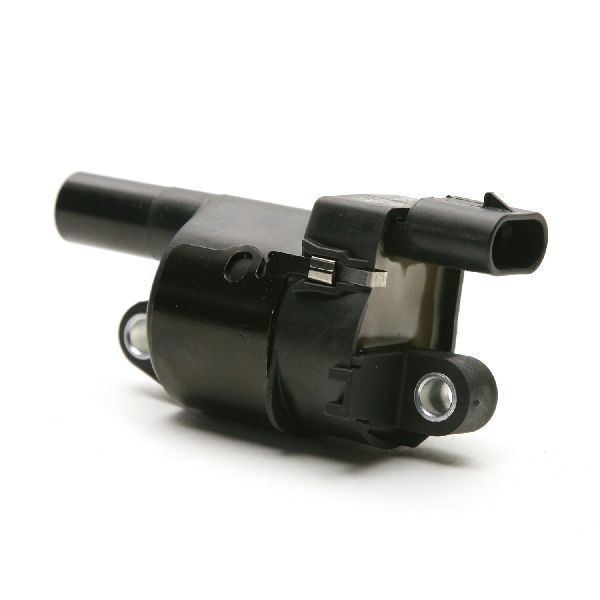
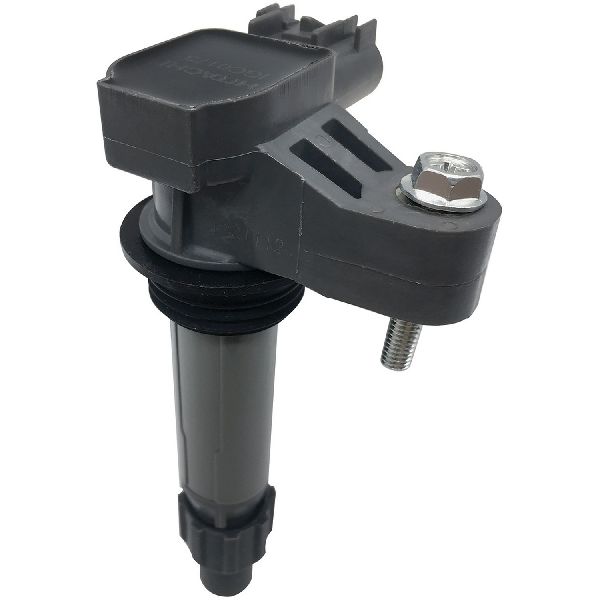
Est. part cost: $10-$25 per plug - Failed Ignition Coil 🔴 High Probability → Shop Ignition Coil Heat and vibration in the engine bay can cause the ignition coil pack for cylinder 8 to fail over time. A failing coil can be heat-sensitive, causing misfires under high load or temperature.
How to confirm: Swap the ignition coil from cylinder 8 with another cylinder (e.g., cylinder 6 on the same bank). Clear the codes and drive the vehicle. If the misfire code changes to P0306, the ignition coil is faulty.
Typical fix: Replace the failed ignition coil.
Est. part cost: $40-$80 - Damaged Spark Plug Wire 🟡 Medium Probability → Shop Spark Plug High engine temperatures, especially from the exhaust manifolds near cylinder 8, can degrade the spark plug wires, causing cracks or increased resistance that leads to a weak spark. A loose wire is also a common and simple cause.
How to confirm: Visually inspect the spark plug wire for cylinder 8 for any signs of cracking, burning, or corrosion at the terminals. Ensure it is firmly connected at both the coil and the spark plug. You can also test its resistance with a multimeter; a general rule for OEM-style wires is 10,000-12,000 ohms per foot.
Typical fix: Replace the spark plug wire. It is often best to replace the entire set. Some owners add high-temperature heat shields to the new wires for extra protection.
Est. part cost: $60-$120 for a set - Clogged or Faulty Fuel Injector ⚪ Low Probability → Shop Fuel Injector Fuel system contaminants can clog an injector over time, or the injector can fail electronically, preventing the correct amount of fuel from reaching cylinder 8.
How to confirm: Listen for a consistent clicking sound from the injector with a mechanic's stethoscope. You can also swap the injector with another cylinder to see if the misfire follows, though this is more labor-intensive.
Typical fix: Clean or replace the fuel injector for cylinder 8. GM issued a bulletin (20-NA-098) noting that replacement injectors must be chosen carefully from the parts catalog to ensure proper flow balancing.
Est. part cost: $70-$150
Rare But Worth Checking
- Low Cylinder Compression: This indicates a more serious mechanical engine issue, such as a worn piston ring, a bad valve, a bent pushrod, or a failing head gasket. A compression test is required to confirm.
- Carbon Buildup on Valves: Direct injection engines like the LT4 can be prone to carbon buildup on the intake valves, which can restrict airflow and cause misfires. This is a known issue on many direct-injected platforms.
- AFM/DFM Lifter Failure: → Shop Engine Valve Lifter On engines equipped with Active or Dynamic Fuel Management, a failing lifter can cause a misfire. TSB 15-06-01-002K (and later revisions like L) for the 2016-2019 CTS-V (LT4) notes that a mechanically collapsed or stuck AFM lifter can cause a P0300 (random misfire) and ticking noise, which could potentially manifest as a single-cylinder misfire.
Diagnosis Steps
- Confirm the P0308 code using an OBD-II scanner. Note if the Check Engine Light is flashing, which indicates a severe misfire that could damage the catalytic converter.
- Locate cylinder 8. On GM V8 engines, cylinders are numbered 1-3-5-7 on the driver's side (front to back) and 2-4-6-8 on the passenger's side (front to back). Cylinder 8 is the rearmost cylinder on the passenger side.
- Check the spark plug wire for cylinder 8. Ensure it is securely fastened on both the ignition coil and the spark plug. A loose wire is a common, simple fix. Inspect for any visible damage, cracks, or burns.
- Swap the ignition coil from cylinder 8 with the coil from cylinder 6 (or any other easily accessible cylinder). Clear the codes and run the engine. If the code changes to P0306, the coil is bad.
- If the code remains P0308, inspect the spark plug. Remove it and check for fouling, wear, or cracks in the porcelain. If it looks suspect, replace it. You can also swap it with another cylinder's plug to see if the misfire follows.
- If ignition components are good, check the fuel injector. Listen for a steady clicking noise with a long screwdriver or stethoscope. A 'noid' light can be used to verify it's receiving an electrical pulse from the PCM. Swapping the injector is a more involved but definitive test.
- If the simple swaps do not reveal the cause, perform a compression test on cylinder 8 to rule out internal mechanical engine problems like bad valves, rings, or head gasket issues.
- If all else fails, consider rare causes like a vacuum leak near cylinder 8's intake runner or a potential AFM lifter issue, especially if accompanied by a ticking noise.
Parts You'll Likely Need
- Iridium Spark Plug
(OEM #ACDelco 41-162 (for LT4) or 12621258 (for LSA))— Spark plugs are a primary wear item and the most frequent cause of a single-cylinder misfire. The OEM-recommended ACDelco Iridium plugs are designed for the high performance of this engine.
Trusted brands: ACDelco, NGK
OEM price range: $15-$25
Aftermarket price range: $10-$20 - Ignition Coil
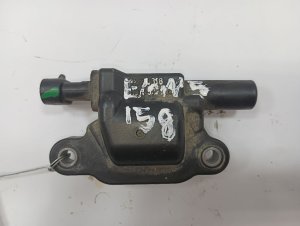
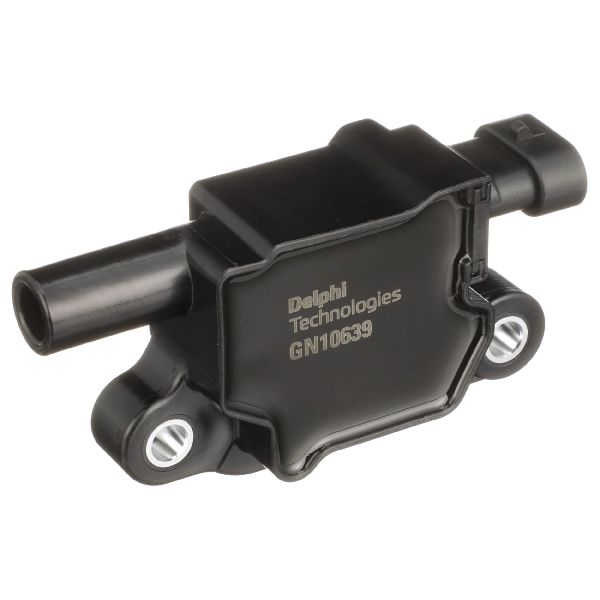
(OEM #12570616 (Often cross-references to ACDelco D585))— Ignition coils are the second most likely cause, failing due to heat and age. Swapping coils is the easiest way to confirm a failure. The D585 is a widely referenced part number for this application.
Trusted brands: ACDelco, Delphi, NGK
OEM price range: $50-$80
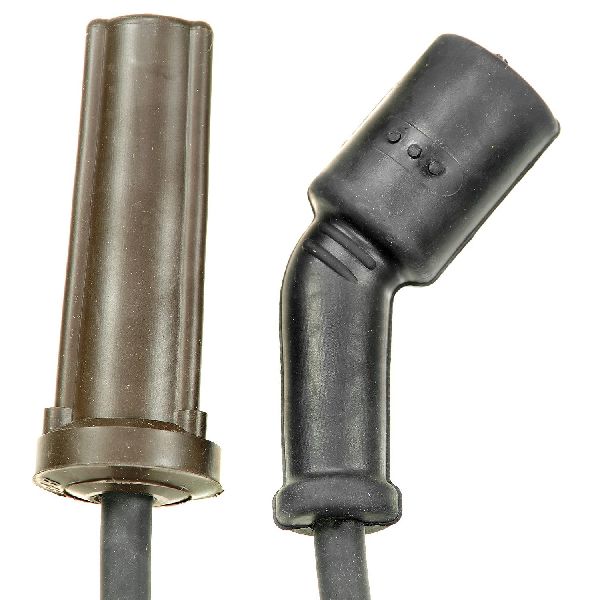
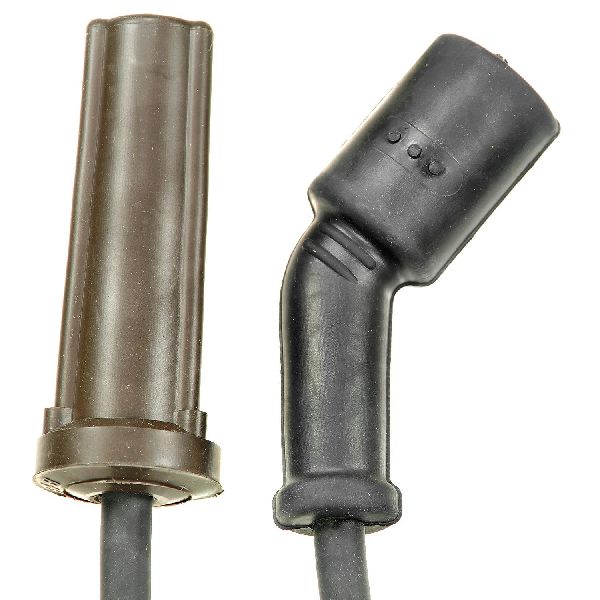
Aftermarket price range: $35-$60 - Spark Plug Wire Set — Wires can degrade from engine heat, causing a weak or intermittent spark. They are often replaced along with spark plugs as preventative maintenance. Adding heat shields is a popular upgrade.
Trusted brands: ACDelco, MSD, Holley
OEM price range: $80-$150
Aftermarket price range: $60-$120
Related Codes That Often Appear With This One
- P0300 — If the condition causing the P0308 is intermittent or begins to affect other cylinders, a P0300 (Random/Multiple Cylinder Misfire) code may also be triggered.
Technical Service Bulletins (TSBs) & Recalls
- PIP5628G: Diagnostic Aids for Gas Engine Misfire/rough running with DTC P0300-P0308 and/or DTC P050D.
- 15-06-01-002K / L: Engine Misfire/Tick Noise, Malfunction Indicator Lamp (MIL) Illuminated - DTC P0300 Set. This bulletin addresses failed AFM lifters as a cause for misfires on the LT4 engine, among others.
- 20-NA-098: Information on Fuel Injector Replacement Guidelines During Service. This bulletin explains the importance of ordering the correct flow-matched injector from the parts catalog if a replacement is needed.
Platform-Specific Known Issues
- A GM Technical Service Bulletin (TSB #PIP5628G) exists to help technicians diagnose misfire codes (P0300-P0308), providing a specific data-gathering template for contacting technical assistance. This indicates it's a well-documented issue.
- TSB #15-06-01-002K (and later revisions) for the 2016-2019 CTS-V points to potential issues with AFM (Active Fuel Management) lifters getting stuck, which can cause misfires (typically P0300) and engine noise. This is a more serious potential cause.
Mechanic-Grade Diagnostic Values
- Low-Side Fuel Pressure (Key On, Engine Off) — expected: 380-410 kPa (55-60 psi). Failure: Pressure below this range indicates a weak fuel pump or leak. Pressure above indicates a faulty regulator.
- Fuel Pressure Leak-Down — expected: Pressure should not decrease more than 34 kPa (5 psi) in 1 minute after the pump is turned off.. Failure: A rapid drop in pressure indicates a leaking fuel injector, check valve in the fuel pump, or a leak in the fuel lines.
- Spark Plug Wire Resistance — expected: 1,000-12,000 ohms per foot, depending on the wire type (e.g., spiral core vs. carbon core). A common rule of thumb for OEM-style carbon core wires is 10,000-12,000 ohms per foot.. Failure: Significantly higher resistance than the per-foot specification for the wire's length, or an open circuit (infinite resistance).
Hidden / Shadow Codes Worth Checking
- Mode $06 Misfire Counts: Even if a P0308 code isn't set, a professional scan tool can access Mode $06 data to view the raw number of misfire events counted by the PCM for each specific cylinder. This can reveal an intermittent or low-level misfire on cylinder 8 before it's bad enough to trigger the check engine light. (see via Professional grade scan tool with Mode $06 functionality (e.g., Tech2, GDS2, or many high-end aftermarket scanners).)
Scan Tool Commands That Help
- GDS2/Tech2 or equivalent: Cylinder Power Balance Test — This function allows the technician to disable one cylinder at a time (by cutting fuel or spark) and observe the corresponding drop in engine RPM. If disabling cylinder 8 results in little or no change in RPM compared to other cylinders, it confirms that cylinder 8 was not contributing power, pinpointing the misfire.
- GDS2/Tech2 or equivalent: Fuel Pump Relay Command — When diagnosing a fuel delivery issue, this command allows the technician to turn the fuel pump on without the engine running. This is essential for safely checking fuel pressure and performing leak-down tests.
Wiring & Ground Locations
- G105 — On the inner fender wall, near the battery for the 6.0L/6.2L engines.. This is a primary engine compartment ground. A poor connection here can cause a host of electrical issues, including weak spark or erratic sensor readings that could lead to a misfire.
- Ignition Coil Ground — The ignition coils are typically grounded directly to the cylinder head via their mounting bolts.. A corroded or loose mounting bolt for the cylinder 8 coil can create a poor ground path, resulting in a weak or non-existent spark. This is often overlooked but critical for proper coil function.
- PCM Connector C1/C2 — The Powertrain Control Module (PCM) is located in the engine bay. The specific pin for the Cylinder 8 Ignition Control (IC) signal must be checked for continuity if a wiring fault is suspected.. A break or short in the wire running from the PCM to the cylinder 8 ignition coil will prevent the coil from firing. PCM pinout diagrams are necessary to trace this specific circuit.
Real Owner Repair Stories
- YouTube user 'smoran2006' (2006 Dodge Ram 1500 (similar V8 architecture, demonstrates a common mechanical failure mode)) — P0308 code and an engine tick.
❌ Tried (didn't work) Replacing the spark plug for cylinder 8., Swapping ignition coils between cylinders.
✅ What actually fixed it The root cause was a failed lifter for cylinder 8. The failure caused the rocker arm to completely fall off, meaning the valve for that cylinder could not open. The fix was to replace the failed lifter and reinstall the rocker arm. - Reddit user in r/MechanicAdvice (Vehicle with P0308 (specific model not mentioned, but common LS-engine advice)) — P0308 code.
❌ Tried (didn't work) Swapping ignition coils.
✅ What actually fixed it The user was advised that if a coil swap doesn't move the misfire, the next step should be to pull the valve cover to check for a broken valve spring, which is noted as a 'sorta common' issue on these engines.
Model Year Variations Within This Range
- 2016-2018 (Third Generation CTS-V): The LT4 engine uses direct injection (DI), unlike the LSA's port injection. This makes the LT4 susceptible to carbon buildup on the back of the intake valves, which can restrict airflow to cylinder 8 and cause a misfire. This is not a common issue on the earlier LSA engine.
- 2016-2018 (Third Generation CTS-V): The LT4 engine features Active Fuel Management (AFM), which can deactivate cylinders (including cylinder 8) under light load. The specialized AFM lifters are a known failure point that can become stuck or collapsed, leading to misfires. The LSA engine in the second-generation CTS-V did not have this system.
Helpful Videos
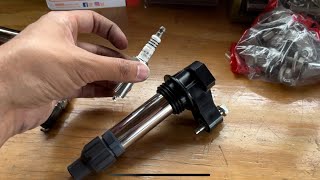
Used OEM Parts in Stock
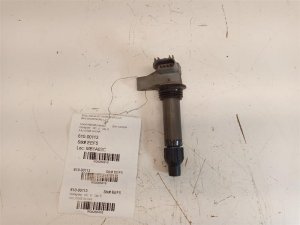
New Aftermarket Parts Available

The information in this article is provided for general reference and educational purposes only. Vehicle specifications, procedures, and part compatibility can vary by production date, trim level, and region. Always consult your vehicle's factory service manual and verify part numbers before purchasing or performing repairs. Safety-critical components such as airbags, seat belts, and braking systems should be installed by a qualified professional.
- Cadillac CTS:
- 🧭 Diagnostic Flowchart
- 🎬 Helpful Videos
- 🛍️ Shop This Part
- What's Unique About the 2011-2018 Cadillac CTS
- Symptoms You May Notice
- Most Likely Causes
- Rare But Worth Checking
- Diagnosis Steps
- Parts You'll Likely Need
- Related Codes That Often Appear With This One
- Technical Service Bulletins (TSBs) & Recalls
- Platform-Specific Known Issues
- Mechanic-Grade Diagnostic Values
- Hidden / Shadow Codes Worth Checking
- Scan Tool Commands That Help
- Wiring & Ground Locations
- Real Owner Repair Stories
- Model Year Variations Within This Range
- 🎟️ Get 5% Off