

P0308 on 2019 Cadillac CTS-V: Cylinder 8 Misfire Causes and Fixes
P0308 on a 2019 Cadillac CTS means a misfire on cylinder 8, which is only possible on the CTS-V model with the 6.2L V8. The most likely cause is a failed ignition coil or a worn spark plug. A DIY fix for these parts costs between $75 and $200. However, be aware of a known, more serious issue with failed AFM lifters on this engine.
- P0308 on a 2019 CTS is specific to the CTS-V model and indicates a misfire on the rearmost passenger-side cylinder.
- The most probable cause is a bad ignition coil or spark plug, which are straightforward DIY fixes.
- Always use the 'component swap' method to confirm a bad coil before purchasing a replacement.
- Do not ignore a flashing check engine light, as it signals a severe misfire that can quickly destroy the catalytic converters.
- Be aware that this engine has known mechanical issues with AFM lifters that can also cause this code, which is a much more serious and expensive repair.
What's Unique About the 2019-2019 Cadillac CTS
The 2019 CTS-V uses the 6.2L supercharged LT4 V8, a high-output engine that places significant stress on ignition components. While common causes like spark plugs and coils are the first place to look, this engine platform has a known vulnerability with its Active Fuel Management (AFM) system. Collapsed or stuck AFM lifters are a documented cause of misfires, often leading to a P0300 but can isolate to a single cylinder. This is a much more complex and serious mechanical repair than a typical ignition fault, as documented in class-action lawsuits regarding the valvetrain defect.
🎬 Watch a GM specialist explain AFM lifter failure and repair.Diagnostic Flowchart
Tap your situation to follow the diagnostic path that matches what you're seeing on this vehicle.
Symptoms You May Notice
- Rough or vibrating idle
- Noticeable loss of power and hesitation during acceleration
- Flashing or solid Check Engine Light
- Engine running rough or stumbling, sometimes described by owners as a 'hesitation' under full throttle
- Smell of unburned fuel from the exhaust
- An audible ticking or tapping noise from the engine (may indicate a lifter issue)
- Replacing only the spark plug when the ignition coil is the actual cause.
- Replacing fuel system components when the issue is a mechanical lifter failure.
- Assuming a simple ignition problem without performing a compression test to rule out serious mechanical issues like a failed lifter.
Most Likely Causes
- Faulty Ignition Coil 🔴 High Probability → Shop Ignition Coil The high heat and performance demands of the supercharged LT4 engine can lead to premature failure of ignition coils. Cylinder 8's location at the rear of the engine bay can make it susceptible to heat soak. Owners of platform mates like the Corvette Z06 report that failing coil packs are often heat-sensitive.
How to confirm: Swap the ignition coil from cylinder 8 with another cylinder (e.g., cylinder 6). Clear the codes and drive the vehicle. If the code changes to P0306, the ignition coil is faulty.
Typical fix: Replace the faulty ignition coil. It is often recommended to replace the corresponding spark plug at the same time.
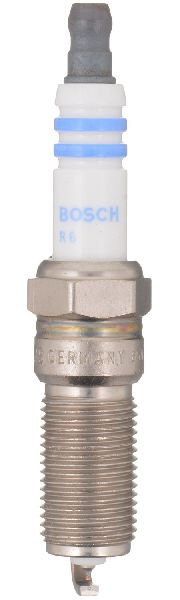
Est. part cost: $60-$110 - Worn or Fouled Spark Plug 🔴 High Probability → Shop Spark Plug Supercharged engines are harder on spark plugs, leading to a shorter service life. The recommended interval can be as low as 15,000 miles on tuned vehicles. Fouled plugs from leaky injectors are also a known issue.
How to confirm: Remove the spark plug from cylinder 8 and inspect it. Look for heavy carbon fouling, oil contamination, a cracked insulator, or a worn/damaged electrode. Compare it to a plug from a known good cylinder.
Typical fix: Replace the spark plug. It is best practice to replace all 8 spark plugs at the same time to ensure consistent performance. The OEM Iridium plugs are pre-gapped and should not be adjusted.
Est. part cost: $15-$25 per plug - Faulty Fuel Injector 🟡 Medium Probability → Shop Fuel Injector The LT4 is a direct-injection engine, and the high-pressure injectors can become clogged or fail electronically over time, sometimes getting stuck open or leaking.
How to confirm: This is more difficult for a DIYer. A professional can perform a fuel injector balance test using a diagnostic scan tool to measure the pressure drop for each injector. A simpler, though less conclusive, test is to listen for the injector's clicking sound with a mechanic's stethoscope.
Typical fix: Replace the faulty fuel injector. It's critical to use the correct flow-matched injector as specified in the GM parts catalog, a process detailed in TSB #20-NA-098.
Est. part cost: $80-$150
Rare But Worth Checking
- Failed AFM Lifter: → Shop Engine Valve Lifter Technical Service Bulletin #15-06-01-002L (and subsequent revisions) specifically calls out failed Active Fuel Management (AFM) lifters on the 6.2L LT4 engine as a cause for misfires and engine ticking noises. A lifter can become mechanically collapsed, stuck in its bore, or damaged due to oil aeration, which prevents the valve from operating correctly. This is a major mechanical repair requiring removal of the cylinder head, with a TSB-listed labor time of 14.8 hours for the CTS-V.
- Damaged Spark Plug Wire/Boot: → Shop Spark Plug While less common than a coil failure, the spark plug wire or the boot that connects to the plug can become damaged from heat, causing the spark to arc to the cylinder head instead of firing the plug. Owners on forums for similar vehicles suggest checking that the wire is firmly connected at both the coil and the plug. Wires can lose their ability to grip the plug after being removed a few times.
- Coolant Intrusion into Cylinder: A GM TechLink article notes that some LT4 engines can experience coolant leaking into a cylinder due to casting porosity in the cylinder head. This often presents as a misfire on a cold start (sometimes with code P050D) and may be accompanied by white smoke from the exhaust. Diagnosis involves using a borescope to look for coolant inside the cylinder after the engine has cooled. In a related issue, a leaking heater hose located above cylinder 8 has been documented to cause a misfire by dripping coolant onto the coil.
Diagnosis Steps
- Read the code with an OBD-II scanner to confirm P0308 and check for any other pending or stored codes like P0300 or P050D.
- If the Check Engine Light is flashing, avoid driving the vehicle to prevent catalytic converter damage.
- Perform a visual inspection of the wiring and connector for the cylinder 8 ignition coil and fuel injector. Check for any signs of coolant leakage from hoses routed above this area.
- To test the ignition system, swap the ignition coil from cylinder 8 (rear passenger side) with the coil from cylinder 6 (third from front, passenger side). Clear the codes and run the engine. If the code returns as P0306, the ignition coil is bad and needs replacement.
- If the code remains P0308, swap the spark plug from cylinder 8 with cylinder 6. If the code moves to P0306, the spark plug is the culprit.
- If the misfire remains on cylinder 8 after swapping ignition components, the issue is likely related to the fuel injector or a mechanical problem.
- Listen for an audible ticking or tapping noise from the engine, which could point towards a valvetrain or lifter issue as described in TSB #15-06-01-002L.
- At this stage, a professional diagnosis is recommended. This would involve a fuel injector balance test, a compression test, and a cylinder leak-down test to check for mechanical integrity and rule out a failed lifter or head gasket issue.
Parts You'll Likely Need
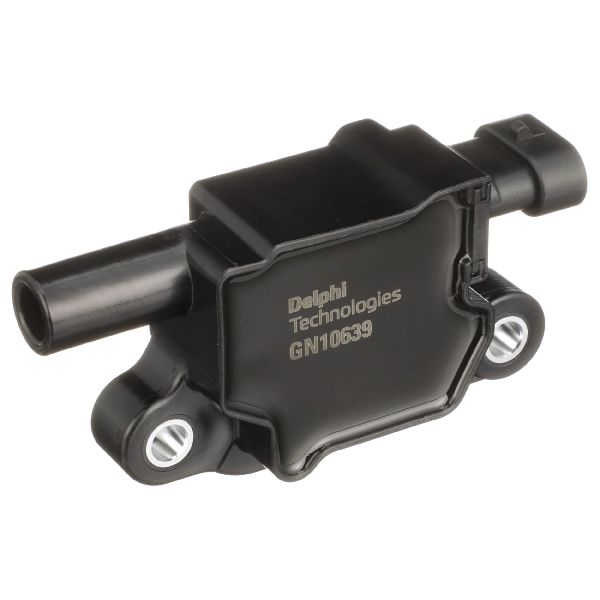
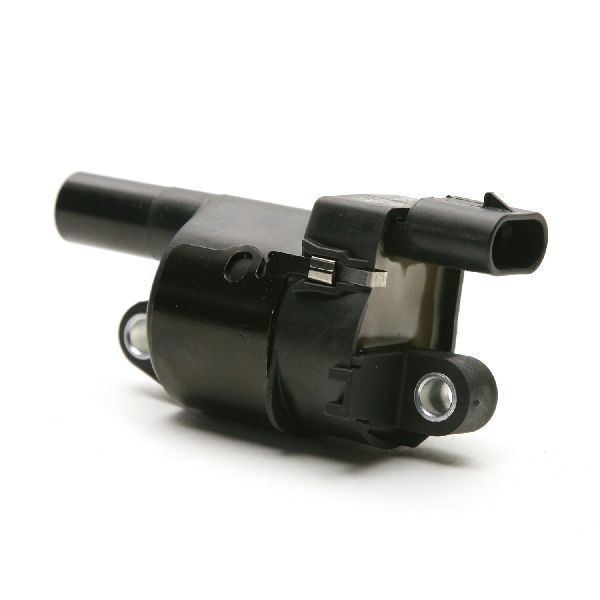
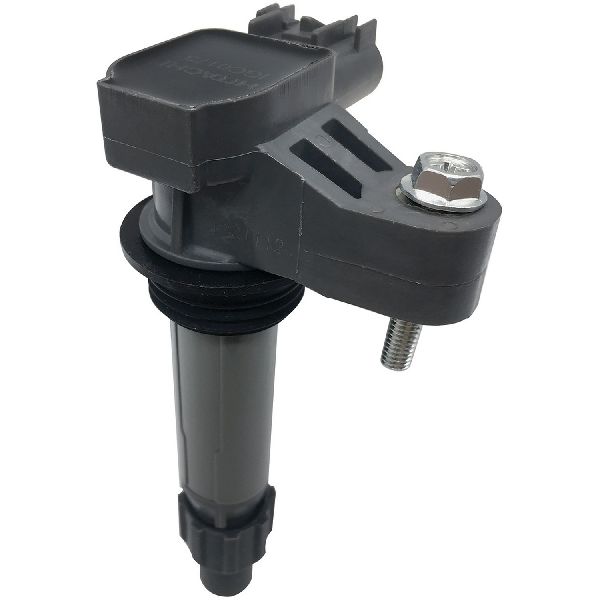
- Ignition Coil
(OEM #12619161)— This is one of the most common failure points for a single-cylinder misfire due to the high-heat environment of the engine bay, especially near the firewall.
Trusted brands: ACDelco
OEM price range: $80-$110
Aftermarket price range: $50-$80 - Iridium Spark Plug
(OEM #41-162)— Spark plugs are a regular maintenance item and a primary cause of misfires as they wear out. The LT4 engine requires high-quality iridium plugs for proper performance. These plugs come pre-gapped and should not be adjusted.
Trusted brands: ACDelco, NGK
OEM price range: $15-$25
Aftermarket price range: $10-$20 - Fuel Injector
(OEM #12698484 (Example, must verify with VIN))— A clogged or electronically failed fuel injector will prevent the correct amount of fuel from entering cylinder 8, causing a misfire. TSB #20-NA-098 details the importance of ordering the correct part number from the catalog based on the number on the old injector.
Trusted brands: ACDelco, Bosch
OEM price range: $100-$150
Aftermarket price range: $70-$110
Related Codes That Often Appear With This One
- P0300 — If the misfire is not isolated to one cylinder or is intermittent across multiple cylinders, a P0300 Random Misfire code will be stored. This is common with AFM lifter issues and can also be triggered by issues like improper charge air cooler bleeding after service.
- P050D — This code for 'Cold Start Rough Idle' is mentioned in TSB #PIP5628G alongside misfire codes. It can indicate issues like carbon buildup or the more serious coolant intrusion problem noted in a GM TechLink article.
- P219B — This code indicates an air-fuel ratio imbalance on Bank 2 (the bank containing cylinder 8). A misfire on cylinder 8 causes unburned air and fuel to enter the exhaust, which is detected by the oxygen sensor. Fixing the P0308 misfire will typically resolve this code.
Technical Service Bulletins (TSBs) & Recalls
- PIP5628G: A general bulletin for dealers on collecting diagnostic data for complex misfire issues (P0300-P0308) and/or P050D that require assistance from GM's Technical Assistance Center (TAC).
- 15-06-01-002L (and later revisions like M): Details diagnosis and repair for engine misfires (often P0300) and ticking noises caused by failed Active Fuel Management (AFM) lifters. It covers causes like collapsed lifters, oil aeration, and bent pushrods.
- 20-NA-098: Provides guidelines for service technicians on how to properly identify and order the correct flow-matched fuel injector from the parts catalog when a replacement is needed.
- GM TechLink (May 2020): Describes a condition where coolant can enter engine cylinders due to head porosity, causing cold-start misfires and codes like P0300 and P050D.
Platform-Specific Known Issues
- A known issue with the Active Fuel Management (AFM) system can cause lifters to collapse or become stuck, leading to a misfire. This is documented in TSB #15-06-01-002L and is a significant mechanical repair. This valvetrain defect has been the subject of class-action litigation.
Mechanic-Grade Diagnostic Values
- Fuel Injector Resistance — expected: ~12 Ohms. Failure: A reading significantly higher or lower than 12 Ohms, or an open circuit.
- Total Fuel Trim (LTFT + STFT) — expected: Within ±10%. Failure: A value consistently exceeding ±10% indicates the PCM is compensating for a lean (positive trim) or rich (negative trim) condition. A misfiring cylinder dumping unburned oxygen can cause fuel trims on that bank to go high.
Scan Tool Commands That Help
- GDS2 (GM Global Diagnostic System 2): Cylinder Power Balance Test — This function allows a technician to disable one fuel injector at a time and monitor the corresponding drop in engine RPM. If disabling cylinder 8 causes little or no change in RPM compared to other cylinders, it confirms that cylinder 8 is not contributing power, pointing towards a fuel, spark, or compression issue on that specific cylinder.
- GDS2 (GM Global Diagnostic System 2): Misfire History / Misfire Counter — To view a log of which specific cylinders have been misfiring and under what conditions (e.g., at idle, under load). This can help confirm the issue is isolated to cylinder 8 and wasn't a random event.
- AFIT (Active Fuel Injector Tester) CH-47976: Fuel Injector Balance Test — This is a specialized GM tool that directly tests fuel injectors. According to GM documentation, if an injector shows a pressure drop variance of 10% or more from the average, it is considered faulty. This is the most definitive way to diagnose a bad injector.
Real Owner Repair Stories
- Camaro6 Forum (Camaro ZL1 (LT4 Engine)) — Car ran fine, then suddenly started to sputter/miss, triggering a CEL and Stabilitrak error. Codes P0300 and P0308 were stored.
❌ Tried (didn't work) Swapped ignition coil from cylinder 8 to cylinder 2., Swapped fuel injector from cylinder 8 to another cylinder.
✅ What actually fixed it The owner swapped the spark plug from cylinder 8 with the one from cylinder 1, and the problem went away. The confusing part was that the misfire did not move to cylinder 1; the car simply started running correctly, suggesting the issue might have been a poor connection at the plug that was resolved during the swap. - CorvetteForum (2017 Corvette Z06 (LT4 Engine), 20k miles) — Check Engine Light and loss of power after a wide-open throttle pull. Code P0308.
❌ Tried (didn't work) Spark plugs had been recently replaced.
✅ What actually fixed it The owner replaced the spark plug wires. A shop noted that on modified LT4 cars, it's common for wires to fail or lose their ability to grip the spark plug tightly after being removed a couple of times, leading to vibration-induced misfires. - CaddyInfo Cadillac Forum (2011 CTS-V (LSA Engine, similar architecture)) — P0308 misfire occurred immediately after washing the car.
✅ What actually fixed it Forum members immediately suspected water got into the cylinder 8 ignition coil connector. The fix was to disconnect the coil and use compressed air to thoroughly dry the connector and boot.
OEM Part Supersession History
12669351→12619161— Part number consolidation or minor revision for the ignition coil.
Heads up: Some 2014 vehicles had a first design square coil (12619161) and a second design 'MELCO' marked coil (12658183/12699383). For 2019 models, 12619161 is the standard service part.Multiple (e.g., 12639516, 12645725)→12740071— Updated design for the AFM/DOD (Active Fuel Management) valve lifter.
Heads up: When replacing failed AFM lifters, it is critical to also install the updated VLOM (Valve Lifter Oil Manifold), as the original VLOM design is often the root cause of the lifter failure.
Helpful Videos
We Have This Part in Stock


The information in this article is provided for general reference and educational purposes only. Vehicle specifications, procedures, and part compatibility can vary by production date, trim level, and region. Always consult your vehicle's factory service manual and verify part numbers before purchasing or performing repairs. Safety-critical components such as airbags, seat belts, and braking systems should be installed by a qualified professional.
- Cadillac CTS:
- 🧭 Diagnostic Flowchart
- 🎬 Helpful Videos
- 🛍️ Shop This Part
- What's Unique About the 2019-2019 Cadillac CTS
- Symptoms You May Notice
- Most Likely Causes
- Rare But Worth Checking
- Diagnosis Steps
- Parts You'll Likely Need
- Related Codes That Often Appear With This One
- Technical Service Bulletins (TSBs) & Recalls
- Platform-Specific Known Issues
- Mechanic-Grade Diagnostic Values
- Scan Tool Commands That Help
- Real Owner Repair Stories
- OEM Part Supersession History
- 🎟️ Get 5% Off