

P0308 on 2011-2015 Cadillac CTS-V: Cylinder 8 Misfire Causes and Fixes
P0308 indicates a misfire on cylinder 8. The most common causes are a bad spark plug, spark plug wire, or ignition coil, often due to heat exposure at the rear of the engine. However, be aware of a more serious, documented issue with worn camshafts or collapsed lifters, which requires professional diagnosis if basic steps fail.
- P0308 is a misfire on cylinder 8, located at the rear of the passenger-side of the engine.
- Always start diagnosis with the simplest parts: the spark plug, spark plug wire, and ignition coil for cylinder 8.
- The 'component swap' method is the fastest way to confirm a bad ignition coil without special tools.
- A flashing check engine light is a critical warning to stop driving to prevent expensive catalytic converter damage.
- If basic ignition and fuel system checks do not resolve the misfire, a more serious mechanical issue with the camshaft or lifters is a known possibility for this engine and requires professional inspection.
What's Unique About the 2011-2015 Cadillac CTS-V
The 2011-2015 CTS-V is powered by a high-performance 6.2L Supercharged LSA V8 engine. While standard ignition component failures are common, this platform has a documented history of valvetrain issues. Cylinder 8 is the rearmost cylinder on the passenger side, a location subject to high heat which can accelerate the degradation of spark plug wires and coils. More critically, manufacturer Technical Service Bulletins (TSBs) like #PIP4138R specifically point to worn camshaft lobes and lifters as a potential cause for P0300-P0308 codes if basic diagnostics fail. This elevates a simple misfire code to a potentially serious mechanical issue requiring more in-depth diagnosis than on a standard vehicle.
Diagnostic Flowchart
Tap your situation to follow the diagnostic path that matches what you're seeing on this vehicle.
Symptoms You May Notice
- Rough or shaking engine idle.
- Hesitation or stumbling during acceleration.
- Noticeable loss of engine power.
- Solid or flashing Check Engine Light.
- Smell of raw fuel from the exhaust.
- A ticking or tapping sound from the engine that may increase with RPM.
- Replacing only the spark plug without checking the wire and coil, leading to a recurring misfire.
- Assuming the issue is always a simple ignition problem and overlooking early signs of a mechanical valvetrain issue, like a faint ticking noise.
- Replacing ignition parts when the root cause is a clogged fuel injector.
Most Likely Causes
- Worn or Fouled Spark Plug 🔴 High Probability → Shop Spark Plug High cylinder pressures and heat in a supercharged engine can shorten spark plug life. Cylinder 8 is at the rear of the engine bay and can be subject to significant heat soak, contributing to faster wear.
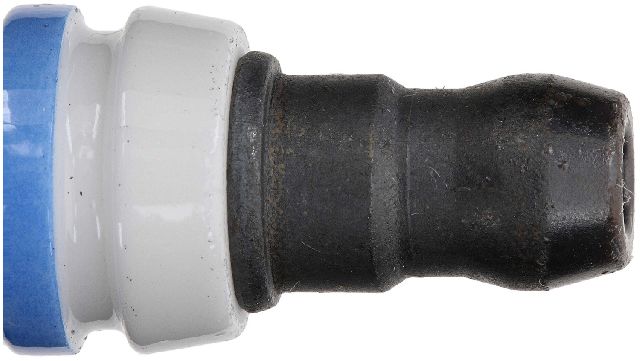
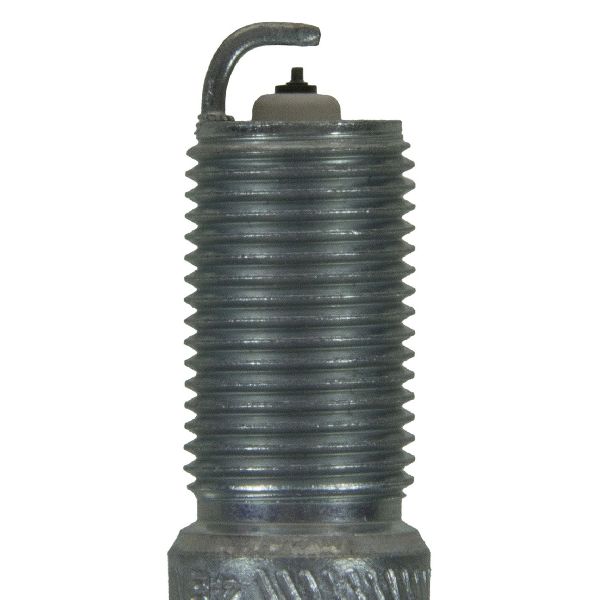
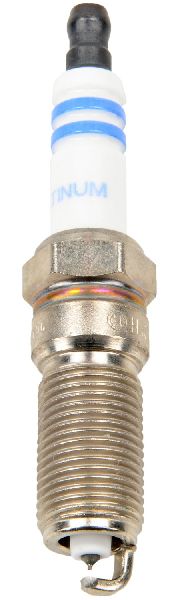
How to confirm: Remove the spark plug from cylinder 8 and inspect it for wear on the electrode, carbon fouling, oil, or damage to the porcelain insulator. Compare it to a plug from another cylinder. The proper gap for the OEM Iridium plug is approximately .040 inches.
Typical fix: Replace the spark plug. It is recommended to replace all 8 spark plugs at the same time for consistent performance.
Est. part cost: $10-$25 per plug - Damaged Spark Plug Wire 🔴 High Probability → Shop Spark Plug The spark plug wire for cylinder 8 is routed in a high-heat area near the exhaust manifold. Over time, the wire's boot or insulation can degrade, become brittle, or melt, causing a weak or arcing spark.
How to confirm: Visually inspect the wire for cracks, burns, or a loose connection at the coil and spark plug. You can also measure its resistance with a multimeter; a general rule is 10,000-12,000 ohms per foot for OEM-style wires.
Typical fix: Replace the spark plug wire. It's often sold in a set for all 8 cylinders and comes with heat shields.
Est. part cost: $50-$100 for a set - Faulty Ignition Coil 🟡 Medium Probability → Shop Ignition Coil
How to confirm: Swap the ignition coil from cylinder 8 with another cylinder (e.g., cylinder 6 on the same bank). Clear the codes and drive. If the code changes to P0306, the ignition coil is faulty. This is the most common first diagnostic step. 🎬 Watch: A mechanic diagnoses a CTS-V misfire step-by-step.
Typical fix: Replace the failed ignition coil.
Est. part cost: $45-$100 - Worn Camshaft Lobe or Failed Lifter ⚪ Low Probability → Shop Engine Camshaft This is a documented issue for this engine family. TSB #PIP4138R specifically advises technicians to check for a worn camshaft lobe or lifter if a P0308 code cannot be resolved by other means. A collapsed lifter will fail to open the valve correctly, causing a persistent misfire and a distinct ticking or clattering noise. 🎬 See how to identify the sound of a collapsed lifter.
How to confirm: This requires advanced diagnostics. A professional technician may listen for a characteristic ticking noise that changes with engine speed. They can also remove the valve cover to visually inspect valve movement or measure valve lift to confirm a lack of motion. A compression test may also show lower-than-normal results for cylinder 8.
Typical fix: This is a major engine repair that involves replacing the camshaft and all lifters. The cylinder heads must be removed.
Est. part cost: $500-$1500+ - Clogged or Failed Fuel Injector ⚪ Low Probability → Shop Fuel Injector
How to confirm: Listen to the injector with a mechanic's stethoscope; it should have a consistent clicking sound. You can also check the electrical pulse with a 'noid' light. Swapping injectors between cylinders is a definitive but labor-intensive test. A professional can perform a fuel injector balance test with a scan tool.
Typical fix: Replace the faulty fuel injector. Cleaning may be a temporary solution.
Est. part cost: $70-$150
Rare But Worth Checking
- Vacuum Leak: A leak in the intake manifold gasket near the runner for cylinder 8 can lean out the air/fuel mixture and cause a misfire on that cylinder only.
- Low Compression: Beyond a cam/lifter issue, low compression could be caused by a burnt valve or worn piston rings, requiring a compression and cylinder leak-down test to confirm.
- Water Intrusion: One owner on a Cadillac forum experienced a P0308 misfire immediately after washing the car, suggesting water may have gotten into the cylinder 8 coil pack area, causing a short.
Diagnosis Steps
- Check for other stored diagnostic trouble codes.
- Locate cylinder 8, which is the rearmost cylinder on the passenger side of the engine.
- Visually inspect the spark plug wire for cylinder 8 (rear passenger side) for damage, burns, or a loose connection at both the coil and plug.
- Swap the ignition coil from cylinder 8 with cylinder 6 (front passenger side). Clear codes, run the engine, and see if the misfire code moves to P0306. 🎬 Watch: Two quick DIY methods to fix a P0308 code. If it does, the coil is bad.
- If the code remains P0308, swap the spark plug from cylinder 8 with cylinder 6. If the code moves, the spark plug is bad.
- If the code remains P0308, replace the spark plug wire for cylinder 8, as it may be failing under load or heat.
- If the misfire persists, check the fuel injector. Listen for a steady clicking sound with a stethoscope. Use a 'noid' light to confirm the injector is receiving a pulse from the PCM.
- If all ignition and fuel delivery checks pass, perform a cylinder compression test on cylinder 8. Compare the reading to other cylinders.
- If compression is low, suspect a mechanical issue. At this point, professional diagnosis is strongly recommended to inspect for the worn camshaft/lifter issue described in TSB #PIP4138R. This may involve removing the valve cover to check for lack of valve movement.
Parts You'll Likely Need
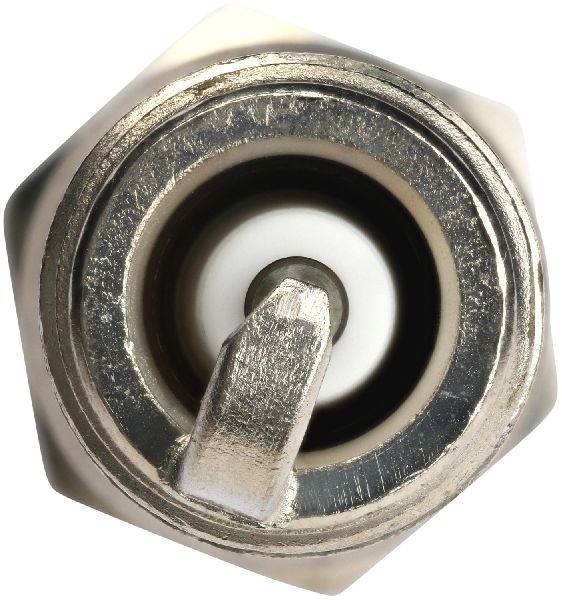
- Iridium Spark Plug
(OEM #12621258)— Spark plugs are a routine maintenance item and the most frequent cause of a single-cylinder misfire. The OEM ACDelco 41-110 Iridium plug is commonly specified for LSA engines.
Trusted brands: ACDelco, NGK
OEM price range: $15-$25
Aftermarket price range: $10-$20 - Spark Plug Wire Set
(OEM #19431551)— High engine heat, especially near cylinder 8, can degrade the wire's insulation and boot, causing spark to leak. The OEM set includes heat shields. This part number supersedes the older 19301299.
Trusted brands: ACDelco, NGK, MSD
OEM price range: $80-$120
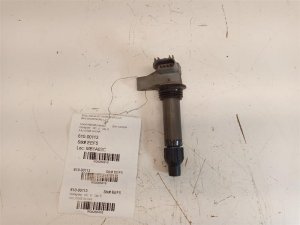
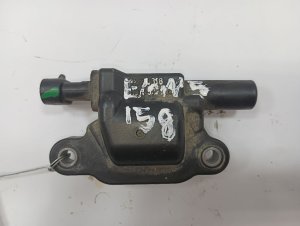
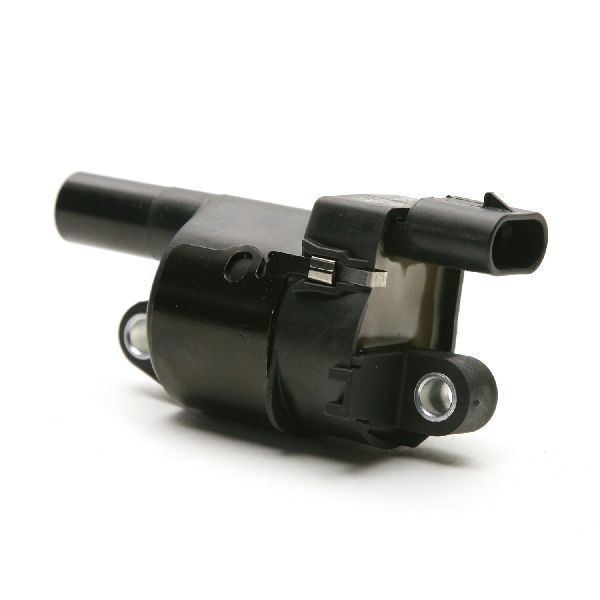
Aftermarket price range: $50-$90 - Ignition Coil
(OEM #12699382)— Ignition coils can fail from heat stress and age, resulting in a weak or no-spark condition. Swapping coils is the best way to confirm failure.
Trusted brands: ACDelco, Delphi, NGK
OEM price range: $80-$120
Aftermarket price range: $45-$75
Related Codes That Often Appear With This One
- P0300 — If the misfire on cylinder 8 is intermittent or severe enough to affect crankshaft timing broadly, the PCM may also log a P0300 for a random/multiple cylinder misfire.
- P0358 — This code indicates a malfunction in the ignition coil primary or secondary circuit for cylinder 8. Seeing it with P0308 strongly points to a bad coil or a wiring issue to the coil.
- P050D — This code for 'Cold Start Rough Idle' is often investigated alongside P0300-P0308 codes per GM TSB #PIP5628C, suggesting they can be related issues.
Technical Service Bulletins (TSBs) & Recalls
- PIP4138R: Addresses engine misfire codes P0300-P0308 and advises checking for a worn camshaft lobe or lifter if other diagnostics do not find the cause. It describes symptoms like a chirp, squeak, or tick noise. This TSB has been superseded by newer versions like PIP4568S and others, but the core diagnostic advice remains relevant.
- PIP5628C: Communicates information needed to aid in diagnosing misfire DTCs P0300-P0308. Later versions (like PIP5628G) require technicians to perform specific tests like injector balancing and compression tests before contacting GM technical support.
Platform-Specific Known Issues
- A known potential cause for P0300-P0308 codes on this platform is a worn camshaft lobe and/or a failed lifter, as documented in NHTSA-cited Technical Service Bulletin #PIP4138R.
- General Motors has also documented that a broken valve spring can cause an intermittent misfire that may only occur at high RPM and might not be found with standard compression or leak-down tests.
Mechanic-Grade Diagnostic Values
- Fuel Pressure at Idle — expected: 58-60 PSI. Failure: Significantly lower pressure could indicate a weak fuel pump; higher pressure could indicate a regulator issue.
- Spark Plug Wire Resistance — expected: 10,000-12,000 ohms per foot. Failure: An infinite reading (open circuit) or significantly higher resistance indicates a bad wire.
- Cylinder Compression (General) — expected: 120-150 PSI, with minimal variation between cylinders. Failure: A reading significantly below 100 PSI or more than 15-20% lower than other cylinders indicates a mechanical problem.
Hidden / Shadow Codes Worth Checking
- Misfire Counters (Current/History): Professional scan tools like the GM Tech 2 or GDS2 provide access to live misfire counters for each cylinder, even before a P0308 code is set. This allows a technician to see small, intermittent misfires that may not trigger the check engine light but still cause a driveability issue. (see via GM Tech 2 or GDS2 scan tool, under Engine Data or Misfire Data menus. Some high-end aftermarket scanners may also show this data under Mode 6.)
Scan Tool Commands That Help
- GDS2 / Tech 2: Cylinder Power Balance Test — This function allows the technician to disable one cylinder at a time (by cutting fuel or spark) and observe the corresponding drop in engine RPM. If disabling cylinder 8 causes little or no change in RPM compared to other cylinders, it confirms that cylinder 8 is not contributing power, helping to isolate the fault.
- GDS2 / Tech 2: Fuel Injector Balance Test — This automated test measures the pressure drop in the fuel rail as each injector is commanded to open for a specific duration. It can identify a clogged or weak injector without requiring physical removal.
- GDS2 / Tech 2: Crankshaft Position (CKP) Variation Learn — This procedure recalibrates the PCM to account for minor imperfections in the crankshaft reluctor wheel and sensor readings. If misfires are being counted but not felt (false misfires), or after replacing a crank/cam sensor or PCM, performing this relearn can improve the accuracy of misfire detection.
Wiring & Ground Locations
- G102 — On the engine block, right side, above the starter (for 6.0L/5.7L V8s, location is similar for LSA). Some diagrams place it at the left rear of the engine.. This is the primary ground point for all 8 ignition coils. A loose or corroded G102 ground can cause intermittent and hard-to-diagnose misfires on one or multiple cylinders, including cylinder 8.
- G105 — On the inner fender wall, near the battery (passenger side).. While not the primary ignition ground, this ground serves multiple engine compartment components and ensuring it is clean and tight is good practice when diagnosing any electrical issue.
- G303 / G304 — Located on the rear package shelf or C-pillar area.. These grounds are associated with the fuel pump module and fuel level senders on some models. While less likely to cause a single cylinder misfire, a poor ground here could lead to erratic fuel pressure issues that might contribute to misfires under certain conditions.
Real Owner Repair Stories
- ctsvowners.com user (2012 Cadillac CTS-V) — P0308 misfire code appeared after the car sat for a week. Rough idle and hesitation.
❌ Tried (didn't work) Swapped ignition coil from cylinder 8 to 6 (misfire stayed on 8)., Replaced spark plug wire on cylinder 8.
✅ What actually fixed it The spark plug in cylinder 8 was removed and found to have a cracked porcelain insulator, which was not visible until the plug was fully out of the engine. Replacing the single spark plug resolved the misfire completely. - cadillacforums.com user (2011 Cadillac CTS-V) — P0308 misfire code, engine running rough.
❌ Tried (didn't work) Initial diagnosis pointed to standard ignition components.
✅ What actually fixed it The user was advised by others that if a coil swap did not move the misfire, the next logical step was to check for a broken valve spring, noted as a 'sorta common' issue. The final resolution was replacing a broken valve spring on cylinder 8.
Helpful Videos
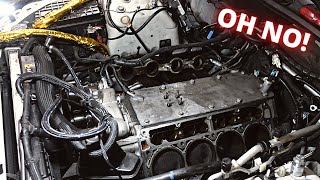

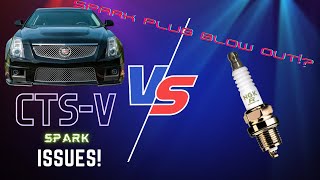
![How to Fix P0308 Engine Code in 3 Minutes [2 DIY Methods / Only $4.53]](https://img.youtube.com/vi/v9SbNjbCIW0/mqdefault.jpg)
Used OEM Parts in Stock
New Aftermarket Parts Available

The information in this article is provided for general reference and educational purposes only. Vehicle specifications, procedures, and part compatibility can vary by production date, trim level, and region. Always consult your vehicle's factory service manual and verify part numbers before purchasing or performing repairs. Safety-critical components such as airbags, seat belts, and braking systems should be installed by a qualified professional.
- Cadillac CTS-V:
- 🧭 Diagnostic Flowchart
- 🎬 Helpful Videos
- 🛍️ Shop This Part
- What's Unique About the 2011-2015 Cadillac CTS-V
- Symptoms You May Notice
- Most Likely Causes
- Rare But Worth Checking
- Diagnosis Steps
- Parts You'll Likely Need
- Related Codes That Often Appear With This One
- Technical Service Bulletins (TSBs) & Recalls
- Platform-Specific Known Issues
- Mechanic-Grade Diagnostic Values
- Hidden / Shadow Codes Worth Checking
- Scan Tool Commands That Help
- Wiring & Ground Locations
- Real Owner Repair Stories
- 🎟️ Get 5% Off