

P0308 on 2014-2016 Cadillac ELR: Misfire on a Non-Existent Cylinder Explained
A P0308 code is impossible on a 2014-2016 Cadillac ELR, as its 1.4L engine only has four cylinders. This code indicates a misfire on cylinder #8. If you see this code, it is likely a scanner error or an ECU anomaly. The actual issue is a misfire on one of the four existing cylinders (P0301-P0304), most often caused by a faulty spark plug, ignition coil, or a failed PCV system component.
- P0308 is an impossible code for the 4-cylinder Cadillac ELR; it indicates a scanner error or ECU anomaly.
- Look for the real misfire code (P0301-P0304) and check for a P0171, which strongly points to a PCV system failure.
- The most likely causes of a misfire on this engine are a bad spark plug, a failed ignition coil pack, or a failed component in the complex PCV system.
- Diagnosis is straightforward for a DIYer and involves checking for vacuum leaks at the valve cover and visually inspecting for a check valve in the intake manifold before moving to ignition components.
- If the Check Engine Light is flashing, pull over immediately to prevent expensive damage to the catalytic converter.
What's Unique About the 2014-2016 Cadillac ELR
The Cadillac ELR is a plug-in hybrid electric vehicle (PHEV) that uses a small 1.4L gasoline engine primarily as a generator, based on the same platform as the first-generation Chevrolet Volt. This means the engine may run infrequently, which can lead to moisture buildup and corrosion on ignition components. The confusion with a P0308 code can arise from generic Technical Service Bulletins (TSBs) like #PIP5628G, which cover a wide range of GM vehicles, including those with V8 engines. An ELR owner experiencing a misfire will actually have a code from P0301 to P0304, which a more advanced scan tool can often reveal from the freeze-frame data or dedicated misfire counters.
Diagnostic Flowchart
Tap your situation to follow the diagnostic path that matches what you're seeing on this vehicle.
Symptoms You May Notice
- Check Engine Light is on or flashing
- Rough or shaky engine operation when the gas engine kicks in
- Hesitation or stumbling during acceleration
- Reduced power from the gasoline engine
- Possible fuel smell from the exhaust
- Whistling noise at idle (indicative of PCV system failure)
- Surging idle speed
- Replacing an oxygen sensor. While an O2 sensor can be affected by a misfire, it is rarely the root cause.
- Assuming the scan tool is correct and searching for an eighth cylinder.
- Replacing only the valve cover for a PCV issue without checking for the missing check valve in the intake manifold, leading to a repeat failure of the new valve cover.
Most Likely Causes
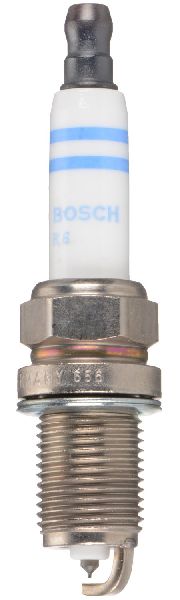
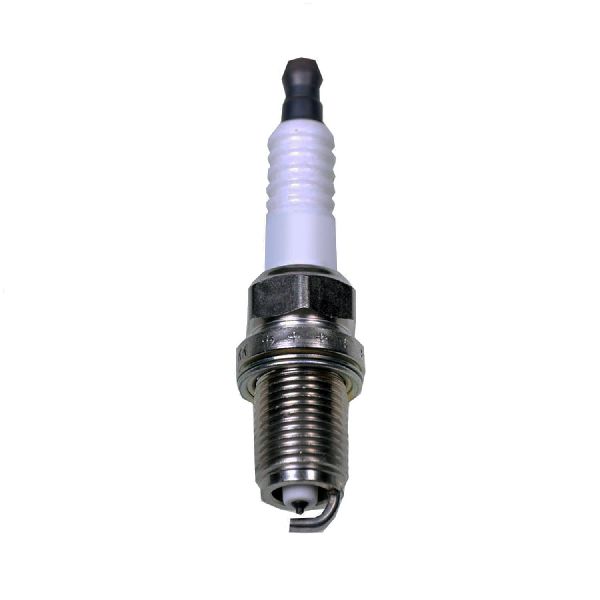
- Faulty Spark Plugs 🔴 High Probability → Shop Spark Plug As a standard maintenance item, spark plugs are the most common cause of misfires. The infrequent use of the ELR's engine can lead to fouling from moisture and carbon before the plugs wear out from mileage.
How to confirm: Inspect the spark plug from the misfiring cylinder (e.g., P0301 = cylinder 1). Look for wear, fouling, corrosion, or a cracked porcelain insulator. A simple diagnostic test is to swap the spark plug with one from a known good cylinder and see if the misfire code follows the plug (e.g., P0301 changes to P0302).
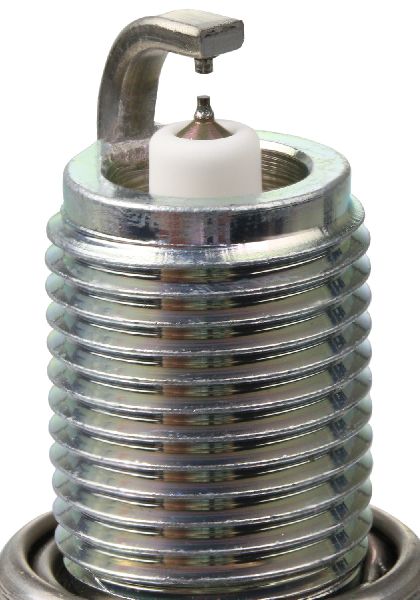
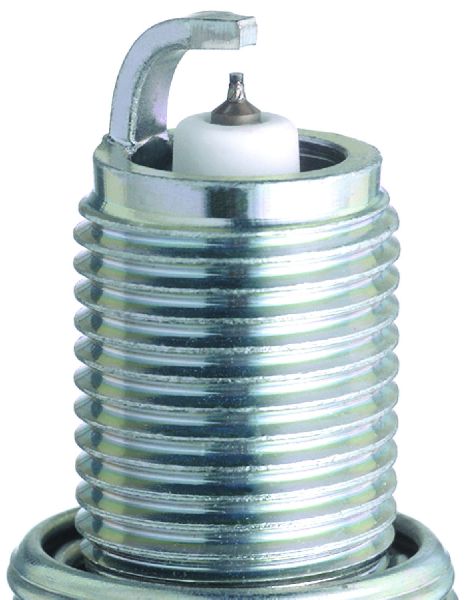
Typical fix: Replace all four spark plugs as a set. It is recommended to use OEM-spec ACDelco Iridium plugs (41-121), which come pre-gapped. Do not re-gap iridium plugs. The specified torque is 18 lb-ft (25 Nm).
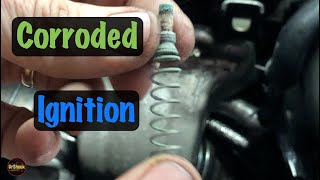
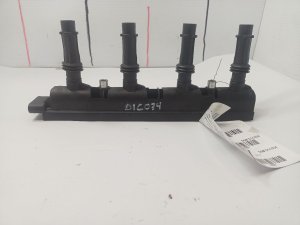
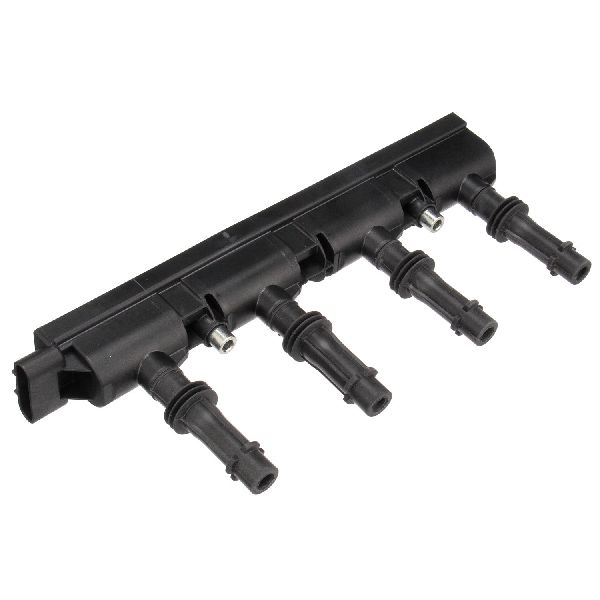
Est. part cost: $30-$70 - Faulty Ignition Coil Pack 🔴 High Probability → Shop Ignition Coil The 1.4L LUU engine uses a single cassette-style ignition coil that houses all four coils. Heat, vibration, and especially moisture can cause corrosion on the internal contact springs that connect to the spark plugs, leading to a weak or intermittent spark on a single cylinder.
How to confirm: After confirming the spark plug is good, inspect the coil boot for the misfiring cylinder for white residue or rust. Since it's a single cassette, you cannot swap coils between cylinders. Resistance tests can be performed: Primary resistance should be ~0.4-2.0 Ohms and secondary resistance should be ~6-10 kOhms.
Typical fix: Replace the entire ignition coil pack assembly. Apply a small amount of dielectric grease to the inside of the new coil boots to protect against moisture.
Est. part cost: $70-$160 - Failed PCV System (Valve Cover & Intake Manifold) 🔴 High Probability The 1.4L engine has a well-documented, high-failure-rate PCV system. A diaphragm in the valve cover can rupture, creating a large vacuum leak. Additionally, a small orange check valve in the intake manifold can dislodge and be ingested by the engine, which then causes the valve cover diaphragm to fail from exposure to boost pressure. This often presents with a P0171 (System Too Lean) code alongside misfire codes.
How to confirm: A failed valve cover diaphragm will create strong suction at the PCV breather port on the cover; placing a finger over it will reveal a strong vacuum hiss. To check the intake manifold check valve, remove the PCV hose from the top of the intake manifold and look inside the port for a small orange nub. If it is missing, the intake manifold must be replaced.
Typical fix: If the valve cover diaphragm has failed, the entire valve cover must be replaced as the diaphragm is integrated. If the intake manifold check valve is missing, the intake manifold must be replaced. It is common to replace both if one has failed, as the failure of one often causes the other.
Est. part cost: $40-$100 (Valve Cover), $100-$200 (Intake Manifold) - Faulty Fuel Injector 🟡 Medium Probability → Shop Fuel Injector
How to confirm: Listen to the injector with a mechanic's stethoscope; it should have a consistent clicking sound. You can also perform a fuel injector balance test with a capable scan tool or swap injectors between cylinders to see if the misfire code follows.
Typical fix: Replace the faulty fuel injector. It's often recommended to replace the injector seals at the same time.
Est. part cost: $60-$120
Rare But Worth Checking
- Low Engine Compression: This indicates a more serious mechanical engine problem, such as a bad valve or worn piston rings. A compression test is needed to confirm this after ruling out ignition and fuel issues. TSB PIP5197H notes that broken piston ring lands can occur on this engine platform.
- Low Fuel Pressure: While the fuel injector might be working, a failing in-tank fuel pump can starve the engine for fuel, causing misfires. This might be accompanied by a whining noise from the rear of the vehicle. Expected fuel pressure is approximately 55 PSI.
Diagnosis Steps
- Confirm the presence of the P0308 code with a scan tool. Acknowledge this is a 'ghost code' for the ELR.
- Scan for the correct misfire codes (P0301-P0304) and any accompanying codes like P0171 or P0300 to identify the actual faulty cylinder and potential related issues. A GM-specific tool like a GDS2 can view historical misfire counters for each cylinder.
- Check for PCV system failure. With the engine running, listen for a whistle. Carefully check for strong vacuum at the small breather hole on the valve cover; suction indicates a torn diaphragm.
- Visually inspect the intake manifold PCV check valve. Remove the PCV hose from the manifold and look down into the port for the small orange check valve. If it's gone, the intake manifold needs replacement.
- Inspect the spark plug for the identified misfiring cylinder. Look for wear, oil fouling, or damage.
- If the spark plug appears old or worn, replace all four plugs. Clear the codes and test drive to see if the misfire returns.
- If the plugs are good, inspect the ignition coil boot/spring for the misfiring cylinder for corrosion. Test the coil pack resistance; primary should be ~0.4-2.0 Ω and secondary should be ~6-10 kΩ. If out of spec, replace the entire coil pack.
- Check the wiring and connector to the fuel injector on the misfiring cylinder for damage or a loose connection.
- Listen to the fuel injector with a stethoscope for a steady clicking noise. If silent or irregular, the injector may be faulty.
- If the misfire persists, a mechanical compression test should be performed to check for internal engine issues like piston rings or valves.
Parts You'll Likely Need
- Spark Plugs
(OEM #ACDelco 41-121)— This is a common cause of a single-cylinder misfire and is a routine maintenance item prone to fouling on this platform. Alternate OE numbers include 55576026 and 55585517.
Trusted brands: ACDelco, NGK
OEM price range: $40-$90 (set of 4)
Aftermarket price range: $30-$70 (set of 4) - Ignition Coil Pack
(OEM #ACDelco 55579072 (or D521C))— The cassette-style coil pack on the 1.4L engine is a common failure point due to moisture corrosion. If one coil fails, the entire unit must be replaced. This part has been superseded by GM part #25198623.
Trusted brands: ACDelco, Delphi
OEM price range: $90-$160
Aftermarket price range: $70-$120 - Valve Cover (Camshaft Cover)
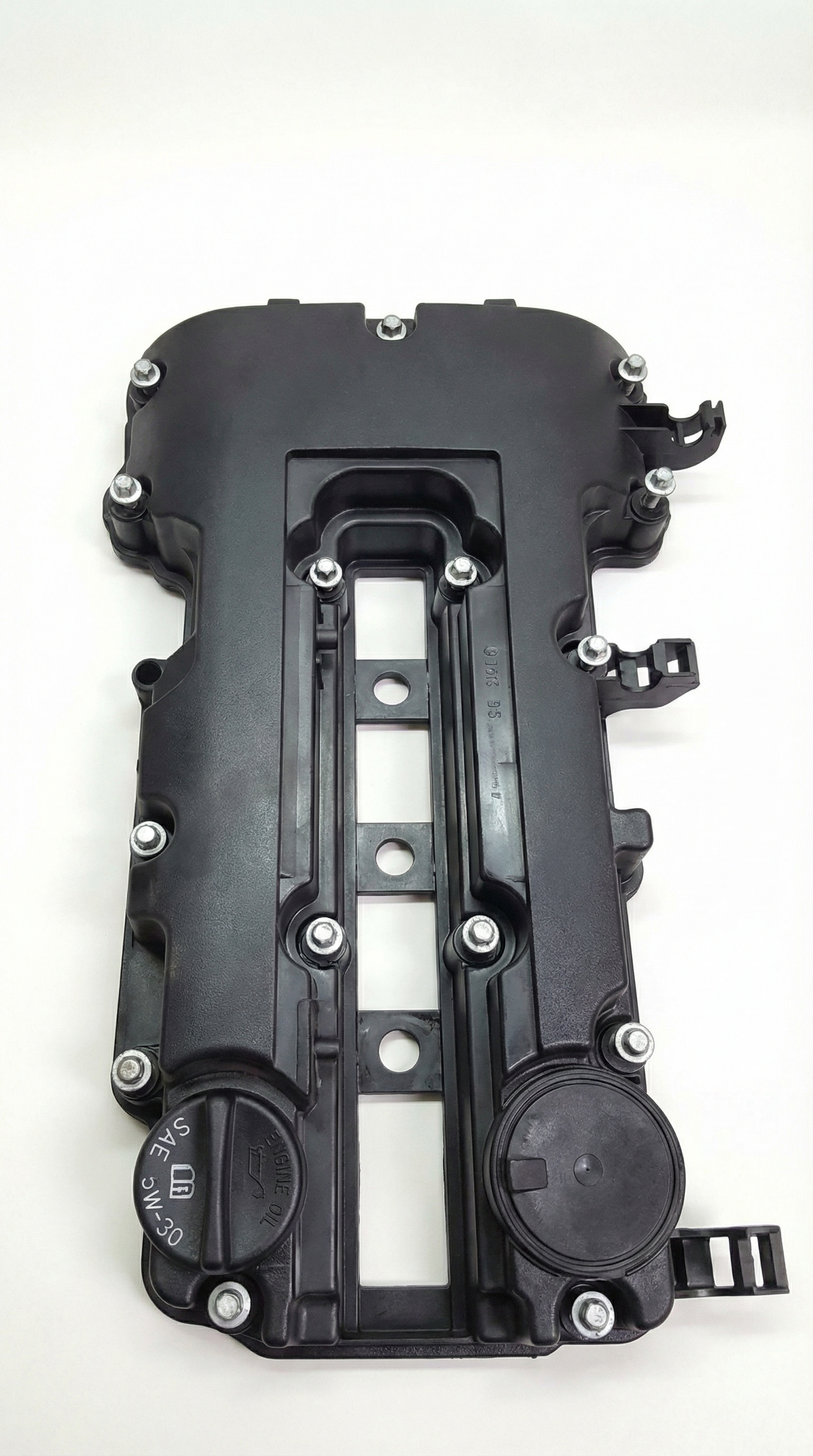
(OEM #GM 25198623)— The integrated PCV diaphragm is a known high-failure part, causing vacuum leaks that lead to lean codes and misfires. The entire cover must be replaced. This part number is an updated design that also serves as the replacement for the ignition coil.
Trusted brands: ACDelco, Dorman
OEM price range: $80-$120
Aftermarket price range: $40-$80
Related Codes That Often Appear With This One
- P0300 — If multiple cylinders are misfiring randomly, or if the ECU is confused by the PCV system failure, a P0300 will be stored alongside the specific cylinder codes.
- P0301, P0302, P0303, P0304 — These are the actual, valid misfire codes for the Cadillac ELR. The presence of P0308 is an error, and one of these codes will identify the real problem cylinder, often found in freeze-frame data or specific misfire counters.
- P0171 — A 'System Too Lean' code is very common when the underlying cause of the misfire is a failed PCV system (a large vacuum leak).
Technical Service Bulletins (TSBs) & Recalls
- PIP5628G: A general GM bulletin regarding diagnostic information needed for misfire codes P0300-P0308. It is not specific to the ELR but covers a wide range of GM engines, which is a likely source of confusion.
- PIP5197H: Details diagnostic procedures for the 1.4L engine platform concerning oil consumption, blue smoke, and fuel trim codes (like P0171) often related to PCV system failures, missing intake manifold check valves, and in severe cases, damaged pistons.
Platform-Specific Known Issues
- PCV System Design Flaw: The 1.4L LUU engine's PCV system is a major weak point. The failure of either the valve cover diaphragm or the intake manifold check valve is a very common cause of misfires and lean codes, often misdiagnosed as only a coil or plug issue.
- Ghost Code Phenomenon: The appearance of P0308 on a 4-cylinder engine is a known anomaly with GM's diagnostic logic, also seen on the Chevrolet Volt. It indicates a real misfire, but the cylinder is misreported.
Mechanic-Grade Diagnostic Values
- Ignition Coil Pack Primary Resistance — expected: 0.4 - 2.0 Ohms. Failure: A reading outside this range, or an open loop (OL), indicates a faulty coil.
- Ignition Coil Pack Secondary Resistance — expected: 6,000 - 10,000 Ohms (6kΩ - 10kΩ). Failure: A reading significantly outside this range suggests the coil's internal windings are compromised.
- Fuel Pressure (Low Side) — expected: ~55 PSI. Failure: Significantly lower pressure indicates a weak fuel pump or clogged filter.
- Short & Long Term Fuel Trims (STFT/LTFT) — expected: Within +/- 10% at idle on a warm engine.. Failure: Consistently high positive values (>10%) indicate a vacuum leak, such as a failed PCV system.
- Injector Pulse Width — expected: 2-4 milliseconds (ms) at idle.. Failure: Values significantly higher or lower may indicate a fueling or sensor issue.
- Spark Plug Torque Specification — expected: 18 lb-ft (25 Nm). Failure: Improper torque can lead to poor sealing or damage to the cylinder head.
Hidden / Shadow Codes Worth Checking
- Mode $06 Misfire Counters: Most advanced scan tools can access Mode $06 data, which includes non-continuous monitor test results. The ECU tracks misfire counts for each cylinder long before they are high enough to set a specific P030x code. This data can pinpoint the exact misfiring cylinder even if only a P0300 or the ghost P0308 is present. (see via An advanced OBD-II scan tool with Mode $06 capability.)
Scan Tool Commands That Help
- GDS2 (GM Dealer Tool): Cylinder Power Balance Test — This function graphically displays the RPM contribution of each cylinder in real-time. It is used to quickly confirm which cylinder is weak or not contributing, verifying the source of the misfire without swapping parts.
- GDS2 / Advanced Scan Tool: Injector Balance Test — This test fires each injector individually and measures the corresponding drop in fuel rail pressure. It is used to identify a clogged or electrically faulty fuel injector that isn't flowing the correct amount of fuel.
- GDS2 / Tech2Win: Crankshaft Position Variation Learn — This recalibration is required after replacing the crankshaft position sensor or ECM. If not performed, the ECM can inaccurately detect and report misfires, potentially leading to false codes.
Wiring & Ground Locations
- G101 / G106 — G101 is located on the lower front of the engine block. It is often jumpered to G106, which is on the front center of the frame cross rail, under the crank pulley.. G101 is a primary ground for the Engine Control Module (ECM). A loose or corroded connection at this point can cause erratic ECM behavior, including incorrect sensor readings and false misfire detection.
- Ignition Coil Connector — The 7-pin connector is located on the top of the cassette-style ignition coil pack, which is mounted directly on the valve cover over the spark plugs.. This is the single point of electrical connection for all four ignition coils. Damage to the pins or wiring harness at this connector can cause misfires on one or multiple cylinders.
Real Owner Repair Stories
- Reddit user on r/volt (2012 Chevrolet Volt (Gen 1, same 1.4L LUU powertrain)) — P0171 (System Too Lean), which often accompanies misfires on this engine.
❌ Tried (didn't work) Searching for a vacuum leak by spraying brake cleaner around the intake manifold.
✅ What actually fixed it The problem was the common PCV system failure. Replacing the entire valve cover, which contains an integrated PCV diaphragm, resolved the un-metered vacuum leak and cleared the code.
"I Checked Everything" — The Actual Cause
- In cases of PCV failure on the 1.4L LUU engine, a standard smoke test or spraying starter fluid may not reveal the vacuum leak. The leak originates from a torn diaphragm inside the valve cover, which creates a strong suction at the small PCV breather port on the cover itself. This internal failure is best diagnosed by checking for strong vacuum at that specific port with the engine running, rather than a generalized smoke test.
OEM Part Supersession History
55579072→25198623— Part has been updated by GM. The new part number may represent a revised design to improve reliability.
Heads up: The original part number may also be listed as 25195107. All these numbers refer to the same ignition coil cassette for the 1.4L LUU engine.
Helpful Videos
Used OEM Parts in Stock
New Aftermarket Parts Available

The information in this article is provided for general reference and educational purposes only. Vehicle specifications, procedures, and part compatibility can vary by production date, trim level, and region. Always consult your vehicle's factory service manual and verify part numbers before purchasing or performing repairs. Safety-critical components such as airbags, seat belts, and braking systems should be installed by a qualified professional.
- Cadillac ELR:
- 🧭 Diagnostic Flowchart
- 🎬 Helpful Videos
- 🛍️ Shop This Part
- What's Unique About the 2014-2016 Cadillac ELR
- Symptoms You May Notice
- Most Likely Causes
- Rare But Worth Checking
- Diagnosis Steps
- Parts You'll Likely Need
- Related Codes That Often Appear With This One
- Technical Service Bulletins (TSBs) & Recalls
- Platform-Specific Known Issues
- Mechanic-Grade Diagnostic Values
- Hidden / Shadow Codes Worth Checking
- Scan Tool Commands That Help
- Wiring & Ground Locations
- Real Owner Repair Stories
- "I Checked Everything" — The Actual Cause
- OEM Part Supersession History
- 🎟️ Get 5% Off