

P0308 on 2010-2017 Cadillac Escalade: Cylinder 8 Misfire Causes and Fixes
P0308 on a Cadillac Escalade is a cylinder 8 misfire. While it can be a simple fix like a bad spark plug or ignition coil (~$15-$75), it is frequently caused by a failed Active Fuel Management (AFM) lifter, a more serious repair costing over $1,500. The AFM lifter failure is a well-documented weak point in this engine family.
- P0308 is a misfire on cylinder 8, located on the driver's side, rearmost cylinder.
- Always diagnose in order: start with simple swaps of the ignition coil and spark plug before assuming a major problem.
- A compression test is the critical diagnostic step to differentiate between a simple fix and the common, more serious AFM lifter failure.
- A flashing Check Engine Light is a serious warning that requires you to stop driving to prevent expensive catalytic converter damage.
- If AFM lifter failure is the cause, it is a significant repair, but it is a well-known issue on these engines.
What's Unique About the 2010-2017 Cadillac ESCALADE

The 6.2L V8 engines in this era of Escalade use Active Fuel Management (AFM), a system that deactivates cylinders (1, 4, 6, and 7) to improve fuel economy. A widely documented weakness of this system is the failure of the specialized AFM lifters. These lifters can become stuck, collapse, or even rotate in their bores due to failing plastic guides. This prevents the valve from opening, causing a persistent misfire on a specific cylinder, such as P0308. This issue is often caused by oiling problems, either from a faulty Valve Lifter Oil Manifold (VLOM) which controls oil flow to the lifters, or from oil aeration and pressure issues. This problem is so common that it's often the root cause after basic ignition and fuel problems have been ruled out.
Diagnostic Flowchart

Tap your situation to follow the diagnostic path that matches what you're seeing on this vehicle.
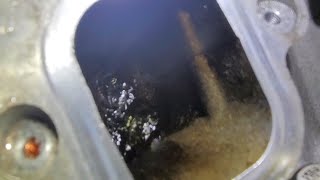
Generation note: This range covers two Escalade generations. The 2010-2014 models (GMT900) use the 6.2L L94 V8. The 2015-2017 models (K2XX) use the updated 6.2L L86 V8 with direct injection. Both engine types are equipped with Active Fuel Management (AFM) and are known to suffer from lifter failures that can cause a P0308 code. Cylinder 8 is the 🎬 Watch: A real-world diagnosis of a Cylinder 8 misfire. rearmost cylinder on the passenger (right) side of the engine.
Symptoms You May Notice
- Flashing or solid Check Engine Light
- Rough or shaking idle
- Engine hesitation or stumbling during acceleration
- Noticeable loss of power
- Engine ticking or tapping noise, especially on cold starts
- Service StabiliTrak message appearing on the dash along with the Check Engine Light
- Reduced oil pressure readings or warnings
- Increased oil consumption
- Replacing only the spark plugs and coils when the actual cause is a failed AFM lifter. If a compression test is not performed after a basic tune-up fails to fix the misfire, the true mechanical problem can be missed, leading to repeated repairs.
- Mistaking a bad ground connection for the cylinder bank as a failure of multiple components. A loose or corroded ground strap for bank 2 (cylinders 2, 4, 6, 8) can cause misfires across the entire bank.
Most Likely Causes

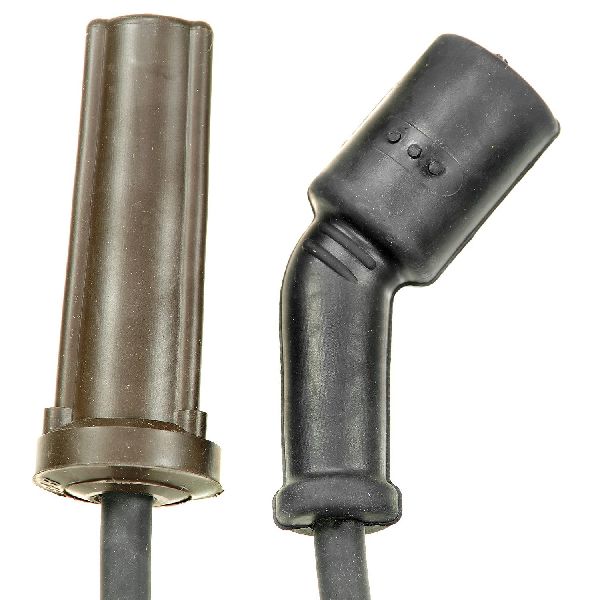
- Ignition System Failure (Spark Plug, Ignition Coil, Wire) 🔴 High Probability These are standard wear-and-tear items. The spark plug wires can also degrade, causing high resistance. On some models, a coolant leak from heater core pipes can drip onto the cylinder 8 coil pack, causing it to short out.
How to confirm: Swap the ignition coil from cylinder 8 with another cylinder (e.g., cylinder 6, which is the cylinder in front of it on the same bank). If the code changes to P0306, the coil is bad. If not, inspect or replace the spark plug for cylinder 8. Test the spark plug wire's resistance with an ohmmeter; it should not exceed 30,000 ohms.
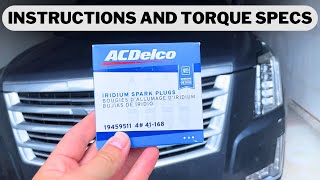
Typical fix: Replace the faulty spark plug, ignition coil, or plug wire. Accessing the cylinder 8 plug can be difficult due to its location at the rear of the engine bay. 🎬 Watch: How to replace spark plugs on this generation Escalade.
Est. part cost: $10-$80 - Active Fuel Management (AFM) Lifter Failure 🔴 High Probability → Shop Engine Valve Lifter The AFM lifters used in the 6.2L V8 are a known failure point. The internal locking pins can fail, or the lifter can collapse or get stuck due to oiling issues or mechanical wear. This is a well-documented issue across GM trucks and SUVs with this engine family, detailed in TSB 15-06-01-002K.
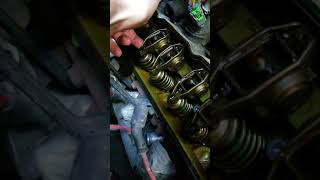
How to confirm: After ruling out ignition and fuel issues, perform a compression test on cylinder 8. A low or zero compression reading is a strong indicator of a collapsed lifter. A running compression test can also be effective. Visually, a technician can remove the valve cover to check if the rocker arms for cylinder 8 are loose or not moving while the engine is cranked. 🎬 See these expert tips for diagnosing failed AFM lifters.
Typical fix: This is a major repair requiring the removal of the cylinder head to replace the failed lifter(s). It is highly recommended to replace all lifters (both AFM and standard) and the plastic lifter guides on the affected bank. The camshaft must be inspected for damage, as a failed lifter roller can destroy the corresponding cam lobe, necessitating camshaft replacement. Many owners opt to perform an 'AFM delete' at this time, replacing the AFM components with standard LS7-style lifters and a non-AFM camshaft to prevent future failures.
Est. part cost: $200-$700 for lifters, guides, gaskets, and bolts. A full AFM delete kit with a new camshaft can cost over $1,000. - Faulty Fuel Injector 🟡 Medium Probability → Shop Fuel Injector Direct injectors on the 2015+ L86 engine can become clogged or fail electronically. Port injectors on the earlier L94 can also fail or become clogged from fuel tank contaminants.
How to confirm: After ruling out ignition issues, swap the fuel injector from cylinder 8 with another cylinder. If the misfire code follows the injector, the injector is faulty. A 'noid' light can be used to check if the injector is receiving an electrical pulse from the PCM. Listening to the injector with a mechanic's stethoscope can also reveal if it's clicking (operating).
Typical fix: Replace the faulty fuel injector. Using a quality fuel system cleaner like Techron has been reported by some owners to resolve minor injector clogging issues.
Est. part cost: $50-$150
Rare But Worth Checking
- Damaged Camshaft Lobe: → Shop Engine Camshaft This is often a direct result of a failed lifter. The roller on the lifter can seize and grind down the camshaft lobe, requiring camshaft replacement in addition to the lifters.
- Bent Pushrod: A mechanical failure in the valvetrain, sometimes related to a lifter issue, can cause a pushrod to bend. This is confirmed by TSB 15-06-01-002K.
- Faulty Valve Lifter Oil Manifold (VLOM): The VLOM contains solenoids that direct oil to the AFM lifters. A failed solenoid or internal leak in the manifold can cause lifters to malfunction. Loose VLOM bolts are also a known issue that can cause pressure loss. It is standard procedure to replace the VLOM when replacing lifters.
- Cracked or Leaking Cylinder Head / Head Gasket: → Shop Engine Cylinder Head In some cases, a wet spark plug on cylinder 8 is not from fuel, but from coolant. A cylinder leak-down test can confirm a leaking head gasket or a crack in the cylinder head, which would require cylinder head removal and machine shop work or replacement.
- Internal PCM Failure: In very rare cases, the driver circuit within the Powertrain Control Module (PCM) that controls the ignition coil or injector for cylinder 8 can fail.
Diagnosis Steps

- Read the trouble codes with an OBD-II scanner and note any other codes present, especially P0300 or P3400.
- Check freeze frame data to see the engine conditions (RPM, load, temperature) when the misfire occurred.
- Inspect the cylinder 8 spark plug. Is it fouled, worn, or wet with fuel or coolant? A coolant-fouled plug suggests a head/gasket issue.
- Swap the ignition coil from cylinder 8 to cylinder 6 (the cylinder directly in front of it). Clear codes and drive. If the code changes to P0306, the ignition coil is the problem.
- If the misfire remains on cylinder 8, repeat the swap test with the spark plug and then the spark plug wire.
- If the ignition system is good, check the fuel injector. Use a noid light to confirm it's receiving a signal. Listen for a clicking sound with a stethoscope. If possible, swap the injector with another cylinder and see if the misfire follows.
- If ignition and fuel are ruled out, perform a dry and wet compression test on cylinder 8. A reading of zero or significantly lower than other cylinders points to a mechanical failure, most commonly a collapsed AFM lifter.
- For a definitive lifter diagnosis, remove the passenger-side valve cover. Crank the engine and observe the rocker arms for cylinder 8. If one or both are not moving, a lifter has failed.
- If a lifter failure is confirmed, the cylinder head must be removed. At this point, replace all lifters and guides on that bank, replace the VLOM, and carefully inspect the camshaft for lobe damage.
Parts You'll Likely Need
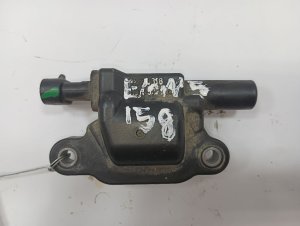
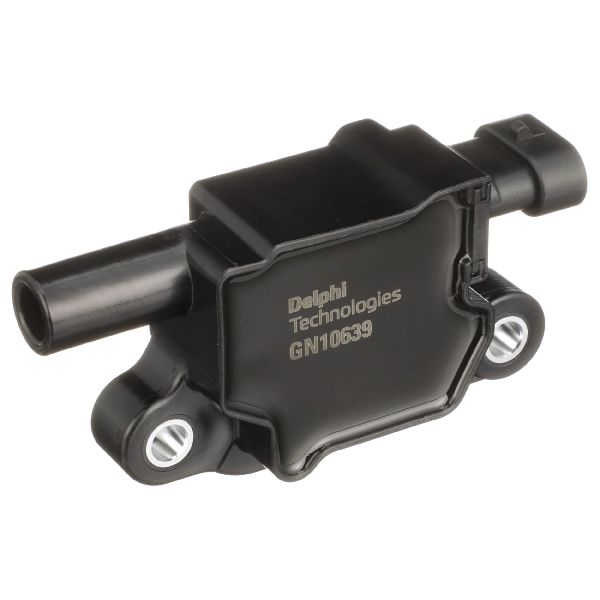
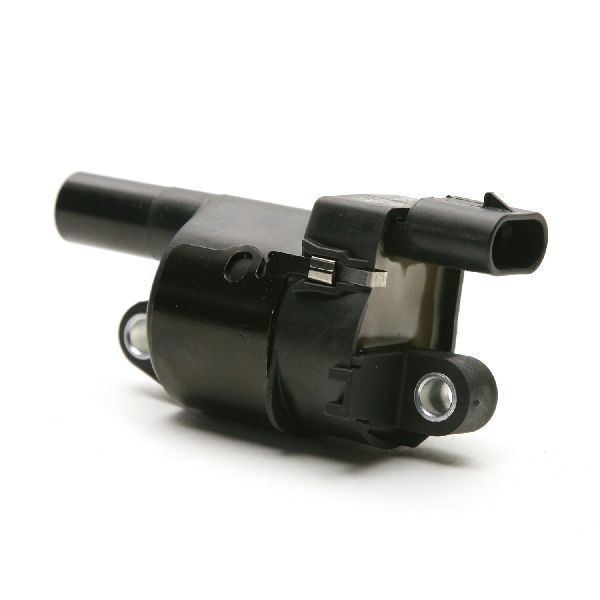
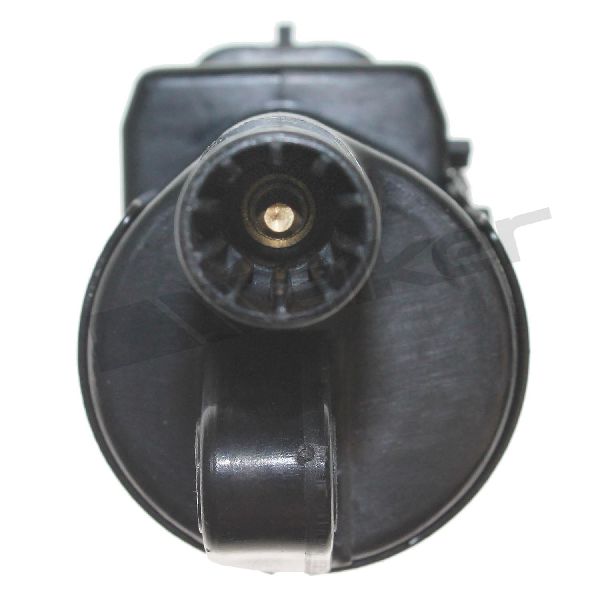
- Ignition Coil
(OEM #12611424)— A common failure point for ignition systems and one of the first and easiest parts to check.
Trusted brands: ACDelco, Delphi
OEM price range: $50-$75
Aftermarket price range: $30-$60 - Spark Plug
(OEM #41-110 (Iridium for L94) or 41-162 (Iridium for L86))— A standard maintenance item that wears out over time and can cause a misfire.
Trusted brands: ACDelco, NGK
OEM price range: $10-$15
Aftermarket price range: $5-$12
Related Codes That Often Appear With This One
- P0300 — If the misfire is severe or intermittent, or if other cylinders are also misfiring (e.g., due to multiple failing lifters or a systemic fuel issue), a P0300 (Random/Multiple Cylinder Misfire) may be logged alongside P0308.
- P3400 — This code indicates a problem with the cylinder deactivation system itself, often pointing directly towards the AFM lifters or the VLOM as the source of the misfire.
Technical Service Bulletins (TSBs) & Recalls
- PIP5628G: A general diagnostic guide for technicians encountering misfire codes P0300-P0308, instructing them on the data to collect before contacting technical assistance.
- 15-06-01-002K: The most relevant TSB, which directly addresses engine misfires and ticking noises caused by stuck, collapsed, or damaged AFM lifters on 2015-2019 models with the 6.2L L86 engine. It recommends lifter and guide replacement and inspection of the camshaft.
- 19-NA-219: Notes that a chirp, squeak, or tick noise from the engine, which can be caused by a worn cam lobe or lifter roller, may be accompanied by misfire DTCs like P0308.
Platform-Specific Known Issues
- The most significant vehicle-specific issue is the high failure rate of Active Fuel Management (AFM) lifters on the 6.2L V8 engine. This issue is documented in multiple GM Technical Service Bulletins (TSBs) and is a frequent topic in owner forums. The failure is often attributed to the internal locking pin mechanism of the lifter failing due to oil aeration or pressure irregularities from the VLOM. When the lifter collapses, it creates a zero-compression condition in the cylinder, leading to codes like P0308. The repair is labor-intensive and costly as it requires removing the cylinder head. Because of the high failure rate, many owners and shops recommend a full 'AFM Delete', which involves replacing the AFM lifters, VLOM, and camshaft with non-AFM components.
Mechanic-Grade Diagnostic Values
- Ignition Coil Primary Resistance — expected: ~0.4 to 0.5 Ohms. Failure: Significantly higher resistance or an open circuit (infinite resistance).
- Ignition Coil Secondary Resistance — expected: ~2,000 to 10,000 Ohms (2kΩ - 10kΩ). Failure: Readings outside of this range indicate a faulty coil winding.
- Fuel Injector Resistance (2015+ L86 Direct Injection) — expected: ~2.2 Ohms. Failure: An open loop (infinite resistance) reading indicates a failed injector coil.
- Fuel Pressure (2010-2014 L94 Port Injection) — expected: The fuel pump should support up to ~520 whp before pressure drops.. Failure: A drop in fuel pressure under load can cause lean misfires.
- High-Pressure Fuel System (2015+ L86 Direct Injection) — expected: The high-pressure pump delivers fuel to the injectors at up to 2,175 psi (150 bar).. Failure: Low readings from the high-pressure system, diagnosed with a capable scan tool, point to issues with the high-pressure fuel pump.
Scan Tool Commands That Help
- GDS2/Tech2: Misfire Graphic — To visually monitor misfire counts per cylinder in real-time. This helps confirm if the misfire is consistently on cylinder 8 or if other cylinders are contributing intermittently.
- GDS2/Tech2: Cylinder Power Balance — This test deactivates one cylinder at a time and measures the corresponding drop in RPM. A cylinder with a smaller RPM drop is contributing less power, helping to isolate the misfiring cylinder without a test drive.
- GDS2/Tech2: Injector Test — Allows the technician to command a specific injector to open and close (often heard as a click). If an injector doesn't respond, it points to a failure in the injector or its control circuit. This can be used before performing a more invasive physical swap.
Wiring & Ground Locations
- G103 — Right rear of the engine block.. This is a primary engine ground. While less common for a single cylinder misfire, a poor connection here can cause erratic behavior for components on the right side (Bank 2) of the engine, which includes cylinder 8. A similar ground on the front of the block is known to cause misfires for the entire bank if it fails.
- Injector Harness Connector — The plastic connector that plugs directly onto the fuel injector or ignition coil.. The terminals inside these connectors can lose tension or corrode, causing an intermittent connection that perfectly mimics a failed coil or injector. Wiggling the connector while the engine is running may induce or stop the misfire.
- ECM Connector X3, Pins 48 & 68 — At the Engine Control Module (ECM).. On 2015+ L86 models, these are the specific pins for the cylinder 8 fuel injector control circuit. A technician can test for continuity and resistance from the injector connector all the way back to these pins to rule out a wiring harness break.
Real Owner Repair Stories
- Tahoe Yukon Forum (2002 Tahoe (Similar 5.3L V8 architecture)) — Cylinder 8 misfire code.
❌ Tried (didn't work) Replacing the ignition coil.
✅ What actually fixed it The injector harness connector was not making a solid connection. Replacing the harness pigtail from a wrecking yard for $5 solved the problem. - YouTube, channel 'Hoo's Garage' (2007 Cadillac Escalade) — Misfire on the entire passenger side bank (cylinders 2, 4, 6, 8).
❌ Tried (didn't work) Initial diagnosis pointed to multiple component failures.
✅ What actually fixed it A common ground wire for the Bank 2 ignition coils, located on the lower part of the engine block, was broken or corroded. Repairing this single ground connection restored function to all four coils on that bank and fixed the misfire. - BobIsTheOilGuy Forum (2007 Escalade 6.2L with 335,000km) — P0308 misfire only at idle after 15-20 seconds, StabiliTrak message, flashing CEL if idling continues. Drives perfectly on the highway.
❌ Tried (didn't work) Swapping coils, plugs, and wires., Replacing the spark plug in cylinder 8., Replacing the intake manifold gasket.
✅ What actually fixed it The user was advised by others that the symptoms (misfire only at idle, noisy lifters) strongly pointed to a failing AFM lifter on cylinder 8, likely caused by an internal oil pressure leak from the valley cover (VLOM) seals, a known issue on L92 engines even without AFM being active. The final fix was not posted, but diagnosis confirmed good compression (200+ PSI) and a 6% leakdown, steering the diagnosis toward the valvetrain/lifter.
OEM Part Supersession History
12571609 (VLOM)→12698755— The original Valve Lifter Oil Manifold (VLOM) design was prone to solenoid failure and internal leaks, leading to oil pressure issues for the AFM lifters. The updated part aims to improve reliability.
Heads up: When replacing failed AFM lifters, it is highly recommended by mechanics to also replace the VLOM with the latest version to prevent repeat failures, as a faulty VLOM is often the root cause of the lifter failure.
Model Year Variations Within This Range
- 2010-2014 (L94 Engine): This engine uses traditional Port Fuel Injection. A P0308 misfire could be caused by a clogged or failing injector that is relatively easy to access and replace on the fuel rail atop the intake manifold.
- 2015-2017 (L86 Engine): This engine uses a Direct Injection (DI) fuel system. The fuel injectors are located under the intake manifold and are fed by a high-pressure fuel system. Injector failure is still a possible cause for P0308, but diagnosis and replacement are significantly more complex and labor-intensive, requiring removal of the intake manifold and special care due to the high fuel pressures involved.
Helpful Videos
Used OEM Parts in Stock
New Aftermarket Parts Available


The information in this article is provided for general reference and educational purposes only. Vehicle specifications, procedures, and part compatibility can vary by production date, trim level, and region. Always consult your vehicle's factory service manual and verify part numbers before purchasing or performing repairs. Safety-critical components such as airbags, seat belts, and braking systems should be installed by a qualified professional.
- Cadillac ESCALADE:
- 🧭 Diagnostic Flowchart
- 🎬 Helpful Videos
- 🛍️ Shop This Part
- What's Unique About the 2010-2017 Cadillac ESCALADE
- Symptoms You May Notice
- Most Likely Causes
- Rare But Worth Checking
- Diagnosis Steps
- Parts You'll Likely Need
- Related Codes That Often Appear With This One
- Technical Service Bulletins (TSBs) & Recalls
- Platform-Specific Known Issues
- Mechanic-Grade Diagnostic Values
- Scan Tool Commands That Help
- Wiring & Ground Locations
- Real Owner Repair Stories
- OEM Part Supersession History
- Model Year Variations Within This Range
- 🎟️ Get 5% Off